REVIEW · KATHMANDU
Everest Base Camp Adventure Trek 12 days
Book on Viator →Operated by Mountain Travel Nepal · Bookable on Viator
Everest starts with a tiny plane ride. This 12-day trek sends you from Kathmandu to Lukla, then up through Namche Bazaar and Sherpa villages where monasteries and daily life sit right alongside world-class mountain views.
I like the way the route mixes altitude work with real culture stops, from a park museum area to the big Tengboche gompa. One thing to plan for up front: the trek includes many essentials, but lunch/dinner and most drinks aren’t included, and there’s no support porter for bedding or a duffle bag.
In This Review
- Key highlights you’ll actually feel on this trek
- Kathmandu to Lukla: starting the Everest trek the right way
- Lukla and Namche Bazaar: your first altitude reality check
- Sherpa culture and the Sagarmatha National Park museum stop
- Tengboche Gompa: the spiritual stop that adds meaning to the mountains
- Ama Dablam views and Dingboche: acclimatization that doesn’t waste your time
- Lobuche to Everest Base Camp: when the trek gets serious
- Kala Patthar sunrise from Pheriche: the day most people remember
- Returning via Namche and Lukla: closing the loop in reverse altitude
- Price and value: $1,565 includes the big-ticket pieces
- Logistics you should understand before you commit
- What to pack and how to plan for altitude (without guessing)
- Who this Everest Base Camp adventure fits best
- Should you book Everest Base Camp with Mountain Travel Nepal?
- FAQ
- How long is the Everest Base Camp adventure trek?
- Where does the tour start and end?
- Are flights to and from Lukla included?
- What permits are included?
- Is accommodation included during the trek?
- Are meals like lunch and dinner included?
- Are drinks and bottled water included?
- Do I get a porter to carry a duffle bag or bedding?
- What happens if weather causes a cancellation?
Key highlights you’ll actually feel on this trek
- A flight into Lukla so your Everest story begins on the runway, not on a bus ride
- Namche Bazaar time for markets, Sherpa food, and practical gear shopping
- Everest View Hotel (3,880m) panorama as a mid-trek reward before Base Camp
- Tengboche Gompa visit at a major sacred site in the Everest region
- Kala Patthar sunrise day (5,545m) with a big payoff for early starts
- Good on-the-ground coordination—in this trip, Ashok is specifically mentioned as handling timing and gear needs
Kathmandu to Lukla: starting the Everest trek the right way
The experience begins in Kathmandu with pickup offered, and it’s a real advantage because you’re not left figuring out transport after you arrive. The meeting point is Kathmandu Guest House on Saathgumti-16, and the start time is 8:15am, which matters because the day can move quickly.
Then comes the part that sets the tone for the entire trek: the domestic flight KTM to Lukla. This isn’t just travel. It’s the dramatic shift from city pace to high-mountain reality. You get the sense immediately that you’re heading to a place where weather, timing, and altitude all play by different rules than elsewhere in Nepal.
From there, you transition into trekking life in the Khumbu area. Your days are built around walking, resting, and gradually gaining altitude—so the schedule feels like it’s trying to keep you moving forward without ignoring how your body adapts.
You can also read our reviews of more tours and experiences in Kathmandu.



Lukla and Namche Bazaar: your first altitude reality check
Lukla is the gateway village for the Everest region. The itinerary gives you a full walking day after arriving, and it’s not a token stop. You’ll start soaking up what the “doorway to Everest” feels like in real life—busy enough to be practical, small enough to feel human.
Then you head to Namche Bazaar, which is one of the most useful places on the trek. It’s popular with Sherpa communities, and it’s also well set up for trekkers: you’ll find upgraded lodges, markets, and places to pick up equipment and food. That matters because midway through a trek you often need small things—extra layers, snacks, a charging plan, or just supplies that keep you comfortable.
Namche also gives you time to reset your rhythm before higher elevations. In practical terms, it’s where you learn the “working pace” of the trek: walking steadily, stopping when you need to, and keeping an eye on how you feel rather than racing the group.
If you’re prone to motion sickness or get anxious about flights, this is worth noting. The flight to Lukla and the return flight later are weather-dependent, so your plan should allow for a little uncertainty.
Sherpa culture and the Sagarmatha National Park museum stop
One of my favorite styles of trekking routes is when the cultural stops aren’t random add-ons. Here, you get a museum stop around the Namche area—Sagarmatha National Park Museum / Sherpa Cultural Museum. It’s a good chance to understand what you’re seeing as you move deeper into the Khumbu.
Then you add a short hike to Everest View Hotel at 3,880m. This is a smart “bridge day” because you’re not jumping straight from town-level trekking into the heaviest views of the higher peaks. Instead, you earn the panorama—Everest, Lhotse, Ama Dablam, and more—while your body is still acclimating.
The payoff isn’t only the view. It’s the perspective. Looking at Everest’s neighborhood from this kind of elevation makes the next days feel more real and less abstract, which helps when you’re mentally budgeting for altitude and effort.
Tengboche Gompa: the spiritual stop that adds meaning to the mountains
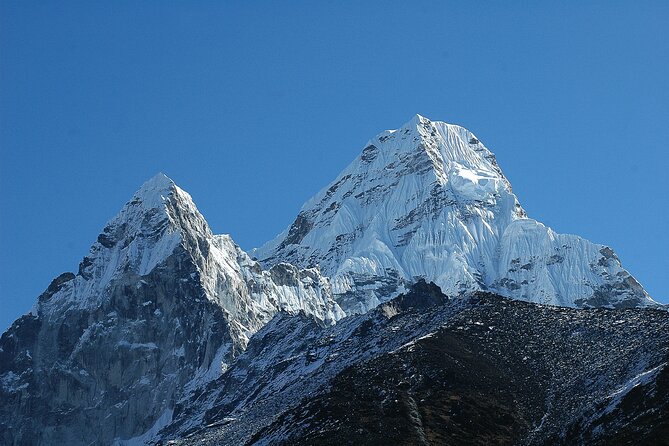
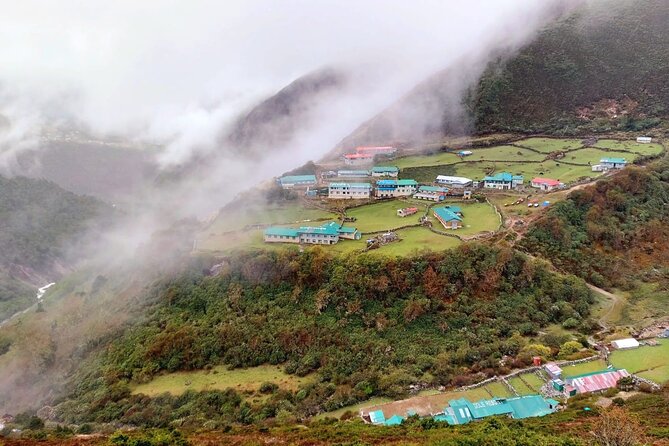
After Namche, you travel onward to Tengboche, where you’ll visit Tengboche Gompa—described as the biggest monastery in the Everest region. This is one of those stops that changes how you feel about the trek.
The mountains are the headline, but gompas are the reason the region feels deeper than a photo line. Even if you’re not religious, you’ll likely appreciate how the site connects the landscape to local life, beliefs, and seasonal patterns.
Practically, Tengboche is also a moment to slow down. You’re surrounded by Himalayan giants in the distance, but you’re doing it at a place that encourages you to pause, look, and take in the atmosphere without rushing.
Consideration: this is a spiritual site, so keep your behavior respectful and dress appropriately for cold weather without being careless around sacred spaces.
Ama Dablam views and Dingboche: acclimatization that doesn’t waste your time
Next, you spend time in the orbit of Ama Dablam views. The trek plans a day focused on enjoying the stunning sightlines of Ama Dablam and other dominant peaks. This matters because Ama Dablam is often the peak people recognize right away, and having a dedicated day to watch it from the trail helps you understand the terrain visually—not just as “higher numbers.”
Then you reach Dingboche, and the schedule adds an extra day there. That’s a big deal. You get a real acclimatization window instead of forcing a faster climb. The day is framed as giving your body time to adapt, with an option: you can go around the area or even climb Nangkartshang Peak for extra vistas.
That optional higher hike isn’t for everyone, but it shows the trek is designed with altitude in mind. If you’re feeling strong, you get a chance to go farther. If you’re not, you can still use the day to rest, eat well, and breathe.
In other words, this is where you learn the trek’s real rhythm: slow enough to keep going, steady enough that you still feel progress.




Lobuche to Everest Base Camp: when the trek gets serious
As you move to Lobuche, you’re getting closer to Everest, and the trek leans into that feeling of being in the Everest zone. The walking is still manageable in structure, but mentally it’s different because your environment tightens—more high-country air, more steep-feeling terrain, and more constant mountain presence.
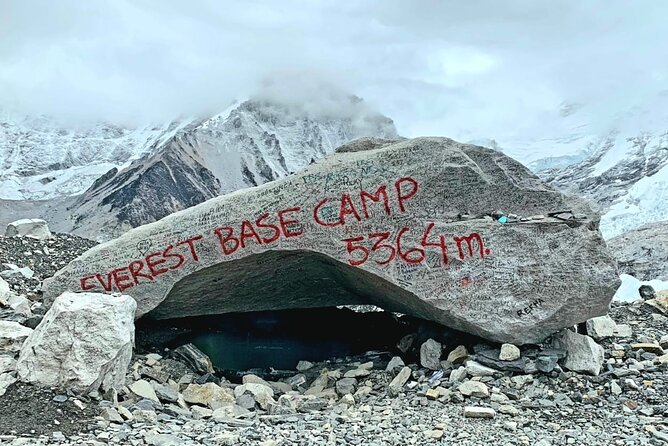
Then you reach Everest Base Camp. This is the “climbers gather here” moment, and even if no one is summiting the day you arrive, the place has a purpose. You’re seeing the staging point where expeditions prepare—so it’s not just a viewpoint. It’s the human side of Everest, the way dreams become logistics.
What to expect: Base Camp days often feel like a mix of relief and awe. You’ve worked for it. You’re at the altitude where air can feel thin, so don’t treat the day like a casual outing. Take your time walking around, hydrate, and watch how you react.
A useful mindset for this part: treat Base Camp like a checkpoint. Enjoy it fully, but don’t overexert yourself because you still have the most demanding view day ahead.
Kala Patthar sunrise from Pheriche: the day most people remember
This is the classic Everest-region move: an early start from Pheriche to hike to Kalapatthar for sunrise. The goal is straightforward—see the Himalayan giants in one panoramic sweep, including Everest, Nuptse, and Lhotse.
The viewpoint is listed at 5,545m, and that number alone tells you why the timing matters. Sunrise views are worth the early hour, but your body might take a little longer to warm up and settle. You’ll likely want a slow, steady pace and plenty of patience on the trail.
When it works, it’s one of those days that stays with you for years—not because it’s perfect, but because it’s earned. You go from sleeping in a cold place to watching Everest appear under new light.
Reality check: if the weather isn’t friendly, this day can be affected. Since the trek is weather-dependent and flights are too, it’s smart to accept that the mountains control some of the schedule.
Returning via Namche and Lukla: closing the loop in reverse altitude
After Base Camp and Kala Patthar, the trek works backward. You go from the higher zone back toward Namche Bazaar and then down to Lukla.
Namche on the return day is different. On the way in, it’s a transition. On the way out, it’s more about comfort and perspective—markets, relaxing time, and a chance to eat Sherpa cuisine while you review what you’ve already done and what you’ve learned.
Then there’s the final flight day structure. On the day associated with Lukla, you get the chance to take mental pictures, and you’ll have dinner and an overnight there. After that, you fly from Lukla to Kathmandu in the morning and transfer to your booked Kathmandu hotel.
The flight is a short ride compared to the days you walked, but it has an emotional weight. You get one last look at the peaks that reshaped your sense of scale.
Price and value: $1,565 includes the big-ticket pieces
At $1,565 per person, this trek is not a bargain, but it’s also not “pay extra for the wow.” The value is in what’s included:
- Domestic flights: Kathmandu ↔ Lukla (2-way)
- Vehicle transfer (2-way)
- All Sagarmatha permits
- Professional certified guide
- Accommodation during the trekking for 11 nights
- Breakfast included
That set of inclusions matters on Everest routes because the flight and permits are the kind of costs that add up fast if you’re arranging everything yourself. The guide is also a core value item: you’re not just buying a person to walk with you; you’re buying help with logistics, timing, and decision-making at high altitude.
What’s not included is equally important:
- Lunch and dinner
- Coffee/tea and all hot/cold drinks, including bottle water and hot water
- Personal expenses like wifi, hot shower, phone, and battery charges
- Hotel accommodation in Kathmandu before and after the trek is listed as $30 per person per night (B&B basis)
- A support porter for bedding/duffle bag is not included
So here’s the value question you should ask: does your budget cover meals and drinks on top of the trek cost? If not, it’s easy for the final total to creep up.
Logistics you should understand before you commit
This is a private tour/activity, and the description says only your group participates. That tends to make a difference in how the trek feels day to day—more tailored to your pacing and comfort needs.
Pickup is offered, and the start time is fixed for the Kathmandu day: 8:15am. You’ll also be using a mobile ticket, and confirmation happens at booking.
The trek needs moderate physical fitness, so it’s not for a zero-tilt beginner. It’s also listed as suitable for travelers who can handle steady walking and altitude adaptation.
Also check the “minimum travelers” rule. The price depends on a minimum of 2 travelers operating the trip, so if you’re solo, confirm how your quote is handled.
What to pack and how to plan for altitude (without guessing)
The route includes high elevation points, including Everest View Hotel (3,880m) and Kalapatthar (5,545m), plus all the altitude gain between. That means your pack and your habits matter.
I’d plan around three goals:
- Stay warm, stay dry: temperatures can shift fast, especially around sunrise on the Kalapatthar day.
- Move steadily: slow pace beats sprinting. If you rush, altitude punishes you fast.
- Budget extra comforts: because lunch/dinner and many drinks are not included, you’ll want cash and/or a plan for purchases along the way.
One more practical thought: since a bedding/duffle porter is not included, think about how much you want to carry. Even if you’re fit, heavy extra weight can turn a “beautiful day” into a painful day.
Who this Everest Base Camp adventure fits best
This is a strong choice if you want:
- Classic Everest-region highlights without DIY logistics
- A route that takes acclimatization seriously (the added Dingboche day helps)
- Sherpa culture stops that feel meaningful, not tacked on
- A guide who handles timing and gear needs well (Ashok is specifically mentioned as coordinating gear and details)
It’s also a good fit for travelers who like structure. The trek is scheduled around key viewpoints and passes, so you’re not left wondering what comes next.
Who should think twice? If you know you struggle with altitude, have very limited trekking ability, or can’t manage early mornings, you’ll want a conversation with the operator before booking.
Should you book Everest Base Camp with Mountain Travel Nepal?
If you’re the type who wants Everest, but also wants your trip to run cleanly, I’d say yes—with a condition. The core inclusions are solid: flights to Lukla, permits, a certified guide, 11 nights of trekking accommodation, and breakfast. That’s the backbone of a successful Everest Base Camp trek.
My “yes, but” is budget reality. Since lunch/dinner and most drinks are not included, you should plan for daily costs. Also, because a support porter isn’t included, decide early whether you’ll carry more than you want.
If that all fits your style and fitness level, this trek has the right mix: Lukla, Namche Bazaar, sacred Tengboche Gompa, Everest viewpoints, and that sunrise day at Kalapatthar.
FAQ
How long is the Everest Base Camp adventure trek?
The trek is listed as 12 days (approx.).
Where does the tour start and end?
It starts at Kathmandu Guest House, Saathgumti-16, Kathmandu 44600, Nepal at 8:15am, and it ends back at the same meeting point.
Are flights to and from Lukla included?
Yes. Domestic flights KTM/Lukla and Lukla/KTM are included, plus vehicle transfer-2 way.
What permits are included?
The trek includes all Sagarmatha permits.
Is accommodation included during the trek?
Yes. The package includes accommodation during the trekking for 11 nights.
Are meals like lunch and dinner included?
No. Lunch and dinner are listed as not included. Breakfast is included.
Are drinks and bottled water included?
No. All kind of hot and cold drinks (including bottled water, tea, coffee, and other drinks) are listed as not included.
Do I get a porter to carry a duffle bag or bedding?
No. A support porter for carrying bedding or duffle bag is not included.
What happens if weather causes a cancellation?
The experience requires good weather. If it’s canceled due to poor weather, you’ll be offered a different date or a full refund.
If you tell me your fitness level and whether you’re traveling solo or as a pair, I can help you sanity-check the extra daily meal/drink budget and the porter question before you book.