REVIEW · KAMPALA
10 Days Affordable Gorilla Trekking Holiday
Book on Viator →Operated by Pamoja Safaris · Bookable on Viator
Gorillas, chimps, and lions in one loop. This 10-day private safari is built around Uganda’s best western parks, with the big-ticket primate moments you came for—especially Bwindi gorilla trekking and chimp tracking in Kibale. You also get hands-on community time (like the Bigodi experience) and plenty of classic wildlife options, including a Kazinga Channel boat safari.
What I like most is that the schedule mixes primates with real variety: forest treks one day, open-plain game drives the next, then boats and culture stops that make the whole trip feel more than just a checklist. One thing to consider: the itinerary is full, with early mornings and long driving days, so you’ll want solid stamina (and realistic expectations about how long treks take).
In This Review
- Key Highlights You’ll Care About
- Western Uganda in 10 Days: A Fast, Focused Primates Circuit
- Day 1 in Entebbe: Easy Arrival Base, Optional Zoo or Gardens
- Kibale Forest National Park: Chimp Tracking in the Morning, Bigodi Culture in the Afternoon
- Queen Elizabeth National Park: Kasenyi Game Drive Plus Kazinga Channel Boat Time
- Ishasha Sector and the Road to Bwindi: Tree-Climbing Lions as a Day’s Main Goal
- Bwindi Impenetrable Forest: Gorilla Trek Day with One-Hour Viewing Reality
- Mgahinga National Park: Golden Monkey Trek + Bamboo Jungle and Lake Boat Exploration
- Lake Mburo National Park and Igongo Cultural Center: A Savanna Break with Culture Credits
- Day 10 in Entebbe: Cycling Safari and a Quick Uganda Equator Photo Stop
- Price and Value: What $3,955 Covers (and What It Doesn’t)
- Fit, Pace, and Physical Demands (So You’re Not Surprised)
- Should You Book This 10-Day Gorilla and Primates Safari?
- FAQ
- What primate permits are included in this tour?
- Does this tour include airport transfers?
- How long is the gorilla viewing time once you find the gorillas?
- What kind of physical fitness do I need?
- What animals and activities can I expect besides primates?
- What’s not included in the price?
Key Highlights You’ll Care About
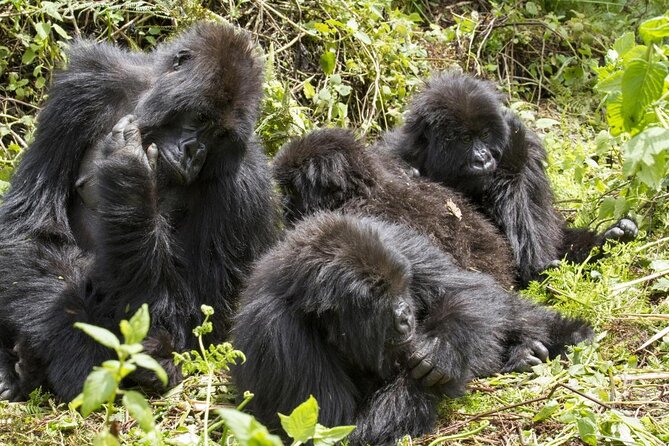
- Bwindi gorillas with a strict one-hour viewing window and a trek that can take 2–8 hours total
- Kibale chimpanzee trekking plus the Bigodi community experience (coffee, banana beer making, basket making, traditional healer)
- Ishasha tree-climbing lions as a specific, chaseable goal in the midday sun
- Kazinga Channel boat safari for hippos, buffaloes, elephants, and big bird photography moments
- Mgahinga golden monkeys in bamboo country, followed by boat exploration on the lake
- Culture stops like Ruboni (Bakonjo) and Igongo Cultural Center in Mbarara
Western Uganda in 10 Days: A Fast, Focused Primates Circuit
This tour is designed for people who want the Uganda hits without wasting days. In about 10 days, you cover a chain of parks that each has its own “thing”: chimpanzees in Kibale, predators and plains wildlife in Queen Elizabeth, possible tree-climbing lions in Ishasha, gorillas in Bwindi, golden monkeys in Mgahinga, and savannah life around Lake Mburo—then you wrap in Entebbe with a cycling safari.
The practical win is that so much is handled for you. Park fees (for non-residents), permits (gorilla, chimpanzee, golden monkey), accommodation, meals, a professional driver/guide, and transportation are built into the cost, with taxes and drinking water included too. For many travelers, that reduces decision fatigue and helps you focus on the experience.
The other real win is variety of terrain and activities. Your days won’t all look the same: you’ll trek in forest (misty morning conditions are common), ride out on game drives, slide onto a boat for Kazinga Channel, and finish with cycling. If you like a trip that keeps changing pace, this works.
You can also read our reviews of more tours and experiences in Kampala.
Day 1 in Entebbe: Easy Arrival Base, Optional Zoo or Gardens
Day 1 is simple: you land at Entebbe International Airport, meet the representative, and get transferred to your booked hotel for check-in and rest. If you arrive early, you can add a short visit to Entebbe Zoo or the Entebbe Botanical Garden.
Why this matters: after flights, you don’t need a big outing. Entebbe gives you time to get your phone charged, test your trail shoes for comfort, and stock up on anything you forgot. Also, it’s a low-pressure way to start understanding Uganda’s rhythms before you move into heavier trekking days.
Tip for your comfort: keep Day 1 light on purpose. You’ll feel it later during primate treks.
Kibale Forest National Park: Chimp Tracking in the Morning, Bigodi Culture in the Afternoon
Kibale is where the trip becomes personal. On day 2 you transfer to your lodge and enjoy the drive through countryside, with chances to spot bird species and traditional homes. You’ll also stop in Fort Portal for lunch—often described as a tourism capital area, and it’s a good halfway reset before you settle in.
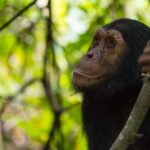
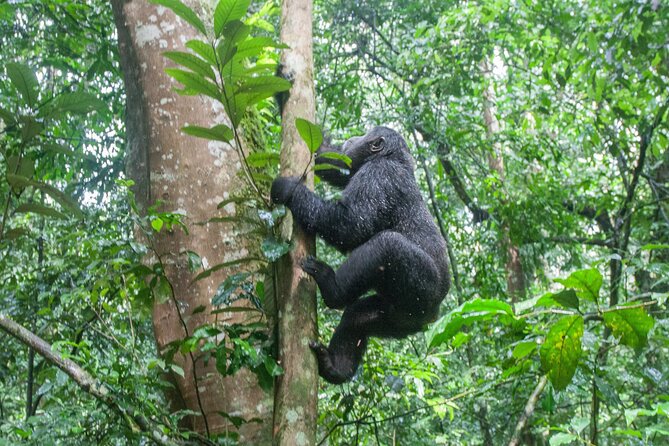
Then day 3 turns into a full primate day. Right after breakfast, you go to the briefing point where details and permits are handled for registration and chimpanzee community allocation. You’re then assigned to a chimpanzee community and led by a ranger guide on the trek.
What to expect on the chimp trek:
- You’ll search in the forest for chimpanzees in their natural habitat
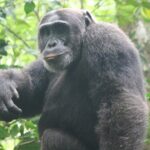
- You’ll watch them swing high in the canopy, feed, play, and rest
- The experience is guided by ranger knowledge and timing, not just a walk with no plan
After lunch and the morning trek, you shift into community life with the Bigodi community experience. This part is more than a photo stop. You’ll get a structured taste of daily activities, including coffee and banana beer making, basket making, and time with a traditional healer.
Why I think this pairing works: chimp trekking is about patience and forest reading. Bigodi is about seeing how people live with the land that supports wildlife. Together, it makes the trip feel connected instead of purely scenic.
One consideration: chimp treks still involve real walking in forest. You don’t need athletic-level fitness, but you should be comfortable moving at a steady pace.
Queen Elizabeth National Park: Kasenyi Game Drive Plus Kazinga Channel Boat Time
Queen Elizabeth National Park is your “wildlife variety” day. Day 4 is mostly travel and setup. You drive about 157 km (around 2–3 hours), with impressive views of the Rwenzori Mountains area. There’s also a stop at Ruboni community on the foothills for insight into the Bakonjo people, who have lived in the area for over 300 years.
That cultural stop is small but meaningful. It helps you remember that these parks aren’t separate from people—they’re part of a long-used region.
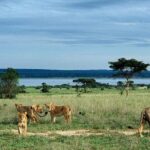
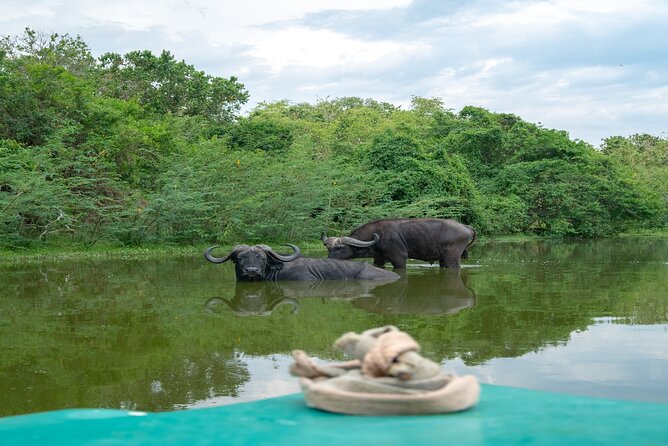
Day 5 is the action: an early morning game drive in the Kasenyi plains. The goal is to track predators and grazers. Then you return for lunch and switch to a boat safari on the Kazinga Channel, where Lake Edward and Lake George connect.
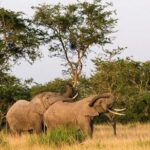
Kazinga Channel is great for photography and animal sightings because animals gather around the water. You’re looking for hippos, buffaloes, elephants, and lots of birdlife by the shore.
Practical note: boats can be cooler than you expect, especially in the morning and near the water. Bring a light layer and keep your camera strap secured—wind and spray are part of the deal.
Ishasha Sector and the Road to Bwindi: Tree-Climbing Lions as a Day’s Main Goal
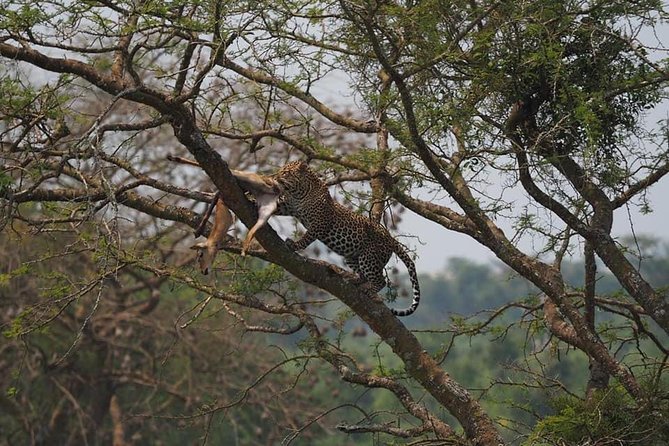
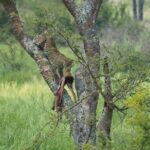
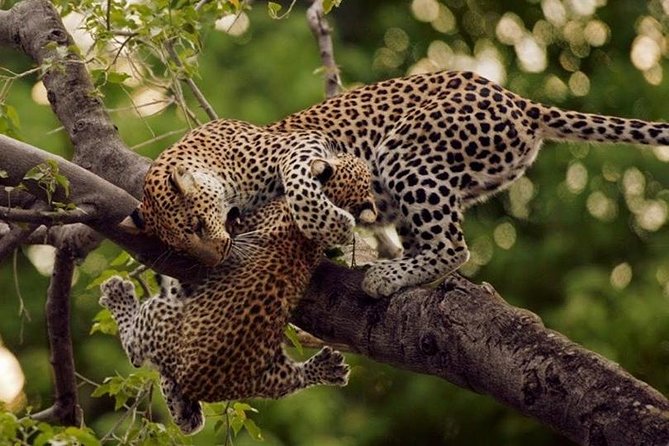
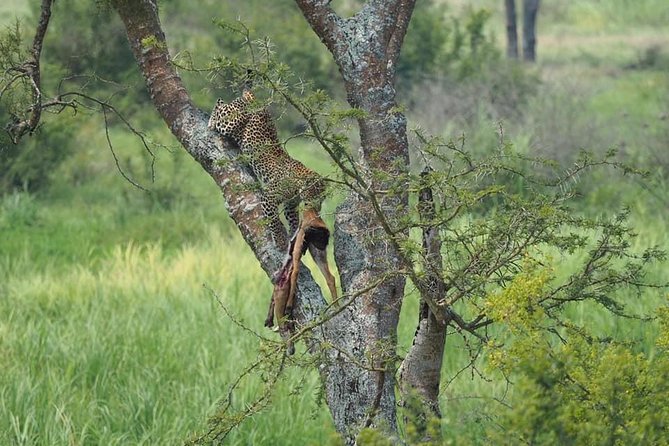
On day 6, you travel south out of Queen Elizabeth’s world and aim for Ishasha sector. After breakfast and lodge check-out, you do a short game drive in search of tree climbing lions. The itinerary specifically suggests that on a lucky day you’ll see them in the mid-day sun, when conditions help visibility.
Ishasha is famous for the climbing behavior, but wildlife never runs on your schedule. Still, making this a dedicated outing (rather than a quick stop) improves your odds of actually spotting them.
Then you continue to Bwindi and arrive in the evening for relaxation, dinner, and overnight. This is intentional pacing: the day ends before you’re hit with gorilla trek logistics the next morning.
Bwindi Impenetrable Forest: Gorilla Trek Day with One-Hour Viewing Reality
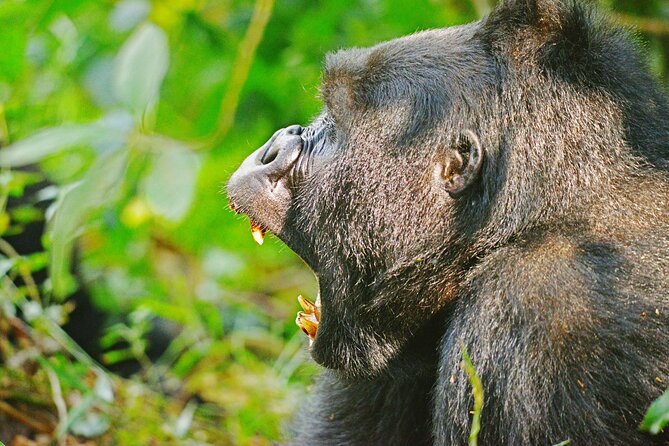
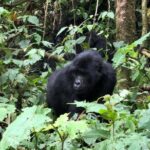
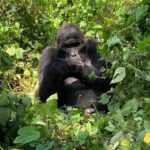
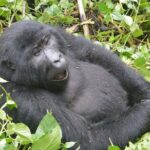
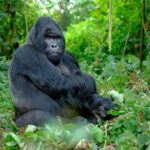
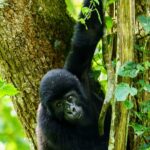
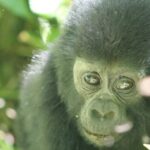
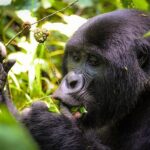
Bwindi Impenetrable National Park is the gorilla heart of the trip. The park is known for mountain gorillas—so your main task is to follow ranger guidance and be ready for a long trek if the gorillas are moving.
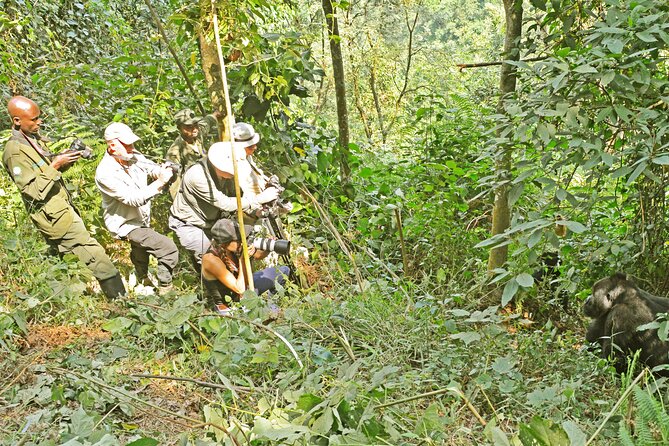
The trekking encounter starts at 8:00 a.m. at the respective gorilla trekking region. Briefing is done by Uganda Wildlife Authority park rangers, and then you trek through the hilly forest.
What you’ll likely feel in Bwindi:
- Morning mist and forest cover
- Steep, uneven walking through scenic slopes
- Plenty of birdlife along the way
When you finally reach the gorillas, the viewing time is limited to one hour. The total trek duration (including time to reach the gorillas and return) can range from 2 to 8 hours depending on where the gorillas are.
How to be prepared (and stay sane):
- Pack for changing conditions: mist can turn cool fast
- Keep expectations focused on the moment—especially since the hour flies by
- Bring patience. Your day depends on wildlife movement, not speed
This is the day where moderate physical fitness matters most. If you can handle uneven hiking for several hours, you’ll get far more out of the experience.
Mgahinga National Park: Golden Monkey Trek + Bamboo Jungle and Lake Boat Exploration
Day 8 starts very early. You wake up, then head to the park headquarters for briefing before heading into the jungle for the golden monkey trek.
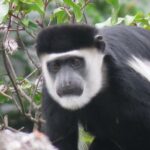
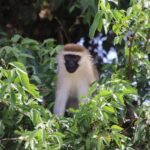
Golden monkeys are endemic to Mgahinga Gorilla National Park, and the trek route goes through bamboo and plants like giant lobelia. Your national park guide also shares background on the park’s history and the fauna and flora you’re walking through.
That mix matters. If you only focus on animals, you miss a big chunk of the experience: learning how the ecosystem works where golden monkeys live.
After the trek, you return for lunch and prepare for lake exploration. You then explore the lake by boat.
So day 8 balances two different styles of attention:
- Track carefully in the jungle
- Then switch to a slower, scenic wildlife/water perspective
Lake Mburo National Park and Igongo Cultural Center: A Savanna Break with Culture Credits
Day 9 gives you a change of pace. You have breakfast at leisure, then depart to Lake Mburo National Park.
There’s also a stop-over in Mbarara city for en-route lunch and a cultural visit at Igongo Cultural Center before continuing to your lodge.
Why this works in the middle of a primate-focused trip: Lake Mburo is often about savannah wildlife energy, and the cultural stop prevents your trip from feeling like all “nature, all day” even though you’re still outdoors. It’s the kind of day that helps you recharge before your Entebbe wrap-up.
Day 10 in Entebbe: Cycling Safari and a Quick Uganda Equator Photo Stop
Day 10 is a gentle finale compared with trek days. After breakfast, you go for a cycling safari through the park area. The route is described as having no large hills to climb. You’ll cross marshy low-lying areas, ride along small villages and smallholdings, and stay on flatter terrain.
In the afternoon, you transfer to Entebbe International Airport. There’s also a stop at the Uganda equator for a short pictorial moment before your outbound flight.
This ending is smart for two reasons:
1) it helps your body recover
2) it gives you one last look at daily life outside the formal park world
If you’re thinking of biking, wear comfortable shoes and bring something light for wind. Even a “low hill” day can get dusty.
Price and Value: What $3,955 Covers (and What It Doesn’t)
At $3,955.00 per person for 10 days, this is not a budget snack. But it also isn’t just a vehicle-and-hopes package.
From what’s included:
- Park fees (for non-residents)
- All activities unless marked optional
- Accommodation (no upgrade mentioned)
- Professional driver/guide
- All transportation (unless labeled optional)
- All taxes/VAT
- Meals as specified (breakfast 9 times, lunch 9 times, dinner 9 times)
- Drinking water on all days
- Primates permits: gorilla permit, chimpanzee permit, golden monkey permit
From what’s not included:
- International flights
- Roundtrip airport transfer
- Tips (a guideline of US$10 pp per day)
- Personal items like souvenirs, plus travel insurance
- Visa fees and any government-imposed increases in taxes/park fees
So how should you judge value? I’d look at it like this: gorilla permits alone make this kind of itinerary expensive almost anywhere, and this package folds those into the total. Add chimp and golden monkey permits, and the trip becomes much more than a one-park experience.
You’re also buying time and coordination. You don’t need to juggle separate bookings for permits, lodges, transport, and guides—especially helpful when primate trekking is involved.
One more practical point: the tour is described as private, meaning only your group participates. That can increase cost, but it often improves flexibility and pacing.
Fit, Pace, and Physical Demands (So You’re Not Surprised)
This tour asks for moderate physical fitness. That’s the honest label, and it matches the reality of primate trekking.
Here’s what that usually means in practice for your schedule:
- Chimp trekking in Kibale happens in forest terrain
- Gorilla trekking in Bwindi can total 2–8 hours even with the one-hour viewing limit
- Golden monkey trekking in Mgahinga also requires active walking in jungle conditions
- Game drives and boat safaris are easier physically, but long days and travel time are still part of the package
Also, remember the itinerary is full. You’ll move from park to park several times. If you love “one place, slow travel,” this might feel busy. If you want variety and primate focus, it’s well matched.
On the plus side, your guide and driver handle the day-to-day organization. In past trips arranged by this operator, names like Claire and Fred have been highlighted for driver-guide quality, and coordination support like Tumukwase has been mentioned too. Some guides such as Sebbi and Charles have come up with praise for keeping the road trips fun without losing control of the plan.
Should You Book This 10-Day Gorilla and Primates Safari?
If your main goal is to see multiple primates in western Uganda—gorillas, chimps, and golden monkeys—this is a strong match. The itinerary is built to hit those events with ranger-guided treks and then balance them with big wildlife moments like Kasenyi game drives and a Kazinga Channel boat safari.
Book it if:
- You’re comfortable with moderate physical fitness and forest trekking days
- You want variety across western parks instead of repeating one region
- You value having permits, transport, guides, and meals handled in one package
I’d think twice if:
- You hate early starts and long drives
- You want a slower, less packed pace with more downtime between parks
- You’re very sensitive to weather changes during forest treks
FAQ
What primate permits are included in this tour?
The tour includes the gorilla permit, chimpanzee permit, and golden monkey permit, along with park fees for non-residents.
Does this tour include airport transfers?
It does not include roundtrip airport transfer. However, on arrival at Entebbe International Airport you are met by a representative for a transfer to your hotel in Entebbe.
How long is the gorilla viewing time once you find the gorillas?
Once you reach the gorillas, viewing is limited to one hour. The full trek day (including travel to and from the gorillas) can take 2–8 hours.
What kind of physical fitness do I need?
The tour states you should have moderate physical fitness due to trekking activities in forest and jungle terrain.
What animals and activities can I expect besides primates?
You can expect early morning game drives for predators and grazers in Queen Elizabeth, a boat safari on Kazinga Channel for hippos and other wildlife, the possibility of tree-climbing lions in Ishasha, plus a cycling safari at the end of the trip.
What’s not included in the price?
Not included are international flights, roundtrip airport transfer, tips (guideline US$10 per person per day), personal items and travel insurance, visa fees, and any government-imposed tax or park fee increases.