REVIEW · KATHMANDU
Langtang Valley Trek
Book on Viator →Operated by Asian Heritage Treks and Travels · Bookable on Viator
Glaciers and monasteries come fast here. The Langtang Valley Trek pairs big mountain scenery with real village life, and it’s run with an English-speaking government-licensed guide plus private jeep transfers. I really liked the focus on Tamang and Tibetan-influenced communities along the way, and I also loved the payoff at Kyanjin Gompa, where you can sample yak-milk cheese and curd with the mountains right above you.
One thing to consider: this is still a trek, with days that can feel tough—especially the steep climb to Langtang Village—and the tour doesn’t include your food, so plan your budget accordingly.
In This Review
- Key things to know before you go
- Why Langtang Valley feels different once you’re inside it
- Price and value: is $715.59 a good deal?
- Day 1 in Kathmandu: orientation plus a light cultural primer
- Day 2: the long drive to Gatlang and the moment permits matter
- Day 3: Gatlang to Nagthali via forest trails and open grassland views
- Day 4: Thuman and Briddhim—Tibetan-influenced villages on your walking route
- Day 5: Sherpa Gaun, mani walls, and the climb toward Khanjum
- Day 6: Sherpa Gaun to Langtang Village—steep, steady, and worth it
- Day 7: Langtang to Kyanjin Gompa—prayer-stone moments and yak cheese
- Day 8: rest day with optional Tserko Ri (5,000m) and monastery time
- Day 9 and Day 10: down through forest to Lama Hotel, then out to Syabrubesi
- Day 9: Kyanjin Gompa to Lama Hotel
- Day 10: Lama Hotel to Syabrubesi, then drive back to Kathmandu
- Kathmandu again: a free day that lets you choose your style
- Guides and group pace: why the right leader changes everything
- Practical tips to make your trek feel easier (and safer)
- Should you book the Langtang Valley Trek with Asian Heritage?
- FAQ
- FAQ
- How long is the Langtang Valley Trek?
- What is the starting and ending point for the trek?
- Is pickup from Kathmandu included?
- Are permits included in the tour price?
- Do I need to bring my permits with me on the drive?
- Is there a rest day during the trek?
- What kind of guide do you get?
- Is food included?
Key things to know before you go
- Small group size (max 10): you get a more human pace than big-bus trekking chaos.
- Permits handled on-route: you’ll need your TIMS and National Park Permit ready at the park gate.
- Tough day planned, then rewarded: the Sherpa Gaun to Langtang Village section brings a big uphill gain and strong scenery.
- Real culture stops, not just photo stops: Tamang villages like Thuman and Briddhim shape the vibe.
- Kyanjin Gompa is the highlight base: you can rest, then optionally hike up to Tserko Ri (5,000m).
- Porter support included: the plan includes porter service with a 2 trekkers to 1 porter ratio.
Why Langtang Valley feels different once you’re inside it
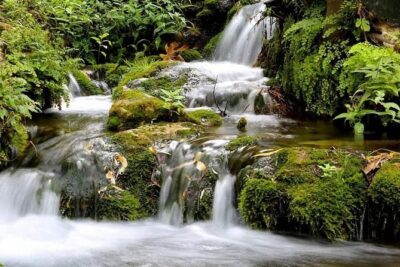
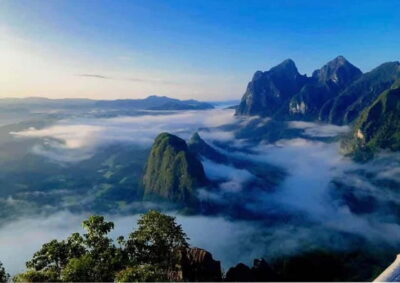
Langtang Valley is often called the Valley of Glaciers, and once you’re hiking there, the name makes sense. You’re not just walking between viewpoints. You’re moving through pine forests, mountain streams, and farming terraces, where the higher you go, the more the settlements thin out inside Langtang National Park.
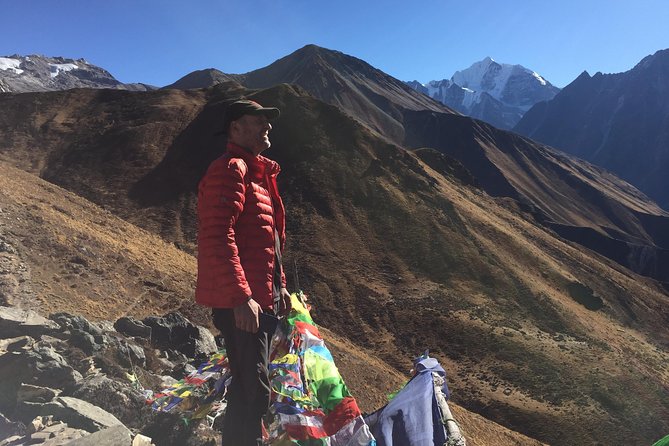
The big emotional win is how this trek mixes nature with everyday life. You pass Tamang villages with Tibetan influences, and you’ll see the religious touchstones that define the route—prayer flags, mani walls, and prayer wheels powered by water. It makes the whole experience feel grounded, like you’re walking through a working culture, not a theme park.
You can also read our reviews of more tours and experiences in Kathmandu.



Price and value: is $715.59 a good deal?
At $715.59 per person for about 12 days, the cost looks reasonable when you break down what’s actually included.
What you get that usually costs money elsewhere:
- Private jeep transport: Kathmandu to Gatlang, and Syabrubesi back to Kathmandu
- Lodging during the trek: 8 nights in local lodges
- 3 nights in Kathmandu at Hotel Yatri Suites & Spa (or similar), on breakfast basis
- A government-licensed, English-speaking guide
- Permits and taxes: Langtang National Park permits, TIMS, and required local government taxes
- Porters: included (2 trekkers: 1 porter)
What you should budget separately:
- Food and drinks during the entire trek (not included)
- Tipping for guide/driver/other support staff (not included)
- Travel insurance and any emergency rescue evacuation coverage
- International flights and tourist visa
- Your personal hiking gear and personal expenses
If you want a trek where the permits, guide, and main logistics are handled, this price can be good value. If you’re the type who plans to eat elaborate meals every day and tips heavily, your total cost will climb fast—but that’s true on almost any Nepal trek.
Also: with a maximum of 10 travelers, you’re paying for a more controlled group experience rather than a crowd.
Day 1 in Kathmandu: orientation plus a light cultural primer
You land, you get met by an Asian Heritage Treks and Travels representative with a sign showing your name, and then you’re whisked to your hotel in a private vehicle. It’s a simple start, but it matters—Kathmandu can be intense, so getting your bearings fast helps.
On the drive toward Thamel, you pass by major landmarks:
- Pashupatinath Temple (UNESCO Heritage Site)
- A glimpse of Narayanhity (Royal Palace Museum) from outside
- The Garden of Dreams roadside
You’re staying at Hotel Yatri Suites & Spa (or similar) for three nights with breakfast. The first day is about settling in, not hiking.
Practical note: Kathmandu is part of the trek experience even if you’re not putting on boots yet. Use this day to rest your legs, charge devices, and get a feel for Thamel’s energy.
Day 2: the long drive to Gatlang and the moment permits matter
Day 2 is your first big movement day. You’ll take an 8–9 hour drive from Kathmandu to Gatlang, with mountain views as the road climbs over a ridge. On clear stretches, you’ll see Ganesh Himal, Manaslu, and Annapurna.
This is also when logistics show up in a real way. You’ll be told to keep your TIMS and National Park Permit handy and show them at the Park Gate before reaching Dhunche. That’s not paperwork theater. It’s your checkpoint that keeps the route running.
After driving downhill for about an hour from Dhunche, you reach Sayabru Besi, and then the road leads into Langtang National Park. Higher up, human settlements become less frequent, and that shift—quiet terraces fading into forest—is part of the trek’s mood change.
Gatlang is described as a beautiful Tamang village with terraced hills and friendly hospitality. It’s a good place to sleep before you start walking longer days.
Day 3: Gatlang to Nagthali via forest trails and open grassland views
This is a true trekking day—about 7 hours—moving from Gatlang toward Nagthali. To reach Nagthali, you hike via a path from Chilime.
Here’s what makes Day 3 special:
- A thick forest section where you might spot Nepal Gray Langur monkeys
- A transition into open grassland with wide Himalayan views, including Ganesh Himal, the Langtang Range, and the Sanjen Ranges
Nagthali itself is noted as a former meditation center for local monks and priests. Even if you’re not into religious sites, it’s a peaceful stop that helps you understand why people come to this valley for quiet and focus.




Day 4: Thuman and Briddhim—Tibetan-influenced villages on your walking route
Day 4 starts with a downhill walk for about an hour to reach Thuman. Thuman is influenced by Tibetan culture and known for natural surroundings and a distinct cultural feel.
You’ll also see the Langtang Himalayan range views again, which helps you connect the dots between villages and mountain geography instead of just following a trail.
From Thuman, you continue through:
- Rhododendron forests and meadows
- Toward Briddhim, another Tamang community near the Langtang Himalayas
The emphasis here is community life. People are friendly, and it’s the kind of day where you feel the trek is about the people as much as the scenery. If you enjoy chatting, this is one of the best days to do it.
Day 5: Sherpa Gaun, mani walls, and the climb toward Khanjum
Day 5 runs about 6 hours and starts from Briddhim. You hike through forests, terraced fields, and villages, then continue toward Khanjum.
The route includes those iconic spiritual markers:
- Chortens
- Mani walls
- Prayer flags
You also pass Sherpa Gaun, a village set higher up with amazing views. The hike is described as moderately challenging—so not a casual stroll, but also not the hardest day.
You’ll get ongoing mountain views during the walk, including Langtang Lirung, Langtang II, and Ganesh Himal. There’s also a chance of seeing plants and animals such as birds and Himalayan monkeys in parts of Langtang National Park.
Day 6: Sherpa Gaun to Langtang Village—steep, steady, and worth it
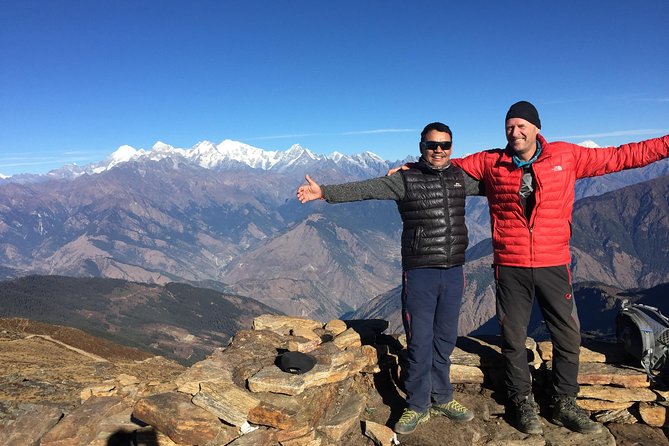
This is one of the tougher days. It takes about 6 to 7 hours, with a steep forested slope and about 1,000 meters of total gain.
As you climb, two things help take the edge off:
- The sound of the Langtang River running alongside the trek
- The rhythm of the trail as you gain elevation steadily rather than all at once
You’ll cross a refreshing stream and see water-driven prayer wheels, which are an important part of local culture. Then you reach Langtang Village, described as an ancient settlement with rich connection to the mountains around it.
If you’re judging the tour by effort, this is the day that will define your experience—plan your pacing and don’t try to power through.
Day 7: Langtang to Kyanjin Gompa—prayer-stone moments and yak cheese
Day 7 is about getting to the spiritual base at Kyanjin Gompa. The hike is shorter—around 3 hours—but still rewarding.
On the way you get views of Langtang Lirung. You’ll also see a large wall covered in prayers and writings on stone, which the local culture treats as meaningful rather than just decorative.
You cross several rivers, and each crossing is a different stretch of the valley’s character—more sound, more movement, and more chances to pause and look.
At Kyanjin Gompa, you can try cheese and curd made from yak milk. That matters more than it sounds: it’s not a restaurant souvenir. It’s food tied to how people live up there.
Day 8: rest day with optional Tserko Ri (5,000m) and monastery time
Day 8 is a rest day, which is smart. You’re already at higher altitude compared with the early valley days, so this is where your body catches up.
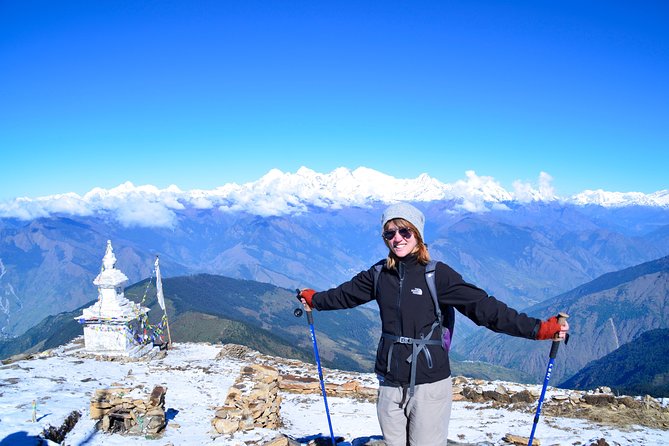
You can explore around Kyanjin Gompa at your own pace. The optional hike is up to Tserko Ri, described as the highest point in the trek at about 5,000m. From there, you’ll see mountains, glaciers, and the Langtang Valley.
The tour also mentions you can visit:
- An ancient monastery in the village
- The cheese factory and glacier area
And the key detail: these optional activities are described as no extra cost. If you’re deciding how ambitious to be, this is the day to match the hike to your energy level.
Day 9 and Day 10: down through forest to Lama Hotel, then out to Syabrubesi
After your Gompa day, the trek shifts into the downhill phase.
Day 9: Kyanjin Gompa to Lama Hotel
This walk takes about 6 to 7 hours downhill through a dense forest. You’ll pass Tamang settlements influenced by Tibetan religion and cultural practices. That combination—forest shade plus village life—gives the day a calmer pace than the steep uphill days.
Day 10: Lama Hotel to Syabrubesi, then drive back to Kathmandu
From Lama Hotel, the hike to Syabrubesi is typically 3 to 4 hours, going downhill through a lush green forest. Then it’s back to the 6 to 7 hour scenic drive to Kathmandu.
This is also where you’ll feel the trek ending. Your legs might be tired, but you’ll also notice relief: the route is now focused on return rather than gaining altitude.
Kathmandu again: a free day that lets you choose your style
Day 11 is free time in Kathmandu. It’s a real breather after the walking. If you want a calm reset, you can stroll around Thamel or shop for souvenirs at your own pace.
If you want structure, the optional ideas listed include:
- Kathmandu full-day sightseeing
- A Mountain Flight (Everest Flight)
- A Nepal food cooking workshop
- A momo cooking workshop
- A handicraft tour
Then on Day 12, breakfast comes first, and you’re transferred by private vehicle to Tribhuvan International Airport, with advice to leave about 3 hours before your departure.
Guides and group pace: why the right leader changes everything
On trekking routes, your guide can turn a simple route into a story you understand. This tour runs with government-licensed, English-speaking guides, and in past trip feedback, guides such as Hari and Norris were praised for exceptional knowledge and clear guidance.
I like that the pace stays group-based but not chaotic. With a maximum of 10 travelers, you’re less likely to feel lost in a pack. You also have porter support included, with the ratio of 2 trekkers to 1 porter. That usually helps you keep a more comfortable load as the terrain gets steeper.
Practical tips to make your trek feel easier (and safer)
Here are the things I’d plan around based on how the trek is described, not on guesswork:
- Keep your TIMS and National Park Permit on you and ready for the park gate check.
- Expect a mix of moderate and challenging effort, especially on the steep day with about 1,000 meters of gain.
- Bring enough budget for all food and drinks, since that’s not included.
- If you care about punctual movement, know that the plan includes private vehicles and specific transfer timing—starting early on drive days helps.
- If you’re deciding between resting and pushing: Day 8 is your chance to choose. The optional hike to Tserko Ri (5,000m) is listed as available without extra cost.
- Pack with lodges in mind. You’re sleeping in local lodge accommodations for multiple nights during the trek.
Should you book the Langtang Valley Trek with Asian Heritage?
Book it if you want:
- A Langtang experience with cultural villages (Tamang and Tibetan influences) woven into the hiking
- A guided trip where permits and park requirements are part of the plan
- The big highlight moments at Nagthali, Langtang Village, and especially Kyanjin Gompa with yak dairy and monastery time
- A small group cap (max 10) and porter support included
Skip it or think twice if:
- You want all-inclusive pricing with food included, because you’ll be handling meals separately
- You’re not comfortable with a multi-day trek that includes a steep climb and full trekking days, not just scenic walks
- You have limited time to recover after altitude changes (the itinerary includes a rest day, but the effort is real)
If you’re fit enough for moderate-to-challenging days and you like culture as much as mountain views, this trek is a solid value route through Langtang Valley.
FAQ
FAQ
How long is the Langtang Valley Trek?
It’s listed as 12 days in total, with trekking spread across multiple days and time for Kathmandu before and after the hikes.
What is the starting and ending point for the trek?
The trek is based out of Kathmandu. You drive to Gatlang for the start, then trek back down to Syabrubesi and return to Kathmandu.
Is pickup from Kathmandu included?
Yes. Private vehicle transfers are included for Kathmandu to Gatlang and from Syabrubesi back to Kathmandu.
Are permits included in the tour price?
Yes. Langtang National park permits and TIMS (plus other necessary permits) are included.
Do I need to bring my permits with me on the drive?
Yes. The route notes that you should keep your TIMS and National Park Permit handy for showing at the Park Gate.
Is there a rest day during the trek?
Yes. Day 8 is a rest day at Kyanjin Gompa, with optional activities like hiking to Tserko Ri.
What kind of guide do you get?
You’ll travel with an experienced, English-speaking, government-licensed trekking guide.
Is food included?
No. All food, drinks, and beverage bills during the trip are not included.