REVIEW · KATHMANDU
Manaslu Circuit Trekking – 17 Days
Book on Viator →Operated by Annapurna Foothills Treks Expedition Pvt. Ltd. · Bookable on Viator
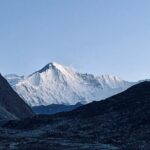
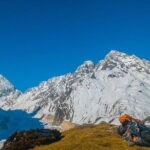
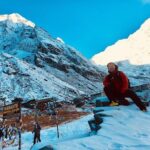
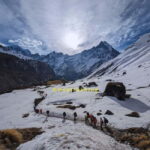
A snow pass tests your lungs. The Manaslu Circuit trek packs a lot into 17 days, including the big challenge of crossing Larkya La near 5215 m and a wild change in scenery from alpine to warmer river valleys. I love how the route keeps showing giant peaks above you while you walk, then shifts into quieter, forested sections with bamboo, ferns, waterfalls, and those blue-green lakes with pale, sandy edges.
What I also like is how organized the trek feels on paper: English-speaking Sherpa leadership, meals at local lodges, and a day-by-day plan that builds in time to adjust at high altitude. One possible drawback: the trek includes a very long, demanding crossing day (about 10–12 hours), and it really depends on weather and your stamina for snow/ice conditions.
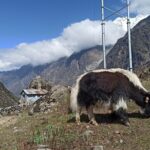
If you’re physically fit and you’re ready for cold mornings at altitude, this is the kind of trek that makes you notice the small stuff—breathing rhythm, yak sounds in the distance, and how fast the air changes with elevation. The vibe is adventurous, not cushy, but the logistics are handled well enough that you can focus on the trail.
In This Review
- Key things that make this trek worth your attention
- A trekking circuit built around one scary-calm day
- Kathmandu days: preparation is part of the trek
- The long road to Soti Khola: where the circuit really begins
- Days 4–6: from Machha Khola to Jagat to Deng
- Days 7–9: Namrung and Lho—where the Himal starts taking over
- Day 11: Samdo at 3872 m—high-altitude village energy
- Day 12: Larkya Phedi at 4500 m—your last proper setup before the pass
- Day 13: Crossing Larkya La (~5215 m) and dropping to Bhimphedi
- Days 14–15: Gho and Tal—back down into the lower world
- Day 16–17: the return to Kathmandu via Besisahar
- Lodges, food, and the support system that keeps the trip workable
- Price and value: what your $1,600 is really buying
- Who this trek suits best (and who should think twice)
- Should you book this Manaslu Circuit trek?
- FAQ
- Where does the trek start and end?
- How high is the Larkya La pass?
- Are meals and lodging included?
- What kind of guide support is included?
- What permits are covered?
- What transfers are included, and can I upgrade them?
Key things that make this trek worth your attention
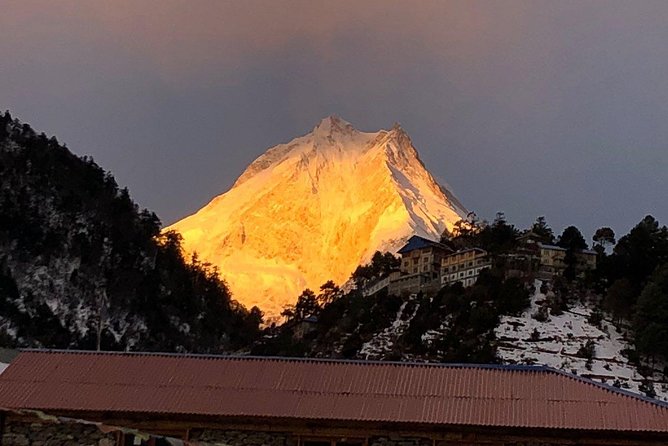
- Larkya La at ~5215 m: the hardest moment, timed for a full day effort before you drop to Bhimphedi.
- Big Himalayan views on multiple days: Himal Chuli, Manaslu, Cheo Himal, and Himlung Himal sit around you as you climb.
- Built-in acclimatization at Sama Gaon (3541 m): a rest day before you go higher.
- River-to-tropical shift after the pass: alpine views give way to bamboo/ferns/waterfalls and lower, greener valleys.
- Local lodges with included meals: 13 nights covered (breakfast, lunch, and dinner), plus Kathmandu nights on B&B.
- Small-team support: a porter for every two trekkers (and extra Sherpa assistance if the group is over 4).
A trekking circuit built around one scary-calm day
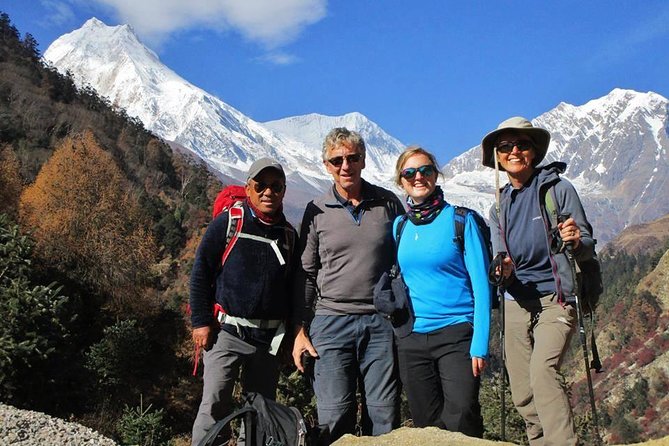
The Manaslu Circuit is basically a long walk that helps you understand Nepal’s elevation “ladder.” You start low in the Kathmandu valley world, then climb into thinner air and sharper light. The big event is crossing Larkya La (about 5213–5215 m, depending on how it’s described), and that’s where you find out if you move at a steady pace and can handle cold, snow, and wind.
What makes this trek feel special is that the pass isn’t the end of the story. After you crest and descend, the terrain and plants change. The overview mentions a transition from alpine into more tropical warmth—ferns, bamboo, waterfalls, and blue-green lakes with pale shorelines. In practical terms, that means you get a real sense of Nepal’s “zones,” not just a single mountain corridor.
You can also read our reviews of more tours and experiences in Kathmandu.
Kathmandu days: preparation is part of the trek
Your trip starts in Thamel, Kathmandu’s tourist-friendly neighborhood. Day 1 is arrival (around 1300 m / 4,265 ft). Day 2 is a preparation day in Kathmandu, which matters more than people think. When you’re about to work at high altitude, sleep, hydration, and getting gear sorted can make the difference between a smooth first week and a messy one.
This tour also includes Kathmandu accommodation (3 nights on a bed-and-breakfast plan). That gives you a predictable place to reset before the long road day into the trekking start area.
A value point here: permits are included in the package—special permit fees, TIMS permits, and required official documentation. That saves you time and stress because getting paperwork wrong in Nepal can slow you down. You can focus on getting physically ready instead of trying to track down forms.
The long road to Soti Khola: where the circuit really begins
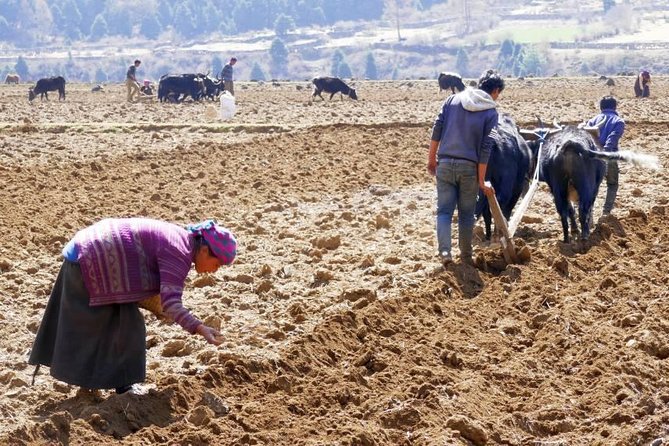
On Day 3, you drive to Soti Khola via Arughat (8–9 hours, about 145 km). You’ll leave Kathmandu and spend a full day watching the country change from city patterns to river valleys and smaller settlements. It’s not “fun-road” scenic like a theme park, but it’s useful: by the time you arrive, you’re mentally switched into trekking mode.
Day 3 is also where the tour’s structure shows up. The ground transfer is included by local bus, with an upgrade option to a private jeep (listed as $210 total). If you’re prone to motion sickness or you want less waiting time, that upgrade can be worth it, because the next day begins with a proper hike.
Days 4–6: from Machha Khola to Jagat to Deng
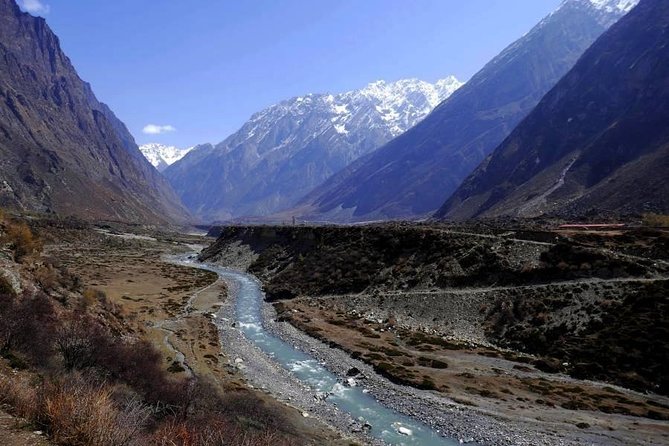
Day 4 is your first real walking day: to Machha Khola (900 m, about 6 hours, 15 km). This is where your body learns the “trek rhythm”—steady pace, short stops, and the habit of taking in water before you feel thirsty.
Day 5 continues to Jagat (1340 m, 6–7 hours, 22 km). That’s a longer mileage day than Day 4, so it’s a good place to practice pacing. If you go out too fast, you’ll feel it later. The trail starts to tilt toward the rhythm of the circuit: distance that adds up, villages that appear like stepping stones, and constant movement.
Day 6 reaches Deng (1860 m, 6–7 hours, 20 km). By now you’re in the zone where the air feels different, even if it’s not yet “high-altitude scary.” You’ll likely notice colder nights and the fact that every climb is harder than it looks on a map.
Days 7–9: Namrung and Lho—where the Himal starts taking over
Day 7 takes you to Namrung (2630 m, 7–8 hours, 19.5 km). This is a turning point day. You’re higher, the views usually get more dramatic, and the trek starts to feel like it’s built around the mountains rather than just passing through them.
Day 8 goes to Lho (3200 m, 6–7 hours, 10 km). Shorter distance, but you don’t get an easy day—10 km at 3200 m can still feel like work. This is also where the scenery described in the overview becomes believable: you start noticing the edges between zones—what’s growing, what’s exposed, and how clouds interact with those giant peaks.
Day 9 reaches Sama Gaon (3541 m, about 5–6 hours, 8.5 km). The reduced mileage is helpful. At this point, you’re not just climbing; you’re preparing.
Day 10 is an acclimatization day at Sama Gaon (3541 m). That pause is not optional. It’s one of the smartest parts of this itinerary because the circuit goes higher soon, and your body needs time to adjust.
Day 11: Samdo at 3872 m—high-altitude village energy
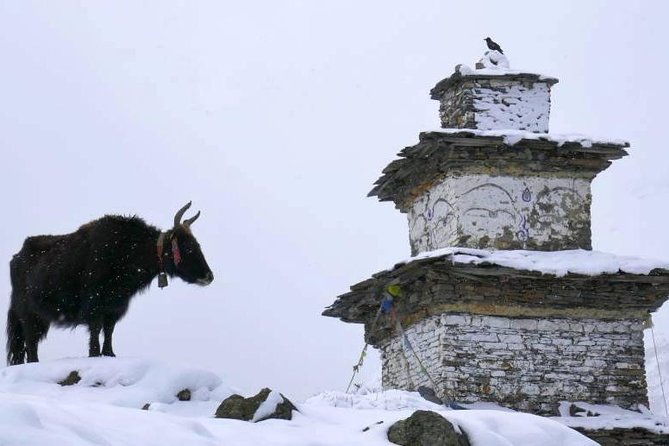
Day 11 brings you to Samdo (3872 m, 4–5 hours, 7.5 km). This is the kind of day where altitude is the main character. Even if the walk feels “short,” the thin air can slow you down.
Samdo is also a psychological step. You know the pass is near. You’re not just hiking toward a view—you’re hiking toward a decision point that requires stamina, gear, and a calm head.
Day 12: Larkya Phedi at 4500 m—your last proper setup before the pass
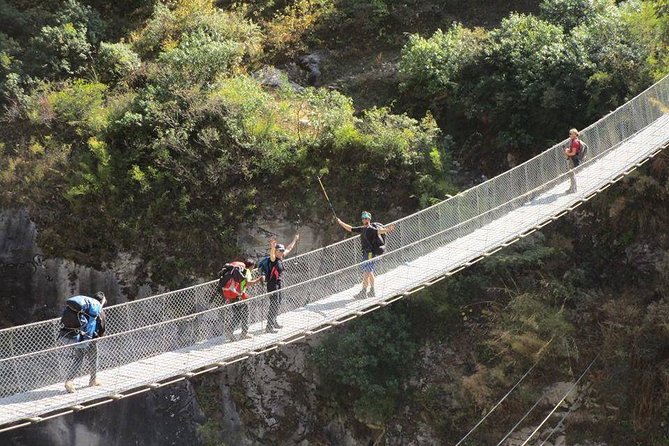
Day 12 is to Larkya Phedi (4500 m, 4–5 hours, 7 km). This is where the cold becomes more persistent. The overview calls out that crossing involves snow at altitude, and Larkya Phedi is where you feel the “prep” phase become real.
This day is also where you should be extra disciplined about how you eat and hydrate. You’ll want steady energy for a long push the next day. The trek includes energy supplies like Snickers, Mars, and Bounty along the route, which is a fun detail—and a useful one when you need quick calories.
Day 13: Crossing Larkya La (~5215 m) and dropping to Bhimphedi
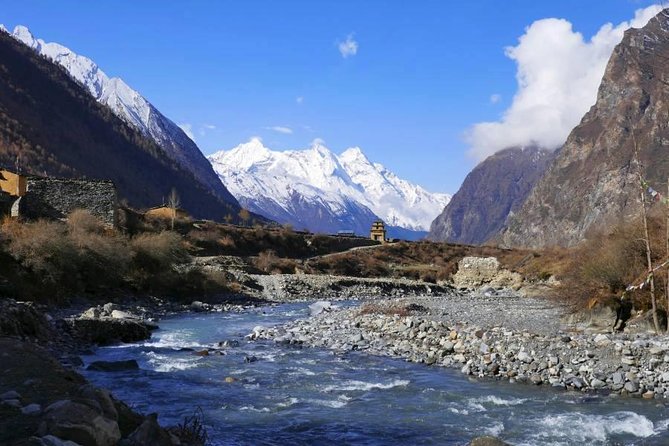
This is the day everyone remembers. Day 13 is Cross Larkya La Pass (5215 m) and then descend to Bhimphedi (3590 m). The itinerary lists about 10–12 hours and 24 km total, which is a full-day effort.
The overview notes snow on the pass and calls it a test of stamina. That matches what this day demands in practice: slow footwork, careful balance, and a mind that stays on the next step rather than the whole mountain at once.
After cresting, the descent can feel like relief and also like a new challenge. Your legs are tired, and your knees will want to complain. This is where you appreciate having Sherpa leadership on your side—an experienced guide helps you keep pace and manage the conditions.
Days 14–15: Gho and Tal—back down into the lower world
Day 14 takes you to Gho (2515 m, 6–7 hours, 22 km). You’re dropping a lot from the pass day, and the trail can feel longer because you’re walking farther with less altitude pressure. This is where the circuit starts to look different again: more forested stretches and more life in the valley.
Day 15 heads to Tal (1700 m, 5–6 hours, 15 km). This is still trekking, but it’s the phase where the body can breathe easier. The overview’s mention of tropical growth—ferns, bamboo, waterfalls—fits better here than earlier days. You’ll often feel the air soften and the scenery turn greener as you approach the end of the trek.
Day 16–17: the return to Kathmandu via Besisahar
On Day 16, you drive to Kathmandu via Besisahar (8–9 hours, about 220 km). The itinerary notes an included local-bus transfer option from Tal to Besi Shar to Kathmandu. There’s also an upgrade to private jeep and car (listed as $280 total). If you want a smoother, faster feeling ride back, this upgrade is the same kind of “buy your comfort back” decision as the earlier one.
Day 17 is happy departure back at the meeting point. By then, you’re not just tired—you’re usually wired with a post-trek sense of quiet satisfaction.
Lodges, food, and the support system that keeps the trip workable
This trek is based on local lodges for 13 nights, with breakfast, lunch, and dinner included. That matters because you don’t need to plan each meal along the way. It also changes the vibe of the trek: you can focus on walking and rest rather than logistics.
The tour includes an English-speaking experienced Sherpa guide (government trained/license holder). If your group is more than 4 trekkers, you get a Sherpa guide-assistant. On the porter side, it lists one porter for 2 trekkers (basis). That’s a key comfort and safety factor, especially when you’re carrying layers for cold mornings.
You also get a first aid medicine kit and staff costs including salary, insurance, equipment, food, and accommodation. In plain terms: this is not just a route; it’s a staffed operation designed to function.
Price and value: what your $1,600 is really buying
At $1,600 per person for about 17 days, the price looks mid-range for a Nepal trek that crosses a high pass. Here’s the value math that matters:
- Included: 13 nights in local lodges with breakfast/lunch/dinner plus 3 Kathmandu nights on B&B.
- Included: guide and staff costs, porters (one per two trekkers), and energy snacks on the trek.
- Included: permits and official documentation (TIMS and special permit fees).
- Included: ground transfers by local bus both directions (with optional upgrades to private vehicles).
What’s not included is also clear: Nepal entry visa fee, personal travel insurance, city meals (you’re told to budget $10–$14 per meal in tourist restaurants), and beverages like soft drinks and bottled/boiled water. Tips for guide, porters, and driver are customary and not included.
So is it worth $1,600? For most people, the answer is yes if you value having permits handled, meals covered, and a licensed guide. If you already have your own equipment, your own guide, and you’re comfortable building meals and logistics, you could do it cheaper. But if you want the pass day to stay about the trail—not paperwork or meal planning—this package has real structure.
Who this trek suits best (and who should think twice)
This trek asks for strong physical fitness. The schedule includes multiple 6–8 hour walking days and a 10–12 hour pass day. You’ll also be at altitude up to around 5215 m, with snow conditions mentioned in the overview.
This is a good fit if you:
- enjoy long days and steady climbing, not short “instagram hikes”
- want a mix of high-altitude drama and lower-valley nature
- like traveling with real local lodge comfort (hot tea, simple rooms, and predictable meals)
It might not be the best match if you’re:
- new to high-altitude hiking
- easily stressed by long travel days (the 8–9 hour drives)
- unwilling to handle cold and snow risk near the pass
Also remember the trip requires good weather. If weather forces changes or cancellation, the operator states you’ll either be offered a different date or a full refund. That’s important when you’re planning around fixed schedules.
Should you book this Manaslu Circuit trek?
I’d book it if your main goal is the full circuit experience: big peak views, a real high pass crossing, and the satisfying drop into greener river valleys afterward. The itinerary’s inclusion of an acclimatization day at Sama Gaon is a strong signal that this trek takes altitude seriously, and the included meals and permits reduce the usual trip-stress.
I wouldn’t book it if you only want moderate walking or if you’re hoping the pass day will be short and easy. This route is built for stamina and for people who can keep going when the air gets thin and the trail gets serious.
If you’re the right kind of fit—prepared, patient, and excited by the idea of walking from snow to forests—this trek is exactly the kind of Nepal adventure that stays with you.
FAQ
Where does the trek start and end?
The meeting point is Thamel, Kathmandu (44600, Nepal). The trek starts there and ends back at the same meeting point.
How high is the Larkya La pass?
Larkya La is listed at about 5215 m, with snow conditions specifically mentioned in the trek overview.
Are meals and lodging included?
Yes. During the trek you stay in local lodges for 13 nights, with breakfast, lunch, and dinner included. In Kathmandu, you get 3 nights on a bed-and-breakfast plan.
What kind of guide support is included?
You get an English-speaking experienced Sherpa guide. If the group size is more than 4 trekkers, there is one Sherpa guide-assistant. The tour also includes porters on a one porter for 2 trekkers basis.
What permits are covered?
The package includes the special permit fee, TIMS permits, and all required permits or official documentation.
What transfers are included, and can I upgrade them?
Kathmandu to Soti Khola is included by local bus. There’s an option to upgrade to a private jeep for $210 total. Tal to Besi Shar to Kathmandu is included by local bus, with an option to upgrade to a private jeep and car for $280 total.