REVIEW · RISHIKESH
Kuari Pass Trek- 8 Days
Book on Viator →Operated by Red Chilli Adventure · Bookable on Viator
Kuari Pass gives you a cold-morning prize. This 8-day trek out of Rishikesh mixes Himalayan views with village life, and on a clear day the pass delivers that big, 360° feeling—think Nanda Devi, Dunagiri, Kamet, and more. The climb hits the top by about 7:00 am in clear, cold conditions, when visibility can be at its best.
I also like the guide support built into the experience. Reviews highlight guides such as Tenzin and Kiran as genuinely helpful, plus a chef team (including Calo) that keeps the energy up with food during the long hiking days.
One consideration: this is weather-dependent and it goes up to around 3800m. If you’re not comfortable with cold mornings and sustained uphill effort (and if skies aren’t clear), your views can be less dramatic.
In This Review
- Key Points Before You Go
- Kuari Pass Trek Is a Classic Uttarakhand Mix
- Price and Value: What $2,000 Really Buys
- Getting There: The 8:00 AM Start from Red Chilli Adventure
- The Route in Real Terms: 8 Days, Big Altitude Shifts
- Day 1: Rishikesh to Ghat (about 2000m)
- Day 2: Chefna to Ghuni (about 2550m)
- Day 3: Ghuni to Semkherk Meadow (about 2600m)
- Day 4: Semkherk Meadow to Kaliaghat (about 2700m)
- Day 5: Kaliaghat to Dhakauni (about 3400m) via Sartoli
- Day 6: Kuari Pass Crossing to Tali (pass around 3800m)
- Day 7: Tali to Dakbend or Auli (around 2500m), then drive to Joshimath
- Day 8: Drive back to Rishikesh
- The Summit Moment: Why the Views Matter at Kuari Pass
- Camping, Meals, and the Human Side of the Trek
- Wildlife and Village Life: A Trek That’s Not Just High Peaks
- Weather and Altitude Reality Check
- Packing and Training: Small Choices That Make a Big Difference
- Should You Book Kuari Pass Trek with Red Chilli Adventure?
- FAQ
- Where do we meet for the Kuari Pass Trek?
- What time does the trek start?
- How long is the trek?
- What is the highest altitude on the trek?
- Do I need moderate physical fitness?
- Is this a private group experience?
- Where do we sleep during the trek?
- Is there a mobile ticket?
- What if the weather is poor?
- What is the cancellation policy?
Key Points Before You Go
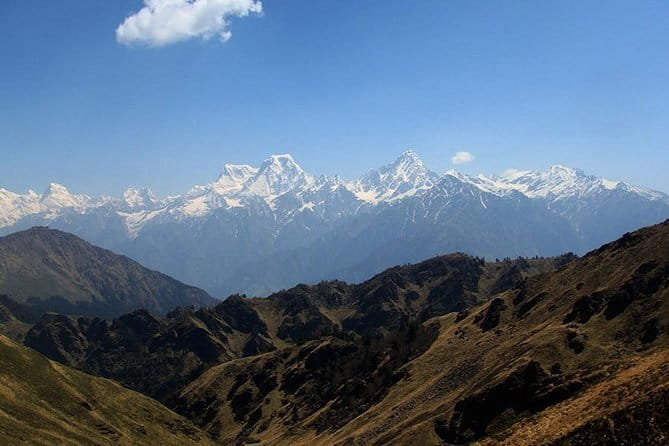
- Kuari Pass summit at first light: Plan for an early start, because the best views often show up around sunrise.
- High-contrast trekking days: You’ll move from lower camps to higher meadows and then push up to the pass.
- Village life meets wilderness: The route is designed for cultural contact, not just summit chasing.
- Support matters at altitude: Strong guide presence (including Tenzin and Kiran) is part of why people feel cared for.
- Tent nights after a long travel day: Day 1 begins with a long ride and ends at a campsite with dinner.
Kuari Pass Trek Is a Classic Uttarakhand Mix
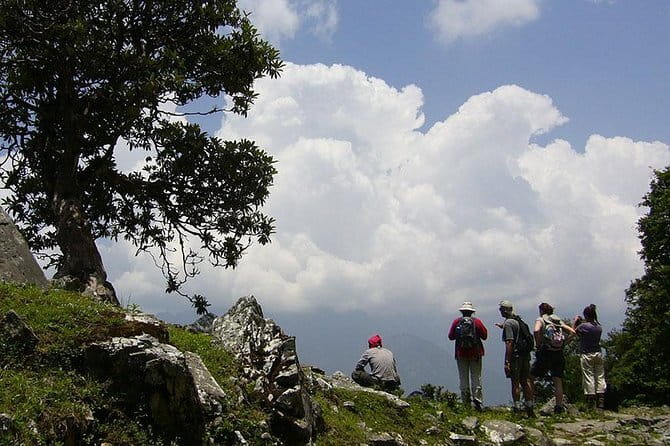
Kuari Pass Trek is one of those routes that’s stayed popular because it gives you the full Himalayan experience in a single line of walking. You’ll see working villages and everyday mountain culture, then shift toward pristine wilderness where the air changes and the mountains start dominating everything you look at.
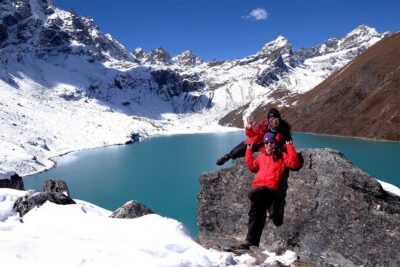
The view is the main reason people plan their year around this trek. On clear days, the pass area can put you in sight of huge peaks like Nanda Devi (7816m), Dunagiri (7066m), and Kamet (7756m), plus many others that sit around the Kumaon side. It’s the kind of panorama that makes you stop taking photos and just stare for a while.
You can also read our reviews of more tours and experiences in Rishikesh.
Price and Value: What $2,000 Really Buys
The cost is listed at about $2,000 per person for the 8-day experience. That sounds steep until you compare what the package includes: long transfers from Rishikesh, a multi-day trekking plan with a high pass, and a guided setup meant to keep things smooth when the weather turns moody.
This trip also includes group discounts and a mobile ticket, and it runs as a private activity for your group. Value-wise, the strongest point is that people consistently connect the experience with practical support: safety focus, good planning, and help on trail, plus camp food and mountain gear mentioned as part of the overall offering.
If you like the idea of paying a bit more so you don’t have to manage routing, logistics, and day-to-day decisions, this is the kind of trek where higher upfront cost can actually feel fair.
Getting There: The 8:00 AM Start from Red Chilli Adventure
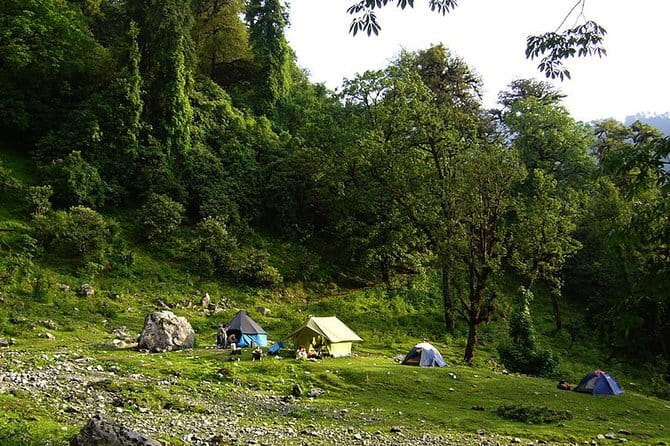
Your start point is Red Chilli Adventure on Laxman Jhula Rd, Tapovan, Rishikesh. The start time is 8:00 am, so even if you’re arriving the day before, give yourself buffer time for traffic and getting organized.
The first day includes an early-morning drive from Rishikesh toward the trail start area. You’re looking at roughly 9–10 hours of travel on Day 01, then you step into trekking from Chefna after arrival. The end is also a long drive: on Day 08 you head back toward Rishikesh with another 9–10 hours on the road.
Practical tip: if you’re coming from overseas, treat this like a trek, not a sightseeing stroll. You’ll want to arrive rested enough to handle that first long ride and still hike afterward.
The Route in Real Terms: 8 Days, Big Altitude Shifts
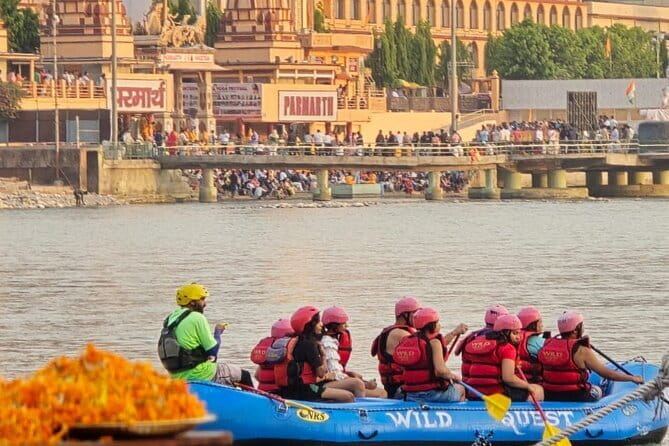
This trek is described as moderate, but don’t confuse moderate with easy. The route climbs in stages, and you’ll feel the thinner air most on the higher days.
Day 1: Rishikesh to Ghat (about 2000m)
You’ll drive toward Ghat (around 2000m) and then continue to Chefna, the starting point. After arrival, dinner is served and you sleep in tents at the campsite.
The value of this day is simple: it gets you into position without wasting your limited trek time. The drawback is that it’s a long day before your boots even hit trail.
Day 2: Chefna to Ghuni (about 2550m)
Day 2 is a shorter push—listed around 3–4 hours—taking you up to Ghuni (about 2550m). This day helps your body settle into hiking rhythm while you gain altitude gradually.
If you tend to overpace early, this is the day to resist. It’s tempting to feel great and then pay later.
Day 3: Ghuni to Semkherk Meadow (about 2600m)
Today focuses on a meadow area at about 2600m, with around 5–6 hours of trekking. Meadows are where you often get a psychological reset: less brutal gradient, more room to breathe, and lots of open sky.
It’s also a good day to slow down and enjoy the changing vegetation as elevation increases.
Day 4: Semkherk Meadow to Kaliaghat (about 2700m)
You’ll move to Kaliaghat (about 2700m) in around 6 hours. This is still in the “build-up” phase, but the trek is long enough that stamina matters.
The best approach is steady effort. Don’t plan to sprint from stop to stop; plan to finish feeling okay.
Day 5: Kaliaghat to Dhakauni (about 3400m) via Sartoli
This is one of the big effort days. The route goes up to Dhakauni (3400m), passing through Sartoli at around 3000m, and the walking time is listed around 8–9 hours.
This is where you’ll want to be honest about your pace. Even with a moderate rating, 8–9 hours at higher altitude is where fatigue shows up.
Day 6: Kuari Pass Crossing to Tali (pass around 3800m)
This is the signature day: you cross Kauri Pass (around 3800m) and trek about 5–6 hours to Tali. This day is the one most people plan for, because this is where the pass panorama payoff happens.
For first-time pass trekkers, this is also where weather matters most. Cold wind and cloud cover can turn a dream morning into a stern wake-up call. If the skies are clear, this is the day you feel rewarded.
Day 7: Tali to Dakbend or Auli (around 2500m), then drive to Joshimath
You drop down to about 2500m (Dakbend or Auli) in around the 2500m range, with the day described as a trek plus a drive to Joshimath. This is a relief day in altitude terms, but you’ll still be moving.
You’ll then connect to the road transport toward the next overnight/transfer point. It’s a reminder that the trek is only part of the experience.
Day 8: Drive back to Rishikesh
After breakfast, you’ll drive back to Rishikesh, again listed as roughly 9–10 hours. Lunch is on the way.
This is not a day to plan extra activities afterward unless you enjoy moving in a sleep-deprived fog. Build in rest.
The Summit Moment: Why the Views Matter at Kuari Pass
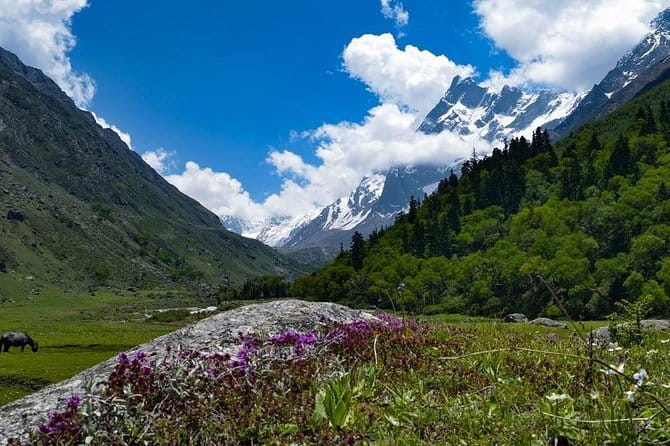
The pass is famous because it’s a viewpoint, not just a crossing. The description notes that the top can be reached by around 7:00 am on a clear cold morning, which makes sense for how the light hits the ranges.
On a good day, you can see major peaks including Nanda Devi, Dunagiri, and Kamet. Even if you don’t memorize every height number, you’ll recognize the scale. The mountains look close enough to touch, and the distance between layers of ridgelines feels unreal.
What I’d plan for personally, if I were going: give yourself time to enjoy the moment without turning it into a checklist. Stop moving, take a breath, and let your eyes adjust. The pass view is the kind you remember later, not just the kind you photograph.
Camping, Meals, and the Human Side of the Trek
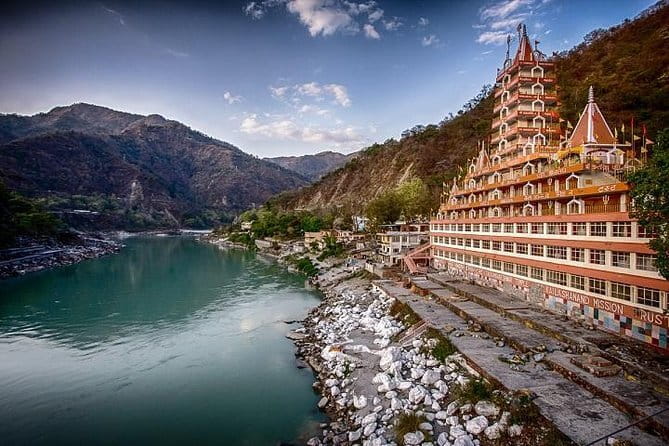
Overnights begin with tent camping. On Day 1, dinner is served when you reach the campsite. That matters because after a long ride, you don’t want to be figuring out the basics.
The other big strength is the people running the show. Reviews specifically call out Tenzin for being knowledgeable and helpful, and Kiran for guiding with care. Another recurring theme is a chef-led food setup, with Calo mentioned as a cuisinier (chef), and an overall focus on safety, communication, and smooth coordination.
In practical terms, that means you get less mental load. You’re still doing hard work uphill, but someone else is handling the schedule, the rhythm, and the trail logistics.
Wildlife and Village Life: A Trek That’s Not Just High Peaks
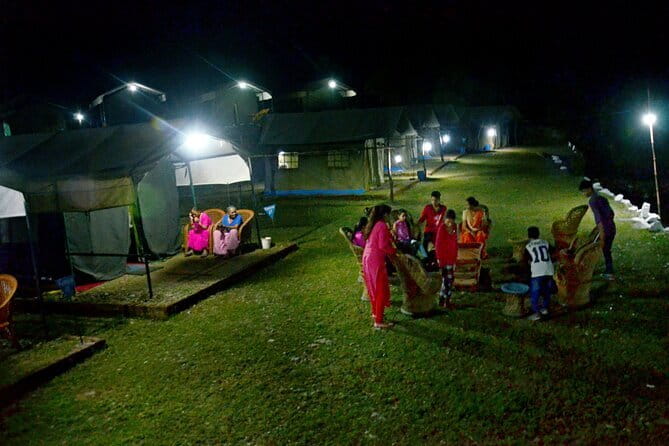
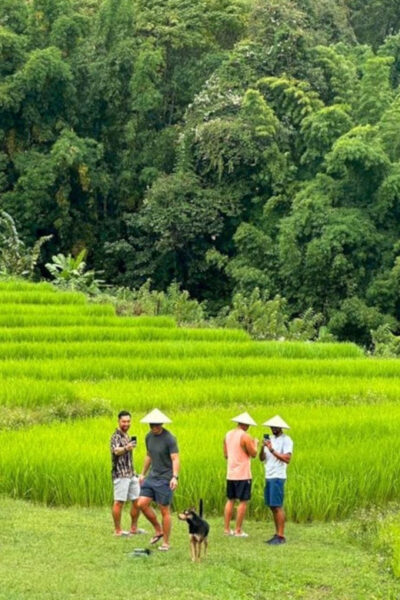
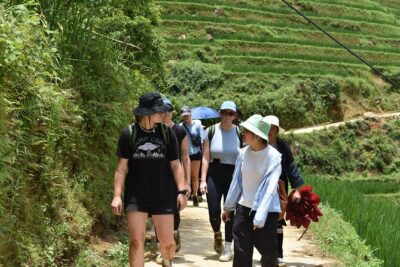
This route is described as a mix of Himalayan life, village life, culture, and pristine wilderness, plus chances to see wildlife. You’re not only walking through empty scenery—you’re traveling through places people actually live in and depend on.
That’s the kind of detail that changes how you experience the trek. Instead of only looking at mountains, you also notice daily rhythms: paths used by locals, small cultural moments, and the way the mountains shape work and movement.
Keep your impact low. Follow guide instructions, stay on trail where appropriate, and don’t treat villages like photo backdrops.
Weather and Altitude Reality Check
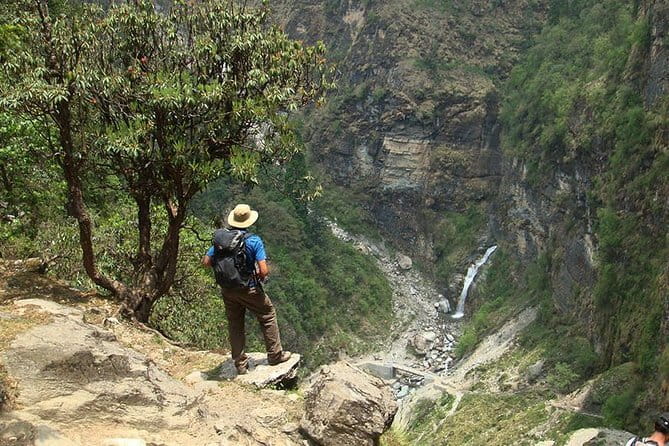
This trek requires good weather. The operator also states that if poor conditions cause cancellation, you’ll be offered another date or a full refund. That’s important because pass trekking is one of those activities where clouds and wind can change everything fast.
Altitude tops out around 3800m at Kuari Pass. Even with gradual climb steps, you should expect:
- cold mornings
- slower breathing during uphill sections
- tired legs on the longer days (especially the 8–9 hour trek day)
If you’re deciding whether “moderate” fits you, think about your ability to hike for most of the day, not just your gym fitness score. The trek’s success depends more on steady effort than speed.
Packing and Training: Small Choices That Make a Big Difference
The data here doesn’t give a gear list, so I can’t promise what’s provided beyond what’s been referenced as part of the overall offering (equipment, food, and safety). Either way, you’ll want to plan for cold mornings and long hours.
If you’re training, practice hiking with a pack and get used to consistent uphill effort. Then, when you’re on trail, use a pace that keeps you breathing controllably. If you push too hard early—especially on higher days—you’ll feel it by the time you hit the pass crossing.
Also, be ready for long road days. Day 1 and Day 8 are both listed as 9–10 hours of driving. Motion sickness can be real in those conditions. Bring what works for you and don’t assume you’ll be fine because you’re excited.
Should You Book Kuari Pass Trek with Red Chilli Adventure?
Book this if you want a classic high-pass trek with real mountain culture, clear-day view potential, and strong guide-and-food support. The combination of early summit timing, big-name peaks like Nanda Devi and Kamet, and the push up to around 3800m makes this a satisfying challenge without going fully extreme.
Skip or rethink it if you’re strongly sensitive to cold weather, you dislike early mornings, or you don’t want an experience that depends on skies being clear. The long drives also matter, especially if you’re traveling with limited stamina for transport days.
If you’re a steady hiker who wants a memorable panorama and appreciates being guided through the details, this is a solid match. And if you do decide to go, aim to treat the pass day like the main event, not just another step on the calendar.
FAQ
Where do we meet for the Kuari Pass Trek?
You meet at Red Chilli Adventure on Laxman Jhula Rd, Tapovan, Rishikesh, Jonk, Uttarakhand 249192, India.
What time does the trek start?
The start time is 8:00 am.
How long is the trek?
The experience is listed as 8 days (approx.).
What is the highest altitude on the trek?
Kauri Pass is listed at about 3800m, with trekking across the pass on Day 06.
Do I need moderate physical fitness?
Yes. The experience is marked as suitable for travelers with moderate physical fitness.
Is this a private group experience?
Yes. It is described as a private tour/activity, and only your group participates.
Where do we sleep during the trek?
At least on Day 01, the plan includes an overnight stay in a tent after dinner at the campsite.
Is there a mobile ticket?
Yes. Mobile ticket is listed as a feature.
What if the weather is poor?
The experience requires good weather. If it’s canceled due to poor weather, you’ll be offered a different date or a full refund.
What is the cancellation policy?
You can cancel up to 24 hours in advance of the experience for a full refund. If you cancel less than 24 hours before the start time, the amount paid won’t be refunded.