REVIEW · RISHIKESH
6 Days Phulara Ridge Trek
Book on Viator →Operated by Himalaya Shelter · Bookable on Viator
Ridge views that feel almost unreal. This 6-day Phulara Ridge trek from Sankri takes you onto a ridgeline walk above 12,000 with a huge sweep of Himalayan peaks; I love the wide panoramic overlooks and the professional, clean camp setup, but you do need steady footing for narrow ridge edges and long hiking days.
You start early (pickup at 6:30 am in Dehradun) and spend the first day getting into Govind National Park. The group stays small, capped at 11 travelers, and the human touch matters here, with names like Jyoti, Shailendra, and Joshi bhai showing up in leadership and camp meals.
If you’re thinking about value, this is the kind of trip where you pay for real logistics: an AC mini bus, guide + cook + support staff, tents, sleeping bags and mats, and full meals—so your focus is the walking and the views.
In This Review
- Key things to know before you go
- What Phulara Ridge gets right: ridgeline views and real camp comfort
- Day 1: Dehradun to Sankri through Govind National Park
- Day 2: Kedarkantha forests, the Dhaba moment, and Juda ka Talab
- Day 3: Karsu Thatch, rhododendrons, and the postcard campsite at Bhoj Gadi
- Day 4: Sunrise-to-ridge day on Phulara Ridge, then Pushtara Bugyal meadows
- Day 5: Descending to Taluka, wildflowers, and langoors in the trees
- Day 6: Back to Dehradun, with an easy add-on to Rishikesh or Tapovan
- Price and logistics: what $215 really buys you
- Camp life with Himalaya Shelter: clean setups and guides who manage effort
- Who this trek fits best (and who should think twice)
- When to go and how weather affects your plan
- Should you book the Phulara Ridge Trek?
- FAQ
- What time does the trek start from Dehradun?
- Where does the trek end?
- How many people are in the group?
- What meals are included?
- What kind of camping setup is provided?
- Are forest entry charges included?
- Can porter or mule carry my personal luggage?
- Is this trek for beginners?
Key things to know before you go
- Phulara Ridge day is the headline: a narrow ridge with steep drops on both sides and a big view of Garhwal ranges
- You get both forest walks and open bugyals: pine forest to wildflower meadows to wide grassland camps
- Juda ka Talab is the alpine break: a lake excursion after the forest start, with snow peaks in the distance if weather cooperates
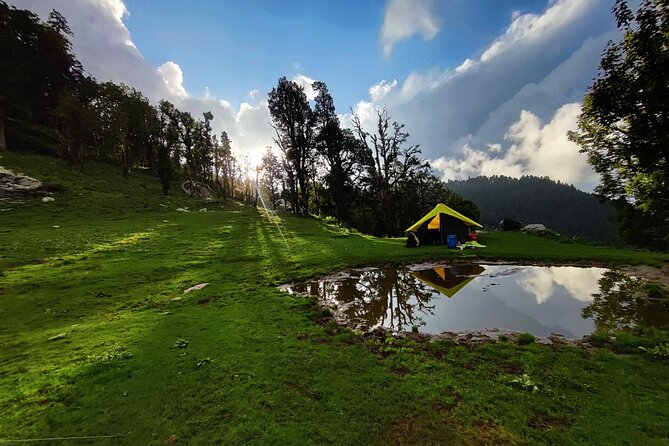
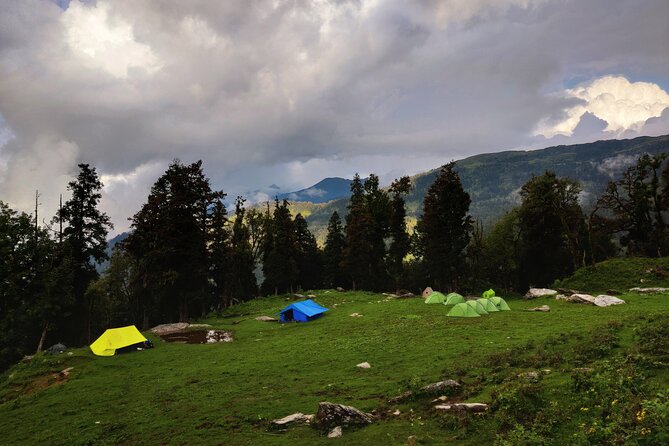
- Camp setup is a real strength: A-frame/dome tents, kitchen + dining tents, and toilet tents, plus clean sleeping bags and mats
- Wildlife spotting is part of the fun: look for birds like treepies, woodpeckers, drongos, and later langoors in the trees
- Small group pacing: max 11 travelers, with guides adjusting effort and stopping if needed for safety
What Phulara Ridge gets right: ridgeline views and real camp comfort
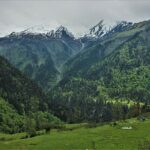
A trek in the Sankri region works because you get a changing mix of terrain. Pine forest mornings turn into open meadows where the air feels wider, and then you hit the ridgeline portion people talk about. The description of the ridge experience is clear: after descent from Bhoj Gadi, you reach Phulara Ridge where the edges slope down toward valleys on both sides. That means the day is all about focus—slow steps, long looks, and taking in range after range.
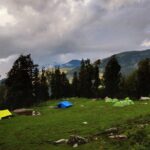
The other standout is how the camp life is handled. You’re not just handed a hike and told to figure things out. The package includes clean sleeping bags and mats, plus good quality A-shaped or dome tents and separate kitchen/dining/toilet tents. In past experiences shared for this trek, people specifically praised the cleanliness of tents and bedding, and that the setup felt cared for rather than rushed.
There is one trade-off to accept up front: this is not a casual walk. Some sections include steep patches, and the ridge itself has narrow edges. If you’re the type who panics with exposure, you’ll want to talk with the operator before booking and be honest about your comfort level.
You can also read our reviews of more tours and experiences in Rishikesh.
Day 1: Dehradun to Sankri through Govind National Park
You begin in Dehradun with a 6:30 am start point at PRIME SURGICALS SHOP NUMBER 107, DOON PLAZA COMPLEX (59, Gandhi Rd, Prince Chowk, Dhamawala Mohalla, Paltan Bazaar), Uttarakhand 248001. From there, you travel by air-conditioned mini bus toward Sankri.
This drive is about 8–10 hours, and the route is part of the experience. You’ll pass Uttarkashi district towns and the river Tons runs into the story early, with the calming sound of water along the way. The last stretch is where the national park feeling kicks in: the final 22 km into Sankri is within Govind National Park, a place known for flora and fauna variety.
When you arrive in Sankri, you’re rewarded with views of the Swargarohini ranges, and you get time to explore before sunset. Practically speaking, this matters because it helps you shift from traffic-time mode to mountains-time mode. The day ends with an overnight stay in Sankri, so you start fresh the next morning.
Day 2: Kedarkantha forests, the Dhaba moment, and Juda ka Talab
Day 2 starts with a gradual climb through dense forest—mostly pine—with a calm, shaded feeling that makes the first set of climbs feel less punishing. This is where the trek becomes attentive. Keep an eye out for birds such as treepies, woodpeckers, and drongos, since the mix of height and forest cover often brings activity close.
The day includes a clear visual and cultural detour: after you climb for a while, you reach a clearing where there’s the only Dhaba you’ll find during the trek. If you’re lucky, a villager greets you with flute music. It’s a small moment, but it breaks the monotony of uphill trekking and reminds you this route sits inside real village life.
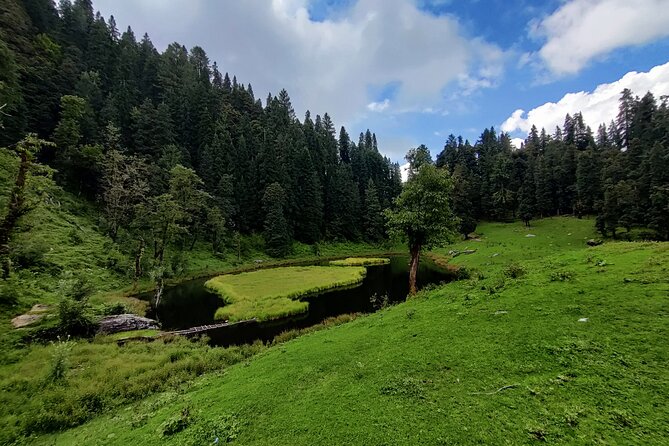
After reaching Sikolta, you drop your bags and go on an excursion to Juda ka Talab, an alpine lake. The payoff is simple: a quiet lake setting and—when visibility is good—snow-covered peaks in the distance. The night is spent camping, and this matters for acclimatization. You go from forest shade into open sky camp life, which helps your body get used to the rhythms of the trek.
Day 3: Karsu Thatch, rhododendrons, and the postcard campsite at Bhoj Gadi
You resume through forest again, crossing a wooden bridge where you can hear a brook moving underfoot. This kind of detail is more than scenery—it helps you keep pace. When the trail is moving, your brain stays on what’s happening right now: footing, timing, and sound.
After a short steep patch, the trail opens up into Karsu Thatch. Here you get a true visual shift: a verdant area with lots of yellow wildflowers, plus an abandoned wooden house that makes the scene feel like a still from a travel film. Ahead of you, rhododendrons show up and then the route opens toward a meadow camp.
That final campsite area is Bhoj Gadi, described as one of the most beautiful camps on a Himalayan trail. In practical terms, it’s a place where you’ll get those big “standing still to look” moments because the backdrop includes snow-capped mountains and vast grasslands. It’s also where you’ll likely appreciate the camp setup more, since a great view is only half the reward; the other half is having a clean, organized place to rest afterward.
Day 4: Sunrise-to-ridge day on Phulara Ridge, then Pushtara Bugyal meadows
Day 4 is the trek’s big day. You start with sunrise and then begin the most important movement of the trip: from Bhoj Gadi, after about an hour, you descend to Phulara Ridge.
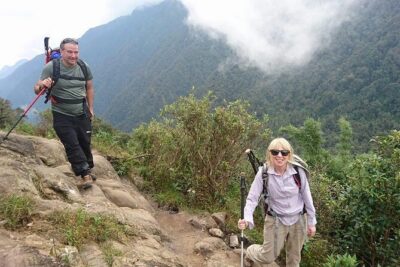
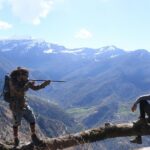
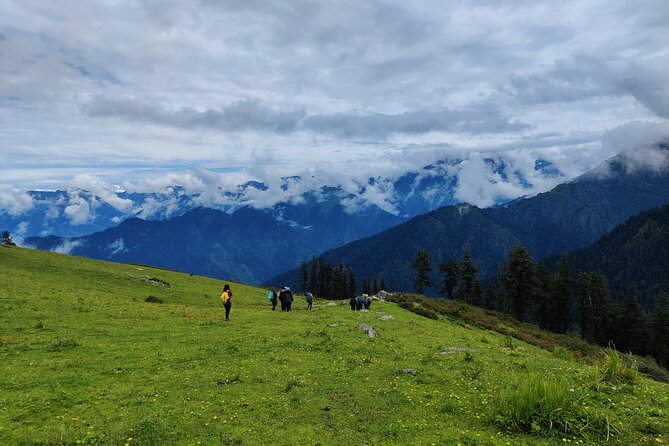
This is where the trek earns its reputation. Phulara Ridge is narrow, and the edges slope down into valleys on either side. In clear weather, that translates into wide panoramic views of the Garhwal Himalayan ranges, including Swargarohini, Kalanag, and Bandarpoonch (among others). This is not the day to rush. Take your time to check footing, then look up and let the ridgeline do its job.
Once you cross the ridge, the day turns more comfortable with a descent into Pushtara Bugyal, the Pushtara meadows. After the ridge’s exposure, the green open space feels like a relief. You walk through verdant grassland with a calmer pace and a different kind of satisfaction: the sense that you’ve earned this openness.
The nights on this trek are camping-focused, so it’s smart to think of this as a full-body day. Your payoff is the view, but your recovery matters too. That’s another reason the camp setup matters here: clean sleeping bags and an organized kitchen and dining area reduce the friction at the end of the day.
Day 5: Descending to Taluka, wildflowers, and langoors in the trees
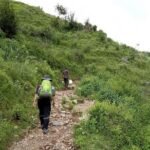
Day 5 shifts from mountains-only to mountains-meet-humans. You begin your descent toward Taluka. The trail continues across Pushtara meadows, then you move through lush forests and along stretches that bring more wildflowers—especially yellow ones. It’s a way to keep the trek feeling alive, not repetitive.
Wildlife shows up again. You can look for groups of langoors in the trees, and they’re described as mischievous, moving around as you pass. Even if you only catch glimpses, that kind of movement helps break the monotony of long walking sections.
As you go further, you start encountering scattered settlements. Eventually you reach a quaint village where villagers and children welcome you. One detail that sticks with this kind of day is how direct village life can be: children may request candy. It’s a reminder that you’re finishing a route that locals travel in daily rhythms, even if you’re doing it as a trek.
After the village visit, a vehicle takes you back to Sankri for the night. That change from full-on trekking to a ride can feel surprisingly good, especially when you’ve been in the mountains for several days.
Day 6: Back to Dehradun, with an easy add-on to Rishikesh or Tapovan
On the final day, you’re heading out. The trek ends with the journey back to Dehradun by late afternoon or early evening. Since this is the same meeting point, you get a clean closure: your trip finishes where it started.
Once you’re back in Dehradun, the info you have is useful for planning your extra time. You can book a ride back to your hometown, or if you want one more taste of the region, you can continue to Rishikesh or Tapovan to end on a high note.
This last-day flexibility is worth something. If you’re only traveling for the trek, you can still recover at a normal pace. If you have extra days, you can turn the trip into a longer India foothills loop instead of treating it as a standalone hike.
Price and logistics: what $215 really buys you
At $215 per person for an approximately 6-day trek, the value is strongest when you look at what’s handled for you.
Included items on this trek include:
- AC mini bus transport (for the drive into and out of the region)
- Accommodation on the first day through the second-to-last day on double/triple occupancy
- Certified guide, cook, and support staff
- Forest entry charges for Indian nationals
- Clean sleeping bags and mats
- Camping equipment setup: A-frame/dome tents, kitchen/dining tents, camping stools, and toilet tents
- Porter and mule support for camping equipment, not personal luggage
- Meals: breakfast (5), lunch (4), dinner (5)
What costs extra or may change:
- If you’re a non-Indian passport holder, there’s an additional INR 1000 forest permit
- If you want the porter/mule to carry personal luggage, it’s INR 450 per day per bag (under 12 kg)
- Any extra costs due to weather or roadblocks
This matters because the trek includes a lot of the hidden work people often underestimate: food, tents, toilets, and bringing equipment. If you were to DIY parts of this, you’d almost certainly pay for guide time, camping logistics, and meals anyway. The main caution is personal luggage. Since porter/mule support is limited to camping gear, you should plan to keep your own pack within a manageable size and only use paid carrying if you truly need it.
Camp life with Himalaya Shelter: clean setups and guides who manage effort
The camp experience seems to be one of the most praised parts of this trek. People have highlighted that tents, sleeping bags, and even liners are in perfect condition and clean. They also describe the setup as professional, with staff who care about participants.
You’ll also find that the guide style is part of the comfort. Names that stand out across shared experiences include Shailendra as a friendly guide and Jyoti as an inspiring trek leader. The general pattern is that guides encourage you to go as far as you can, but they also stop if safety or physical limits require it.
Food is another strong point. Joshi bhai shows up specifically in praise for good food service, and camp meals are clearly part of what makes the evenings feel complete rather than just functional.
And because the group cap is 11 travelers, your experience is less likely to feel like a factory line. Small groups also help with safety on narrow trail sections, where spacing and pace matter.
Who this trek fits best (and who should think twice)
This is a good match if you want:
- Big views from Phulara Ridge and calmer time in meadows like Pushtara Bugyal
- A trek that mixes forest, lake excursion time, and open ridgeline scenery
- A well-run camp setup with separate kitchen/dining areas and toilet tents
- Small-group pacing and certified guide support
You should think twice if:
- You’re uncomfortable on narrow edges with steep drops. The ridge day is described as narrow with valleys on both sides.
- You don’t like long hiking days. The trek schedule shows multiple full days of hiking time, and it’s not a short stroll.
The good news: the operator notes you need moderate physical fitness. That’s not the same thing as needing to be a marathon runner. It’s more about being able to keep a steady pace and handle climbs and descents without turning every step into a battle.
When to go and how weather affects your plan
This experience requires good weather. That means you should watch the forecast and understand that conditions can affect the ability to run the trek as planned. In poor weather, the operator offers an alternate date or a full refund (as stated in the experience rules).
Because the trek includes a ridge day with wide exposure, you’ll feel the weather impact most there. Even if you can’t control the sky, you can control your flexibility. Build in some buffer time around your trekking dates so a weather change doesn’t ruin your whole trip.
Should you book the Phulara Ridge Trek?
Book it if you want a classic Garhwal route with a standout ridgeline day, and you care about camp comfort. This trek is built around real logistics—tents, sleeping bags and mats, meals, and trained staff—so you can focus on the walking and the view rather than the hassles.
Skip it (or ask questions first) if you have trouble with exposure or you want a gentle, wide-open stroll. The narrow Phulara Ridge section and steep moments mean you should be comfortable managing your footing and staying calm when the trail drops away on both sides.
If your goal is a cleanly run, scenic ridge-and-bugyal trekking experience in the Sankri belt, this one fits the bill.
FAQ
What time does the trek start from Dehradun?
Pickup starts at 6:30 am from PRIME SURGICALS SHOP NUMBER 107, DOON PLAZA COMPLEX,59, Gandhi Rd, Prince Chowk, Dhamawala Mohalla, Paltan Bazaar, Dehradun, Uttarakhand 248001.
Where does the trek end?
The activity ends back at the meeting point in Dehradun.
How many people are in the group?
The trek has a maximum of 11 travelers.
What meals are included?
Breakfast is included 5 times, lunch 4 times, and dinner 5 times.
What kind of camping setup is provided?
You get clean sleeping bags and mats, plus A-shaped or dome tents, a kitchen tent, dining tents, camping stools, and toilet tents. A support setup is included for meals and camping.
Are forest entry charges included?
Forest entry charges are included for Indian nationals. Non-Indian passport holders have an additional INR 1000 forest permit charge.
Can porter or mule carry my personal luggage?
Porter and mule support carries camping equipment only, not personal luggage. If you want personal luggage carried, there is an additional INR 450 per day per bag (under 12 kg).
Is this trek for beginners?
The trek is for travelers with moderate physical fitness. It includes steep patches and narrow ridge sections, so you should be comfortable with that level of hiking. Service animals are allowed.