REVIEW · KATHMANDU
15 Days Manaslu Circuit Trek
Book on Viator →Operated by Yak Ru Adventure · Bookable on Viator
Manaslu feels like Nepal before the crowds. This 15-day circuit walks you from lower valleys up into high alpine country around 5000m+, circling Mt. Manaslu (8163m) while threading through villages, terraced fields, forests, waterfalls, and glaciers.
Two things I’d pick first. One, you get real local guidance with professional English-speaking support, plus satellite phone and an oximeter for safety checks. Two, the route is packed with Tibetan-influenced stops like Namrung, Shyala, and Samdo, where the scenery and the culture go hand in hand. If you want a trek that mixes tough walking with meaningful moments, this fits.
One drawback to plan for: the itinerary includes a long, challenging pass day to Larke La Pass, so you’ll want solid hiking stamina and smart pacing from day one.
In This Review
- Key Takeaways
- Manaslu Circuit Treks: The Best Parts, Without the Hype
- Kathmandu Setup: Easy Start, Then Trek Mode
- Getting to the Trailhead: Kathmandu to Machhakhola
- Day-by-Day Trail Feel: What Each Stop Really Means
- Day 4: Jagat via Hot Springs and the Budhi Gandaki
- Day 5: Deng Through Suspension Bridges and Forest Sections
- Day 6: Namrung and the Tibet-like Highland Feeling
- Day 7: Shyala with Ribung Gompa and Ethnic Villages
- Day 8: Samagaun and Punggyen Gompa Panoramas
- Day 9: Rest Day at Samagaun and Birendra Lake Acclimatization
- The High Country Stages: Samdo to Dharmasala
- Day 10: Samdo, a Small Tibetan Refugee Village
- Day 11: Dharmasala, Yak Country and Big Views Ahead
- Larke La Day: The One You Should Plan Like a Serious Hike
- Day 12: Larke La Pass to Bimtang
- Descent and Relief: Dharapani and Tilije Upgrades
- Day 13: Dharapani via Glaciers, Rhododendron Forest, and Tilije
- Day 14: Drive Back to Kathmandu and a Farewell Dinner
- Day 15: Airport Transfer
- Guides, Safety, and the Small Details That Matter
- Value for $1,450: What You’re Actually Paying For
- Who This Trek Is Best For
- Should You Book the Manaslu Circuit?
- FAQ
- What is the tour price per person?
- How long is the Manaslu Circuit Trek?
- Where does the trek start?
- What time is the start?
- Is pickup offered?
- How big is the group?
- Are permits and paperwork included?
- What meals are included?
- Is emergency help included?
- Is the cost of medical evacuation covered?
- FAQ
- What cancellation terms apply?
Key Takeaways
- Small group, max 14 travelers keeps things friendly on the trail and helps logistics stay calm.
- Guide support that’s built for altitude: a professional English-speaking guide with satellite phone and oximeter.
- Culture stops with views: Ribung Gompa, Punggyen Gompa, Samdo’s Tibetan refugee village feel.
- Acclimatization built in: a rest day at Samagaun plus a short excursion to Birendra Lake.
- That Larke La day is the one to respect, both for time and altitude.
Manaslu Circuit Treks: The Best Parts, Without the Hype
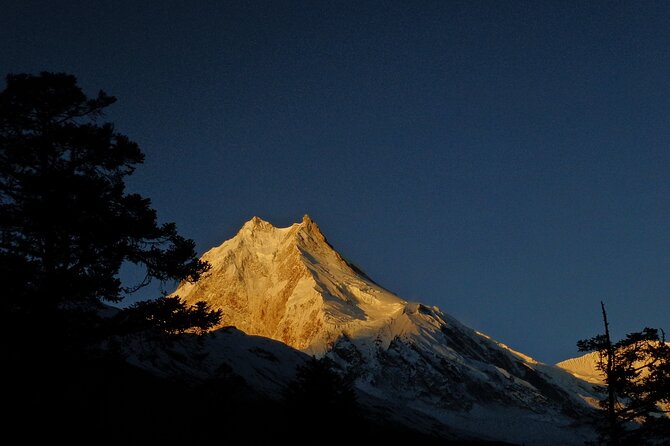
This is the kind of trek that rewards curiosity. One day you’re watching rivers carve through gorges. The next, you’re walking past fields and small bridges like the trail has always been there. Then you climb into thinner air, with big mountain faces looming for hours.
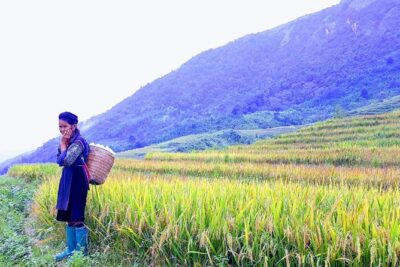
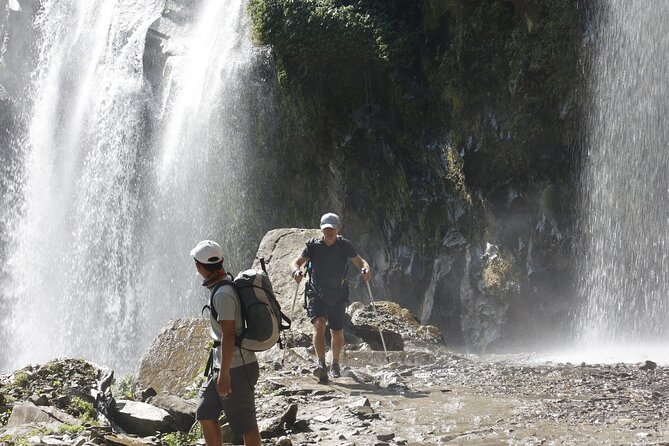
What I like most is how the trek doesn’t just point at Manaslu. It actually carries you through the places people live and work—terraced farms, pine and rhododendron forests, yaks grazing near high pastures, and stone-and-prayer traditions that feel genuinely local. You spend time in villages rather than just passing through.
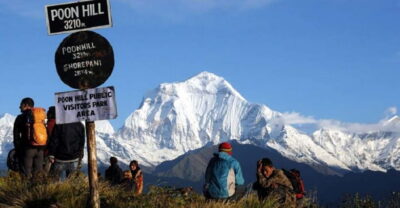
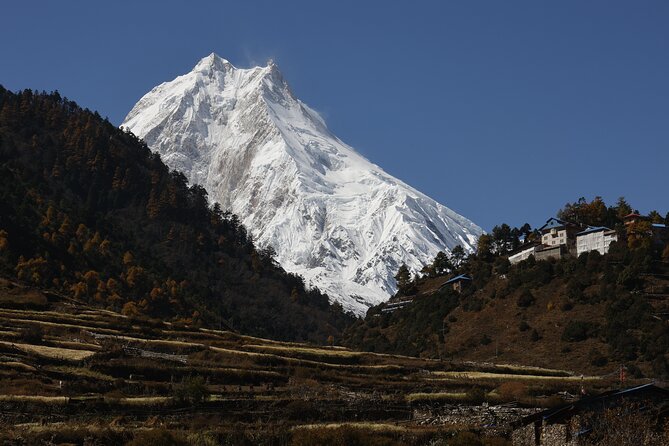
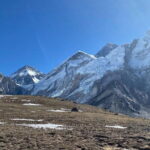
And yes, the mountain payoff is real. You’ll see Manaslu from multiple angles, including viewpoints from gompas. On clear days, the high passes and glaciers turn the air sharp and the scenery huge.
You can also read our reviews of more tours and experiences in Kathmandu.
Kathmandu Setup: Easy Start, Then Trek Mode
You begin in Kathmandu with a welcome pickup at Tribhuvan International Airport. It’s scheduled to get going early, and that helps because travel from the airport to the hotel is handled for you.
On day one, you check in, rest, and meet your guide in the hotel lobby. The next evening is for prep: gear checks, organizing what you need, and getting everyone aligned before you head out of the city.
This matters more than it sounds. If you’ve ever watched someone realize on day three that they packed the wrong socks, you know why a guided prep night is gold.
Getting to the Trailhead: Kathmandu to Machhakhola
On day three, you drive toward Machhakhola with stops passing through Arughat and Sotikhola. The road shifts from paved to dirt once you’re past a little ahead of Arughat, which is typical for Nepal trekking routes. It’s not a smooth highway ride, but it’s part of getting into the remote river valley where this circuit begins.
Once you reach Machhakhola, the trek effectively starts to feel real: walking rhythm, guesthouses/lodges, and the steady routine of packing and unpacking. Even the first trekking day is a good “warm-up” before the big altitude push.
Day-by-Day Trail Feel: What Each Stop Really Means
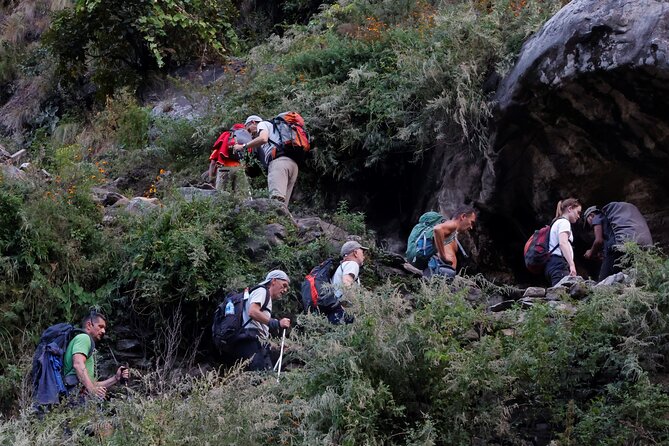
Here’s how the route unfolds and what each stage is likely to feel like under your boots.
Day 4: Jagat via Hot Springs and the Budhi Gandaki
After crossing the bridge over Machha Khola, you walk a rugged road path toward Tatopani. This is where a short break at the natural hot springs can be a lifesaver. Even if your muscles don’t love the cure, you’ll appreciate a warm reset.
From there, you cross Budhi Gandaki and move through landslide terrain up toward places like Thulo Dhungga and Yaruphant. You’ll also hit a suspension bridge before reaching Jagat.
Practical note: rugged roads and landslide zones can mean careful foot placement. It’s not “just scenery.” You’ll actually be hiking.
Day 5: Deng Through Suspension Bridges and Forest Sections
Day five keeps a similar valley-to-hills rhythm. You ascend toward Salleri, then pass through Sirdibas and cross a long suspension bridge.
The trail continues upward through areas with pine and bamboo forests, then you’ll reach Deng after crossing multiple bridges. Expect a mix of steady climbs and “bridge time,” which is your job to cross carefully and keep your balance.
Day 6: Namrung and the Tibet-like Highland Feeling
Leaving Ghap, the route weaves over bridges over Budhi Gandaki River and then you follow along cultivated fields. Once you’re past the last bridge, the climb becomes more “highland forest” and less valley floor.
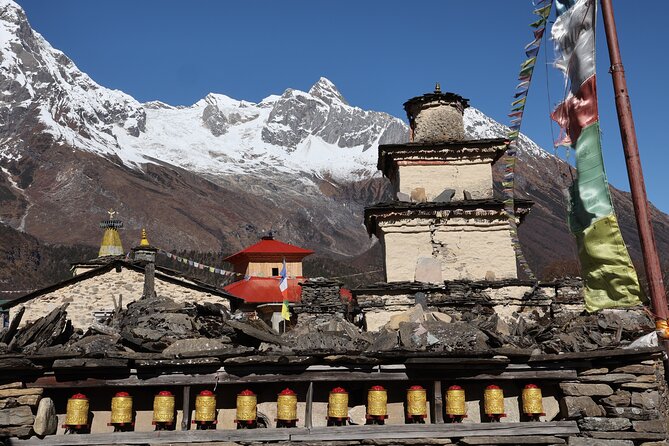
Namrung is where the trek starts to feel distinctly Tibetan in flavor. The village is described as inhabited by people who resemble closely to Tibetans, and that cultural feel shows up in how the area looks and the pace of life around you.
If you’re the kind of traveler who pays attention to villages, this is one of the days that rewards your attention.
Day 7: Shyala with Ribung Gompa and Ethnic Villages
Today you trek through Bhanzam and pass several ethnic villages like Lihi, Sho, and Lho. The highlight is visiting Ribung Gompa in Lho, perched on a hill with a magnificent view of Manaslu.
Then it’s on through pine and rhododendron forest to Shyala. This day is shorter than some, so it’s a nice balance: cultural visits plus hiking, without beating you up for the full day.
Day 8: Samagaun and Punggyen Gompa Panoramas
Day eight includes a climb to discover Punggyen Gompa before trekking onward to Samagaun. You’ll walk past pastures and cross a river draining from the Pung Gyen glacier.
From Punggyen Gompa, you get impressive panoramic views of surrounding peaks and the eastern face of Manaslu. Then you descend back to the main trail and continue down to Samagaun, the last largest village in the Manaslu region.
This is a great day for slow moments. You’ll be tired, but the gompa viewpoints make it worth pausing.
Day 9: Rest Day at Samagaun and Birendra Lake Acclimatization
This day is for recovery. You’ll take a short excursion to Birendra Lake to help acclimatize.
Wildlife is possible in this area, including Himalayan Thar. You might spot it, you might not. Either way, the goal is clear: give your body time to adjust before the higher, colder stretch.
The practical value here is huge. Without a rest day, the next section would feel sharper and riskier.
The High Country Stages: Samdo to Dharmasala
Day 10: Samdo, a Small Tibetan Refugee Village
You’ll trek through birch and juniper forests and pass small villages. Then you cross a wooden bridge over Buddhi Gandaki River and reach Samdo, described as a small Tibetan refugee village.
This day is more about atmosphere than adrenaline. It’s the kind of stop where you notice how daily life continues up high.
Day 11: Dharmasala, Yak Country and Big Views Ahead
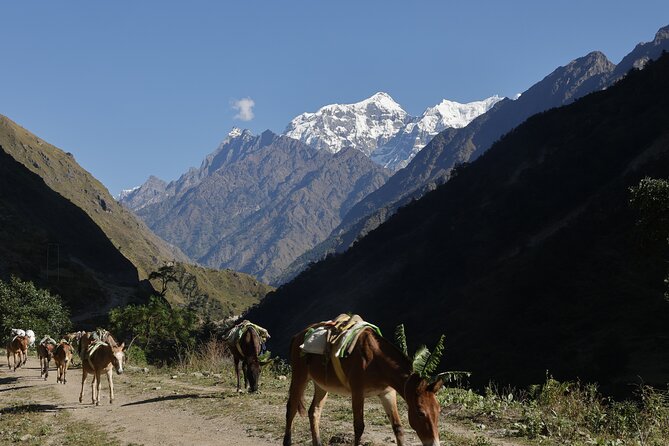
Day eleven keeps ascending gradually through high pasturelands. You’ll encounter yaks grazing, with views of Manaslu North, Larkya Peak, and Larkya glacier to the left side of the trail.
The approach to Dharmasala is a steady climb with rivulets and continuing ascent. You’ll arrive knowing the next day is a serious one.
Larke La Day: The One You Should Plan Like a Serious Hike
Day 12: Larke La Pass to Bimtang
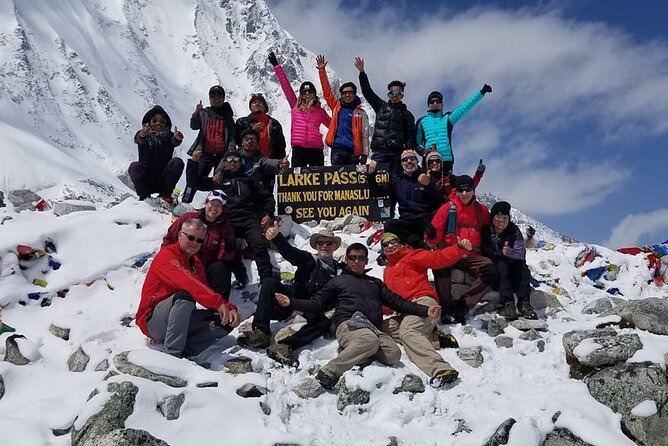
This is the longest and most challenging day on the route. You start early, reach the north side of Larkya glacier after a short climb, then tackle a steep path up.
Eventually you reach the top of Larke La Pass, where the views can include Himlung Himal, Cheo Himal, Kangguru, and Annapurna II, plus many other mountains. Then it’s downhill to Bimtang.
This is where your body tells the truth about altitude and stamina. Go slow. Trust the rhythm. Let your guide set pace rather than trying to “win” the pass.
Descent and Relief: Dharapani and Tilije Upgrades
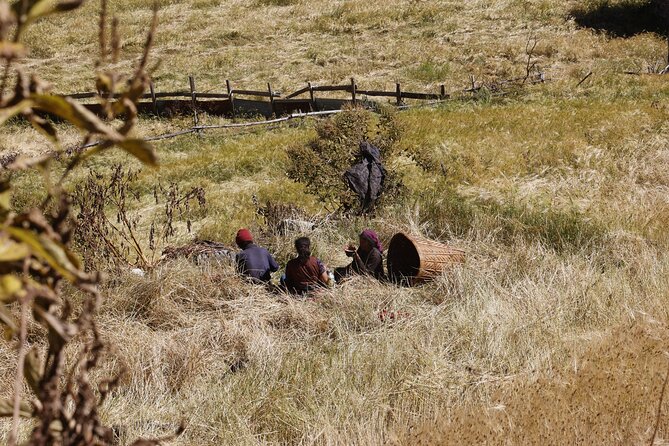
Day 13: Dharapani via Glaciers, Rhododendron Forest, and Tilije
From breakfast, you pass the Kechakyu Khola glacier area and trek through rhododendron forest. You’ll see views of Mt. Manaslu along the way, then reach Gho village before heading toward Tilije.
Tilije is described as having facilities like a hot shower, wifi, and electricity from here onwards. That’s a real morale boost near the end of a long trek, and it helps if you want to clean up and recharge your phone.
Then you continue toward Dharapani for the night.
Day 14: Drive Back to Kathmandu and a Farewell Dinner
The route back to Kathmandu takes you via Besishahar. Once you return, you’ll move to your hotel and enjoy a farewell dinner organized by the company.
This is a good moment to decompress. Expect everyone to be tired in the same specific way: boots are off, legs are loud, and you’re already thinking about how the pass day felt in your lungs.
Day 15: Airport Transfer
After breakfast, your escort helps you get to Tribhuvan International Airport for your flight home.
Guides, Safety, and the Small Details That Matter
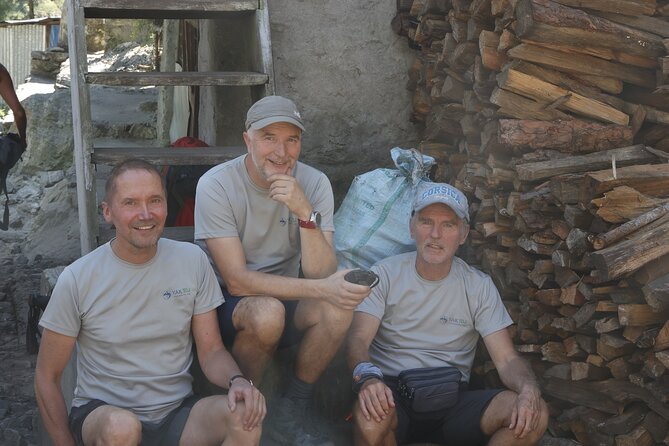
One of the big reasons this trek works is the human setup. Your guide is described as a professional English-speaking person with a satellite phone and oximeter. That matters on a remote trek because it supports communication and monitoring when conditions change.
In past experiences with this operator, guides like Suresh and Sujan were praised for being flexible, present, and full of stories about mountains, people, and culture. That kind of guide doesn’t just lead. They also help you understand what you’re seeing.
Also worth noting: there are rescue and evacuation arrangements in case of emergency. What’s not included is the medical evacuation cost itself, so you’ll want travel insurance that covers this kind of situation.
Value for $1,450: What You’re Actually Paying For
At $1,450 per person for roughly 15 days, you’re paying for more than walking and scenery.
You’re paying for:
- Ground transfers in private vehicles (not DIY chaos)
- Permits and paperwork handled
- Professional guiding with monitoring tools
- Porters and assistant guides based on group size
- A solid portion of meals during the trekking days, plus tea and coffee
And because the group is capped at 14 travelers, you’re less likely to feel like you’re trekking in a conveyor belt.
The main value question is fit. If you want a serious mountain circuit with high altitude and long hiking days, the price starts to make sense. If you’re looking for a casual stroll with minimal altitude exposure, this route will be too demanding.
Who This Trek Is Best For
This trek suits you best if:
- You have moderate physical fitness and you’re willing to train your legs before you go
- You want both culture and altitude trekking
- You prefer a small group pace and a guide who actively explains what you’re walking through
- You can handle one very long day toward Larke La Pass
If you’re prone to getting discouraged by slow uphill sections, use this rule: don’t measure progress by speed. Measure progress by the next checkpoint, then the next. Your lungs will thank you.
Should You Book the Manaslu Circuit?
If you want a trek that feels remote in the best way—villages, Tibetan-influenced culture, genuine mountain views, and a route that actually builds in acclimatization—you should strongly consider booking.
I’d say don’t book only if you know you can’t commit to the pass-day effort or you don’t want an itinerary that goes above 5000 meters. Altitude is part of this circuit, not a side note.
If you do book, plan your pre-trek fitness, bring trekking poles if you use them, and keep your pace conservative on day twelve. This trek gives plenty back when you meet it halfway.
FAQ
What is the tour price per person?
The price is $1,450.00 per person.
How long is the Manaslu Circuit Trek?
It’s listed as approximately 15 days.
Where does the trek start?
The start is at Tribhuvan Airport in Kathmandu, Nepal.
What time is the start?
The meeting/start time is 5:45 am.
Is pickup offered?
Yes. Pickup is offered, and ground transfers are included in private vehicles.
How big is the group?
The tour has a maximum of 14 travelers.
Are permits and paperwork included?
Yes, permits and necessary paperwork are included.
What meals are included?
Tea and coffee are included during the trek. Breakfast (14) and lunch (12) and dinner (12) are included as listed. Meals while you are in Kathmandu, plus lunch and dinner there, are not included.
Is emergency help included?
There are rescue and evacuation arrangements in case of emergency. The professional guide also carries a satellite phone and oximeter.
Is the cost of medical evacuation covered?
No. Medical evacuation cost is not included, even though evacuation arrangements are provided.
FAQ
What cancellation terms apply?
Free cancellation is available. You can cancel up to 24 hours in advance for a full refund. If you cancel less than 24 hours before the start time, the amount paid is not refunded.