REVIEW · KATHMANDU
Annapurna base camp trek 5 Days
Book on Viator →Operated by Alpine Ramble Treks · Bookable on Viator
One of Nepal’s classic treks, but with less fuss. This Annapurna Base Camp experience strings together an easy first day in Pokhara, then tea-house nights and guided trekking through rhododendron and forests toward iconic Machhapuchare (Fish Tail) views. I like that the package is set up for convenience—airport transfers and the tourist bus to Pokhara are included—so you’re not scrambling after landing. I also like the practical side: meals, permits, and a guide are handled, plus you get a down jacket and sleeping bag if you need them.
One consideration: the trek still runs on weather, and like most short routes, the schedule can feel tight. Also, water is a big deal on the trail—so it’s worth double-checking that your guide has the water purification plan on hand before you start walking.
In This Review
- Key highlights to know before you go
- Pokhara First: Why This “Short” Annapurna Base Camp Plan Works
- Day 1 in Pokhara Lakeside: Travel Day That Actually Helps
- Day 2 to Chhomrong Cottage: Getting Into the Annapurna Rhythm
- Day 3 Upper Sinuwa (Sinuwa hilltop lodge): Morning Views as a Real Schedule Anchor
- Day 4 Reaching Annapurna Base Camp: The Big Day, One Step at a Time
- Day 5 Upper Sinuwa to the Morning Machhapuchare Moment
- Day 6 Jhinu Hot Spring and Back to Siwai: Reward Down the Mountain
- Price and logistics: What $699 buys you in real terms
- What’s genuinely useful in the inclusions (and what to bring anyway)
- Guide, group size, and the one thing you must verify
- Trek pace and physical expectations (moderate fitness, short days, still real hiking)
- Who this tour is best for
- Should you book this Annapurna Base Camp trek?
- FAQ
- How long is the Annapurna Base Camp trek package?
- Where does the trip start?
- What transport is included?
- What kind of lodging do you stay in on the trek?
- Are meals included?
- Is a guide included, and is English spoken?
- What permits are covered?
- Is gear provided?
- What is not included in the price?
Key highlights to know before you go
- Pokhara is built in from day one: you transition from Kathmandu to lakeside, then head toward the trail with less stress.
- Comfort upgrades are included: down jacket and sleeping bag mean lighter packing and fewer last-minute buys.
- Guide + permits + meals are covered: you spend your energy on walking and views, not paperwork and logistics.
- Tea house nights keep it simple: you eat where you sleep, with meals included on trek days.
- Machhapuchare and Annapurna viewpoints: several days are timed for morning sky shows, depending on conditions.
- Small group size (max 12): a more manageable pace for a short, classic route.
Pokhara First: Why This “Short” Annapurna Base Camp Plan Works
This trek starts the smart way: you get out of Kathmandu and into Pokhara, then you ease into the mountains over a few days. That matters because Annapurna Base Camp is not a casual stroll. Even on the classic short route, you’ll feel the altitude and the daily rhythm of uphill and downhill. Having that buffer day in Pokhara helps you arrive on the trail feeling human.
Pokhara Lakeside is also where you’ll get your first real read on Nepal’s pace. You’re not immediately climbing. You’re just getting oriented—slow coffee, lake views, and time to sort what you’ll need for the walk. If you’re coming in from abroad, that day also helps with jet lag and getting your gear organized before the tea-house routine begins.
You can also read our reviews of more tours and experiences in Kathmandu.
Day 1 in Pokhara Lakeside: Travel Day That Actually Helps
Day 1 is a long but straightforward move from Kathmandu to Pokhara via tourist bus on the Prithvi highway, with about a seven-hour drive. The key thing here is that you’re not doing private-hire logistics or navigating on your own. Airport pickup plus transport is built in, and that alone can save you from a lot of travel-day headaches.
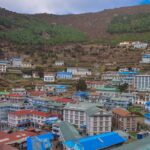
Once you reach Pokhara, you spend time around the Lakeside area. The itinerary frames it as a tour of the tourist town area, which usually means you can do basic things fast: exchange money, buy any last small items you forgot, and get your bearings before the trek starts in earnest.
The payoff: by the end of the day, you’re set up for the next morning’s drive toward the trek start point. The tradeoff: it’s still a travel day, so don’t plan to be ultra-active at night.
Day 2 to Chhomrong Cottage: Getting Into the Annapurna Rhythm
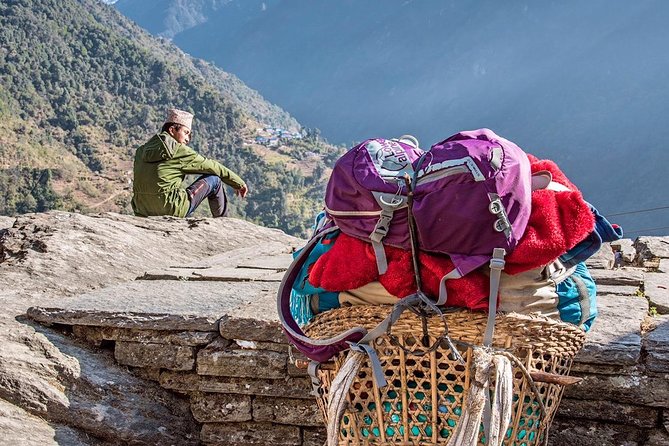
After breakfast in Pokhara, you drive toward Siwai by local jeep (about two hours). There’s also a stop at Birethati along the way. Even when a day feels like transportation, these stops matter because you’re gradually transitioning from lowland comfort to the trekking mindset.
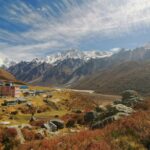
The trek portion in your schedule ends with an overnight at Chhomrong Cottage. Chhomrong is one of the key waypoints on many Annapurna itineraries. In practical terms, it usually means the area is set up for trekking traffic—so tea houses, meals, and basic services tend to be readily available.
The drawback to keep in mind: this is a short, packaged plan, so the day-to-day walking time can feel like it comes quickly. You’ll want to start Day 2 with a clear mind: pack your day bag the night before, keep water and snacks easy to reach, and don’t wait until the trail begins to figure out what you brought.
Day 3 Upper Sinuwa (Sinuwa hilltop lodge): Morning Views as a Real Schedule Anchor
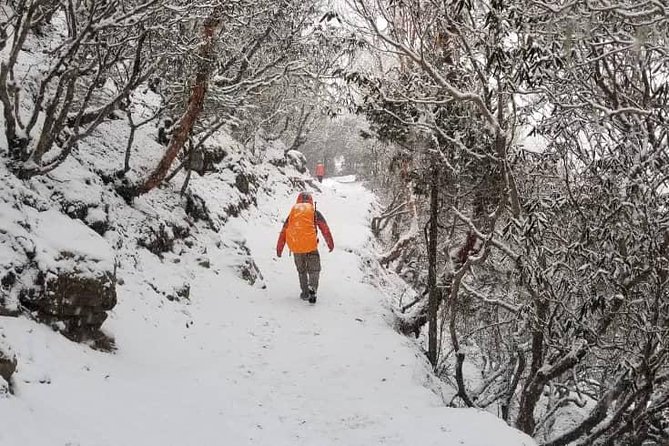
Day 3 is built around the Upper Sinuwa / Sinuwa hilltop lodge and restaurant stop. The itinerary highlights a morning routine with tea and breakfast, plus a sunrise view that depends on weather. That’s the kind of detail that makes a trek feel like a trek rather than a conveyor belt.
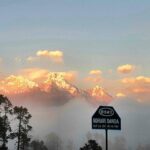
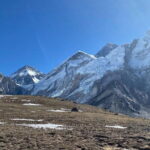
Upper Sinuwa is positioned for that classic Himalaya moment: you wake up, look out, and suddenly the peaks feel close. The itinerary specifically calls out a sunrise view over the White Mountain and the overall mountain panorama from your lodge.
What you should watch: morning views are weather-dependent. If clouds roll in, you’ll still walk and still reach the next stop—but the “wow” factor will be quieter. Pack for that reality. A warm layer and a hat matter even when the day later warms up.
Day 4 Reaching Annapurna Base Camp: The Big Day, One Step at a Time
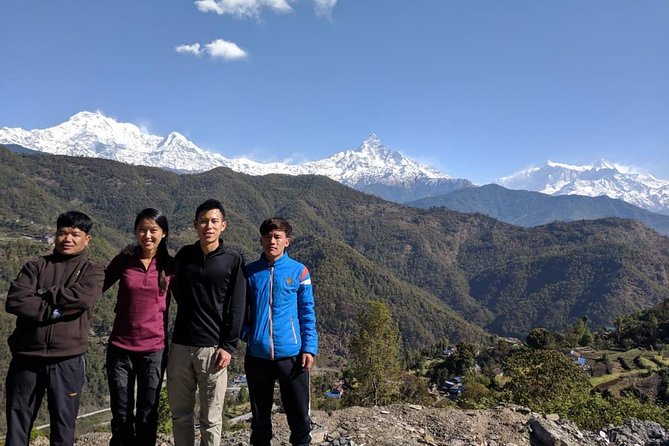
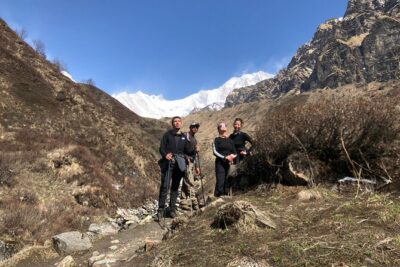
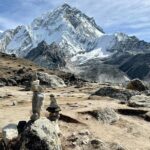
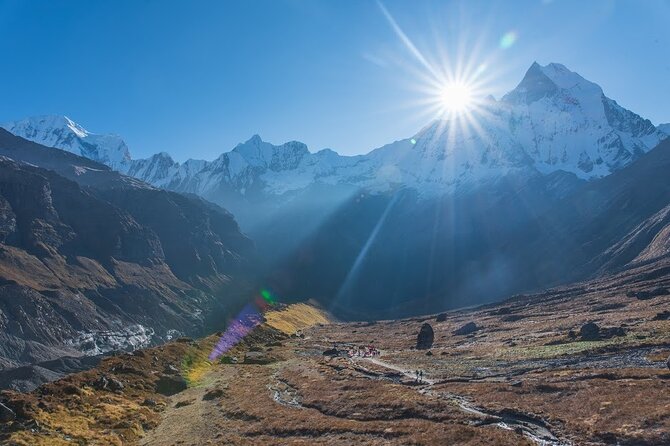
Day 4 is the centerpiece: trekking to Annapurna Base Camp, described as an exciting day where you reach the base camp by foot. This is also where the trek earns its reputation. You’re not just passing through scenery—you’re pushing to a goal that feels tangible, with the Annapurna range looming in ways photos can’t fully explain.
Even with a shorter itinerary, treat Day 4 like its own challenge. Your body will already be in trekking mode by then, but it’s still the day that typically asks the most from your legs and breathing. Take breaks early, not late. If you wait until you’re struggling, you’ll lose time to recovery.
A practical tip: base camp days are often photo-heavy. I’d plan to enjoy the moment, then still make room for the return planning. Cold at altitude can creep up fast, and the sooner you get back into steady movement, the less you’ll feel it.
Day 5 Upper Sinuwa to the Morning Machhapuchare Moment
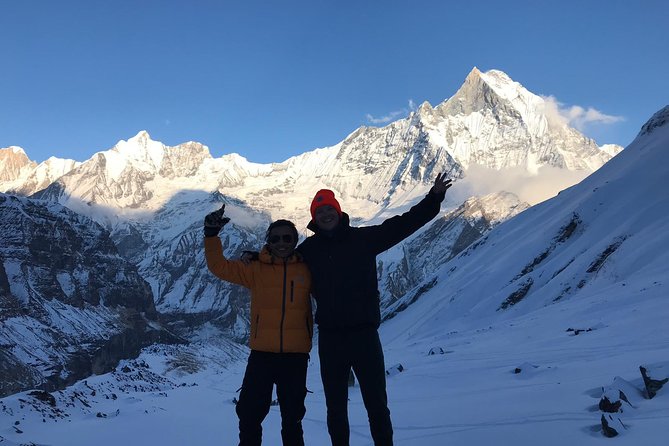
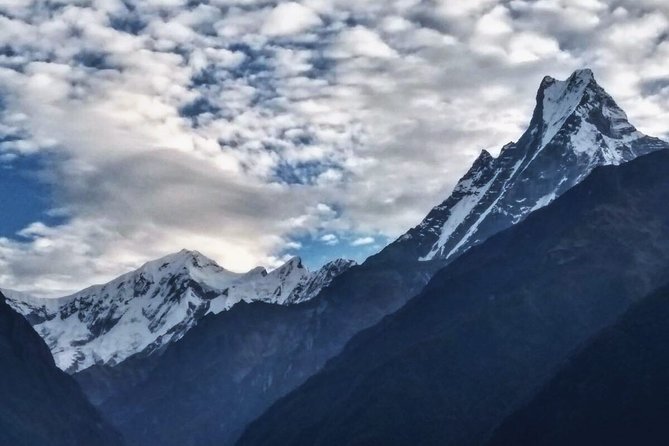
Day 5 keeps a strong focus on views. The schedule includes waking up, walking up a bit to explore, and experiencing the sunrise over Machhapuchare and Annapurna from above. It’s a classic rhythm: morning movement for better viewpoints, breakfast with a view, then continued trekking back down the route toward the next overnight point.
This is where a short route can be both great and slightly intense. Great, because you’re seeing multiple peak perspectives in a compact time frame. Slightly intense, because you’re not giving yourself a slow, lingering pace. If you prefer your days to stretch out, keep this itinerary’s “short route” nature in mind.
If conditions are clear, this day can feel like a reward for the work you did earlier. If clouds show up, it still won’t ruin the trek—but you’ll want to be flexible about how much time you spend waiting for light.
Day 6 Jhinu Hot Spring and Back to Siwai: Reward Down the Mountain
Day 6 is a strong finish: after breakfast you follow the same trail until Chommrong, then the itinerary describes a steep descent to Jhinu hot spring. From Jhinu Dada, you trek down to Siwai for about two hours, then take a local jeep back.
This day is valuable for two reasons. First, descending can feel easier than climbing, even when it’s steep. Second, Jhinu hot springs add a real recovery payoff—so you’re not just walking until the end and then jumping back into travel life.
The tradeoff is also obvious: steep downhills can beat up your knees if you go too fast. Take shorter steps, keep your weight controlled, and use trekking poles if you have them. Even if you’re used to hiking at home, steep descents in Nepal can feel tougher than you expect.
Price and logistics: What $699 buys you in real terms
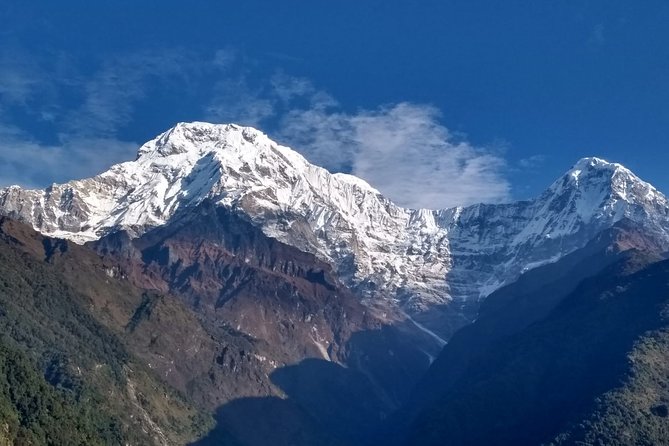
At $699 per person, this package is aiming at “all set” value for a short Annapurna Base Camp trek. The headline value isn’t just the guide. It’s the bundle of costs you’d otherwise handle yourself:
- Airport pickup and ground transport into and out of the trek area
- Tea house accommodation and included meals on trek days
- Trekking permits included
- Trekking guide/ sherpa (English speaking)
- Down jacket and sleeping bag provided
- Farewell dinner, certificate of achievement, and a hiking t-shirt
So you’re not paying just for walking. You’re paying for a system that covers the daily friction points: food plan, lodging plan, permits, and transport.
One thing to watch: the itinerary notes food in Kathmandu and Pokhara isn’t included. Also, any extra accommodation behind schedule would be on you, so try to match travel plans to the trek days cleanly. Travel insurance is also not included—so if you don’t already have it, you’ll want to buy it separately.
What’s genuinely useful in the inclusions (and what to bring anyway)
The included gear matters. A down jacket and sleeping bag can be a big cost saver and a packing saver. If you already own quality gear, you can still choose to bring your own, but the included option is great for travelers trying to keep luggage simple.
Meals being included on trek days also reduces decision fatigue. Tea houses can vary, and when you’re tired, it’s easier when you’re not negotiating menus each day.
Still, you’ll want to bring your own basics: layers, sun protection, rain protection, and comfortable socks. The itinerary tells you about a weather-dependent experience, so plan for variability. Even if the sky looks perfect in the morning, conditions can shift.
Guide, group size, and the one thing you must verify
This is a small group trek with a maximum of 12 travelers, and that’s a good size. You’ll usually get help when you need it, but it won’t feel like a big bus group moving through villages.
The guide is a major part of the value: the tour includes a local English speaking friendly trekking guide/ sherpa, and the description says they take care of arrangements so you can focus on the trek. That’s exactly what you want on a mountain route—less thinking, more moving.
Now the honest caution. On treks like this, water purification is non-negotiable. There have been cases where the purification tablets weren’t brought, then the guide tried to steer people toward paying for water themselves. I can’t tell you how often that happens, but it’s enough to make one request worth making: ask, before you start walking, whether purification tablets are included for the trek and confirm the plan with your guide. If they’re not on hand, solve it immediately. Don’t wait until you’re thirsty and tired.
Trek pace and physical expectations (moderate fitness, short days, still real hiking)
The tour is listed for travelers with moderate physical fitness. That sounds comfortable, but “moderate” on a Himalayan trek usually means you can walk uphill for hours and handle uneven paths, with some steep sections—especially on descents.
Because this is a short route with a fixed schedule, the altitude and fatigue can stack up quickly. You’ll be in and out of different elevations across consecutive days, and you’ll likely spend a lot of time walking rather than lounging.
Practical pacing rule: slow down at the start of each day. If you set a steady, not-too-fast rhythm early, you’ll feel better later.
Who this tour is best for
This Annapurna Base Camp plan is a good fit if you want:
- a classic Annapurna Base Camp goal without a long, multi-week trek
- a structured experience with meals, permits, and lodges arranged
- a realistic introduction to the region via Kathmandu to Pokhara first
- included gear like a down jacket and sleeping bag
It may be less ideal if you:
- hate tight schedules and want extra buffer days
- rely on very detailed personalized support at every step
- want total independence with your own permits and logistics
If you’re a first-time trekkers and you want the main experience without juggling details, this style of tour can be a smart way to do it.
Should you book this Annapurna Base Camp trek?
I’d consider booking if your top priority is a clean, well-organized short trek. The package covers a lot of the hard-to-manage pieces—transport into the trek area, permits, guide support, tea house nights, and included meals—and that usually leads to a smoother mountain experience.
I’d pause and confirm a few things before you hand over money:
- Ask your guide to confirm the water purification plan before you start walking.
- Make sure you understand what’s included versus not included for Kathmandu and Pokhara meals, and plan your travel days accordingly.
- Double-check that your fitness plan matches steep descents, especially for the Jhinu hot spring day.
If you like the idea of reaching Annapurna Base Camp with a small group and rewarding morning views—Machhapuchare and Annapurna included—this trek fits the bill.
FAQ
How long is the Annapurna Base Camp trek package?
The overall duration is listed as 6 days approximately, with trekking described as a short route over about five trekking days plus travel days.
Where does the trip start?
The experience starts in Kathmandu, and the itinerary includes travel to Pokhara on the first day.
What transport is included?
Airport pick and drop off is included, along with private transportation and the tourist bus to Pokhara on Day 1. Local jeep rides are included on trek days when the itinerary calls for them.
What kind of lodging do you stay in on the trek?
You stay in trekking lodges / tea house accommodation on the trek.
Are meals included?
Yes. Breakfast and lunch are included on trek days (5 each), and dinner is included on trek days (5).
Is a guide included, and is English spoken?
Yes. The trek includes a local English speaking friendly trekking guide/sherpa.
What permits are covered?
Trekking permits are included.
Is gear provided?
Yes. A down jacket and sleeping bag are included.
What is not included in the price?
Food in Kathmandu and Pokhara, arrival visa fees, tips for guide and staff, extra accommodation outside the schedule, and travel insurance are not included.