REVIEW · KATHMANDU
Classic Everest Base Camp Trek
Book on Viator →Operated by icicles adventure treks and tours · Bookable on Viator
Everest Base Camp starts with careful planning. This classic trek blends big mountain scenery with real Sherpa-style culture and a strong focus on safety from the moment you land in Kathmandu.
What I like most is the practical setup: three nights at Hotel Ramada Encore Kathmandu with breakfast, plus lodge-to-lodge accommodation during the trek. I also like that Icicles Adventure includes trekking essentials like a down jacket and sleeping bag, so you’re not forced to rent or overspend at the last minute.
One thing to consider: this is a 24-day trek with lots of ups and downs, and the included meal details are not fully specified—so you should budget for some food and snacks you’ll buy along the way. Also, there’s no WiFi coverage during the trek.
In This Review
- Key points worth knowing
- Kathmandu Start: Private Pickups and Three Nights at Ramada Encore
- Price and Logistics: What $1,835.90 Actually Buys You
- Gear Provided: Down Jacket, Sleeping Bag, and the Duffle Bag Plan
- On the Trail: Alpine Forests, Glacier Rivers, and That Real Climb Rhythm
- Monasteries and Flag Prayers: Culture Stops That Change the Pace
- Your Team in the Mountains: Guides, Porters, and Safety That Feels Real
- Lukla to Kathmandu Flight and the Permits You Don’t Want to Chase
- Fitness, Weather, and What Could Change Your Timing
- Who This Trek Fits Best (and Who Should Think Twice)
- Should You Book This Classic Everest Base Camp Trek with Icicles Adventure?
- FAQ
- How long is the Classic Everest Base Camp Trek?
- Where does the trek start, and what time does it start?
- Is this a private tour?
- What’s included for accommodation in Kathmandu?
- Does the trip include a guide and porters?
- Is trekking gear included?
- Are permits included?
- Is the Lukla to Kathmandu flight included?
- Is WiFi available during the trek?
- What’s the cancellation policy if weather is bad?
Key points worth knowing
- Private transfers and airport handling: you’re picked up and moved around in a private vehicle.
- Trek-ready gear is included: down jacket, sleeping bag, and a duffle bag.
- Lodge-to-lodge comfort: best available twin-sharing lodges during trekking.
- Permits are handled: Sagarmatha National Park permits and the TIMS fee are included.
- A safety-first guide team: names like Ram, Pooja, Lok, Nirjala, Prakesh, Lal Kumar Tamang, and Santosh come up in client praise.
- The flight piece is included: Lukla to Kathmandu (with departure taxes) is part of the package.
Kathmandu Start: Private Pickups and Three Nights at Ramada Encore
Your trek really begins in Kathmandu, and this tour treats that first stretch like it matters. You get a pickup offer and all the main ground transport by private vehicle, including airport transfers. That matters because Kathmandu traffic can eat your energy before you ever start climbing.
You also get three nights at deluxe Hotel Ramada Encore Kathmandu with breakfast. In plain terms: it’s a solid base to reset, do laundry, and get your head right before the mountain rhythm takes over. You’ll likely use this time for gear checks and sanity checks—like making sure you have warm layers ready for chilly early starts.
The tour start time is listed as 6:45 am in Kathmandu. Even if your exact schedule shifts, the idea is clear: you’re not strolling in at noon. You’re starting early enough to make connections work and keep the trek flow smooth.
You can also read our reviews of more tours and experiences in Kathmandu.
Price and Logistics: What $1,835.90 Actually Buys You
At $1,835.90 per person, this is not a budget-only trek. But if you break the package down, a big chunk of the cost is in the stuff that’s hard to piece together on your own.
Here’s what the price includes that often costs extra elsewhere:
- Guide support and porter support: one highly experienced guide and porters with a ratio of 1 porter for 2 people.
- Porters’ full coverage: their food, accommodation, salary, equipment, and accidental insurance.
- Trek gear provided: down jacket and sleeping bag during the trek.
- Permits: Sagarmatha National Park permits fee and TIMS fee.
- Trip essentials: trekking map and a trip achievement certificate, plus a T-shirt and a duffle bag for trekking.
- A first aid medical kit: included for the group.
You’re also getting the Lukla to Kathmandu flight including departure taxes. That is a key value point because flight days can be the most stressful part of an Everest itinerary.
Now, what’s not covered:
- Meals are only included where the itinerary specifies meal inclusions, and any meals not listed you’ll pay yourself.
- WiFi internet during the trek is not included.
- Cold drinks like coke, water, fanta, and snacks are not included.
So yes, you’re paying for organization. The value shows up when you consider what could otherwise fall on you: permits, coordinated support staff, gear, and key transport.
Gear Provided: Down Jacket, Sleeping Bag, and the Duffle Bag Plan
High altitude is not the place to wing it with gear. This tour includes a down jacket and a sleeping bag during the trek. That’s a big deal because decent insulation at the wrong time can turn a manageable night into a cold, miserable one.
They also provide:
- a duffle bag for your trek days
- a trekking map
- a T-shirt
- a trip achievement certificate
If you’re traveling with limited baggage, this is especially handy. You won’t need to bring bulky insulation from home, which saves luggage hassles.
A quick practical note: even with a provided jacket and sleeping bag, you’ll still want your personal layers (base layers, gloves, hat) and a good daypack. The tour provides the big insulation items, but your comfort still comes from fitting the rest of your system to your body and habits.
On the Trail: Alpine Forests, Glacier Rivers, and That Real Climb Rhythm
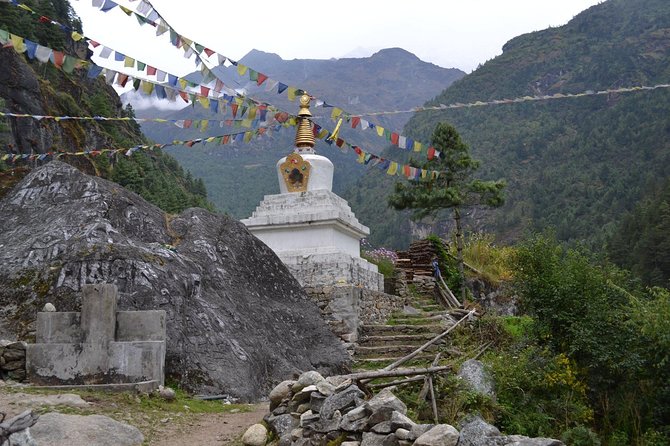
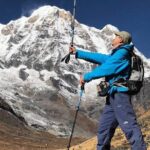
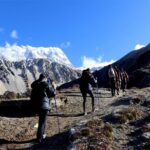
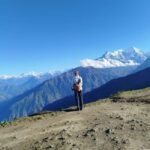
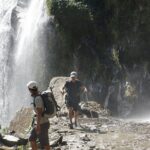
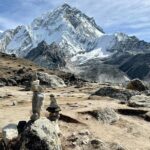
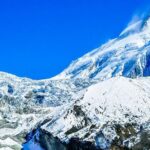
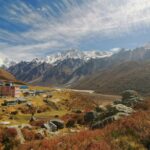
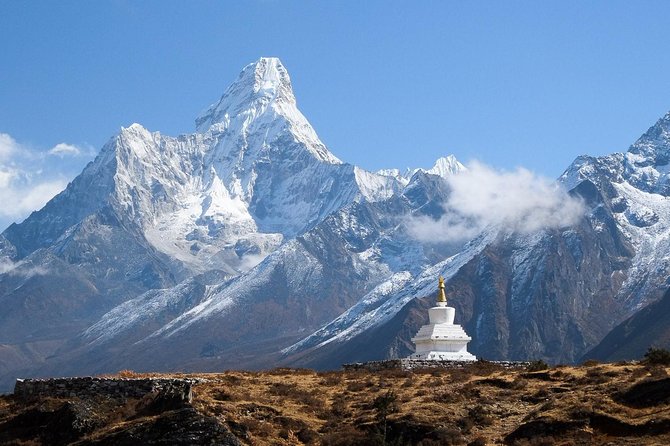
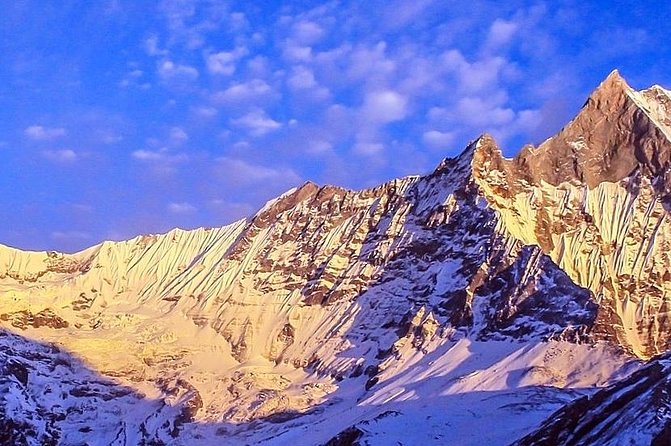
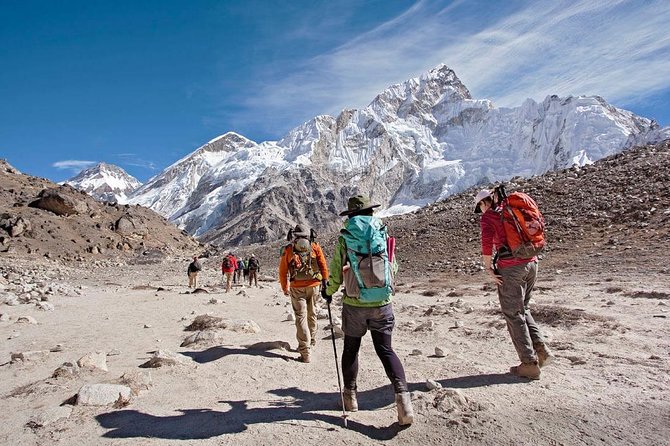
The defining feel of a classic Everest Base Camp trek is the constant push-pull: uphill effort, downhill strain, and altitude that makes everything feel harder. This tour specifically describes walking through alpine forests and alongside glacier rivers, with inspiring mountain vistas in the backdrop.
That description is useful because it tells you what your days will feel like:
- Forest sections tend to be cooler and can be mentally refreshing because the views aren’t the whole story.
- Glacier river areas are often about sound, movement, and energy—water everywhere, and the sense you’re walking through a living system.
- The mountain-view moments are why you’re there. They also make you slow down. You’ll stop more than once, and that’s fine—just don’t stop too long if you’re trying to stay warm and on schedule.
The tour also highlights the ups and downs as nerve shaking. That’s honest. Even strong hikers feel it in their legs on long descents, so plan to pace yourself. You want steady progress, not heroic bursts that leave you exhausted later.
One more practical tip: in lodge-to-lodge trekking, your day ends in places that are doing the best they can with limited supplies. Your job is to keep moving well and sleep smart, not to expect hotel-level comfort.
Monasteries and Flag Prayers: Culture Stops That Change the Pace
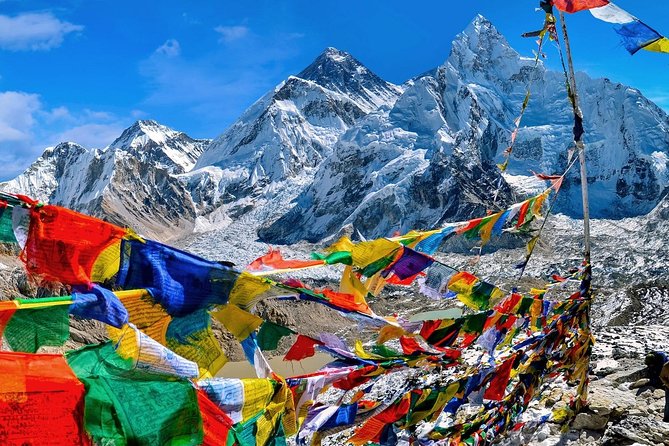
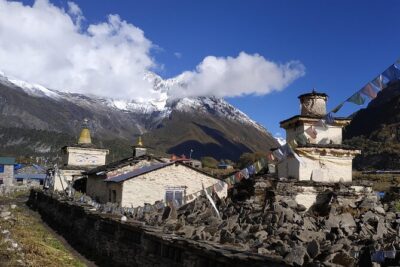
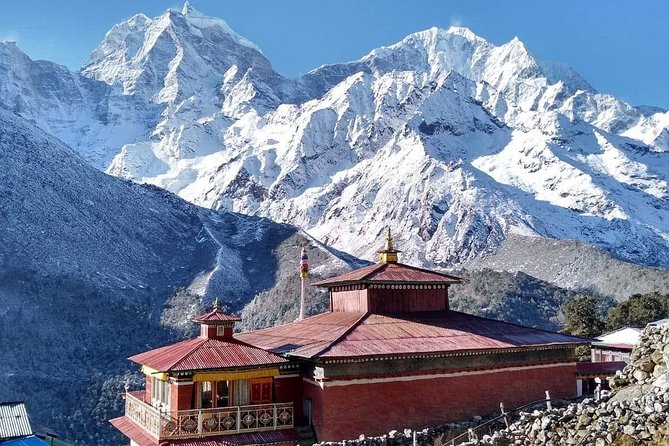
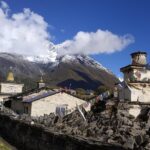
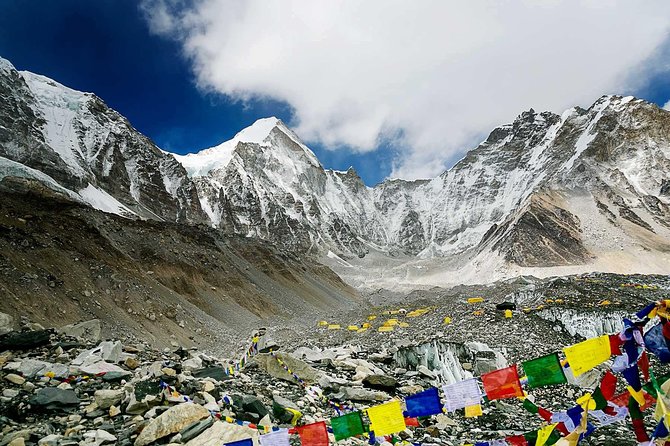
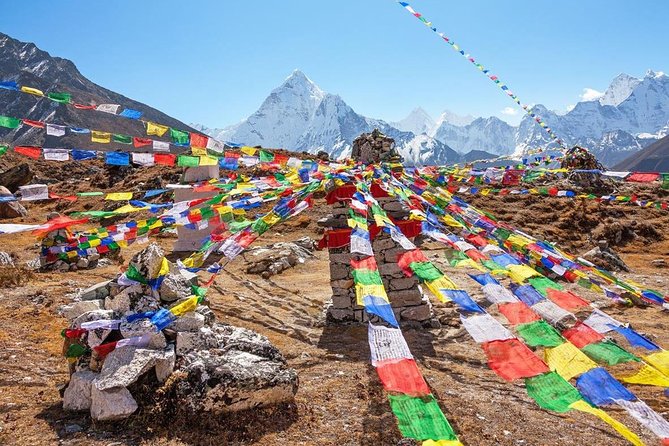
Here’s a part of this trek I’m glad they emphasize: the cultural rhythm. The experience includes visiting monasteries on the way, with flag prayers throughout the trail.
This matters beyond scenery. Monasteries and prayer flags give you a reason to slow down and look around with respect. You’re not only passing through; you’re moving through places with ongoing spiritual and community life.
Also, these stops tend to break the monotony of long foot travel. You’ll get a different kind of mental “altitude”—less about breath and more about attention. That can make the tough days feel more meaningful.
If you like learning through conversation, this tour also calls out interaction with local people and their lifestyle. When done respectfully, those chats are a highlight because they connect you to the human side of the Himalayas, not just the altitude numbers.
Your Team in the Mountains: Guides, Porters, and Safety That Feels Real
Most Everest trek problems are not just physical. They’re planning problems: weather delays, timing issues, fatigue management, and decision-making at altitude.
This tour is built around a strong guiding presence plus porter support (1 porter for 2 people). Porters help reduce load, which helps you keep your breathing consistent and your legs less wrecked. That’s how you get better odds of feeling strong at the end of each day.
Clients have praised the guide teams by name, including people like Ram, Pooja, Lok, Nirjala, Prakesh, Lal Kumar Tamang, and Santosh. Across those stories, the common theme is organization and safety focus—teams that keep you feeling looked after and informed.
A big plus is the way staff support is handled for porters: food, accommodation, salary, equipment, and accidental insurance are included. That signals the company isn’t treating porter labor like an afterthought.
Small caution: porter support doesn’t eliminate altitude. You’ll still feel the climb. But it can prevent the kind of overloading that turns a hard trek into an unsafe one.
Lukla to Kathmandu Flight and the Permits You Don’t Want to Chase
Even if you love hiking, the logistics around flights and permits are part of the Everest Base Camp reality.
This package includes:
- Sagarmatha National Park permits fee
- TIMS fee
- Lukla to Kathmandu flight including departure taxes
Those are the kinds of items you want handled correctly from the start. Permits aren’t optional paper—they’re the backbone for legal access and smoother administration.
The included flight is from Lukla to Kathmandu. That means you’ll have a defined end-point flight day, which helps you plan your return energy. Flights on Everest routes can be weather sensitive, so you should expect that schedules can shift when conditions are rough.
Also keep your packing smart: some trekkers end up scrambling for documentation at the end of the trek. Having permits arranged in advance removes that stress.
Fitness, Weather, and What Could Change Your Timing
The tour says travelers should have moderate physical fitness level. That’s a helpful filter, but it also means you should be honest about your current baseline. A classic Everest Base Camp trek asks for endurance and leg strength on mixed terrain and repeated elevation changes.
Weather is another reality check. The tour requires good weather. If it’s canceled due to poor weather, you’re offered another date or a full refund. That’s reassuring, because Everest planning is never just about your motivation.
How to prepare so you don’t feel defeated:
- Train for sustained uphill effort and downhill leg control.
- Practice walking with a loaded daypack so your legs learn what to expect.
- Keep your pace conservative early. Altitude punishes fast starts.
And a small comfort tip: because WiFi internet isn’t included during the trek, don’t plan your peace of mind around checking messages constantly. Your best comfort will come from sleep, hydration, and good routine.
Who This Trek Fits Best (and Who Should Think Twice)
This tour is a strong match if you want:
- a private experience where only your group participates
- guided trekking with porter support (1 porter for 2 people)
- a package that handles major admin (permits, TIMS, key flight segment)
- provided insulation gear (down jacket and sleeping bag)
It may be less ideal if:
- you’re very budget-sensitive and want to handle permits/gear yourself
- you expect WiFi or lots of included extras during trekking
- you’re not comfortable budgeting for some meals and snacks not specified as included
If you like the blend of nature and culture—alpine forests, glacier rivers, monasteries, and flag-prayer moments—this style of classic trek will feel like your kind of travel.
Should You Book This Classic Everest Base Camp Trek with Icicles Adventure?
I’d book this trek if you value planning that reduces stress: provided sleeping gear, a real guiding team, porter support, and permits handled up front. The guide names that show up in client praise—Ram, Pooja, Lok, Nirjala, Prakesh, Lal Kumar Tamang, and Santosh—point to a safety-first approach people appreciated.
I would hesitate if you hate uncertain schedules due to mountain weather, or if you dislike that not all meals and in-trek snacks are included. Also, if you’re looking for lightweight hiking with minimal physical grind, this is not that trip.
Final advice: if you’re ready for 24 days of real walking, and you want someone else to manage the crucial logistics, this is the kind of Everest Base Camp trek that can feel both adventurous and well handled.
FAQ
How long is the Classic Everest Base Camp Trek?
The tour duration is listed as 24 days approximately.
Where does the trek start, and what time does it start?
It starts in Kathmandu, Nepal (meeting point listed as Kathmandu 44600), with a start time of 6:45 am.
Is this a private tour?
Yes. It’s listed as a private tour/activity, and only your group will participate.
What’s included for accommodation in Kathmandu?
It includes three nights’ accommodation with breakfast at Deluxe Hotel Ramada Encore Kathmandu.
Does the trip include a guide and porters?
Yes. It includes one highly experienced guide and porters with a ratio of 1 porter for 2 people. Porter details like food, accommodation, salary, equipment, and accidental insurance are also included.
Is trekking gear included?
Yes. The package includes a down jacket and a sleeping bag during the trek, plus a duffle bag for trekking.
Are permits included?
Yes. It includes Sagarmatha National Park permits fee and the TIMS fee.
Is the Lukla to Kathmandu flight included?
Yes. The tour includes the Lukla to Kathmandu flight, including departure taxes.
Is WiFi available during the trek?
No. WiFi internet during the trek is not included.
What’s the cancellation policy if weather is bad?
You can cancel for a full refund up to 24 hours in advance of the experience’s start time. The experience also requires good weather, and if it’s canceled due to poor weather you’ll be offered a different date or a full refund.