REVIEW · KATHMANDU
Everest Base Camp Trek
Book on Viator →Operated by Himalayan Leisure, Inc. · Bookable on Viator
Lukla is the warm-up for Everest. This trek puts you in the heart of the Khumbu region with Sherpa culture, a guide who handles the flow, and porters who take the heavy work off your back. I also love that you’re not just getting a route—you’re getting the practical extras like permits, TIMS registration, a first aid kit, and major gear (down jacket, sleeping bag, duffel). One thing to consider: the timing around Lukla flights can be weather-sensitive, so build flexibility into your schedule.
From Kathmandu to Lukla and back, you’ll move on a plan built for altitude. You’ll get real acclimatization days, then a steady push toward high points like Kalatthar for the classic early-morning views.
And yes, you’ll have help the whole way. Your biggest job is showing up with reasonable fitness and hiking boots you trust, then following the pacing that keeps you moving at your own speed.
In This Review
- Key points to know before you go
- From Kathmandu Transfers to the Lukla Flight: the trip starts before the trail
- Porters, pacing, and a private small group that keeps things sane
- Day-by-day: the Everest Base Camp route built around altitude reality
- Day 1: Kathmandu arrival and a smooth landing
- Day 2: Flight to Lukla, then a first taste of the trail at Phakding
- Days 3 and 5: Monjo, Hillary Bridge, and the trail through forests and rivers
- Day 4: Acclimatization day with optional hikes
- Day 6: Pangboche (3,930 m) and the Sherpa climber village vibe
- Day 7: Second acclimatization day, with a hike up toward Nagarkhang Peak
- Day 8: The ridge above Pheriche to Dughla and steep climbing to a pass
- Day 9: Glaciers start, oxygen drops, and the trail gets harder
- Day 10: Kalatthar at sunrise—the hardest day you’ll remember forever
- Day 11: Debuche and Tengboche, then back toward Kyanjuma
- Day 12: Down to Jorsalle, then Phakding, and the final walking day
- Lukla back to Kathmandu: flights, buffer time, and a calmer finish
- Day 13: Lukla to Kathmandu with a second look at the flight
- Day 14: a free Kathmandu day built for weather reality
- Day 15: airport drive and the official send-off
- Price and value: what $1,408 buys you on this kind of trek
- What’s included vs. what you’ll want to bring yourself
- Guides and Sherpa helpers: the people factor that changes everything
- Who should book this trek, and who should think twice
- Should you book Everest Base Camp with Himalayan Leisure?
- FAQ
- How long is the Everest Base Camp trek?
- What’s included in the price?
- What’s not included?
- Do you get acclimatization days on the trek?
- Are the flights to and from Lukla included, and how is weather handled?
- Is this trek private, or shared with other groups?
- What fitness level do I need?
Key points to know before you go
- Lukla flights are part of the package (Kathmandu–Lukla–Kathmandu domestic tickets included)
- Porters carry your gear, while your guide organizes the rest
- Acclimatization is built in twice (rest days with optional hikes like Khumjung and Khunde)
- Gear is provided: down jacket, four-season sleeping bag, and a duffel bag
- Kalatthar is the big payoff with an early start and a tough climb
- You get a Kathmandu buffer day to absorb possible Lukla delays
From Kathmandu Transfers to the Lukla Flight: the trip starts before the trail
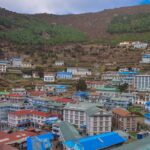
Your journey begins in Kathmandu with an airport representative waiting for you and a private vehicle transfer to your hotel. You’ll also have that same door-to-door support after the trek, which matters on your “tired but wired” return day.
Then comes Lukla. The short flight is famous for a reason: the airport experience is intense, and you’ll feel the altitude theme immediately. What I like here is that your domestic flights are handled as part of the plan, instead of making you stitch together your own transportation.
Practical tip: Lukla weather can be unpredictable. The itinerary accounts for this with a free day in Kathmandu later, so you’re not stuck panicking about what to do next.
You can also read our reviews of more tours and experiences in Kathmandu.
Porters, pacing, and a private small group that keeps things sane
This is a private tour/activity, meant for your group only. You also get a small-group vibe, with a guide and Sherpa helpers coordinating the trek day by day.
The biggest quality-of-life win is the porter system. Your porters carry your gear while your guide organizes meals, lodging, and the logistics between towns. That means you’ll still hike—but you’re not fighting your own backpack weight on steep sections.
I also appreciate the pacing approach. The plan explicitly supports you taking it easy and going at your own pace, which is crucial when oxygen drops and your legs start asking annoying questions.
One consideration: if your group grows beyond six people, there’s an assistant trekking guide added. That can help with flow and decision-making, but it also means your day might feel more “coordinated” than truly quiet.
Day-by-day: the Everest Base Camp route built around altitude reality
Day 1: Kathmandu arrival and a smooth landing
Day 1 is all about getting settled. You’ll transfer from the airport to your hotel and get the basics sorted so your next day doesn’t feel like admin homework.
This is a real value day. Kathmandu can throw you off with traffic, air quality, and jet lag. Starting calm helps you sleep, eat, and get ready for Lukla.
Day 2: Flight to Lukla, then a first taste of the trail at Phakding
You’ll fly to Lukla (around 30 minutes), then head toward Phakding. Early on, you’re not just “walking more.” You’re moving from city altitude and air into a trekking rhythm.
A useful mindset: treat this as your body’s warm-up rehearsal, not a race.
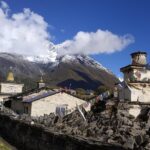
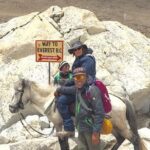
Days 3 and 5: Monjo, Hillary Bridge, and the trail through forests and rivers
The trail starts gently ascending, then reaches Monjo. You’ll stop for lunch in Jorsalle, and later pass through pine forests before crossing Hillary Bridge.
Then Day 5 shifts you toward the national park headquarter area and Kyanjuma. You might get a short tea break before descending to Phungi Thanga for lunch and crossing the Dudh Koshi River.
These middle days matter because they set your “how you walk” habits. You’ll learn how to regulate effort on steady grades, and you’ll also start picking up the rhythm of tea breaks and shorter stretches.
Day 4: Acclimatization day with optional hikes
This is one of the smart parts of the plan: a rest and acclimatization day. You’ll have options like Khumjung and Khunde hikes, an Everest View Hotel hike, a Thame hike, or a National Park option (listed as an alternative).
Even if you don’t choose the longest option, the day gives your body time to adjust. And you’ll get a feel for the region’s villages and viewpoints without the pressure of pushing forward.
If you tend to feel fine at altitude early, this is still the day to keep your ego quiet. Acclimatization is how you protect your trek later.
Day 6: Pangboche (3,930 m) and the Sherpa climber village vibe
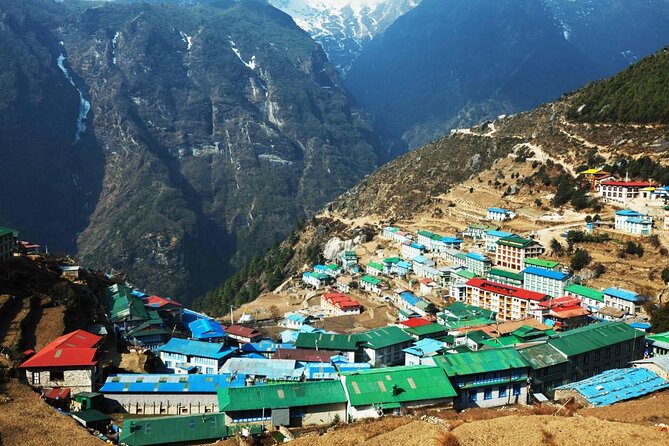
You’ll follow the Imja Khola toward Pangboche, which sits at about 3,930 meters. Pangboche is known for being home to renowned Everest climbers and for its Sherpa community.
The big benefit here is atmosphere. You’re not just hiking between checkmarks—you’re moving through places that have fed the Everest climbing culture for generations.
Day 7: Second acclimatization day, with a hike up toward Nagarkhang Peak
Another rest and acclimatization day. You’ll hike to Nagarkhang Peak (around 5,000 meters) to take in wide Himalayan views.
This is the kind of day that can feel tough, but it’s also empowering. You get altitude practice while the itinerary still gives you time and structure.
Day 8: The ridge above Pheriche to Dughla and steep climbing to a pass
You get closer to Base Camp. The route follows the ridge above Pheriche until you reach Dughla. You’ll stop in Dughla for a quick lunch, then start steep climbing to Dughla pass.
Drawback to expect: “closer to Base Camp” often means “more effort required.” Steep climbing at higher elevations asks more of your stamina and your breathing.
Day 9: Glaciers start, oxygen drops, and the trail gets harder
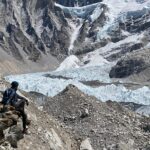
Day 9 includes glacier walking that starts easier, then becomes harder as you ascend over glaciers with low oxygen. You’ll also get glimpses of the mountain terrain in a more intense, up-close way—this is where the Everest region shifts from scenic trekking to serious high-country travel.
Practical advice: this is where you slow down the most. If you’re tempted to speed up because the scenery looks manageable, don’t. Let your body catch up.
Day 10: Kalatthar at sunrise—the hardest day you’ll remember forever
You’ll wake up early and hike to Kalatthar before sunrise. The climb is difficult, but it’s described as worth it because Kalapatthar is the most famous viewpoint of the Khumbu valley with towering peaks.
If you like a big “big moment” payoff, this is it. The early start also means you’re likely moving in colder conditions, so warm layers and gloves matter.
Day 11: Debuche and Tengboche, then back toward Kyanjuma
You pass through Debuche and Tengboche before descending to Phungi Tenga for lunch. You then ascend to Kyanjuma village.
What I like about this sequence: you’re not repeating the same day. You’re cycling through the region’s cultural stops and valley views while managing recovery from the high-point effort.
Day 12: Down to Jorsalle, then Phakding, and the final walking day
Steep descent takes you to Jorsalle, then continue to Phakding for lunch or breakfast. You’re coming toward the end of the 11-night/12-day trek.
This “get your legs back” day is mentally tricky. You’ll feel tired, but the descent can also feel hard if you’re not used to controlling your steps. Take care of your knees.
Lukla back to Kathmandu: flights, buffer time, and a calmer finish
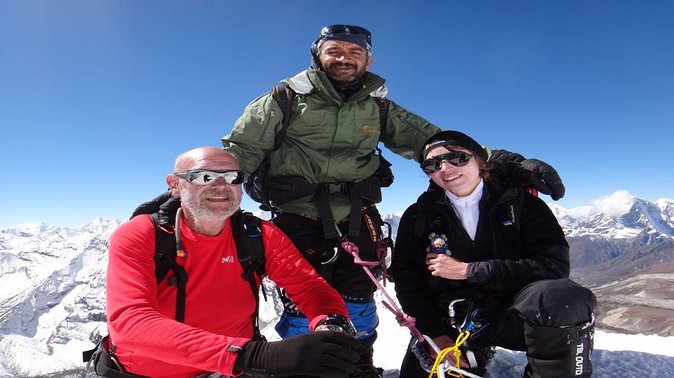
Day 13: Lukla to Kathmandu with a second look at the flight
You’ll go to the airport in the morning for the flight back to Kathmandu. This is framed as another breathtaking and adventurous experience.
Practical tip: you’ll likely feel a mix of relief and emptiness once you’re done hiking. Plan a low-key evening meal and give yourself time to just sit.
Day 14: a free Kathmandu day built for weather reality
You’ll have a free day in Kathmandu before your international flight. The plan notes that Lukla flights often face weather issues, and this day exists as a buffer for cancellations or delays.
I like this approach a lot. It turns what can be stress into just another day in a fascinating city of temples and mountain energy.
Day 15: airport drive and the official send-off
You’ll drive to the airport around three hours before your flight time. Kathmandu’s airport is small with one terminal, and the plan ends with breakfast on your final morning.
Price and value: what $1,408 buys you on this kind of trek
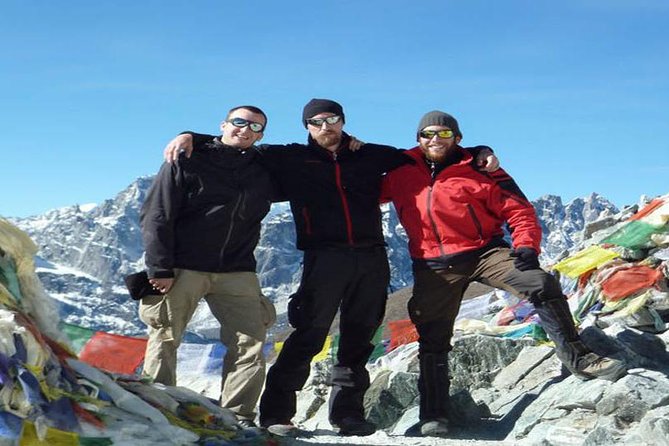
At $1,408 per person for about 15 days, this isn’t a budget trek—but it also isn’t paying just for “a walk.” You’re paying for multiple high-cost pieces of the experience:
- Domestic flights (Kathmandu–Lukla–Kathmandu), including for your guide
- Park entry permit and TIMS registration
- A guide (experienced, English speaking, government licensed and trained)
- Sherpa helpers/porters, including meals, accommodation, salary, and insurance
- Major gear: down jacket, sleeping bag, and duffel bag (returned after the trip)
- Meals: breakfast and lunch and dinners are covered through the itinerary
That’s why I call this better value than “DIY plus a guide.” The cost isn’t only the guide’s time. It’s also the permits, logistics, gear provision, and the staffing that keeps the trek running smoothly.
What’s not included is just as important: you still need to budget for international airfare, the Nepal visa fee, and travel/medical insurance (including emergency evacuation, which is not included). Also, personal expenses like showers, laundry, and phone use are on you.
What’s included vs. what you’ll want to bring yourself
The provided gear package is a huge help. You’ll receive a down jacket, a four-season sleeping bag, and a duffel bag. That reduces what you must carry through Kathmandu and up to the mountains.
You’ll also have a comprehensive first aid medical kit carried by the guide, plus the paper work and taxes handled by the company.
What you should plan for beyond the included items isn’t listed in detail, so I’ll keep it practical: bring whatever you need to stay comfortable and dry, and pack for cold mornings, especially around the Kalatthar push.
And remember: bars, beverage bills, hot shower costs, and laundry aren’t covered, so you’ll want a small spending plan for personal comfort.
Guides and Sherpa helpers: the people factor that changes everything
A lot of Everest trekking is the same on paper: trails, tea houses, altitude. What makes this experience feel well-run is the leadership you’re likely to get.
This company’s guide team includes names that keep coming up, like Lok, Khila, Lal, Hari, Ossman, and coordination support from Upendra (with additional help from people like Birendra in the pre-trip communication). Porters also get praised, including Pandey.
What to look for in a good EBC guide (and how this plan tries to deliver it): safety awareness, a steady pace, and the confidence to manage altitude with a plan that slows you down before you feel forced to slow down.
Who should book this trek, and who should think twice
This trek is designed for people with moderate physical fitness. You’ll hike daily with real altitude involved, including a difficult early push to Kalatthar and glacier walking sections.
I’d feel especially good about booking if you want:
- guided logistics and a structured acclimatization plan
- a porter setup so you can focus on your breathing and footwork
- included gear, meals, permits, and domestic flights
I might hesitate if you have very tight timing constraints due to Lukla flight weather risk. The itinerary helps with a Kathmandu buffer day, but weather can still change your rhythm.
Also, if you don’t like cold starts or high altitude effort, this trek will feel demanding. The scenery is worth it, but your body still has to do the work.
Should you book Everest Base Camp with Himalayan Leisure?
If you want an Everest Base Camp trek that’s built around safety pacing, trained guides, and “most of the hard logistics handled for you,” I’d say this is a strong candidate. The value stands out because you’re not only paying for guiding—you’re getting permits, TIMS, meals, gear, domestic flights, and staffed porter support.
Here’s my decision checklist:
- You’re okay with possible schedule shifts because of Lukla weather
- You want included gear so you travel lighter
- You prefer a structured plan with acclimatization days instead of guessing what to do
- You can budget for what’s not included: international airfare, visa, and insurance
If weather cancels a departure, the plan notes you’ll be offered a different date or a full refund. That’s exactly the kind of safety net you want when your trek depends on the sky.
FAQ
How long is the Everest Base Camp trek?
It’s listed as about 15 days.
What’s included in the price?
Included are airport pickup and drop by private vehicle in Kathmandu, Kathmandu–Lukla–Kathmandu domestic airline tickets (including for the guide), Everest National Park entry permit, TIMS registration, an English-speaking government licensed trekking guide, Sherpa helpers/porters with meals, accommodation, salary, and insurance, an assistant guide for groups over 6, down jacket, four-season sleeping bag, and a duffel bag, a first aid medical kit carried by the guide, and most meals (breakfasts, lunches, and dinners as specified).
What’s not included?
Not included are international airfare, Nepal visa fees, travel and medical insurance (including emergency evacuation), personal expenses like bars and beverages and laundry/hot shower/phone use, costs from natural calamities or other events beyond control, and anything not listed in Services Included.
Do you get acclimatization days on the trek?
Yes. There are two rest and acclimatization days, including options for hikes such as Khumjung and Khunde, an Everest View Hotel hike, Thame, or a National Park option, plus a hike toward Nagarkhang Peak (around 5,000 meters).
Are the flights to and from Lukla included, and how is weather handled?
Yes, domestic airline tickets are included for Kathmandu–Lukla–Kathmandu. The itinerary also includes a free day in Kathmandu used in case of Lukla flight cancellations or delays due to weather.
Is this trek private, or shared with other groups?
It’s described as private, with only your group participating. You’re also told there are group discounts, but the activity itself is private.
What fitness level do I need?
You should have moderate physical fitness.