REVIEW · KATHMANDU
Chisapani Nagarkot Trekking
Book on Viator →Operated by Outshine Adventure Pvt Ltd · Bookable on Viator
A short trek can still feel huge. This one delivers big Himalaya views in just a few days, mixing forest paths, Tamang villages, and hill-station sunsets. I especially like the way the package handles the hard-to-plan parts—pickup, licensed guide support, and guesthouse stays—so you can focus on hiking and scenery.
One thing to keep in mind: even though it’s only three days, you should be ready for a lot of footwork, including steep stair sections and day-to-day fatigue. Also, while meals are included, the exact dinner style can vary by guesthouse, and you may not get the menu you’re picturing.
In This Review
- Key things to know before you go
- Price and logistics: what you’re really paying for
- Day 1 to Chisapani: Sundarijal’s forest start and Tamang village walking
- Day 2 to Nagarkot: hill-station sunset and that big-range Himalayan feeling
- Day 3 to Changu Narayan: sunrise hiking through terraces and Tamang village life
- The guide, the group size, and why they matter on a short trek
- Guesthouses and meals: real comfort, with one practical caveat
- What to pack (so the stairs don’t beat you)
- How hard is it, really? Fitness expectations without the hype
- Should you book the Chisapani Nagarkot Trek?
- FAQ
- Where does this trek start, and what time?
- How long is the Chisapani Nagarkot trek?
- What’s the maximum group size?
- What’s included in the price?
- What meals are included?
- Is pickup from Kathmandu included?
- What isn’t included in the price?
- Is cancellation possible for a full refund?
Key things to know before you go
- Early start from Kathmandu around 6:30 am keeps the trek moving and protects your sunrise/sunset timing
- Two nights in guesthouses along the route, with breakfast, lunch, and dinner included as listed
- Private-car transfers from Kathmandu to Sundarijal and back from Nagarkot
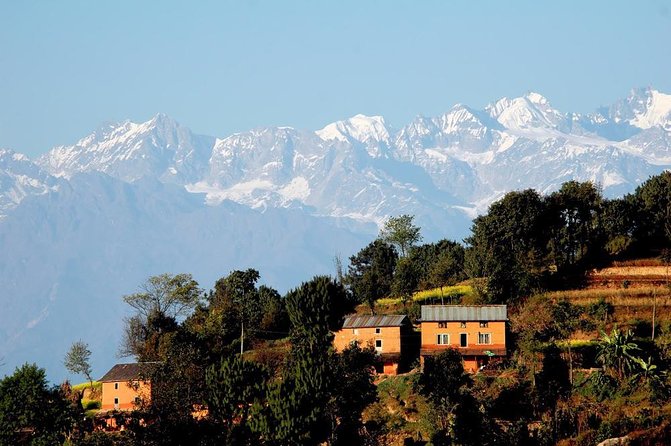
- Views payoff is the point: Chisapani ridge walking, Nagarkot hill-station sunset, and Changu sunrise timing
- Moderate fitness is required, and the trail can include heavy stair climbing even on a short schedule
- Small group size (max 15) makes it easier to manage pace and logistics
Price and logistics: what you’re really paying for
At $350 per person for about three days, this trek looks straightforward on paper: transport, a guide, guesthouse nights, and set meals are included. The real value isn’t just the final number. It’s the reduction of planning stress in the Kathmandu Valley, where the “last-mile” details—getting to trailheads, coordinating return timing, and finding decent lodging—can eat your time fast if you’re doing it on your own.
You’ll start in central Kathmandu at Outshine Adventure Pvt. Ltd (Paknajol Chock) with a 6:30 am departure. The trek is capped at 15 people, and you’re traveling with a government-licensed English-speaking guide. For many first-timers, that combination matters more than people expect: you spend less time negotiating, and more time actually walking.
The package also includes taxes and uses ground travel for the key legs (Kathmandu to Sundarijal, and Nagarkot back to Kathmandu). That means you’re not doing a complicated patchwork of buses and independent rides. You’ll still want cash for drinks, tips, and anything outside the included meals.
You can also read our reviews of more tours and experiences in Kathmandu.
Day 1 to Chisapani: Sundarijal’s forest start and Tamang village walking
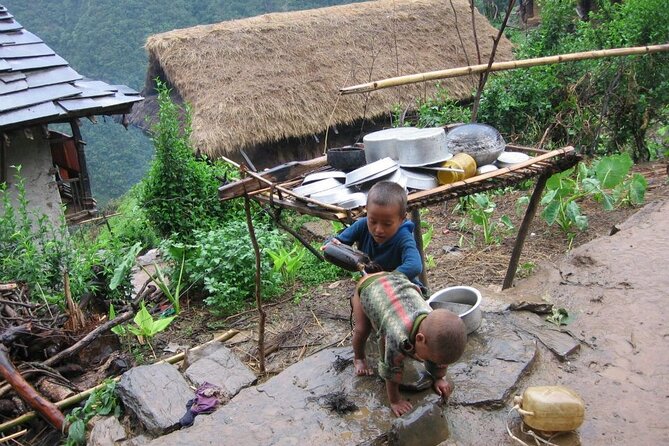
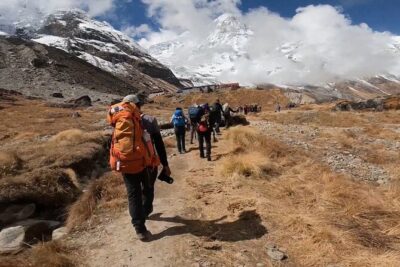
Your day begins with breakfast in the pickup flow and a drive to Sundarijal at about 2,200 meters. From there, you start hiking through Mulkharka village, where you’ll pass people from the Tamang community. This is one of the quiet charms of this trek: you’re not only heading for viewpoints—you’re also moving through living neighborhoods and trail routines that locals know well.
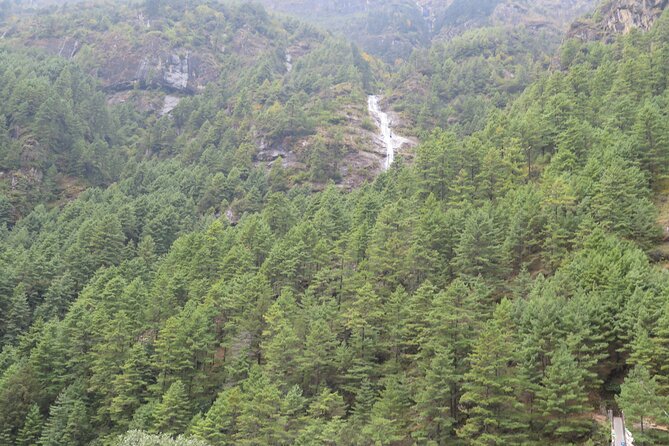
From Mulkharka, the route climbs up toward an east ridge. Expect a forest feel as you work higher—specifically a mix of oaks and rhododendron described along the Shivapuri forest area. Even if you’re new to trekking, this kind of steady ascent is often easier to pace than a sudden steep scramble, because your body can settle into rhythm.
The day’s goal is Chisapani at roughly 2,300 meters, where you sleep in a guesthouse. At this stage, what matters most is how you manage your energy: you’re not going for speed. You’re building a comfortable pace so Day 2 can feel enjoyable instead of punishing.
What I like here: the day feels like a true warm-up trek—enough climbing to earn the views later, not so much that you feel wrecked before the best sunrise/sunset moments.
What to watch: the altitude is mild-to-moderate, but the steps and uneven trail can add up. Wear shoes you trust.
Day 2 to Nagarkot: hill-station sunset and that big-range Himalayan feeling
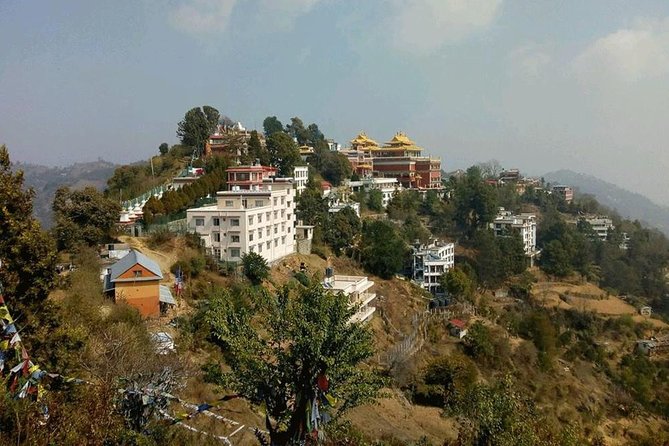
Morning on Day 2 is built around mountain views. You’ll start from a spot called Chauki Bhanjag and hike for about 2.5 hours before continuing on toward Nagarkot. The key benefit of this structure is that you’re not just walking blind for hours—you’re moving along a route where the destination is famous for one thing: seeing the high mountains when the weather cooperates.
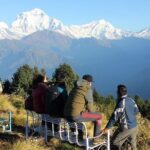
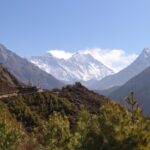
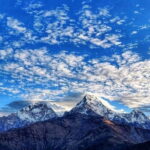
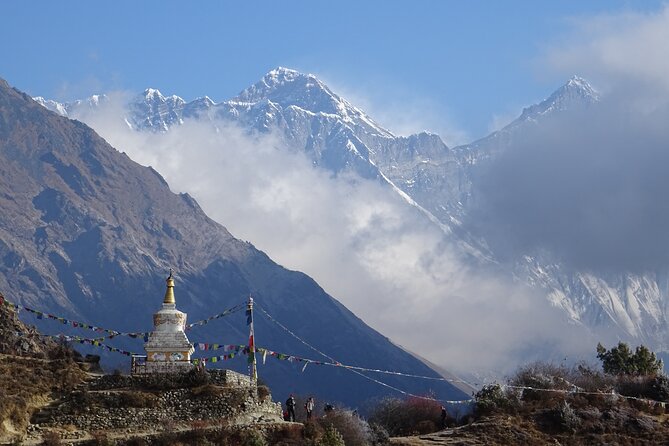
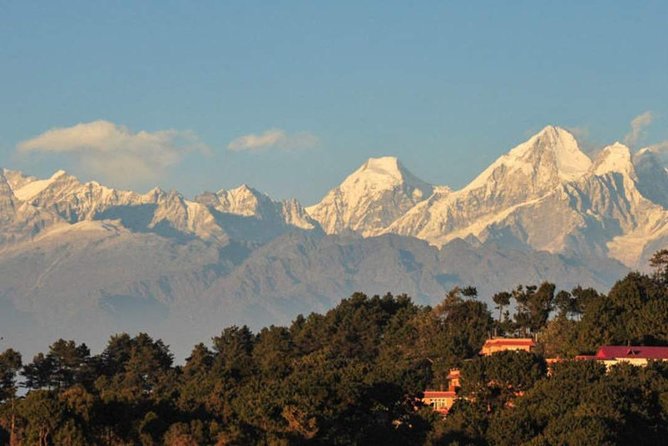
Nagarkot sits around 2,175 meters and is one of the most popular nearby hill-station destinations for people based in Kathmandu. That popularity isn’t just marketing; it’s because on a clear day, you can see a long Himalayan stretch—from Dhaulagiri in the west to the region of Everest and beyond toward Kanchenjunga in the east. The trek’s schedule is timed for sunset from the Nagarkot hill area, so you’re there when the light turns magical.
This is also the part of the trek where weather management matters. Even with good planning, clouds can roll in. Your best move is to keep some flexibility in your expectations: if visibility is low at first, give it time—light and cloud cover can change as the day closes.
What I like here: it’s a short trek with a classic high-value reward—sunset viewing that feels like a full Himalayan day, not a half-day roadside stop.
What to watch: you may be outdoors longer than you expect on a sunset schedule, so pack layers even if Kathmandu feels warm.
Day 3 to Changu Narayan: sunrise hiking through terraces and Tamang village life
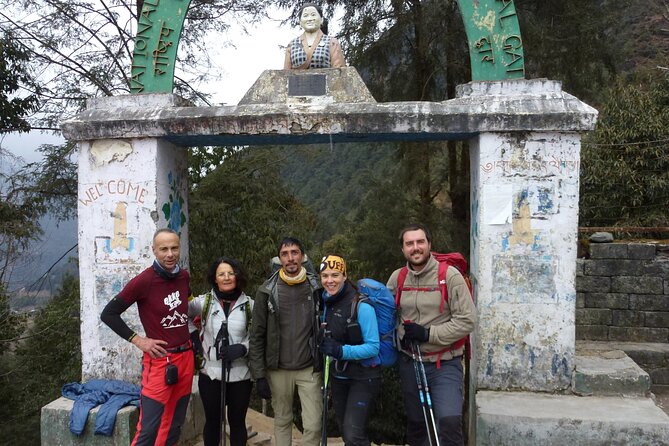
Day 3 starts early. You’re up for sunrise through the eastern Himalayan ranges, including Everest. After breakfast, you hike toward Changunarayan (Changu Narayan). This leg is shorter—about 4 hours—but it has a different feel from the earlier days: more culture and village texture, plus a mix of agricultural and forest walking.
The route passes terraced fields and dense Tamang villages with ochre-colored traditional homes. This is where the trek becomes more than scenery. You’re walking through the rhythms of a place that’s close enough to Kathmandu to feel connected, yet still holds strong village life.
Along the trail, you might even see locals making Raksi, a local wine prepared through a simple distillation process. The trek also shifts from village paths to more natural walking through deciduous forest described along this stretch.
Changu Narayan is also a temple destination, and the important practical note is that the admission ticket for this segment is listed as not included. So budget for it on the day, rather than assuming it’s covered like everything else.
What I like here: this final day gives you a human-scale view of everyday life, not only high-altitude drama. The sunrise push also makes the whole trek feel purposeful.
What to watch: it’s easy to underestimate early starts. Keep your sleep routine practical—pack what you’ll need the night before, and don’t rely on a late-night reset.
The guide, the group size, and why they matter on a short trek
This isn’t a self-guided hike. You’ll have a local government licensed English-speaking guide. On a short trek like this, that matters because you’re often moving through places where the “obvious route” isn’t always obvious, especially when you’re balancing sunrise timing, guesthouse check-ins, and getting back to Kathmandu on schedule.
The group is kept to a maximum of 15 people, which usually helps with pacing. On popular treks with larger groups, it’s harder to slow down for viewpoints or to regroup when the trail gets stairy. Here, smaller often feels calmer.
Also, the early start time and private vehicle transfers mean you’re not spending the first morning solving transportation problems. That’s a big deal if you’re traveling from Kathmandu and you have limited days.
Guesthouses and meals: real comfort, with one practical caveat
You get two nights in guesthouses along the trail. Accommodation here is typically basic but functional—think warm layers, clean-enough sleeping arrangements, and the kind of simplicity that makes sunrise hikes easier. The trek includes breakfasts, and it also includes lunches and dinners in the counts listed by the package.
Here’s the balanced truth: included meals reduce a lot of hassle. You don’t need to figure out what to eat at each stop. Still, the exact dinner style can be inconsistent across guesthouses. One disappointment described involved saimin noodles for dinner on the first night. That doesn’t mean every dinner will be the same, but it’s a good reminder: included food may not match your personal comfort foods.
My practical advice: treat the meals as part of the trek plan, not as something to optimize. If you have dietary needs or strong preferences, plan accordingly and consider bringing a few small backup snacks you can control.
What to pack (so the stairs don’t beat you)
A short trek doesn’t mean easy on the legs. Expect climbing, descending, and stair sections. To protect your knees and keep your energy steady:
- Footwear with grip for uneven stone and steps
- Light rain layer (the valley weather can shift fast)
- Warm layer for sunrise/sunset at the hill stations
- A small headlamp or flashlight for early mornings and dark guesthouse hallways
- Cash for temple entry on the Changu Narayan day, since that admission is listed as not included
- If you’re prone to getting chilled after hiking: bring an extra layer you’ll actually wear
If you’re a beginner, prioritize comfort over fashion. This trek rewards steady steps, not heroics.
How hard is it, really? Fitness expectations without the hype
The trek asks for moderate physical fitness level. In practice, that usually translates to: you can walk for several hours, you can handle some elevation gain, and you don’t mind that your calves may feel it later.
And yes, there can be a stair-heavy experience. One negative account described climbing more than 100 flights of stairs just to reach the first night’s lodging. That’s exactly the kind of thing that can surprise people who assume “3 days” equals “easy.”
So if you’re coming off a long break from walking, do some prep: even a few days of brisk walking and stair practice around your neighborhood will make a noticeable difference.
Should you book the Chisapani Nagarkot Trek?
I’d book it if you want a Kathmandu Valley trek that’s short, well-structured, and designed around view timing—especially sunrise on Day 3 and sunset at Nagarkot on Day 2. It’s also a good pick if you value convenience: pickup from Kathmandu, private-car transfers, a licensed English-speaking guide, two nights in guesthouses, and meals are all included.
I’d think twice if you dislike stairs or you’re hoping for a gentle stroll. The trek can include intense stair segments even though the total time is only a few days. Also, if you’re picky about dinner options, remember included meals can be more basic than you want.
If you want a compact way to see Tamang villages, ridge forest walking, and famous hill-station views without spending a full week planning logistics, this is a solid choice.
FAQ
Where does this trek start, and what time?
It starts at Outshine Adventure Pvt. Ltd, Paknajol Chock, Kathmandu 44600, Nepal, with a start time of 6:30 am.
How long is the Chisapani Nagarkot trek?
It’s listed as 3 days (approx.).
What’s the maximum group size?
The tour has a maximum of 15 travelers.
What’s included in the price?
It includes guesthouses accommodation during the trek, a local government licensed English-speaking guide, private car transfers from Kathmandu to Sundarijal and from Nagarkot back to Kathmandu, government taxes, and meals (breakfast, lunch, and dinner as listed).
What meals are included?
Breakfast is included for 2 days, lunch for 3 days, and dinner for 2 days.
Is pickup from Kathmandu included?
Yes. Hotel pickup in Kathmandu is included, along with surface transfers.
What isn’t included in the price?
Drinks, tips, and any other expenses not mentioned in what the price includes are not included. Also, the admission ticket for the Changu Narayan temple segment is listed as not included.
Is cancellation possible for a full refund?
Yes, free cancellation is offered. You can cancel up to 24 hours in advance for a full refund, based on the experience’s local time.