REVIEW · MHAMID
3-Days Private Sahara Desert Trek
Book on Viator →Operated by Z Marrakch Travel · Bookable on Viator
A first step into the Sahara changes your pace fast. This 3-day private desert trek starts in M’Hamid and guides you across two famous dune areas, with camel transport for the gear, firelit evenings, and the kind of night sky people talk about for years. I especially like how the trip keeps things simple and real: you walk, ride, eat well, and spend the nights in tents or under the stars.
Two things I’d bet you’ll like, too. First, the private setup means it’s just your group, led by a team that handles the practical parts (camel drivers, a guide, and a cook). Second, the food moments are built in—tea on the dunes at sunset on day 2, plus tajine dinner and other meals that keep your energy up for the next walk. One drawback to consider: this is active time in sand, so you need a moderate fitness level and you should be comfortable with uneven ground and long hours outside.
In This Review
- Key Things to Know Before You Go
- Why This 3-Day Private Sahara Trek Starts in M’Hamid
- Price and Logistics: What Your $222.04 Actually Buys
- The Camel Team, Camp Life, and What Private Really Feels Like
- Day 1 in the Dunes of Erg Sidi Naji: Firelight, Night Tents, and First-Hour Magic
- Day 2 Through Erg Dwib: Camel Trekking, Tea on the Dunes, and Tajine Under the Stars
- Day 3 Back Toward M’Hamid: Breakfast, Final Trek Pace, and a Real Shower
- Who This Private Sahara Trek Is Best For (and Who Should Think Twice)
- Food, Sleep, and Comfort: What to Expect Without Surprises
- Booking Smart: Timing, Weather, and How to Decide
- Should You Book This 3-Day Private Sahara Desert Trek?
- FAQ
- FAQ
- How long is the 3-day private Sahara desert trek?
- Where does the trek start?
- What time does the tour start?
- Is pickup offered?
- Is this a private experience?
- What does the tour include for meals?
- Do I ride camels or just walk?
- Where will we sleep during the trek?
- Is the trip suitable for everyone physically?
- Are service animals allowed?
- Is there free cancellation?
Key Things to Know Before You Go
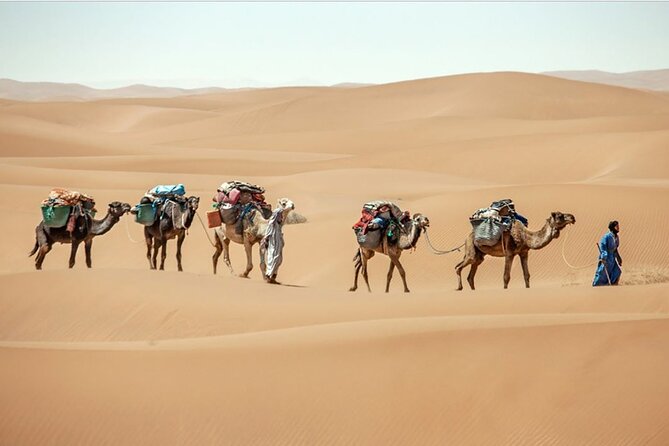
- Private, group-only experience: it’s not a big shuffle with strangers; it’s your group with your team.
- Erg Sidi Naji on day 1: an early trek to begin the Sahara mood right away.
- Erg Dwib on day 2: camel trekking continues through major dune terrain, ending with sunset tea.
- Dinner and meals included: lunch and breakfast are covered, plus dinner on two nights.
- Sleep in tents or under the stars: you’ll get a real desert night, not a hotel-style compromise.
- A shower on day 3: you transition back to M’Hamid feeling human again.
Why This 3-Day Private Sahara Trek Starts in M’Hamid
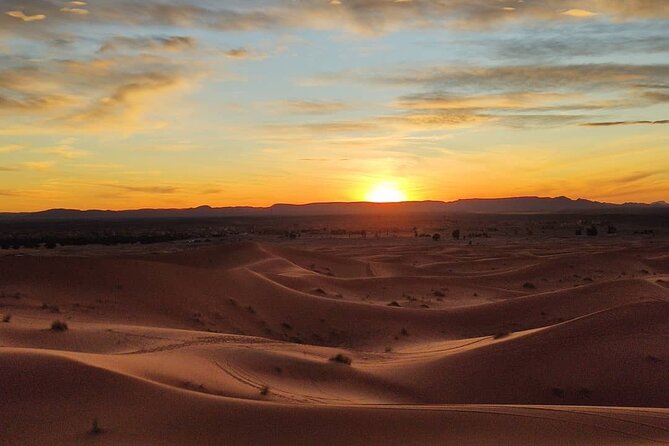
M’Hamid is one of the easier bases for a Sahara trek that still feels wild. You’re not driving around for days just to reach the dunes. The experience is designed as a clean break from normal routines, starting at 8:30 am, with the team ready to get you walking and riding without ceremony.
What I like here is the pacing. Three days is long enough to feel the desert shift—slower, quieter, more physical—without dragging on so much that it becomes endurance tourism. And since it’s private, the route and tempo can stay geared to your group, rather than being set by a crowd schedule.
You can also read our reviews of more tours and experiences in MHamid.
Price and Logistics: What Your $222.04 Actually Buys
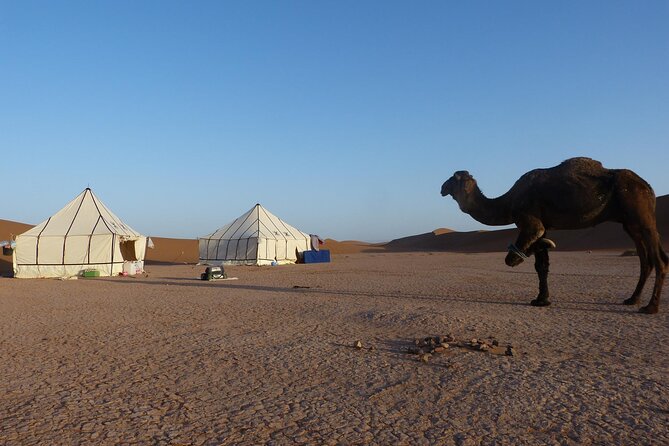
At $222.04 per person, this trek can feel like good value when you look at what’s included. You’re paying for more than a guide and a camel ride. You’re also covered for the team (camel drivers, guide, cook), the logistics, and the meals—breakfast for two days, lunch for three days, and dinner for two nights.
The biggest value kicker is the equipment transport. Camels handle the gear and logistics, which means you’re walking and riding instead of hauling. In desert terms, that’s not a minor detail. It changes how the trip feels day to day, since your energy stays for the dunes and the evenings.
You should also know what’s not included. Tips aren’t included, and you’ll want to budget for anything personal that comes up during your trek. If you’re the type who prefers to arrive with everything handled, this is still pretty straightforward—just remember you’ll want some cash for gratuities if you feel like rewarding great service.
The Camel Team, Camp Life, and What Private Really Feels Like
This is a private tour/activity, meaning only your group participates. That matters more than it sounds. You’re not trying to coordinate shoe laces and water bottles with six other mini-groups. You’re with the same people from start to finish—camel drivers, your guide, and the cook who keeps everyone fed.
In past trips, guides like Hassan and Mustapha have been highlighted for making the experience feel safe and well run. Some groups also mention Moha handling bookings and inquiries smoothly before the trip, which helps if you’re the planner type and want clear answers ahead of time. Another guide name that comes up is Assan, praised for being attentive and for making the cook and team feel like part of the journey.
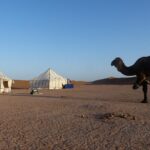
Camp life here is practical. After trekking, you’re eating and then moving into night mode—tents or sleeping under the stars, depending on conditions. You might get a firelit evening on day 1, which is a good way to settle into desert temperatures and decompress after walking all day.
Day 1 in the Dunes of Erg Sidi Naji: Firelight, Night Tents, and First-Hour Magic
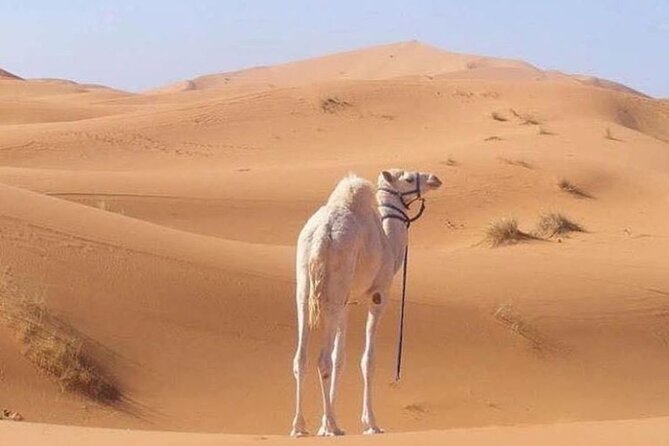
Day 1 starts with that moment you’ve been waiting for: breakfast, meeting your desert trek team, then heading out toward the dunes of Erg Sidi Naji. The early walk matters. You get to feel the sand underfoot without the pressure of a full-day grind right away, and the desert starts teaching your body the new rhythm.
Evening is where the trip turns from travel into memory. You’ll have dinner, often around a fire, then sleep in a tent or under the stars. That sleep choice is part of what makes this kind of trek so memorable. In a real way, the desert night is the headline—quiet, open sky, and fewer distractions than anywhere with streetlights.
One consideration for day 1: the dunes are soft and the walking is real. Even if you’re physically fine, your first hours in sand can feel like a different sport. I’d treat day 1 as your warm-up, not as a day to prove toughness.
Day 2 Through Erg Dwib: Camel Trekking, Tea on the Dunes, and Tajine Under the Stars
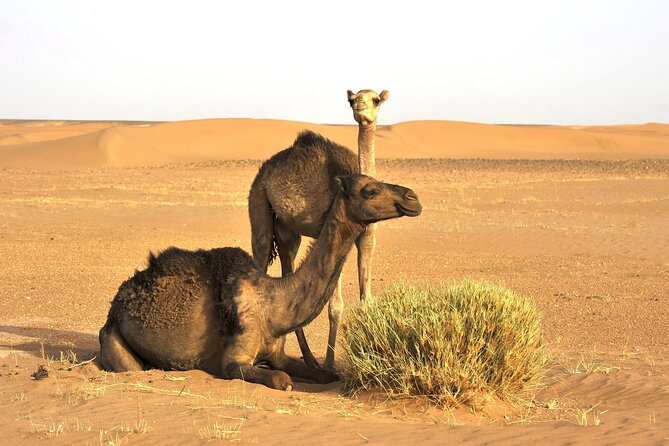
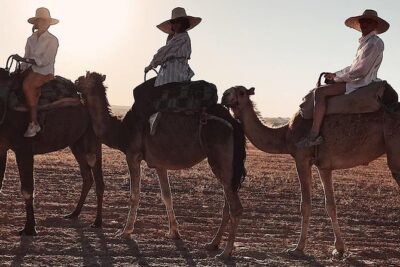
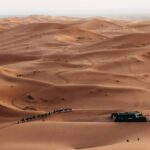
Day 2 is a step deeper into the Sahara feel. You start early and head toward the dunes of Erg Dwib. This is where the “caravan rhythm” comes in—camel trek time mixed with continued movement through major dune terrain, so the day feels like a journey rather than a single long walk.
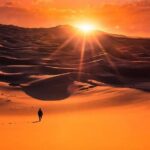
The meal highlights on day 2 are worth paying attention to. There’s a tea ceremony at sunset on the dune, which is exactly the kind of desert moment that sticks in your memory. It’s also practical: you’re pausing at the right time of day, when the temperature shifts and the light becomes dramatic.
Dinner follows with tajine served under the stars. That combo—sunset tea and then warm, slow food after hours outside—makes day 2 feel like the peak of the trek. Several past travelers also talk about feeling safe and cared for during this stage, which makes sense: your guide and the camel drivers are managing timing, pace, and camp setup so you can focus on enjoying the dunes.
The main drawback here is simply weather and temperature. The experience requires good weather, and desert nights can feel very different from daytime. If you tend to get cold easily, plan mentally for temperature swings.
Day 3 Back Toward M’Hamid: Breakfast, Final Trek Pace, and a Real Shower
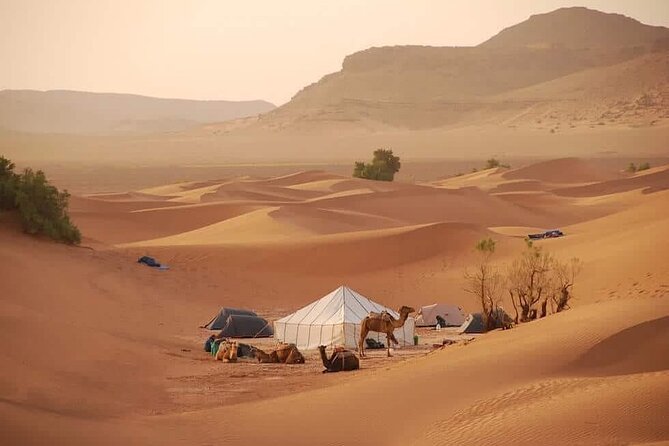
On day 3, the trek continues in a nomadic rhythm until you return toward M’Hamid. You still get movement and dunes, but the day has a quieter purpose: finish the walk, enjoy breakfast, and transition back to civilization without rushing.
The best quality-of-life detail is the well-deserved shower after breakfast. It’s such a simple thing, yet it changes how you rate the trek overall. Instead of feeling grimy and stuck in travel clothes, you get that clean reset and can enjoy the last part of your day without discomfort.
Once you reach M’Hamid, the service ends. No awkward lingering logistics. You’re done, you’ve got the memories, and you can move on with your Morocco plans.
Who This Private Sahara Trek Is Best For (and Who Should Think Twice)
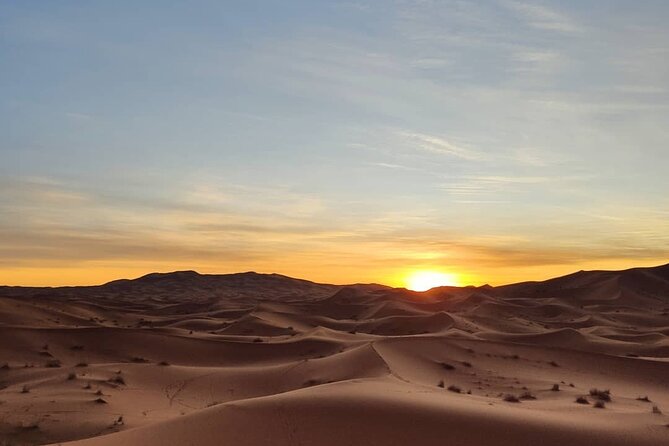
This experience fits best if you want a Sahara trek that’s more about walking and atmosphere than about luxury upgrades. It’s famous as a family-friendly style of desert holiday, and the format works for different ages because the pace can be team-managed and the nights are shared in a real desert setting.
It’s also a good fit for couples who want intimacy without giving up structure. Private means you won’t be constantly negotiating space with strangers, and it’s easier to settle into the same rhythm together.
You should think twice if you want a short, easy “photo stop” version of the desert. This is a 3-day trek with camel trekking and walking, and the physical demands are part of the deal. The tour states you should have moderate physical fitness, so if you’re currently recovering from an injury or struggle with uneven ground, you might find it tough.
If you travel with a service animal, that’s allowed. The experience also notes it’s near public transportation, so getting to/from the area is not a total dead end.
Food, Sleep, and Comfort: What to Expect Without Surprises
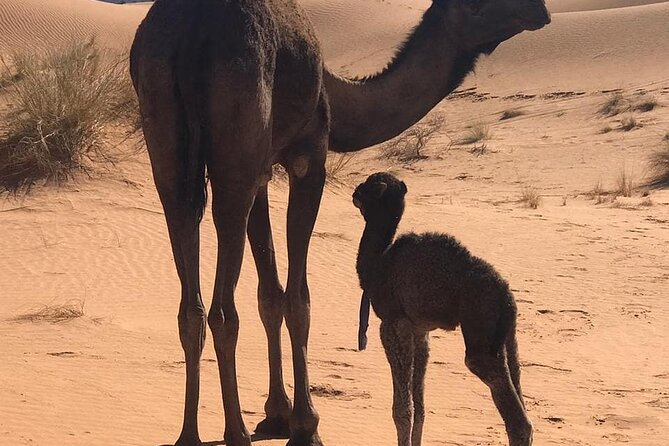
This trek is built around meals you can count on: breakfast (2), lunch (3), and dinner (2). That’s important because it removes one big planning headache. You’re not searching for food while you’re living in the desert schedule.
Food is not just filler either. Tajine on day 2 gets named as a highlight, and dinner is part of the evening experience, not a rushed stop. With a cook on the team, you’re eating with the group instead of watching everyone drift apart.
Sleep is part of the adventure. You might sleep in a tent or under the stars. That means you should be mentally ready for more open-air reality than a hotel bed experience. The upside is the sky at night; the downside is that comfort depends on conditions.
Booking Smart: Timing, Weather, and How to Decide
This type of trek gets booked in advance, with an average booking window of 117 days. If you’re planning around a specific date range, I’d treat it like a popular activity and don’t wait for the last minute.
The experience requires good weather, so if conditions are poor, you may be offered a different date or a full refund. There’s also a minimum traveler requirement, which can affect departures. This isn’t a “walk in any day” activity, so flexibility helps if you’re traveling in shoulder season.
Should you book? If you want a real Sahara trek—camels, dunes, tea at sunset, tajine under the stars, and a team that runs the camp smoothly—this is a strong value pick. If you’re looking for a cushy, low-effort day trip, you’ll likely find the walking and desert conditions more intense than you want.
Should You Book This 3-Day Private Sahara Desert Trek?
Yes, if your idea of a great trip is simple and real: a private group trek, two major dune days (Erg Sidi Naji and Erg Dwib), included meals, and the chance to sleep in tents or under the stars. It’s also a good call if you like knowing your team has roles covered—camel drivers, guide, and cook—so your day doesn’t fall apart behind the scenes.
Hold off if you want maximum comfort or minimal movement. This experience leans into the desert. Bring a moderate fitness mindset, plan for variable desert conditions, and you’ll get what people come back raving about: the feeling of being out there, not just visiting it.
FAQ
FAQ
How long is the 3-day private Sahara desert trek?
It runs for about 3 days.
Where does the trek start?
The trek is based in M’Hamid, Morocco.
What time does the tour start?
The start time is 8:30 am.
Is pickup offered?
Yes, pickup is offered.
Is this a private experience?
Yes. It’s a private tour/activity, so only your group will participate.
What does the tour include for meals?
Meals included are breakfast (2), lunch (3), and dinner (2).
Do I ride camels or just walk?
You’ll do a camel trek as part of the route, plus walking during the dunes.
Where will we sleep during the trek?
Night is spent either in tents or under the stars, depending on conditions.
Is the trip suitable for everyone physically?
The trip asks for moderate physical fitness.
Are service animals allowed?
Yes. Service animals are allowed.
Is there free cancellation?
Yes, free cancellation is available up to 24 hours in advance for a full refund.