REVIEW · MHAMID
6 days trekking To The heart of Desert
Book on Viator →Operated by Desertbrise Travel · Bookable on Viator
The Sahara turns travel into a slower, quieter pace. This 6-day camel trek in southern Morocco takes you from Marrakech into the Moroccan Sahara with a professional nomadic guide, camel drivers, and luggage carried for you, so you can focus on the walk and the light. I love the sunrise and sunset moments over the dunes, and I also like how your day feels paced by the heat, breaks, and the camp rhythm. The only real drawback: you give up hotel comforts, because this is desert living with sand under everything.
What made the experience feel extra solid for me was the team behind it. In different accounts, the manager Khalil showed up as the calm organizer, while guides like Abdo, Ali, and Mohamed helped keep days moving and cultural moments meaningful. If you hate walking over sand or you want lots of free time with no structure, this may feel too hands-on.
In This Review
- Key highlights you can actually plan around
- Marrakech to M’Hamid: the trip starts with mountains and ends with silence
- M’Hamid to palm grove and Sidi Naji: your first desert day on foot
- Erg Zahar is the big walking day: dunes, sunset ride, and desert cooking
- Kraat Jamal and the wild-camel night: Draa Valley on the move
- The return to M’Hamid: shower time and a shorter walking push
- Day 6 back to Marrakech: late afternoon arrival after a long morning
- Price and logistics: what $999.74 buys you (and what it doesn’t)
- What you’ll feel each day: the rhythm of sun, shade, and camp
- Who this camel trek suits best (and who should think twice)
- Practical tips before you go: shoes, water, and heat sense
- Should you book the 6-day walk to the heart of the desert?
- FAQ
- Where does the trek start in Marrakech, and when?
- How long is the experience?
- Is this tour private?
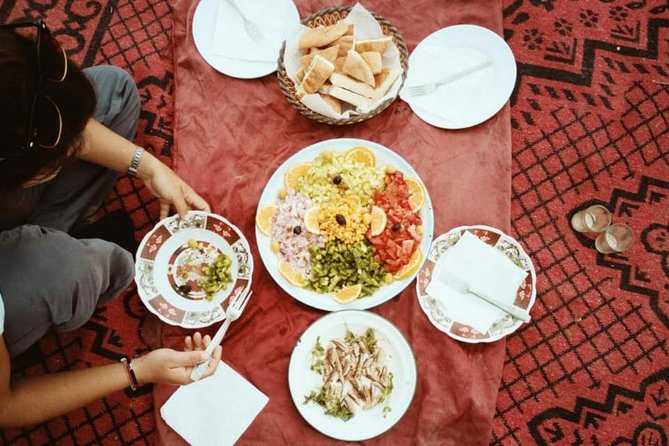
- What meals and drinks are included?
- How much walking should I expect and is it for moderate fitness?
- Do I need good shoes for the sand?
Key highlights you can actually plan around
- High Atlas mountain views via Tichka Pass (2260 m) before you hit the desert calm
- Ait Benhaddou kasbah stop at a UNESCO site with major film-location vibes
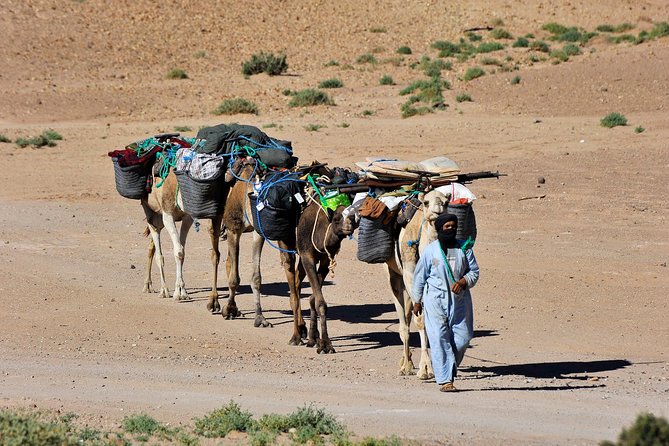
- Camel caravan support so your luggage isn’t carried by you
- Erg Zahar dune day with planned walking blocks and a sunset dune ride
- Tea and lunch under tamarisk shade built into the walking schedule
- Wild-camel area and Kraat Jamal for a more untamed final desert night
Marrakech to M’Hamid: the trip starts with mountains and ends with silence
Day 1 is a long but rewarding transfer. You leave Marrakech early and head through the High Atlas Mountains by way of the Tichka Pass, which tops out at 2260 meters. The road is famous for sweeping views and winding sections, and you also pass Berber villages along the way, so the change from city life to rugged terrain happens fast.
You’ll stop at kasbahs as you go, including Tamnougalte and then Ait Benhaddou. Ait Benhaddou is a 16th-century UNESCO site, and even if you’re not a film person, it’s easy to see why it appears on screen so often. After that, the drive continues into the Draa Valley, with date-palm country and a shift toward the desert edge.
By evening, you reach M’Hamid (the gateway to the Sahara) and settle into a nomadic-style camp. The first dinner and night in camp matter because they set expectations: you’re trading screens and steady electricity for darkness, stars, and the kind of quiet you only get out there.
You can also read our reviews of more tours and experiences in MHamid.
M’Hamid to palm grove and Sidi Naji: your first desert day on foot
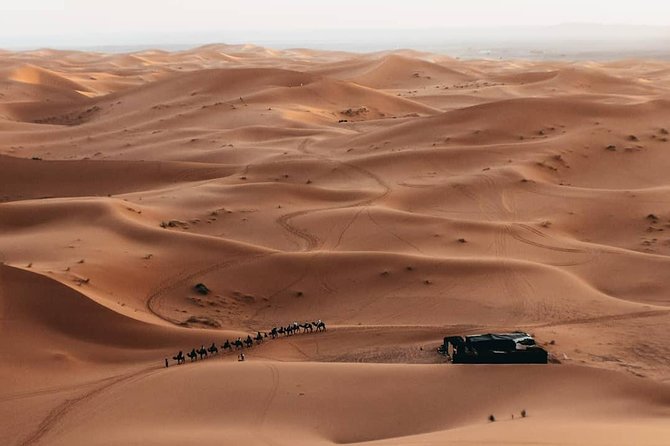
Day 2 is where the desert really starts. After breakfast in camp, you head out from M’Hamid on foot with your guide and the camel caravan in support. The plan isn’t just walking for walking’s sake; it’s walking with built-in relief, meaning you spend time moving toward key spots, then pause when the sun gets strong.
You’ll head for a palm grove, and there you’ll get tea and lunch under tamarisk shade. That kind of shade break is practical desert travel, not a bonus: it keeps you from burning too fast and it helps you settle into the slower pace. Then you continue toward the sanctuary of Sidi Naji, a marabout site tied to local oral tradition, including the idea that he lived there for 18 grandfathers.
That day also includes where you sleep: your bivouac is set at the foot of the sand dunes. Sleeping that close changes how you feel the desert. The air cools differently, and you’re not just visiting a dune scene—you’re living beside it overnight.
Erg Zahar is the big walking day: dunes, sunset ride, and desert cooking
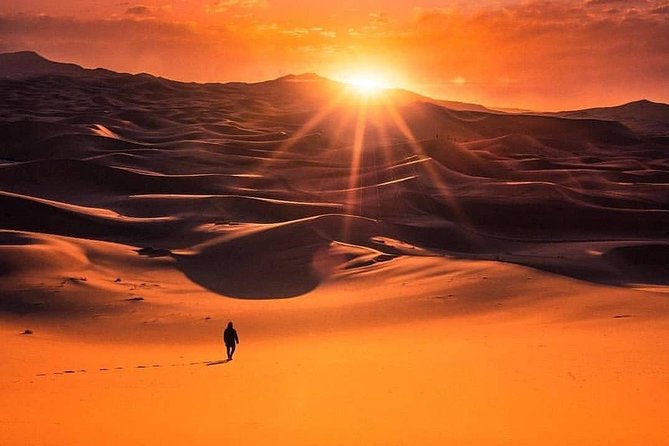
Day 3 is the one people talk about, because it combines walking time with big dune drama. You leave the holy place and head to the third biggest dune area in the M’Hamid desert: Erg Zahar. The walking is planned in blocks: about 4 hours on foot, divided into 2 hours in the morning and 2 hours in the evening.
The terrain matters here. This route is a mix of plateau and sand, and the guidance is clear: you need good shoes for the sand. If your footwear is poor, you’ll feel it in your feet and lower legs by midday, and that can ruin the fun of the day.
Your midday rhythm includes shade time again: lunch under tamarisk trees and a nap before continuing toward the erg. Then comes the part that makes desert trekking different from a standard hike: you rise the camp area in the dunes, and you ride a dune for a sunset view. From there, you can also see the Algerian border.
This is also a day with hands-on desert food. You’ll practice making sandbread and tajin, which is more than a cute activity. It’s a way to understand how desert life uses simple ingredients and slow processes, not fancy equipment. It’s also a great evening contrast: earlier you used muscle and focus to move through sand, and later you switch to patience and smell-and-taste learning around the camp.
Kraat Jamal and the wild-camel night: Draa Valley on the move
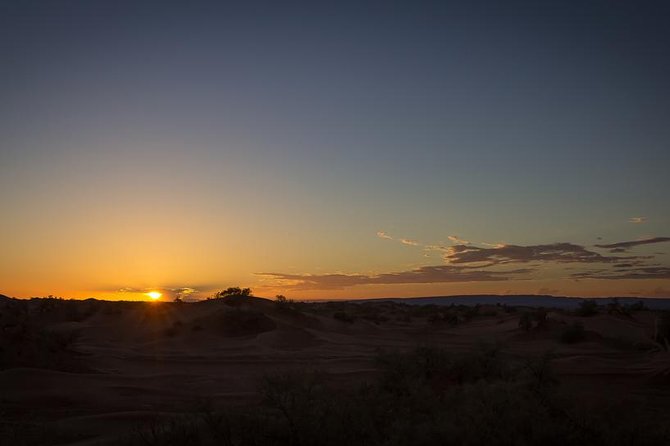
Day 4 shifts from the main erg energy into a more travel-through-desert feel. You head across areas including Kraat Jamal and Lahdybat, with lunch along the way where the road is full of tamarisk trees. That detail sounds small, but it matters because tamarisk shade is basically desert infrastructure. It supports you when the sun is at its harshest and keeps the schedule realistic.
After lunch, the route crosses into the Draa Valley, and you spend your last night in the desert in a place described as full of wild camels. I like nights like this because they feel different from the earlier camp at the foot of dunes. You’re still in the same world of dark sky and desert quiet, but it feels less like a planned stage set and more like a natural corridor where animals and people move with the same weather.
One practical note: a wild-camel setting can mean you’re relying a lot on your guide’s sense of where to be and when. Follow that lead and you’ll get the benefit of the experience without turning it into an unsafe curiosity hunt.
The return to M’Hamid: shower time and a shorter walking push
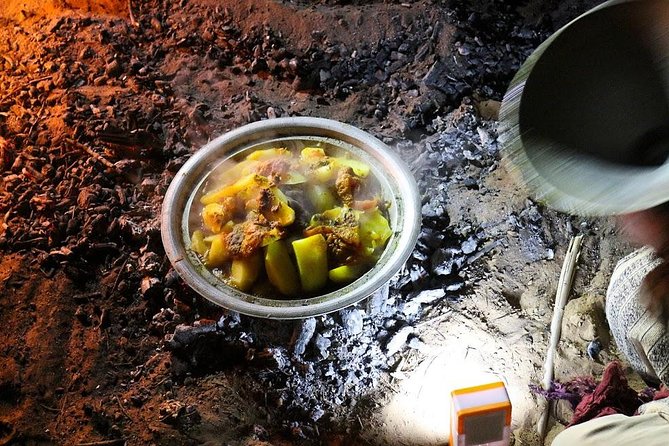
Day 5 is your “bring it home” day. With morning breeze, you start walking back to M’Hamid for about 3 hours on foot. Shorter walking time matters here because it gives you energy for camp tasks and recovery, instead of saving everything for the end of the trip.
Once you reach the camp, you get a shower and then lunch before spending the night back in M’Hamid. That shower is one of those comfort points you’ll appreciate more than you expect. After multiple sand days, even a simple rinse changes how you sleep and how your body feels the next morning.
This night also acts as a buffer. You don’t go straight into a full travel day; you settle one more time in the desert before the drive back to Marrakech.
Day 6 back to Marrakech: late afternoon arrival after a long morning
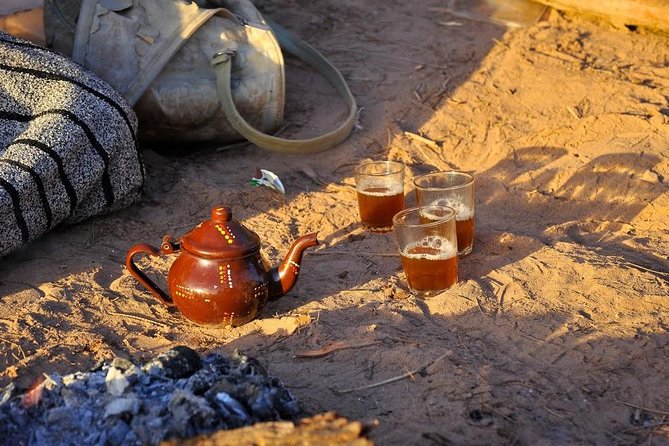
Day 6 starts early again, but the schedule is calmer in terms of trekking. You leave the guest-house area and head north, retracing the general route toward Marrakech. The drive time is long—about 15 hours—so you should plan to treat this as the travel day where you relax and let the vehicle do the work.
You’re expected to arrive late afternoon back at your Marrakech riad/hotel. If you’re the type who schedules dinner reservations the same evening, I’d keep it light. You’ll be tired in a clean way—more “dusty legs” tired than “stress” tired.
Price and logistics: what $999.74 buys you (and what it doesn’t)
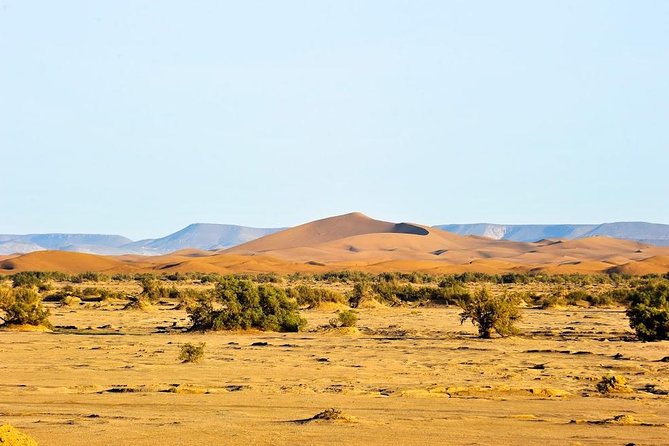
At $999.74 per person, you’re paying for more than transportation. You’re buying a coordinated multi-day trek plan: 5 nights of accommodation, a driver/guide, local taxes, and bottled water plus coffee/tea. You also get breakfast (6), lunch (5), and dinner (6), which is a big part of value in a place where you can’t just pop into a shop for convenience.
The camel-carrier setup is the other major cost driver. Camel drivers carry luggage with the caravan, so you walk with less weight than you would on a no-support trek. Support also helps keep the group moving at the right speed for the sand, and that’s part of why the experience works for people who have moderate fitness, not elite hikers.
What’s not included is stated simply as food and drinks. Since meals are listed as included, that usually means anything beyond the planned meals and drinks isn’t covered, but you should budget for personal extras like additional bottled water or snacks if you want them.
One more logistics detail I appreciate: this is a private tour/activity, meaning only your group participates. Private can mean more flexibility with your pace and questions, and it usually reduces the stress of matching different walking rhythms in one big crowd.
Also, your tour uses a mobile ticket, and the start time is set at 8:00 am from a specific Marrakech meeting point: Hôtel Restaurant Café de France near Jamaa el-Fna on Rue des Banques. That early start is intentional; you want enough daylight to make the first travel day feel efficient.
What you’ll feel each day: the rhythm of sun, shade, and camp
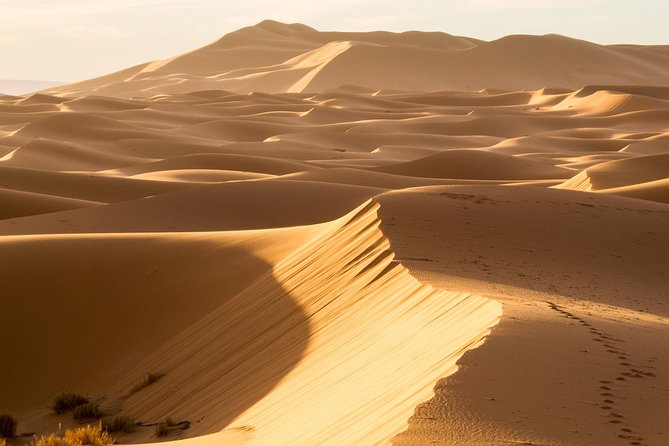
This trek is built around the simple reality of the desert: the sun controls your energy. Mornings and evenings are your walking windows, and midday becomes shade time. You can see that approach clearly in the day structure, especially on the main dune walking day with separate morning and evening blocks.
Camps are also part of the rhythm. Instead of one night in a generic camp and then moving on, the plan includes specific desert-feeling locations: dunes at the foot for the first night, then an erg-focused camp night later, plus a wild-camel area as the penultimate night. Those choices shape your nights: the air can feel different, the darkness can feel deeper, and the stars come faster than you expect.
Food fits the rhythm too. Meals are planned and provided, and the day includes practical tea stops, not just big sit-down dinners. That matters when you’re walking enough to feel hungry but not enough to want complicated meal hunting.
The experience also has a cultural side that doesn’t feel tacked on. The visit to Sidi Naji and the sharing of desert food practices like sandbread and tajin are the kind of moments you remember because they’re connected to where you are, not because someone tried to add a souvenir stop.
Who this camel trek suits best (and who should think twice)
This trip works best for you if:
- You enjoy guided days where the schedule is clear and you don’t have to figure out transport between stops.
- You’re comfortable walking a few hours per day, including sand terrain.
- You want the big desert payoff: dunes at sunrise and sunset, quiet nights, and a sense of being far from traffic and schedules.
It might be less satisfying if you:
- Want frequent “breaks” that mean staying dry and clean. Sand gets everywhere.
- Need constant creature comforts like hot showers every day. The plan specifically mentions a shower on the way back day, not every night.
- Prefer a self-led adventure with no structured guidance. This experience is private, but it’s still guided and run at a desert rhythm.
The good news: the trip is described as suitable for moderate physical fitness. In one family-style account, the walking range was described as about 3 to 5 hours per day, depending on the day. That’s manageable for many people who walk on weekends, as long as they’re honest about how they handle uneven ground and sand.
Practical tips before you go: shoes, water, and heat sense
Start with footwear. You’ll be on sand and mixed ground, and the plan explicitly points you to good shoes for sand walking. Bring shoes you already trust, not new ones. Your feet will thank you.
Pack for desert dust and temperature swings. Even if you don’t know the forecast, you can plan for hot daytime walking and cooler night camp air. Light layers help because the day transitions from sun heat to shade breaks to evening camp life.
Bring a basic heat strategy mindset. You’ll get bottled water and scheduled meals, but you should still think like a desert walker: take the shade breaks, drink when offered, and don’t push through pain just because you’re eager. The whole pace is designed around sun intensity.
Finally, think about expectations for “free time.” This is a guided desert experience, with walking blocks and camp routines. If you like chatting with your team and learning why certain places matter, you’ll enjoy it. If you want silence every minute, you can still find it out in the dunes—but the schedule will keep you moving.
Should you book the 6-day walk to the heart of the desert?
I think you should book this if you want a real Sahara feel without the stress of planning. The big value is the combination of camel support, daily structure paced to heat, and desert highlights that are specific: Ait Benhaddou, M’Hamid, Erg Zahar, dune sunset riding, and a wild-camel night.
I’d skip it only if you’re hoping for hotel-style comfort at every stop or you can’t handle sand walking, even for a few hours. If you’re okay trading convenience for quiet and sky, this is the kind of trip that makes the rest of your travel memories feel louder by comparison.
FAQ
Where does the trek start in Marrakech, and when?
The meeting point is Hôtel Restaurant Café de France near Jamaa el-Fna on Rue des Banques, Marrakech, and the start time is 8:00 am.
How long is the experience?
It runs for about 6 days, with 5 nights of accommodation and a return to Marrakech on the final day.
Is this tour private?
Yes. It’s listed as a private tour/activity, so only your group participates.
What meals and drinks are included?
The package includes breakfast (6), lunch (5), and dinner (6). It also includes bottled water, plus coffee and/or tea. The listing also notes that food and drinks are not included beyond what’s specified.
How much walking should I expect and is it for moderate fitness?
The trek is described as suitable for moderate physical fitness. The walking blocks include days like about 4 hours on foot on the Erg Zahar dune day (split into morning and evening) and about 3 hours back toward M’Hamid on the return day. One account described daily walking in the 3 to 5 hour range.
Do I need good shoes for the sand?
Yes. The desert walking route specifically notes that you need good shoes for sand walking and traction.