REVIEW · IRIOMOTE JIMA
Iriomote’s Adventure: Pinaisara Falls Canoe and Trekking Tour
Book on Viator →Operated by 西表島ツアーfamfam · Bookable on Viator
A day on Iriomote means water, jungle, and a real sense of discovery. This tour is a smart way to reach Pinaisara Falls in a UNESCO-area setting only accessible with a licensed guide, with both canoe time and hiking. I love that you get to experience the falls from both the water-level approach and the viewpoint side, and I really like how the guides bring the island to life with clear explanations of local nature.
Two standout elements: the canoe portion gives you a quiet, close-to-the-water perspective, and the forest trekking follows up with big payoff views once you earn them. One consideration: this is weather-dependent, so if conditions aren’t good, you may be moved to another date rather than pushing ahead.
In This Review
- Key things I think you’ll notice right away
- Why Pinaisara Falls is worth the effort on Iriomote
- Uehara Port start: a simple day-trip format that stays organized
- Canoe time: how you get a different angle on the falls
- Trekking through the subtropical forest for the payoff views
- Guide style makes or breaks this kind of tour
- Group size, daily caps, and why the day doesn’t feel crowded
- Price and value: what $110.76 buys you here
- When to book and how to plan your day around it
- Who should book this Pinaisara adventure
- Practical tips to get the most from your 6-hour outing
- Should you book this tour?
- FAQ
- What time does the tour start?
- Where do I meet for the tour?
- How long is the tour?
- Is pickup offered?
- Is the ticket digital?
- How many people are in the group?
- Is the tour only accessible with a guide?
- What is the cancellation policy and what happens with bad weather?
Key things I think you’ll notice right away
- Licensed-guide access in a UNESCO area, because this is not a DIY stop
- Canoe + trekking to both top and base viewpoints, so you see more than one angle of the falls
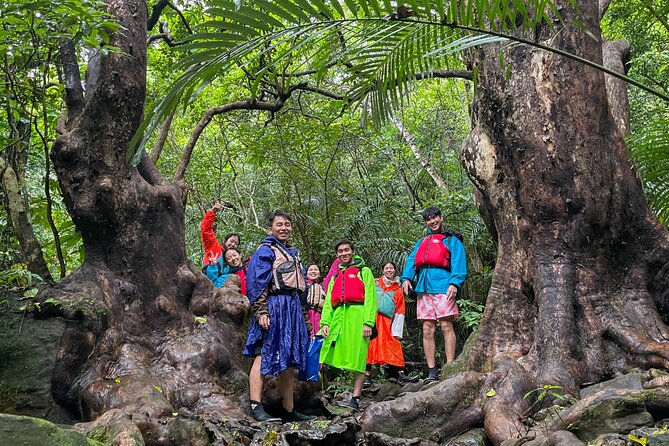
- Small group size (max 7), which makes questions easier and the pace feel human
- Guides like Hiro and Uno focus on explaining flora and fauna while keeping the mood friendly
- A strict daily cap at the falls area (200 visitors) helps keep things from feeling packed
- English-speaking guidance, plus the group stays manageable for most people
Why Pinaisara Falls is worth the effort on Iriomote
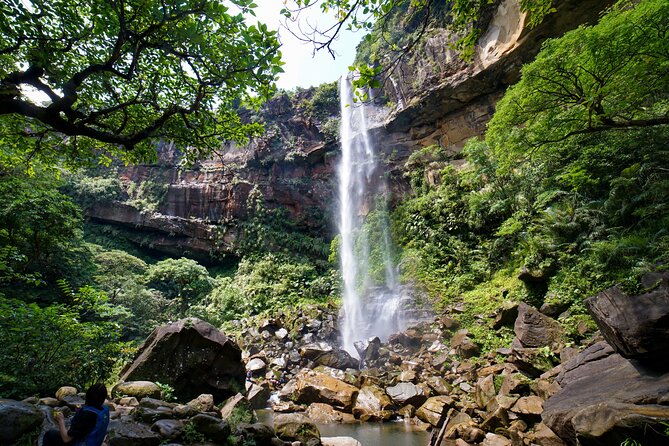
Pinaisara Falls sits in the kind of environment you can’t get the same way by just wandering. Here, access is tied to licensed guiding, which actually helps you. You spend more time experiencing and less time guessing your way through the subtropical terrain.
What I like about this setup is that it matches how the island works. Water routes are practical in Iriomote, and the forest trails are best tackled with an organized plan. The result is a day that feels active but not chaotic, with a clear storyline: paddle in, then walk in, then look back with a different perspective on what you just saw.
Also, the falls experience is capped at 200 visitors per day. That matters more than it sounds. When you’re trying to hear birds, spot wildlife, and take in the waterfall without constant crowds, that kind of limit makes a noticeable difference in how the day feels.
Uehara Port start: a simple day-trip format that stays organized
Most day trips fall apart because logistics turn into a scavenger hunt. This one keeps the start clean. You meet at Uehara Port (上原港), Taketomi, Yaeyama District, and the tour begins at 9:00 am, returning you to the same meeting point at the end.
If you’re staying around Ishigaki, this works as a day-trip style plan because it’s built to be picked up and dropped off smoothly. Pickup is offered, and it uses a mobile ticket, which reduces hassle the morning of.
One more detail that helps: the group max is 7 travelers. On a longer outdoor outing—about 6 hours—that smaller size makes it easier to slow down when someone has questions, or when the guide spots something worth pointing out.
Canoe time: how you get a different angle on the falls
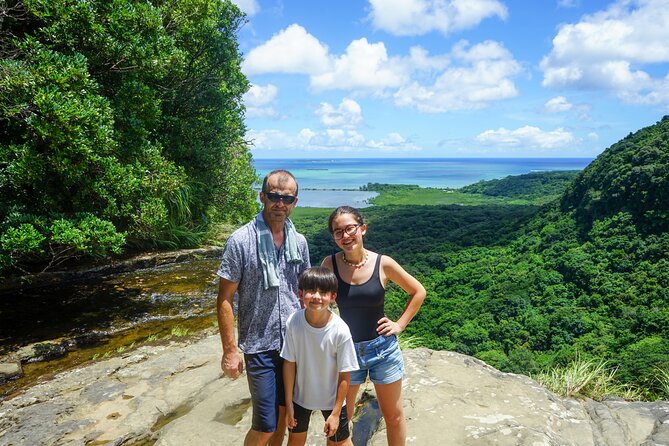
The canoe portion is the part that turns this from a basic waterfall stop into an Iriomote nature day. You spend about an hour at the falls area overall, but that time is used strategically: you travel by canoe to experience the falls from the water approach, and that changes what you notice.
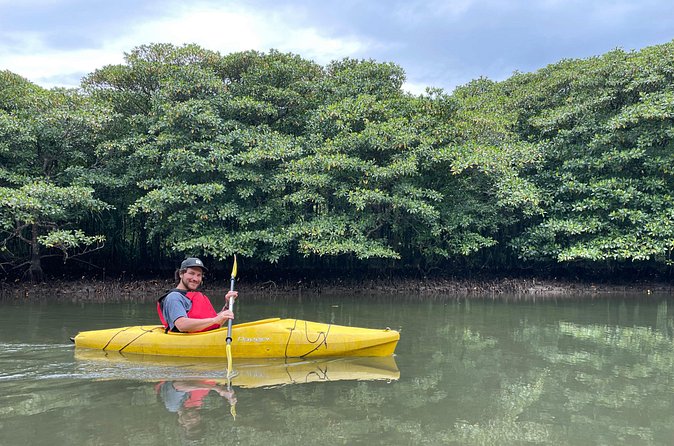
From the reviews, the kayak/canoe experience also pairs with mangrove waters. Even if you’re not trying to identify everything, you can feel the difference when you’re moving through the quieter channels rather than standing above everything. It’s a slower way to watch the environment pass by—birds, leaves, and the general rhythm of the island.
And because the guide is there, you don’t just drift along. Guides such as Hiro and Uno are described as friendly, patient, and very engaged with explaining the natural world—especially flora and fauna. That kind of storytelling helps you see the jungle as more than scenery.
Practical note: canoe time means you’ll want to be comfortable getting in and out and staying balanced as the boat moves. If you’re the type who gets uneasy around small watercraft, it’s worth considering, but the tour also says most travelers can participate, so it’s likely designed for a broad range of comfort levels.
Trekking through the subtropical forest for the payoff views
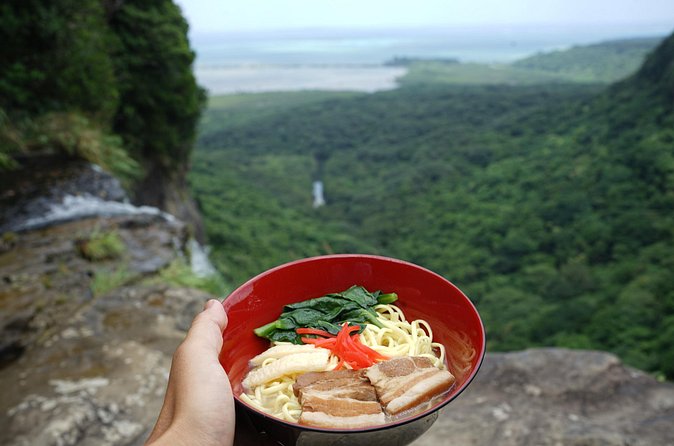
After the canoe segment, the plan shifts to trekking through the subtropical forest. This is where the day earns its dramatic moments: you get the view from the top and you also see what’s happening at the base. The tour is set up so you’re not just doing one viewpoint and leaving.
In the reviews, that top viewpoint is repeatedly described as stunning. That tracks with how waterfall geography usually works: from up high, you can understand the shape of the cascade and the way water threads through the vegetation. From below, you feel the scale differently. Seeing both sides in one outing is the big win.
The trekking also comes with a learning advantage. The guide doesn’t only point at the waterfall. You get explanations about the island itself—how plants and animals fit together in Iriomote’s environment. If you like nature interpretation, this is one of those days where it doesn’t feel like a lecture. It’s more like the guide quietly turns every stop into a mini lesson while you keep moving.
A possible drawback here is physical effort. It’s a forest trek, and you’re outdoors for about six hours total. If you’re dealing with mobility issues or you don’t handle humidity well, you’ll want to pace yourself and ask your guide for adjustments.
Guide style makes or breaks this kind of tour
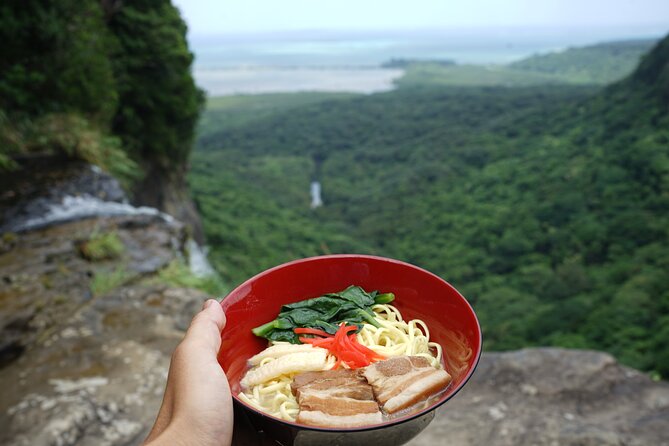
I’ve found that on nature tours, guide personality matters as much as the destination. This one has strong signals for that. Past guides named Hiro and Uno come up repeatedly, and the common theme is that they’re easy to interact with—good at answering questions without rushing you.
One review highlights Hiro’s dedication and willingness to explain a lot about Iriomote nature. Another praises Uno as easy-going and personable, and specifically mentions being able to ask questions while enjoying the island’s context—Yaeyama, Okinawa, and Japan in general. That broader framing can be surprisingly satisfying on small-group outdoor trips: you don’t just learn plant names, you understand where you are and why it’s special.
The best part: the guide approach also sounds flexible. One review notes the guide reacts well to wishes, which matters because everyone has different priorities. Some people want photos. Others want quiet animal-spotting. A responsive guide helps you get more value out of the day instead of sticking rigidly to a single pace.
Group size, daily caps, and why the day doesn’t feel crowded
There are two different limits at play: the tour group cap and the falls-area daily visitor cap. The tour keeps it small with a maximum of 7 travelers. The falls setting is restricted to a daily limit of 200 visitors.
Those numbers work together. Even if the site itself has a larger daily crowd ceiling, your immediate experience—paddling, walking, stopping for views—stays controlled. That makes it easier to move as a group, listen to the guide, and take in the waterfall without constant bottlenecks.
If you like nature days that feel calm rather than frantic, this combination is a strong match. It also tends to improve photo time. You’re more likely to get space to frame your shots, rather than shooting over shoulders.
Price and value: what $110.76 buys you here
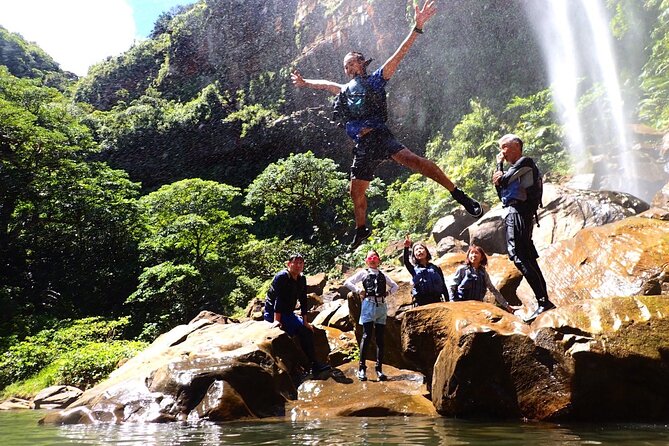
At $110.76 per person (with an average booking window of about 48 days ahead), the big question is whether this is worth it versus DIY planning. Here’s how I’d think about value.
You’re paying for several things bundled into one outing:
- Licensed-guide access in a protected area where self-guiding isn’t the point
- A structured canoe ride plus a forest trek
- Admission ticket included
- English-speaking guidance
- A small group cap that makes the experience more personal
If you’ve ever tried to assemble an equivalent day yourself—transport, finding a legal guide, coordinating timing, and paying for entry—costs often creep up. This tour avoids that scavenger-hunt feeling. Even if you’re not a hardcore “activities” person, the guide-led structure is what lets you reach the falls in the way this place requires.
So yes, it’s not the cheapest half-day option in Okinawa. But it’s priced like a guided, access-restricted, two-part nature experience with entry included. That’s a fair setup for Iriomote, where travel time and guide availability are real constraints.
When to book and how to plan your day around it
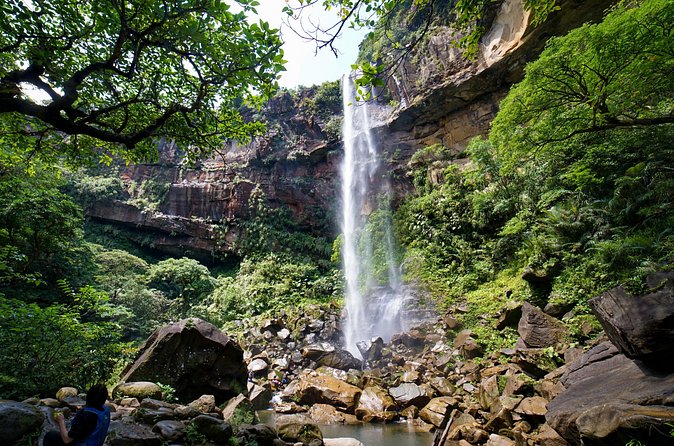
Because confirmation is stated as coming within 48 hours of booking (subject to availability), I recommend booking as soon as you’re confident in your schedule. The average booking pace—about 48 days in advance—is another hint that demand isn’t random.
Also, start time matters. At 9:00 am, you’ll want your morning in place. If you’re using pickup, confirm your timing so you don’t end up sprinting to the port. And since the tour ends back at the meeting point, plan the rest of your day around that return time.
Weather is another planning factor. The experience requires good weather. If it’s canceled due to poor conditions, you’ll be offered another date or a full refund. So keep your Ishigaki/Iriomote day flexibility in mind if you can.
Who should book this Pinaisara adventure
This tour is a great fit if you want:
- A guided Iriomote day that mixes water movement and forest walking
- A small group pace with time for questions
- English guidance and nature explanations, not just sightseeing
It also makes sense for day-trippers who are based on Ishigaki Island and want a full “Iriomote nature” day without turning it into a multi-step logistical project.
You might think twice if you:
- Have limited mobility and want to avoid trekking time in humid conditions
- Get strongly uncomfortable around watercraft movement
- Can’t handle schedule changes if weather forces a date shift
Practical tips to get the most from your 6-hour outing
You’ll enjoy this more if you show up ready for an outdoor day. I suggest thinking about comfort first, not fashion.
- Bring something you’ll be fine getting splashed or damp in, since it’s canoe time.
- Use sun protection and a light rain layer plan. Even in “good weather,” subtropical conditions can change.
- Wear footwear with grip for forest trekking surfaces.
- Keep your questions ready. The guides seem to enjoy explaining, from flora and fauna to how the island fits into Okinawa and Japan.
If you care about photos, remember that canoe and forest trekking each offer different shooting chances. Canoe time is about angles and water motion. Trek time is about viewpoints and waterfall scale.
Should you book this tour?
If your goal is to see Pinaisara Falls in a way that actually uses Iriomote’s natural routes, I think this tour is a strong choice. The combination of canoe + trekking lets you experience both the base and the top viewpoint, and the small group size keeps it from feeling like a factory tour. Guides such as Hiro and Uno get high marks for friendly, patient explanations and a willingness to engage with questions.
Book it if you want guided access in a UNESCO-area environment, and you’re comfortable with an outdoor day that depends on weather. Skip it (or at least reconsider) if trekking and time outdoors feel like a bad match for your body or your plans.
FAQ
What time does the tour start?
The tour starts at 9:00 am.
Where do I meet for the tour?
The meeting point is Uehara Port (上原港), Taketomi, Yaeyama District, Okinawa, Japan, and the tour ends back at the same meeting point.
How long is the tour?
The duration is about 6 hours.
Is pickup offered?
Yes, pickup is offered.
Is the ticket digital?
Yes, a mobile ticket is provided.
How many people are in the group?
The tour has a maximum of 7 travelers.
Is the tour only accessible with a guide?
Yes. Access to the falls area is described as only possible with a licensed guide.
What is the cancellation policy and what happens with bad weather?
You can cancel for a full refund up to 24 hours before the experience starts. If the experience is canceled due to poor weather, you’ll be offered a different date or a full refund.