REVIEW · KATHMANDU
Annapurna base camp trek
Book on Viator →Operated by Nepal Trekking Routes Pvt. Ltd · Bookable on Viator
Your first day smells like rhododendron and altitude. In this Annapurna Base Camp trek experience, you start with a Pokhara warm-up, then work your way from Nayapul toward Poon Hill for sunrise and into the Annapurna high country for the classic views and big destination moment.
I especially like the way the route is built around culture and scenery, not just hiking. You’ll move through Gurung and Magar communities, and you also get a chance to layer in Pokhara adventure options like paragliding or a hot air balloon flight if you want extra adrenaline.
One thing to plan carefully: you’ll climb to 4,130m, so weather, cold, and your pace matter more than willpower alone—especially if you travel in busy or challenging months.
In This Review
- Key things I’d circle on your planning list
- Starting in Kathmandu: The part that can make or break your trip
- Pokhara first: Lakes, local energy, and practical recovery
- The Nayapul trailhead and the first real climb
- Poon Hill: Sunrise and sunset are the headline, but so is the rhythm
- Cultural villages: Gurung and Magar life on the trail
- Himalayan views that stay in your peripheral vision
- Annapurna Base Camp: the 4,130m moment
- Machhapuchhre Base Camp as a bonus, plus Jhinu hot springs for recovery
- Price and value: what $999 covers, and what you must plan to pay
- Group size, guidance, and the kind of service that matters on foot
- Fitness, season, and the October reality check
- Dress code: a small rule that can change your day
- Should you book Annapurna Base Camp with Nepal Trekking Routes Pvt. Ltd?
- FAQ
- Where is the meeting point for the Annapurna Base Camp trek?
- How long is the trek?
- What is the price per person?
- What is the highest elevation reached?
- Is this trek suitable for people with moderate fitness?
- What are the main attractions during the trek?
- What does the package include?
- What is not included in the price?
- How big is the group?
- What is required for visiting places of worship?
- Cancellation: can I cancel for a full refund?
Key things I’d circle on your planning list
- Poon Hill sunrise and sunset views without complicated logistics
- Cultural villages (Gurung, Magar, Ghale) where daily life is part of the trek
- Annapurna Conservation Area wildlife and nature you can actually feel on foot
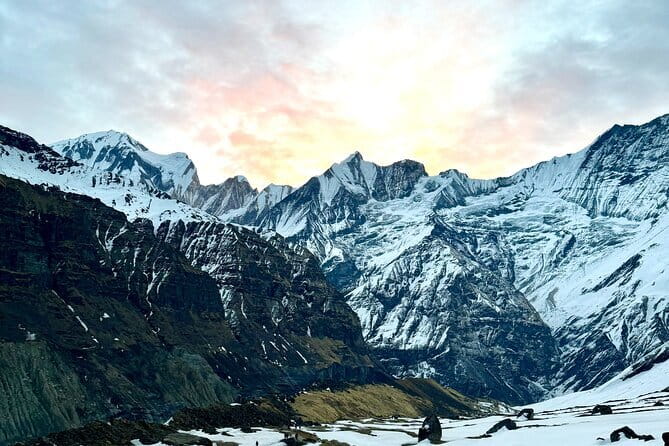
- Annapurna Base Camp at 4,130m plus the ever-present Annapurna and Dhaulagiri views
- Machhapuchhre Base Camp as a bonus and Jhinu hot springs for recovery
- Small group size (max 15), which helps the trek feel easier to manage
Starting in Kathmandu: The part that can make or break your trip
The experience begins in Kathmandu at the TIA Domestic Terminal parking lot (44600). From there, you’re set up for the trek with pickup and a driver/guide, plus hotel pickup and drop-off. That sounds basic, but it matters: with trekking, the first day is often where people lose time, sleep, and momentum.
Your “end” point is the same meeting point area. In other words, you’re not stuck figuring out how to reconnect with transportation. For a trek that involves long hiking days and altitude, that kind of wrap-up matters.
Also note the trip uses a mobile ticket. Simple, but it’s one more reminder to keep your phone charged and your plans easy to access.
You can also read our reviews of more tours and experiences in Kathmandu.
Pokhara first: Lakes, local energy, and practical recovery
Before the serious walking starts, you spend time in Pokhara, the lake-city that’s usually the second big hub for visitors after Kathmandu. This is where you can get your bearings, adjust to Nepal time, and enjoy the town’s mix of lakes, eateries, and paragliding spots.
What I like here is the pacing. Pokhara gives you a decompression window before you hike, which helps your body handle the next transition better—especially if you’re coming from travel days with not much sleep.
And if you want to add a little fun without turning it into a full side quest, Pokhara is also the place where you can tack on adventurous activities like hot air ballooning, paragliding, and zip flyer (available as optional add-ons). Even if you skip these, Pokhara’s easy vibe helps you feel like you’re on vacation, not only on a mission.
The Nayapul trailhead and the first real climb
Formal walking begins from Nayapul, about a 2-hour drive from Pokhara. This matters because it sets the tone: you don’t start the trek at sea level while you’re still stiff from sitting. You get a short transport step, then you’re moving.
From here, the trek’s initial phase heads toward Poon Hill (3210m). In the early part, expect green woods and uphill days where the trail feels like an ongoing warm-up rather than a single brutal push. You’ll walk through areas with rhododendron, and also forests where you may spot fig, bamboo, juniper, and other plants. That combination is more than “pretty scenery.” It changes how the hike feels—shade when it’s hot, and a sense of moving through living forest instead of only climbing out of a town.
Poon Hill: Sunrise and sunset are the headline, but so is the rhythm
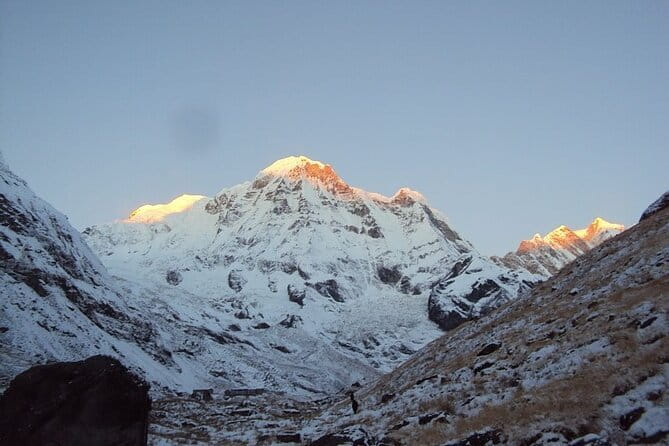
Poon Hill is the classic draw at about 3210m. The point isn’t just that you get views. It’s that you learn the rhythm of the trek: go higher, wake early, and manage your breathing while your legs are still fresh.
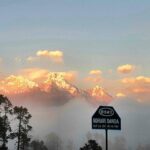
You’ll hike through the colorful forest zones and reach Poon Hill for gorgeous sunrise views (the trek is designed around this). If sunrise is your thing, plan for an early start. If you want sunset too, many trekkers use the same spot for evening light.
A practical note: early in the hike, the air can feel cool even if the sun later warms things up. Layers matter. Bring something that blocks wind for those short early-hours moments.
Cultural villages: Gurung and Magar life on the trail
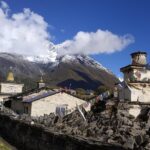
One of the best parts of this trek is that the trail doesn’t treat villages like a blur between viewpoints. You’ll encounter cultural settlements of the Gurung and Magar communities, and you’ll see how Hindu and Buddhist life shows up in daily routines and local hospitality.
The experience also highlights places where housing styles reflect local culture and where food and hospitality have their own character. That matters for you because it gives context. Instead of walking past “buildings,” you’re walking through neighborhoods with a reason to exist here—at altitude, in a mountain setting, with traditions that didn’t get imported for tourism.
The trek is also described as passing through areas with Tibetan-origin communities later in the journey. On the ground, that usually means small shifts in how people live, how the mountains are named and understood, and how religious symbols show up along the way. You’ll feel like you’re moving across culture zones, not only across elevations.
And if you’re thinking about whether you’ll get bored hiking day after day: this is the built-in solution. Your eyes have more to do than watch the trail line.
Himalayan views that stay in your peripheral vision
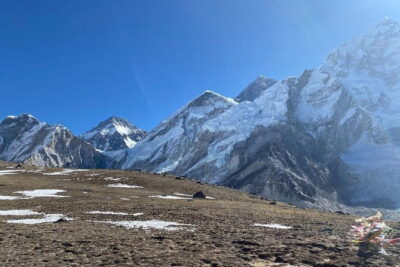
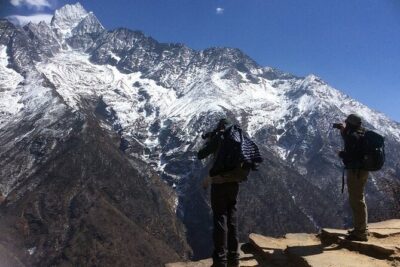
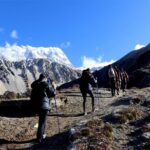
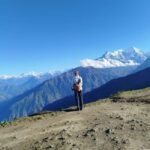
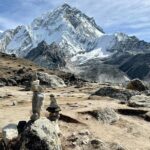
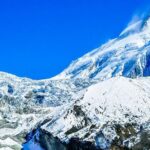
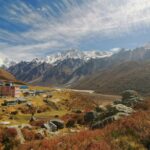
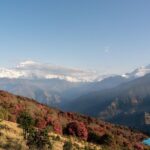
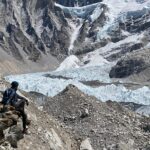
As you move beyond the initial phase and into the Himalayan belt, the views change from “nice” to “wait, that’s real.” You’ll see Machhapuchhre, Dhaulagiri, and the Annapurna series appearing again and again. Other peaks listed include Neelgiri and Himchuli.
Here’s why this is valuable: you’re not stuck waiting until the final day to see why people hike Nepal. The mountains become a background companion—so even a slower walking day still feels like it has a payoff.
You also cross Annapurna Conservation Area, which is noted for rare species of animals. You might not spot wildlife every hour, but knowing you’re hiking in a protected region makes your nature stops feel more meaningful. It also supports the kind of slower trekking pace where you actually look around instead of just marching.
Annapurna Base Camp: the 4,130m moment
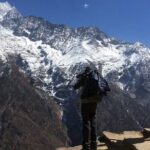
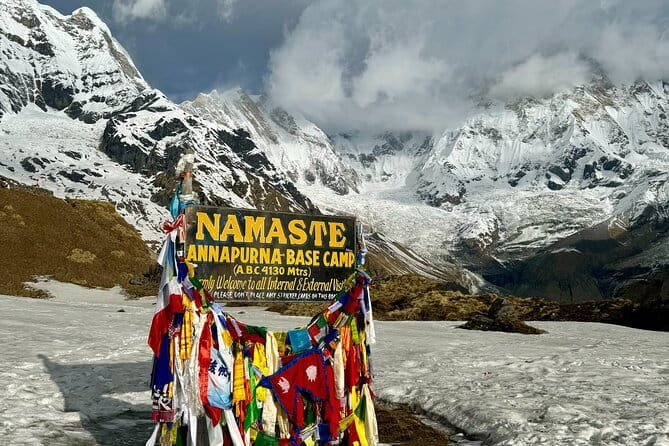
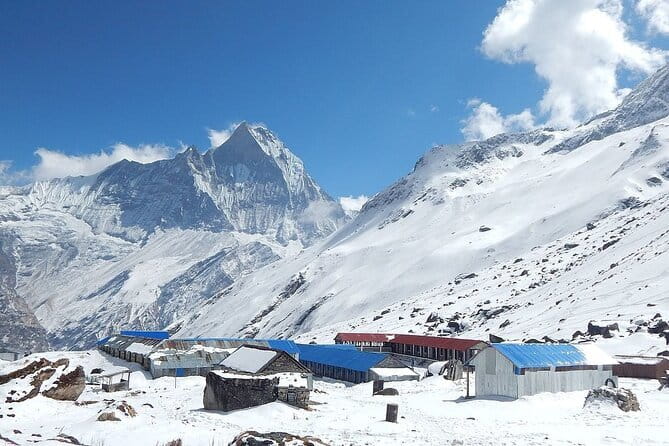
The trek ultimately reaches Annapurna Base Camp at 4,130m. This is the big “destination day,” and it’s also a test of patience. At this altitude, even small efforts feel bigger. Your best strategy is to keep your pace calm and steady, and let the day take its time.
I like how this experience frames base camp as more than a photo spot. It’s described as a time to stay and take pictures while you’re there, because the view is the point and you’ll want time to absorb it.
Expect the final stretch to feel more exposed—colder air, thinner comfort, and a stronger need for warm layers. If you’ve only hiked at low elevations before, this is where you learn what “moderate fitness” really means. Moderate doesn’t mean easy; it means you can keep moving without turning every step into survival.
Machhapuchhre Base Camp as a bonus, plus Jhinu hot springs for recovery
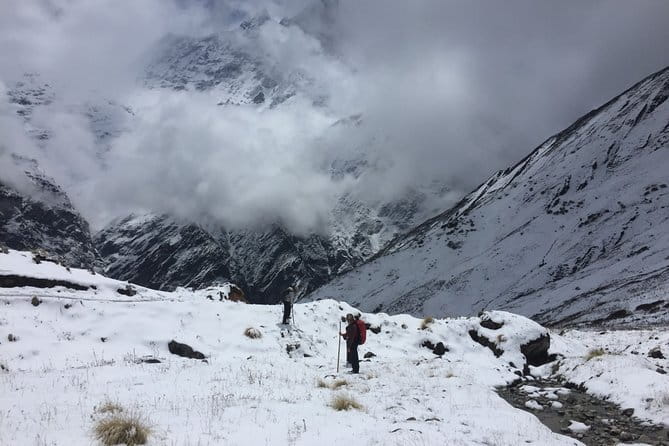
There’s an extra motivation built into this trek: Machhapuchhre Base Camp is described as a bonus experience. The route to it can be a welcome change of pace after the main base camp highlight—more time with the mountains, more chance to feel like you’re going deeper instead of simply finishing.
After the high points, you get a recovery stop: hot water natural springs near Jhinu. That’s not a gimmick in this context. A soak here is essentially your reward for the hard work. The trek framing explicitly mentions revitalization of the soul and muscles, which is exactly what a warm soak can do after days of elevation gains and careful descents.
This part is also useful for your body. When you’re hiking in cold air, your muscles tighten up. Warm springs can help you bounce back so the final days feel less like endurance and more like celebration.
Price and value: what $999 covers, and what you must plan to pay
The price is listed as $999 per person for a trek that runs about 15 days. That number can look high or low depending on what you’re comparing it to, so here’s how I’d judge value using what’s actually included.
Included:
- accommodation as per itinerary
- entrance fees
- breakfast
- driver/guide
- hotel pickup and drop-off
Not included:
- food and drinks
- alcoholic drinks (minimum drinking age is 18)
So you’re paying for the trip infrastructure: your transport coordination, guided support, and lodging coverage on trek days. That’s real value on a route like this, where a wrong turn or delayed start can cost you an entire hiking day.
The biggest “watch this” item is that meals are not included. That means you’ll still be spending money daily on food (and any drinks). To avoid a budget shock, I’d estimate your daily meal spend and build it into your planning before you arrive.
Also remember: entrance fees are included, but the trek permit angle can still be on your to-do list depending on how your travel days align. One practical tip from past trek experiences: you may need to buy your trekking permit in Kathmandu or Pokhara.
Group size, guidance, and the kind of service that matters on foot
This trek limits the group to maximum 15 travelers. For trekking, that’s meaningful. Smaller groups generally mean fewer bottlenecks on narrow paths, less waiting at key moments, and a better chance for your guide to adjust pace when someone is struggling.
And service quality shows up in the feedback: the guide and porter support is repeatedly mentioned as patient and helpful, including going out of the way to show trekkers more along the journey. That matters because Annapurna Base Camp is not a “rush through it” hike. It’s a slow, adjust-as-you-go kind of experience.
Even if you consider yourself independent, having a competent guide can be the difference between a smooth trek and one that feels stressful. The guide also helps with reading the trail flow and keeping your days from turning chaotic.
Fitness, season, and the October reality check
This experience expects moderate physical fitness and mentions that a moderate amount of walking is involved. One review also described a typical day as 5–6 hours of walking and the trek types ranging from 7–12 days depending on the version you choose.
So who should book? If you can walk for a few hours at a time, handle some uphill and downhill, and don’t expect “flat and easy,” you’re in the right zone.
Season matters too. One piece of advice tied to October: conditions may require flexibility, and you may end up sharing the trail with many other trekkers. That doesn’t mean you shouldn’t go—it means you shouldn’t plan like you’ll have the trail entirely to yourself.
Cold is another factor. One review noted that winter trekking isn’t comfortable for warmth-loving people. Translation: if you go in winter or shoulder seasons, pack like it’s going to be cold, not like you’re on a mild hike.
Dress code: a small rule that can change your day
There’s a specific dress requirement for entering places of worship and selected museums: no shorts or sleeveless tops. Knees and shoulders must be covered for both men and women. If you ignore this, you can be refused entry.
This sounds like city advice, but it matters because your trek and cultural stops likely include religious spaces. Pack light, but don’t pack sloppy.
Should you book Annapurna Base Camp with Nepal Trekking Routes Pvt. Ltd?
Yes, if you want the Annapurna classic done with real structure. The trek is built around high-value moments: Pokhara warm-up, Poon Hill sunrise, culture in Gurung and Magar villages, iconic peak views, the 4,130m base camp goal, and recovery through Jhinu hot springs.
I’d be cautious if you:
- get stressed when plans change (weather and seasons can demand flexibility),
- expect meals to be fully included (food and drinks are not included),
- aren’t ready for cold if you go in winter months.
FAQ
Where is the meeting point for the Annapurna Base Camp trek?
The start is at the TIA Domestic Terminal parking lot, Kathmandu 44600, Nepal. The activity ends back at this same meeting point.
How long is the trek?
The duration is listed as about 15 days (approx.).
What is the price per person?
The price is $999.00 per person.
What is the highest elevation reached?
Annapurna Base Camp is listed at an elevation of 4,130m.
Is this trek suitable for people with moderate fitness?
Yes. The experience notes that travelers should have a moderate physical fitness level, and a moderate amount of walking is involved.
What are the main attractions during the trek?
Expect cultural villages, scenic views of the Annapurna Massif and Dhaulagiri Massif, Poon Hill for sunrise views, Machhapuchhre Base Camp as a bonus, and rare species in the Annapurna Conservation Area. Pokhara also plays a big role.
What does the package include?
Accommodation as per itinerary, entrance fees, breakfast, driver/guide, and hotel drop-off and hotel pickup.
What is not included in the price?
Food and drinks are not included. Alcoholic drinks are available to purchase, with a minimum drinking age of 18.
How big is the group?
This tour/activity has a maximum of 15 travelers.
What is required for visiting places of worship?
You must cover knees and shoulders. No shorts or sleeveless tops are allowed, and you may be refused entry if you don’t follow the dress code.
Cancellation: can I cancel for a full refund?
Yes. Free cancellation is offered if you cancel up to 24 hours in advance of the experience start time for a full refund.