REVIEW · KATHMANDU
Everest Base Camp Trek
Book on Viator →Operated by Welcome Nepal Treks P.ltd · Bookable on Viator
Everest Base Camp starts with a single scary flight. This 14-day trek in Nepal mixes Sherpa culture stops with the altitude work that helps you get to Everest Base Camp, then chase the Kala Patthar viewpoint.
What I like most is the pacing: you get acclimatization time in Namche Bazaar and again around Dingboche, which matters a lot above 3,000 meters. I also like the support setup—an experienced guide (Pradip shows up again and again in trip feedback) and a porter plan (1 porter for 2 people) so you carry a day pack instead of your whole life.
One possible drawback: even with good logistics, the trek is still hard, and the higher-elevation tea houses can be basic. If you expect hotel-level comfort every night, you’ll have a rough time.
In This Review
- Fast facts that matter before you go
- 14 Days in the Khumbu: What Makes This Everest Base Camp Trek Tick
- Kathmandu Setup: A Clean Start and a Smooth Arrival Day
- Lukla Flight and the First Trek Day to Phakding
- Namche Bazaar Acclimatization: Markets, Views, and Sherpa Culture
- Tengboche to Dingboche: Monasteries, Big Altitude, and Slow Breathing
- High Country Push: Lobuche, Gorakshep, and Reaching Everest Base Camp
- Kala Patthar Viewpoint: The Hard Climb That Pays Off
- Back to Lukla and Home: The Long Descent Isn’t a Vacation
- Guide, Porters, and Daily Logistics That Make or Break EBC
- Meals, Water, and the Realities of Tea Houses
- Fitness, Altitude, and Risk Management (Without Drama)
- Price and Value: Is $1,500 a Fair Deal?
- Should You Book Welcome Nepal Treks for Everest Base Camp?
- FAQ
- How long is the Everest Base Camp trek?
- Where do I meet in Kathmandu?
- What’s included in the tour price?
- Are airport pickups and drop-offs included?
- Do I need travel insurance?
- What happens if the Lukla flight is delayed or cancelled?
- How much can I bring on domestic flights to Lukla?
- Is a single room available in Kathmandu?
Fast facts that matter before you go
- Early Kathmandu to Lukla flight to start the trek on schedule.
- Acclimatization stops in Namche Bazaar and Dingboche before pushing higher.
- Everest Base Camp via Gorakshep, then the classic viewpoint push to Kala Patthar.
- Support that reduces weight and stress: guide plus porters (1 porter for 2 people).
- Meals are mostly handled on trek (14 breakfasts, plus lunch and dinner most days).
- Realistic flight backup if Lukla plans change, including rescheduling and a helicopter option at extra cost.
14 Days in the Khumbu: What Makes This Everest Base Camp Trek Tick
The magic of Everest Base Camp isn’t one single moment. It’s the slow build—days of villages and monasteries, altitude gains measured in steps, and then the big day where Everest feels close enough to touch.
This trek is also built around practical altitude rhythm. You don’t just climb until you collapse. You rest, check how your body feels, and keep moving at a pace that’s tough but sensible—exactly what you want for a high-altitude hike.
You can also read our reviews of more tours and experiences in Kathmandu.
Kathmandu Setup: A Clean Start and a Smooth Arrival Day
Day one is straightforward: you land at Tribhuvan International Airport, meet a representative, and transfer to a hotel. The package includes two nights in a standard 3-star hotel in Kathmandu, with attached bathrooms and hot showers.
This hotel time matters. Before a trek like Everest Base Camp, you want a night where you can sleep, eat normally, and sort gear. It also gives you a chance to meet your guide and get clarity on what you’ll carry versus what your porters will handle.
If your arrival flight is late or you haven’t booked a Kathmandu hotel through the operator, you still meet by email timing coordination. You should plan to send your flight details ahead of time so the airport meeting and greeting can happen.
Lukla Flight and the First Trek Day to Phakding
The route starts with the domestic flight from Kathmandu to Lukla, then your first hiking day heads toward Phakding. This is where the trek becomes real. Lukla sits at about 2,886 meters, so even day one asks for steadier breathing and slower effort.
You’ll trek through small settlements and tea-house stops with meals handled along the way. The advantage of having this structure on day two is you don’t spend your first day guessing logistics at the exact moment your legs need focus.
And yes, the early timing is a thing. The meeting time in Kathmandu is listed as about 5:30 am, and that usually means you should treat Kathmandu mornings like you’re going to catch a train, not a leisurely breakfast.
Namche Bazaar Acclimatization: Markets, Views, and Sherpa Culture
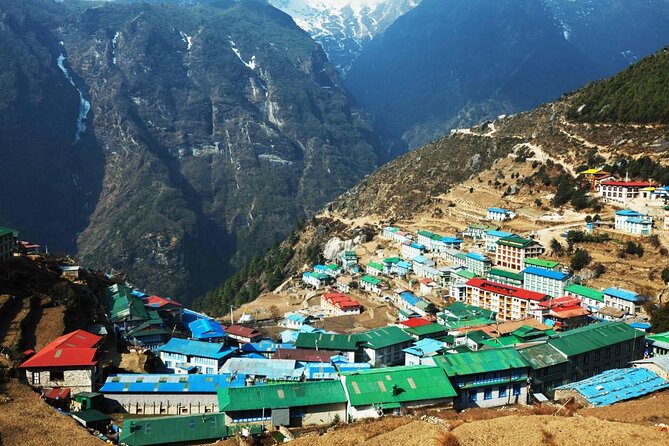
Namche Bazaar is the altitude “decision point.” You reach it after trekking up from Phakding, and then you stay there for acclimatization. At this stage, the goal is simple: get your body used to breathing thinner air without burning yourself out.
Namche is also where Sherpa life becomes visible in a normal, lived-in way. You’re not just passing through altitude zones—you’re stepping into the hub of the Khumbu region, with lots of activity and plenty of local culture around you.
This is one of the best days to slow down and pay attention. Take short walks, drink water steadily, and keep your pace easy. If you rush here, the higher days get harder faster.
Tengboche to Dingboche: Monasteries, Big Altitude, and Slow Breathing
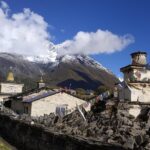
From Namche, the trek moves toward Tengboche, a stop famous for its monasteries. This is more than a photo stop. It’s a mental reset day: the walking is real, but the surroundings give you a different kind of focus than pure altitude survival.
Then you climb onward to Dingboche, reaching about 4,260 meters. This is where the trek leans into high-altitude technique: steady effort, fewer big surges, and more attention to how you sleep and eat.
Dingboche also includes another acclimatization day where you rest in place and take a light outing in the local area. That pattern—climb, rest, climb again—is what helps most people feel like they have a chance to summit the trek’s hardest viewpoints without going off the rails.
High Country Push: Lobuche, Gorakshep, and Reaching Everest Base Camp
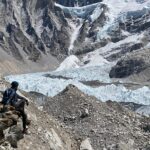
Once you leave Dingboche, the altitude climbs again. You trek toward Lobuche (around 4,930 meters) and then keep going toward Gorakshep, where Everest Base Camp becomes the next target.
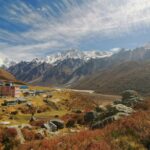
This section is often the most rewarding because it feels like the trail is finally leading you somewhere concrete. You’re walking through a harsher, rockier setting, and every day starts to feel more deliberate.
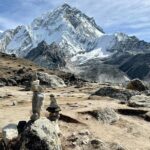
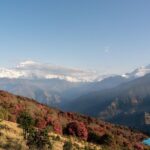
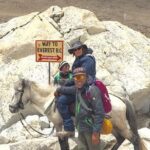
The day you reach Everest Base Camp is the one people talk about later because it’s where the story of Everest stops being abstract. You’ll see the foothill area and the Everest Range in a way that makes you understand why climbers train and sacrifice so much for these peaks.
That said, keep expectations realistic. Base Camp isn’t a theme park. It’s a high-altitude staging area in remote conditions. You’ll be tired, and the air may feel thin enough to make every small task take longer.
Kala Patthar Viewpoint: The Hard Climb That Pays Off
After Base Camp, the trek includes a strong push to Kala Patthar (about 5,545 meters) and then a descent back toward Pheriche. This is the classic viewpoint day, the one that tests your legs and rewards your eyes.
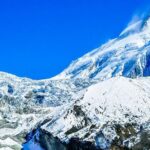
The value here is that Kala Patthar often gives you the kind of view people dream about when they plan Everest. The high point also forces good hiking habits: keep moving, but don’t sprint; dress for cold; and treat breathing like part of the job.
Once you reach Pheriche (around 4,243 meters), the descent is still work, but it’s a relief for your system. It also sets you up to get back to Namche with more energy than you had on the way up.
Back to Lukla and Home: The Long Descent Isn’t a Vacation
The return route follows a reverse path, with trekking days back through Namche and then down to Lukla. You’ll arrive back at Lukla, get refreshed, and then fly back to Kathmandu.
This is one place where people sometimes underestimate the final days. You’re descending, which is easier on altitude, but downhill can still strain knees and ankles. Take your time on steps, use trekking poles if you have them, and don’t celebrate too early.
Once in Kathmandu, you get the airport drop for your departure. The package includes transport to Tribhuvan International Airport after the trek.
Guide, Porters, and Daily Logistics That Make or Break EBC
A trek like Everest Base Camp lives or dies by logistics, not by hype. This trip includes several practical supports that reduce stress:
- Guide and porter support: an experienced guide plus porters with a 1 porter for 2 people ratio.
- TIMS card fees included (TIMS is part of the trek’s required system).
- First-aid medical kit included, which matters in remote areas.
- Duffle bag support if necessary, so you can pack main items cleanly.
One detail I really like for comfort is the luggage approach. Your main luggage goes on trek with porters, while you carry a day pack with essentials like water, camera, sunscreen, and a spare jacket. That keeps you from turning every walking day into a load-carry contest.
Also pay attention to baggage rules for the domestic flights. The listed airline weight allowance is 15 kg including your hand bag. If you go over, there are extra charges. So pack smart and avoid dragging heavy extras up from Kathmandu.
Meals, Water, and the Realities of Tea Houses
On trek, breakfast is included every morning, and lunch and dinner are included on most trekking days (the package lists 14 breakfasts, 11 lunches, and 11 dinners). Meals happen in lodges and tea houses, and you’ll typically have breakfast and dinner where you sleep.
Water is a practical topic you should take seriously. The guidance here is clear: bring water purification pills since you’ll often have normal water available for free. You can also buy bottled or boiled water in many places, but that costs money.
For charging devices: there is electricity in some villages and solar power in some areas, with a suggestion to bring spare batteries. Expect that recharge may require a small fee depending on where you are.
This all affects your day-to-day comfort more than you might think. If you keep a couple backup batteries and plan for cold, you’ll enjoy the hike more.
Fitness, Altitude, and Risk Management (Without Drama)
This trek requires a strong physical fitness level. That’s not a marketing line. It’s the difference between finishing feeling proud versus finishing feeling wrecked.
The altitude plan helps, but it doesn’t make altitude disappear. You still gain elevation day after day, and you still need to move at a pace your body tolerates. That’s why those rest days in Namche and Dingboche are so important.
Also plan your pace around cold. Higher elevations mean lower temperatures, so dress in layers. Keep your core warm while you hike, and have a system for keeping your hands and head protected.
Finally, think about insurance. Travel insurance isn’t included, and it’s especially important for altitude treks where unexpected changes can happen.
Price and Value: Is $1,500 a Fair Deal?
At $1,500 per person, this trek is priced like a full-service EBC package rather than a bare-bones DIY route. The value comes from what’s already covered:
- Airport transfers by private car/van/bus
- Two nights in Kathmandu at a standard 3-star level
- Lodge/tea house accommodations during the trek
- Guide plus porters (1 porter for 2 people)
- Meals on trek (breakfast daily, plus lunch and dinner on most days)
- TIMS card fees and a first-aid kit
- All official taxes and service charges
You should also budget for what’s not included. Kathmandu meals (lunch and dinner there), drinks, and alcoholic or non-alcoholic beverages on the trail are extra.
There’s also a single supplement cost of $200 if you want your own room in Kathmandu. And you should set aside money for tips. The operator suggests 10–15% of the total tour cost for staff if service is good.
If you want a trek where most logistics are handled, this price can make sense. If you already have your own guide, porter, insurance, and domestic flight plan lined up, it may not beat a DIY approach. But for most people, the included support is the reason to choose it.
Should You Book Welcome Nepal Treks for Everest Base Camp?
Book it if you want a trek that feels organized on the ground: airport pickup, Kathmandu hotel nights, porter support, and a clear schedule that includes acclimatization time. This is also the kind of trip where the guide can strongly shape your experience—Pradip is highlighted in trip feedback as a standout for mountain know-how and even spotting wildlife along the route. Another name that shows up is Niti, praised for smooth pre- and post-trip handling.
Hold off if you’re expecting high comfort at elevation or if you don’t have the fitness base for long hiking days. The tea houses get basic as you go higher, and that’s just part of Everest Base Camp reality.
If you’re the type who enjoys the work of walking, learning the rhythm of altitude, and collecting small moments—monasteries, market days in Namche, the long approach to Gorakshep—then this 14-day version fits well.
FAQ
How long is the Everest Base Camp trek?
It’s listed as 14 days (approx.).
Where do I meet in Kathmandu?
The meeting point is Tribhuvan Airport, Kathmandu, Nepal, with a listed start time of 5:30 am.
What’s included in the tour price?
Airport transfers, Kathmandu hotel nights, lodge/tea-house stays during the trek, a guide and porters (1 porter for 2 people), TIMS card fees, a first-aid kit, and most meals on trek (14 breakfasts, 11 lunches, 11 dinners). It also includes transportation and insurance for the guide and porter.
Are airport pickups and drop-offs included?
Yes. The package includes airport picks up and drops by private vehicle.
Do I need travel insurance?
Yes. Travel insurance is not included in the package.
What happens if the Lukla flight is delayed or cancelled?
If Lukla flights are cancelled, the plan is to reschedule the flight for the following day (subject to availability). A helicopter option may be available at extra cost (minimum $500 per person), and the guidance is to have insurance that covers flight cancellation for that amount.
How much can I bring on domestic flights to Lukla?
The listed weight allowance is 15 kg including your hand bag. Excess weight is chargeable at $1 or more extra.
Is a single room available in Kathmandu?
Yes. A single supplement is available for an additional $200.