REVIEW · NINH BINH
From Hanoi: 2-Day Trekking To Villages In Sapa with Homestay
Book on GetYourGuide →Operated by DGB - INDOCHINATODAYTRAVEL · Bookable on GetYourGuide
Sapa doesn’t get more hands-on than this 2-day trek to Muong Hoa Valley villages, ending with an overnight in a local cottage. You’ll hike between rice-terrace viewpoints, visit the Black H’mong and Dzay areas, then spend Day 2 walking toward a Red Dzao community and a waterfall stop.
I especially like the way the schedule builds toward real time with host families in Ta Van, not just a quick photo stop. I also like the simple structure: bus from Hanoi, guided valley hiking, two lunches plus breakfast and dinner, then the return trip—so you can focus on walking and culture instead of planning.
One possible drawback: this is a fitness-needed hike. The itinerary moves along small trails and includes a solid 12-kilometer day, plus another trek on Day 2.
In This Review
- Key things that make this trek worth it
- Why this Sapa trek feels grounded, not staged
- Day 1: Hanoi to Sapa by bus, then Muong Hoa Valley to Lao Chai and Ta Van
- Lao Chai and Ta Van: what you’ll actually do in the villages
- Ta Van homestay: the value of sleeping in a village cottage
- Day 2: sunrise hike to Dzang Ta Chai and a waterfall picnic
- The trail reality: fitness level and comfort tips that matter
- Price and value: what $84 buys, and what you should budget for
- Small-group hiking in Sapa: why group size matters here
- What to bring (and what not to bring) for a smooth homestay trek
- Who this 2-day Sapa homestay trek suits best
- Should you book this Sapa trek with homestay?
- FAQ
- Where does the tour start from?
- Is the guide English-speaking?
- What tribes or village areas will I visit?
- What does the homestay include?
- How much hiking is there?
- Are meals included?
- What is included in the price?
- What is not included?
- What should I bring, and what restrictions apply for luggage and shoes?
Key things that make this trek worth it

- Muong Hoa Valley views: terraced fields and valley paths that make the hike feel worthwhile
- Homestay in Ta Van: overnight in a traditional family cottage with daily village life
- Two tribal chapters: Black H’mong/Lao Chai area first, then Red Dzao at Dzang Ta Chai
- Waterfall break on Day 2: a scenic rest point with time to picnic and recharge
- Small group up to 16: easier pacing, better guide attention, more comfortable day flow
Why this Sapa trek feels grounded, not staged
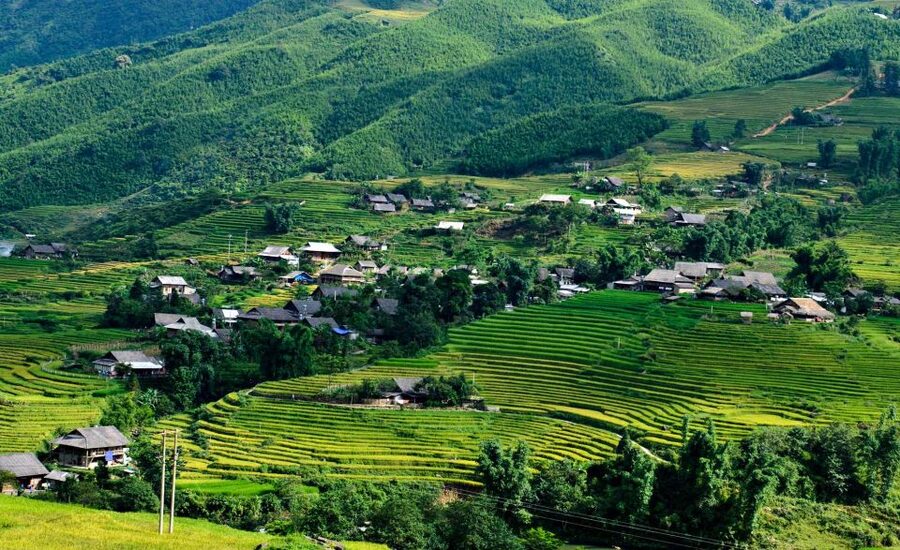
This tour is built around two things that matter in Sapa: walking real paths and living with people, even if only for a short window. You’ll see how the villages sit inside the valleys and terraced slopes, and you’ll spend time in Ta Van long enough to feel the rhythm of a normal day.
The best part for me is that the trip doesn’t pretend it’s a theme park. It’s guided, yes, but the heart of it is still the trail and the homestay experience—especially the time in the cottage with the local family.
If you’re looking for big-city comfort with no physical effort, you might find this too active. If you want honest immersion in a rural setting, it has the right shape.
Day 1: Hanoi to Sapa by bus, then Muong Hoa Valley to Lao Chai and Ta Van

Your Day 1 begins with a morning bus journey from Hanoi to Sapa, arriving around lunchtime. After you get checked in and have time to freshen up, you’ll eat lunch at your hotel, then shift from city logistics to valley hiking mode.
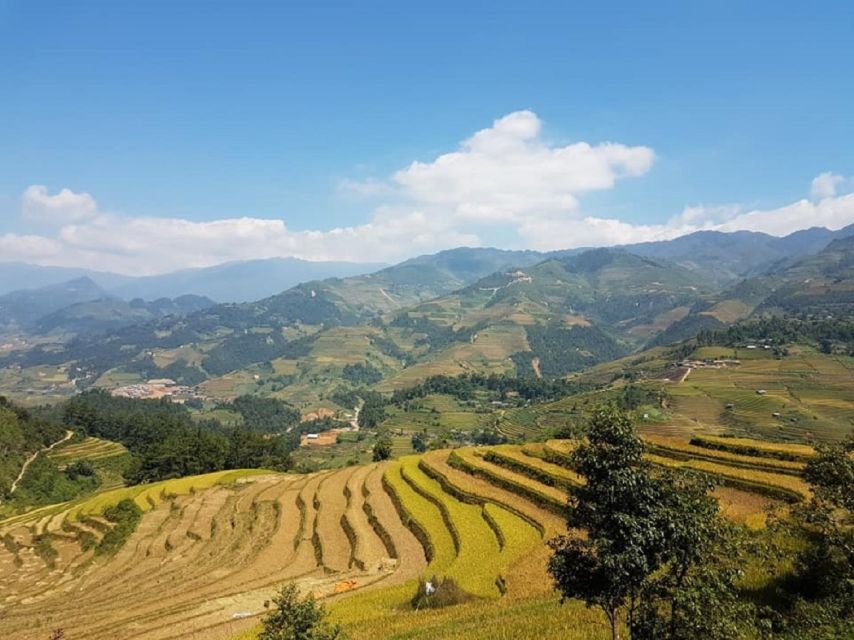
From there, the hike starts along small trails heading into the Muong Hoa Valley. You’ll make your way toward the Black H’mong village area of Lao Chai, with some of the most famous Sapa views along the route: terraced fields stretching across the slopes. This isn’t just scenery for Instagram; it’s also the reason Sapa villages exist where they do—farming shapes everything here.
In the afternoon, you continue about 12 kilometers along the bottom of the valley to reach Ta Van (the Dzay tribe village area). By late afternoon, you’ll arrive, then transition from hiking into village time.
A practical note: the day is long, and you’ll be on foot more than you might expect from a “short trek.” Comfortable shoes are non-negotiable, and you’ll want to hydrate early, not just when you feel tired.
Lao Chai and Ta Van: what you’ll actually do in the villages
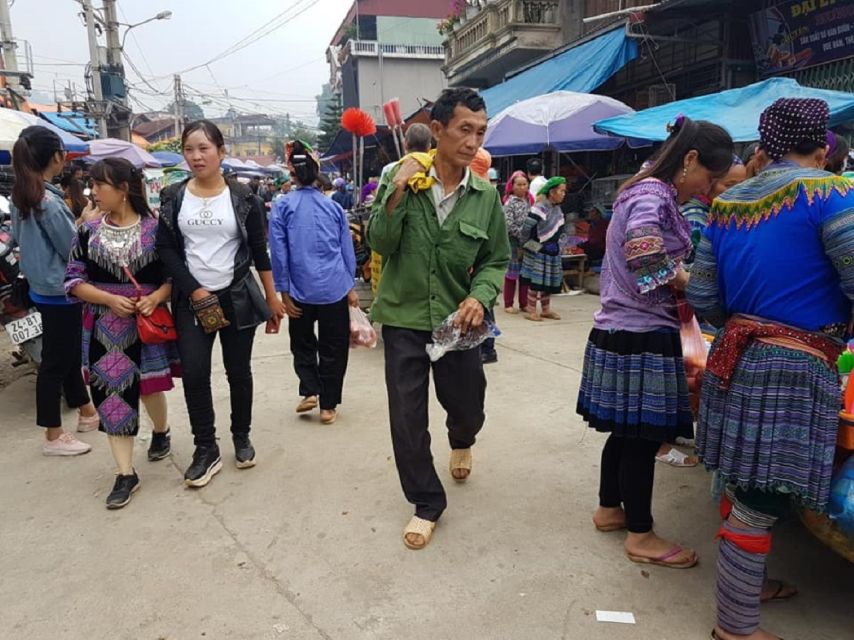
The village stops aren’t listed as a long museum-style program. Instead, you’re moving through communities while your guide keeps the pace manageable and helps you understand what you’re seeing.
In Lao Chai, the focus is on meeting the Black H’mong community and taking in the terrace-driven scenery around the village. You’ll get that classic Sapa combination: people, farming land, and valley views—more connected than you’d get with a viewpoint-only day.
Then Ta Van is where your day changes. This is the area where you stay in the local family’s cottage, so you’re not just passing through. You’ll experience daily routines at village pace, which is usually what travelers remember most from a homestay.
If you’re traveling with a flexible attitude, these village sections can feel smooth and natural. If you want a scripted agenda with fixed shopping stops, this format may feel too “real life.”
Ta Van homestay: the value of sleeping in a village cottage
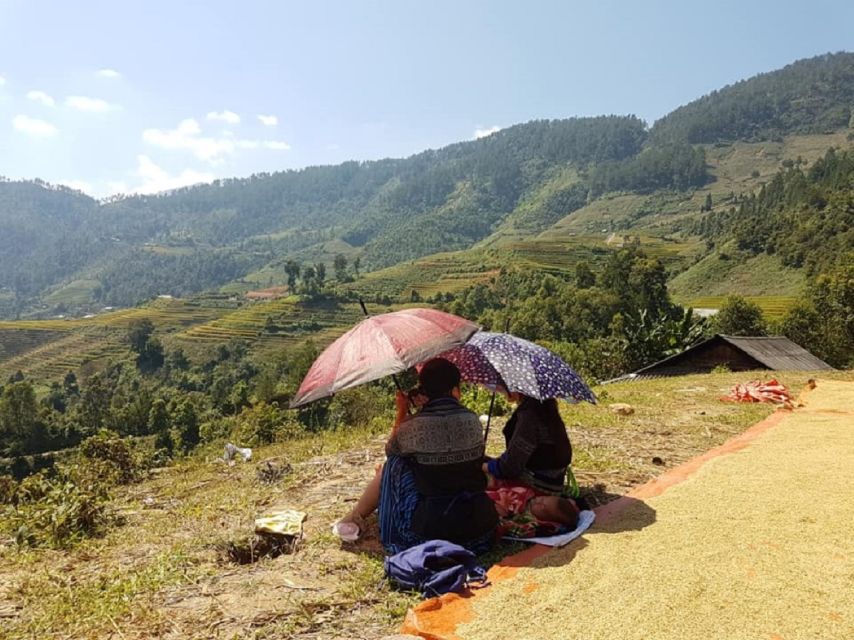
The homestay is the centerpiece of this trip, and it’s what makes this different from a standard Sapa day hike. You’ll get one-night accommodation in Ta Van, and the included meals help you settle in without constantly thinking about where to eat.
You’ll have dinner at a local restaurant (included), and you’ll also have breakfasts and lunches included across the two days—so you don’t need to do much meal math mid-trek. Mineral water is also included, which is a nice touch when you’re hiking for hours.
The key thing to know is practical, not romantic: village homestays involve simpler living. You’ll likely spend more time in outdoor or shared spaces than in a hotel room experience, and you should plan accordingly.
Also, the activity info flags rules that matter for comfort and respect:
- Shoes indoors are not allowed
- You can’t bring oversize luggage or large bags
- You’ll want a scarf, hat, and insect repellent to handle the outdoors
Bring a mindset of adapting fast. You’ll get more out of the homestay if you treat it like a shared living space rather than a hotel upgrade.
Day 2: sunrise hike to Dzang Ta Chai and a waterfall picnic
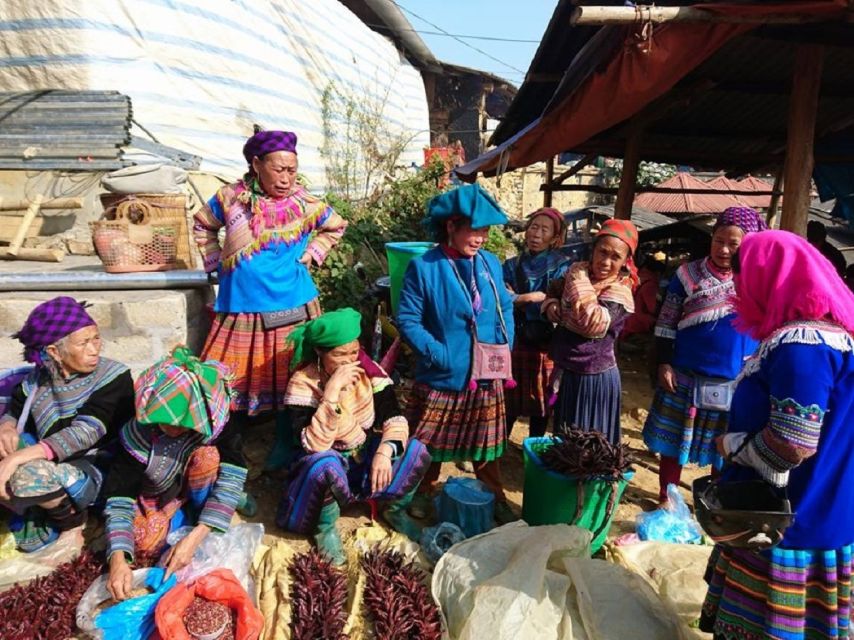
Day 2 starts early, with a wake-up call at 6:30 AM. After some time in the village, you’ll have breakfast at your homestay, then head out again while the air is cooler and the trails feel easier to manage.
Today’s main goal is Dzang Ta Chai, home of the Red Dzao tribe. This is where the tour shifts from the Black H’mong and Dzay areas of Day 1 to a different community with a different way of life. Even if you only pick up a few details from your English guide, you’ll notice the contrast in how the village experience reads on the trail.
You’ll trek through the route and reach a waterfall. The plan includes a rest stop and a picnic lunch around that point, which is a smart pacing decision. It breaks the day into a hike block, a scenic reset, then the ride back.
After lunch, you’ll get ready for the bus back to Sapa, then you’ll transfer by bus to Hanoi. You’ll have free time in your hotel room in Sapa to freshen up before heading back, which helps if you’re returning to work or continuing travel later.
This day is shorter in writing but not necessarily “easy.” It’s still trekking. You’ll enjoy it most if you treat it as an active morning followed by a scenic payoff.
The trail reality: fitness level and comfort tips that matter
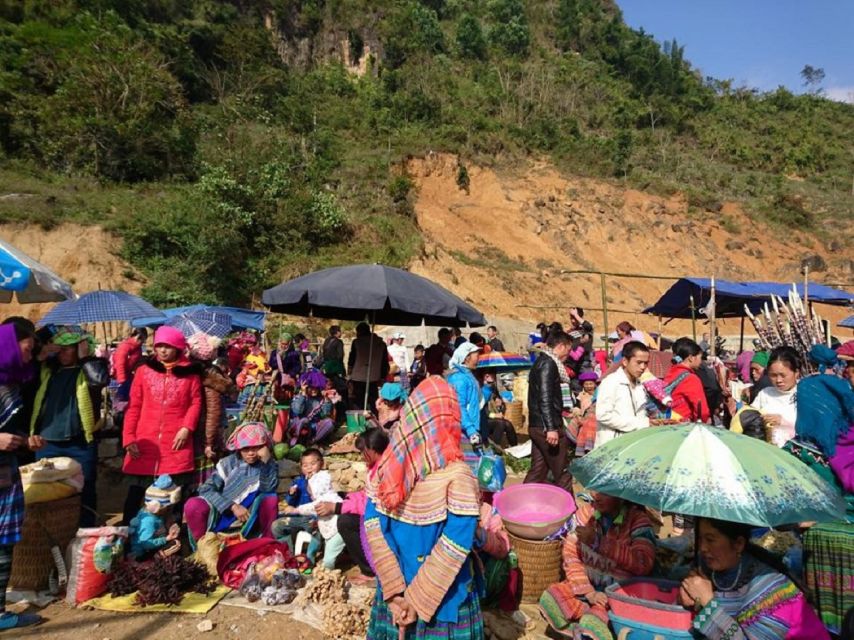
This activity requires a good level of physical fitness. That doesn’t mean you need to be an athlete, but it does mean you should be honest with yourself about long walking on uneven ground.
On Day 1 you have about 12 kilometers along the valley, and the route is described as small trails. Those details matter because small paths often come with:
- More footing changes than you expect
- More time where you’re stepping carefully rather than cruising
- Sun exposure if you’re not in shade for long stretches
So pack to reduce friction and distraction. That starts with shoes built for uneven ground. Bring insect repellent, a hat, and sunglasses—Sapa can still be bright and bug-friendly depending on conditions.
If you’re prone to blisters, treat your feet like the priority. Nothing kills a cultural day faster than sore ankles.
Price and value: what $84 buys, and what you should budget for
At $84 per person for a 2-day trip with a homestay, the value comes from the combination of logistics and included meals. You’re not just paying for a guide—you’re paying for a whole packaged experience: bus transfer between Hanoi and Sapa, an overnight in Ta Van, and multiple meals plus admission fees.
Included highlights:
- 1-night homestay accommodation in Ta Van
- English guide
- 1 breakfast, 2 lunches, and 1 dinner (plus mineral water)
- Admission fees
- Roundtrip bus transport between Hanoi and Sapa
- Sapa transfers are handled as part of the activity plan
Not included (so budget these):
- Drinks and any other meals not listed
- Hotel pickup and drop-off from Hanoi
- A $30 single supplement for solo travelers
That last point matters for solo travelers: you can’t just look at the base price. If you want the cheapest option, travel with a friend if you can.
Bottom line on value: if you want a guided, two-village, homestay-based Sapa experience without doing your own transport planning, this price lands as a fair deal.
Small-group hiking in Sapa: why group size matters here

This tour runs as a small group limited to 16 participants, with an English-speaking guide. On a trekking itinerary, smaller groups tend to mean more flexibility in pace and fewer bottlenecks on narrow paths.
Also, a small group can make the homestay experience smoother. When you’re moving between villages and into a host setting, it’s easier to keep things respectful and organized if the group isn’t too large.
If you like asking questions while walking—about the tribes, the farming patterns, or what you’re seeing—an English guide is a big help. And since the plan includes admissions and some meals, you’ll spend more time experiencing and less time negotiating.
What to bring (and what not to bring) for a smooth homestay trek
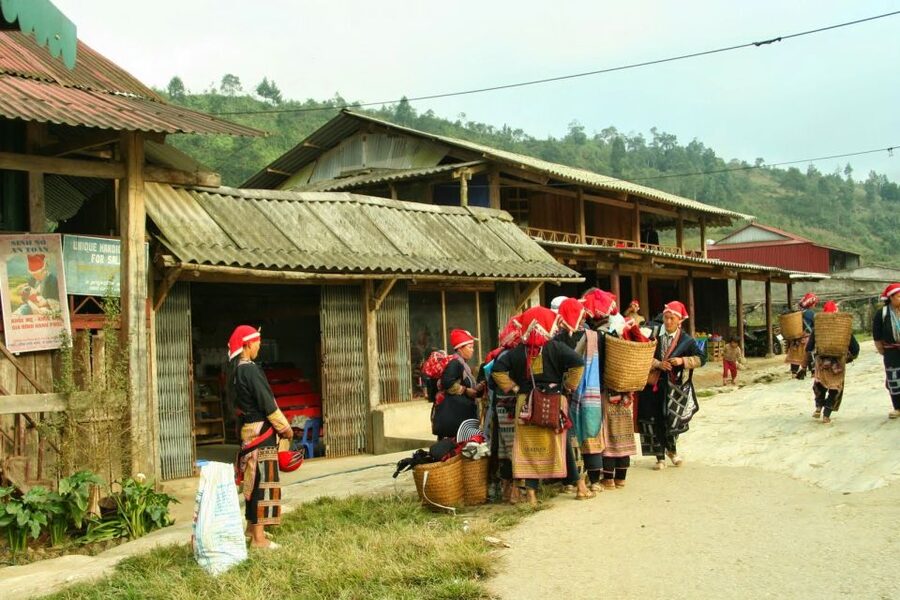
The packing list is practical, and you should treat it like it’s written for this specific walk.
Bring:
- Passport or ID card
- Comfortable shoes
- Sun hat and sunglasses
- Camera (you’ll want it for terraced views and the waterfall stop)
- Insect repellent
- Cash
- Scarf (useful for sun and cool mornings)
- Charged smartphone
- Personal medication
- Any trekking gear you already own
Don’t bring:
- Oversize luggage
- Large bags
- Shoes indoors (you’ll need to follow homestay rules)
This “no big bags” detail matters more than people expect. Keep your kit light and easy to carry, because you’ll be on foot for long stretches.
Who this 2-day Sapa homestay trek suits best
I think this is a strong match if you want:
- A real walk through the Sapa area, not just a drive-and-photo loop
- Village time in Ta Van with a local host family
- Culture curiosity about multiple tribes: Hmong, Dzay, and Red Dzao
- A guided plan that handles transport, meals, and admissions
It may not be a fit if:
- You need wheelchair accessibility (the info says it’s not suitable)
- You’re pregnant (not suitable)
- You’re traveling with children under 6 (not suitable)
- You’re not ready for a good level of physical fitness demands
If you’re the type who enjoys learning through simple, everyday encounters, this tour’s format will click quickly.
Should you book this Sapa trek with homestay?
I’d book it if you want Sapa in two days with both trail time and village time—especially if the idea of sleeping in a local cottage in Ta Van appeals to you. The included meals and transfers make it easier to commit without scrambling for logistics.
Skip it if you’re chasing an easy vacation day or you’re sensitive to long hikes and uneven ground. Also, solo travelers should factor in the $30 single supplement so the final price feels clear.
If you want a balanced Sapa experience that feels well planned and small-group friendly, this one is a solid choice.
FAQ
Where does the tour start from?
The itinerary starts in Hanoi, with a morning bus journey to Sapa. It also includes the return by bus back to Hanoi.
Is the guide English-speaking?
Yes. The tour includes a live English-speaking guide.
What tribes or village areas will I visit?
You’ll visit minority tribal areas including the Hmong (Black H’mong in Lao Chai), the Dzay area in Ta Van, and the Red Dzao at Dzang Ta Chai.
What does the homestay include?
The tour includes one-night accommodation in a local family’s cottage in Ta Van.
How much hiking is there?
Day 1 includes about a 12-kilometer hike through Muong Hoa Valley. Day 2 includes a trek to Dzang Ta Chai, plus time to reach a waterfall and picnic lunch.
Are meals included?
Yes. You get 1 breakfast, 2 lunches, and 1 dinner (plus mineral water) as part of the package.
What is included in the price?
Included items are 1-night homestay, transfers to Sapa, a guide, meals (as listed), admission fees, and mineral water.
What is not included?
Not included are drinks and other meals not mentioned, and hotel pickup and drop-off from Hanoi.
What should I bring, and what restrictions apply for luggage and shoes?
Bring items like comfortable shoes, hat, sunglasses, insect repellent, cash, and a charged smartphone. Oversize luggage and large bags aren’t allowed, and shoes indoors aren’t permitted.