REVIEW · PHERICHE
From Kathmandu Budget: 15 Day Everest Base Camp Trek
Book on GetYourGuide →Operated by Nlook Nepal · Bookable on GetYourGuide
Everest feels close on this 15-day trek. I love the Kala Patthar finish for huge views of Everest-area peaks, and I like how the route threads through Sherpa villages and suspension bridges on the way up. The main drawback is the altitude grind: this plan reaches Base Camp at 5,364 m and Kala Patthar at 5,545 m, so it’s not a casual hike.
This is also built as a real logistics package, not just a trail. You get hotel pickup and drop-off in Kathmandu, ground transfers by shared jeep or bus, and a friendly English-speaking trekking guide working with permits and official documents.
One more practical thing: your trek meals are mostly on your own. Food and drinks aren’t included, so you’ll want to plan a daily food budget as you go higher and prices usually change.
In This Review
- Key things I’d bet on before you go
- Everest Base Camp and Kala Patthar: the views you came for
- Route rhythm from Salleri to Namche to Base Camp
- Day-by-day walkthrough (what each stretch adds)
- Day 1: Kathmandu to Salleri by jeep (about 10 hours)
- Day 2: Salleri to Tham Danda, then trek to Surkhe (7–9 hours)
- Day 3: Surkhe to Phakding (6–7 hours)
- Day 4: Phakding to Namche Bazaar (6–7 hours, up to 3,440 m)
- Day 5: Trek to Tengboche Monastery (about 5 hours, 3,860 m)
- Day 6: Tengboche to Dingboche (5–6 hours, 4,350 m)
- Day 7: Acclimatization day in Dingboche
- Day 8: Dingboche to Lobuche (about 5 hours, 4,910 m)
- Day 9: To Everest Base Camp, then back to Gorak Shep
- Day 10: Kala Patthar hike (about 7 hours to 5,545 m), then to Pheriche
- Day 11: Pheriche to Panboche (about 5–6 hours, 3,985 m)
- Day 12: Panboche to Namche (about 7 hours, 3,440 m)
- Day 13: Namche to Lukla (about 5–6 hours, 2,860 m)
- Day 14: Lukla to Salleri by shared jeep (about 7–8 hours, around 2,400 m)
- Day 15: Salleri to Kathmandu by shared jeep or bus (about 10 hours)
- Guesthouses, bridges, and the practical feel of the trek
- Guides and the small support that can save your trip
- Price and value: what $796 covers (and what you still handle)
- Best season, weather, and packing without guessing
- Should you book this 15-day Everest Base Camp trek with Nlook Nepal?
- FAQ
- What’s the highest point on this trek?
- Is this trek private or shared?
- What language is the trekking guide?
- Are meals included in the trip price?
- Do I need travel insurance?
- When is the best time to do the Everest Base Camp trek?
Key things I’d bet on before you go
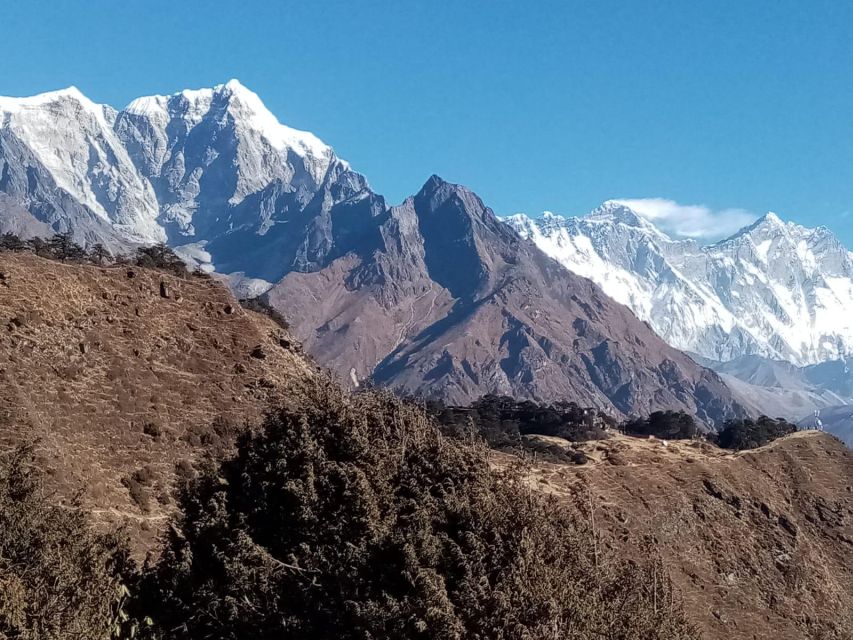
- Kala Patthar views at 5,545 m: the hike above Base Camp is the payoff moment, especially around sunrise or sunset.
- Everest Base Camp at 5,364 m: you’ll reach the iconic expedition starting point and feel what “high” really means.
- Acclimatization built in: you take time in Dingboche before pushing toward Lobuche and the Base Camp stretch.
- Sherpa culture along the trail: monasteries, prayer flags, and the day-to-day mountain life show up often.
- Private guide support: guides can adapt pacing based on health and needs, which matters a lot at altitude.
- What’s included vs. not: permits, guesthouses, trekking pole, and a first-aid kit come with the trip; food and drinks don’t.
Everest Base Camp and Kala Patthar: the views you came for
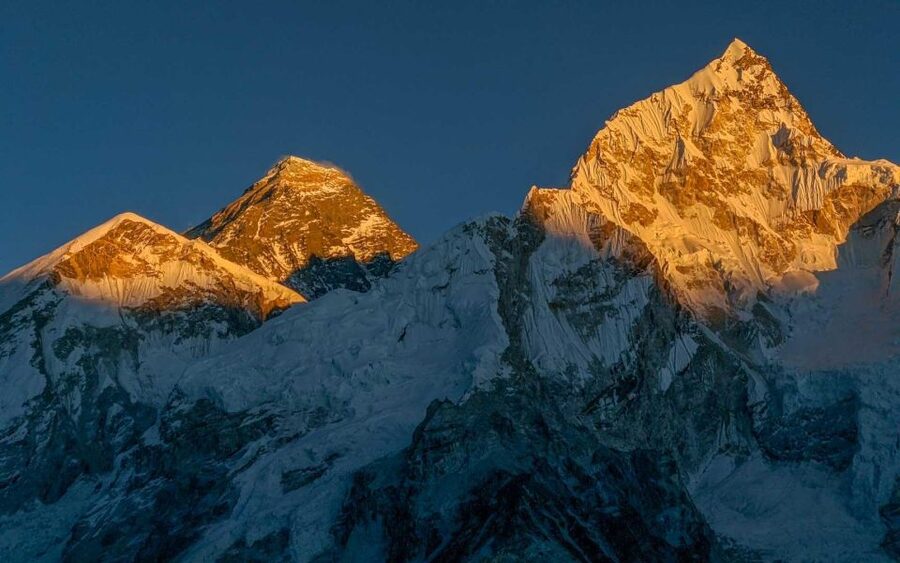
The headline here is simple: Everest Base Camp plus Kala Patthar. Base Camp sits at 5,364 m (17,598 feet), and it’s basically the reason this trek exists. You’re standing in the shadow of Everest and nearby giants, with the whole Khumbu drama playing out around you.
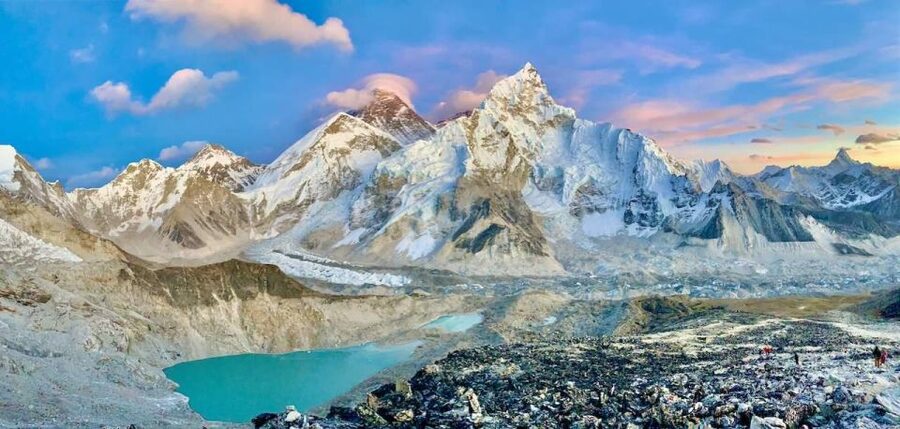
Then comes Kala Patthar, a rocky outcrop at 5,545 m (18,192 feet). The idea is to earn the wide-angle look over Everest, Lhotse, and Nuptse (and other neighboring peaks). The plan also calls out the best timing for views—sunrise or sunset—when light can turn the whole scene sharp and dramatic.
One realistic note: mountain weather can change fast. Even when you do everything right, clouds can steal the view for part of the day. That’s why having both Base Camp and Kala Patthar is smart—your chances of seeing something stunning are much better than relying on one single moment.
You can also read our reviews of more tours and experiences in Pheriche.
Route rhythm from Salleri to Namche to Base Camp
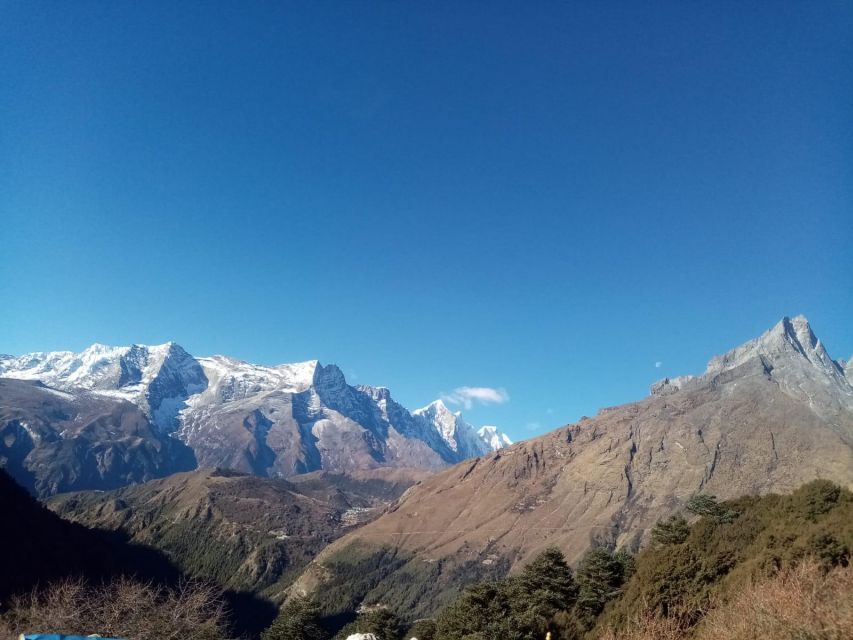
This itinerary is a classic Khumbu progression: start lower, build altitude in steps, then hike high on two big days. You begin with a long ground transfer from Kathmandu to Salleri (around 2,600 m). That first day isn’t “trekking hard,” but it helps you get oriented and starts you off without wasting your hiking legs on travel.
After that, you gradually move upward through key checkpoints:
- Namche Bazaar (3,440 m) is your altitude milestone and your service hub.
- Tengboche (3,860 m) is where monastery culture and big views often meet.
- Dingboche (4,350 m) is where acclimatization time is scheduled.
- Lobuche (4,910 m) is a strong step toward the highest segment.
- Gorak Shep (5,180 m) is a crucial staging stop before Kala Patthar.
The pattern matters because your body needs time to adjust. Even with a good guide, going too fast at elevation is where trekking turns from “hard work” into “danger.”
Day-by-day walkthrough (what each stretch adds)
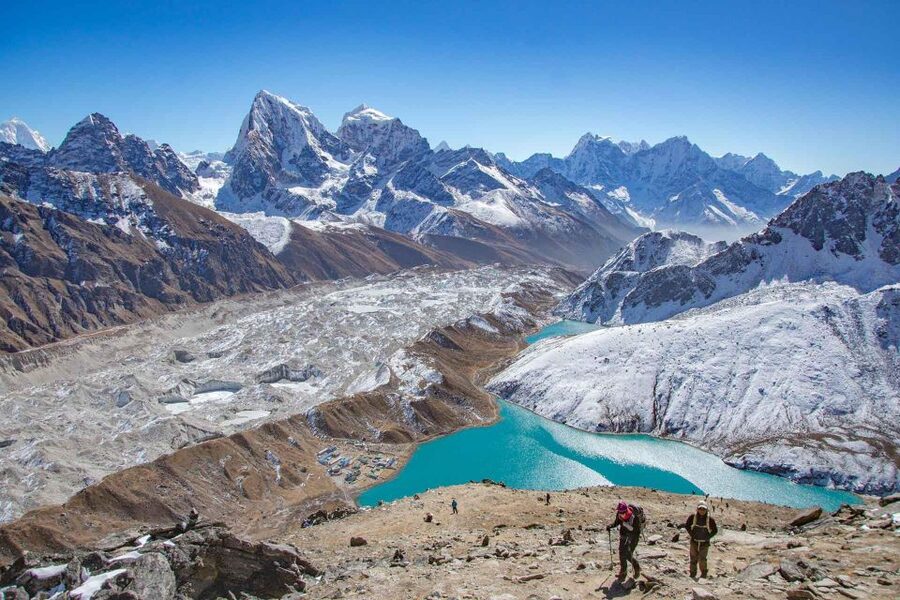
Below is how I’d think about the trip day by day—the purpose of each move and what it tends to feel like.
Day 1: Kathmandu to Salleri by jeep (about 10 hours)
You’re picked up from the Kathmandu area and driven to Salleri, reaching about 2,600 m. This day is about rest and getting your layering system ready, because evenings at elevation can feel cold fast.
Day 2: Salleri to Tham Danda, then trek to Surkhe (7–9 hours)
You switch from jeep to the start of trekking. Expect steady effort over changing ground as the air thins and your body starts learning the rhythm of mountain walking.
Day 3: Surkhe to Phakding (6–7 hours)
This is another “find your pace” day. Phakding is part of the early Khumbu chain where you’ll start seeing more signs of the Sherpa world—villages, tea-house style stops, and that familiar prayer-flag look.
Day 4: Phakding to Namche Bazaar (6–7 hours, up to 3,440 m)
Namche is the altitude jump that makes you notice the elevation. You’ll feel it in breathing on the climb, even when your legs are fine.
Day 5: Trek to Tengboche Monastery (about 5 hours, 3,860 m)
This is one of the cultural anchor points of the trek. The plan includes a monastery visit day, so you get a chance to slow down, notice the Buddhist setting, and take in the mountain views from a place with spiritual roots.
Day 6: Tengboche to Dingboche (5–6 hours, 4,350 m)
Now you’re moving into thinner air. Dingboche is where many trekkers start to understand what “high altitude” means in real life—more rest breaks, slower steps, and more attention to hydration.
Day 7: Acclimatization day in Dingboche
This is a big deal day. The itinerary pauses here so your body can catch up before the push toward Lobuche and the higher Everest segment.
If you’re tempted to rush, don’t. On Everest treks, the people who do best tend to respect the slow days as much as the summit-style days.
Day 8: Dingboche to Lobuche (about 5 hours, 4,910 m)
This is a tougher ascent day. You’re climbing toward 5,000 m, and your breathing and energy will feel different than earlier in the trek.
Day 9: To Everest Base Camp, then back to Gorak Shep
This is a long high day: trek to Everest Base Camp (listed around 5,365 m) for your main arrival, then continue back down to Gorak Shep (about 5,180 m) for the night. It’s not just “arrive and celebrate”—it’s also about handling the return at altitude.
Day 10: Kala Patthar hike (about 7 hours to 5,545 m), then to Pheriche
This is your second headline day. The hike up to Kala Patthar at 5,545 m is strenuous, but the reward is the panoramic view of Everest, Lhotse, Nuptse, and nearby peaks—timed best for sunrise or sunset.
Afterward you drop to Pheriche (about 4,120 m). That descent can feel like a reset for your body if you manage the pace properly on the climb.
Day 11: Pheriche to Panboche (about 5–6 hours, 3,985 m)
This is a recovery-leaning day: still trekking, but lower altitude means you’ll usually feel stronger than during the high point days.
Day 12: Panboche to Namche (about 7 hours, 3,440 m)
More hours on your feet, but at least you’re coming down. Namche again is a chance to soak up the bustle of the Khumbu hub and reset.
Day 13: Namche to Lukla (about 5–6 hours, 2,860 m)
You reach Lukla on the way back. The itinerary lists it as 2,860 m, which is lower air than the high days, so your body should feel more normal again—still tired, but more functional.
Day 14: Lukla to Salleri by shared jeep (about 7–8 hours, around 2,400 m)
A welcome switch: you get a long jeep segment instead of another day of climbing.
Day 15: Salleri to Kathmandu by shared jeep or bus (about 10 hours)
Your final transfer back to Kathmandu. Plan for a travel-day pace and don’t stack big plans for the evening—altitude treks take it out of you longer than you expect.
Guesthouses, bridges, and the practical feel of the trek
This trek uses guesthouse accommodation during the trekking days. That usually means simple rooms, basic comforts, and meals that are available for purchase along the way.
What I like about this setup is that it keeps you from hauling everything. You’re not cooking. You’re also not constantly switching hotels. The trade-off is that the higher you go, the more your day becomes about managing your time and energy.
The itinerary also includes classic Khumbu obstacles and highlights: suspension bridges over deep gorges and the passing through Sherpa communities. Those bridges aren’t just for photos; they’re part of the rhythm of the trail and a reminder that the trail has been engineered for mountain life, not comfort.
Guides and the small support that can save your trip
This trip is with a friendly English-speaking trekking guide (English, Nepali, Hindi listed). You also get a first aid kit (with your guide) and trekking poles included.
Two guide names show up in the experience feedback: Krisna and Mr Milan. What stands out in the guidance style is adaptation. One guide is described as serious and attentive to the group’s needs, and another as always checking in and adjusting the itinerary based on health and comfort. That kind of flexibility is more valuable than people think, because high altitude doesn’t care about your schedule.
Safety also comes from the basics being handled: permits and all official documents are included. That reduces stress on your end, and it helps you focus on the trail itself.
Price and value: what $796 covers (and what you still handle)
At $796 per person for 15 days, the best value angle here isn’t just the headline price. It’s what you’re not paying separately for.
Included items worth real money or effort:
- Hotel pickup and drop-off in Kathmandu
- Round-trip transfer by shared bus or jeep
- English-speaking guide support
- Guide food, accommodation, personal expenses, and insurance covered for the guide
- Permits and official documents
- Guesthouse accommodation during the trek
- Trekking pole included
- First aid kit with your guide
Not included (so budget for these):
- Food and drinks
- Travel insurance
- Emergency rescue (handled by your travel insurance)
The smartest way to judge the deal is to think about what you’d do if you hired components separately. If you’re already paying for a guide, permits, and transfers, bundled support can make the trek feel straightforward.
Also keep expectations realistic: this is a private group trek, but transfers use shared vehicles. That’s normal for mountain logistics and usually doesn’t affect your guiding.
Best season, weather, and packing without guessing
The plan calls out the best trekking seasons as spring (March to May) and autumn (September to November). That’s when weather tends to be more stable and mountain views are more likely.
Still, mountain weather can turn quickly. I treat this trek like a layering challenge first and a fitness challenge second. Bring warm clothing and plan for cold nights as you climb.
Your packing list from the trip includes:
- Warm clothing
- Hiking shoes
- Hiking pants
- Passport (copy accepted)
- Passport-sized photo
- Travel insurance
One more rule detail: pets aren’t allowed, and the trek is not suitable for pregnant women or wheelchair users.
Should you book this 15-day Everest Base Camp trek with Nlook Nepal?
Book it if you want:
- The classic Everest goal of Base Camp at 5,364 m plus the view hike of Kala Patthar at 5,545 m
- A guided, permit-handled plan with guesthouse stays
- A trip where the guide can adjust pacing to health and needs
Think twice if:
- You’re not comfortable with physically demanding days at altitude
- You’re not ready for cold conditions and the uncertainty of mountain weather
- You’d rather have food fully included (because meals and drinks are on purchase here)
If you do book, use the acclimatization time seriously and set expectations with your guide about your pace. The people who get the most out of this trek tend to treat every slow day as part of the success plan.
FAQ
What’s the highest point on this trek?
Kala Patthar is listed at 5,545 m (18,192 feet). Everest Base Camp is listed at 5,364 m (17,598 feet).
Is this trek private or shared?
It’s listed as a private group trek. Your transfers are shared by bus or jeep, but the trekking is private with your guide.
What language is the trekking guide?
The guide is available in English, Nepali, and Hindi.
Are meals included in the trip price?
Food and drinks are not included. You can buy them during the trek.
Do I need travel insurance?
Yes. Travel insurance is not included, and emergency rescue is said to be covered by your travel insurance.
When is the best time to do the Everest Base Camp trek?
The plan lists the best seasons as spring (March to May) and autumn (September to November) for more stable weather and clearer mountain views.