REVIEW · KATHMANDU
Annapurna Circuit Trek 12 days
Book on Viator →Operated by Trek Around Himalayas Pvt. Ltd. · Bookable on Viator
Altitude changes fast on this trek, and the Annapurna Circuit wraps it all together in one 12-day loop. I love how the licensed trekking guide and the core logistics handle the practical stuff, including the TIMS and ACAP permits. That means you spend more energy actually walking, not chasing paperwork.
I also love the sheer variety packed into one route. You move through cleared-agriculture valleys, then up into rhododendron forests with pinkish blooms in spring, and onward to higher alpine zones where the air feels drier and the views get louder. Highlights like Tilicho Lake at 4,919m and the Kaligandaki Gorge canyon scenery make the whole trek feel like a highlight reel with real hiking in between.
One drawback to consider: this trip includes tea-house accommodation, but not most meals or extras. You’ll still need to budget for trekking-day food, plus personal costs like water/soft drinks, Wi-Fi, and hot shower fees at some stops.
In This Review
- Key things that make this Annapurna Circuit trek worth it
- Why the Annapurna Conservation Area feels like a whole planet
- Kathmandu pickup and the permits that keep things smooth
- Tea houses, comfort levels, and what you pay for yourself
- From agricultural valleys to rhododendron forests in spring
- The Kaligandaki Gorge: where two giants face each other
- Tilicho Lake at 4,919m: the signature high point
- Big peaks you’ll spot, plus Machhapuchhre’s special vibe
- Culture on the trail: ethnic groups and the energy around Muktinath
- Price and logistics: does $769.24 make sense?
- Who should book this Annapurna Circuit trek
- Should you book Annapurna Circuit Trek with Trek Around Himalayas?
- FAQ
- How long is the Annapurna Circuit Trek?
- What is the price per person?
- What does the tour include during the trekking days?
- Are meals included?
- Is a porter included?
- What if weather is poor?
Key things that make this Annapurna Circuit trek worth it
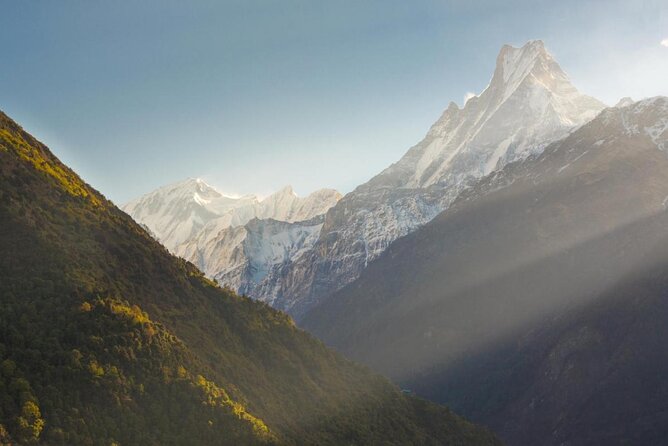
- A big altitude range in a short time as you travel from subtropics to alpine terrain through the Annapurna Conservation Area
- Tilicho Lake at 4,919m as a signature high-altitude moment on the circuit route
- Kaligandaki Gorge views where the canyon separates Annapurna I and Dhaulagiri
- Tea-house trekking with real local life instead of camping or luxury logistics
- Small-group feel with a max of 20 travelers and a guide who can pace you through the day
- Cultural and pilgrimage energy around Muktinath as part of the broader circuit experience
Why the Annapurna Conservation Area feels like a whole planet
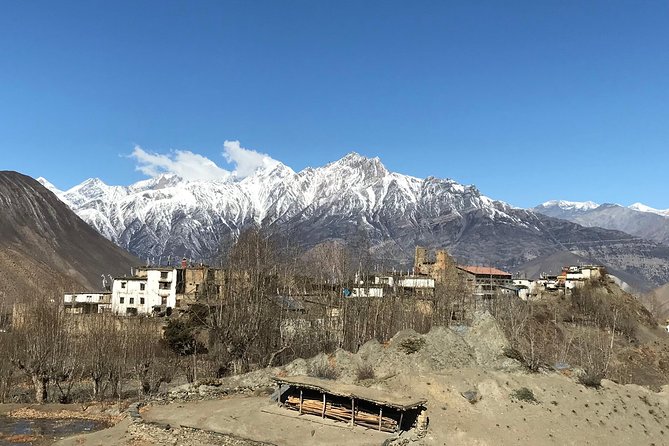
The Annapurna Conservation Area covers 7,629 sq. km, and the trek is basically a moving cross-section of Nepal’s climates. In just days, you can go from valley floor terrain (below 1,000m) with lush subtropics to much harsher, higher alpine country. That shift isn’t just visual. It changes what you hear, what you smell, and how the trail feels underfoot.
Down low, the paths often weave through land cleared for agriculture. You’ll still see patches of broadleaf forest with a cooler, more shaded feel, then gradually transition toward dense rhododendron forests. In spring, that rhododendron zone can be a real show: blooms range from red to pink to white depending on altitude and exposure.
As you climb higher, the forests also change texture. You’ll spend time in conifer country, often blue pine, which can feel oddly quiet except for wind moving through branches. If you like “small sound” moments—bird calls, or the chance of hearing an animal like a barking deer—you’ll get them more up here than you might expect.
And yes, the big peaks are there too: Annapurna I (8,091m), Dhaulagiri (8,167m), and Machhapuchhre (6,993m) all belong to this region. The trick is that the trek doesn’t only show you mountains. It shows you how people and wildlife share a steep staircase of habitats.
You can also read our reviews of more tours and experiences in Kathmandu.



Kathmandu pickup and the permits that keep things smooth
Most trekking stress comes from two places: uncertainty and paperwork. This tour tackles both early with a pickup offered and the basics organized for you. You’ll also receive a mobile ticket, which helps when you’re coordinating across multiple transport steps.
What matters most, though, is that the included planning covers the permits you’re expected to have for the Annapurna Conservation Area trek: ACAP permits and TIMS. Those are not optional details when you’re moving through protected zones and trekking infrastructure. Having them handled means you’re not stuck in Nepal with a last-minute scramble and a very bad feeling in your stomach.
The guide team is also a key part of the “smooth” feeling. Past participants have mentioned guides such as Bimal and Nabin—both presented as professional, experienced, and tuned into the region and local culture. When your guide understands how the area works, it’s easier for you to get your bearings fast each day and not burn energy worrying about what’s next.
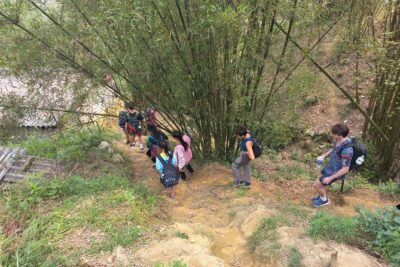
Your group is capped at 20 travelers, so you’re not lost in a giant crowd. Still, you should expect a proper group pace, not a solo experience.
Tea houses, comfort levels, and what you pay for yourself
Let’s talk about the realistic comfort you’re getting. This trek includes accommodation during the trekking at tea houses, which means you’ll sleep in basic mountain lodges along the route. Tea houses are a trade-off: you get warmth, shelter, and a place to eat, but it’s not hotel life.
Meals are where the budget picture matters. All meals are not included—both in the city and during trekking. You’ll be purchasing lunch and dinner along the trail, plus snacks. That’s normal for tea-house treks, but it does change how you should plan your spending.
Also, expect some extra costs to pop up day-to-day. The trip notes personal expenses like water and bar bills, hot shower access where available, Wi-Fi, and snacks. If you’re the type who wants to check email daily, or you rely on buying drinks regularly, those costs can add up.
Here’s the good news: your included costs cover the big ticket items you can’t easily replace on your own—tea-house lodging, the licensed guide and his expenses, required trekking paperwork, government and local taxes, and ground transportation as per the route. So you’re not just paying for walking scenery. You’re paying for someone to put the system together.
One more practical point: you can travel without a porter, but porters are available for extra cost. If you’re carrying camera gear, extra layers, and a day pack, a porter can make the second half of a long day feel less punishing. If you skip a porter, keep your load simple and your packing intentional.
From agricultural valleys to rhododendron forests in spring
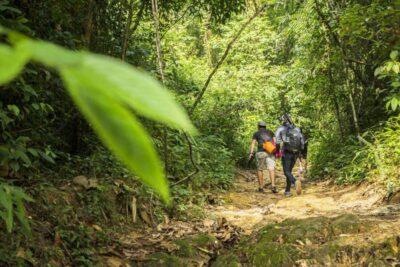
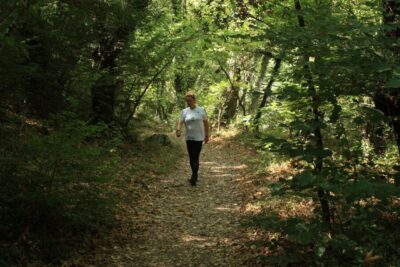
A huge part of the Annapurna Circuit’s magic is how the vegetation changes as the trail climbs. In the lower valleys, trails often pass through land cleared for farming, with glimpses of people working and living at lower elevations. Then you start finding more forested stretches—first broadleaf shade, where the air can feel cooler and quieter.
As you move upward, rhododendron forests become a major character of the trek. The trees can look twisted and heavy-limbed, with pinkish branches and flowers that can feel almost surreal when you’re already surrounded by mountain walls. The rhododendron season is especially memorable in spring, when you can see blooms from red to pink to white depending on altitude.
Beyond the flowers, the forest can be a “details” experience. The description of the area includes epiphytic ferns and orchids—plants that grow on other structures rather than in soil. You won’t be looking at them all day, but it’s the kind of background beauty that makes the forest feel alive.
And the sounds shift too. As the trail takes you away from the louder roar of rivers, you can hear more bird life. Occasionally that might include a yelp of a barking deer. Even if you never spot a rare mammal, you’ll still notice the change from human-and-water noise to wildlife-and-wind.
If you’re a first-time trekker, this is one of the best parts to enjoy without rushing. A steady walk through changing habitats helps your body warm up and your mind settle into trek mode.
The Kaligandaki Gorge: where two giants face each other
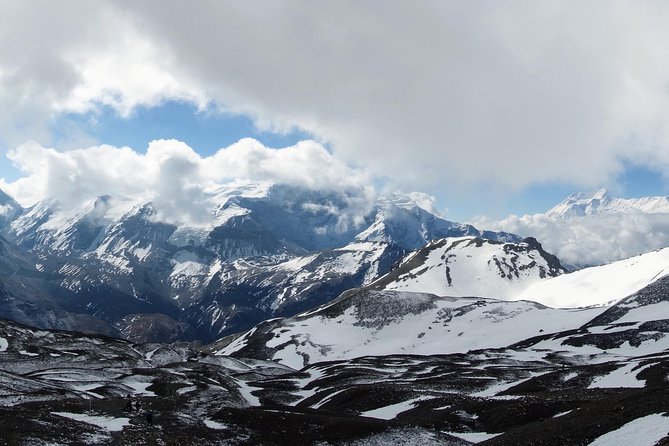
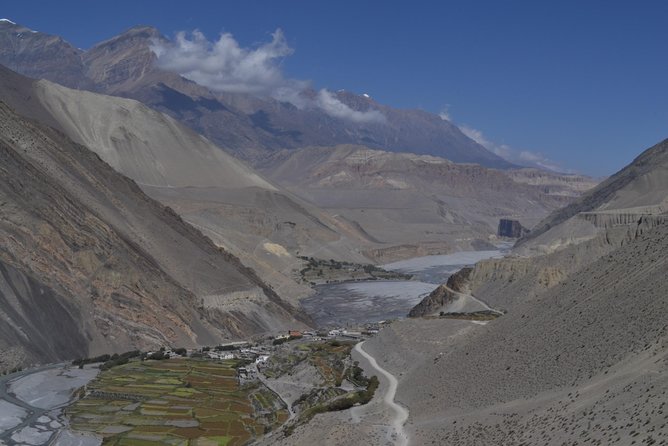
The Kaligandaki Gorge is one of the route’s wow-factor features, and it has a reason for that reputation. It’s described as the world’s deepest canyon, separating Mount Annapurna I to the east and Dhaulagiri to the west. When you’re walking in that kind of terrain, you feel the scale even if you’re not constantly looking at a measuring stick.
This gorge setting also helps explain why the circuit is so photogenic without feeling staged. You’re not just seeing one mountain. You’re seeing a dramatic split in the terrain that shapes the whole valley system around it.
Also, the gorge is a wildlife and bird country in a broad sense, because the conservation area is home to lots of species: 101 mammals and 474 bird species are listed for the Annapurna Conservation Area. That’s a wide net, but the trek is the right kind of place to benefit from it. You’ll be walking through habitats rather than just passing through viewpoints.
One fun mindset shift for this segment: don’t only look for a distant peak. Watch for motion and small cues. Birds may be visible, but they also show up as calls and sudden flits. And in conifer country, wind through the trees becomes the loudest soundtrack—until it isn’t.




Tilicho Lake at 4,919m: the signature high point
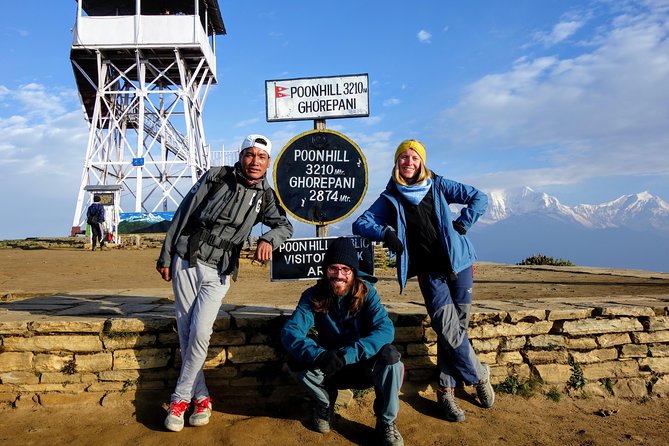
Tilicho Lake is the circuit’s big altitude headline in this tour. You’ll reach views of Tilicho Lake at 4,919m, and that number matters because it tells you what kind of day this can be. High elevations aren’t just about “being tired.” They can change how you breathe, how you think, and how you judge effort.
You’ll likely feel the altitude most on the high segment itself, especially if you’re not used to mountain trekking. This is why the tour says you should have moderate physical fitness. Moderate doesn’t mean easy. It means you can hike steadily, handle a long day, and recover between walking days.
The payoff is that Tilicho Lake is the kind of place that feels rare even if you’re used to mountains. High lakes also give you a different sense of weather and light. When cloud cover changes, views can go from crisp to ghostly quickly—so pack your patience, not just your layers.
If you’re planning this trek for the views, Tilicho should be on your personal must-see list. If you’re planning it for the experience of mountain transitions, Tilicho shows you the end result of all those earlier climbs through forests and valleys.
Big peaks you’ll spot, plus Machhapuchhre’s special vibe
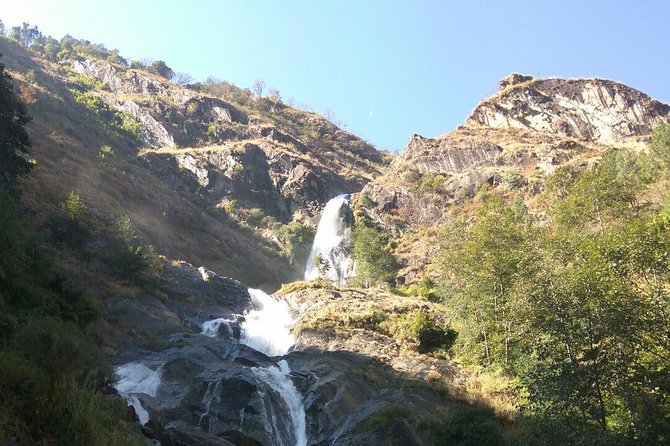
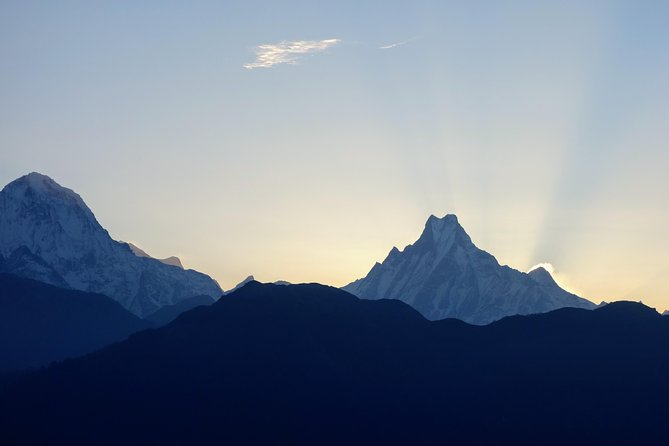
You don’t need to be a climber to appreciate these mountains. The Annapurna region includes major giants like Annapurna I (8,091m) and Dhaulagiri (8,167m), with Machhapuchhre (6,993m) also part of the overall panorama.
Machhapuchhre tends to have a “tucked-in” feel in views because of its distinctive shape. Even when you’re not staring at it for minutes, it often shows up as a recognizable landmark in the broader mountain wall.
This is also where the conservation-area story becomes real. The region isn’t only peaks and photos. It’s a protected ecosystem where life adapts across steep elevation changes. The tour materials point out symbolic wildlife like snow leopard, musk deer, Tibetan argali, Tibetan wolf, and Tibetan fox. Even if you don’t spot them, the fact that they’re part of the protected zone changes how you interpret your surroundings.
You’re hiking inside a landscape with rules and protection. That matters for visitors because it changes the ethics of the experience: you’re asked to move respectfully through habitat, not treat it like a theme park.
Culture on the trail: ethnic groups and the energy around Muktinath
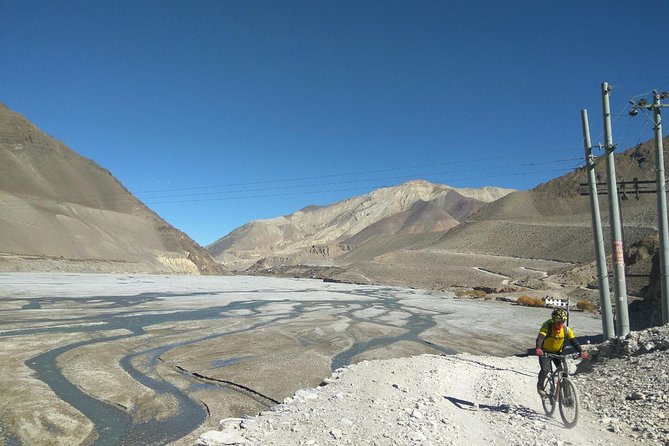
One of the more meaningful parts of the Annapurna Circuit is that it doesn’t treat the mountain region as empty. The area includes over 10 ethnic groups, and the circuit can carry a pilgrimage vibe in places.
Muktinath is one of those cultural anchors that can show up on this broader circuit experience. A pilgrimage-focused approach is exactly what appeals to some trekkers: it’s not only about reaching elevations. It’s also about participating in a living tradition.
In practical terms, cultural stops can also be checkpoints for you. They can help you reset your pace, take in local architecture and daily routines, and remember that this route has been used by local travelers long before trekking tourism grew into what it is today.
Try to slow down at these moments. Look, listen, and ask questions through your guide. Your guide is your shortcut to meaning, not just direction. Guides like Bimal and Nabin have been described as professional and friendly, with strong local knowledge and culture awareness—exactly the kind of support that makes cultural moments stick.
Price and logistics: does $769.24 make sense?
At $769.24 per person for a 12-day Annapurna Circuit trek, you’re not paying for luxury comfort. You’re paying for organization and protected-zone compliance.
Here’s what’s included that reduces your risk:
- Tea-house accommodation during the trekking portion
- A government-licensed trekking guide, plus all his expenses
- Required ACAP permits and TIMS
- Government and local taxes
- All ground transportation as per the itinerary
- Pickup offered and a mobile ticket for smoother coordination
And here’s what you’re clearly responsible for:
- All meals in the city and during trekking
- Personal expenses like water and bar bills, Wi-Fi, hot shower, and snacks
- Porter (available extra cost)
- Tips for guide, porters, and other staff
So the value question becomes: are you comfortable managing your own daily food and incidentals? If yes, this price looks like a fair trade because the expensive friction points—permits, licensed guidance, and ground transport—are handled.
If you want to minimize decision fatigue, a guided setup like this helps. You don’t have to figure out permits, and you don’t have to negotiate each transport change day-by-day. That convenience is real value at this price point.
Weather is the other practical reality. The tour notes good-weather dependence. If weather forces a cancellation, you’ll be offered another date or a full refund. For a trek where clouds can change visibility and safety, this matters.
Who should book this Annapurna Circuit trek
This is a great fit if you want:
- A first-time-friendly trekking experience in Nepal with a clear structure
- A route that mixes big mountains with habitat changes: forests, river areas, and high-altitude moments
- Licensed guiding and the paperwork handled for you, including TIMS and ACAP
- A manageable group size (max 20 travelers) and guide support that helps you feel confident on the trail
It may not be ideal if you hate basic lodging, because tea houses are simple by design. It also may not fit if you want meals fully covered, since meals are not included. And if you’re not comfortable with altitude realities—even at a moderate fitness level—Tilicho Lake’s elevation alone should make you take planning seriously.
If you’re unsure, think about your own “energy style.” If you like staying focused on the walk while someone else handles the admin, you’ll likely enjoy the experience more. If you prefer total independence, you might feel held back.
Should you book Annapurna Circuit Trek with Trek Around Himalayas?
My take: book it if you want a well-organized Annapurna Circuit that prioritizes the stuff that actually derails treks—permits, guidance, and ground transport—while still giving you the full mountain experience of shifting habitats and major features like Tilicho Lake and Kaligandaki Gorge.
I’d book this version especially if you’re planning your first Annapurna trek and you want the professional, friendly guide energy that’s been highlighted by participants (including guides such as Bimal and Nabin). Just go in with your eyes open about the tea-house level, budget for meals and small extras, and keep your packing lean.
If you do that, you’re set up for one of Nepal’s most dramatic trek stories: not one view, but a whole chain of climates, peaks, forests, and high-altitude lake drama.
FAQ
How long is the Annapurna Circuit Trek?
The duration is about 12 days.
What is the price per person?
The price is $769.24 per person.
What does the tour include during the trekking days?
Accommodation during the trekking at tea house is included, along with a government-licensed trekking guide (with guide expenses), permits paperwork (ACAP and TIMS), government and local taxes, and all ground transportation as per the itinerary.
Are meals included?
No. Meals in the city and on the trek are not included.
Is a porter included?
A porter is not included. A porter is available for an extra cost.
What if weather is poor?
This experience requires good weather. If it is canceled due to poor weather, you’ll be offered a different date or a full refund.