REVIEW · LANZAROTE
Costa Teguise : Underwater Sea Trek Experience
Book on GetYourGuide →Operated by Native Diving Lanzarote · Bookable on GetYourGuide
Costa Teguise is a great base for Lanzarote, and this is one of the most unusual ways to use it. You strap on a helmet, connect to an air supply on the surface, and then walk underwater while the sea life comes to you. It really does feel like zero gravity, like you’re stepping around on the bottom of the ocean.
I especially like how calm and organized the whole setup feels. Guides like Jose Luis (and other instructors such as Victor and Danny, depending on your day) keep the group at ease with clear instructions, frequent check-ins, and a lot of hands-on help with comfort and confidence. I also like that this is built for beginners, including people who are not swimmers, so you’re not stuck doing anything technical.
The one drawback to think about: you cannot bring a camera, and the experience does tend to involve a lot of photo and video capture by the team. If you prefer long, quiet time to just watch the fish without being prompted to pose, plan on letting some of the photo rhythm roll over you.
In This Review
- Key Things I’d Tell a Friend Before You Go
- Walking Underwater in Costa Teguise: What This Experience Really Feels Like
- The Gear and Air System: Why You Don’t Feel Like You’re Underwater
- The 30-Minute Experience Flow: From Briefing to Final Steps
- Marine Life Encounters: How Close You Get to Fish and More
- Safety, Comfort, and Who Should Skip It
- Price and Value: Is $88 Worth It?
- Photos, Videos, and the Camera Rules
- Small Group Size: Why Max 8 Matters
- Language Support: Easy Instructions Reduce Anxiety
- Practical Tips: How to Make the Most of Your Sea Trek
- Should You Book the Underwater Sea Trek in Costa Teguise?
- FAQ
- How long is the Underwater Sea Trek experience in Costa Teguise?
- What time should I arrive at the meeting point?
- How many people are in each group?
- What languages do the instructors speak?
- Is a camera allowed during the trek?
- What age is the minimum for participation?
- Who should not do this experience?
- Are pictures and videos included in the price?
- What cancellation options are available?
Key Things I’d Tell a Friend Before You Go
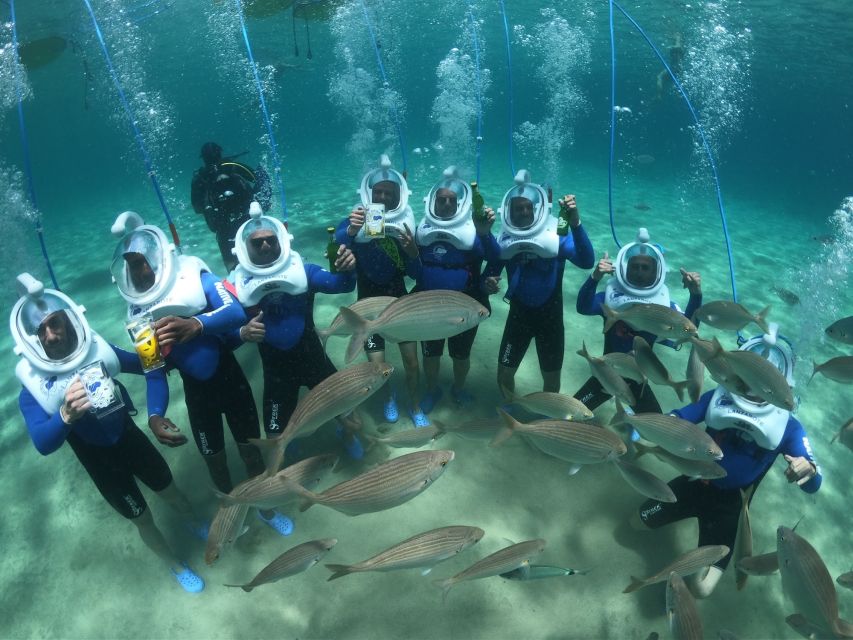
- Zero-gravity feeling from the helmet and air-supply system makes the walk feel weightless
- Small groups (max 8) mean you’re not lost in the shuffle
- Clear safety briefings and frequent guide check-ins help first-timers relax fast
- Marine life is close up, and the guides often help create easy sightings
- Photos/videos are optional extra, since cameras are not allowed
Walking Underwater in Costa Teguise: What This Experience Really Feels Like
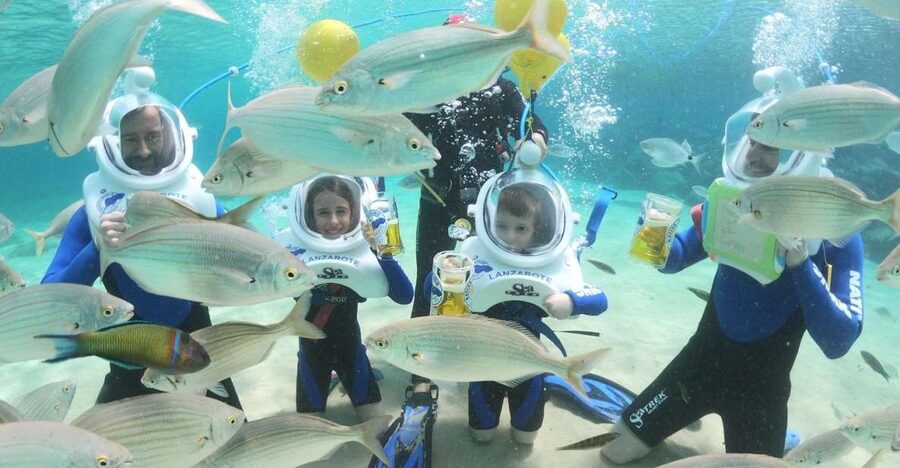
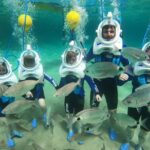
There’s a specific kind of wonder you get when you’re standing on something you know is solid sand—except the water is all around you and your brain expects gravity to act differently. That’s the magic here. You feel like you’re walking on the moon, not because the sea is magical, but because the gear changes how weight and movement feel.
The basic concept is simple: the helmet gives you a wide field of view, and the air bottle stays on a small boat at the surface. A hose runs up to the helmet, so you breathe normally while you’re on the seabed. When you put the whole system together, you get that eerie, floaty stillness. Several people love that it’s not scary, even when they’ve never done anything like this before.
If you’re doing this in Costa Teguise, you’re also choosing an area with easy access to water activities. This helps a lot if you want a high-impact experience without needing a long commute or complicated planning.
You can also read our reviews of more tours and experiences in Lanzarote.
The Gear and Air System: Why You Don’t Feel Like You’re Underwater
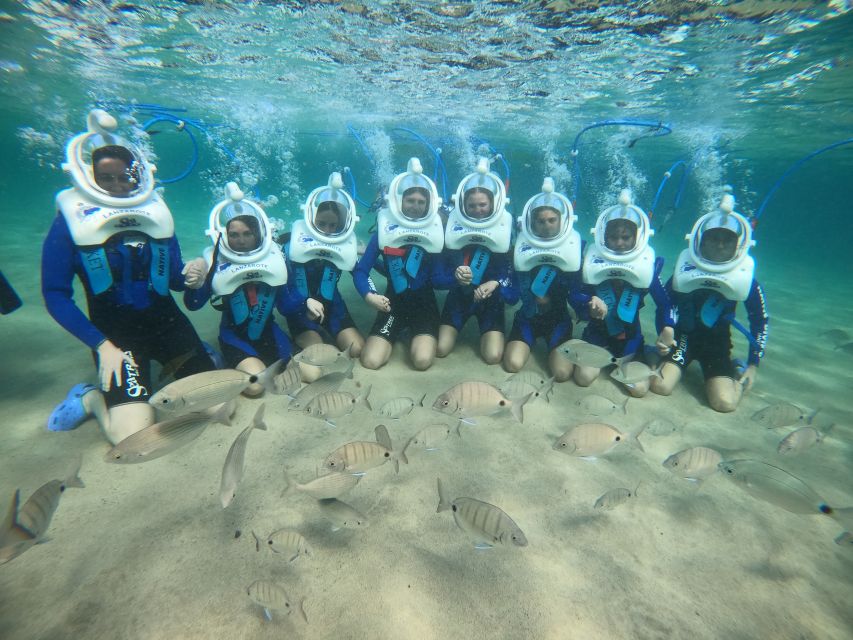
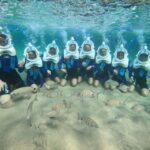
This isn’t a typical snorkeling or standard scuba-style experience. The heart of it is the helmet with panoramic vision. Instead of goggles, you get a full helmet designed to keep you stable and supported.
Here’s what matters for how it feels:
- You have an air supply from a surface boat connected by a hose to your helmet.
- The water supports the weight of the helmet, so it doesn’t drag you down.
- Your body stays relatively relaxed because you’re not managing bubbles or finning.
That’s why many first-timers report it feels manageable. One review even mentioned that the helmets are not as tricky as they look, and that the water support makes them just heavy enough to keep you on the bottom.
Also important: since cameras are not allowed, the operator team focuses on capturing the underwater moment for you. That shifts the whole vibe. You can look around instead of fighting to hold a device while also keeping your balance.
The 30-Minute Experience Flow: From Briefing to Final Steps
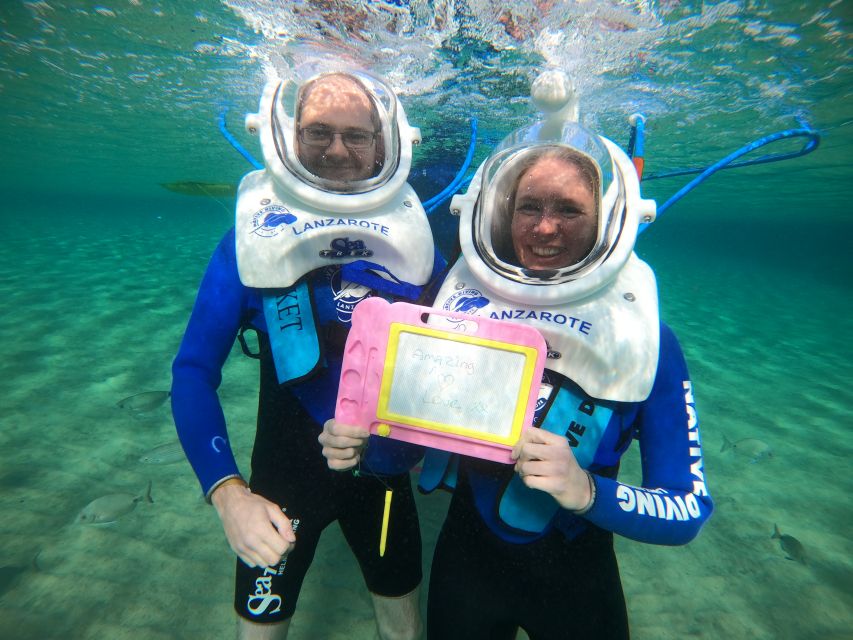
The trek itself is short on paper—30 minutes—but the whole experience is paced to help you settle in. The meeting point rule is clear: arrive 15 minutes early. That gives you breathing room for the wetsuit and equipment fit, and it helps you start calmer.
A typical flow looks like this:
- Arrival and quick setup
You check in with the team, then get fitted with the gear. You’ll also get a safety briefing in your language (English, Spanish, French, Italian, Portuguese, or German, depending on what’s available).
- Helmet instructions and a feel-for-it moment
Before you commit to walking, you get told how to move and what to do if you need help. Guides are very attentive here, which matters if you’re someone who gets anxious with new experiences.
- Entry and the first steps on the seabed
Once you’re in, you’ll quickly notice how the system controls your movement. You’re walking among fish and other sea creatures, but you’re not struggling the way you might expect if you assume you’ll be heavy in the water.
- Time focused on sightings
The pace is designed to get you close to marine life. In some conditions, visibility can be reduced (for example, after storms), but people still report seeing lots of fish and getting a strong “wow” factor.
- Exit and gear return
Then you’re done. At that point, the photo and video offering is where you decide if you want souvenirs.
One small caution from an experience-design point of view: a few people felt the time was a bit photo-heavy. That doesn’t mean the trek isn’t fun. It just means you may spend part of the session getting captured rather than totally controlling the pace of your gaze.
Marine Life Encounters: How Close You Get to Fish and More
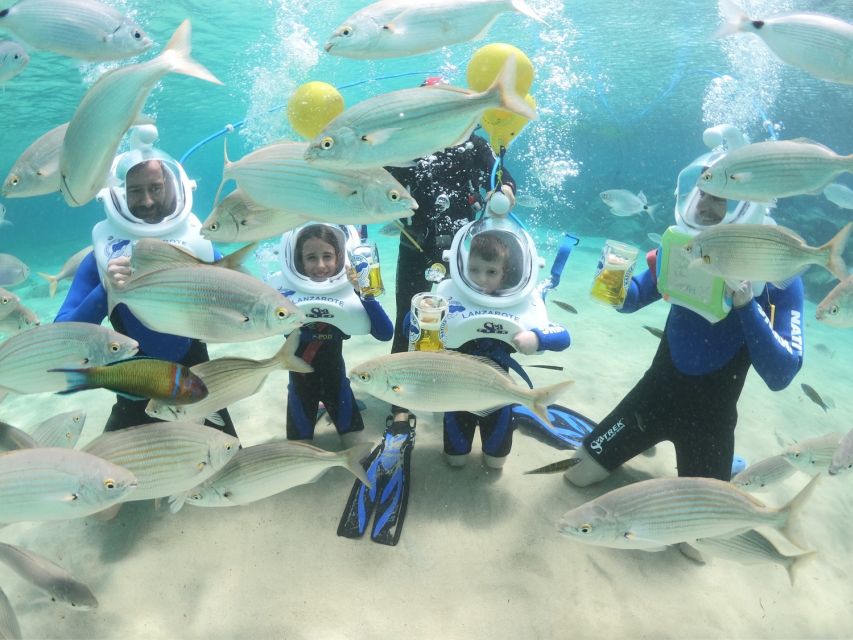
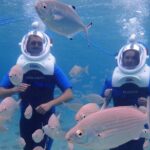
This is the main reason to book. You’re not floating far above the sea floor hoping fish show up. You’re literally on the bottom, walking past the creatures in their space.
What you can expect to see:
- Schools of fish around you as you step and turn
- Other sea life depending on conditions and where you’re trekking
- In some cases, an opportunity to hold sea creatures (one review specifically mentioned touching underwater life and even sea urchins)
A key detail: guides can help create easier sightings. One review noted that divers kept fish well fed, which helps explain why fish often gather rather than scatter.
And even if water visibility isn’t perfect, the experience can still deliver. One person mentioned they were there a week after storms with limited visibility, yet still saw plenty of fish and had a great time. In other words, you don’t have to chase the perfect day, though calmer water usually helps.
Safety, Comfort, and Who Should Skip It
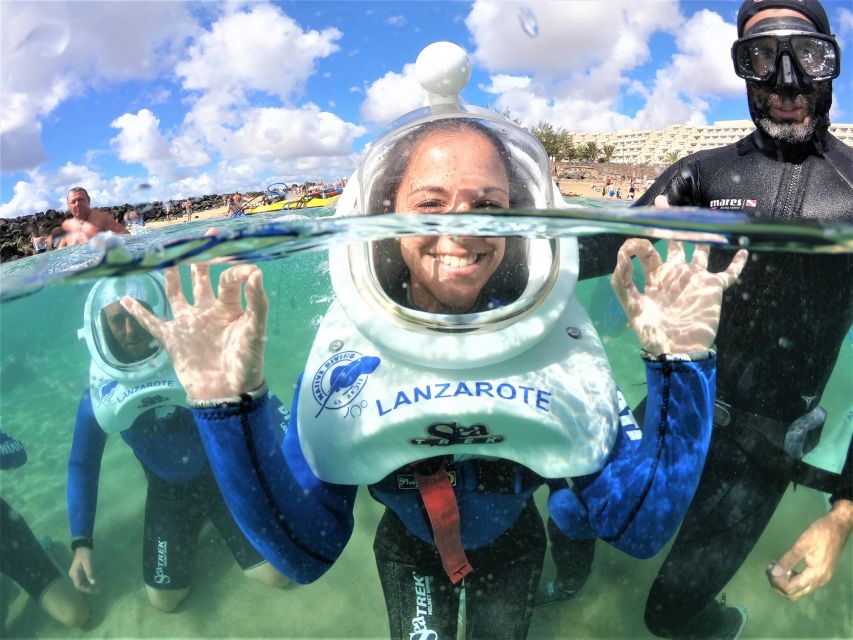
The guides make a big difference here. In the reviews, the consistent themes are attention and reassurance. That matters because this is a “weightless-ish” setup with a helmet and air hose, and the brain needs a few minutes to trust it.
Still, the activity has clear boundaries. It is not recommended if you have:
- limited mobility
- recent surgeries
- pregnancy
The minimum age is 8, and children under 8 are not permitted.
If you’re a non-swimmer, don’t assume it’s automatically a no. One review described a 67-year-old non-swimmer doing it with confidence and recommending it. The key is that the helmet and air system do the hard work. You just follow instructions and keep close to the guide.
If you have any medical concerns, I’d treat the safety notes as non-negotiable. With an activity like this, comfort with breathing and movement is essential.
Price and Value: Is $88 Worth It?
At $88 per person for a 30-minute sea trek, the value comes from two things: the unique format and how much the operator handles.
You’re not paying for scenery from a viewpoint. You’re paying for:
- the specialized helmet and air-connection system
- guide support throughout
- a small group experience (max 8 participants)
The price does not include photos and videos. Pictures/videos are listed as not included, and that matches how the experience works: cameras are not allowed, so the team captures content for purchase afterward.
In reviews, the photo package is often mentioned as around €25, and multiple people say it’s worth it because the underwater results look far better than anything you could realistically grab while walking. If you hate buying add-ons, you can skip it. But if you want proof that you truly walked on the seabed, it can be a smart souvenir.
Bottom line: I think it’s worth it if you want a high-connection, hands-on marine experience that doesn’t require prior underwater skills.
Photos, Videos, and the Camera Rules
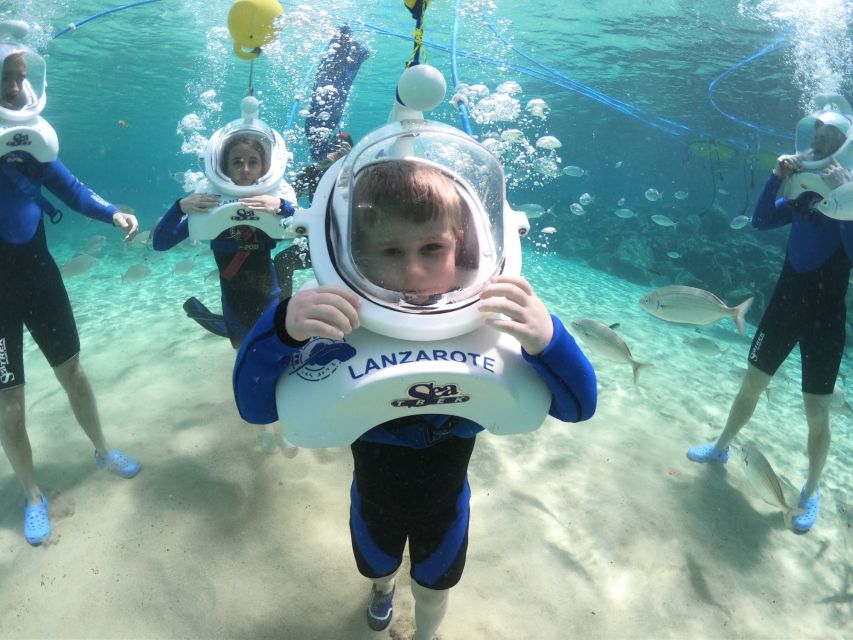
You can’t bring a camera, so you also shouldn’t plan on documenting the trek yourself. That shifts expectations: you’re there to experience it, and the team helps create keepsakes.
Here’s what to know:
- The operator captures photos and videos during the trek.
- You can buy a package afterward (reviews commonly cite €25).
- People who purchased it often said it was a great deal for the number of shots and the cool underwater angles.
One mixed note: if you want long stretches of uninterrupted sightseeing time, the photo focus might feel like it compresses the moment. Still, in practice, most people describe it as fun rather than stressful—especially because guides joke, pose you safely, and keep things moving.
If you truly don’t want photos, that’s your call. Just remember you’ll be experiencing the day mostly through your senses, not through a screen.
Small Group Size: Why Max 8 Matters
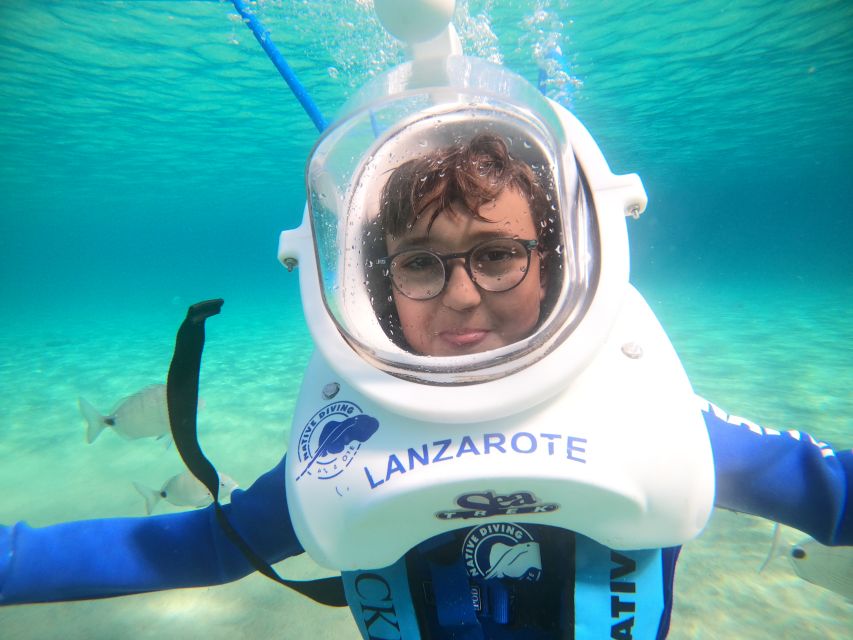
A max group size of 8 participants is a practical detail that shows up in how the trek feels. It’s easier for guides to manage spacing when you’re on the bottom, and it’s easier for them to check on each person.
In the reviews, that’s exactly what people praised: being watched constantly, helped quickly, and treated like you’re not just another slot on a schedule. One person even described getting a private trek when other participants didn’t show up, which is a reminder that group size can sometimes turn your session into something even more personal.
Language Support: Easy Instructions Reduce Anxiety
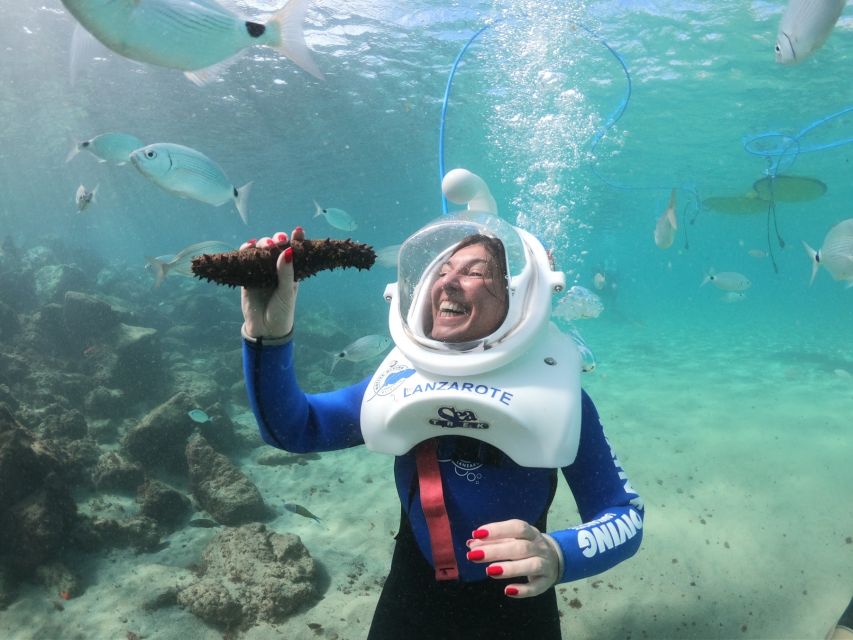
The experience lists guides available in English, Spanish, French, Italian, Portuguese, and German. That matters more than you’d think. When you understand the instructions clearly, you move more naturally and worry less.
A couple of reviews mention guides explaining the process in detail and keeping people calm, including someone whose daughter had anxiety with new things. If you’re the kind of person who needs a good briefing before you commit, this is a strong point in the operator’s favor.
Practical Tips: How to Make the Most of Your Sea Trek
You can’t use a camera, but you can still set yourself up for an easy, comfortable trek.
- Arrive early and follow the fit instructions closely. The more comfortably the helmet sits, the better your view.
- Wear clothing that plays well with wetsuits. You’ll likely want minimal fuss so you don’t feel awkward while getting geared up.
- Keep your focus on guide cues. If you’re told how to move, do it. Small movement adjustments help you see more without bumping into others.
- Plan for a souvenir decision after. If you’re on the fence about the photo package, decide after you’ve seen what they captured.
Also, keep an eye on conditions. Visibility can change after storms. That doesn’t automatically ruin the day, but it helps you expect a different level of clarity.
Should You Book the Underwater Sea Trek in Costa Teguise?
If you want a unique marine experience that feels more like moonwalking than swimming, this is a strong choice. It’s also one of the easier ways to be on the sea floor without needing advanced underwater skills.
I’d especially recommend it if:
- you want a beginner-friendly underwater experience
- you like guided, structured activities
- you’re okay with having the team take photos instead of bringing your own camera
I’d think twice if:
- you have mobility limits, recent surgeries, or you’re pregnant
- you’re under age 8
- you strongly dislike photo-heavy moments during an activity
If you fit the recommended profile, booking is an easy yes. This is the kind of memory you can’t fake with a beach day: you’re walking where most people only look down from above.
FAQ
How long is the Underwater Sea Trek experience in Costa Teguise?
The experience duration is 30 minutes.
What time should I arrive at the meeting point?
Please arrive at the meeting point 15 minutes before the starting time.
How many people are in each group?
It’s a small group limited to 8 participants.
What languages do the instructors speak?
Instructors are available in English, Spanish, French, Italian, Portuguese, and German.
Is a camera allowed during the trek?
No. Cameras are not allowed.
What age is the minimum for participation?
The minimum age is 8. Children under 8 are not permitted.
Who should not do this experience?
It’s not recommended for people with limited mobility, pregnant women, and people with recent surgeries.
Are pictures and videos included in the price?
No. Pictures and videos are not included.
What cancellation options are available?
You can cancel up to 24 hours in advance for a full refund.