REVIEW · MEXICO CITY
Mexico City: Guided Volcano Trek with Lunch
Book on GetYourGuide →Operated by Travesías México · Bookable on GetYourGuide
Volcano views from Mexico City are a short ride away. This guided hike in Iztaccíhuatl–Popocatépetl National Park pairs big-sky scenery with a calm, structured route and lunch at a traditional market. The one thing to plan for is the altitude, which can make even a not-too-technical walk feel like work.
I like that the day is built around key viewpoints: you start at Paso de Cortés, climb toward Cerro Altzomoni for classic views of Popocatépetl, then head down to Amalacaxco Ravine for native plants and wildlife. I also like the human side of the experience, because multiple guides (Alan, Juan, Bernardo, Carlos, Cesar, and Albert among them) emphasize pacing, comfort, and safety. The drawback: the trek isn’t a gentle stroll if your body isn’t used to hiking at elevation, and the tour is not suited for people with certain medical or mobility limits.
In This Review
- Why this volcano day-trip feels worth it
- From Michoacán Market to Paso de Cortés: the start that changes your mood
- Paso de Cortés: the lower slopes that set the tone
- Cerro Altzomoni and Popocatépetl fumaroles: the main event
- Amalacaxco Ravine: plants and wildlife beyond volcano bragging
- The long return and market lunch: a real meal after real effort
- Price and what you actually get for $105
- Fitness reality check: altitude is the real difficulty
- What to pack (and what to wear) for Popocatépetl’s weather
- Guide style and group pacing: why it feels safe
- Should you book this volcano trek from Mexico City?
- FAQ
- How long is the Mexico City guided volcano trek with lunch?
- Where do I meet the group?
- What’s included in the price?
- What language is the tour guide?
- What should I bring for the hike?
- Is alcohol included with lunch?
Why this volcano day-trip feels worth it
- Small group size (up to 13) keeps the pace friendly and the guide close
- Cerro Altzomoni is the focal climb for big Popocatépetl fumarole views
- Amalacaxco Ravine adds variety beyond just volcano photos
- Lunch at a traditional market turns the long day into a real meal, not a snack
- Safety equipment and accident insurance are included, which matters on mountains
- Rucksack rental helps if you don’t want to carry gear in a backpack all day
From Michoacán Market to Paso de Cortés: the start that changes your mood
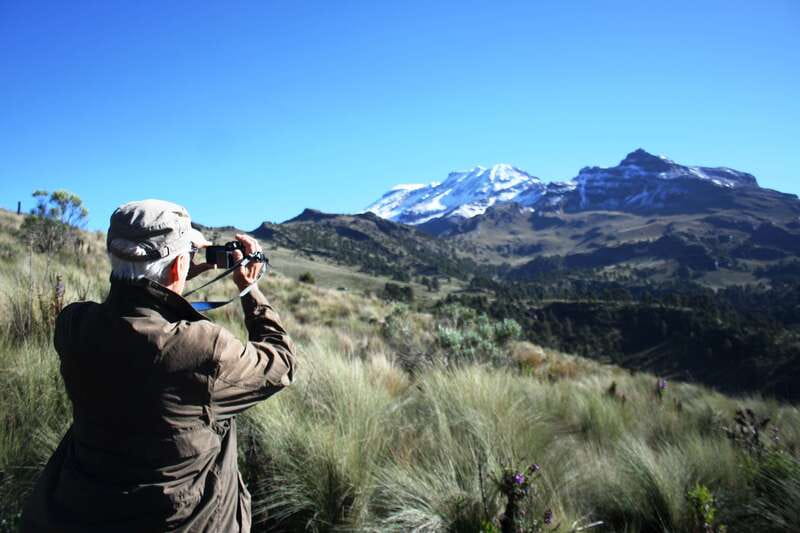
Most Mexico City days are fast. This one is different from the moment you meet the group at México Travesías, in front of the Michoacán Market. You’ll head out of the city and into the higher, cooler air toward Iztaccíhuatl–Popocatépetl National Park in Puebla State. That ride matters. It’s your transition from traffic and concrete to thin air and sky.
You’ll meet your guide, then get moving with a plan that’s meant for group hiking rather than “show up and figure it out.” The tour includes qualified guides, transportation, entrance fees, safety equipment, and rucksack rental, so you’re not juggling logistics while you’re thinking about your breathing.
One practical detail: you should arrive ready to hike. Even if the terrain isn’t described as technical, the elevation is real. In the mountains around this park, people often report feeling it right away. If you’re used to city walking, you’ll likely still do fine, but you should expect a slower pace than normal.
You can also read our reviews of more tours and experiences in Mexico City.
Paso de Cortés: the lower slopes that set the tone
The day begins with exploration around Paso de Cortés, the starting area in the park. You’ll walk through the lower portions of the volcano region while getting your bearings and letting your body adjust. This phase is where I think most people either relax into the day… or rush and fight the altitude.
The route here helps you understand what you’re looking at. You get epic views of the two volcanoes and you’ll learn how the region works—both historically and in terms of ongoing volcanic activity. That context changes the photos. Instead of seeing only a dramatic peak, you start noticing the features that hint at how the mountains have shaped life here.
Also, this is where your guide’s pacing becomes important. In many experiences with this operator, guides like Alan and Juan are described as attentive and patient. That kind of coaching helps you keep a steady rhythm, take short breaks before you feel wiped out, and keep the group together.
If the weather is cloudy, this portion is still valuable. You may not see everything sharply, but you’ll still get mountain views, cooler air, and a real change from the city.
Cerro Altzomoni and Popocatépetl fumaroles: the main event
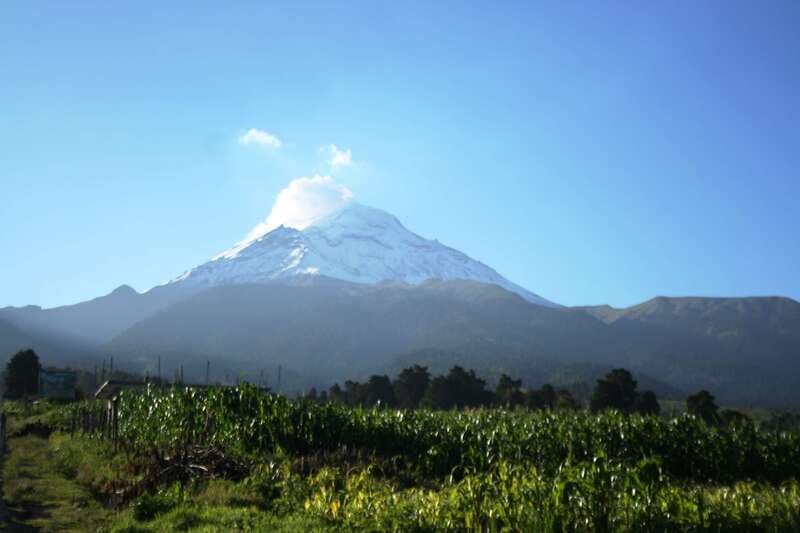
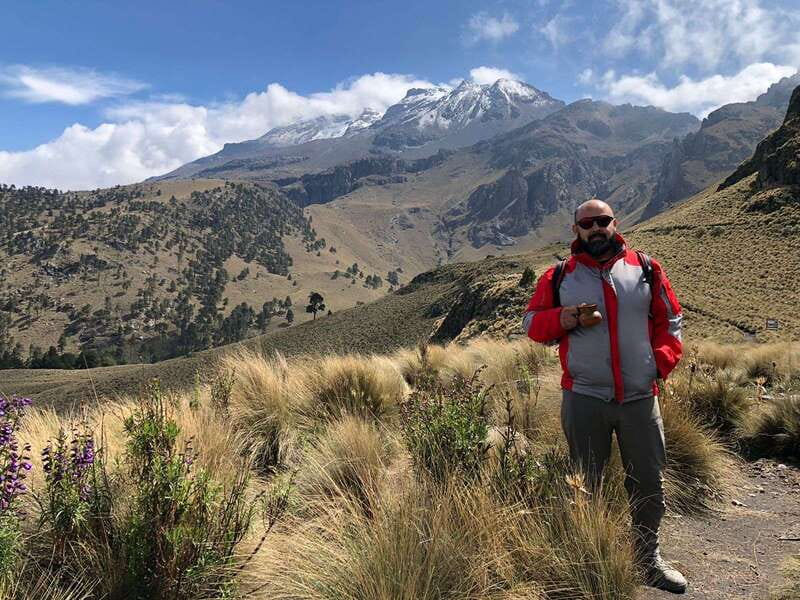
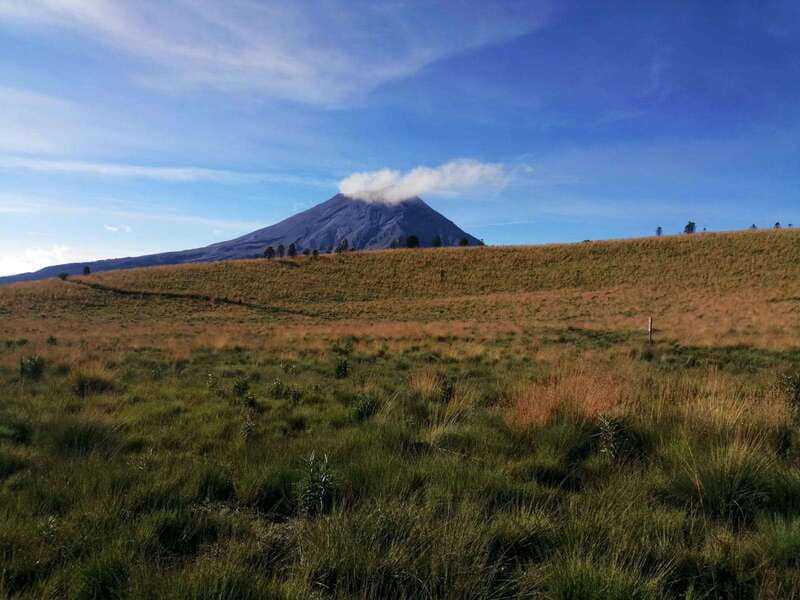
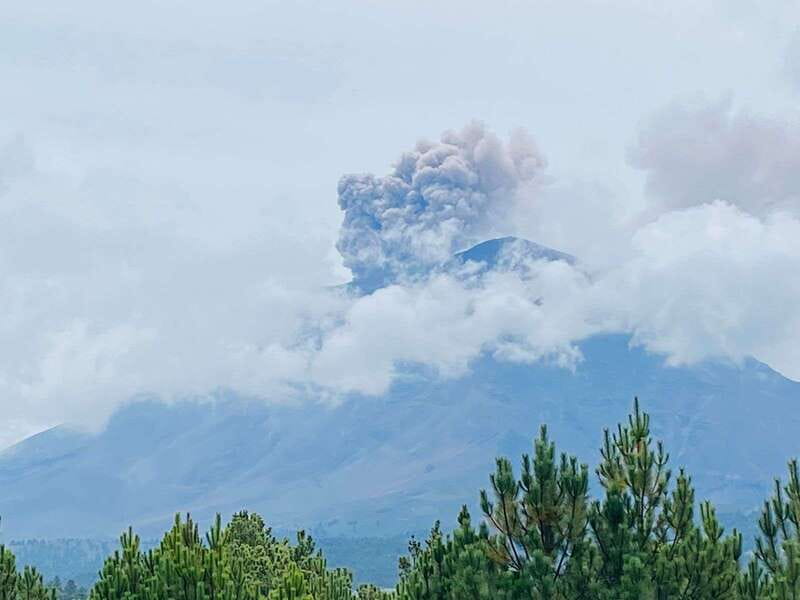
If you’re coming for one moment, it’s the climb toward Cerro Altzomoni. This is where you’ll marvel at Popocatépetl up close, including fumarole activity. In plain terms: you’re visiting a viewpoint that’s close enough for you to feel like you’re watching a living system, not just sightseeing.
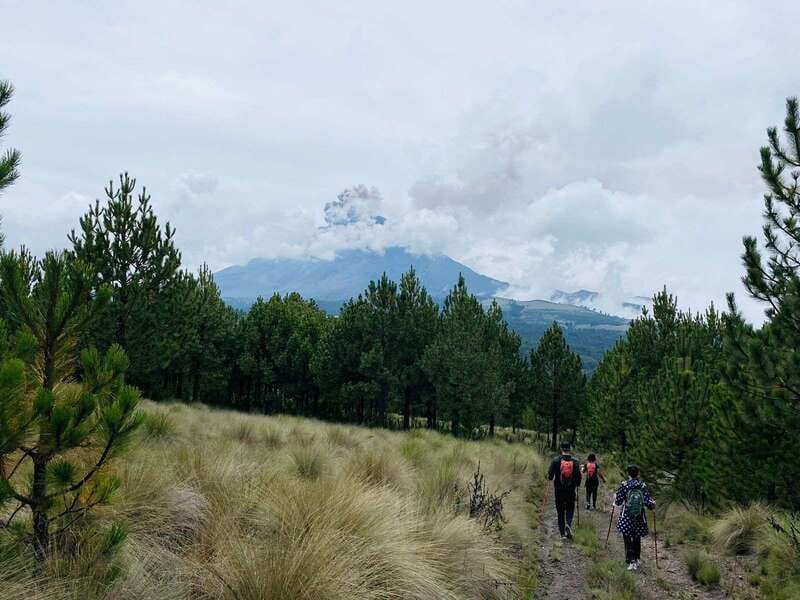
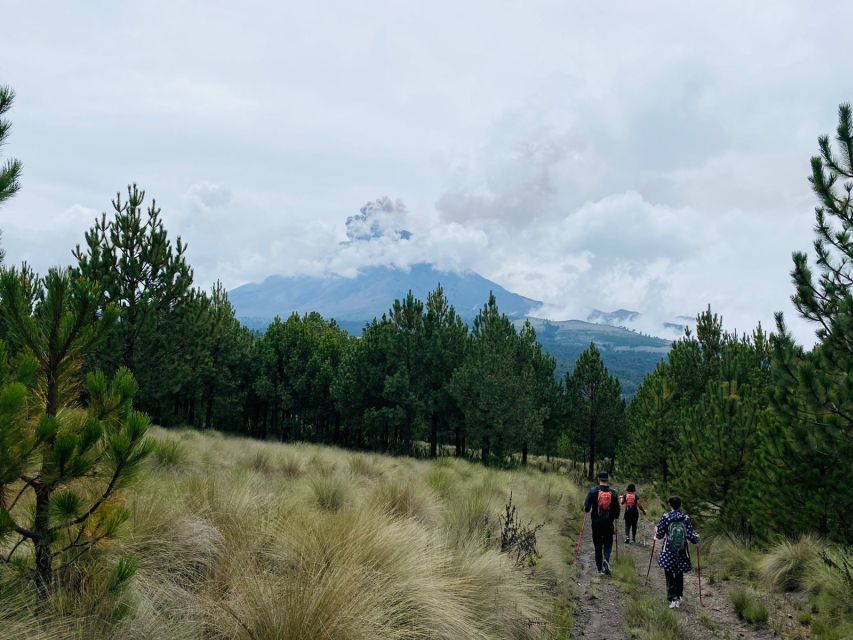
This stop is also where the guide’s explanation earns its place. You’ll hear about Popocatépetl’s history and activity, and that makes the volcano feel less like an Instagram background and more like a dynamic part of the landscape. During clear conditions, people have reported seeing smoke and small ash clouds. You shouldn’t count on eruptions on any given day, but it’s exactly the kind of thing a guide will watch for and point out when conditions allow.
Physically, you should treat Cerro Altzomoni as the “pay attention” segment. Reviews from past hikers describe the hike as not overly technical, but altitude makes it challenging. The good news is that this tour is set up for a small group, so your pace can match your level. Guides such as Albert and Carlos are specifically mentioned as caring and focused on comfort and safety.
Tip: pack for cold. Even if Mexico City feels warm when you leave, mountain weather can shift fast. Bring a jacket and plan on layering.
Amalacaxco Ravine: plants and wildlife beyond volcano bragging
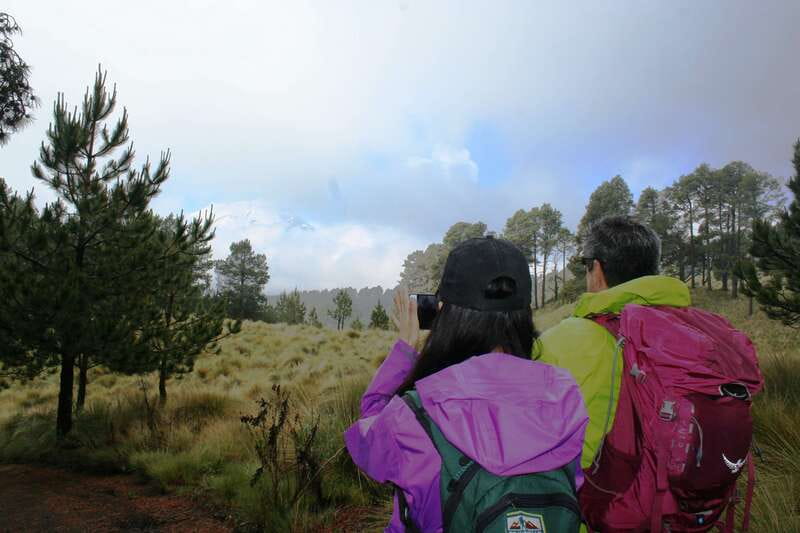
After the main viewpoint, you’ll descend toward Amalacaxco Ravine. This part is often the surprise favorite, because you’re not just grinding uphill for photos—you’re walking through an area where you can slow down and notice details.
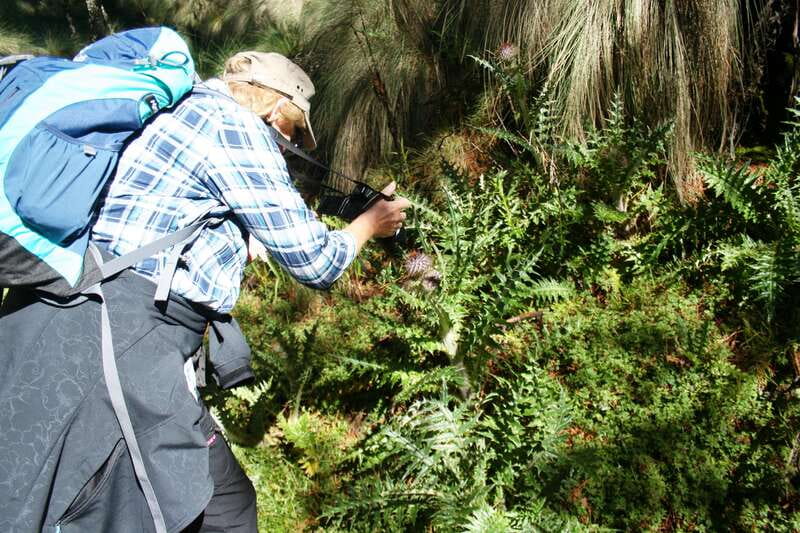
This ravine section is where the tour adds an ecological side. You’re there to see native flora and fauna, and your guide will point things out as you go. Past participants have described stops where they learned about succulents, mushrooms, and mountain vegetation, plus chances to observe the kinds of plants that thrive at these elevations.
What I like about this segment is the rhythm. Views of Popocatépetl are thrilling, but constant looking can get exhausting. The ravine shift breaks the day into two different moods: dramatic volcano watching, then calmer nature observation.
One more practical note: after a viewpoint climb, descents can feel harder than you expect on your knees and calves. Trekking poles aren’t listed as included, so go with what you have and manage your footing. The tour provides safety equipment, but your best safety tool is clean steps and a controlled descent.
Some routes can include extra variety like a waterfall stop, depending on the day and the path your guide chooses. You may find you can take a longer route if you feel good and want more scenery—but only if your body is ready.
The long return and market lunch: a real meal after real effort
By the time you head back toward Paso de Cortés, you’ve already put in a meaningful chunk of hiking. Then you’ll travel back toward Mexico City, with a stop at a traditional market for lunch.
This is a key part of the value. The tour doesn’t just throw in a packaged bite. The lunch is described as local food from the market, and you’ll also see notes about things like tacos and traditional coffee along the return. Even people who were nervous about altitude reported that the meal helped them feel like the day was complete, not just survived.
Because the day is about half hiking and half recovering, timing matters. You’re doing a 9-hour outing, and the included lunch gives you something to look forward to. Also, you’ll want to fuel before you get back into city traffic.
Alcohol isn’t included. That’s normal for a hiking day, and it’s actually helpful for keeping you comfortable on the return ride. You’ll be happier if you save any drinks for later.
Price and what you actually get for $105
At $105 per person for a 9-hour guided volcano trek, the best way to judge value is by what’s included, not just the number. You’re getting:
- Transportation to and from the city
- Qualified guides
- Entrance fees
- Rucksack rental
- Safety equipment
- Lunch
- Accident insurance
For a day trip, that set of inclusions can save you money and stress. You don’t have to rent gear at the last second or negotiate entry prices at the gate. And safety equipment plus accident insurance is a sensible baseline on a volcanic mountain day.
Is it cheaper than doing it independently? Maybe. But independence usually means arranging transport, navigation, and entry access, then hoping your route matches what you expected. This tour is the option for people who want the mountains with less planning overhead.
One last value note: small group size (up to 13). That matters for quality. If you’re hiking at altitude, waiting for people or being stuck with a pace that’s wrong for you can turn the whole day sour. A smaller group increases the odds your guide can manage pacing, breaks, and comfort.
Fitness reality check: altitude is the real difficulty
The biggest misconception with volcano hikes is thinking “not technical” means “easy.” This trek often feels doable from a technique standpoint, but multiple hikers specifically mention the altitude as the limiting factor.
Many participants report distances around 13–14 km and a climb of roughly 1,000 ft from the starting elevation (one account references starting around 12,000 ft). That means you can be a fairly fit walker and still feel winded. The way through is slow, steady effort and regular breaks.
Your guide plays a major role here. Guides like Bernardo and Cesar Zamacona are described as tailoring pacing to different fitness levels and making sure people didn’t feel left behind. If you’re slower, you should still be able to do this, as long as you can handle altitude and sustained walking.
If you’re thinking about whether you should go, use the official suitability limits as your guide. The tour is not suitable for pregnant women, people with back problems, mobility impairments, heart problems, or haemophilia. If any of those apply, skip this hike and look for a different day option.
What to pack (and what to wear) for Popocatépetl’s weather
Your packing list is simple, but don’t underpack for the mountains. Bring:
- Hiking shoes (or sturdy footwear with good traction)
- Sunscreen
- Jacket
- Comfortable clothes
- Gloves
You might start the morning in mild city temperatures and end it in cooler air. Even when the day is bright, wind and altitude can dry you out. Sunscreen is not optional at elevation.
Also, plan your layers for temperature swings. A light jacket plus a warm layer is usually more useful than one heavy coat, especially if the hike warms you up on climbs and cools you again on descents.
If you’re bringing a regular daypack, know that rucksack rental is included. If you want less carrying, use the rental system and keep your personal items easy to access.
Guide style and group pacing: why it feels safe
One of the most consistent takeaways from past participants is that the guides manage more than routes. They manage people.
You’ll hear about guides being:
- Patient during slower pacing
- Attentive to comfort and safety
- Supportive when altitude slows you down
- Friendly and communicative while on the trail
Names that show up frequently include Juan, Alan, Bernardo, Carlos, Albert, and Cesar. That pattern matters. A volcano hike is not the place to get stuck in a rigid, one-size-fits-all group rhythm.
The tour is also structured to keep you moving with purpose: start at Paso de Cortés, climb toward Cerro Altzomoni, descend to Amalacaxco Ravine, then return. With up to 13 participants, your guide can check in with the whole group instead of only focusing on the fastest hikers.
And if the weather shifts—clouds sometimes hide views—the day can still be worth it. You’ll still hike in the park and get nature time, even if the volcano isn’t sharply visible for every photo.
Should you book this volcano trek from Mexico City?
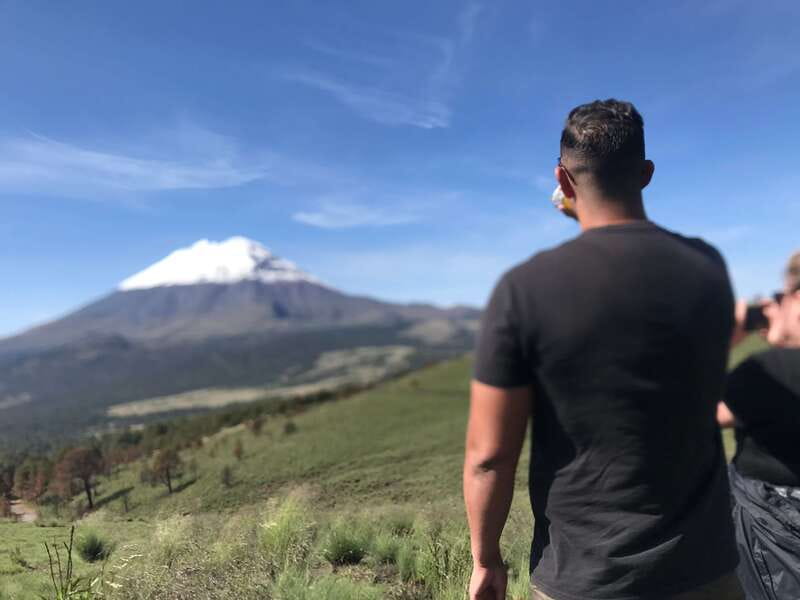
I’d book this tour if you want a real nature day without spending your vacation time planning logistics. It’s a good choice for couples, small groups, and solo travelers who want guidance, clear pacing, and the confidence that entry, transport, and lunch are handled.
I’d pause and reconsider if altitude is a known issue for you, or if you’re close to the tour’s medical limitations. Also, if you’re expecting an effortless stroll, remember: the walking can be long, and elevation is the main challenge.
If you like hiking with a guide who explains what you’re seeing—especially Popocatépetl fumaroles and the surrounding park ecology—this is a strong fit. And the market lunch gives you a satisfying finish that makes the 9 hours feel complete.
If your schedule allows, it’s worth booking early and going in with sturdy shoes, a jacket, and a calm mindset. This is one of those days where slowing down is the whole strategy.
FAQ
How long is the Mexico City guided volcano trek with lunch?
The tour runs for 9 hours.
Where do I meet the group?
Meet at México Travesías, in front of the Michoacan Market.
What’s included in the price?
The tour includes transportation, qualified guides, entrance fees, rucksack rental, safety equipment, lunch, and accident insurance.
What language is the tour guide?
The live tour guide speaks English and Spanish.
What should I bring for the hike?
Bring hiking shoes, sunscreen, a jacket, comfortable clothes, and gloves.
Is alcohol included with lunch?
No. Alcoholic drinks are not included.