REVIEW · AQABA
Wadi Rum: 2nights|3Day all-inclusive BedouinDesertExperience
Book on GetYourGuide →Operated by Soul Tribe Travel Agency Jordan · Bookable on GetYourGuide
Red sand and real Bedouin life. This 3-day all-inclusive stay in Wadi Rum is built around an Al Zalabieh guide experience—jeeps to the famous rock sites, a guided trek, and a camel ride—while you sleep in authentic desert tents inside the protected area. I especially loved two things: the way the itinerary is guided by people who actually live and work here (and you’ll get practical desert tips from guides like Khamis and Suleiman), and the camp setup that feels welcoming without turning Wadi Rum into a theme park. One thing to keep in mind: if you’re traveling solo, you might find your tent camp feels quieter than you expected, because you could be placed as the only person at your camp for that night.
You’ll move through Wadi Rum at the pace of the desert. Some days include light climbing and short hikes around viewpoints, with Bedouin tea served at stops, and then you return to camp for meals, hot showers, and a night sky you won’t forget. Sunset viewpoints depend on weather, and the route can shift—so treat this as an outdoor experience first, not a timed checklist.
In This Review
- Key things to know before you go
- Why Wadi Rum feels different when the Bedouins run the show
- Getting to the start: Rum Village Rest House or the Visitor Center
- Day 1: 4×4 highlights, Bedouin tea stops, and a real desert evening
- Day 2 trek: choosing your pace between Burrah Valley or Lawrence House
- Option A: Burrah Valley / Um Ashrin (4–6 hours)
- Option B: Lawrence House (4–5 hours)
- Camps inside the UNESCO zone: tents, showers, and dinner that actually hits
- Price and value: what you get for $255 (and what you still need to plan)
- What’s the day-to-day difficulty level?
- Extras that shape your experience (like WiFi, tent layout, and camp vibe)
- Should you book this 3-day Bedouin Wadi Rum experience?
- FAQ
- Does the tour run if I’m traveling alone?
- Where do I meet the guide?
- Is the Wadi Rum entrance fee included?
- What activities are included across the 3 days?
- How long is the desert trek?
- What meals are included?
- What should I bring for the desert?
Key things to know before you go
- Guaranteed departure from 1 participant means solo travelers still get the full program.
- English-speaking Bedouin guide (Al Zalabieh tribe) brings the “why” behind each stop.
- 4×4 jeep route plus camel ride gives you both speed and slower desert time.
- Two trek options (Burrah Valley / Um Ashrin or Lawrence House) help match your fitness and interest.
- UNESCO-area desert camping in tribe-owned camps with meals, water, tea, bedding, and towels.
- Small groups up to 9 keep the experience personal, even if logistics can still separate solo guests by camp.
Why Wadi Rum feels different when the Bedouins run the show
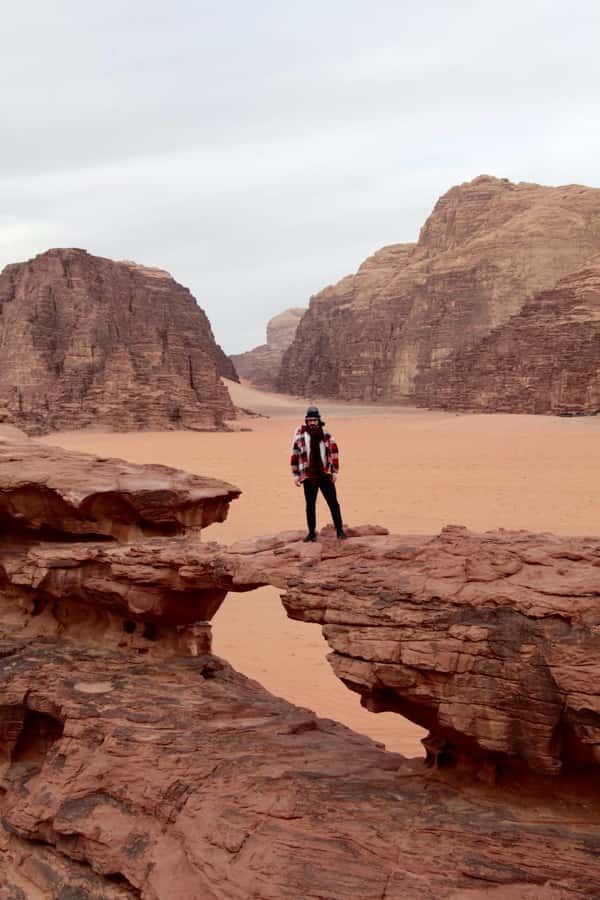
Wadi Rum is famous for red dunes and rock towers, but the real difference here is how the day is paced. You’re not just riding in to “see rocks.” You’re traveling with a Bedouin team from the Al Zalabieh tribe, and that changes what you notice. When a guide points out an inscription location, names a spring, or explains how people move through the wadis, the desert starts to feel lived-in rather than staged.
I also liked that the experience doesn’t overload you with hard surprises. You get a proper mix: a jeep day with photo stops and short walking sections, a focused guided trek that can be adapted to your fitness, and a calm second night where you can actually breathe between activities. If you want an adventure that still feels human and grounded, this tour fits.
There’s also a nice safety/value detail: transfers and sightseeing happen by 4×4 inside the protected area, and the meeting point includes a clear starting hub (Rum Village Rest House or the Visitor Center). That means less scrambling on your end.
You can also read our reviews of more tours and experiences in Aqaba.
Getting to the start: Rum Village Rest House or the Visitor Center
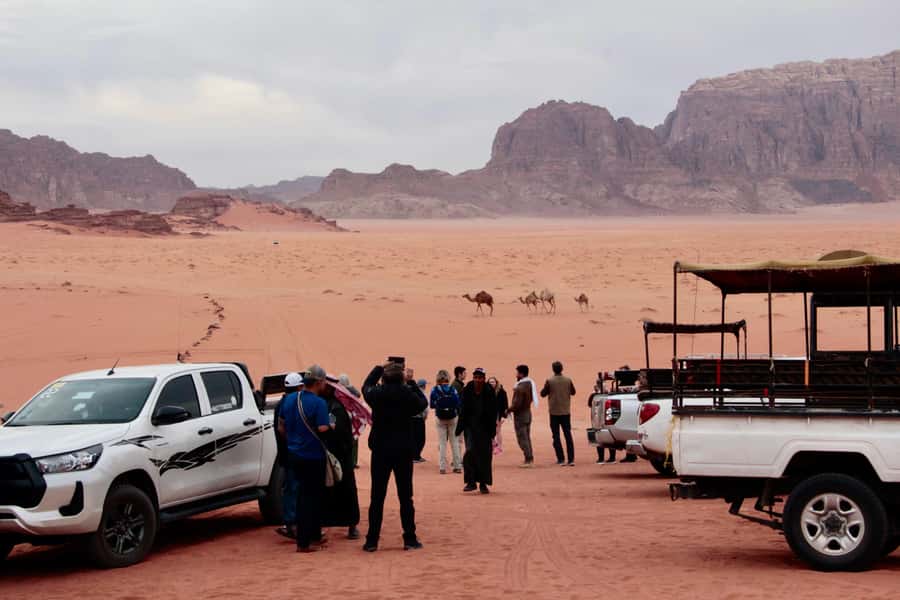
Your meeting point depends on how you’re arriving:
- By car or private taxi: meet at Desert Rest House, Wadi Rum Village (about 10 minutes after the Wadi Rum Visitor Center). There’s free and safe parking and the area has basic services like restrooms and small shops.
- By Jett bus: meet at the Wadi Rum Visitor Center.
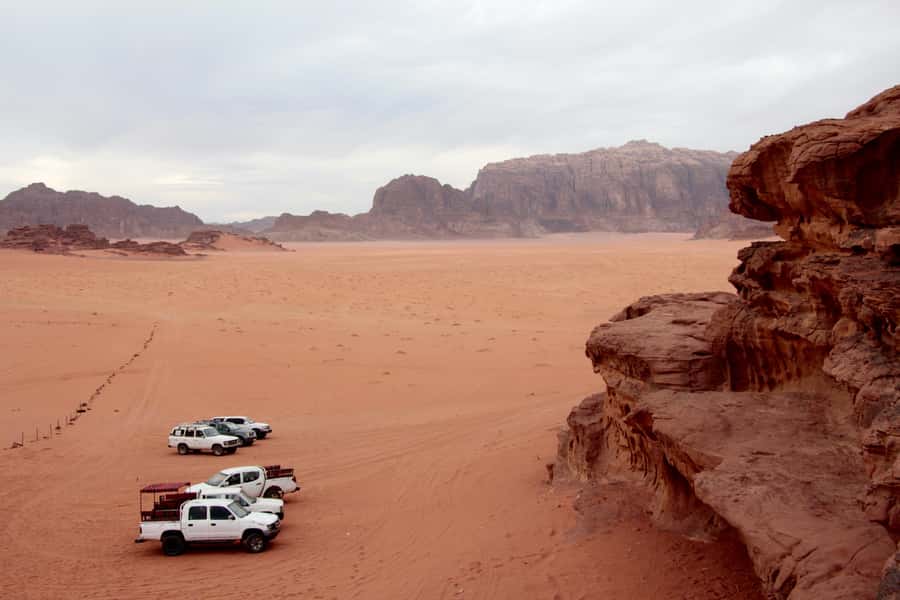
From there, you’ll transfer with your guide into the protected area by 4×4. In practice, that matters because the best Wadi Rum scenery is not right at the Visitor Center parking lot. You’re trading a bit of waiting for real time in the desert.
If you’re driving in, leave a little buffer for the entrance check. All guests must stop at the Visitor Center to show your Jordan Pass or buy the entrance ticket (7 JOD per person for those without the Jordan Pass).
Day 1: 4×4 highlights, Bedouin tea stops, and a real desert evening
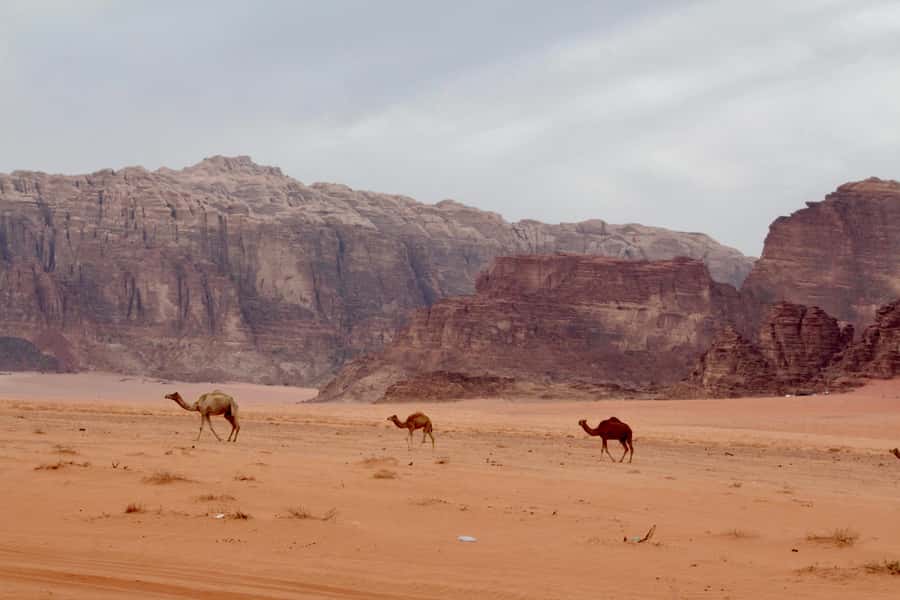
Day 1 is all about getting oriented and seeing the “greatest hits” of Wadi Rum without making it exhausting. After meeting your Bedouin guide, you’ll head out on a full-day jeep tour (or a half-day version depending on your arrival timing). This is the easiest day to enjoy immediately because you spend most of it cruising between viewpoints, with stops for photos and tea.
Some of the big named sights you can expect on the route include:
- Khazali Canyon
- Lawrence Spring
- Red Sand Dunes
- Anfishiyyeh Inscriptions
- Burdah Rock Bridge
- Um Fruth Rock Bridge
- Little Bridge
A jeep day in Wadi Rum is not just sitting and looking. You’ll usually get light hiking sections, easy climbs, and time to stand in the sand long enough to feel how wind and rock shape the view. The stops are also where you learn desert rhythm—how guides time photos, where the light hits best, and why certain rocks matter.
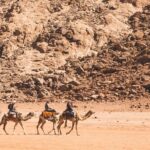
Then you get a camel ride, included for each person during the jeep portion. In terms of duration, one recent experience felt like it landed around 45 minutes, which is long enough to enjoy it without making it feel like a short “photo tax.”
You’ll wrap Day 1 at a scenic sunset viewpoint. But be honest with yourself: sunset is weather-dependent. If clouds roll in or conditions shift, you might end up with a different viewpoint schedule. Either way, the evening transition is part of why this tour works.
Dinner and your first night are in a desert camp in the protected area. You’ll have shared bathrooms with hot showers, plus drinking water and Bedouin tea available.
Day 2 trek: choosing your pace between Burrah Valley or Lawrence House
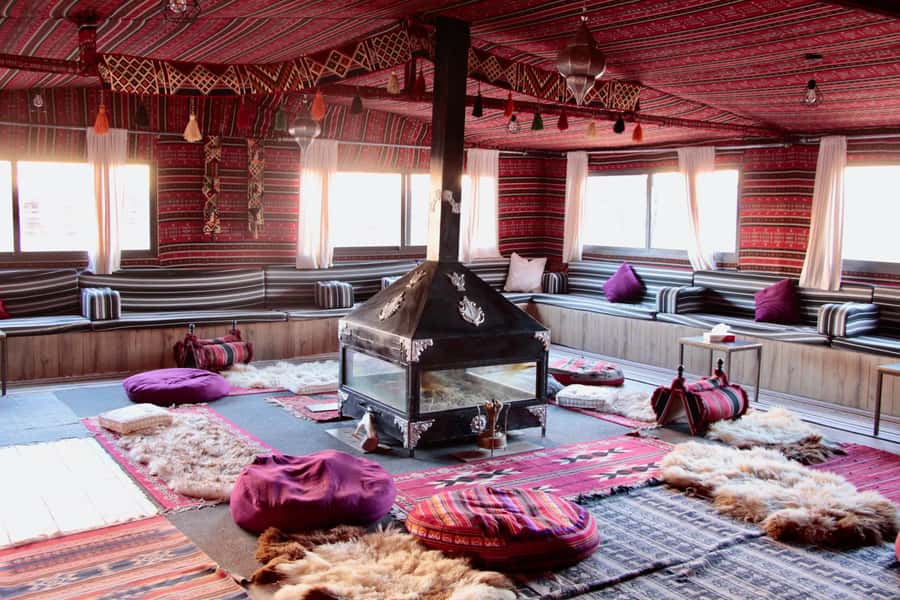
Day 2 is the day that turns “seeing Wadi Rum” into “walking Wadi Rum.” After breakfast, you start a guided trek for about 4–6 hours, but your guide adapts the route based on fitness, weather, and group size. That flexibility is important because Wadi Rum isn’t just pretty—it’s dry, hot (in season), and physically demanding in places.
You generally have two trek styles to choose from:
Option A: Burrah Valley / Um Ashrin (4–6 hours)
This tends to suit you if you like mountain trails and scenic wadis—more hiking time and more of a “work for the views” feel. You’ll spend longer moving between rock contours and open desert sections, with plenty of chances for photos.
Option B: Lawrence House (4–5 hours)
This often feels more panoramic: viewpoints tied to the famous landscape around Lawrence House. If your ideal day is shorter but with strong sightlines, it can be a great fit.
Either way, you’re not left alone with a map. The guide is there for route choices, pacing, and safety. And you’ll come back to camp for a traditional dinner—so the trek feels like it has a reward built in.
Bring a packable mindset here: you’re hiking in desert conditions, not city sidewalks. Comfortable shoes matter more than you think.
Camps inside the UNESCO zone: tents, showers, and dinner that actually hits
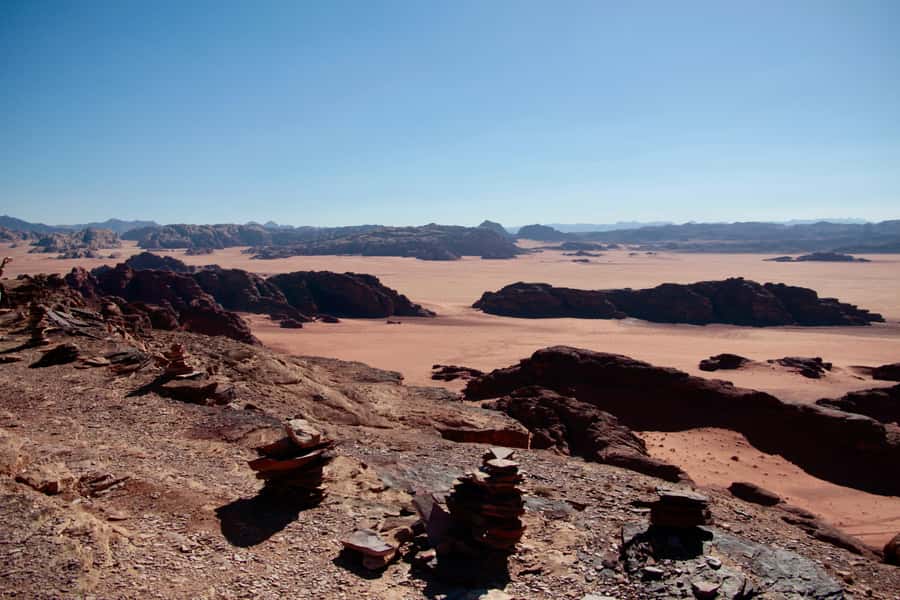
Overnighting in Wadi Rum isn’t automatically “luxury,” and this tour doesn’t try to pretend it is. Instead, it keeps the camp experience real but comfortable.
You sleep in traditional desert tents in the protected area, and the camps are described as tribe-owned, which helps keep the experience authentic. Inside, you’ll typically have:
- Comfortable beds with bedding and blankets
- Bedding/towels provided (like a hotel setup)
- A private chef preparing meals (with vegan and vegetarian options)
- Drinking water and tea
Shared bathrooms with hot showers are included. That’s a big plus for comfort after a dusty trek. Still, keep expectations realistic: desert systems can run on solar setups, and hot water availability can vary depending on how conditions are managed at camp. Your best move is to pack for the desert, then enjoy the “bonus comfort” if everything runs as planned.
Food is another standout area. I’ve seen reports of hearty traditional meals cooked on-site, including dishes like Maqluba served in camp. That kind of meal is part of the value: you’re not paying extra to find restaurants far away, and you’re not eating a sad roadside snack after hiking all day.
And yes, many camps offer WiFi. Don’t rely on it like it’s a city café connection, but it can be useful for messaging and checking in.
Price and value: what you get for $255 (and what you still need to plan)
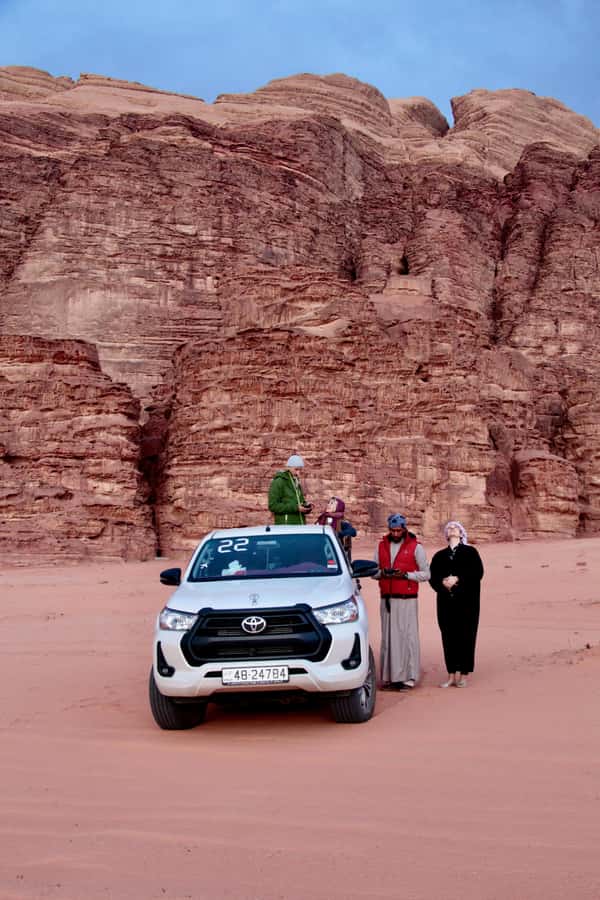
At $255 per person for 3 days, you’re paying for the full package: guiding, transport inside the protected area, meals, and the core desert activities. The value comes from that bundle.
Here’s what’s covered:
- Local English-speaking Bedouin guide across the trip
- 4×4 jeep tour (full-day or half-day depending on arrival)
- Guided trekking (about 4–6 hours, adapted to you)
- Camel ride during the jeep tour (1 per person)
- 2 nights in Bedouin glamping camp
- 2 breakfasts, 2 lunches, 2 dinners
- Drinking water and Bedouin tea
- Transfer by 4×4 between your meeting area and the protected zone
- Shared bathrooms with hot showers
What to budget for separately:
- The Wadi Rum entrance fee (7 JOD per person unless you use the Jordan Pass)
- Your transport to the meeting point (your bus/taxi/car plan)
- Personal health and travel insurance
When the price feels “worth it,” it’s usually because you don’t want to manage logistics like negotiating jeep contracts, finding desert camp availability, and arranging meals on top of hiking. This tour handles that for you, while still keeping the core experience outdoors and guided.
If you’re the kind of person who hates last-minute decisions, that alone can make $255 look like a bargain.
What’s the day-to-day difficulty level?
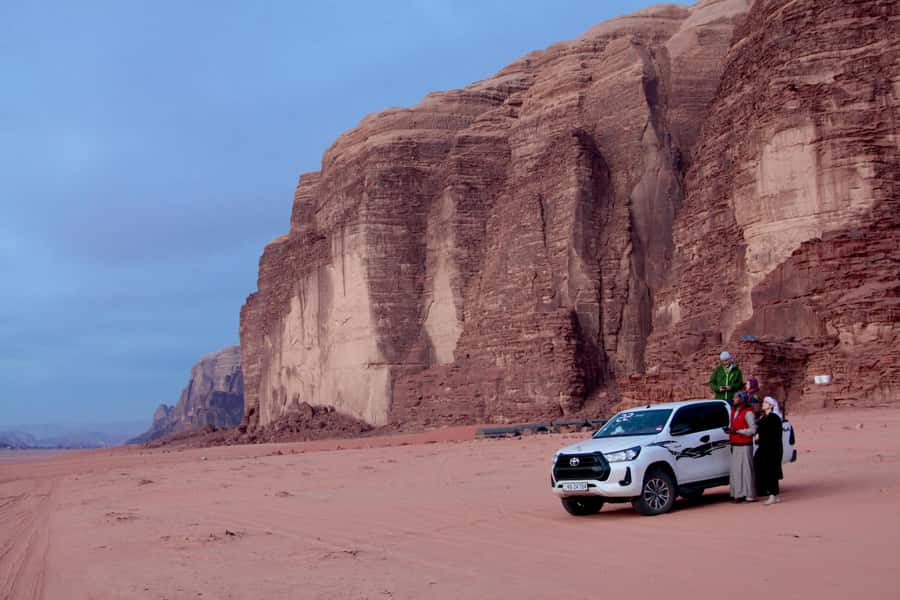
This is not a “flat promenade” situation. You should be ready for:
- Day 1: light hiking, photo stops, and easy climbing during jeep sightseeing
- Day 2: a guided trek lasting 4–6 hours depending on your route choice
- Desert conditions: sun, wind, and uneven rock surfaces
It’s also listed as not suitable for people with back problems and wheelchair users. Even if you can walk, some jeep rides and uneven terrain may still be a problem.
Your best prep is simple:
- Comfortable hiking shoes
- A hat and sunscreen
- Warm layers for evenings (especially in winter and spring)
- A flashlight for camp nights
- A refillable water bottle (you can refill during the tour)
Extras that shape your experience (like WiFi, tent layout, and camp vibe)
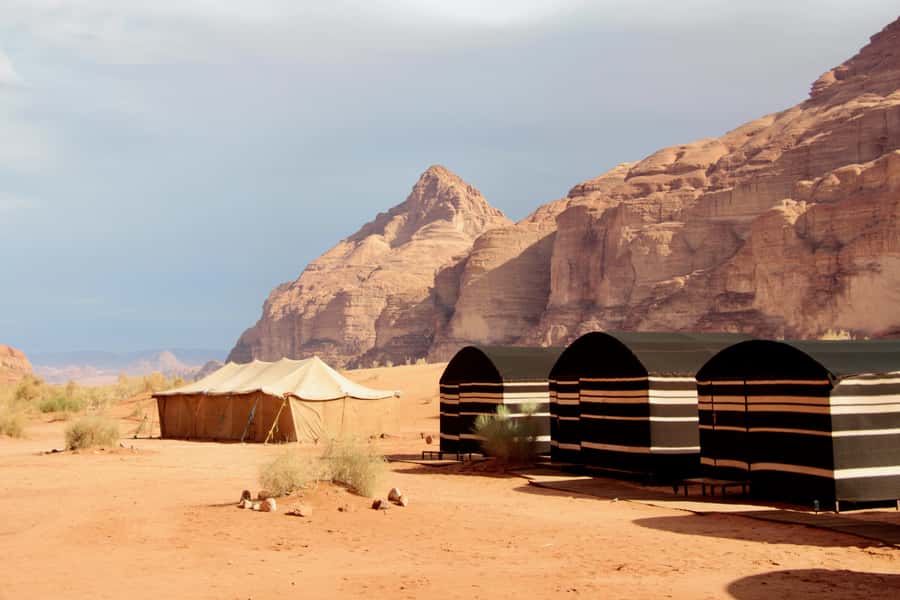
Small details matter in the desert. A few things to think about:
WiFi: available in most camps. If you’re hoping to stream or work, treat it as limited. It’s there for practical communication, not for replacing vacation time.
Tent beds: you can choose double vs twin beds, and the camp can set up single, twin, triple, quad, or family tents depending on availability. This can matter if you’re traveling with a group and want everyone comfortable.
Solo camp atmosphere: one solo traveler described being the only person at their camp, which can feel different from a shared group atmosphere. The itinerary still runs, but your social vibe might depend on how camp assignments line up.
Itinerary swapping: the tour notes that days of activities may swap based on weather or timing, and sunset isn’t guaranteed. That’s not a “bad sign.” It’s a reminder you’re in a living landscape where conditions can change faster than schedules.
Should you book this 3-day Bedouin Wadi Rum experience?
Book it if you want a guided Wadi Rum trip that feels authentic and efficient: jeep sights like Khazali Canyon and Lawrence Spring, a camel ride, and a real trek with a Bedouin guide from the Al Zalabieh tribe. You’ll probably love the camp setup too—traditional tents, good meals, tea, and practical comfort like bedding, towels, and hot showers.
Consider a different option if you’re highly sensitive to cold evenings, expect guaranteed sunset photos every day, or need a trip that guarantees you’ll be in a lively shared camp with other solo guests.
If you go in with desert-ready expectations—comfortable shoes, layers, and a flexible mindset—this tour is one of the smoother ways to experience Wadi Rum without turning it into logistical homework.
FAQ
Does the tour run if I’m traveling alone?
Yes. The experience is guaranteed to run from 1 participant, and solo travelers receive the full program.
Where do I meet the guide?
You meet at Desert Rest House in Wadi Rum Village if you arrive by car or taxi, or at the Wadi Rum Visitor Center if you arrive by Jett bus.
Is the Wadi Rum entrance fee included?
No. You pay the Wadi Rum entrance fee (7 JOD per person) unless you show a Jordan Pass at the Visitor Center.
What activities are included across the 3 days?
You get a 4×4 jeep tour in Wadi Rum, a guided trekking tour, a camel ride, and 2 nights in a Bedouin camp, plus meals, water, and Bedouin tea.
How long is the desert trek?
The guided trek is typically 4–6 hours, with route options such as Burrah Valley / Um Ashrin (4–6 hours) or Lawrence House (4–5 hours).
What meals are included?
You receive 2 breakfasts, 2 lunches, and 2 dinners, with vegan and vegetarian options available. Water and traditional Bedouin tea are included as well.
What should I bring for the desert?
Bring comfortable shoes, warm clothing (especially for evenings), a hat, sunscreen, a flashlight, and a refillable water bottle.