REVIEW · MARRAKECH
2 days Mount Toubkal Trek from Marrakech
Book on Viator →Operated by Marrakech Day Trips · Bookable on Viator
Toubkal tests you in a good way. This 2-day trek up North Africa’s highest peak is non-technical, guided at a your pace rhythm, and designed so you can enjoy big Atlas views without rock climbing. You’ll drive from Marrakech to Imlil, climb to the Toubkal refuge at night, then go for a first-light summit and the sunrise over the valleys and beyond.
What I love most is the way the trip keeps you moving with one-on-one guide support and mule help for packs. Guides like Omar and Mustafa show up as real pros, including helping with crampons when conditions turn icy, plus explaining what you’re seeing as you climb through Berber mountain country.
The only real drawback to consider is admin and messaging. A few hikers reported slow or missing communication before the trek, so you’ll want to confirm pickup and contact details well ahead of time (and keep a backup phone number).
In This Review
- Key highlights and what they mean for you
- Mount Toubkal in Two Days: How This Trek Really Feels
- Marrakech Pickup to Imlil: The Quiet Setup for a Hard Morning
- Day 1 Climb to the Toubkal Refuge: Berber Hospitality After the Steep Work
- Day 2 Summit at Sunrise: The Moment You Earn
- Guides, Mules, and Team Support: What Makes This Value-Based
- Price and What You Actually Get for About $157
- Weather, Winter Gear, and the Crampon Reality (Nov–Apr)
- The One Thing You Should Watch: Communication Before You Go
- Who This Trek Suits (and Who Might Struggle)
- Should You Book This Mount Toubkal 2-Day Trek?
- FAQ
- How long is the Mount Toubkal trek from Marrakech?
- Where does the trek start and what time do you meet?
- Is this a private tour?
- Do you provide transport from Marrakech?
- Where do you stay overnight?
- What meals are included?
- Are bottled water and other trekking gear included?
- Do I need crampons or ice axes?
- Is there a vegetarian option?
- Is it okay for kids?
- What if weather is bad?
Key highlights and what they mean for you
- Sunrise summit timing: You’ll start the climb early enough to reach the top as daylight breaks, so the effort feels instantly worth it.
- Private pace with a real guide: This isn’t a shuffle-tour. You get undivided attention and support on a steep, narrow mountain path.
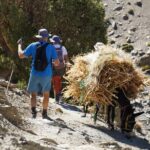
- Muleteer team and mule support: Packs can ride up with mules, so you can focus on footing rather than carrying everything.
- Toubkal refuge stay included: You’ll sleep at a refuge (Les Mouflons – Toubkal Refuge) with meals handled for the trek.
- Expect crampons in winter months: If you go between November and April, you might need crampons and even ice axes depending on snow.
- Views that connect places, not just peaks: You’ll look out over Imlil Valley and toward the shrine area of Sidi Chamharouch, then see wide mountain country from the summit.
Mount Toubkal in Two Days: How This Trek Really Feels
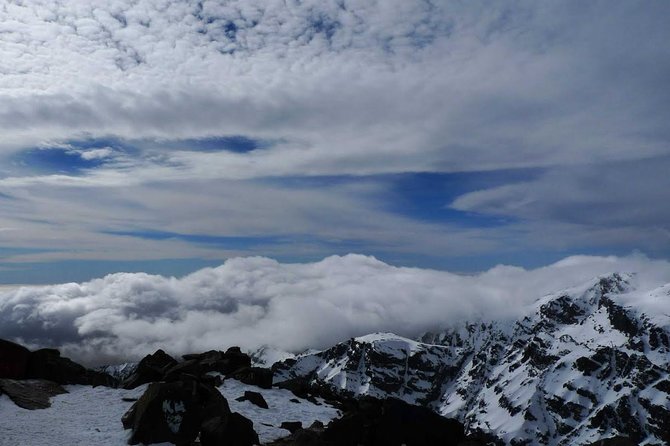
If Mount Toubkal is on your Morocco list, this format is a smart one. Two days means you’re committing to the mountains, but you’re not spending a week building up. The route is built for walkers: it’s no technical climbing. Still, it’s not a stroll.
You’ll be climbing steep, narrow tracks in places, crossing several passes before reaching the refuge. The summit day is the big moment, but the work starts earlier—your legs notice the altitude and the gradient long before you hit the top at 4,167 meters. The good news: the guide sets a pace you can actually keep, and mule support helps reduce what you have to carry.
One more thing: this itinerary is also weather-sensitive in winter. The non-technical part holds, but conditions can turn icy. That means you should treat Toubkal as a “mountain day” even when it looks like a hike on paper.
You can also read our reviews of more tours and experiences in Marrakech.
Marrakech Pickup to Imlil: The Quiet Setup for a Hard Morning
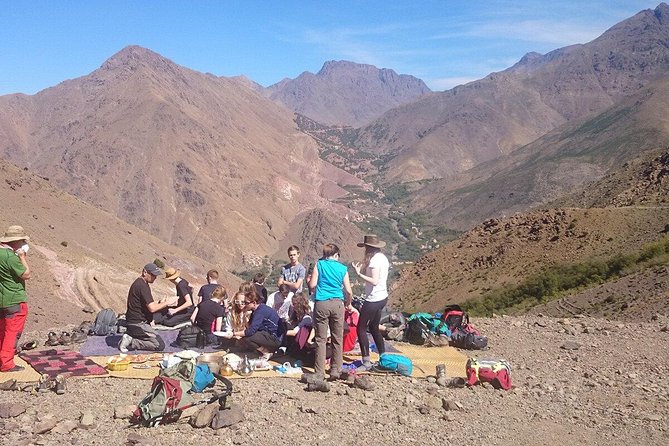
Day 1 begins with hotel pickup in Marrakech after an early breakfast, then a drive to Imlil. The timing matters. Leaving early gets you into the Atlas before the day heats up and gives you a calmer start with daylight for the steep sections later.
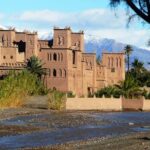
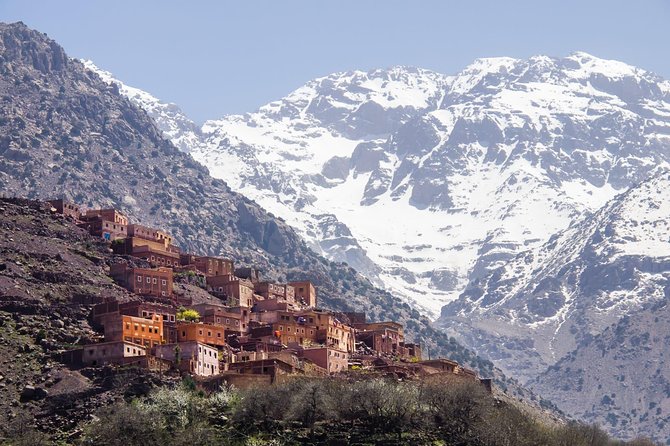
Imlil is the gateway village for many Toubkal treks, and it’s where the experience turns from city travel into mountain travel. You’ll meet your guide and the mule setup here. This is also where you’ll understand how the trek will feel: you’re not just going uphill, you’re going uphill with altitude and narrow paths that ask for careful steps.
Your first trek push is roughly 5 to 6 hours on day 1. That’s long enough that pacing is everything. A good private guide makes that difference. In the reviews, that’s exactly what stands out—guides like Omar, Mustafa, and Mohammed set a steady rhythm and help you stay safe when conditions get rough.
Day 1 Climb to the Toubkal Refuge: Berber Hospitality After the Steep Work
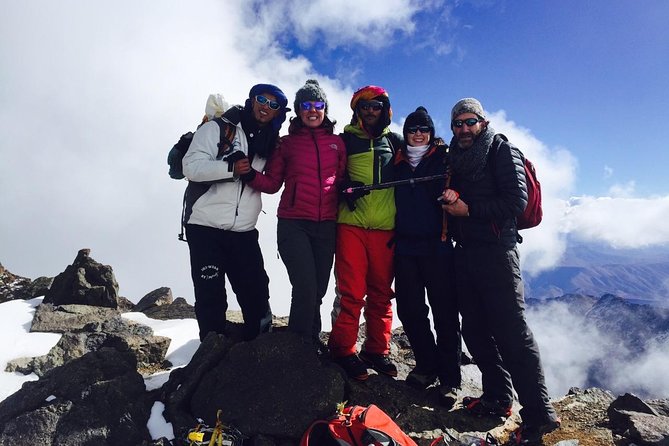
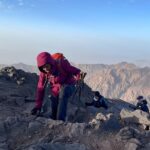
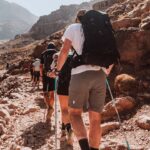
After meeting your guide in Imlil, you’ll load up with your mule support and begin the trek to the refuge below the summit. The path is steep and narrow in sections. That’s the part that surprises people who thought “no climbing” means “easy.” The good version of that surprise is simple: you’ll be working, but you’re working in daylight with a guide watching your pace.
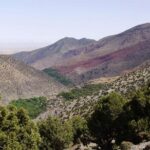
Along the climb, you’ll pass through remote mountain areas and over several passes. This is where you get the sense of the Atlas as a lived landscape, not a photo backdrop. You’ll also pick up on cultural and spiritual landmarks from the region—your route includes perspectives connected to the valley of Imlil and the shrine of Sidi Chamharouch.
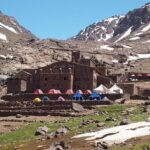
Then you arrive at the refuge for the night: Les Mouflons – Toubkal Refuge. Accommodation at the refuge is part of the package, and meals are handled as well (breakfast included on day 2; dinner on day 1). Reviews specifically mention comfort touches like a hot shower at the place to sleep, which is honestly one of the best “after a hard day” upgrades you can ask for.
Day 2 Summit at Sunrise: The Moment You Earn
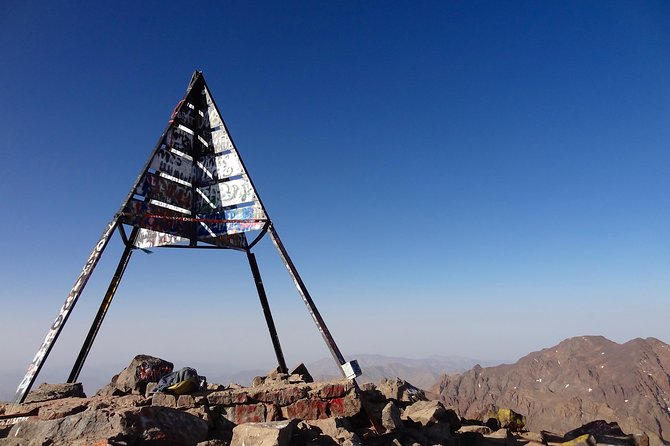
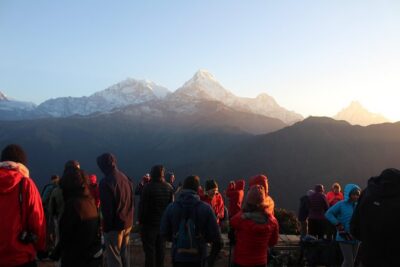
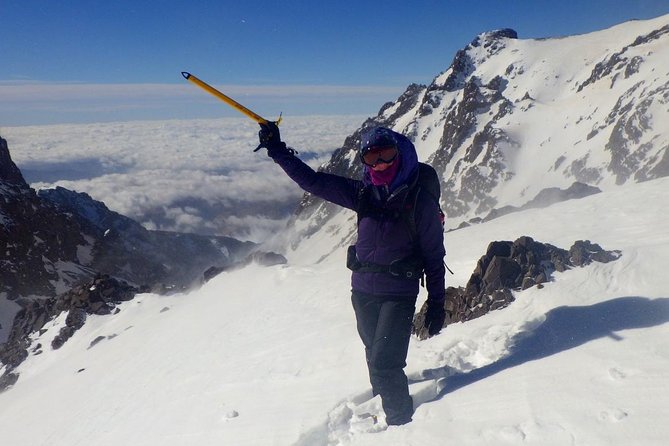
Day 2 starts early with breakfast, then you head out for the summit climb. The goal is to reach the top as the sun rises. That changes how you experience the mountain—there’s less “when will this be over?” and more “keep going, the light will do the rest.”
The ascent is described as not encountering major difficulties because the final peak is broad and the climb transitions into a gradual decline near the summit. Translation: you’re still climbing, but the profile isn’t the kind of technical scramble that requires rope skills.
The views are the reward you’re working toward:
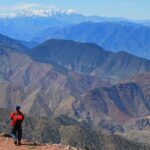
- Wide panoramas across the Atlas Mountains
- The green valley areas you climbed through earlier
- A sense of scale looking toward Marrakech to the north
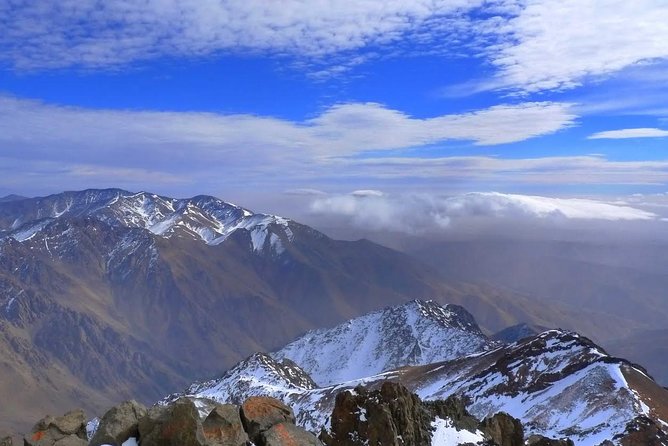
- And to the south, the direction of the Sahara’s start
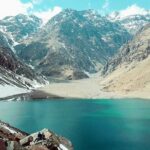
- Plus dramatic cliffs plunging toward the area opposite Ifni Lake (you’ll hear about it as the terrain opens)
When you summit North Africa’s highest peak, it stops being about “exercise” and starts being about perspective. You’ll feel the altitude in your breathing, but the payoff lands fast once the sun hits the mountains.
After the summit, you descend back down to Imlil. Then your hotel transport takes you back to Marrakech. The second day can feel longer than expected even with the summit moment, because going down on steep terrain is still hard on knees and ankles. A steady guide pace helps you avoid the “go too fast, pay for it later” trap.
Guides, Mules, and Team Support: What Makes This Value-Based
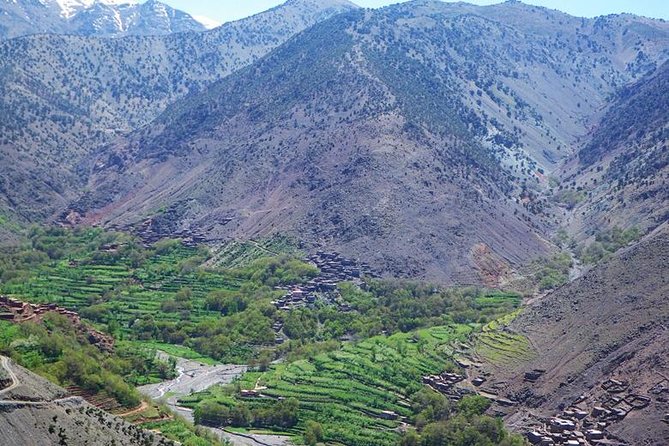
This trek is private. That matters. In a shared group, you often hike at the speed of the slowest person or the chaos of a big cluster. Here, the whole plan is built around your group only, with both local and professional guidance and a muleteer team handling animal logistics.
That team piece is more than convenience. Carrying lighter packs reduces fatigue, which makes your summit day safer and more enjoyable. Several reviews highlight the practical side of the hosts and guides—helping with crampons in winter, managing the schedule, and keeping the trek feeling supported rather than random.
You’ll see names come up repeatedly:
- Omar: helped hikers use crampons safely and offered cultural context
- Mustafa (and Mustapha): praised for care, comfort, and making the trek feel manageable
- Aziz: attentive to individual needs and described as highly professional
- Mohammed: good pacing and a friendly, cautious approach
- Idris: strongly recommended as a local guide
- Ibrahim Amzil: mentioned as a good guide and part of an overall smooth experience
Not every booking story is perfect on paperwork—more on that next—but when the trek runs smoothly, the guide and support team are what turn the days into a trip you’d repeat.
Price and What You Actually Get for About $157
At $157.02 per person for roughly 2 days, the big question is whether you’re paying for a “hike” or for a plan. You’re paying for the plan.
Included things that drive value:
- Hotel pickup and drop-off in Marrakech
- Private guide support and local support team
- Muleteer team for pack logistics
- Refuge accommodation included (Les Mouflons – Toubkal Refuge)
- Meals covered on the itinerary (with tea and coffee)
- A structure that handles transport to Imlil and back
What’s not included:
- Bottled water
- Crampons and ice axes if needed
- Sleeping bags
When you’re in the mountains, the costs that add up are the ones you might not think about: getting to the trailhead, arranging refuge sleep, paying for guide time, and organizing mules. This tour bundles those core mountain-service pieces for one price. That can be great value if you want less stress and more certainty.
Still, there’s a practical warning from the reviews: admin communication can be uneven. If you hate uncertainty before you even step on the trail, you’ll want to manage expectations and confirm details.
Weather, Winter Gear, and the Crampon Reality (Nov–Apr)
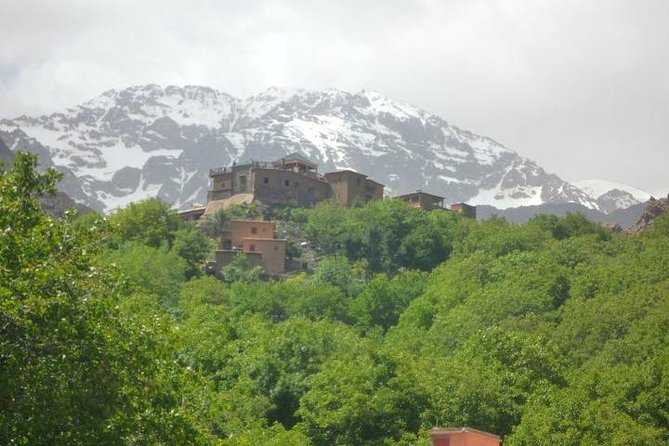
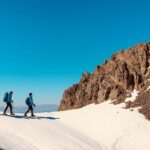
This is a non-technical trek, but it isn’t a non-weather trek. Between November and April, conditions can involve snow slopes. Depending on snowfall, you may need crampons and possibly ice axes.
Here’s the key practical part: crampons and ice axes are not included. If you don’t own them, you’ll need to plan how you’ll get them. One review specifically describes hosts who helped with renting or lending gear when hikers arrived without proper mountain equipment. That’s a strong sign you may be able to sort gear on-site, but it’s smart to ask before you rely on it.
Also, operatings in all weather conditions is stated, but the cancellation policy says the experience depends on good weather. In real life, that means you should expect the operator to adjust dates if conditions become unsafe.
The One Thing You Should Watch: Communication Before You Go
Most people are thrilled with the trek itself. The weak spot is pre-trek communication. Multiple reviews describe missing replies on Viator or WhatsApp and getting contact late—sometimes the evening before. One also points out that consignment of equipment instructions wasn’t clear, and there were moments where things nearly didn’t go smoothly at the park entrance.
So I’d handle it like a responsible adult:
- Confirm your pickup time and where you should meet
- Keep a phone contact for the local team
- If you’re arriving with gear questions, send them early and follow up
- Don’t wait until the last minute to ask about crampons or cold-weather needs
Once you’re on the trail with your guide, the experience is usually described as well-run and safe. The friction is mostly before the mountain part begins.
Who This Trek Suits (and Who Might Struggle)
This tour is aimed at people with moderate physical fitness. That’s reasonable, but it’s still a two-day endurance trek with steep climbs, passes, and a summit sunrise schedule.
You should be comfortable with:
- Multi-hour hikes on steep tracks
- Early mornings (day 2 is summit-before-sunrise)
- Altitude breathing and long descents
It’s not recommended for children aged 9 and under. The minimum group size is 2 people per booking, and the tour is private for your group once scheduled.
If you want a guided, supported way to experience Toubkal without rope climbing skills, this fits. If you want a guaranteed luxury comfort level, the refuge stay is basic mountain accommodation—reviews point out real hospitality, but not hotel-style gloss.
Should You Book This Mount Toubkal 2-Day Trek?
I think this is an excellent choice if you:
- Want private guide attention instead of a large group march
- Like sunrise summits and can handle steep, narrow mountain paths
- Appreciate that mules and meals are handled so you can focus on walking and safety
- Know you’ll need proper winter gear in colder months, and you’re willing to plan for crampons/ice axes if snow arrives
I’d hesitate if:
- You absolutely need fast, guaranteed communication before departure
- You don’t want to deal with the reality that winter conditions may require traction gear
- You’re hoping “no climbing” means no effort (it’s still an endurance hike)
My practical takeaway: if you handle the admin side early and you respect the mountain conditions, this trek is one of the most direct ways to experience Toubkal with the structure that makes it feel doable.
FAQ
How long is the Mount Toubkal trek from Marrakech?
The tour runs for about 2 days.
Where does the trek start and what time do you meet?
The start time is listed as 8:30 am, with hotel pickup in Marrakech after an early breakfast.
Is this a private tour?
Yes. It’s described as private, with only your group participating.
Do you provide transport from Marrakech?
Yes. The itinerary includes hotel pickup and drop-off, along with private round-trip transport to Imlil.
Where do you stay overnight?
Overnight accommodation is included at Les Mouflons – Toubkal Refuge.
What meals are included?
Meals are included according to the itinerary, with breakfast on day 1 (early breakfast before pickup) and breakfast on day 2, plus lunch and dinner as part of the plan. Tea and coffee are also included.
Are bottled water and other trekking gear included?
No. Bottled water is not included, and crampons and ice axes (if necessary) are not included.
Do I need crampons or ice axes?
If you trek between November and April, two days may involve walking with crampons and using ice axes depending on snow conditions. The tour notes that these are not included in the price if needed.
Is there a vegetarian option?
Yes. A vegetarian option is available if you advise the provider at booking.
Is it okay for kids?
It’s not recommended for children aged 9 years and under.
What if weather is bad?
The experience requires good weather. If it’s canceled due to poor weather, you’ll be offered a different date or a full refund.
If you’d like, tell me what month you’re going and your experience level (casual hikes vs regular day hikes). I can help you judge how “comfortably challenging” this will feel for you.