REVIEW · KATHMANDU
Everest Panorama Trek
Book on Viator →Operated by Epic Adventures Pvt. Ltd. · Bookable on Viator
Everest views, without the brutal grind. This Everest Panorama Trek threads together Sherpa villages and hilltop monastery scenery with meals handled, so you can spend your energy on walking and looking. You still get classic sightlines to Everest and the surrounding giants—just with a more relaxed climb than the full base-camp mission.
I love the rhythm of this route: you go from Lukla into the Everest region, then build toward bigger viewpoints in Namche Bazaar and Tengboche. I also like the practical setup, with lodge overnights and breakfasts included on the trekking days, which makes it easier to keep your pace without constant meal hunting.
One possible drawback to consider is the early start and altitude exposure. You’ll be moving quickly on day 2 with an early flight from Kathmandu to Lukla, and even on the easier end of the Everest spectrum you still start around 2,800m (9,186ft).
In This Review
- Key things that make this Everest Panorama Trek worth your time
- Everest Panorama Trek: views first, suffering kept reasonable
- Price and value: what you’re paying for at $1,225 per person
- Kathmandu arrival and day 1 transfer: get oriented, then rest
- Lukla flight + Phakding day: the gateway village vibe
- Phakding to Namche Bazaar: pine forest, Dudh Koshi, and Hillary’s bridge
- Namche to Tengboche: Everest and friends in one big viewpoint run
- Tengboche to Monjo: steep descents, wildlife spotting, and river confluences
- Monjo to Lukla: last walking day at lower altitude
- Day 7 and 8: flight back to Kathmandu, then farewell
- Guides and crew: why the human factor matters on Everest routes
- Who should book the Everest Panorama Trek
- Practical tips to make this trek easier on your body and your photos
- Booking decision: should you book this Everest Panorama Trek?
Key things that make this Everest Panorama Trek worth your time
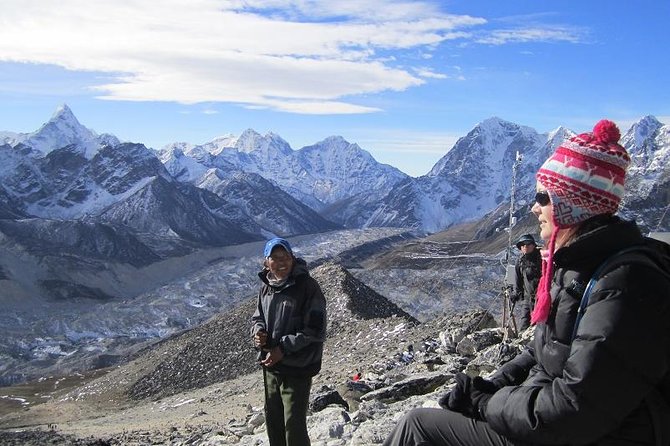
- Panoramic Everest views on a gentler route you can actually enjoy, not just survive
- Dudh Koshi River walking with suspension bridges, including the famous Hillary Suspension Bridge
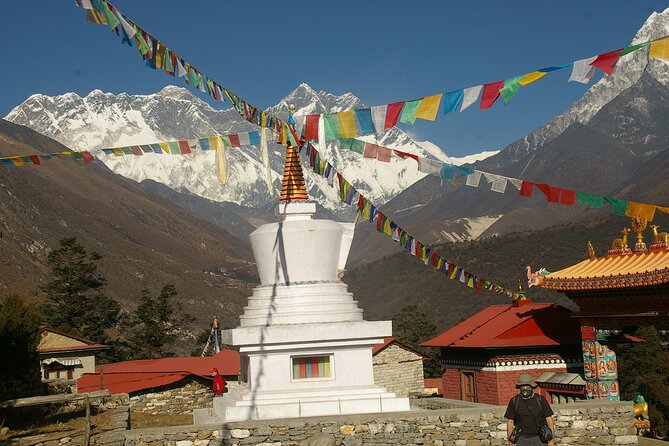
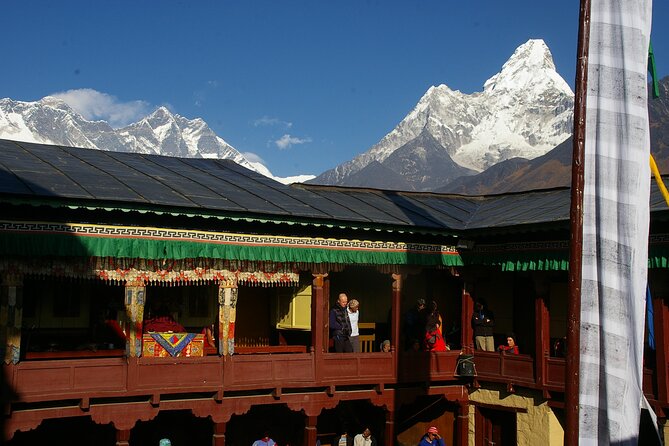
- Tengboche hilltop monastery area built into the itinerary (and usually where the mood turns extra special)
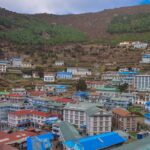
- Sherpa village life and bazaar energy in places like Phakding, Namche Bazaar, and Monjo
- Small group size (max 15 people), so you’re not lost in a crowd
- Meals and overnight stays included, which keeps your focus on the trail
Everest Panorama Trek: views first, suffering kept reasonable
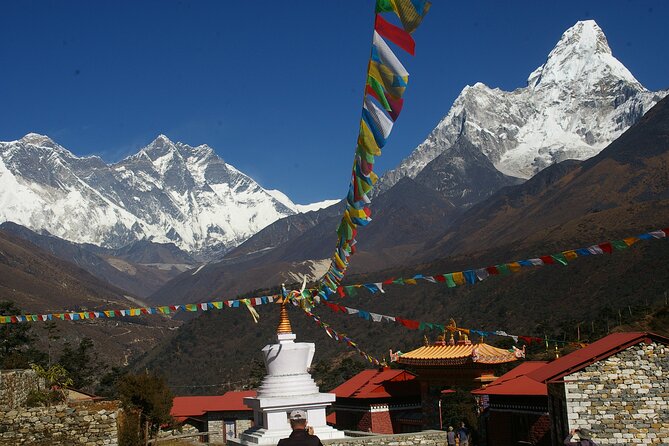
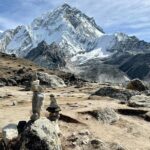
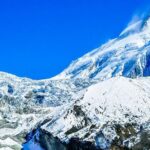
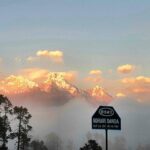
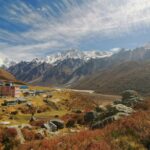
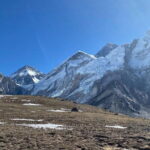
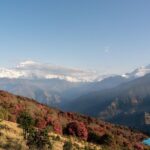
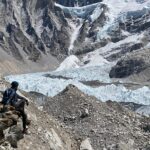
The Everest Panorama Trek is built for the moment you realize the mountain is not just a name. On this route, the sightlines keep coming—sometimes wide and dramatic, sometimes close enough to feel like you could reach up and touch the skyline. You’re in the Everest region, but you’re not committing to the full base-camp grind.
The best part is that the trek is structured around viewpoints you can appreciate at day’s end. The walking is paced with multi-day village-to-village stages: you’ll climb and descend, but you won’t be doing the kind of sustained, punishing altitude work that defines the hardest Everest itineraries. For many people, that means you can actually enjoy the monasteries, the tea stops, the everyday rhythm of the villages, and the big photo moments.
There’s also a real comfort factor. The tour includes meals and lodge overnights, so you’re not constantly deciding what to eat and where to sleep after a long day. And with a start time listed at 5:00 am, you know the plan from day one is organized and time-conscious.
You can also read our reviews of more tours and experiences in Kathmandu.
Price and value: what you’re paying for at $1,225 per person
At $1,225 per person, this trek sits in the “serious trip” category. The value comes from what’s bundled, not from what’s missing.
You’re paying for:
- The Kathmandu-to-trek transfer flow, including pickup and moving you to your hotel on arrival
- The domestic flight to Lukla, which is the gateway to this entire experience
- Guided escort on the walking days and the practical rhythm of lodge overnights
- Meals and overnight stays included, with breakfasts listed for the trekking days and a dinner included in the package
- A max group size of 15 people, which usually helps keep the trekking experience controlled and not chaotic
If you’ve done trips where you pay for logistics separately—extra transport, last-minute meals, and scrambling for beds—you’ll recognize the payoff here. The trek may still demand effort, but the day-to-day friction is reduced.
One small “nice touch” on the logistics side: you’ll receive a mobile ticket, and pickup is offered. Those details matter more than they sound when your trip starts on day one with flights and early mornings.
Kathmandu arrival and day 1 transfer: get oriented, then rest
Day 1 is straightforward: when you land at Kathmandu airport, you’re greeted by a representative holding your name at the arrival gate. Then it’s a transfer to your hotel.
This day is less about sightseeing and more about setting yourself up. Your main job is to rest, hydrate, and do a quick gear sanity check—especially if you’re the type who always discovers one missing item right before a long hike. Kathmandu is busy; your trek is quiet. The goal is to sleep well and avoid turning the first 24 hours into a sprint.
Lukla flight + Phakding day: the gateway village vibe
On day 2, you’re escorted to the domestic terminal for an early morning flight to Lukla (2,800m / 9,186ft). From there, your trek begins.
You’ll walk about 3 to 4 hours through the prosperous village of Lukla, then continue to Phakding, where you overnight. This is the first real taste of the Everest region’s everyday texture: village life, trails that feel “used,” and suspension bridges that remind you you’re not in a flat hiking park.
A practical note: even though this day is short, it’s still altitude exposure. Don’t treat it like a stroll. Pace yourself, drink water, and take the “easy day” seriously so you don’t pay for it on day 3.
Meals-wise, the itinerary lists breakfast as included on this day, and you’ll start learning how the tour handles food and timing so you can stay on schedule without constant decision-making.
Phakding to Namche Bazaar: pine forest, Dudh Koshi, and Hillary’s bridge
Day 3 is where the scenery starts turning cinematic.
You’ll trek 5 to 6 hours through a beautiful pine forest and follow the Dudh Koshi River. The route includes multiple suspension bridges, including the famous Hillary Suspension Bridge. Bridges like this are more than photo ops; they change the whole rhythm of walking by forcing you to slow down and focus on footing.
Along the way, you get a wonderful prospect of Mt. Thamserku (listed at 6,618m). That’s a key theme on this trek: the views are not only about Everest. You’re looking at a whole neighborhood of peaks.
You’ll overnight in Namche Bazaar, the hub where the Everest region feels like a real community rather than a wilderness line on a map.
Namche to Tengboche: Everest and friends in one big viewpoint run
Day 4 runs about 5 to 6 hours and moves toward Tengboche. This is one of the most “keep your camera ready” days in the itinerary.
The walking includes superb sightlines to Mt. Everest, Mt. Nuptse, Mt. Lhotse, and Mt. Ama Dablam, plus close-up views of Thamserku. You also stop for a relaxed lunch at Phunki Thenga before the trail gets a bit tougher with a climb through pine forests.
If you’re the kind of person who enjoys small transitions—forest to viewpoint, settlement to monastery area—this day has that rhythm. It’s not just effort; it’s a sequence of changing stages.
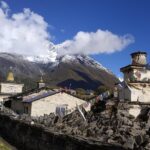
You’ll overnight in a lodge at Tengboche. This is also the part of the trek where the idea of hilltop monasteries becomes real in the experience, not just a line in a brochure. You’ll be in the right zone to feel the spiritual and cultural atmosphere that hikers talk about in this region.
Tengboche to Monjo: steep descents, wildlife spotting, and river confluences
Day 5 is again 5 to 6 hours, and it changes character.
The trail runs along a steep wooded slope beyond Kyangjuma, winding through bends. The itinerary includes a fun (and realistic) wildlife element: you’ll look out for mountain goats, snow leopards, and colorful pheasants. Snow leopards are rare, so treat that as a hopeful watch rather than a guarantee—but the presence of wildlife in the area is part of what makes the hike feel alive.
Then comes a steep descent from Namche Hill to a suspension bridge crossing the Dudh Kosi River near where the Dudh Koshi and Bhote Koshi rivers meet. That confluence detail matters because it helps you understand why the river valleys look the way they do and why the whole region’s hiking routes follow these waterways.
You’ll overnight in Monjo. Day 5 also includes a practical note: the descent is designed so porters have a less strenuous walk back tomorrow. Even if you’re focused only on your own pace, it’s good to know the trek is organized with the full logistics in mind.
Monjo to Lukla: last walking day at lower altitude
Day 6 gives you a final block of trekking time—about 4 to 5 hours—but with the itinerary’s emphasis on lower altitude.
Most of today’s track is flat, with open plains and rhododendron and pine forests. The distant background includes Kwangde peak. This is the day when your body usually starts feeling less “hike-you-up” and more “move and enjoy.”
The itinerary also frames day 6 as your last evening in the mountains. Some group members might not return with you to Kathmandu, so it tends to be the day where you see how fast a small trek team becomes a small community.
You’ll overnight at Lukla, bringing this trek loop back toward the starting point before the flight home.
Day 7 and 8: flight back to Kathmandu, then farewell
Day 7 is the simple part: you fly back to Kathmandu.
Day 8 is labeled Farewell Friend. That’s the tour’s way of closing the loop: the hiking days end, and you shift back to city life. If you’re traveling onward the same day, you’ll want to keep your schedule flexible. The big variable is weather, which brings us to an important planning point.
Guides and crew: why the human factor matters on Everest routes
On Everest region treks, the mountains do not care about your itinerary. Weather, altitude, and fatigue show up whether your plan is perfect or not.
That’s why I pay attention to the guide culture on a trekking company. With Epic Adventures Pvt. Ltd., names that show up repeatedly in their Everest-route experiences include Ramkumar, Anil, Basu, Nima, and OM, plus other guides like Gyanashwor Adhikari and Dambar on related trips. The common thread across those experiences is simple: clear communication, real motivation when you’re tired, and a caring approach when someone feels low.
Even on a “panorama” trek, you should expect days where your energy dips. The best guides help you stay steady—pace you, check on how you feel, and keep the group moving together without panic.
Who should book the Everest Panorama Trek
This trek is best for people with moderate physical fitness who want Everest region vibes without the full endurance test of the hardest routes. The daily durations are clearly laid out in the itinerary (roughly 3 to 6 hours most days), and the route design includes a “lower altitude” final walking day.
You’d probably love this trek if you:
- Want iconic Everest panoramas without committing to base-camp intensity
- Care about Sherpa village culture and viewpoints like Namche Bazaar and Tengboche’s hilltop monastery area
- Prefer a tour where meals and overnights are handled, so your day is simpler
- Like a small group size (max 15 people) and a guided structure
You might think twice if you:
- Get flustered by early mornings and fast-moving days (day 2 begins with an early start)
- Have limited hiking stamina, since even the shorter days still operate at altitude
- Know you’re sensitive to altitude and you don’t have a realistic plan for pacing
Practical tips to make this trek easier on your body and your photos
You’ll get the best experience when you treat it like a long walking weekend at altitude, not like a sightseeing day.
- Start slow on arrival days. Lukla to Phakding and Namche days can feel deceptively manageable until the altitude catches up.
- Bring layers. The itinerary moves through pine forest, open sections, and lodge towns; temperatures can swing.
- Plan your camera habits. Suspension bridges and viewpoint gaps are short; practice stopping without blocking the line.
- Hydrate steadily. Included meals help, but your water intake still needs to be intentional.
- Accept wildlife as a bonus. The route notes mountain goats and colorful pheasants, with snow leopards mentioned as a lookout. Hope for it, don’t build your day around it.
Booking decision: should you book this Everest Panorama Trek?
If your main goal is Everest region scenery—Everest and neighbor peaks in big view angles, Sherpa village atmosphere, and hilltop monastery scenery—this trek is a strong match. It’s also a smart choice if you want a guided, structured experience with meals and overnight stays included, and you like the idea of a small group that won’t turn into a logjam.
I’d recommend booking when:
- You want a “best of” Everest panorama version
- You can handle early starts and moderate hiking at altitude
- You value organization and comfort so you can focus on the views
I’d skip (or ask questions first) if you’re unsure about altitude tolerance or you need a slower itinerary with more recovery time. This trek still starts at altitude and keeps a daily hiking rhythm.
If you want to see Everest without signing up for the toughest Everest climb, the Everest Panorama Trek is one of the more practical ways to do it.