REVIEW · KATHMANDU
10 Days Annapurna Base Camp Trek from Kathmandu
Book on Viator →Operated by CAN Travels · Bookable on Viator
That first sight of the peaks grabs you fast. This 10-day Annapurna Base Camp trek links Kathmandu, Pokhara, and the high-altitude trail with a government-licensed English-speaking guide and official trekking paperwork handled for you. You’ll spend real time walking between Gurung villages and alpine forests, then go all the way to the base camp where sunrise views are a major payoff.
I especially like two things: the organization of permits and transfers, which keeps you from losing days to admin, and the way the route breaks into manageable stages with guides who focus on safety and good pacing. In past trips tied to this itinerary, guides such as Krishna, Biru, Milan, Amrit, Deepak, and Prakash have been highlighted for friendly, steady leadership and clear explanations. One consideration: food and drinks aren’t included, and the trek does ask for moderate fitness because you’ll face steep ups and downs most days.
In This Review
- Key highlights worth your attention
- From Kathmandu to trekking mode: how this route stays practical
- Pokhara Lakeside: your real pre-trek reset (not just a hotel stop)
- Ghandruk via Nayapul and Sauli Bazar: first taste of Annapurna culture
- Chhomrong: when the trail starts to feel serious
- Bamboo and Deurali: forests, climbs, and the rhythm of repetition
- The big day: trekking onward to Annapurna Base Camp
- Day 7 descent to Bamboo: that 1,700m drop is no joke
- Jhinu Danda and the steep step work toward Kuldi Ghar
- Day 9 back toward Pokhara: Siwai, shared transport, and an easier pace
- Day 10: highway ride back to Kathmandu through Nepal’s everyday scenes
- Guides and permits: why the planning quality shows up in your comfort
- Price and value: what $490 really covers (and what it doesn’t)
- Who should choose this Annapurna Base Camp trek
- Should you book this 10-day Annapurna Base Camp trek?
- FAQ
- How long is the Annapurna Base Camp trek from Kathmandu?
- Where does the trip start?
- Is a trekking guide included?
- Are trekking permits included?
- Is food included during the trek?
- What fitness level do I need?
Key highlights worth your attention
- Government-licensed English-speaking guide plus an emergency first-aid kit to help with safety and pacing
- Permits and official documents handled, so you can focus on the trail instead of paperwork
- Pokhara comfort built in: 2 nights at a 2-star hotel with breakfast before the trek ramps up
- A classic ABC progression from Ghandruk/Chhomrong to Bamboo/Deurali and finally Annapurna Base Camp
- Trek-to-transport connections planned for an easier Day 9 back toward Pokhara
From Kathmandu to trekking mode: how this route stays practical
This trek starts in Kathmandu, then gets you to Pokhara first—on purpose. Pokhara is your altitude warm-up and logistics hub, and the plan includes a Kathmandu–Pokhara–Kathmandu transfer by tourist bus. That means less guesswork about schedules and stations.
One detail I like: the package is set up as a private tour/activity, meaning it’s only your group. It also lists group discounts, so you get some savings if you’re traveling with others who fit the same dates. Add in hotel pickup and drop-off, and you’re not stuck figuring out how to reach bus parks or meet points after a long day.
Timing matters too. The start time is listed as 11:15 am, but Day 1 includes an early hotel pickup to reach the tourist bus station. Before you go, confirm your exact pickup time so you’re not rolling out of bed in a half-sleep sprint.
You can also read our reviews of more tours and experiences in Kathmandu.
Pokhara Lakeside: your real pre-trek reset (not just a hotel stop)
Day 1 is a long ride to Pokhara—about seven hours—plus hotel pickup early in the morning. It’s not a “do stuff all day” kind of day. It’s a “get there, rest, and let your body adjust” day.
You’ll get 2 nights in a 2-star hotel in Pokhara with breakfast. For most people, that’s the right balance: enough comfort to sleep well, not so fancy that you’re paying for a resort instead of a trek. I also like that breakfast is included; it’s one less thing you need to plan while you’re packing layers and double-checking your daypack.
Pokhara is also where you can get your bearings. You’ll be walking steep trails soon, so using the time to rest your legs and build a simple routine helps. If you’re first-timing this region, it’s smart to use Pokhara to ask your guide what to watch for—weather changes, cold at elevation, and trail conditions.
Ghandruk via Nayapul and Sauli Bazar: first taste of Annapurna culture
Day 2 is where the trek begins in earnest. You’ll drive from Pokhara to Nayapul, then walk toward Ghandruk via Sauli Bazar. It’s listed as about 5 to 7 hours and includes a steep hill trail.
What makes Ghandruk special is the village rhythm. You’ll move through places tied to everyday Gurung life, not just a string of viewpoints. That cultural texture matters because it breaks the trek up into more than “up, down, repeat.” You’ll also get big mountain visibility in this zone, which is a nice mental reward while your legs are still waking up.
A practical note: the first day of real walking is often the day people start out too fast because everything looks manageable early. Aim for steady breathing and short breaks. Your guide will help set the pace.
Chhomrong: when the trail starts to feel serious
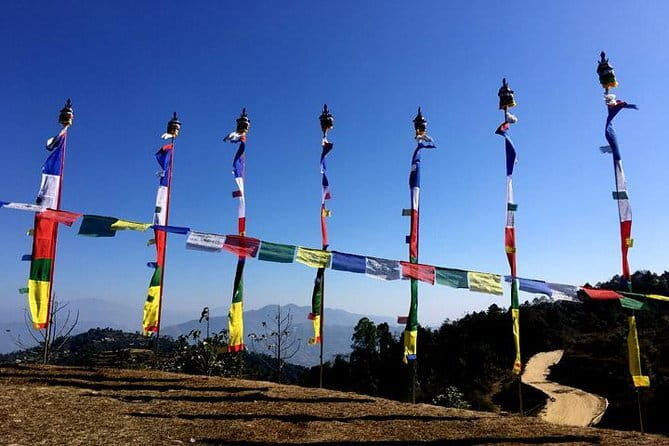
Day 3 takes you from Ghandruk to Chhomrong via the Kumrong danda route. It’s about 6 hours, and the itinerary describes both ascent and descent as part of the journey.
Chhomrong is often a turning point on ABC treks because it’s when you stop thinking of this as just a hike and start accepting it as a trek. The terrain here tends to feel more “layered”—you’ll work a bit uphill, then balance it with downhill sections that still demand care.
This is also a good day to slow down your decision-making. When the trail gets steep, you’ll appreciate having a plan for snacks, hydration, and rest stops. With a licensed guide, you’re not just walking—you’re getting someone who can interpret the trail and keep you moving safely.
Bamboo and Deurali: forests, climbs, and the rhythm of repetition
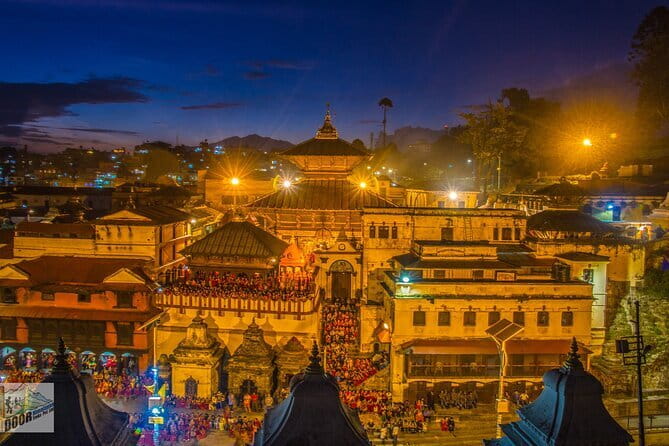
Days 4 and 5 set your rhythm.
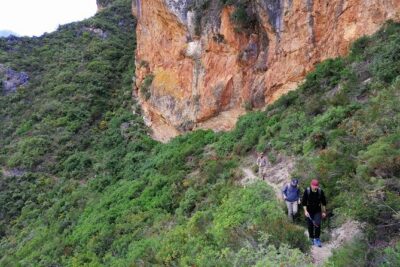
On Day 4, you leave Chhomrong and head toward Bamboo (about 6 hours). The description highlights a steep descent to Chhomrong Khola, then a steep climb after crossing the stream—so expect multiple uphill and downhill sections. This is the kind of day that can trick you: it’s not one brutal wall, but it wears you down through constant effort.
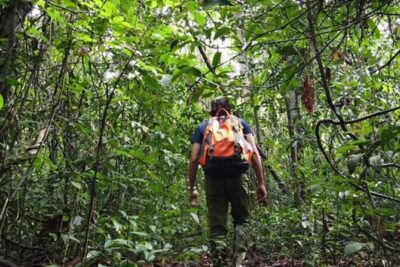
Day 5 is Deurali (about 7 hours). The trail goes from Dovan to Deurali and is described as short and beautiful through bamboo and rhododendron forests. It’s still trekking time, but this is the “softer feel” section where visuals and changing vegetation help you stay mentally fresh.
If you’re watching your energy, these two days are about pacing. Don’t try to “make up time” on the descent days. Your knees will remember. Instead, use the forest sections to practice a calm tempo.
The big day: trekking onward to Annapurna Base Camp
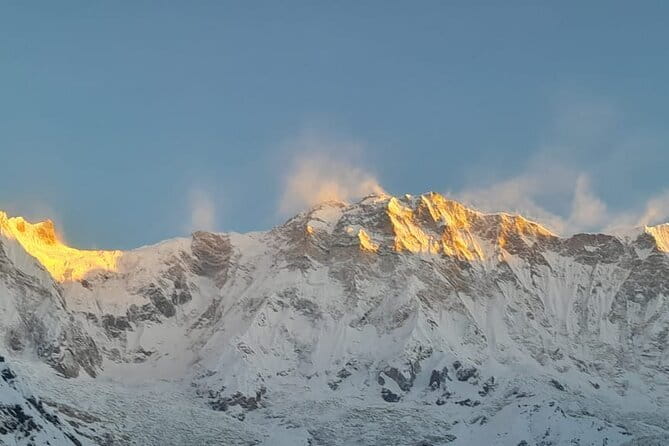
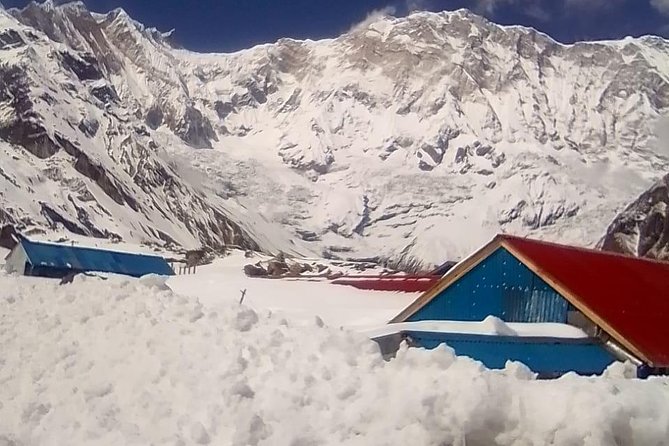
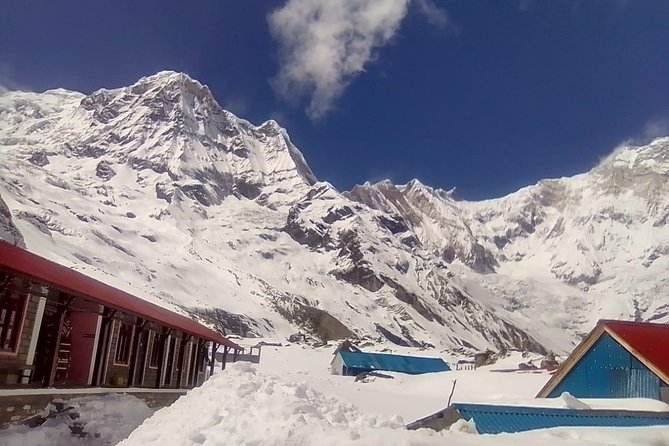
Day 6 is the payoff: from Deurali to Annapurna Base Camp (about 7 hours). The plan mentions high alpine forests, stunning views of snow-capped peaks, and several spots known for avalanches—so this is where safety and judgment matter.
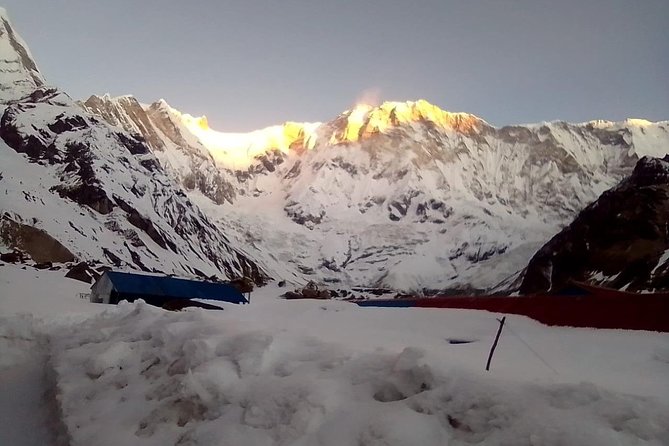
A sunrise viewing moment is highlighted as a key memory in the overall trek experience. Whether you catch it in perfect conditions depends on weather, but the itinerary structure still sets you up for the classic ABC “we made it” feeling: cold air, big walls of rock, and that base-camp scale that makes the world feel smaller.
What to plan for here: expect changing weather. Even when the forecast looks fine, elevation can shift conditions quickly. Bring layers you can adjust during stops and keep your pace steady so you arrive feeling alert, not wiped out.
Day 7 descent to Bamboo: that 1,700m drop is no joke
After reaching the base camp, Day 7 takes you back down to Bamboo. It’s about 6 hours, but the important detail is the altitude drop: the trek notes a drop of around 1,700m.
Downhill can be harder than uphill. Your body has less leverage on steep grades, and your stride can turn into a braking system. This is a day to move slowly on the rough sections and trust your guide’s pace rather than your ego. Even if you feel strong in the morning, keep your form consistent.
The good news: you’re moving away from the highest elevation. That shift often makes breathing easier and helps you recover enough for Day 8.
Jhinu Danda and the steep step work toward Kuldi Ghar
Day 8 goes from Bamboo to Jhinu Danda (about 6 hours). The itinerary describes a steep ascent to Kuldi Ghar, then mentions stone steps to Lower Chomrong, followed by climbing a thousand steps.
This is the day where legs feel the cumulative effect of the whole trek. If you want a simple strategy, use short step bursts with longer pauses. It’s faster than stubbornly pushing continuous effort, and it keeps you from overheating.
One extra note from the experience: some groups have mentioned a hot-springs stop later in the trip (reported on Day 10). Whether that’s included for your exact schedule can vary by conditions, but Jhinu Danda is positioned as part of the reward phase after the hardest walking stretches.
Day 9 back toward Pokhara: Siwai, shared transport, and an easier pace
Day 9 is described as one of the easiest days of the trek. You’ll trek to Siwai, then take a shared jeep or bus to Nayapul, followed by a private car/jeep to Pokhara. The total time is about 7 hours.
This day is valuable because it lets you transition from hiking rhythm to travel rhythm without dropping all momentum at once. You’re still moving, but the time pressure is lower because the heavy climbing is reduced.
It’s also a great day to take inventory: what gear you still need, what you can leave behind, and how tired you really are. After nearly a week of altitude and steep trails, that kind of reality check helps you sleep well on the last night in Pokhara.
Day 10: highway ride back to Kathmandu through Nepal’s everyday scenes
Day 10 returns to Kathmandu by bus, about 7 hours. The route follows highways with rivers, hills, and small Nepalese settlements.
This is a quiet “wrap up” day. You won’t be walking, so you can focus on recovery: hydration, a proper meal, and an unhurried stretch session. If your itinerary includes a hot-springs visit, it usually feels like a final reset after the trek legs have earned a break.
Travel on Day 10 is also a reminder: this trip isn’t just about one mountain day. It’s the chain of many small stages that gets you there.
Guides and permits: why the planning quality shows up in your comfort
A good ABC trek isn’t only about the views. It’s about how you feel when your energy drops.
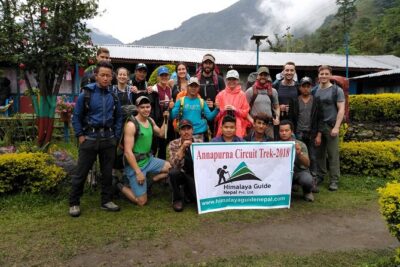
This package centers on a government-licensed English-speaking trekking guide. That matters because the guide is the human link between you and everything that can go wrong: weather, trail timing, and altitude pacing. In trips linked to this route, guides like Krishna and Prakash have been described as safety-minded and detail-focused. Others—like Biru and Amrit—have been praised for positive energy and keeping things fun without losing control.
Permits and official trekking documents are included too. That reduces stress and avoids annoying delays. And an emergency normal first aid kit is part of the plan, with guide food and accommodation covered as well.
Also, the itinerary describes the trip as private. In real terms, that usually means fewer surprises and more flexibility with how the day’s trek feels for your group.
Price and value: what $490 really covers (and what it doesn’t)
At $490 per person for about 10 days, this trek offers solid value if you like having the heavy logistics handled. Included items cover the big-ticket “can’t-figure-this-out-yourself” stuff:
- Transfers: Kathmandu to Pokhara and back by tourist bus
- Pokhara lodging: 2 nights at a 2-star hotel with breakfast
- Trek guide and official documents/permits
- Some local transfers tied to trail entry and exit points (Pokhara to Nayapul/Siwai, etc.)
- Emergency first aid kit with the guide
- Guide expenses
What you must plan for:
- Food and drinks aren’t included, though they’re available to purchase
- Gratuities are optional
So your true budget is trek value plus daily meal/drink spending. If you tend to snack often or prefer drinks with meals, plan for that up front. Also consider that you may want to budget for basic supplies you forgot (sun protection, warm layers, small personal meds).
Who should choose this Annapurna Base Camp trek
This trek is built for people with moderate physical fitness. That doesn’t mean you need to be an athlete, but you should be comfortable walking for several hours on uneven, often steep trails.
I think it suits you if:
- You want a classic ABC route with a structured plan
- You’d rather pay for guides and permits than manage admin yourself
- You like village-to-village trekking that includes culture, not only mountain photos
It’s a harder fit if:
- You dislike steep descents (especially with knee strain risk)
- You want every day to feel flat or easy
- You hate the idea of budgeting extra for meals and drinks
The bright side is that the route includes days that are heavy on views and days that are heavy on altitude changes, so it doesn’t stay brutal nonstop.
Should you book this 10-day Annapurna Base Camp trek?
If you want an organized ABC trek that takes care of permits, guide staffing, and the key transport links, I’d say yes. The price feels reasonable for what’s included—especially the licensed guide and the two-night Pokhara base.
Book if you’re ready to work on your legs and pacing, and you’re okay with paying separately for food and drinks. Consider it carefully if you’re expecting meals to be included every day or if you’re worried about steep trail fatigue. In short: this is a classic Himalayan walk with enough support to keep you focused on the reason you came—Annapurna Base Camp and the journey that gets you there.
FAQ
How long is the Annapurna Base Camp trek from Kathmandu?
The tour lasts about 10 days.
Where does the trip start?
It starts in Kathmandu, with hotel pickup and return drop-off included.
Is a trekking guide included?
Yes. The trip includes a government-licensed English-speaking trekking guide, along with an emergency first aid kit.
Are trekking permits included?
Yes. Trekking permit and all official documents are included.
Is food included during the trek?
No. Food and drinks are not included, though they are available to purchase.
What fitness level do I need?
The trip is intended for travelers with moderate physical fitness.
If you’d like, tell me your fitness level and travel month, and I’ll suggest a smart packing list and a pacing strategy for this exact day-by-day flow.