REVIEW · KATHMANDU
Annapurna Base Camp Trek
Book on Viator →Operated by Mount Elegance Treks and Expedition · Bookable on Viator
One wrong turn and you’re off your timeline; this trek gets it right. Annapurna Base Camp is the goal, but the real treat is how the journey is set up with comfort, permits, and people who know the route.
I love the clear structure: transport lined up from Kathmandu to Pokhara, then day-by-day walking with meals and lodging handled. I also like the altitude planning built into the route, with multiple stops that let you adjust before you push up to Base Camp.
One thing to consider: your trek comfort is good, but it’s still a mountain trek. You won’t have hot showers during the trek, and the plan depends on workable weather and your physical stamina for long hiking days at elevation.
In This Review
- Key things I’d watch (and why)
- 11 Days in Motion: What This Trek Actually Delivers
- Start in Kathmandu, Then Point the Wheels Toward the Hills
- Ghandruk to Deurali: Building Stamina the Smart Way
- The Base Camp Push: Reaching 4,130m and Then Coming Down
- Jhinu Danda and the Relief of Lower Altitude
- Back to Kathmandu: A Smooth Exit After the Hard Part
- Price and Logistics Value: What $240 Includes (and Why It Matters)
- Pace, Fitness, and Altitude Reality Check
- What Comfort Looks Like at Teahouse Level
- Who This Trek Suits Best
- Should You Book This Annapurna Base Camp Trek?
- FAQ
- What city do I start from?
- How long is the trek?
- What’s the highest altitude on the route?
- What meals are included?
- What’s included in the price besides hotels and meals?
- What’s not included?
- Is free cancellation possible?
Key things I’d watch (and why)
- Full-board trekking meals with tea/coffee mean less fuss and fewer food decisions mid-hike
- Government-licensed, English-speaking guide plus a porter ratio of 1 porter for 2 trekkers keeps the workload sane
- Permits handled (ACAP and TIMS) so you’re not chasing paperwork at the last minute
- 3-star hotel comfort in Kathmandu and Pokhara helps you reset before and after the mountains
- Teahouse twin sharing is “best available,” but rooms will be simpler than city hotels
- Altitude tops out at 4,130m at Base Camp, so pace and acclimatization matter more than pride
11 Days in Motion: What This Trek Actually Delivers
This trek follows a classic Annapurna pattern: get you from the city into the foothills, walk steadily upward through villages and forests, then hit Annapurna Base Camp and come back down before your legs fully complain.
When the package calls itself luxury-style, it doesn’t mean private helicopter or guaranteed palace rooms on the mountain. It mostly means fewer hassles: transport is taken care of, permits are covered, meals are planned (not guesswork), and you get 3-star hotels in Kathmandu and Pokhara with breakfast. During the trekking days, you’re also placed in best-available teahouses for twin sharing, with breakfast/lunch/dinner included.
For $240 per person, the best value is that you’re paying for logistics. You’re not just paying for walking scenery. You’re paying to show up and have the day’s plan work.
You can also read our reviews of more tours and experiences in Kathmandu.



Start in Kathmandu, Then Point the Wheels Toward the Hills
Day 1 is all about landing, getting your bearings fast, and moving into the first comfortable bed. You’re met at Tribhuvan International Airport and transferred to your hotel in Kathmandu for breakfast.
Day 2 is the long transfer day: a drive from Kathmandu to Pokhara covers about 200 km and typically takes 7–8 hours. Pokhara is a great staging city because it breaks the trip into two parts: city culture and then mountain walking. This is also where you’ll want to be practical. Your hiking days are ahead, so you’ll be happier if you use Pokhara to rest, hydrate, and keep your packing simple.
Tip: since your included trek meals only start once you begin trekking, plan on eating thoughtfully in Pokhara on Day 2. Lunch and dinner in Pokhara aren’t included.
Ghandruk to Deurali: Building Stamina the Smart Way
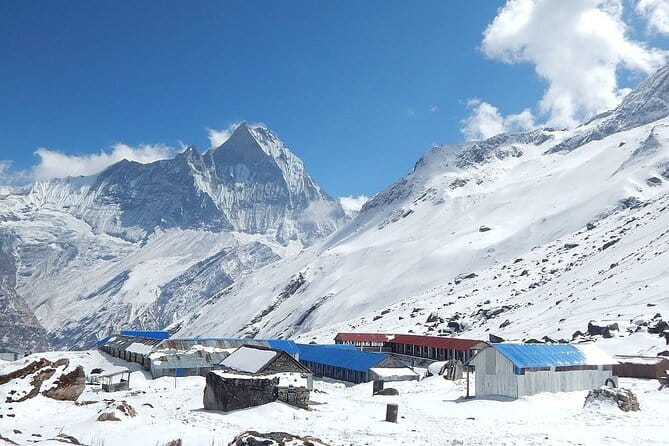
Day 3 moves you into the real trek. You drive about 41 km to Nayapul, then begin a 5 km trek to Ghandruk (with about 3–4 hours on foot). Ghandruk sits at 1,940m, high enough that the air feels different, but not so high that everything becomes instantly painful. It’s a useful landing zone for your first real hiking day.
Day 4 is your next step up to Sinuwa. You trek 12 km for about 6–7 hours, reaching 2,340m. This section matters because it’s long enough to feel like a trek, but not so steep that you’ll be forced into an overly fast pace. A slower rhythm here pays off later.
Day 5 takes you higher again, to Deurali at 3,200m. The walk is about 10 km over 6–7 hours. You’ll pass through bamboo forests on this day, which is one of those details that makes the trek feel alive: the route isn’t only altitude and views. It’s also texture underfoot and changing greenery as you gain elevation.
Reality check: by Days 4 and 5, you’ll likely start feeling altitude in simple ways—breathing a bit harder on climbs, sleep that’s lighter than usual. That’s normal. What isn’t normal is pushing too fast. This itinerary gives you time for you to adjust.
The Base Camp Push: Reaching 4,130m and Then Coming Down
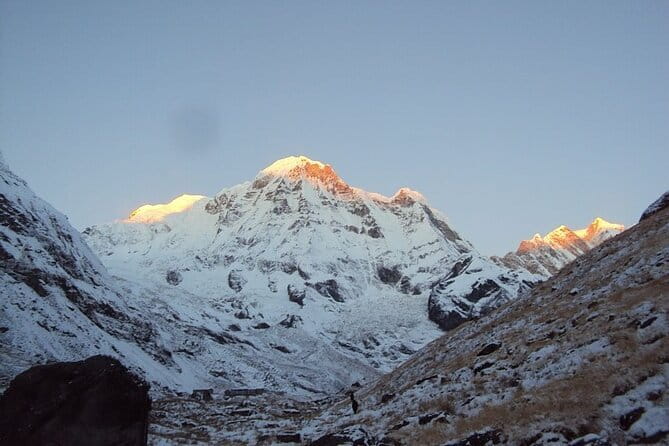
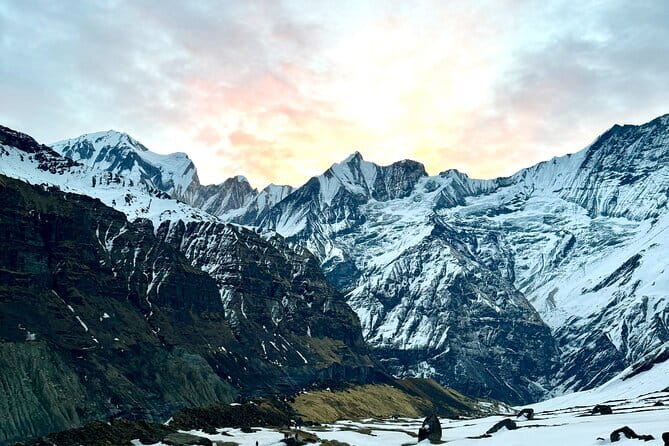
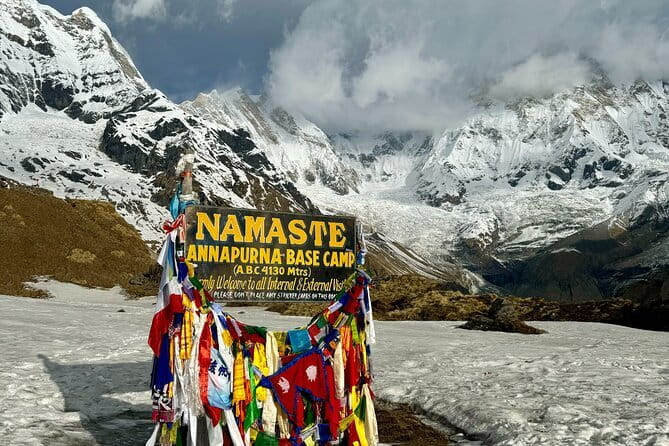
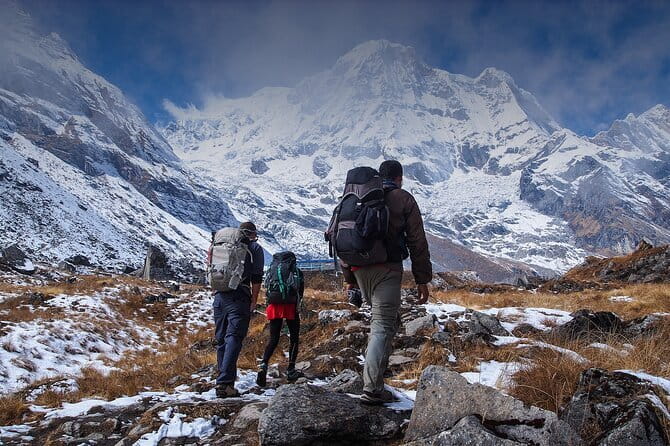
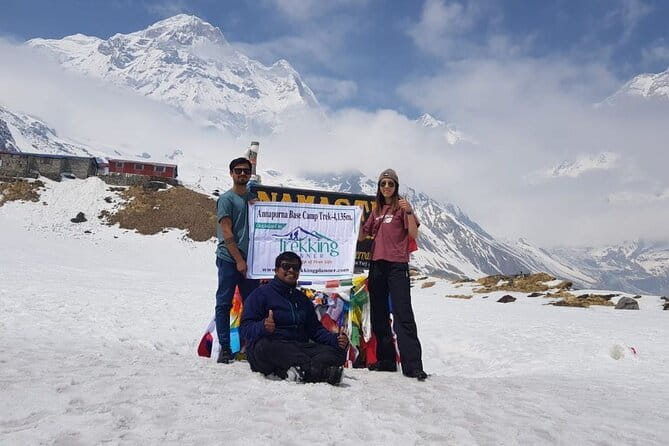
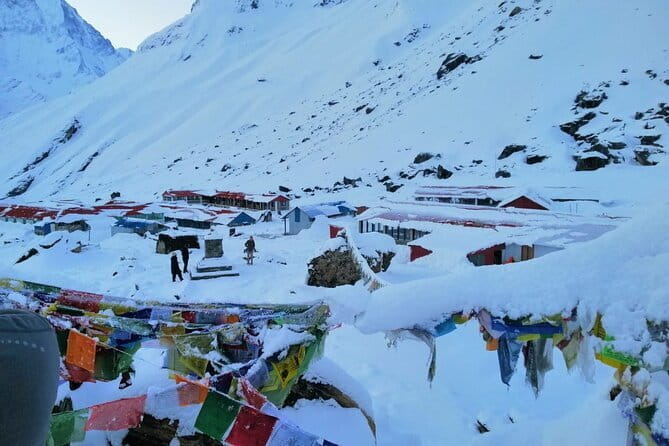
Day 6 is the big day to Annapurna Base Camp, at 4,130m. You cover about 9 km in roughly 6–7 hours. This is where the views become the main event. The plan also gives you a full day of meals (breakfast, lunch, dinner), which helps because you’re not scrambling for calories at the wrong time.
Even if you’re not a huge altitude person, Base Camp often hits you in a different way: your body is working, your head is loud, and suddenly the landscape feels both huge and strangely intimate. Having guide support helps here, especially if conditions shift (fog, wind, or cold snaps).
Day 7 is a purposeful change: after your morning at Base Camp, you descend from Annapurna Base Camp to Bamboo. It’s about 13 km in 6–7 hours, with Bamboo at 2,310m. Descending is not always “easy,” but it’s easier than the climb. Your knees will still want attention, and the slower you walk, the more you’ll enjoy the scenery and the more you’ll be ready for Day 8.
Jhinu Danda and the Relief of Lower Altitude
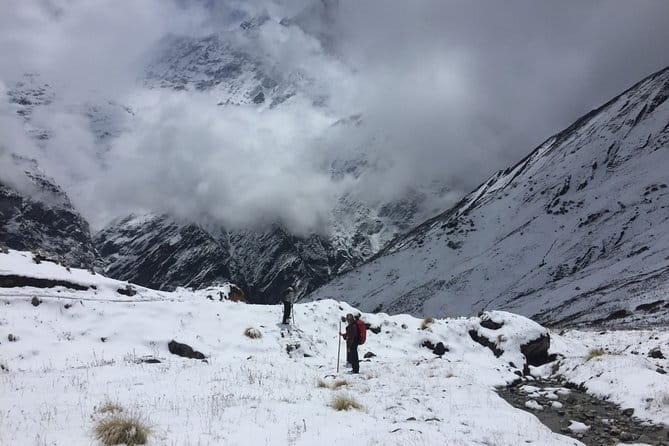
Day 8 takes you to Jhinu Danda (about 1,780m) with an 11 km trek over 5–6 hours. This is a key day because you’re dropping altitude meaningfully. When you’ve been high for days, the lower air can feel like someone turned the volume down.
Day 9 is the short walk finish: 6 km on foot for about 3–4 hours, followed by a drive back to Pokhara (about 2–3 hours). Your day is described as shorter and easier, with the trek bringing you to a point like Siwa or Ghandruk P—meaning your exact endpoint can vary, but the goal stays the same: get you out of the mountains cleanly.
One practical thing: the trekking meals on Day 9 include breakfast and lunch, but not necessarily dinner, since the Kathmandu and Pokhara meals aren’t included on the itinerary.




Back to Kathmandu: A Smooth Exit After the Hard Part
Day 10 brings you back to Kathmandu by road. It’s another long one: about 200 km and typically 7–8 hours. You’ll have breakfast, then finish the day with dinner included.
Day 11 is lighter by design. You’re back in Kathmandu, with time to relax and depending on your flight schedule, you’ll have a final morning before departure. This is where the “value” of an organized trek becomes obvious: you’re not racing the clock to find transportation after you’re tired.
Price and Logistics Value: What $240 Includes (and Why It Matters)
On paper, $240 per person may sound like either a steal or a mystery. In practice, value here comes from what’s bundled.
Included items that reduce your stress a lot:
- Airport transfers in Kathmandu
- Tourist bus Kathmandu ↔ Pokhara
- ACAP and TIMS permits
- 3-star hotel stays in Kathmandu and Pokhara with breakfast
- Full-board meals during the trek (breakfast, lunch, dinner) plus tea/coffee
- An experienced English-speaking government-licensed guide
- Porter service (1 porter for 2 trekkers)
- Best available teahouses for twin sharing during the trek
- Duffel bag and sleeping bag provided, to be returned after
- First aid medical kit
- A farewell dinner
What’s not included, and you should plan for:
- International airfare and Nepal visa fees
- Travel and rescue insurance
- Tips for trekking staff and driver
- Alcoholic drinks, bottled water, and other beverages
- Hot shower during the trek (not included)
- Lunch and dinner in Kathmandu and Pokhara
- Personal expenses like laundry and phone calls
The “luxury” part you should expect is operational: fewer unknowns and less decision fatigue. The mountain itself is still the mountain.
Pace, Fitness, and Altitude Reality Check
This trek is listed for people with moderate physical fitness. That usually means: you can handle 5–7 hours of walking on trail, you’re comfortable with long days, and you can keep a steady pace without sprinting.
Altitude is the other reality check. The itinerary’s high points:
- Kathmandu: 1,400m
- Pokhara: 822m
- Ghandruk: 1,940m
- Sinuwa: 2,340m
- Deurali: 3,200m
- Annapurna Base Camp: 4,130m
- Bamboo: 2,310m
- Jhinu Danda: 1,780m
You’ll also be at higher elevation for multiple consecutive days, which is why acclimatization matters even when the route is already designed for it. If you tend to get headaches or feel unusually short of breath, you’ll want to mention it early to your guide and slow down.
Also: the experience requires good weather. If weather isn’t workable, you might be offered a different date or a full refund.
What Comfort Looks Like at Teahouse Level
This trek uses teahouses during the walking days, with best available twin sharing accommodation. That usually translates to: simple rooms, shared facilities, and basic comforts—often better than you’d expect, but not hotel-grade.
Comfort upgrades you will feel:
- Meals are already planned, so you can warm up and refuel regularly
- Tea/coffee is part of the included setup during the trek
- You travel with a guide and a porter, which helps you save energy for the trail
- You receive a duffel bag and sleeping bag for the trek (and return them when finished)
What to pack mentally for:
- No hot showers during the trek
- You’ll be relying on cold-to-chilly conditions at altitude
- Your best “comfort move” will be pacing, layering, and drinking water steadily
Who This Trek Suits Best
This Annapurna Base Camp experience fits you best if:
- You want the Base Camp highlight but don’t want to manage permits, guides, and day-by-day logistics
- You’d rather spend mental energy on the trail than on figuring out where to eat and sleep
- You like structured trekking with an English-speaking, government-licensed guide and porter support
- You want a more comfortable start and finish with 3-star hotels in Kathmandu and Pokhara
It might feel less ideal if:
- You’re comfortable with DIY trekking and want total freedom to change routes on the fly
- You strongly prefer true “luxury” upgrades like private rooms and hot showers on the trail
Should You Book This Annapurna Base Camp Trek?
I’d book it if your main goal is Annapurna Base Camp, and you want a trip where the hard parts behind the scenes are handled: transport, permits, guides, meals, and lodging. For the money, that’s the real bargain.
Before you hit confirm, do three quick checks:
- Be honest about your comfort with 6–7 hour hiking days and one big push to 4,130m
- Plan to handle excluded costs like visa, insurance, and tips
- Pack for mountain basics, since hot showers aren’t part of the trek comfort level
If you want a well-run route with less stress and clear support, this one makes a lot of sense.
FAQ
What city do I start from?
The meeting point is Tribhuvan Airport, Kathmandu, Nepal.
How long is the trek?
It’s listed as 11 days (approx.).
What’s the highest altitude on the route?
The highest point is Annapurna Base Camp at 4,130m / 13,550ft.
What meals are included?
During the trek you get breakfast, lunch, and dinner, plus tea/coffee. In Kathmandu and Pokhara, breakfast is included (lunch and dinner there are not included).
What’s included in the price besides hotels and meals?
The package includes airport transfers in Kathmandu, Kathmandu–Pokhara–Kathmandu tourist bus transport, ACAP permit and TIMS card, an English-speaking government-licensed trekking guide, porter service (1 porter for 2 trekkers), teahouse accommodation in twin sharing, a first aid kit, and a farewell dinner.
What’s not included?
Not included are international airfare, Nepal entry visa fees, travel and rescue insurance, tips for trekking staff and driver, hot showers during the trek, bottled water and alcoholic drinks, and personal expenses like laundry and phone calls. Lunch and dinner in Kathmandu and Pokhara are also not included.
Is free cancellation possible?
Yes. You can cancel up to 24 hours in advance for a full refund, and weather-related cancellation can lead to a different date or a full refund.
If you want, tell me your hiking experience level and your comfort with long days, and I’ll help you gauge whether this pace and altitude schedule feels like a good match.