REVIEW · ARUSHA
3 Days Mount Meru Trek
Book on Viator →Operated by MERU SLOPES TOURS AND SAFARIS · Bookable on Viator
Mount Meru is shorter than Kilimanjaro, but it still has bite. I like that you get a proper ranger-escorted start with real wildlife odds right near the lower gates, not just views for the first day. I also like that the climb builds you toward a sunrise summit on a narrow, barren crater ridge, with the Meru world opening in layers as you gain height.
One consideration: this is not a stroll. You’ll be hiking steep grades and you’ll start very early on summit day, with a long day of walking for the ascent-and-descent loop.
In This Review
- Key things that make this trek worth your time
- From Arusha to Momela Gate: where the park day starts feeling real
- Day 1 on Meru: wildlife alongside the lower climbs to Miriakamba Hut
- Day 2: Saddle Hut, Meru Crater views, and the Little Meru push
- Summit day on Mount Meru: the 1:30 a.m. ridge to 4,566m
- Guides, rangers, and the human rhythm of the trek
- What’s included (and why that usually makes budgeting easier)
- Costs to plan for: the parts that are not covered
- How demanding is it, honestly?
- Best for who? Pairing Meru with safaris and Kilimanjaro
- Should you book the 3 Days Mount Meru Trek?
- FAQ
- What time does the trek start?
- Is pickup included?
- What are the hut stops during the trek?
- How early is the summit climb?
- What’s included in the price?
- Do I need to pay for a Tanzania visa?
Key things that make this trek worth your time
- Armed ranger escort from Momela Gate: you walk with a full ranger presence and a strong chance of seeing animals along the way.
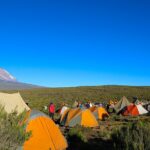
- Saddle Hut pacing for acclimatization: the route gives you time at altitude between the lower slopes and the higher ridges.
- Day 2 Ridge Views plus Little Meru: a short but steep push sets you up for crater views and a late-afternoon summit chance on Little Meru (3,820m).
- Summit timing around 1:30 a.m.: the early start is built around reaching the top for sunrise (4,566m).
- A narrow crater ridgeline at the end: the final stretch is described as dramatic, between steep inner cliffs and the outer crater wall.
- All fees, guides, porters, and most food included: meals and park fees are wrapped in, so you’re not constantly budgeting mid-trek.
From Arusha to Momela Gate: where the park day starts feeling real
Most trekking days begin with a slow wake-up. This one begins with motion: you’re picked up from your hotel in Arusha and driven out to Momela Gate. After a short registration, you start walking inside the park with an armed ranger escort.
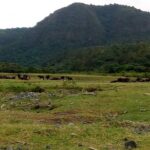
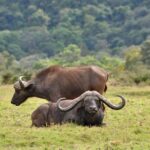
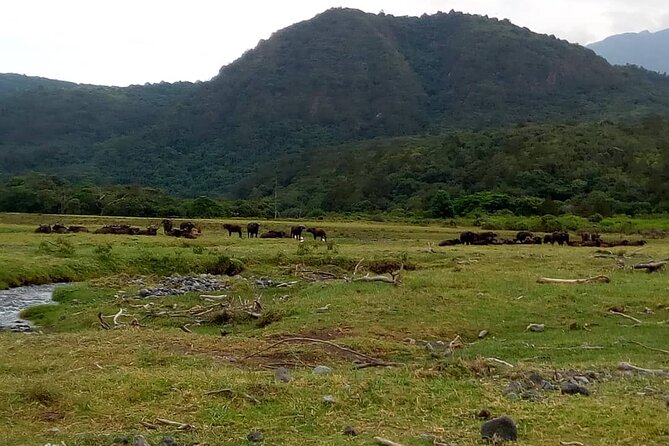
That escort matters more than it sounds. You’re moving through an area with large wildlife—so the rangers aren’t just ceremonial. You’ll often see animals during the early walking sections, and the trek description specifically includes elephants, zebras, giraffe, monkeys, and antelope, with elephants being common.
If you’re pairing this with a later Tanzania itinerary (safari, then maybe the coast), the timing is also nice. You get a real mountain experience in only 3 days, without the longer time commitment that Kilimanjaro demands.
You can also read our reviews of more tours and experiences in Arusha.
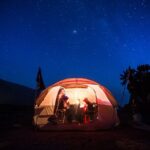
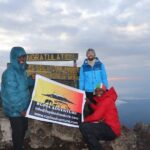
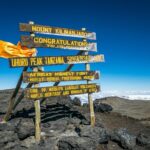
Day 1 on Meru: wildlife alongside the lower climbs to Miriakamba Hut
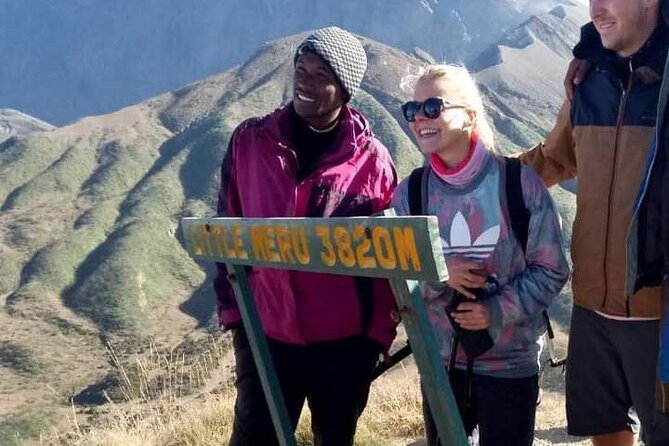
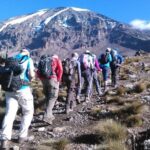
Day 1 is the “get your legs working” phase. After registration at Momela Gate, you begin trekking with your ranger escort, and the walk is described as one where you can spot wildlife. The route winds you into the park’s changing environments early, so even before the big altitude work, you’re already in the mountain mood.
The hiking ends at Miriakamba Hut, where you’ll have dinner and sleep. This is where the practical value kicks in: you’re not just rushing to the next checkpoint. You’re stepping into the rhythm of hut-based trekking, which helps you settle in for the altitude plan ahead.
What to watch for on day 1 is simple: don’t race. Even when the slopes feel manageable, you’re going higher than you expect, and the later climb depends on how controlled your pace is.
Day 2: Saddle Hut, Meru Crater views, and the Little Meru push
Day 2 starts with a walk from Miriakamba Hut toward the saddle below Little Meru. It’s described as a short day, but also steep, which is a classic Mount Meru trick: time on your feet can feel less than you fear, while the climbing angle still taxes you.
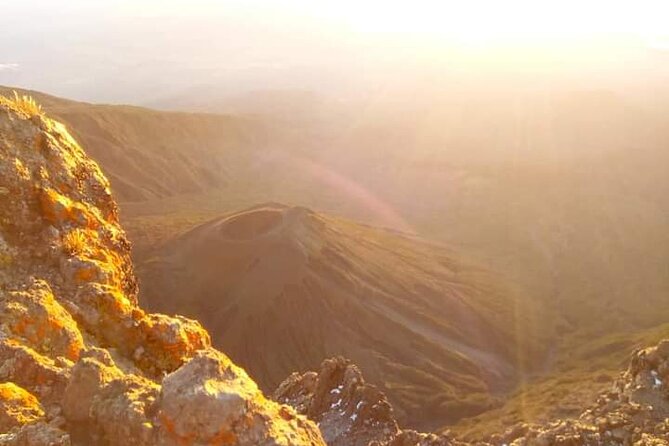
You move slowly along a ridge for spectacular views of the Meru Crater and the impressive Ash Cone. This is the day when the mountain starts acting like a place you’re inside, not a peak you’re only approaching. You can think of it as learning the map of Meru with your eyes, so the crater geometry on summit day makes more sense.
At Saddle Hut, you get hot lunch. Then there’s an extra climb option to reach Little Meru’s summit (3,820m) for superb views before sunset, after which you sleep at Saddle Hut again.
The advantage of this structure is acclimatization by design. You’re getting a taste of higher altitude before the main summit push, which tends to help your body adjust to changing air pressure and temperatures.
Summit day on Mount Meru: the 1:30 a.m. ridge to 4,566m
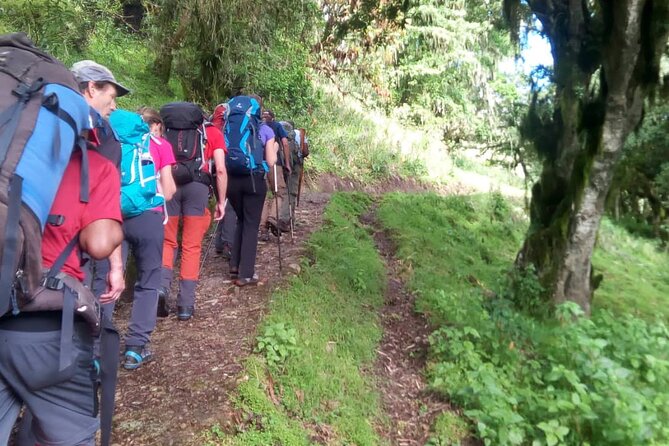
This is the day that earns the bragging rights, and it starts early—around 1:30 a.m. You climb steeply first to Rhino Point (3,800m), then on to Cobra Point (4,350m).
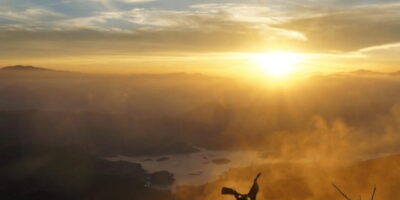
Reaching the summit (4,566m) on time for sunrise is the goal. The trek notes that you might be able to see Kilimanjaro Peak above the clouds, which is a big reason many people chase that early timing. Even if the sky cooperates only partially, you’ll still be up before the light, pushing through darkness toward the crater’s most dramatic moment.
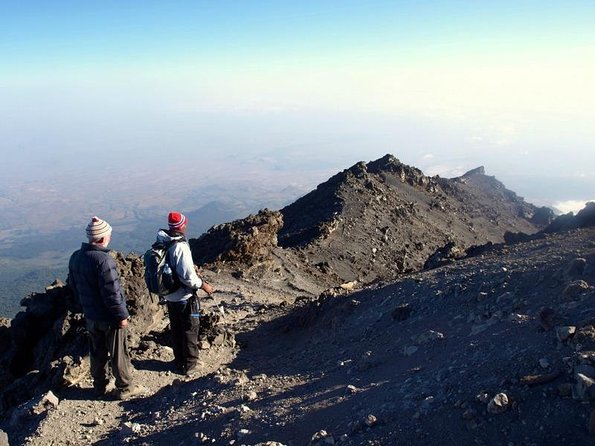
The final part is described as a spectacular narrow ridgeline between sheer inner cliffs and the sloping outer wall of the crater. That description is doing real work for you as a planning tool: it signals that the last stretch is exposed and focused. It’s not just about stamina; it’s about careful footing, steady movement, and listening to your guide.
After the summit, you’ll take a short rest and brunch at Saddle Hut before descending. The return is a long walking day—descent back to Momela Gate is estimated at 12–14 hours of walking—so you’ll want to go into the morning with energy, not grit.
Once you finish at Momela Gate, the returning transfer waits to take you back to Arusha, where you’ll have an overnight at your hotel.
Guides, rangers, and the human rhythm of the trek
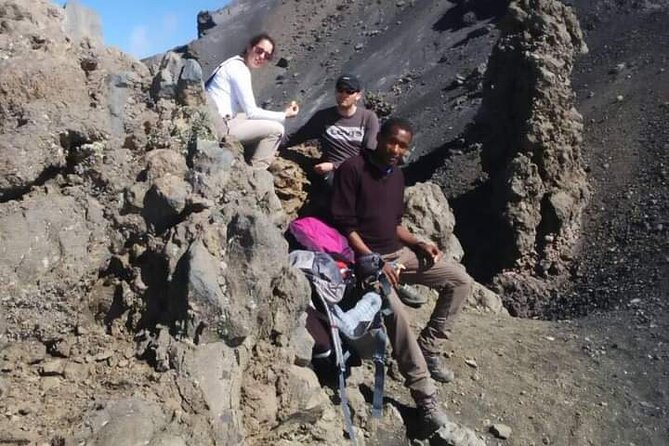
Mount Meru runs on teamwork. Your climb is guided, and you’ll also have rangers during the early section from Momela Gate. The tour includes guides, porters, and cook salaries, plus park fees—so the operation is meant to function as a complete mountain support system, not “good luck” hiking.
One name you may hear in connection with this trek is William, described as patient and positive when hiking with first-timers. That kind of attitude matters at Meru, because the mountain is demanding even when the route sounds straightforward.
The other helpful human detail is responsiveness from the organizer side. Geofrey Nassari, a director connected to MERU SLOPES TOURS AND SAFARIS, is mentioned as responsive and helpful with organizing the trip, which can reduce stress when you’re dealing with permits, timing, and altitude planning.


What’s included (and why that usually makes budgeting easier)
This trek is priced at $980 per person, and most of the heavy costs are wrapped in. You get all fees and taxes, private transportation, arrival and departure transfers, and the full set of guides/porters/cook salaries plus park fees.
Meals are also included: breakfast, lunch, and dinner each day listed on the package. That matters on a mountain because hunger plus cold plus altitude can turn “manageable” into miserable. You also get 2 nights of accommodation in Arusha, plus hut nights as part of the trek flow (the route includes overnights at Miriakamba Hut and Saddle Hut).
There’s also a mobile ticket, and pickup is offered, which is helpful when you’re organizing from a hotel and you don’t want to coordinate separate transport.
Costs to plan for: the parts that are not covered
The not-included items are straightforward:
- Tips (not included)
- Tanzania visa: $50 per person on arrival
- International and internal flights
If you’re doing a combined trip—say safari plus a coastal stop—those extra elements can be where your real total rises. Meru itself is a focused, contained cost once you’re on the ground.
A practical idea: set aside a little extra for gratuities and any snacks you want on the trail. The trek includes meals, but some people still like personal snack routines for long hiking days.
How demanding is it, honestly?
This is the kind of hike that tests fitness more than technical skill. The route is described as steep at points, and summit day includes a steep climb starting around 1:30 a.m. and ending with a 12–14 hour walking return to Momela Gate.
You should have a strong physical fitness level. That isn’t marketing fluff here; it’s what the schedule implies. Even if you’ve hiked before, plan for fatigue management: slow pace, hydration, warm layers, and realistic expectations about how you’ll feel at 4,500m.
The good news is that the whole structure is built around acclimatization before a potential Kilimanjaro attempt. The description explicitly frames this as a best option for acclimatization prior to Kilimanjaro climbing, which tells you the organizers understand how important the altitude ramp-up is.
Best for who? Pairing Meru with safaris and Kilimanjaro
This trek fits well if you want mountain training without committing to Kilimanjaro’s full length. It also pairs nicely with safari timing because you’re in Arusha and the trek format is compact.
If your goal is to climb Kilimanjaro later, Mount Meru can be a smart “practice climb” in a shorter container. If your goal is a satisfying mountain experience without going that high on day after day, Meru’s crater views and sunrise summit are enough to feel like a major achievement.
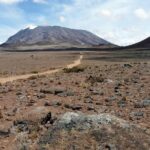
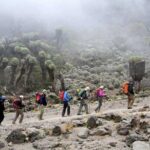
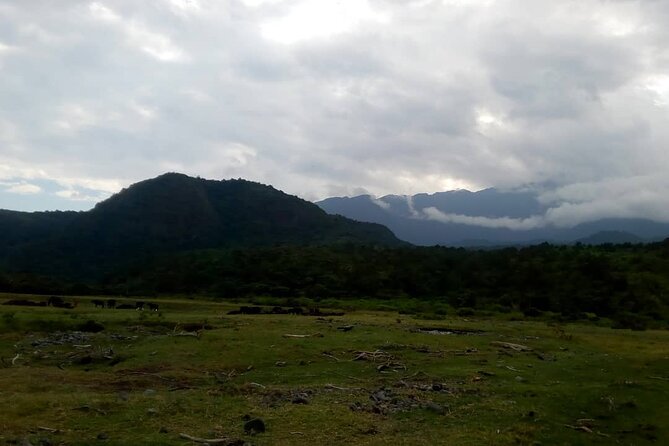
It also suits hikers who like variety in a single trek: the route is described as passing streams, parkland, montane forest, a giant heather zone, and moorland before the final barren ridge.
Should you book the 3 Days Mount Meru Trek?
Book it if you want a focused 3-day mountain adventure that teaches altitude, rewards you with crater views, and ends with a sunrise summit attempt. The value is strong because park fees, guides, porters, most meals, and transfers are bundled into the price, so you’re not hunting for essentials during the trip.
Skip it, or consider a longer option, if you’re not ready for a steep schedule and an early-morning summit grind. On Meru, the biggest challenge isn’t the concept; it’s the reality of steep hiking plus a long summit-day return.
If you do book, keep a little flexibility in your head. The experience requires good weather, and if conditions are poor, you’ll be offered a different date or a full refund. Also note that you can cancel up to 24 hours in advance for a full refund, which helps if your flight plans get messy.
FAQ
What time does the trek start?
The meeting/start time is listed as 8:00 am.
Is pickup included?
Yes. Pickup is offered, and the package includes arrival and departure transfers and private transportation.
What are the hut stops during the trek?
You’ll have an overnight at Miriakamba Hut on day 1, and an overnight at Saddle Hut on day 2 before the summit push on day 3.
How early is the summit climb?
You start around 1:30 a.m. on day 3 for the ascent to Rhino Point, Cobra Point, and then the summit.
What’s included in the price?
Included are all fees and taxes, private transportation, 2 nights accommodation in Arusha, arrival and departure transfers, guides, porters, cook salaries, park fees, and breakfast, lunch, and dinner (3 each).
Do I need to pay for a Tanzania visa?
Yes. The Tanzania visa is listed as $50 per person on arrival.