REVIEW · ARUSHA
8-Day Small-group Lemosho Kilimanjaro Summit Trekking
Book on Viator →Operated by Climb Kili · Bookable on Viator
Kilimanjaro is a dream trip with real planning behind it. The 8-day Lemosho route is popular for a reason: you move through forests, high-altitude desert, and glaciated zones while building acclimatization time for the low-oxygen slog ahead.
What I like most is that this trip keeps the group small (up to 15), so you’re not just a number shuffled along a long line.
Two things I really value: you get round-trip transfers from your Arusha hotel, and the hike is set up with an all-in-one package feel—camping equipment, fees, and meals are included. You can focus on pacing, rest, and getting ready for summit night instead of playing logistics roulette.
One consideration: this is not a casual hike. You’ll need strong physical fitness, and summit night is one of the steepest non-technical sections on Kilimanjaro, with a long, mentally demanding climb to Stella Point and Uhuru Peak.
In This Review
- Quick take: what stands out on this 8-day Lemosho trek
- Why the Lemosho Route Feels Like a Smart Climb
- Arusha Pickup and the Londorossi Gate Start
- Days 2–3: From Forest to Shira Ridge Views to Moir Camp
- Lava Tower to Arrow Glacier: The Acclimatization Day That Pays Off
- Barranco Wall to Karanga Valley: Moving Into the Cold
- Kosovo Camp and Summit Prep: The “Get Ready” Day
- Midnight Summit Night: Stella Point, Uhuru Peak, and the Long Descent
- Mweka Gate Finish and the Hotel Shower That Feels Illegal
- Price and Value: What $2,895 Really Buys You
- Who This Trek Fits Best (and who should think twice)
- Should You Book the 8-Day Lemosho Trek With Climb Kili?
- FAQ
- How large is the group on this Kilimanjaro Lemosho trek?
- What time does the trek start each day?
- Is pickup and transfer included from Arusha?
- What’s included in the price besides the hiking?
- Do I need strong fitness for this 8-day climb?
- Is there a free cancellation option?
Quick take: what stands out on this 8-day Lemosho trek
- Small group size (max 15), so your guide can actually keep an eye on how you’re doing
- Lemosho route pacing, with acclimatization time built in before you go for the top
- Everything camping-related is handled: equipment, park/trek fees, and meals are included
- A real summit plan: midnight start for sunrise timing at Stella Point, then down afterward
- Guider/crew energy matters, and their teams often run with a “care + safety first” approach
- Arusha pickup and transfers help you start (and finish) without extra stress
Why the Lemosho Route Feels Like a Smart Climb
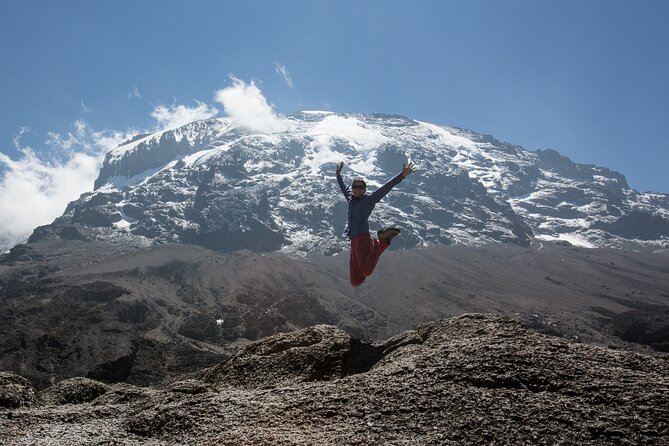
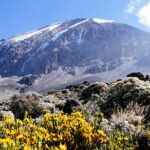
The Lemosho route is designed for acclimatization, and you feel that in the rhythm. You don’t just bounce upward day after day. Instead, the trek walks you through a sequence of environments—montane forest, then moorland and volcanic terrain, then the Shira plateau high above the clouds.
That matters because altitude is sneaky. Your body needs time to adjust, and the schedule gives you moments to breathe, slow down, and settle in. Even the “big view days” are paired with sleep altitude that keeps you moving in a way that usually feels more manageable than rushed routes.
The other big plus is the small-group setup. When your guide can talk to everyone, it’s easier to spot who needs slower pacing, extra rest breaks, or simpler conversations to keep you calm.
You can also read our reviews of more tours and experiences in Arusha.
Arusha Pickup and the Londorossi Gate Start
Day 1 begins with a transfer from your Arusha hotel, which is a practical win. Kilimanjaro logistics can get messy fast—start on time, arrive rested, and you reduce stress right out of the gate.
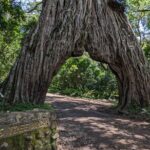
You check in at the Londorossi gate on Kilimanjaro’s western side, then hike gently upward through montane forest. The early walk is more than just warm-up miles. It’s your first taste of changing temperature and air density, plus a chance to test your clothing layers and foot rhythm before it gets serious.
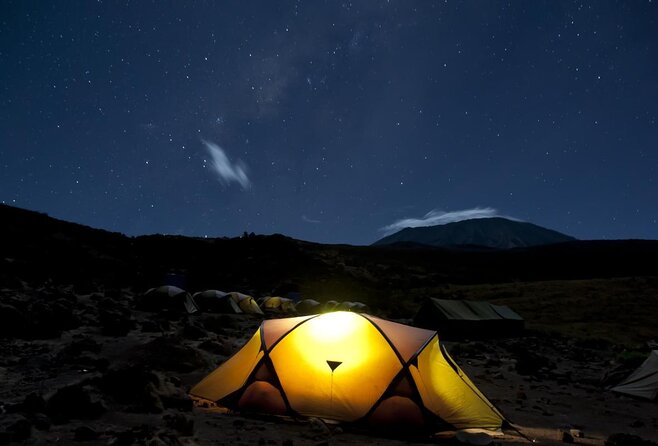
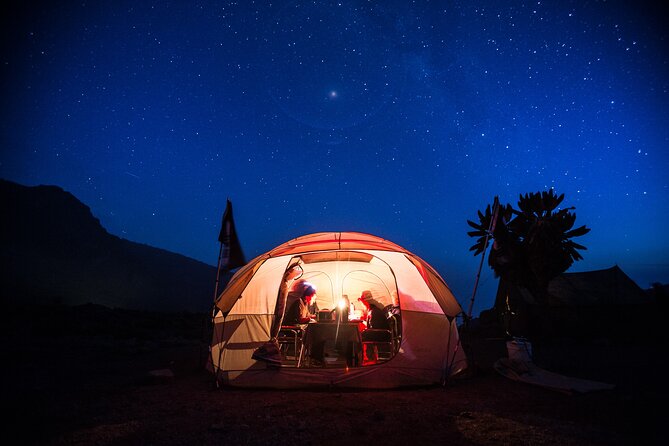
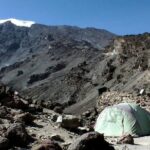
At camp, the trip is handled in a very “ready for you” way: tents are set up, and your personal items get placed where you’ll find them later. Tonight is in the Kilimanjaro rain forest area at Mti Mkubwa (Big Tree). That word Big Tree fits the mood—taller air, damp smells, and the feeling that the mountain is already alive around you.
One small drawback: Day 1 can feel like an easy walk that makes you forget you’re still building altitude. Don’t let the gentler start trick you into going too fast.
Days 2–3: From Forest to Shira Ridge Views to Moir Camp
Day 2 is where you leave the forest and step into higher country—tall grasses, heather, volcanic rock, and lichen-covered terrain. You’re climbing to around 3,505 m, and it’s the kind of shift that can make your breathing feel heavier even when the hike isn’t the steepest of the trip.
In the afternoon you follow the Shira ridge, which opens out long views of Kilimanjaro ahead. This is one of those days where you learn something important: altitude changes your pace, not just your effort. You might feel strong, but your body still asks for more breaks.
Day 3 turns the volume up with a full exploration day on the Shira plateau, trekking east toward Kibo’s glaciated peak. There’s also an optional stop at the collapsed Shira cone, which is a neat reminder this is a volcano system, not just a “big mountain.” You reach Moir Camp, down in a huge gorge at the end of a dormant lava flow.
The payoff here is big. The views and terrain variety are part of the “why Lemosho” story. The challenge is also real: you’re above 4,000 m, so even a longer walking day means you’ll manage effort more carefully than you would at home.
Lava Tower to Arrow Glacier: The Acclimatization Day That Pays Off
Day 4 is an acclimatization day, and that’s where the route starts doing its quiet work for summit success. You head toward the Lava Tower area around 4,500 m, then continue to a junction with the Arrow Glacier region.
This is one of the best days to practice summit-night thinking. You’ll climb, you’ll rest, and you’ll learn how to move efficiently with less oxygen in your system. The rest break matters here—don’t skip it. Your legs may feel okay, but your breathing tells a different story.
After the tower and glacier area, you descend into the Senecio forest and eventually to Barranco Camp. Barranco is memorable because of the setting: the camp sits under the shadow of the Barranco wall, and clouds can drift in from the valley. That’s both beautiful and a sign the weather can change quickly.
Potential drawback: the day ends with a descent, which can feel easier mentally—but downhill on high altitude can still chew up your energy. Take your time stepping.
Barranco Wall to Karanga Valley: Moving Into the Cold
Day 5 is built around the Barranco Valley and the classic Barranco wall ascent—an adventurous stretch that helps break the monotony of steady hiking. It also nudges your body toward what’s coming next: higher, colder conditions as you work toward the arctic zone.
Then you continue onto the South Circuit path through the Karanga Valley, camping at Karanga Camp. This stretch is where the air gets thinner and the temps can drop fast, so your clothing layers start to matter more than your attitude.
This is also the day where you’ll feel the trade-off of acclimatization. You’re not pushing for the summit yet, but you’re not taking a true rest day either. You’ll likely finish tired, and that’s okay. The route’s design assumes you’ll feel the climb, then you’ll benefit from the slow buildup afterward.
If there’s a drawback here, it’s planning your energy. You want to enjoy the hike without burning your fuel too early, because you still have summit prep ahead.

Kosovo Camp and Summit Prep: The “Get Ready” Day
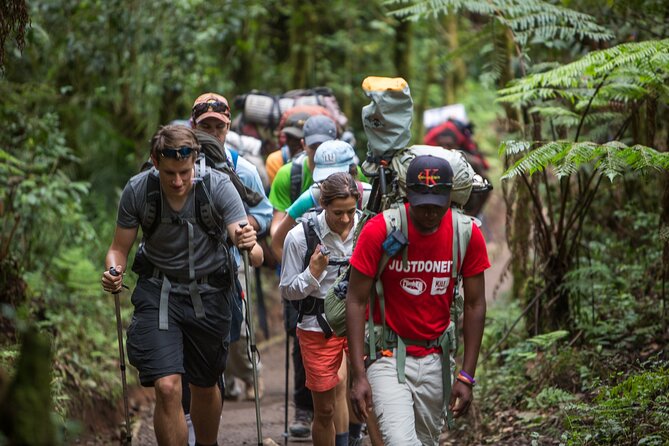
Day 6 brings you to Kosovo Camp around 4,876 m, and you’ll pass Barafu camp en route. Barafu is known for strong views of Kibo and Mawenzi, and even seeing it from the way you move toward Kosovo helps lock in the fact that summit day isn’t a concept—it’s a clock.
You hike slowly on this section, which is a good sign. The goal isn’t speed. It’s saving your legs, staying warm, and getting your mind on summit mechanics: eating enough, drinking water, and getting into a routine so midnight doesn’t feel like chaos.
Kosovo Camp sits on an exposed ridge. That means you take extra care with terrain—especially before it gets dark. On a summit itinerary, the “small” details can be the difference between smooth and stressful, so follow your guide’s timing and don’t wander off your group.
By the end of the day, you should feel tired but organized. If you don’t, that’s a cue to pay attention to what you’re doing with food, hydration, and sleep tonight.
Midnight Summit Night: Stella Point, Uhuru Peak, and the Long Descent
Day 7 is the big one. It starts with a midnight departure to climb toward Stella Point so you can watch sunrise from high on the crater rim. The schedule here is tough by design: roughly 6–7 hours ascent and 4–6 hours descent, with a long climb that’s considered among the steepest non-technical segments.
The route works through heavy scree and crater-rim terrain, then pushes you onward between Rebmann and Ratzel glaciers. You’ll likely feel your legs working overtime, but the mental side gets loud too. This is where guides earn their pay: pacing talk, breath control, and steady encouragement keep you moving when motivation gets thin.
From Stella Point, you’re in striking distance of the summit view—then Uhuru Peak is about one hour farther. After that, you descend to Mweka Camp for dinner and celebration. That dinner matters. After a day like this, your body needs simple calories and warmth, not just pride.
One reality check: the summit day is intense even if you’re strong. You’re not “failing” if you feel slow. It’s altitude. The route’s success depends on steady pacing and smart stops.
Mweka Gate Finish and the Hotel Shower That Feels Illegal
Day 8 closes the loop with a walk to Mweka gate, then vehicle pickup back toward your hotel in Arusha. You’re around 1,645 m by the end of the trek, so the air feels worlds easier compared to summit altitude.
That last morning is quiet in the best way. You’re moving downhill without the urgency of summit time, and you get that “did we really do that?” feeling with every step.
The highlight here is practical: a shower. After days in cold air and camp routines, getting clean fast is a reward you don’t have to think about. The vehicle transfer is also a relief—you’ve already done the hardest part, so don’t carry more hassle than necessary.
Price and Value: What $2,895 Really Buys You
At $2,895 per person, this trek isn’t cheap—but you’re also buying a lot of what makes Kilimanjaro hard to DIY.
You get round-trip transfers from your Arusha hotel, plus an all-in setup on the mountain: camping equipment, fees, and meals included. That’s a big deal because on Kilimanjaro, the cost isn’t only your own hike. It’s also the support network that keeps you safe, fed, and moving on schedule.
Small group size is part of the value too. A max of 15 people changes the experience. You tend to get more individualized attention on pacing and altitude concerns, which can make a difference on summit night.
You should still consider the fit. If your fitness isn’t solid, you may find the steep summit section and long day timing rough. And if you’re expecting a luxury lodge style trek, camping life is still camping life—just supported well.
Who This Trek Fits Best (and who should think twice)
This is best for hikers who want the classic Kilimanjaro goal with a route that takes acclimatization seriously. It’s also a good match if you like structured days and clear pacing instead of “wing it” trekking.
Beginner-to-advanced works here in the sense that the route has a thoughtful schedule. The catch is that fitness still matters. You’ll be walking long days at high altitude, then doing a very challenging summit climb at night.
If you enjoy a small group vibe, you’ll probably like this. People have noted that groups that are too large can feel unwieldy, and this one is built to stay intimate.
Also: you’ll likely appreciate the human touch from the guide and chef crew. Names that have shown up in this operator’s team stories include lead guides like Raymond, Amani, and Steve, plus chef Simon. You’ll also see assistant guides and porters mentioned for practical support and encouragement, like Herment Mosha, Manny, Cinga, and even porter-led moments such as coffee wake-up calls from Balthasar. Your exact team will vary, but the style described is consistent: care, safety-first decisions, and steady morale.
Should You Book the 8-Day Lemosho Trek With Climb Kili?
Book it if you want a high-focus Kilimanjaro summit trek with a small group, included gear and meals, and a route that gives your body time to acclimatize. The midnight plan to reach Stella Point for sunrise is classic, and the earlier days do the groundwork so summit night doesn’t feel like a random leap.
Don’t book it yet if you know you’re not ready for long altitude days. This trek asks for strong physical readiness and patience. If you’ve had altitude trouble before, you should plan to train and speak honestly with your guide about how you respond.
If you do book, my practical advice is simple: train for endurance, practice layering for cold ridges, and treat the acclimatization days as part of the summit plan—not “just extra walking.” Do that, and this becomes the kind of trip you’ll remember every time you see a sunrise.
FAQ
How large is the group on this Kilimanjaro Lemosho trek?
The group size is limited to a maximum of 15 travelers, which helps keep guidance and attention more personal.
What time does the trek start each day?
The experience lists a start time of 8:00 am.
Is pickup and transfer included from Arusha?
Yes. Pickup is offered, and the trek includes round-trip transfers from your Arusha hotel.
What’s included in the price besides the hiking?
Camping equipment, fees, and meals are included, and admission tickets are listed as included for the trek days. A vehicle transfer is also included when you finish at Mweka gate.
Do I need strong fitness for this 8-day climb?
Yes. The tour states travelers should have a strong physical fitness level.
Is there a free cancellation option?
Yes. You can cancel up to 24 hours in advance for a full refund. If you cancel less than 24 hours before the start time, the amount paid is not refunded.