REVIEW · KATHMANDU
Annapurna Circuit Trek
Book on Viator →Operated by Hit The Himalaya · Bookable on Viator
Kathmandu hands you the keys; the trail takes the steering wheel. This Annapurna Circuit trek stands out for the big-mountain drama plus real village life, and it does it at a pace that helps you adjust. I especially like the way the route hits major highlights like Tilicho Lake and Thorong La, while still giving you downtime in places like Manang. You’ll also get help from a professional team—many past trips praised guide Bhupal and top-notch porters.
One possible drawback: you’re stacking long drives and high-altitude days, so even with a good itinerary you’ll want moderate fitness and a flexible mindset on rough roads and flight timing.
In This Review
- Key things that make this trek worth it
- First nights in Kathmandu: Thamel, temples, and getting your bearings
- The road to the trek: Besisahar, Jagat, and the winding reality of Nepal
- Pisang to Manang: your first real trekking test, with smart route choices
- The Manang acclimatization days that actually help (Ice Lake, clinic, and side trips)
- Tilicho Lake: a less crowded-feeling highlight and a logistics reality check
- Around Yak Kharka: switching terrain, meeting wildlife chances, and Tare Gumba
- The Thorong Phedi night: preparing for cold, isolation, and a high pass
- Thorong La day: early start, 5416m summit, and the Dhaulagiri view
- Muktinath and the way toward Jomsom: blessings, Lubra, and Kagbeni
- Pokhara recovery with flights included: lakeside time after altitude
- Day 15 back to Kathmandu: a soft landing with cultural dinner
- Price and value: what $1,560 buys you (and where you’ll still spend)
- Seasons that match the trek: when April-May and September-October work best
- Who this trek fits best (and who should think twice)
- Should you book this Annapurna Circuit trek?
- FAQ
- Where does the tour start?
- How long is the Annapurna Circuit Trek?
- What does the price include?
- What is not included in the price?
- Are pickup and mobile tickets included?
- Is the trek suitable for everyone?
- What are the best months to go?
- How does the route handle getting to Pokhara?
- Can I get a refund if plans change?
Key things that make this trek worth it
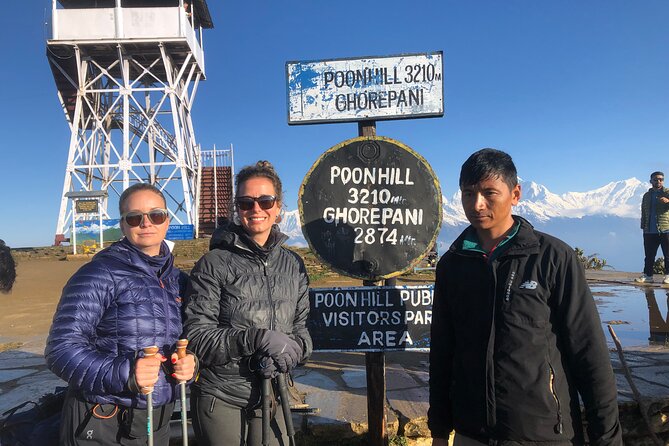
- Tilicho Lake detour: a 360-degree mountain experience route with a special morning push to the lake and then a return
- Manang acclimatization built in: an extra night in Manang plus optional side trips and altitude-sickness info at the Himalayan Rescue Association clinic
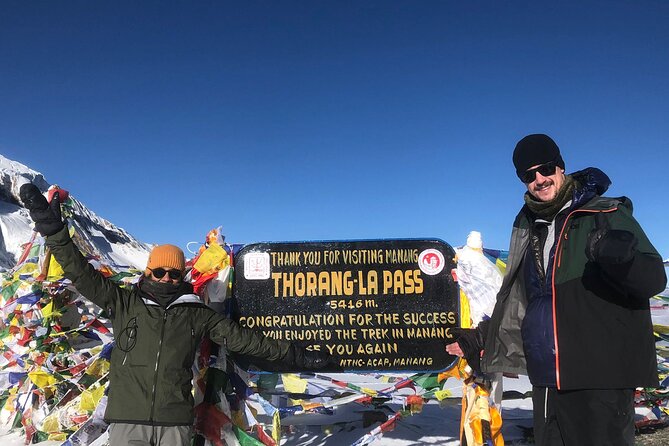
- Thorong La at 5416m: an early, cold climb to the pass with a big view reward and time to recover afterward
- Muktinath + Lubra views: a cultural stop at Muktinath and then a different vantage point by going up to Lubra before descending
- Flights that save days: included flights (Jomsom to Pokhara, and Pokhara to Kathmandu) help you keep the trek the main event
- Private-group feel: it’s a private tour, so you aren’t squeezed into other schedules all the time
First nights in Kathmandu: Thamel, temples, and getting your bearings
Most Annapurna Circuit trips start with the same broad idea—land in Kathmandu, get a plan, then move out toward the hills. What I like here is that Day 1 doesn’t throw you into jet-lag torture. You land at Tribhuvan International Airport, clear customs, and then get picked up and driven to your hotel. After that, you’re given a simple way to recover: stroll Thamel for meals and supplies.
Then Day 2 goes straight into Nepal’s temple culture. You visit Pashupatinath Temple, Buddha Stupa, and Kathmandu Durbar Square. Even if you’ve seen photos before, these places land differently in person: carvings, courtyard scenes, and the constant sense that people live their faith in daily space. It’s also practical. You’re walking, noticing how busy streets work, and easing yourself into the local rhythm before you head for thinner air.
If you’re picky about sleep, I’d plan for early nights here. Temple days can feel long on your body when you’re still dragging from travel, and you’ll want good energy for the road trip out to the trek zone.
You can also read our reviews of more tours and experiences in Kathmandu.
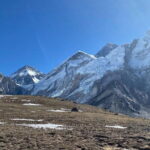
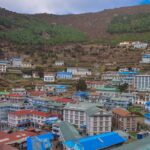
The road to the trek: Besisahar, Jagat, and the winding reality of Nepal
On Day 3, the adventure shifts from city time to road time. You drive from Kathmandu toward Besisahar, watching views of the Manaslu and Annapurna ranges, green hills, and the Trishuli River. The route is described as winding, bumpy, and narrow until you reach the confluence area, then it keeps going via bridges and highland roads.
What this means for you: the trek doesn’t start with your first step—it starts when you accept that Nepal’s roads take longer than you want. You’ll pass through places like Dumre and follow routes that lead north toward Besisahar, then continue further to Jagat. The long day matters because you’ll arrive tired, and the next day still has driving and altitude climb ahead.
Day 4 continues that road-building phase, driving to Pisang (via settlements like Chyamje, Tal, Karte, and a stop in Dharapani area with a waterfall and suspension bridge). You also gain altitude here, reaching around 3000m by the time you settle in Pisang. That’s a good reminder: you’re not just visiting mountains; you’re moving your body upward in stages.
If you get car-sick, bring what helps you—ginger, medicine, or whatever works. The route is clearly not smooth.
Pisang to Manang: your first real trekking test, with smart route choices
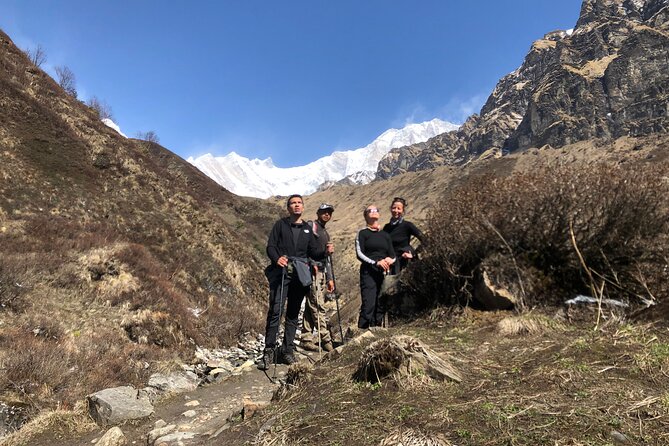
Day 5 is the first true trek step: Pisang to Manang. The guide plan calls it a moderate ascent with options. There are two paths—one higher and one lower—so you can match the route to how you’re feeling.
This is a practical detail worth paying attention to. If you’re starting to feel altitude stress, you’re told to choose the lower trail. That’s not just comfort talk. It’s a way to manage symptoms early rather than waiting until they get worse.
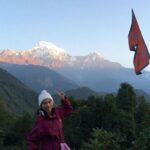
You also get walking with style. The trail runs with views of the Annapurna range and passes through areas associated with Buddhist culture, including the town of Ghyaru. Once you reach Manang, the mountain outlook expands: Annapurna, Pisang, Tilicho Peak, Pisang Peak, and Gangapurna can all show up in the same sightline depending on weather.
Day 5 ends with hotel-style rest in Manang, which sets you up for the best part of this itinerary: the acclimatization buffer.
The Manang acclimatization days that actually help (Ice Lake, clinic, and side trips)
Day 6 is an extra day in Manang, designed to help your body adjust. You’re not just adding a day—you’re adding a chance. The route gives you side-trip options like:
- a trek to Ice Lake (around 3900m)
- viewpoints like Chongkor
- local monasteries and areas called Gumbas
- and time to observe the glacier views around Manang
There’s also a key practical stop: Himalayan Rescue Association clinic, where you can get information about altitude sickness. Even if you’re feeling good, this is the kind of resource that helps you make better decisions later. It’s not fear. It’s preparation.
Then Day 7 moves you on: Manang to Sri Kharka. The trek goes past the western gate, drops toward a river, then heads through forest toward Khangsar village. You’ll walk on a dusty, rugged trail, with monastery scenery and big mountain names hanging in the background, including Chulu and Gungang. You’ll end in Sri Kharka for the night.
Here’s my advice: on Manang and the days right after, keep your pace steady and don’t turn every day into a race. The itinerary already gives you tough segments (Tilicho and Thorong later), so your best move early is consistency.
Tilicho Lake: a less crowded-feeling highlight and a logistics reality check
Day 8 is a transition day: to Tilicho Base Camp (described as “Hotel New Tilicho” / base camp area). It’s not framed as steep, but it is exhausting because you’re on loose stones, and the route can be prone to landslides. You also lose the easy comfort of regular villages once you’re beyond this point: from onward, you’re not seeing hotels or teahouses on the route.
That matters for you because it changes how you plan your day. You’ll want water handling and energy management to be on point. Even if you’re not carrying much, you’re still walking in conditions where footing matters.
Day 9 is the big payoff: an early trek up to Tilicho Lake. The plan is that mornings are calmer (less wind), and the first ascend can be demanding but manageable. When you reach the lake, you get the moment a lot of hikers dream about—emerald lake water with glaciers nearby, set against the base-of-Tilicho peak setting.
After exploring, you retrace your steps and overnight back at Sri Kharka.
If you love photography, you’ll likely spend extra time at the lake. If you’re not a photo-person, still spend time. Tilicho is one of those places where your brain needs a minute to register the scale.
Around Yak Kharka: switching terrain, meeting wildlife chances, and Tare Gumba
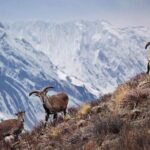
Day 10 shifts from Sri Kharka to Yak Kharka. The route first descends to Khangsar village, crosses a river, then ascends again into a barren landscape. From there, you may look toward Yak Kharka. The plan even notes a possible wildlife sighting (blue sheep) if you’re lucky.
You also get a cultural pause at Tare Gumba, a sacred spot for the people living in the area. These small stops matter because they break up the monotony of long walks and remind you you’re moving through living communities, not just a scenic corridor.
You finish the day in Yak Kharka with a few teahouses for food and lodging. It’s a more basic environment than the earlier village sections, but it’s also where you feel the trek turn real.
The Thorong Phedi night: preparing for cold, isolation, and a high pass
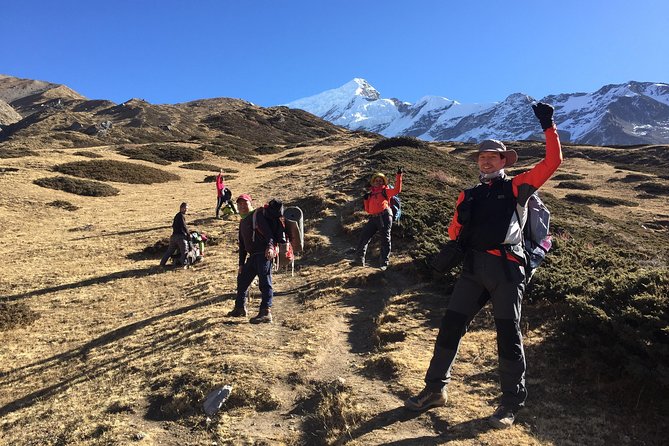
Day 11 is the final stretch before the tough crossing. You trek to Thorong Phedi. The plan calls out progressive acclimatization as you walk over 4500m, and it warns the area near Thorong Phedi is isolated and cold.
You’ll get a glacier-valley feel—bordered on three sides by high mountains. That’s exactly what you want before a pass day, because it helps you understand the kind of terrain and weather you’ll face.
Then comes the practical rhythm: when you arrive at the rest stop, you warm up in a tea house, and you sleep early tonight. Day 12 is the day that tests you.
Thorong La day: early start, 5416m summit, and the Dhaulagiri view
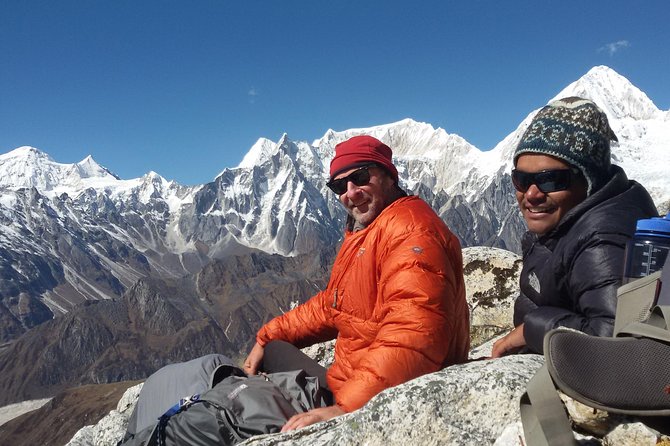
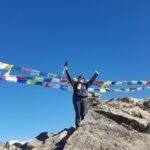
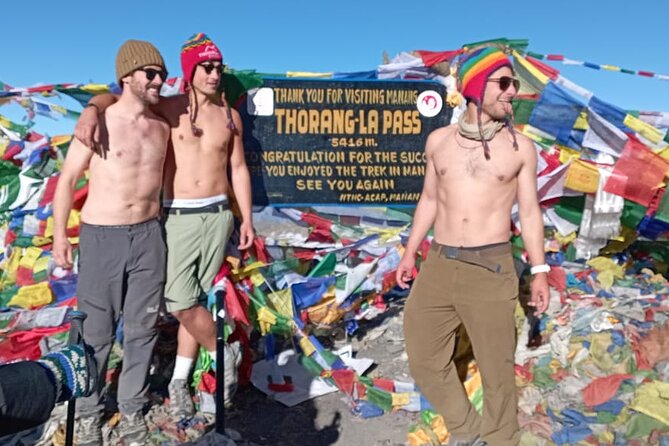
Day 12 is your pass day: trekking to Muktinath after crossing Thorong La Pass (5416m). The itinerary expects an early start before sunrise because the morning has less wind. The first hours are steep, but not described as technically hard—then you get a final stretch where the last few hundred meters to the pass summit can feel difficult.
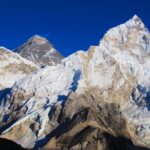
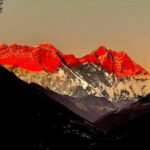
On reaching the top, you’re greeted with a big view. Dhaulagiri (8167m) is visible overhead, and you can also see the distant old kingdom of upper Mustang.
When you finish over the pass, you still have a long day ahead to reach Muktinath area. This trek’s value here is that it doesn’t just drop you at a viewpoint and call it done. It gives you time to get through the day and recover, instead of stacking too many “hard” choices at once.
If you do one thing to improve your odds of a good pass day: take it slow in the final climb and keep hydration steady. The itinerary explicitly calls out staying hydrated and taking it easy.
Muktinath and the way toward Jomsom: blessings, Lubra, and Kagbeni
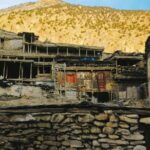
Day 13 starts with early time at Muktinath Temple (Vishnu Temple). The site is described as a pilgrimage for both Hindus and Buddhists, with a lot of visitors each year. After a short visit, you head onward either by vehicle or trek to Jomsom via Lubra. The plan says you can get a best view from the top of Lubra village—something you wouldn’t see from the bus or jeep.
Then you descend toward Kagbeni, described as the junction between upper and lower Mustang. From there, you continue toward Jomsom. The road from Muktinath to Jomsom is well paved in places, though some parts may be under construction.
You can feel two worlds here in one day: temple morning energy, then high-desert trekking descent, then the more road-driven feeling of reaching Jomsom.
Pokhara recovery with flights included: lakeside time after altitude
Day 14 brings you to Pokhara Lakeside. You book your ticket through your representative (or you can go by bus/jeep), and the plan gives a clear reality check: driving can take up to 8–9 hours depending on road conditions. The easy choice is flying.
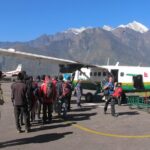
The trek includes a flight from Jomsom to Pokhara (about 25 minutes). You’re flying through the Kaligandaki gorge, then landing in Pokhara. One caution is also spelled out: flight delays can happen if winds are strong or visibility is weak.
In Pokhara, you get time to relax and enjoy the lakeside. This is where your body finally gets to exhale after the altitude days. It’s also where you can eat comfortably and sleep with less cold in the air.
Day 15 back to Kathmandu: a soft landing with cultural dinner
On Day 15, you drive back to Kathmandu by tourist bus, check into your hotel, and reset. The plan suggests making your final evening special with a farewell supper at a traditional restaurant nearby, with options for Nepal cultural events, plus time to buy souvenirs from local shops.
This ending matters. After 14 days of mountains, the best treks don’t stop at arrival; they give you one evening to close the loop and celebrate without rushing into the airport the next morning.
Price and value: what $1,560 buys you (and where you’ll still spend)
At $1,560 per person for a roughly 15-day trek, the value comes from what you don’t have to manage yourself. The trip includes:
- an air-conditioned vehicle
- all required permits for the trek
- accommodation for the whole trip
- professional and experienced certified guides and porters
- flights Jomsom to Pokhara and Pokhara to Kathmandu
- UNESCO heritage site permits in Kathmandu
- meals: 13 lunches, 13 dinners, and 14 breakfasts
- pickup is offered, and you receive a mobile ticket
What’s not included is also clear: personal expenses and tips/gratuities.
So the “is it worth it?” math comes down to this: you’re paying for a guided, permissioned, and logistically stitched route where the mountain part is the main event and you’re not spending your brain power on tickets, permits, and meal planning every day. If that kind of simplicity matters to you—especially when you’re tired and moving through altitude—this price starts to make sense.
If you’re a hardcore independent trekker who loves running your own show, you might find cheaper routes. But if you want a smoother experience with experienced support, the included package is the point.
Seasons that match the trek: when April-May and September-October work best
The trek is best in spring (April–May) and autumn (September–October). That matters because the itinerary includes exposed high points like Thorong La Pass and the Tilicho route. In the wrong conditions, those days can go from challenging to stressful fast.
If you’re flexible, plan around those windows. If your schedule is fixed, do your homework and be ready for weather changes—especially for flight timing in the Pokhara segment.
Who this trek fits best (and who should think twice)
This trek is for people with moderate physical fitness. It’s also described as challenging in key areas:
- long drive days early on
- a demanding pass day (Thorong La)
- trekking on loose stones and landslide-prone stretches on the way to Tilicho Base Camp
- cold, isolated conditions around Thorong Phedi
You’ll likely love it if you want:
- major Himalayan views without skipping acclimatization
- a mix of culture (temples, pilgrimage sites) and trekking
- a structured pace with guide support when your body starts asking hard questions
You might think twice if you hate cold mornings, get easily discouraged by steep days, or have trouble with long travel days by road.
Should you book this Annapurna Circuit trek?
My take: if you want the classic Annapurna Circuit experience with the extra “wow” of Tilicho Lake and the life-list moment of Thorong La, this is a strong choice—especially because the plan includes acclimatization time in Manang and gives you flights that protect your trip from turning into a transportation marathon.
I’d book it if:
- you like a guided setup with permits and logistics handled
- you want a private-group feel
- you’re willing to work with your body on altitude (slow, hydrate, rest)
I’d pause if:
- you’re expecting a fully relaxed, no-stress trip (it won’t be that)
- you’re not comfortable with rough roads early and cold, high pass conditions later
- you have tight timelines that can’t handle possible flight delays
If you’re choosing this trek, aim to be ready for effort, and you’ll be rewarded with a route that feels both epic and human.
FAQ
Where does the tour start?
It starts at Tribhuvan Airport in Kathmandu, Nepal.
How long is the Annapurna Circuit Trek?
It’s listed as 15 days (approx.).
What does the price include?
The price includes air-conditioned vehicle, trek permits, accommodation for the whole trip, certified guides and porters, flights (Jomsom to Pokhara and Pokhara to Kathmandu), UNESCO permits for Kathmandu tours, and meals (13 lunches, 13 dinners, and 14 breakfasts).
What is not included in the price?
Personal expenses and tips/gratuities are not included.
Are pickup and mobile tickets included?
Pickup is offered, and the tour includes a mobile ticket.
Is the trek suitable for everyone?
It’s recommended for travelers with moderate physical fitness.
What are the best months to go?
The trek is best in spring (April–May) and autumn (September–October).
How does the route handle getting to Pokhara?
The itinerary includes a flight from Jomsom to Pokhara (about 25 minutes), though it notes a bus/jeep option that can take up to 8–9 hours.
Can I get a refund if plans change?
Yes. You can cancel up to 24 hours in advance for a full refund. Within 24 hours of the start time, there is no refund.