REVIEW · KATHMANDU
Everest Base Camp trek 12 days from Kathmandu
Book on Viator →Operated by Breakfree Adventures Pvt. Ltd. · Bookable on Viator
That first Lukla flight changes everything. This 12-day hike takes you from Everest Base Camp up toward Kala Pathar, with classic stops in Namche Bazaar, Tengboche, and Dingboche. You’ll also spend real time working altitude, not just charging uphill.
I like that the package handles the heavy lifting: a government-licensed guide, guesthouse/lodge stays on twin sharing, and the essentials gear like a down jacket, sleeping bag, duffel bag, and walking pole. I also like the built-in acclimatization—including a day hike toward Everest View Hotel and a high-day training option around Nagarjun.
The main drawback is flight logistics in peak season. If Lukla flights run from Ramechhap, you’ll face a 5–6 hour drive and either an overnight in Ramechhap or a 1:00 am departure from Kathmandu.
In This Review
- Key things that make this trek click
- The point of this trek: Everest access with real altitude sense
- Getting there right: Kathmandu timing, Lukla flights, and the Ramechhap option
- Day by day on the trail: what each step gives you (and what to watch)
- Day 1: Kathmandu to Lukla, then down to Phakding
- Day 2: Phakding to Namche Bazaar (the altitude anchor)
- Day 3: Acclimatize in Namche + hike to Everest View Hotel
- Day 4: Namche to Tengboche and the monastery moment
- Day 5: Tengboche to Dingboche (higher, but still structured)
- Day 6: Acclimatization at Dingboche with a hike to Nagarjun
- Day 7: Dingboche to Lobuche
- Day 8: Lobuche to Gorak Shep, then Everest Base Camp
- Day 9: Gorak Shep to Kala Pathar for the close-up views
- Day 10: Pheriche to Namche Bazaar
- Day 11: Namche to Lukla and a final mountain day
- Day 12: Fly back to Kathmandu
- What the included gear and lodge setup really means for you
- Your guide and team: why the human part matters in thin air
- Price and value: is $1,600 fair for Everest Base Camp?
- Who should book this trek (and who should reconsider)
- Should you book this Everest Base Camp trek?
- FAQ
- How long is the Everest Base Camp trek from Kathmandu?
- What are the main places you visit on this trek?
- Are flights to Lukla included?
- What happens during peak season for flights to Lukla?
- Is pickup and drop-off included?
- What gear is included for the trek?
- Are meals included?
- Do I need a high fitness level?
Key things that make this trek click
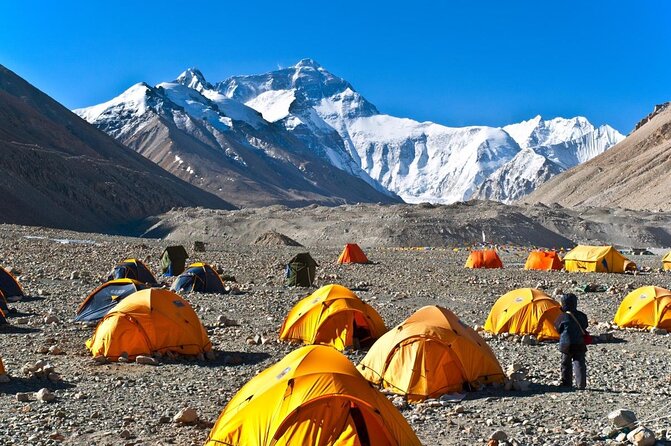
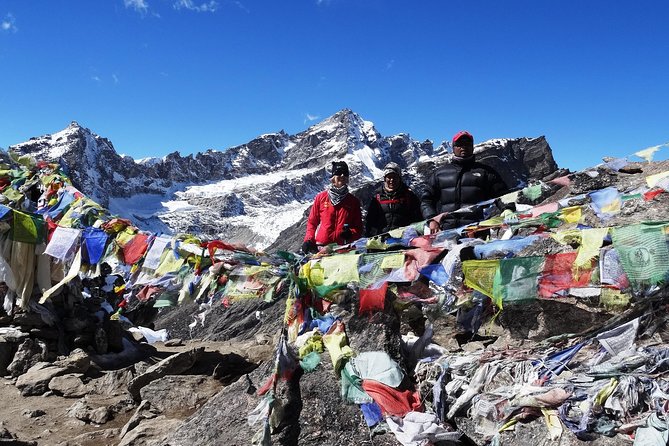
- Kala Pathar is the payoff: a high viewpoint for close Everest views and a big 360-degree panorama
- Acclimatization days are built in: Namche height + a day hike near Nagarjun to help you breathe easier
- You’re not traveling alone in the mountains: a government-licensed guide is part of the package
- Gear is included: down jacket, sleeping bag, duffel bag, and walking pole take pressure off packing
- Peak-season flight workaround: Ramechhap is the plan when Kathmandu air traffic is heavy
The point of this trek: Everest access with real altitude sense
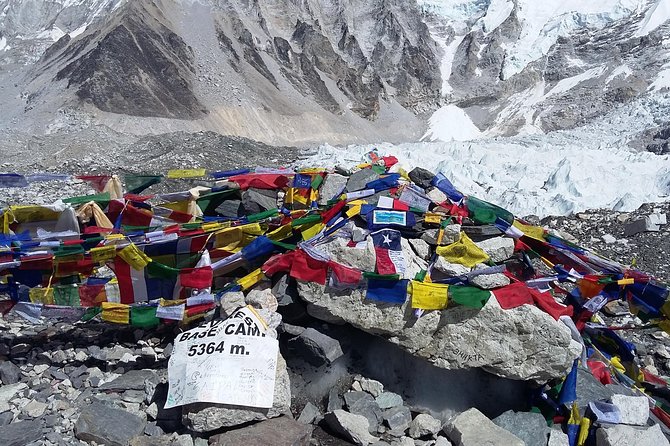
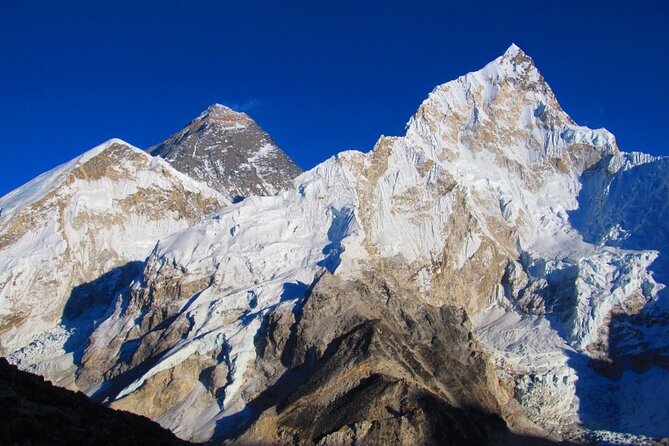
Everest Base Camp isn’t just a goal. It’s a whole route through the Khumbu, where the valley slowly tightens and the air gets thin. This trek hits the highlights most people come for—Namche Bazaar, Tengboche Monastery, Everest Base Camp, and Kala Pathar—while keeping the pace grounded in acclimatization.
What makes the plan feel smart is the sequence. You gain height gradually, then you repeat key altitudes with purpose. You’re not only chasing views. You’re training your body to handle thin air, especially around the Namche and Dingboche area where acclimatization days matter.
The end goal is clear too. Everest Base Camp sits at 5,320m, and Kala Pathar reaches 5,550m. That’s where your knees and lungs get their final test—and where the rewards tend to land.
You can also read our reviews of more tours and experiences in Kathmandu.
Getting there right: Kathmandu timing, Lukla flights, and the Ramechhap option
Most days start early. You’ll have a meeting point with a 5:15 am start time, and from there the morning flow is tight because Lukla flights run on schedules that don’t care about your plans.
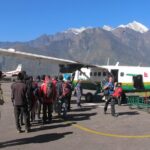
Flights to Lukla are short—about 40 minutes from Kathmandu—then the trek begins with a hike into the Khumbu. But the real logistics show up during peak season (March–May and September–November). In that window, Lukla flights may operate from Ramechhap Airport instead of Kathmandu due to air traffic.
Here’s what that means for you:
- Ramechhap is a 5–6 hour drive from Kathmandu
- You’ll have two options: go to Ramechhap the day before and sleep there, or depart Kathmandu at 1:00 am on flight day
- Transfers are on a sharing basis, so you may ride with other people
If you hate early wake-ups, the Ramechhap choice is something to plan for now, not later. Either way, treat the flight day like it’s part of the trek. You’ll want a calm morning, minimal last-minute stress, and good hydration.
Day by day on the trail: what each step gives you (and what to watch)
Day 1: Kathmandu to Lukla, then down to Phakding
Your first day is basically two parts: getting to Lukla and easing into the hike. After the flight, you trek to Phakding (about 2,652m) for roughly 3–4 hours.
What I like about this start: it gives you the Everest “setup” quickly, but it doesn’t throw maximum altitude at you. You’ll feel the mountain, you’ll walk, and you’ll still be far from the highest zones.
What to watch: you’ll likely feel the travel fatigue in your legs. Keep your first day effort easy. Save the hard breathing for later.
Day 2: Phakding to Namche Bazaar (the altitude anchor)
Day 2 climbs to Namche Bazaar (about 3,440m) over 6–7 hours. Namche is the gateway town—busy compared to the smaller villages, and usually where you start to feel the rhythm of the region.
Why Namche matters: it’s not only a stop. It’s where you start absorbing how the Khumbu works. Shops, lodge life, and viewpoints all cluster around this area, so it’s a practical base for the next steps.
What to watch: Namche is where altitude can start to show up. Even if you feel okay, keep your pace calm.
Day 3: Acclimatize in Namche + hike to Everest View Hotel
This is a classic acclimatization day: you stay around Namche and hike up toward Everest View Hotel (around 3,900m), roughly 3–4 hours.
This is one of the smartest days in the plan because it teaches your body the routine: higher altitude, controlled effort, then recovery. You’ll also get that early taste of big views without going all the way to the highest camps.
What to watch: acclimatization doesn’t mean sprinting. Move steady, drink water, and avoid the urge to “prove” you’re fine.
Day 4: Namche to Tengboche and the monastery moment
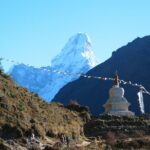
Day 4 heads to Tengboche (about 3,860m), around 5–6 hours. Tengboche is known for Tengboche Gompa, an important religious site in the region.
This is a good day for slowing down. The scenery often feels more dramatic around here, and the monastery setting adds calm to the whole experience. It’s also a nice break from nonstop uphill thinking.
What to watch: cold can start to bite even before you reach the highest elevations. Pack layers you can manage while walking and while standing still.
Day 5: Tengboche to Dingboche (higher, but still structured)
You climb to Dingboche (about 4,410m) over 5–6 hours.
Dingboche tends to feel quieter and more “high village” than Namche. It’s also one of those places where you can feel the air thinning, even if your fitness is solid.
What to watch: sleep and appetite can change as you go higher. If you get less hungry, that doesn’t automatically mean something is wrong—just keep eating basics and keep moving slowly.
Day 6: Acclimatization at Dingboche with a hike to Nagarjun
This day is built for altitude management. You hike to Nagarjun hill (about 5,100m) and then settle back down as needed, roughly 4–5 hours.
Why this day matters: it’s a training loop. You go high, you learn how your body handles it, and then you recover. Done right, it makes the next big push to Everest Base Camp more realistic.
What to watch: Nagarjun is high enough that breathlessness is normal. Don’t force speed. Let your body catch up between steps.
Day 7: Dingboche to Lobuche
Day 7 takes you to Lobuche (about 4,910m) in roughly 4–5 hours.
This segment often feels tougher because you’re higher and the air is thinner. The upside is that the trail feels increasingly “Everest-shaped”—everything points toward the high camps that come next.
What to watch: keep your pack organized. When you’re tired, having to stop to fix gear can cost you energy you’ll want later.
Day 8: Lobuche to Gorak Shep, then Everest Base Camp
This is a long day. You hike to Gorak Shep and then go up to Everest Base Camp (around 5,320m). Expect about 7–8 hours.
Gorak Shep is the launch pad for the Base Camp approach. Once you reach the base area, you finally see why people get emotional about this trek. It’s not just a landmark. It’s the start line of the world’s biggest expeditions.
What to watch: after a long walk, Base Camp can still feel like a lot of time spent standing in cold air. Keep layers on hand and don’t wait too long to warm up.
Day 9: Gorak Shep to Kala Pathar for the close-up views
This day is about the big viewpoint. You go from Gorak Shep up to Kala Pathar (about 5,550m), then down to Pheriche (about 4,371m). Total time is about 6–7 hours.
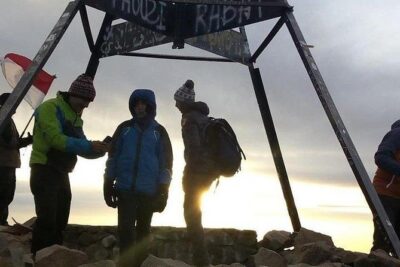
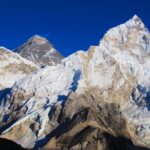
Kala Pathar is where you often get the close views people dream about. It’s also famous for that wide panorama effect: lots of peaks, lots of angles, lots of sky.
What to watch: early hours can feel icy, and the high altitude makes everything slower. That’s normal. Your job is to move steadily and enjoy the payoff when the views open up.
Day 10: Pheriche to Namche Bazaar
You hike down to Namche Bazaar (about 3,440m) in 6–7 hours.
Down days can trick you. They feel easier, but the pounding still adds up. Treat this as recovery time, not a race.
What to watch: your legs may feel heavy even when the trail slopes down. Watch your steps on rocky ground.
Day 11: Namche to Lukla and a final mountain day
You go from Namche to Lukla (listed around 2,860m in the plan) in about 6–7 hours, then get ready for the flight rhythm again.
This is your last “big day” before the finish. The mountains have been your routine for over a week, so it’s also an emotional moment for many people.
What to watch: don’t get too confident. “Almost done” is when people start walking faster than their body likes.
Day 12: Fly back to Kathmandu
You fly back to Kathmandu to wrap up the trek.
Even if you’re tired, give yourself time to feel normal again. Thin air plus days of hiking can leave you mentally alert but physically drained.
What the included gear and lodge setup really means for you
The best value here isn’t only reaching Everest Base Camp. It’s how much the trek company covers so you can focus on walking and breathing.
Included items you should be glad about:
- Down jacket, sleeping bag, and walking pole (huge for comfort and warmth)
- A trekking map and a trip achievement certificate
- Guesthouse/lodge accommodation on twin sharing
- Meals: breakfast, lunch, and dinner during the trek
- Permits and trek fees handled through the package
I like this setup because it reduces the chances of under-packing or over-spending. If you’re not the type to own serious cold-weather gear, this package can feel like a smarter buy than renting everything on the fly.
Two practical notes:
- Drinks aren’t included. Plan on paying for tea/coffee and bottled water along the way.
- Shower and phone comforts cost extra. If hot showers are your thing, budget for it.
Your guide and team: why the human part matters in thin air
The trek runs smoother when someone understands the region and the altitude game. This one includes a highly experienced government-licensed guide, and that support is exactly what you’ll want when the day feels harder than you expected.
One detail I really value from the kind of feedback this company gets: guides tend to give you an overview each evening for the next day, so you know what’s coming. You’re not guessing. You’re mentally prepared. Another strong theme is the guide’s knowledge on the route—being able to name peaks and talk you through what you’re seeing as you gain altitude.
The company also signals team care at the top level. In past feedback, Bharat and his team came up as part of what made the experience feel well run and safe.
You should still listen to your own body. But having a guide who can keep you oriented and adjust the day’s effort is a real advantage.
Price and value: is $1,600 fair for Everest Base Camp?
At $1,600 per person, this isn’t a budget trek. It’s also not priced like a luxury expedition with private helicopters and boutique tents. The value sits in the middle: you get real support plus real inclusions.
Here’s how I’d size up the value:
- Flights to Lukla and back are included in the price.
- Permits/fees are included.
- Meals during the trek are included.
- Big-ticket gear is included (especially the sleeping bag and down jacket).
That combination matters. A lot of costs people forget—gear rental, extra meals, permit hassles, and flight add-ons—stack fast on long treks. By packaging them, you can plan your total spend better.
What can add cost outside the package is also clear:
- Travel insurance, rescue/evacuation, and helicopter costs are not included.
- Drinks are not included.
- Tips for the crew aren’t included.
- Porter support is only needed if you choose it.
If you want the confidence of having the big pieces arranged, this price can make sense. If you’re trying to run Everest Base Camp as ultra-budget, you’ll need to be okay with less structure.
Who should book this trek (and who should reconsider)
This trek suits you if:
- You have moderate physical fitness
- You want the classic Everest Base Camp experience with structured acclimatization
- You’d rather have logistics handled than figure out flights, permits, and lodge planning
You might reconsider if:
- You hate early starts and unpredictable schedule stress around Lukla flights in peak season
- You know you struggle with cold weather and would rather bring your own system than rely on included gear
- You aren’t comfortable with long trekking days (some are 6–8 hours)
Should you book this Everest Base Camp trek?
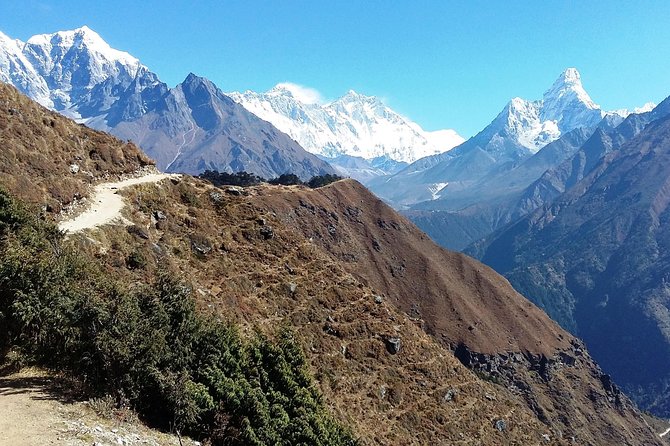
If you want the honest Everest highlights—Namche Bazaar, Tengboche Monastery, Everest Base Camp, and Kala Pathar—and you like the idea of having gear, permits, guides, and meals handled, this is a solid match. The plan also respects acclimatization, which is what helps the trek feel tough but doable.
I’d book it if you’re the type who enjoys steady days, clean organization, and a clear plan for each segment—especially because the guide support includes daily direction, not just a handshake at the start.
The only big “pause and plan” moment is Ramechhap season. Pick which flight-day option you can handle: overnight near Ramechhap or the 1:00 am departure from Kathmandu. Once you solve that, the rest of the trek is a rewarding, memorable climb into the heart of the Khumbu.
FAQ
How long is the Everest Base Camp trek from Kathmandu?
The trek is listed as about 12 days, including flights and the return to Kathmandu.
What are the main places you visit on this trek?
Key stops include Lukla, Namche Bazaar, Everest View Point area, Tengboche Gompa, Dingboche, Everest Base Camp, Kala Pathar, Gorak Shep, and Pheriche, with Khumbu Glacier viewpoints discussed on the route back.
Are flights to Lukla included?
Yes. Flight fare from Kathmandu (or Ramechap) to Lukla and back to Kathmandu (or Ramechap) is included. The flight time from Kathmandu to Lukla is about 40 minutes.
What happens during peak season for flights to Lukla?
During peak seasons (March to May and September to November), flights to Lukla may operate from Ramechhap Airport due to heavy air traffic in Kathmandu. Ramechhap is a 5–6 hour drive from Kathmandu, and you can either travel the day before and stay overnight or depart from Kathmandu at 1:00 am on flight day.
Is pickup and drop-off included?
Yes. There is Kathmandu or Ramechap airport pickup/drop-off service included on a sharing basis.
What gear is included for the trek?
The package includes a duffel bag, down jacket, sleeping bag, and walking pole.
Are meals included?
Meals during the trek are included: breakfast, lunch, and dinner. Drinks are not included.
Do I need a high fitness level?
You should have moderate physical fitness. The trek is designed for hikers with basic fitness, and no prior trekking experience is stated as necessary.