REVIEW · POKHARA
Kathmandu: 10-Day Annapurna Circuit Trek via Thorong La Pass
Book on GetYourGuide →Operated by MTA Trekking Pvt. Ltd. · Bookable on GetYourGuide
Thorong La turns the miles into meaning. On this 10-day Annapurna Circuit Trek via Thorong La Pass, you’ll climb to 5,416m and then drop into completely different valleys. I like that the route mixes big views with real village stops, and that your guide handles acclimatization and day pacing in a way that feels calm and controlled from the start.
Two things I’d call out: you get practical support on the mountain (not just a route), and you spend enough time in places like Chame, Upper Pisang, and Manang to actually feel the rhythm of the area. One consideration: this is high-altitude trekking, so the risk of Acute Mountain Sickness (AMS) is real, and the trek isn’t suitable for everyone, especially if you have altitude sickness history, respiratory issues, are pregnant, under 15, or over 70.
In This Review
- Key Points You Should Care About
- Thorong La Pass: Why This Route Feels Worth Every Step
- What you’ll see along the way
- Day-by-Day Breakdown: What Each Stop Really Gives You
- Day 1: Kathmandu to Besisahar to Dharapani
- Day 2: Dharapani to Chame (about 2,670m)
- Day 3: Chame to Upper Pisang (up to about 3,200m)
- Day 4: Upper Pisang to Manang (up to about 3,540m)
- Day 5: Acclimatization in Manang (around 4,050m)
- Day 6: Manang to Yak Kharka (about 4,050m max)
- Day 7: Yak Kharka to Thorong Phedi (up to about 4,450m)
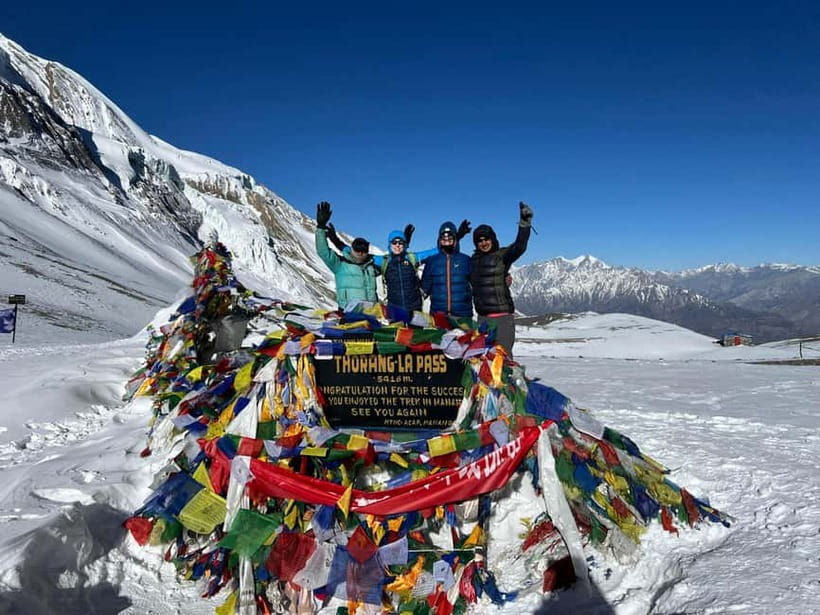
- Day 8: Thorong Phedi to Muktinath via Thorong La Pass (up to 5,416m)
- Day 9: Muktinath to Jomsom via Kagbeni
- Day 10: Jomsom to Pokhara by public bus
- The Value Question: Is $447 a Good Deal?
- Guides and Support: The Difference Between Finished and Smashed
- Comfort on the Trail: Tea Houses, Lodges, and Real-World Conditions
- Health and Safety: How to Reduce Risk on a High Pass Trek
- Who This Trek Suits Best
- Should You Book This Trek?
- FAQ
- What is the highest altitude on this trek?
- How long is the trekking experience?
- Are meals included?
- What permits are included?
- What languages will the guide use?
- Who should not join due to health or age limits?
Key Points You Should Care About
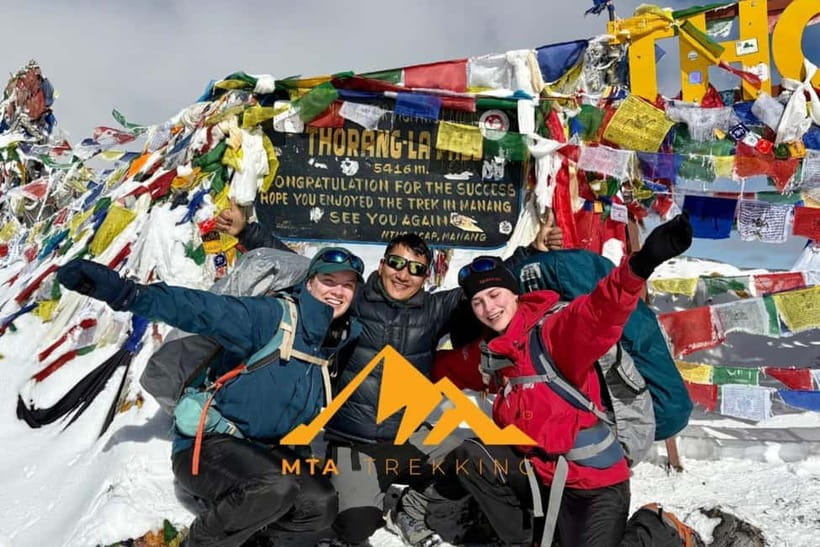
- Thorong La Pass at 5,416m: the highest moment of the trek, with early starts and serious cold.
- Manang acclimatization day (around 4,050m): you’re not just grinding upward; you get time to adjust.
- Village texture, not just big peaks: Chame, Upper Pisang, Manang, Kagbeni, and Muktinath all add character.
- Guides who manage safety and pace: named guides like Ganesh, Prakash, Chakra, and Ghanshyam show up in recent feedback for a reason.
- Full-board trekking comfort: tea house/lodge stays and all meals during the trek are included.
- Emergency rescue assistance included: not a substitute for insurance, but it’s part of the safety net.
Thorong La Pass: Why This Route Feels Worth Every Step
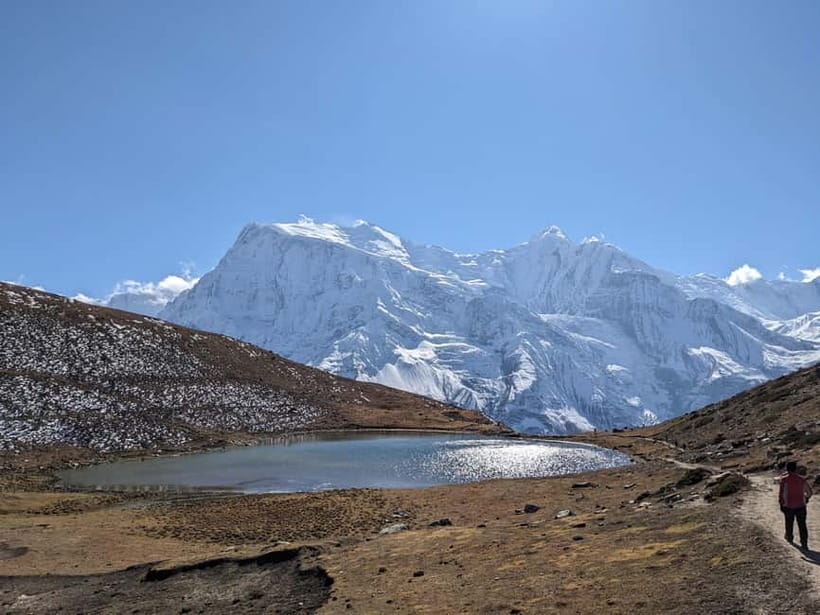
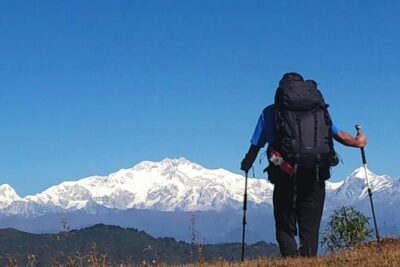
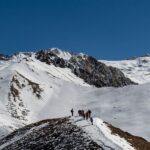
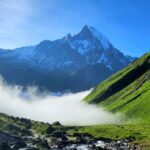
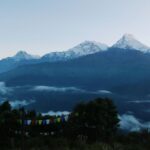
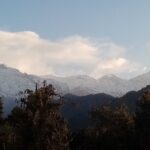
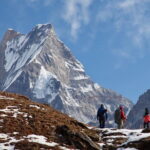
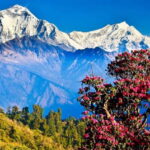
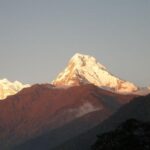
If you’ve ever wondered whether Annapurna is all hype, Thorong La is where the answer shows up on your face. The climb to 5,416m is the moment that forces you to slow down, breathe smarter, and respect the mountain. And when you get the views—Annapurna, Dhaulagiri, and Machapuchare in the mix—it clicks: this is not just walking. It’s a high-altitude crossing with real stakes.
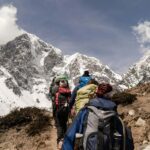
What makes this trek extra satisfying is the build-up. You don’t jump from low altitude to the pass and call it good. The itinerary gives you time to grow used to height through steady days and a dedicated acclimatization stop in Manang. You’ll feel that difference when the air gets thin. Guides in recent trips (including Ganesh and Prakash) were specifically praised for making sure people ate well, stayed hydrated, and didn’t rush the acclimatization process.
You can also read our reviews of more tours and experiences in Pokhara.
What you’ll see along the way
You’ll move through multiple worlds:
- lush valley terrain earlier on
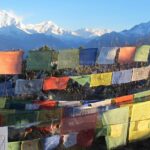
- Tibetan-influenced villages and monastery culture as you go higher
- a high-altitude, drier feeling typical of the route near the pass
- the Mustang-side descent mood after Thorong La
It’s not one “pretty hike.” It’s a sequence of changing regions, and that keeps the mind engaged when your legs start negotiating.
Day-by-Day Breakdown: What Each Stop Really Gives You
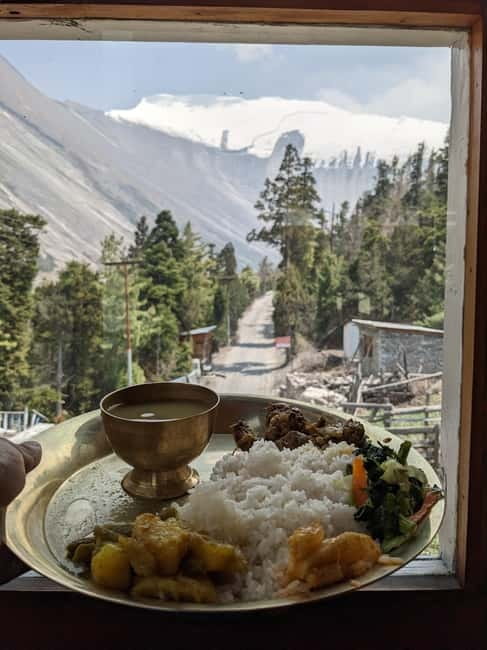
This trek is built like a story: transportation day, forested trail day, village days, acclimatization day, pass day, and then a Mustang-flavored finish.
Day 1: Kathmandu to Besisahar to Dharapani
You’ll start with a long but useful repositioning: bus from Kathmandu to Besisahar (about 7–8 hours), then a shared jeep onward to Dharapani. After that, you’re set up for the real work the next morning.
Why this matters: getting out of Kathmandu the right way helps you avoid wasting energy in transit chaos. You’ll also get first glimpses of the countryside—forests, hills, and everyday Nepal—before the trek turns into high-altitude walking.
Day 2: Dharapani to Chame (about 2,670m)
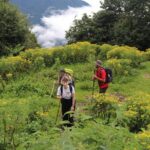
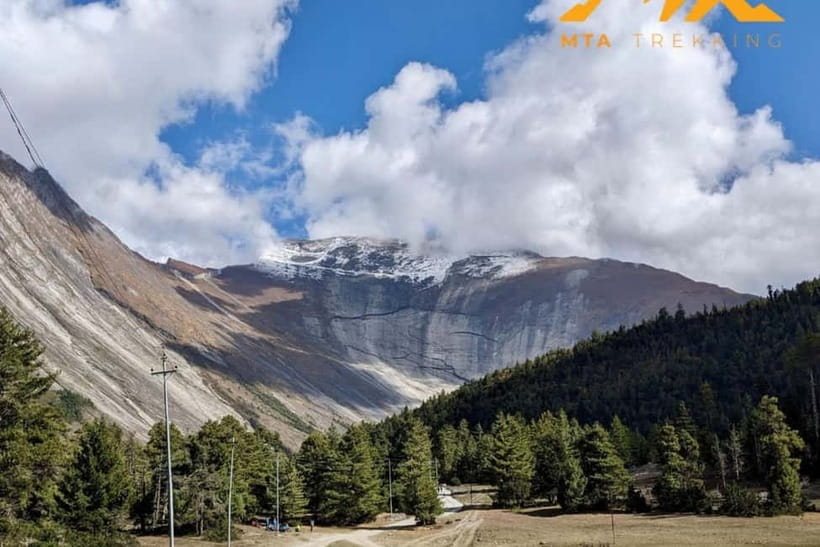
This is your first real “trail feel” day (around 6 hours). You’ll trek through grassy fields with views of Annapurna II, then pass through Bagarchhap for a Bhote village and Buddhist temple moment. After that, oak and pine forests take over, with Timang at the foot of Lamjung Himal before you level out toward Chame.
What you’ll like: the day mixes scenery with culture and gives you a gentle altitude climb without throwing you into the deep end.
Possible drawback: after the travel day, this is still your first full trekking day, so take it easy with your pace. Let your breathing catch up.
Day 3: Chame to Upper Pisang (up to about 3,200m)
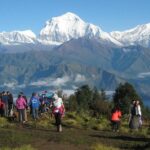
Around 5–6 hours of trekking. You’ll get views of Lamjung Himal and pass an apple orchard, which feels like a nice contrast to the higher, drier days ahead. Then you’ll ascend into Bhratang Valley and descend toward Pisang/Upper Pisang.
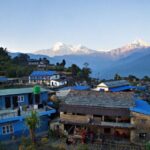
Why this stop matters: Upper Pisang sets a tone for the trek—more mountainous and more “Himalaya-influenced.” It’s a good place to notice how architecture and daily life adapt to altitude.
Small practical tip: keep sunglasses handy and protect your eyes. The sun can be intense even when it doesn’t feel like beach weather.
Day 4: Upper Pisang to Manang (up to about 3,540m)
About 5–6 hours again. You’ll trek through Manang Valley viewpoints with Tilicho Peak listed among the visible stars of the show, plus Annapurna III and Annapurna IV. You’ll cross the Marsyangdi River on a wooden bridge, then pass villages like Mungji and Braga before arriving in Manang.
You’re building to Manang for a reason: the town is a hub where acclimatization makes sense. It’s not just “another stop.” It’s where you reset.
Potential challenge: walking time stays moderate, but altitude still makes every step feel heavier. This is a good day to practice slow and steady.
Day 5: Acclimatization in Manang (around 4,050m)
This is one of the most valuable days on the whole trek. You’ll acclimatize in Manang (max altitude listed around 4,050m), and the program includes exploring Manang village and hiking to the stupa.
You may also have optional day treks, such as walking to see an icefall or exploring Gangapurna Glacier Lake. Even if you choose a lighter option, just having the extra day helps your body catch up.
Why I like this: acclimatization day is where good trips separate from rushed ones. People are often tempted to “earn the pass.” But earning the pass by damaging your body doesn’t pay off. This structure supports a safer rhythm.
Day 6: Manang to Yak Kharka (about 4,050m max)
A shorter trekking day (around 4 hours), with the same max altitude listed around 4,050m. That may sound easy on paper, but altitude is doing the heavy lifting here. Breathing can feel harder than you expect, even with a modest distance.
What to do: slow down on purpose. Let your guide’s pacing matter more than your ego.
One tip echoed in recent feedback: follow the guidance on eating and hydration. Guides like Chakra were praised for steering people away from junk foods and meats at higher altitude, which makes sense if you want your system to feel steady while you climb.
Day 7: Yak Kharka to Thorong Phedi (up to about 4,450m)
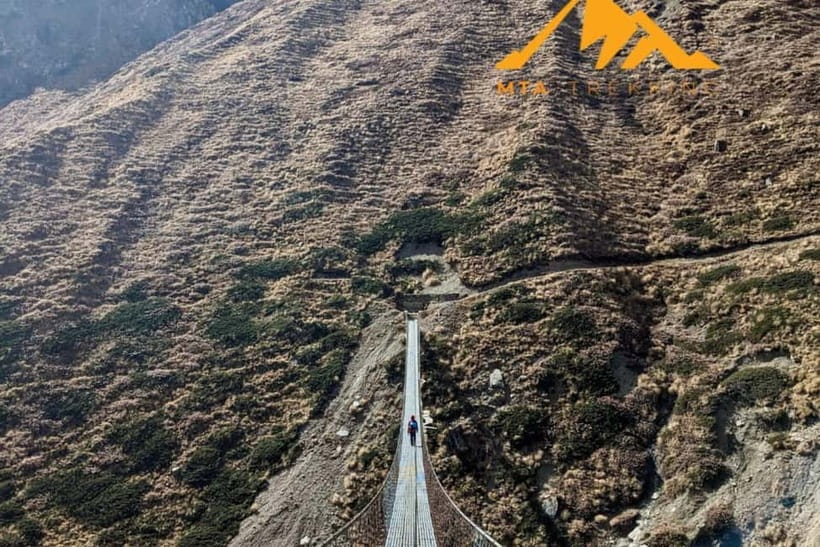
About 4–5 hours. You’ll follow a gradual ascent to a hilltop, then descend toward the Marsyangdi headwaters and cross a hidden wooden bridge. After that, you climb along the right bank of the Marsyangdi River toward Thorong La Pass.
This is the “getting close” day. You’ll feel it in the weather, the cold, and the way your brain keeps checking the sky.
Practical note: you’ll likely start thinking about layers more than ever. Dry air and wind can make the temperature drop fast once the sun shifts.
Day 8: Thorong Phedi to Muktinath via Thorong La Pass (up to 5,416m)
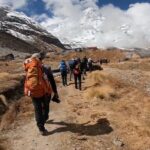
This is the big one: a 7–8 hour day with the listed pass height at 5,416m. You’ll cross Thorong La Pass and then descend toward Muktinath, with views of the Mustang Valley and Dhaulagiri along the way.
How to make it work: go early, stay focused, and keep moving at a controlled pace. Early starts matter because conditions can change quickly.
If you’re wondering what “challenging” really means: it’s usually not only fitness—it’s oxygen and cold. A guide named Ghanshyam was praised for training people well for altitude and helping them reach Thorong La comfortably, which points to the core value here: you’re not just walking into danger alone. You’re walking with a plan.
Day 9: Muktinath to Jomsom via Kagbeni
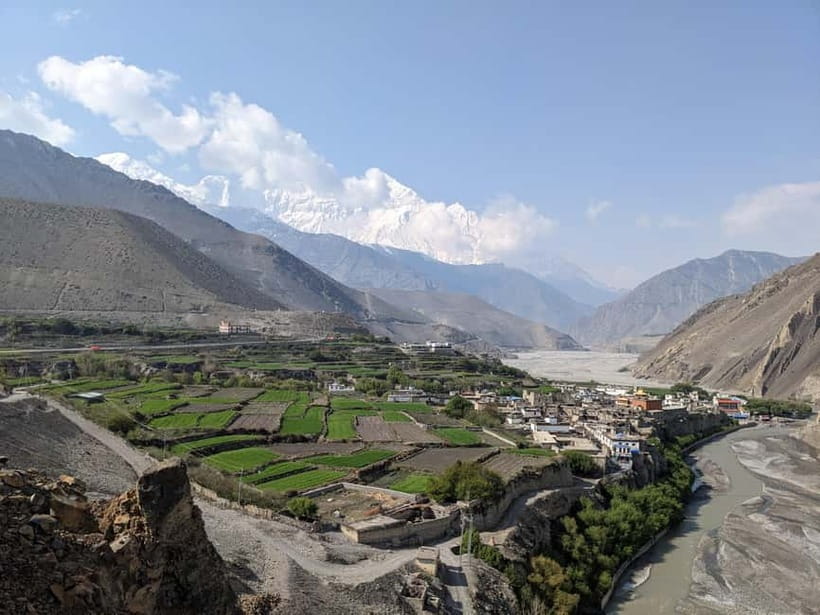
Another 7–8 hour day. You’ll trek from Muktinath toward Jomsom with Kagbeni on the route, and you’ll have time to explore Kagbeni.
Why this day is fun after the pass: it feels less like a survival mission. You still walk in high terrain, but the mood becomes cultural and scenic again, especially in Kagbeni.
Day 10: Jomsom to Pokhara by public bus
You’ll take a public bus from Jomsom to Pokhara (about 8 hours). After the trek, you’ll transfer through the landscape back into a more comfortable pace.
You’ll also have:
- a one-night stay in Pokhara at Hotel Orchid
- a farewell dinner after the trek
This is when you’ll notice how your body feels. Not in a scary way—just in a real way. And it’s also when the photos start making sense.
The Value Question: Is $447 a Good Deal?
At $447 per person for a 10-day Annapurna Circuit Trek via Thorong La Pass, the value comes from what’s included—not just the headline price.
Here’s what you’re getting that often costs extra on DIY trips:
- pickup/drop-off from Kathmandu and Pokhara hotel areas (Thamel and Lakeside areas)
- permits and the TIMS card handled through the package
- a government registered local guide
- all transport between destinations and to/from included activities
- tea house and lodge accommodations during the trek
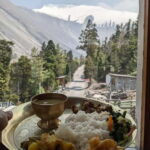
- all meals (breakfast, lunch, dinner) during trekking days
- an emergency rescue assistance component
- farewell dinner in Pokhara
What’s not included (and you should budget for):
- international flights and Nepal visa fee
- travel and rescue insurance
- soft/hard drinks, personal expenses, extra porter services if you need them
- trekking gear and things like bottle or boiled water, and shower-related costs
So the smart way to judge price is this: you’re paying to reduce planning stress and increase safety structure in a place where mistakes can get expensive fast. If you can follow the acclimatization pacing, this package can be a very good fit for value.
Guides and Support: The Difference Between Finished and Smashed
The strongest repeated theme in recent feedback is support quality. People didn’t just praise the views. They praised how the trip was run day-to-day—how pace matched the altitude, how food and hydration were handled, and how safety felt prioritized.
Names you may encounter in the guide pool include Ganesh, Prakash, Chakra, and Ghanshyam. A porter (like Thirta, mentioned in one trip) can also be a big part of how comfortable the trek feels, especially in a region where carrying your own full load while oxygen drops can be a lot.
If you want the trek to feel manageable, you’ll want a guide who:
- keeps you hydrated
- encourages fresh, steady meals
- adjusts pacing when your breathing demands it
- helps you plan safely around the pass day
Even one detail—like guides offering water purification tablets in advance—can make a measurable difference in how confident you feel about hydration.
Comfort on the Trail: Tea Houses, Lodges, and Real-World Conditions
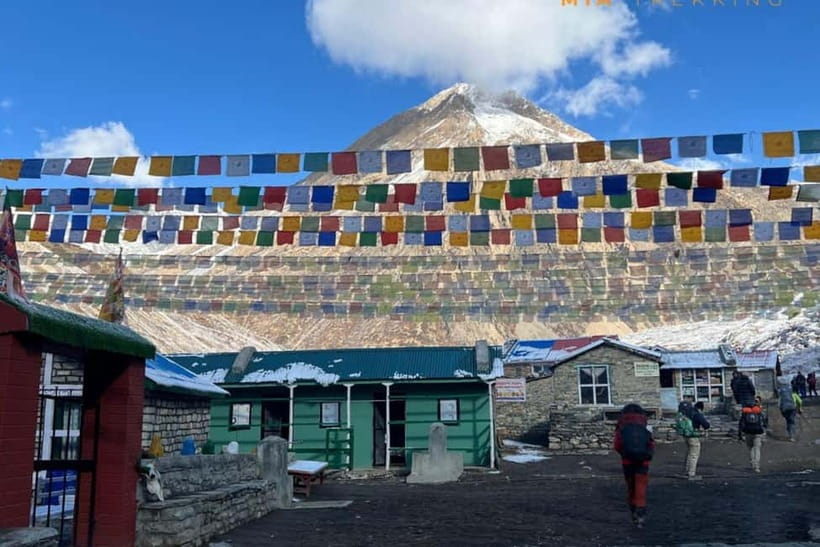
This trek uses tea houses and lodges for accommodation. You’re not looking for luxury here. You’re looking for warm shelter, predictable meals, and a place to recover so you can walk again tomorrow.
What you’ll want to bring (from the trip’s requirements) to make comfort easier:
- warm clothing and long pants
- a waterproof bag
- sunscreen and sunglasses
- a change of clothes
- sturdy hiking shoes and trekking gear
- passport or ID card
Also note the clear restrictions: alcohol and drugs are not allowed. That’s not just rule-following. At altitude, it can be a safety issue.
Health and Safety: How to Reduce Risk on a High Pass Trek
This trek includes a clear warning: AMS risk is real, and the mountains are unpredictable. The recommendation is also specific: get comprehensive travel insurance with medical coverage and helicopter evacuation up to an altitude of 5,400m.
You should take that seriously, even if you’re in good shape. Fitness helps, but oxygen is the limiting factor at Thorong La.
The trek is also explicitly marked not suitable for:
- children under 15
- people with altitude sickness
- people over 70
- people with respiratory issues
- pregnant women
If you fall into any of those categories, you should not push through with wishful thinking. On a pass at 5,416m, “I feel okay today” can change fast.
Who This Trek Suits Best
This Annapurna Circuit via Thorong La is a strong match if you:
- want an iconic Nepal trek with a clear high point (Thorong La)
- like village stops and culture in addition to scenery
- prefer a guided, structured approach with meals and lodging handled
- can follow altitude pacing and take acclimatization seriously
It may be less suitable if you’re looking for a gentler walk only, or if your health situation conflicts with high-altitude trekking.
Should You Book This Trek?
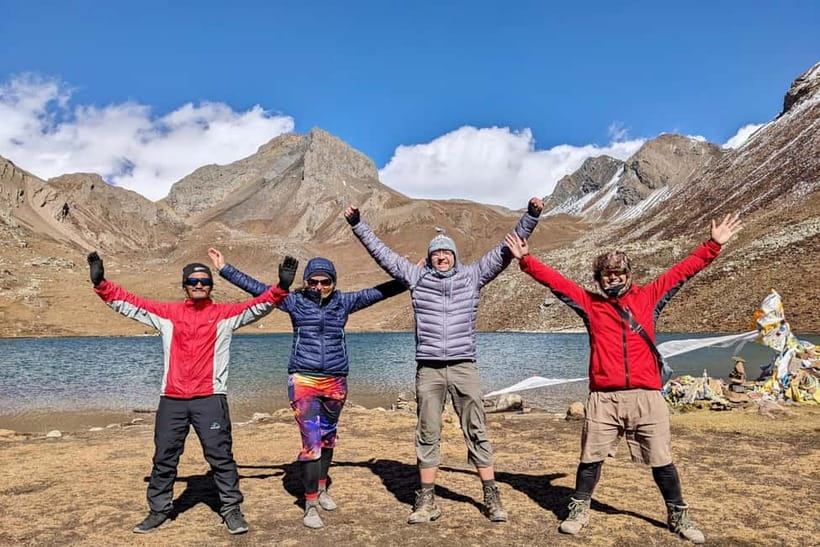
You should book if you want a classic Annapurna Circuit experience with structured acclimatization, included meals, and a guide-focused approach that keeps you safe on pass day. The price also feels reasonable for the amount of logistics handled—especially when you compare it to the cost and effort of arranging permits, guides, meals, and the transport chain yourself.
You might skip this particular setup if altitude is a known issue for you, you’re in an age or health category the trek flags as not suitable, or you’re looking for a super-flexible itinerary with no fixed rhythm.
If you do book, the best move is simple: pack for cold, move slow, drink water, and trust the acclimatization plan. Thorong La is hard, but it’s also fair when you treat your body like it matters.
FAQ
What is the highest altitude on this trek?
The itinerary lists Thorong La Pass at 5,416m (Day 08).
How long is the trekking experience?
The trek duration is 10 days.
Are meals included?
Yes. Breakfast, lunch, and dinner are included during the trek.
What permits are included?
Permits and the TIMS card are included.
What languages will the guide use?
The live tour guide language options are English and Hindi.
Who should not join due to health or age limits?
This trek is not suitable for children under 15 years, people with altitude sickness, people over 70 years, people with respiratory issues, and pregnant women.