REVIEW · MARRAKECH
2- Day Guided Cultural Trek in the Atlas Mountains from Marrakech
Book on Viator →Operated by Marrakech Day Trips · Bookable on Viator
Two days in the Atlas feels like a reset. I love the village-to-valley trekking with big views from Tizi M’zzik, and I love the all-inclusive setup that handles meals, lodging, and transfers. The main consideration is the physical side: you’re walking around six hours on Day 1, and the trip depends on good weather.
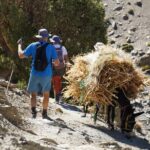
You start with pickup and a scenic drive out of Marrakech via Tahnnaout, Oued Ghighaya, and Asni, then roll into Imlil. From there, you’re guided through Berber villages, juniper forest stretches, and high mountain crossings, with a muleteer helping as needed. This runs as a shared group experience, with a maximum of 30 people, so you get a social feel without turning it into a stampede.
You’ll sleep in a pre-booked guesthouse in the village area of Tizi Oussem and eat hearty Moroccan food at the end of the day. In past experiences, guides like Mohammed and Hesain have stood out for their calm patience, and the food has been cooked well, served with hot Moroccan tea. Alcohol isn’t included, and you should expect an early start at 8:00 am.
In This Review
- Key Things That Make This Atlas Trek Worth Your Time
- Getting Out of Marrakech: The Drive That Sets the Tone
- From Imlil Up to Tizi M’zzik (2684m): The Big View Payoff
- Tamsoulte Waterfalls: A 100m Stop That Breaks Up the Climb
- The Juniper Descent Into Tizi Oussem: Where the Day Becomes Real
- Dinner, Hot Tea, and Sleeping in a Village Guesthouse
- Day 2: Berber Villages, Mountain Passes, and Walnut Grove Lunch
- Returning to Marrakech Around 17h: The Long Finish You Should Plan For
- Price and Value: What $116.19 Includes (and Why It’s Not Just a Hike)
- Who This Trek Is Best For (And Who Might Want to Skip It)
- What to Expect From the Group and Your Guides
- A Quick Packing and Prep Checklist (So You Don’t Hate the Mountains)
- Should You Book This Atlas Mountains 2-Day Trek?
- FAQ
- What time does the trek start?
- Is pickup from Marrakech included?
- How long is the walking on Day 1?
- What altitude points are included?
- Are meals included?
- Is alcohol included?
- Is there a vegetarian option?
- How big is the group?
Key Things That Make This Atlas Trek Worth Your Time
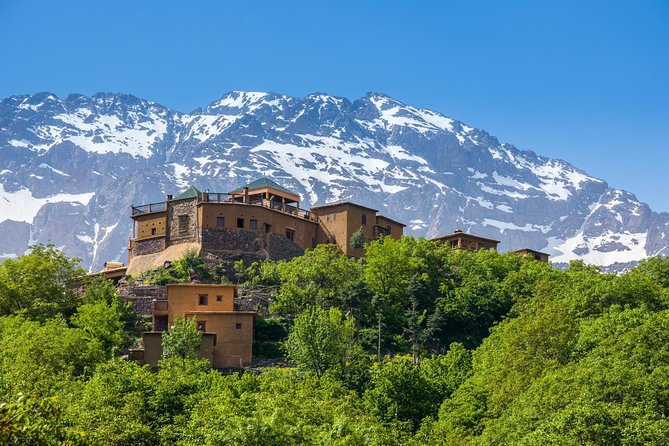
- Tizi M’zzik Mountain Pass (2684m) panoramas with views over Imlil and the Toubkal summit area
- Tamsoulte 100m waterfalls stop, high-impact without being a full day detour
- Overnight in Tizi Oussem with a comfortable, pre-booked village guesthouse setup
- Walnut grove lunch near the river on Day 2, a great break between passes
- Pickup plus round-trip transfers from Marrakech, so you’re trekking, not negotiating logistics
Getting Out of Marrakech: The Drive That Sets the Tone
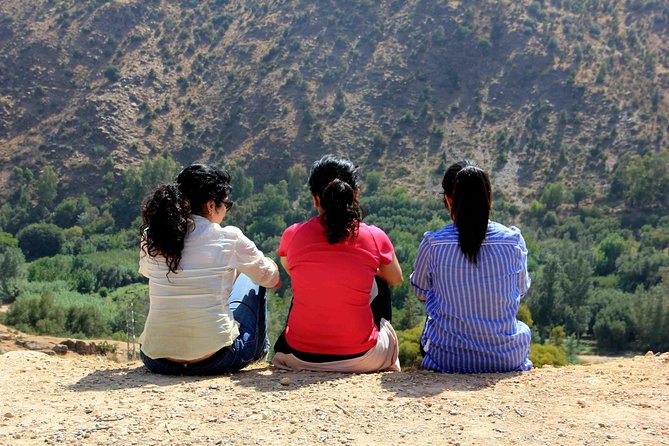
The experience starts the way a good mountain day should: early, organized, and already moving you away from city noise. After breakfast in Marrakech, pickup takes you up toward the high Atlas. The route runs through places like Tahnnaout, Oued Ghighaya, and Asni, which is part of why this feels like more than just a hike. You’re slowly swapping traffic and exhaust for roadside villages and changing mountain air.
You’ll reach Imlil (about 65 km from Marrakech), meet up with your local guide and muleteer, and then shift gears from vehicle time to walking time. That handoff matters. A lot of people underestimate how quickly you’ll want shade, water, and someone watching the pace once you’re actually climbing.
Practical note: this is shared. You’ll likely travel with a group of mixed ages and comfort levels, which is exactly why a steady, guided pace can be helpful. You won’t have to “figure out” the day yourself.
You can also read our reviews of more tours and experiences in Marrakech.

From Imlil Up to Tizi M’zzik (2684m): The Big View Payoff
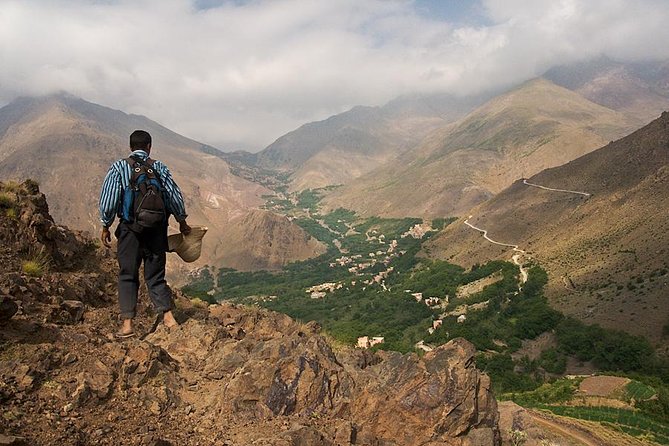
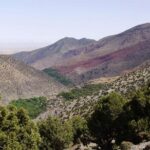
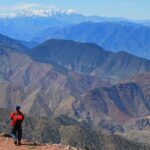
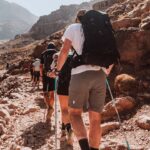
Day 1 is built around a classic Atlas climb: up to the Tizi M’zzik Mountain pass at 2684m. The reward is the view over the Imlil valley and toward the Toubkal summit area. Even if clouds move in, the mountain passes still deliver that wide-open feeling—where everything looks sharper and somehow quieter, like the world narrowed down to trail and sky.
This is the part of the trip where the guide’s role really shows. You’ll have hands-on help through the trek, and that’s not just about getting people to the top. It’s about pacing you so you don’t burn out early, especially if you’re not used to altitude or uneven paths.
Also, there’s a cultural angle here. As you gain height, you’re not just watching scenery. You’re moving past traditional village life in stages, which makes the countryside feel lived-in rather than scenic-from-a-distance.
Possible drawback: if you’re expecting a light stroll, this won’t match. Day 1 includes a solid climbing effort as part of the route, and the day is listed at about 6 hours walking.
Tamsoulte Waterfalls: A 100m Stop That Breaks Up the Climb
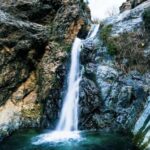
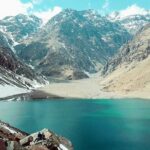
After the pass, the trek continues toward Tamsoulte, with a visit to what’s described as the highest waterfalls in the Atlas Mountains, around 100m tall. This is a smart stop in the itinerary. You get the big altitude view first, then later you switch to a different kind of spectacle: water cutting through the mountain framework.
Waterfalls also work as a natural pause point. Your body gets a breather, and your brain gets a reward before the descent. If weather is decent, you’ll get a clean look at the fall and the surrounding valley features. If conditions are rough, you may still appreciate the stop, but the flow and visibility can vary—so good weather matters.
Then the route shifts down through the Azzaden valley via a juniper forest, heading toward Tizi Oussem village. That juniper section is one of those quiet wins. The air often feels cooler under the trees, and you get a break from full sun exposure.
The Juniper Descent Into Tizi Oussem: Where the Day Becomes Real
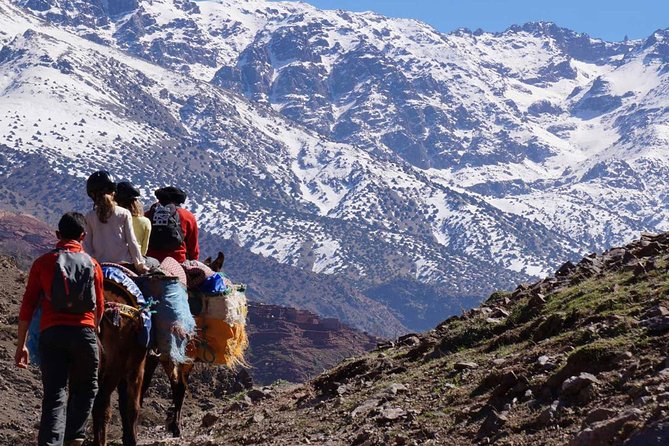
Descent days can be tricky. Your legs are tired, and footing changes. This is where a guide helps you stay safe and keep your footing consistent as the trail angles downward into the valley.
You’ll head through juniper forest toward Tizi Oussem, arriving for the overnight stay. This is also the moment when the “cultural trek” part stops being a tagline. You’re not just passing a village from far away. You’re going into the village setting where daily life continues around your arrival time.
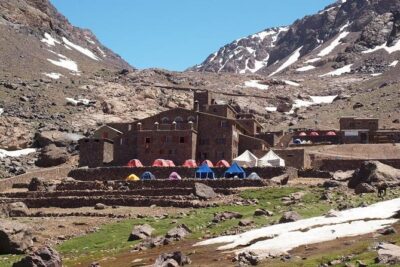
The overnight setup is a pre-booked guesthouse in the village area. From past feedback, the accommodations are simple but practical, with what you need for rest after a walking day. Think of this as a comfortable base rather than a hotel-style experience, and plan accordingly.
Dinner, Hot Tea, and Sleeping in a Village Guesthouse
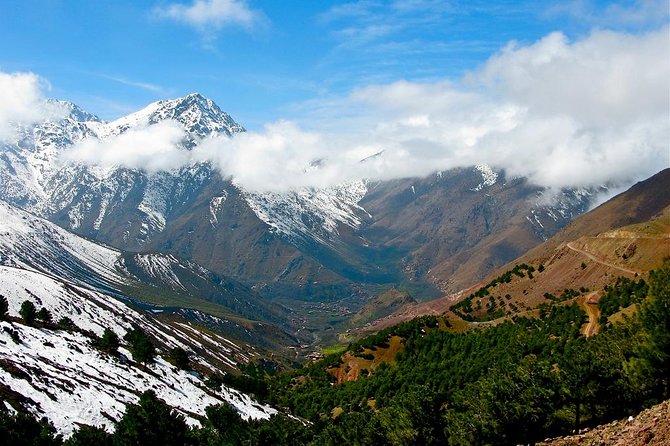
Night in the Atlas villages hits different. You’ve worked for the day, you’ve eaten well, and you’re in a place where time feels slower. Dinner is included, and in the better-rated experiences, the cooking has been praised as genuinely good local food, served with hot Moroccan tea.
That tea part matters more than it sounds. When you’re trekking in mountain weather, it’s both comforting and energizing. It also helps you reset socially with the group. You’ll probably chat with other trekkers, learn where they’re from, and get a sense of how others handled the climb.
You’re also not stuck spending your evening searching for a place to eat. Breakfast and dinner are included, and lunch is handled too, so your day stays smooth.
What to remember: alcohol is not included, so if that’s important to your routine, plan to buy it separately.
Day 2: Berber Villages, Mountain Passes, and Walnut Grove Lunch
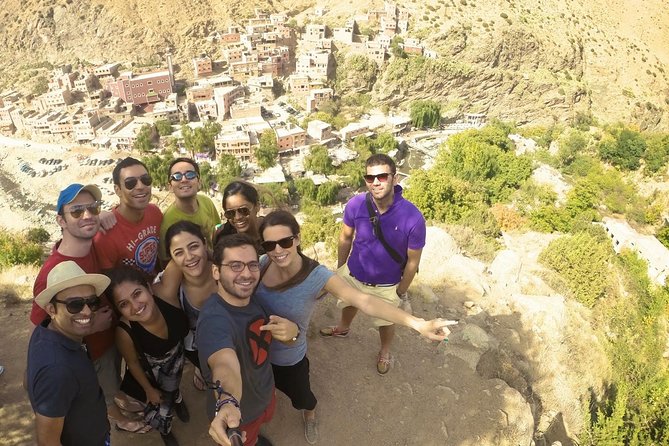
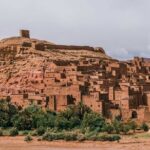
After breakfast, Day 2 starts with a morning of colorful valley views and typical Berber villages. It’s designed to feel less like a single steep push and more like a rolling connection between places.
You leave Tizi Oussem and head toward Id Issa village. Then you move up to Tizi Oudid Mountain pass (2000m). Dropping from the highest point of Day 1 into a second pass still gives you that “more than one horizon” feeling. Even at 2000m, you’ll likely notice the altitude difference if you’ve been walking for a while.
The route continues through Matat village after a wild thurifer juniper forest segment. Thuri fer juniper is part of what gives this region its recognizable plant character, and walking through forest rather than only open slopes tends to make the day feel more shaded and varied.
Then comes one of the best parts of Day 2: lunch under walnut groves, followed by time to relax near the river. This is exactly the kind of pause that makes a trek feel human. You’re not rushing straight from peak to departure. You sit, you eat, you reset your legs, and you enjoy a slower moment in the valley.
Returning to Marrakech Around 17h: The Long Finish You Should Plan For
In the afternoon, you transfer back to Marrakech, with an arrival time around 17:00. The transfer back is listed as about 5 hours, so you’re not signing up for a quick hop home. That matters when you’re planning dinner, another tour, or a later commitment.
The good news: after a full trekking day and an included lunch, the vehicle time feels like recovery instead of wasted time. You’ll already have the logistics handled, and you don’t have to negotiate rides through mountain roads.
One consideration: because this is weather-dependent, your return timing can feel less predictable than a purely city-based tour. But the itinerary gives a reasonable expectation for an afternoon arrival.
Price and Value: What $116.19 Includes (and Why It’s Not Just a Hike)
At $116.19 per person, the value here comes from what’s wrapped into the price. You’re not paying only for the guiding. You’re getting:
- Local guide service
- Accommodation for the overnight stay
- Breakfast and dinner
- Lunch (listed as two lunches)
- Round-trip transfers from Marrakech
That’s a lot of “hidden costs” if you try to piece it together yourself. Entry fees are not mentioned because the value is mainly service and route management: the guide, the packed-in meals, and the transportation.
It’s also a time-saver. A guided trek like this removes the day-to-day decisions that can chew up hours when you’re tired. You simply show up, get picked up, and walk. That’s the kind of value that matters when you have limited time in Morocco.
Timing tip: the tour is commonly booked about 35 days in advance on average. That suggests it’s popular enough that last-minute plans might get tricky, especially around busier seasons.
Who This Trek Is Best For (And Who Might Want to Skip It)
This trek is ideal if you want a cultural Atlas experience that doesn’t require planning brainpower. You like village life, you’re comfortable walking in nature, and you want guides who keep the day organized.
It’s also suitable for people with moderate physical fitness, not for those expecting a gentle level walk. Day 1 clocks at about 6 hours on foot, including a pass climb and descents.
It might not be the best match if you:
- Want a completely car-free experience (you’ll have big drive legs)
- Are sensitive to altitude effects
- Prefer hotel comfort over village guesthouses
For families, children are allowed but must be accompanied by an adult, and child pricing depends on sharing with two paying adults. If you need a vegetarian option, you can request it when booking.
What to Expect From the Group and Your Guides
This is a shared trek with a maximum of 30 travelers. That number matters because it affects how quickly you move and how much personal attention you receive. A group under control is what makes the experience feel supportive rather than chaotic.
The guiding quality is a standout. Past guests specifically praised guides such as Mohammed and Hesain for being knowledgeable and patient, with a focus on keeping the group comfortable. You should expect practical guidance during the hike, plus help settling into the overnight rhythm once you arrive.
Also, the muleteer shows up as part of the setup. That usually means the day is more feasible with the right gear and supplies, and you’re less likely to feel like you’re hauling everything.
A Quick Packing and Prep Checklist (So You Don’t Hate the Mountains)
The tour doesn’t list a gear list, so I’ll keep this practical based on what a two-day mountain trek tends to demand:
- Good walking shoes with grip (you’ll be on uneven paths)
- Layers (mountain temperatures can change fast)
- Sun protection for the pass and open valley sections
- A light rain layer in case weather turns
- Refillable water bottles (and a small snack if you’re the type who likes extra calories)
And mentally prep for the schedule: early start, a climb, a waterfall stop, a village night, then another pass and walnut grove lunch before you ride back.
Should You Book This Atlas Mountains 2-Day Trek?
If you want a guided Atlas break that combines villages, passes, and real meals, I think this is an excellent choice. The strongest reasons to book are the all-inclusive nature of the package and the fact that the route includes both high-view excitement and village-scale culture—plus a memorable waterfall and that walnut grove lunch.
I’d only hesitate if your fitness level is low, you hate early mornings, or you’re traveling in a window where weather often gets rough. This experience requires good weather, and it can be shifted to a different date or refunded if canceled for weather. Also, if the minimum number of travelers isn’t met, you may be offered an alternative date or a full refund.
If you like clear structure and want someone else to handle the hardest logistics, book it and let the mountains do the rest.
FAQ
What time does the trek start?
The start time is 8:00 am.
Is pickup from Marrakech included?
Yes. Pickup and round-trip transfers from Marrakech are included.
How long is the walking on Day 1?
Day 1 includes about 6 hours walking.
What altitude points are included?
You climb to Tizi M’zzik Mountain pass at 2684m, and on Day 2 you reach Tizi Oudid Mountain pass at 2000m.
Are meals included?
Yes. Breakfast, dinner, and lunch (listed as two lunches) are included.
Is alcohol included?
No. Alcoholic drinks are not included and are available to purchase.
Is there a vegetarian option?
Yes. A vegetarian option is available—advise the provider at booking.
How big is the group?
The tour has a maximum of 30 travelers.