REVIEW · KATHMANDU
Everest Chola Pass Trek-17 Days
Book on Viator →Operated by Himalayan Adventure Treks and Tours Pvt Ltd · Bookable on Viator
Chola Pass changes how you see Everest. This route pairs Chola Pass with Gokyo Ri for a mix of high-altitude drama and wide-open mountain panoramas, and I like that it’s built around an acclimatization rhythm that makes the tougher days feel more doable. The one drawback: you’re committing to very cold, high, and weather-dependent conditions—so if you get delayed, it can affect how your schedule feels on the ground.
What also earns my trust is the support style: you get airport pickup, lodge stays on twin sharing, and a team that typically includes an experienced guide plus a porter (set at 1 porter for 2 clients). It’s also a private tour for your group, which keeps things simpler when you’re juggling altitude, timing, and gear.
In This Review
- Key highlights worth your attention
- Why the Everest Chola Pass route feels different
- Kathmandu to Lukla: getting launched without wasting days
- Namche Bazaar acclimatization: where your body learns the rules
- Dhole to Machhermo: the Khumbu valley becomes more alpine
- Gokyo Lakes and Gokyo Ri: turquoise water and a higher kind of view
- Thagnag to Cho La (Chola Pass): the day that earns its legend
- Lobuche and Gorakshep to Everest Base Camp: feet on the world’s edge
- Kala Patthar and the return flow: seeing Everest up close
- Lukla day and Kathmandu farewell: the emotional gear shift
- Price and logistics: is $2,100 a fair deal for 17 days?
- Who should pick this trek (and who might rethink it)
- Should you book Everest Chola Pass Trek-17 Days?
- FAQ
- What is the duration of the Everest Chola Pass Trek?
- Where does the trek start and end?
- How do you get to Lukla?
- Are airport transfers included?
- What’s included during the trek for meals and lodging?
- Is a vegetarian option available?
- How much porter support do you get?
- Is a fitness level required?
Key highlights worth your attention
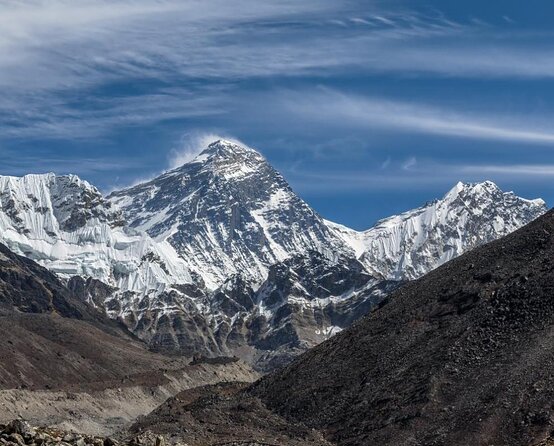
- Cho La pass day views: Everest, Lhotse, Ama Dablam, Cho Oyu, and more, from one of the trek’s signature high points.
- Gokyo Lakes + Gokyo Ri: turquoise lake scenery and a viewpoint climb to 5,360m with big peak exposure.
- Kala Patthar for close-up realism: a front-row view feel of Everest and neighboring giants.
- A practical acclimatization plan: Namche plus extra hiking time before the higher passes/peaks.
- Support that reduces friction: guide + porter structure, duffle bag return after trekking, and organized logistics around flights.
- A less monotonous EBC approach: you’re not just marching the classic corridor; you’re routing through Gokyo and Cho La.
Why the Everest Chola Pass route feels different
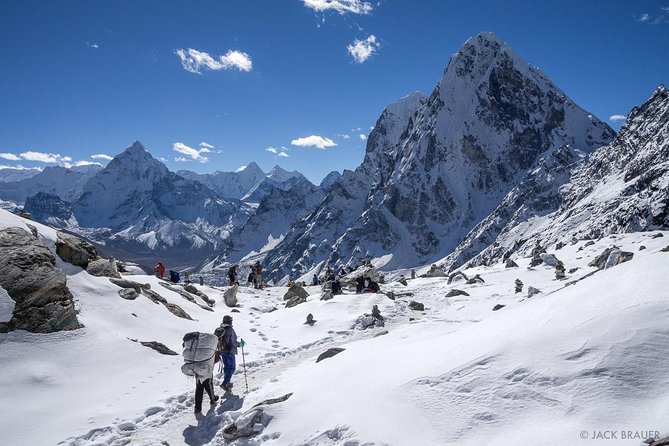
The biggest reason to choose the Everest Chola Pass Trek is that it doesn’t treat Everest Base Camp like the only goal. You’re building toward it through a chain of places that each change the view angle: Khumbu valley villages, Gokyo’s high lakes and ridge lines, then the steep handoff at Cho La, and finally the Base Camp / Kala Patthar area.
That matters because Everest trekking is as much about progression as it is about the final photos. Your legs learn the altitude step-by-step. Your eyes learn how the mountains look from different angles. And your days don’t all blur into the same kind of walking.
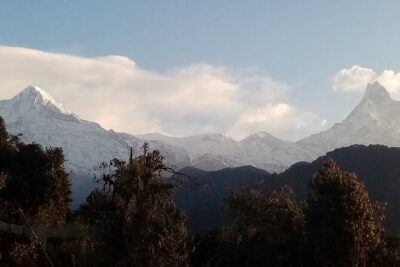
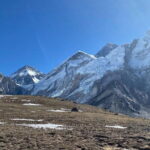
This route also gives you a broader peak checklist than a simple one-pass itinerary. From high points like Cho La (5,368m) and Gokyo Ri (5,360m), you’re set up for classic Everest-region stars—Everest, Lhotse, Cho Oyu, Ama Dablam, and others—without feeling like you’re stuck behind one big mountain wall.
You can also read our reviews of more tours and experiences in Kathmandu.
Kathmandu to Lukla: getting launched without wasting days
You start in Kathmandu with a private vehicle pickup and a hotel stay (two nights, 3-star class with breakfast). This is more than a comfort perk. Kathmandu is where you handle the stuff that can make or break your trekking week: gear checks, paperwork prep, and settling your schedule before the flight day.
Then comes the quick hop to Lukla. The flight is described as under 40 minutes with mountain, forest, and river-valley views. You start walking after you land, with an initial trek to Phakding for about 3–4 hours.
What I like about this approach: you’re not spending your first days transferring around Nepal. You’re moving you and your lungs toward altitude as efficiently as possible, but still with a first hiking day that’s long enough to warm up without being reckless.
One thing to keep in mind: flight timing and weather in the Himalaya can be unpredictable. If the schedule shifts, your trekking rhythm changes. This tour includes flight segments between Kathmandu and Lukla (and mentions Ramachap as part of the route), but it still can’t erase mountain weather.
Namche Bazaar acclimatization: where your body learns the rules
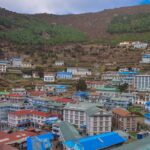
You trek from Phakding to Namche Bazaar through the Dudh Koshi riverside route. You pass through the park entrance area at Monjo, and the walking is framed by pine, oak, and rhododendron forests. This is the kind of day that helps you notice altitude signs early—breathing that feels heavier, the way your sleep changes, and how your pace needs to slow down.
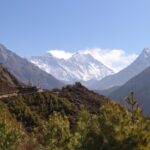
Then you get a true acclimatization day in Namche. The standout here is the hike to the Hotel Everest View, which gives a panoramic look across the Khumbu region. It’s not just for photos. It helps you understand the geography you’ll be walking through later—where valleys fold, where ridges rise, and which peaks sit above you.
This is also when the Sherpa village life becomes more than a backdrop. You have time to explore local community routines and everyday culture without rushing.
A practical thought: acclimatization days can feel like “extra walking with no reward” if you want to charge upward. But if you’re aiming for the pass and Kala Patthar days, Namche is the day that pays your future altitude bill.
Dhole to Machhermo: the Khumbu valley becomes more alpine
After Namche, you trek to Dhole. The idea here is gradual altitude gain while tightening the route into the Everest region’s higher pockets. Dhole is high enough that the air starts to feel sharp, and the trail gives you those giant-mountain impressions where peaks seem closer than they should.
Next comes Machhermo, reaching around 4,470m. This segment climbs, with mountainous and glaciated scenery in the mix. You stay in Machhermo overnight, with free time to walk around and absorb Sherpa village culture at higher elevation.
What this stretch does well is keep you moving while still giving you moments to adjust. It’s a bridge between the busier Namche area and the more remote feeling of Gokyo.
Gokyo Lakes and Gokyo Ri: turquoise water and a higher kind of view
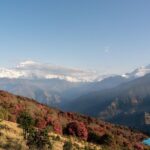
The day to Gokyo Lake reaches about 4,470m again, and the description leans into a rocky ascent before you arrive. This is where the trek becomes visually different. You’re not chasing the Everest skyline directly. You’re entering a whole basin world where the lakes mirror mountains and make you pause.
Then you climb Gokyo Ri to 5,360m. This is a big effort day, but it’s also one of the most rewarding because you’re higher than the surrounding ridges for a reason: you get broad exposure. The viewpoint is described as giving views of Mt. Everest, Makalu, Cho Oyu, and many other peaks.
If you’re the kind of hiker who likes variety, Gokyo Ri is your payoff for choosing this route over a more direct corridor. You get to watch multiple massifs at once—less like a single iconic peak photo, more like a living mountain map.
The tour also includes a full-day excursion around Gokyo Valley and an overnight stay near the lakes.
Thagnag to Cho La (Chola Pass): the day that earns its legend
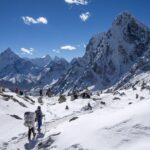
From Gokyo, you trek to Thagnag. The walking includes snowfields and strong mountain views, with a day that can include some challenges. This is your staging period for the signature test: Chola Pass.
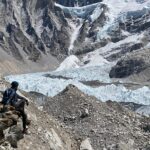
On the main pass day, you climb up to Chola Pass (5,368m) and descend to Dzongla. The description lists dramatic views from the top, including Everest, Ama Dablam, Cho Oyu, Lhotse, Nuptse, Makalu, Cholaste, Tawache, and Gyachung Kang.
Here’s how to think about this day: it’s not just about reaching a point with a view. It’s about managing cold, effort, and exposure while your body is already working at high elevation. If you go too fast, you pay for it later.
The good news is that the itinerary gives you an evening in Dzongla, which helps you recover and reset before the next colder, glacier-linked terrain.
Lobuche and Gorakshep to Everest Base Camp: feet on the world’s edge
After Dzongla, the trek heads toward Khumbu Glacier and onward to Lobuche. You’re dealing with cold more intensely around Lobuche Village, and the itinerary calls out extreme cold as the reminder that you’re really in the high zone now.
Next you trek from Lobuche to Gorakshep, then visit Everest Base Camp. This is described as the point for mountaineers to summit, which is the key mindset shift: you’re not only hiking. You’re stepping into a place tied to serious high-altitude climbing operations.
The tour then has you return to Gorakshep for overnight. That matters because EBC days can be mentally intense. You see the tents, the scale, and the “how did humans decide to do this” feeling that pulls at you. Having time to rest afterward helps you enjoy it instead of just surviving it.
Kala Patthar and the return flow: seeing Everest up close
The next big viewpoint is Kala Patthar. The itinerary describes “gigantic” mountains and glacier surroundings, plus a close-up view feel of Mt. Everest, Amadablam, and Pumori. This is one of those days where the viewpoint isn’t a bonus—it’s the whole point of being there.
After Kala Patthar, you continue to Pangboche, described as a small settlement you can explore. Then you trek to Namche Bazaar again, and later down to Lukla.
This return sequence does two things:
- It gives you time to absorb what you saw at height.
- It reduces the chance that you’re only thinking about the next climb. You start having breathing space for village life again, plus small practical wins like buying simple items or enjoying Wi‑Fi in Namche (the itinerary notes Wi‑Fi is available there).
Lukla day and Kathmandu farewell: the emotional gear shift
You reach Lukla after a trekking day that includes sandy paths and strenuous walking, plus the chance to explore Lukla Bazaar and shop local items.
Then, in the morning, you fly back to Kathmandu. The itinerary notes a scenic feel with snowy mountain glimpses through the airplane window, which is a nice way to end: the mountains aren’t gone yet, just shifting away from your daily routine.
That evening includes a farewell dinner at an authentic Nepalese restaurant with cultural performance. It’s a good close because it reminds you this isn’t a sterile nature trip. It’s a Nepal experience—food, music, and the human side of the trail.
Finally, you have a transfer to the airport about 3 hours before your scheduled flight, so you’re not improvising in Kathmandu on tired legs.
Price and logistics: is $2,100 a fair deal for 17 days?
At $2,100 per person for about 17 days, the real question is value: what’s included, and what do you avoid paying for separately?
From the included list, this tour covers:
- Airport pickup/transfer in Kathmandu by private vehicle
- Two nights in Kathmandu at 3-star level with breakfast
- Meals during the trek (lunch/dinner/breakfast counts are listed: lunch 14, dinner 15, breakfast 16)
- Flights between Kathmandu and Lukla (and Kathmandu/Ramachap to Lukla mentioned for route options)
- TIMS permit / Khumbu Valley fees
- Lodge/tea house accommodations on twin sharing
- Guide and porter support, with 1 porter per 2 clients
- Rescue arrangements and first aid kit availability
- Duffel bag service (return after the trek)
- A farewell dinner with cultural performance
Meanwhile, you pay extra for items that usually add up on long treks: visa fee, international flights, extra hotel nights in Kathmandu if your schedule shifts, any additional mountain costs if weather delays you, travel insurance, personal expenses, and tips.
So is it fair? If you’d otherwise have to figure out guides, permits, lodging, and meal planning yourself, it’s easy to see how the cost makes sense for a supported Himalayan trek. The biggest “value test” for me is the porter ratio and the meal coverage. Those two reduce day-to-day stress, especially once you’re already tired and managing cold.
The one thing to be realistic about: you’re still exposed to mountain delays. The tour includes rescue arrangements, but you should still plan for the possibility that weather can extend time in the mountains.
Who should pick this trek (and who might rethink it)
This itinerary fits you best if you:
- Want Everest Base Camp but also want the route’s extra “mountain variety” through Gokyo and Cho La.
- Prefer a plan with acclimatization time built in rather than nonstop climbing.
- Like having a structured support team (guide + porter) so you’re focused on walking and staying safe.
You might rethink it if:
- You’re looking for an easy hike. The itinerary includes multiple high points around 5,360m–5,368m, glacier-linked terrain, and at least one day with snowfields.
- You have a tight tolerance for schedule changes, since flights and mountain conditions can shift.
Should you book Everest Chola Pass Trek-17 Days?
I’d book this trek if your goal is the full Everest-region experience: Gokyo Lakes, a real ridge viewpoint at Gokyo Ri, a high-stakes pass day at Chola, then the emotional payoff at Everest Base Camp and the close-up realism of Kala Patthar.
I would only hesitate if you don’t want high-altitude challenge days or you’re not comfortable with weather-driven timing. The route is stunning, but it’s still serious mountain trekking.
If you do book, do two things early: confirm your dietary needs (the tour says vegetarian options are available if you request them), and make sure your packing plan supports cold and long days. You’ll feel the difference.
FAQ
What is the duration of the Everest Chola Pass Trek?
The tour runs for about 17 days.
Where does the trek start and end?
It starts at Tribhuvan Airport in Kathmandu, Nepal, and ends back at the same meeting point.
How do you get to Lukla?
You fly from Kathmandu to Lukla. The itinerary also mentions route options including Kathmandu/Ramachap to Lukla.
Are airport transfers included?
Yes. The tour includes pickup from the airport and transfer to the hotel by private vehicle, and you’re also taken to the airport before your departure.
What’s included during the trek for meals and lodging?
Lodges/tea houses are provided on a twin sharing basis, and meals are included during the trek (lunch, dinner, and breakfast counts are listed in the inclusions).
Is a vegetarian option available?
Yes. Vegetarian option is available if you advise at the time of booking.
How much porter support do you get?
The tour includes an experienced guide and porter, with the arrangement listed as 1 porter for 2 clients.
Is a fitness level required?
Yes. Travelers should have a strong physical fitness level.