REVIEW · KATHMANDU
Mardi Himal Yoga Trek
Book on Viator →Operated by Classic Escapades · Bookable on Viator
If you want mountains and mindfulness in the same trip, this is it. I like that the schedule doesn’t treat yoga as an add-on; you get morning yoga and evening meditation across Kathmandu, Pokhara, and the trail. I also like that the trekking portion focuses on the Mardi Himal region with a steady progression from Forest Camp to High Camp and up to base camp vibes at altitude.
One thing to consider: you’ll be on a real trek with elevation (including yoga practice around 4,500m), and weather can be moody—there can be rain early in some seasons before conditions clear.
In This Review
- Key Things to Know Before You Go
- Why Mardi Himal Yoga Works as a Nepal Yoga Trek
- Price and What You Really Get for $1,057
- Day 1 in Kathmandu: Thamel Base and an Easy Start
- Day 2 Kathmandu Sightseeing: Stupas, Durbar Square, Temples, and Yoga
- Day 3: The 6-Hour Drive to Pokhara and a Lakeside Reset
- Day 4: Dhampus View Tower to Pitam Deurali Via Villages
- Day 5: Forest Camp—Forest Walking and Your First Night on the Trek
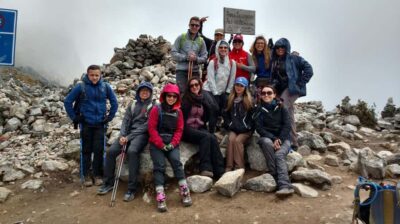
- Day 6: High Camp Day—Views Increase as You Climb
- Day 7: Base Camp Yoga at 4,500m and the Descent
- Day 8: Down to Sidding and Back to Pokhara
- Day 9: Return to Kathmandu With Morning Yoga
- Day 10: Kathmandu Airport Transfer
- Yoga on the Trek: What It Feels Like in Real Life
- Meals, Camps, and Comfort Levels (Without Overpromising)
- What to Watch Out For: Altitude and Early Weather
- Who This Trek Suits Best
- Should You Book Mardi Himal Yoga Trek?
- FAQ
- What is the meeting point and start time?
- Does the tour include airport transfers?
- Is yoga included every day?
- What trekking level should I expect?
- Are Kathmandu heritage site entry fees included?
- What is included for meals?
Key Things to Know Before You Go
- Small group feel (max 10) keeps the trip organized and easier to manage on busy days in Kathmandu.
- Yoga stays scheduled: morning sessions and evening meditation appear repeatedly, not just once.
- Guides and porters are included, so you hike without the stress of carrying everything yourself.
- Kathmandu isn’t rushed: Thamel base plus classic UNESCO-area stops with breaks for lunch and downtime.
- Mardi Himal is the focus for 5 trek days, moving from forest walking toward higher viewpoints and camps.
Why Mardi Himal Yoga Works as a Nepal Yoga Trek
The best part of the Mardi Himal Yoga Trek is the pacing. You don’t spend the whole trip battling logistics, and you don’t spend the whole trip doing yoga in a room. Instead, the day rhythm is built around walking, views, and then settling your mind with structured yoga and meditation.
You’ll start with Kathmandu sightseeing that feels cultural and grounded. Then you slide into the rhythm of trekking—first with lower effort days, then climbing higher as the trip goes on. If you’ve done yoga retreats before, you’ll recognize the pattern: move, breathe, rest. If you haven’t, you’ll still get something useful because the guide keeps the flow simple and consistent.
The Mardi Himal part is the payoff: this is a trek that’s more about hiking toward mountain moments than about ticking a huge checklist of villages. And because the group size is capped, it tends to feel human, not like a conveyor belt.
You can also read our reviews of more tours and experiences in Kathmandu.
Price and What You Really Get for $1,057
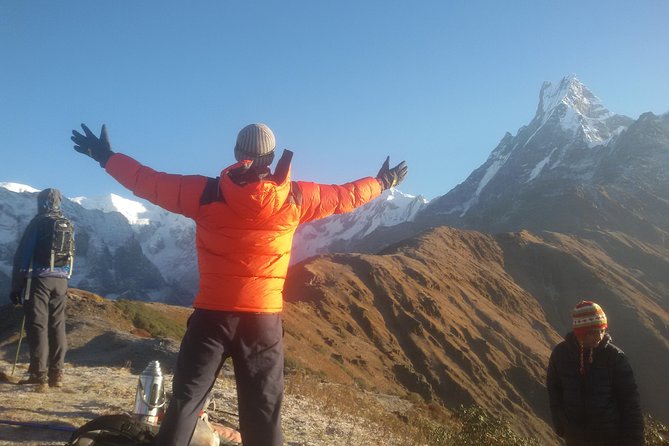
At $1,057 per person, this isn’t a bargain-basement trekking deal. But when you look at what’s included, it starts to make sense—especially if you compare it to doing Kathmandu sightseeing plus a multi-day trek on your own.
Here’s what you’re paying for that matters:
- Airport pickup and drop-off (so you’re not trying to figure out transport right after landing).
- A trekking guide and porters (huge for comfort and safety on steep or uneven ground).
- All overland transportation connecting Kathmandu, Pokhara, and the trekking start points.
- Permits for the trek handled for you.
- Yoga sessions with a certified teacher throughout the journey.
- Meals are partially covered: breakfast is included most days, plus 5 lunches and 4 dinners during the itinerary.
- Accommodation for 3 nights in Kathmandu and 2 nights in Pokhara on a twin-sharing basis in tourist-class lodging.
The two realistic add-ons are:
1) Heritage site entry fees in Kathmandu on the sightseeing day (you should budget about $26).
2) Meals not mentioned in Kathmandu and Pokhara (lunch and dinner there aren’t fully listed as included).
If you’re the kind of traveler who values not having to plan, line up, and coordinate every piece, the pricing is more reasonable. If you love doing things independently and don’t mind the mental load, you might find cheaper routes. But for many people, the included support is the entire point.
Day 1 in Kathmandu: Thamel Base and an Easy Start
You meet at Tribhuvan Airport in Kathmandu at 5:15 pm, then you’re transferred to Thamel. This matters because Thamel is where most visitors get their bearings: it’s practical, walkable enough, and it’s close to public transportation.
After you check into your hotel, the itinerary leaves you free time. That’s a good design choice. Day 1 in Nepal can be a blur—jet lag, getting used to street traffic, and switching currencies. Having breathing room helps.
Day 2 Kathmandu Sightseeing: Stupas, Durbar Square, Temples, and Yoga
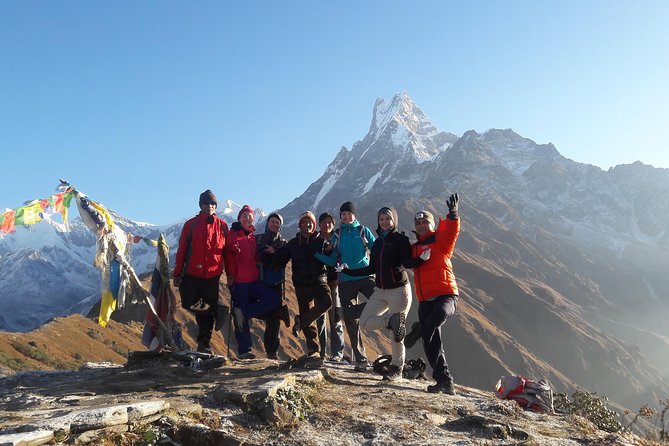
Day 2 blends yoga with major cultural stops. You start with an early morning yoga session, then breakfast and a full-day loop.
You’ll visit:
- Swayambhunath Mahachaitya (Monkey Temple) in the morning period. This is a classic Kathmandu stop, and the morning timing usually feels calmer than later in the day.
- Patan Durbar Square later. Expect a different vibe than the main tourist circuit—more like craft, stone detail, and slower wandering.
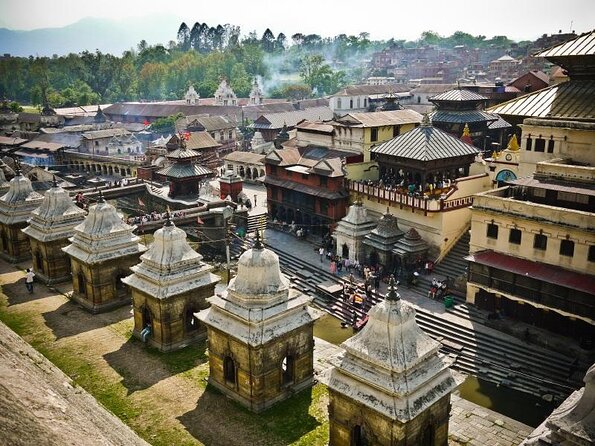
- Boudhanath Stupa, where you can slow down. There’s time for lunch here, and the stupa’s atmosphere is the whole reason to include it.
- Pashupatinath Temple in the later part of the day, followed by an evening meditation session.
Two important practical notes:
- Entry tickets for these heritage sites are not included in your package price (budget about $26).
- Yoga and meditation bookend a long day, so bring a mindset that you’ll walk more than you expect—even if it’s not trekking.
Day 3: The 6-Hour Drive to Pokhara and a Lakeside Reset
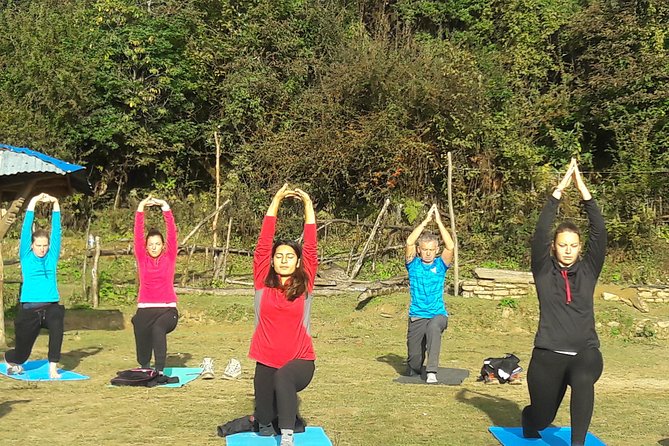
The trip shifts from city monuments to mountain surroundings with a drive to Pokhara (about 6 hours). You’ll do early morning yoga before departure, then enjoy an evening meditation session once you arrive.
Pokhara works well as a transition. Kathmandu can be intense—crowds, traffic, and visual noise. Pokhara gives you a different kind of calm, and it also sets you up mentally for the hiking days ahead. You also get tourist-class accommodation for two nights here, on twin sharing.
If you’re wondering how the trek will feel after sitting in a vehicle: the answer is usually that it feels strange on Day 3, then it clicks on Day 4.
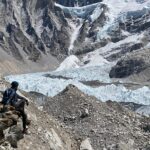
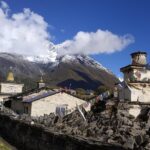
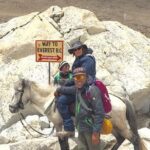
Day 4: Dhampus View Tower to Pitam Deurali Via Villages
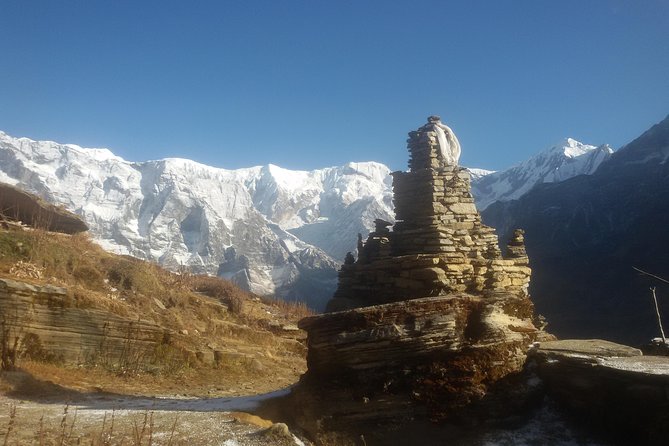
Day 4 is your first proper trekking rhythm. You do early morning yoga, then you drive to Phedi. After that, you trek to Pitam Deurali via Dhampus village and Pothana.
There’s also an evening meditation session that helps you decompress after the day’s walking. The itinerary doesn’t mention exact distances, so think of this day as a settling-in day: you’re building confidence, not proving fitness.
The village route is the value here. It’s not only about distance; it’s about getting used to mountain air, uneven ground, and the reality of hiking at a slower, steady pace.
Day 5: Forest Camp—Forest Walking and Your First Night on the Trek
On Day 5 you start with early morning yoga, then hike to Forest Camp where you’ll stay overnight. This day is described as a beautiful forest walking day, with an evening meditation session afterward.
Forest walking is a sneaky gift. Even when you’re moving uphill, tree cover can make the day feel less harsh. It also tends to create a more relaxed soundscape—birds, footsteps, and breath—so the yoga time later in the day makes more sense.
If you’re worried about hiking feeling mechanical, this is the day that often changes your mind. The forest reduces visual pressure, which helps your body accept the effort.
Day 6: High Camp Day—Views Increase as You Climb
Day 6 starts with yoga again, then you trek all the way up to High Camp. This is the day where effort ramps up and the scenery usually becomes more dramatic.
You’ll end with evening meditation. That combination matters because high camp days can leave your body buzzing—legs tired, mind wired. Meditation gives you a place to put that energy.
This is also where trekking experience becomes real. You’re not just walking; you’re moving upward and learning how your breathing changes as altitude increases.
Day 7: Base Camp Yoga at 4,500m and the Descent
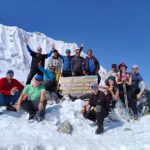
Day 7 includes an early hike to Mardi Himal Base Camp. The itinerary specifically calls out yoga practice at around 4,500m, then you descend via High Camp to Low Camp.
This is the most altitude-sensitive day on the trek. Yoga at that elevation isn’t about performance; it’s about control—slow movement, steady breathing, and staying calm even if you feel winded.
Then you get the relief of descent to Low Camp. Descents can be tough on knees, but they also make your body feel more stable. That balance—strain up, settle down—is what makes the multi-day trek manageable.
Day 8: Down to Sidding and Back to Pokhara
On Day 8, you do early morning yoga, then trek down to Sidding for about 3 hours, followed by a drive back to Pokhara. There’s also an evening meditation session.
A shorter trek day on the return loop is smart. By now, you’ve already climbed, and you don’t need a second full-day grind. This day is designed to give you momentum without exhausting you before rest.
Pokhara again gives you a chance to be human—shower, eat at a normal pace, and realize your legs are tired in a good way.
Day 9: Return to Kathmandu With Morning Yoga
Day 9 starts with morning yoga, then you drive back to Kathmandu later. The day runs about 7 hours in the itinerary.
This is an important travel transition. You’re changing environments again—mountain air back to city life. The morning yoga is a helpful bridge because it reminds you to keep your breathing steady and your body relaxed, even when the route feels busy.
Day 10: Kathmandu Airport Transfer
On the final day, you do morning yoga and then transfer to the airport based on your departure schedule. This avoids that classic last-day scramble where everyone feels rushed and underpacked.
It’s also a nice way to end: you leave Nepal with your body reset rather than wrecked.
Yoga on the Trek: What It Feels Like in Real Life
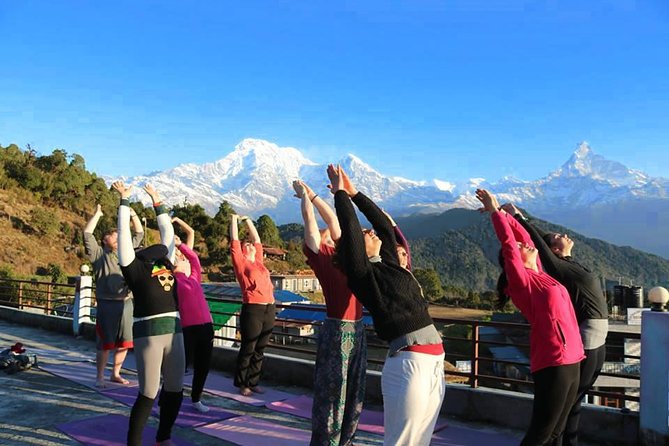
The trip’s yoga is consistent: morning yoga practice and evening meditation sessions appear throughout the entire itinerary, including trekking days.
Because the teacher is certified and the sessions are scheduled daily, you aren’t left guessing. You show up, you practice, and you get time to rest afterward. That matters most when you’re tired from walking—your brain already has enough jobs.
Also, yoga at altitude (around 4,500m on Day 7) changes the experience. Your body won’t respond like it does at sea level. The advantage is that the practice becomes grounded and practical: balance, breath, and controlled movement.
Meals, Camps, and Comfort Levels (Without Overpromising)
Some meals are included:
- Breakfast is included 9 times across the trip.
- Lunch is included 5 times.
- Dinner is included 4 times.
That means you’ll still have some free-choice meals in Kathmandu and Pokhara, because the itinerary doesn’t specify every lunch and dinner there.
Accommodation is listed as tourist class in Kathmandu (3 nights) and in Pokhara (2 nights), on a twin-sharing basis. On the trek itself, your comfort will mainly depend on the camp style for each overnight (the itinerary mentions Forest Camp, High Camp, and Low Camp stays). The package keeps expectations realistic: this is a trek-focused trip, not a luxury lodge experience.
One small, human touch you get is three cups of tea a day during the trek. It sounds minor, but on mountain days, tea is morale.
What to Watch Out For: Altitude and Early Weather
There are two main considerations.
First: altitude. Even if the trek is described as moderate fitness friendly, you still climb to areas where you’ll feel the air. The itinerary even includes yoga practice around 4,500m, which is your clue that the body needs to take it slowly.
Second: weather variability. One account from a September trek described rain early on, then clearer conditions once they reached higher areas. You should plan for the idea that the first part of your trek might be wetter, colder, or both, and you’ll feel relief if conditions improve.
A calm mindset helps. Your schedule is planned, but mountains keep their own opinions.
Who This Trek Suits Best
This is a strong fit if you:
- want a Nepal yoga trek where yoga is built into the trip day-by-day
- prefer a guided experience with professional support and porters
- like mixing culture (stupas, squares, temples) with nature
- are comfortable with moderate physical fitness and daily walking
It also works well if you’re traveling solo, because the structure keeps you from feeling lost. You’re not trying to piece together transport, tickets, and trek navigation alone.
Should You Book Mardi Himal Yoga Trek?
If you want a trekking trip that feels organized, peaceful, and thoughtfully paced, I’d say yes—especially for the blend of Kathmandu culture, Pokhara transition, and the focused Mardi Himal trek days with yoga built in.
I’d think twice if:
- you hate altitude effects and want only low-elevation walking
- you don’t want to budget for Kathmandu heritage site entry fees
- you’d rather control every part of the schedule than rely on a set plan
For most people who like mountains but also care about mental reset, this is a smart choice. The value isn’t just the trek—it’s the way the trip is managed so you can spend your energy on breathing, walking, and taking in the Himalayan views without carrying the entire plan on your back.
FAQ
What is the meeting point and start time?
You start at Tribhuvan Airport in Kathmandu, Nepal, at 5:15 pm.
Does the tour include airport transfers?
Yes. Airport pickup and drop-off are included.
Is yoga included every day?
Yoga sessions are included throughout the trip with a certified yoga teacher, with early morning yoga and evening meditation sessions scheduled across the itinerary.
What trekking level should I expect?
The trek is for travelers with moderate physical fitness. It includes trekking days in the Mardi Himal region and yoga practice at around 4,500m.
Are Kathmandu heritage site entry fees included?
No. Heritage site entry fees in Kathmandu are not included, and you should budget about USD 26.
What is included for meals?
Breakfast is included 9 times, lunch 5 times, and dinner 4 times. Meals not specifically mentioned for Kathmandu and Pokhara are not included.