REVIEW · POKHARA
Pokhara: 4-Day Beautiful Ghorepani Poon Hill & Ghandruk Trek
Book on GetYourGuide →Operated by Welcome Nepal Treks P.Ltd · Bookable on GetYourGuide
A good sunrise is hard to plan twice. This 4-day Pokhara trek takes you to Poon Hill for first light and then threads you through small teahouse villages on the Annapurna trail.
I really like two things about this route: the mix of big scenery with real village stops, and the fact that the hikes are short enough to feel doable even if it is not your first trek. You get multiple chances for panoramic mountain views and an evening rhythm that feels very Nepal.
One consideration: the mountains are weather-dependent. On some days clouds can steal the skyline, turning your trek into more of a endurance day than a fireworks show, so go in expecting surprises.
In This Review
- Key points before you go
- Why the Ghorepani–Ghandruk loop works in just 4 days
- From Pokhara to Birethanti and Ulleri: Day 1’s steady start
- Ulleri to Ghorepani: stone steps, alpine forest, and ridge rhythm
- Poon Hill sunrise and the ridge walk to Tadapani: Day 3’s payoff
- Ghandruk village descent and lunch viewpoint: Day 4’s mellow finish
- Guides and pacing: why names you’ll hear matter
- Price and value: what $200 covers and what you still pay
- Accommodation and teahouse reality checks
- Packing like a pro for Poon Hill and stone steps
- Weather, safety, and who should skip this trek
- Should you book this 4-day Pokhara trek?
- FAQ
- Where does the trek start and how do you get there?
- How many nights do you stay on the trail?
- Is breakfast, lunch, and dinner included?
- Who leads the trek and what language do they speak?
- Is a porter included?
- What documents do I need to bring?
- Is this trek refundable if plans change?
Key points before you go
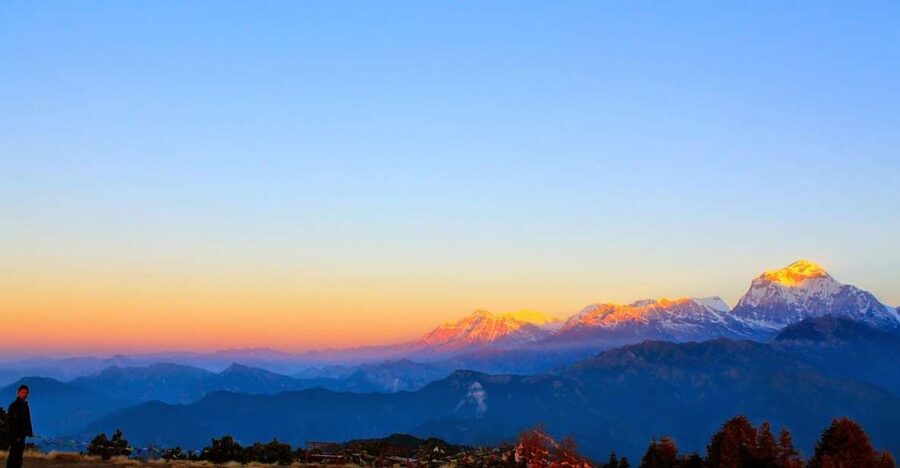
- Poon Hill sunrise gives you a high-reward start to Day 3
- Teahouse nights mean simple rooms, good food, and warm communal energy
- Ulleri and Ghandruk villages show day-to-day Magar rural life and terrace farming
- Ghorepani ridgelines bring you broad views, including the famed deep-valley perspective
- Pace matters on the stone steps and steady climbs, so your guide’s timing is key
- Meals are on you during the trek, so plan a realistic daily budget
Why the Ghorepani–Ghandruk loop works in just 4 days
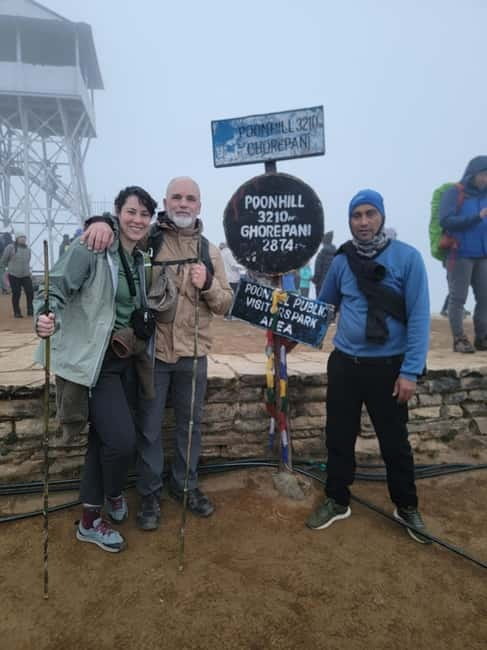
This trek is built for people who want the Annapurna region without committing to weeks on the trail. In only 4 days, you move through several classic zones: stone-step climbing, rhododendron forest walking, ridge views, and a final descent into a postcard-perfect village atmosphere.
The route also balances altitude effort with comfort. You are not only marching uphill; you are repeatedly checking in at teahouses, taking breaks when it makes sense, and spending nights somewhere you can eat warm food and recharge. That combo is why this itinerary often feels like a true Nepal intro rather than just a workout.
Finally, you get a “two-view” strategy. First, you chase early light from Poon Hill. Then, after sunrise, you continue to viewpoints and ridge lines that can still deliver even if the morning clouds change your plan.
You can also read our reviews of more tours and experiences in Pokhara.
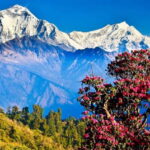
From Pokhara to Birethanti and Ulleri: Day 1’s steady start
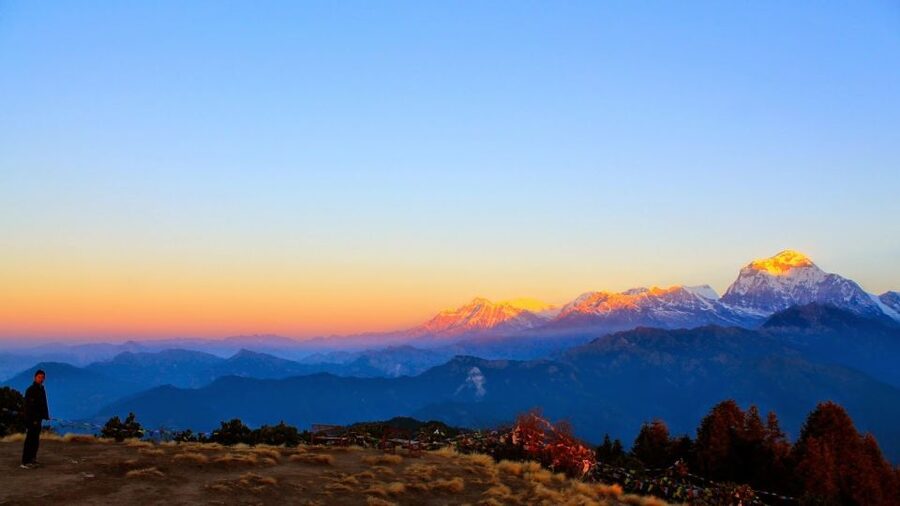
Day 1 is your transition day. You get picked up from your Pokhara hotel and drive about an hour to Birethanti, the common trail gateway. The trek begins with a climb through teahouses and scenery that’s already mountain-leaning, even before you reach the busier view zones.
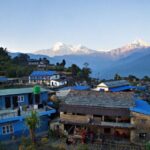
After about two hours of ascending, you reach Ulleri, a Magar village where you spend the night. This is the kind of stop that makes the trek feel like travel, not just transportation from one scenic point to another. You are moving through a rural world where houses, trails, and small businesses sit close together.
What to pay attention to on Day 1:
- The climb feels gradual, but it adds up. Comfortable shoes matter here more than fancy shoes.
- Teahouse scenery changes fast. As you rise, the air cools and the views sharpen—then you might get brief cloud cover that keeps things softer.
A small practical note: since hotel pickup is part of the included package, you can focus on getting ready instead of trying to coordinate transport at the last minute. Still, set a calm plan—your guide will expect you 5–10 minutes before pickup.
Ulleri to Ghorepani: stone steps, alpine forest, and ridge rhythm
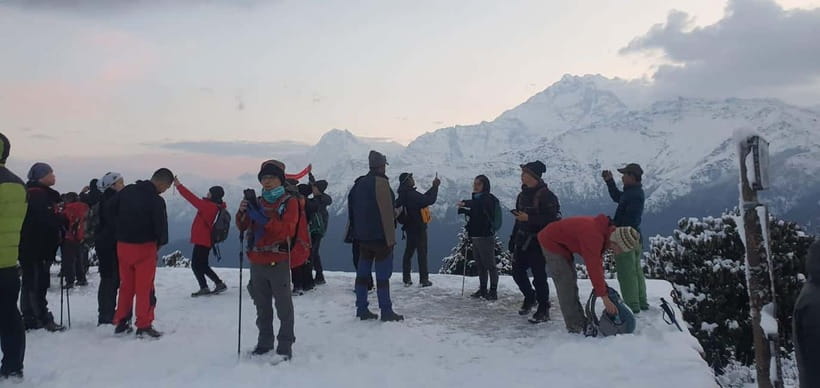
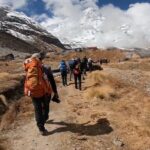
Day 2 is your longest trekking day. You start with a couple of hours of stone steps, and that sets the tone for the day: steady work, frequent foot placement, and the mental game of not rushing.
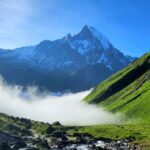
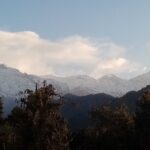
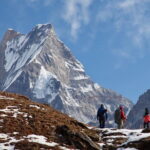
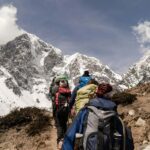
At some point, you’ll be able to admire wide panoramas—this part of the trail is known for views of Annapurna and Mt. Fishtail while you climb toward an alpine forest zone. The vegetation can shift as altitude rises, and you’ll move from village edges into a more wooded feel.
Then come the teahouse breaks. They are not just for convenience; they help you pace. You can stop when your legs say stop, not when a clock says stop. After around six hours on the trail, you reach Ghorepani, where you spend the night.
From Ghorepani, you also get a special kind of “big valley” perspective. The trek description calls it the world’s deepest valley view from this area—whether it is crystal-clear or partially softened by haze, the point is that you are standing high enough to see the region’s scale.
Potential drawback on Day 2: you may feel tired before the “reward” of Day 3 sunrise. That is normal. If you’ve never trekked before, the steps can surprise you. Your best strategy is to keep your pace gentle and consistent.
Poon Hill sunrise and the ridge walk to Tadapani: Day 3’s payoff
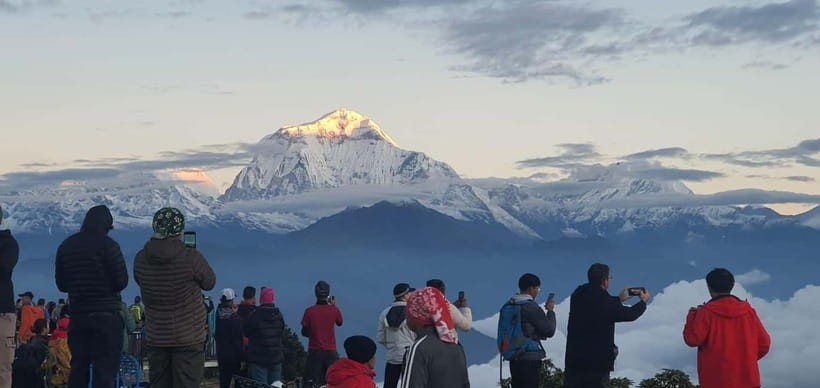
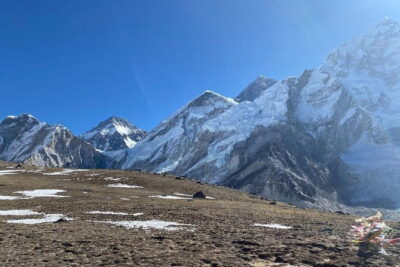
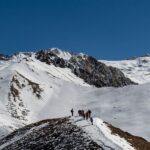
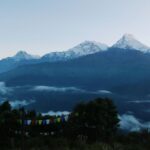
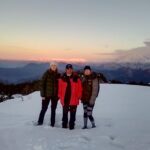
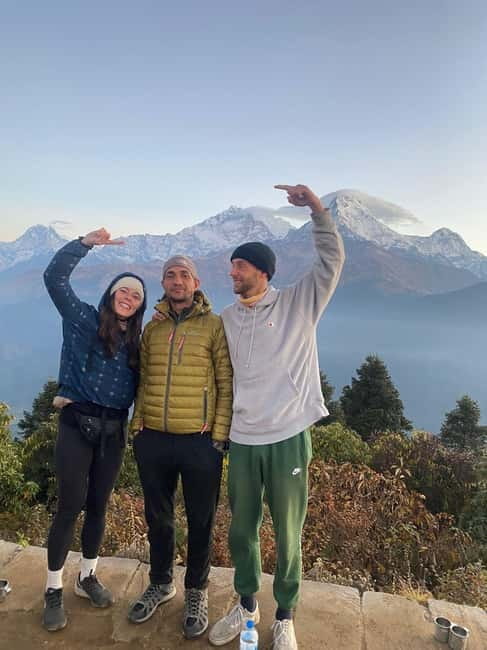
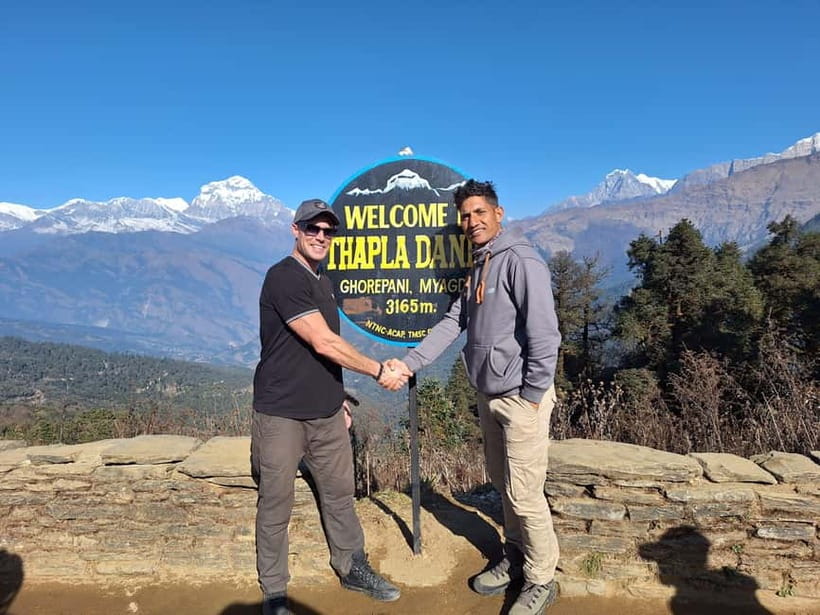
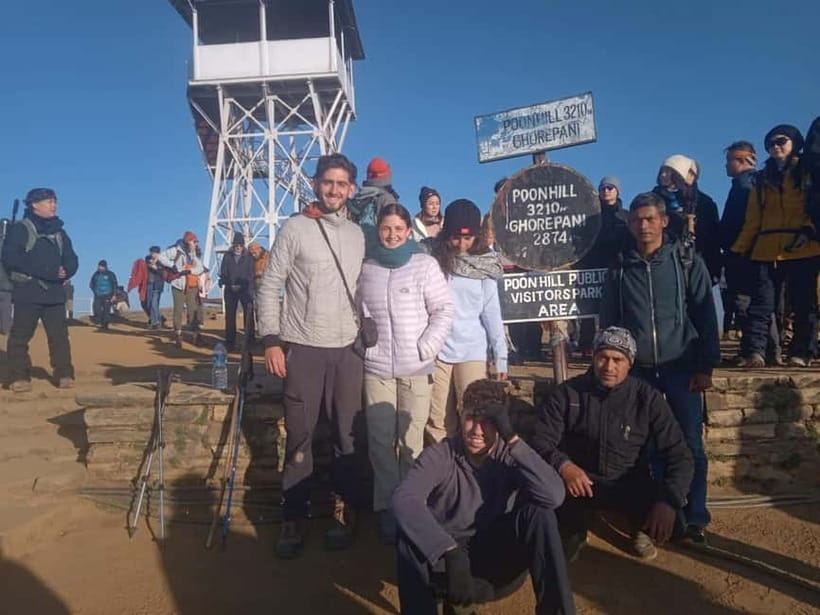
Day 3 begins early for a reason. You rise to watch sunrise from Poon Hill, and this is the highlight many people talk about. The description notes you’ll look out over 15 mountain peaks as the sun comes up. Even if the visibility is not perfect, the changing light on the ridges is often what makes this moment feel special.
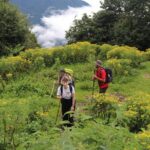
After sunrise, the trek continues instead of ending in a quick photo stop. You follow a trail through a rhododendron forest, then over mountain ridges, and eventually reach Tadapani for the night at a teahouse lodge.
This is a good day to manage expectations:
- Sunrise is the big moment, but the rest of the day still matters.
- Rhododendron forests can be cool and shaded, which can feel great after an early start.
- Ridge walking can be exposed. Sun protection and a light layer can make your comfort better fast.
Why I like this structure: the tour gives you a peak experience and then keeps you moving so the day feels full. You are not stuck waiting around. You are still trekking, just with the mountain “wow” already banked.
Ghandruk village descent and lunch viewpoint: Day 4’s mellow finish
Day 4 shifts gears. You enjoy a short descent to Ghandruk, described as a charming mountain village with streets lined by thatch and slate-roof houses and farming terraces. This is the part of the trek that feels most like cultural travel: you see how people live, not just where mountains rise.
You’ll have time to wander through the village atmosphere before you move on. This is also a good day for photos that are not only of peaks—terraces, rooftops, and village paths often turn out better than you expect.
Lunch is at a viewpoint where you can admire Annapurna South and Huinchuli. Then you continue trekking for about one more hour before catching a ride back to Pokhara, where you’re dropped off at your hotel.
What makes Day 4 valuable is the “completing the story” feeling. Day 1 and Day 2 bring you upward into teahouse life and forested slopes. Day 3 pulls you toward the big mountain moment. Day 4 brings you down into a place where the trek’s effort makes sense in human scale.
Guides and pacing: why names you’ll hear matter
A short trek like this lives or dies by pace. If you move too fast, your legs punish you. If you move too slow, daylight disappears and the day feels long.
The tour is led by an English-speaking guide, and the reviews highlight how much that affects the experience. Guides such as Padam and Tanka (spelled that way in different feedback) are praised for adapting pace and being friendly. One review credits Tonka with taking extra care, making sure the group had enough to eat and drink and giving people space to enjoy the nature without constant chatter.
Porter service is not included, but you might notice how much easier the experience can feel when someone is handling heavier logistics. Still, even without a porter, having a guide who understands the route and can adjust the plan is a big deal. It can also be the difference between being “on schedule” and actually feeling comfortable.
Price and value: what $200 covers and what you still pay
At $200 per person for 4 days, the value is mainly about what’s organized for you: hotel pickup and drop-off, ground transport to the trailhead, permits and taxes, a guide, and 3 nights of accommodation during the trek. A first-aid kit and water purification tabs are included too.
What is not included is equally important: meals and drinks during the trek, plus travel insurance, and porter service. Since meals are not part of the package, your total cost depends on how often you stop for tea, snack, or extra drinks at teahouses.
So, is $200 a bargain? It can be, because you are not paying extra for the core logistics. But if you’re traveling on a tight daily budget, you should plan for teahouse spending. This trek is not just about your legs; it’s also about buying simple comfort items along the way.
Accommodation and teahouse reality checks
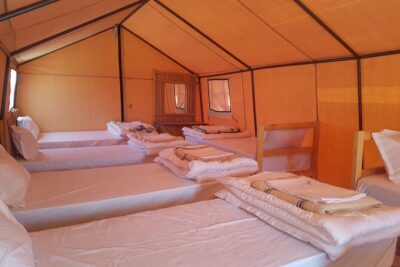
You’ll stay in teahouse lodges at Ulleri, Ghorepani, and Tadapani, then finish in Ghandruk before returning to Pokhara. Teahouses are basic by design. They give you a roof, warmth, and food options, and they keep you in the rhythm of the trail.
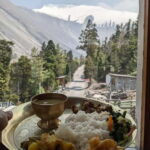
The reviews emphasize that warm water and good food helped manage comfort. That is the kind of detail that matters on a multi-day walk, especially if you are dealing with early mornings and cooler temperatures.
What to watch for:
- Your room comfort will be simpler than a city hotel. Bring your own mindset: you’re here for the mountains and the village days.
- The best “upgrade” is not a fancier lodge. It’s packing the right layers and staying hydrated.
Packing like a pro for Poon Hill and stone steps
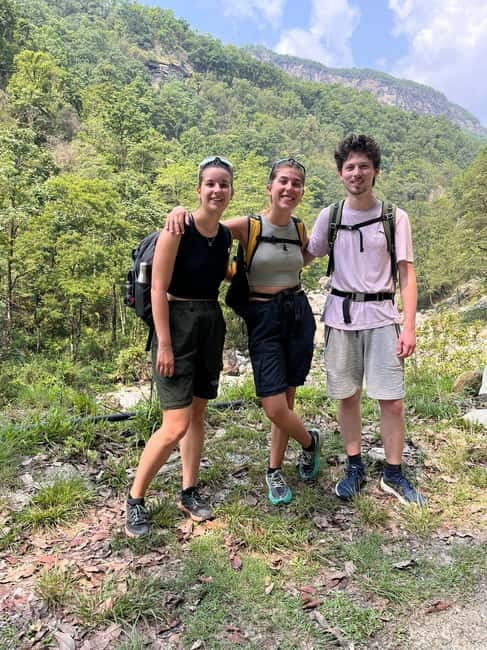
This trek gives you a clear checklist, and it’s worth following. Comfortable shoes are non-negotiable. Even with short daily distances, the stone steps can test your comfort fast.
From the listed needs, prioritize:
- Sun gear: sunglasses and a sun hat
- Layers: a jacket plus comfortable clothes for daily walking
- Daily essentials: a daypack, camera, and toiletries
- Hygiene: towel and personal hygiene products, plus toilet paper
- Weather and bug basics: sunscreen and mosquito repellent
You’ll also want a plan for your paperwork. You must bring a scanned copy of your passport and a passport-sized photo. Bring the items in the format your guide requests, and keep originals safe.
Also, take the personal clothing advice seriously: the list suggests packing two t-shirts, long pants and shorts, socks, and change of clothes. That’s not overkill. You’ll feel better having clean options when you’re drying out gear and washing up at teahouses.
Weather, safety, and who should skip this trek
Mountains make the rules. Cloud cover can reduce views during the sunrise moment or later ridge sections. One review specifically noted weather hampering the trip while still allowing sporadic Himalayan views, and that’s the real-life expectation here.
Altitude numbers are not provided, so I’ll keep this practical: if you are sensitive to exertion, plan on pacing and breaks. Stone steps and steady climbs are part of the itinerary, so any heart condition is a risk factor.
This trek is explicitly not suitable for:
- Pregnant women
- People with heart problems
If that applies, you should choose a different Nepal experience with less sustained uphill hiking. If you are unsure, talk with a medical professional before you commit.
Should you book this 4-day Pokhara trek?
Book it if you want a focused Annapurna intro: Poon Hill sunrise, village nights, and daily hikes that feel like they have a purpose. It’s also a strong fit if this is your first trek and you like having guidance that keeps you comfortable and moving at the right pace.
Don’t book if you want guaranteed skyline views or a completely relaxed walk. You’re doing real climbs, early mornings, and you can’t control the weather.
My quick decision rule: if you’re excited by the idea of sunrise photos plus village life, and you can handle stone steps and early starts, this itinerary is a solid way to spend four days in Nepal’s mountain country. If not, you’ll probably feel better choosing a gentler route closer to Pokhara.
FAQ
Where does the trek start and how do you get there?
You’ll start in the Birethanti area. From Pokhara, you’ll be picked up from your hotel and drive about 1 hour to begin the trek.
How many nights do you stay on the trail?
You stay for 3 nights during the trek, at teahouse lodges in Ulleri, Ghorepani, and Tadapani.
Is breakfast, lunch, and dinner included?
No. Meals and drinks during the trekking are not included, so you’ll purchase food while stopping at teahouses.
Who leads the trek and what language do they speak?
A live tour guide leads the trek, and the guide is listed as English-speaking.
Is a porter included?
No. Porter service is not included, so you’ll carry your own items unless you arrange help separately.
What documents do I need to bring?
You need to bring a passport or ID card. You also must bring a scanned copy of your passport and a passport-sized photo.
Is this trek refundable if plans change?
The activity notes free cancellation up to 24 hours in advance for a full refund.