REVIEW · AREQUIPA
Trek to the Route of the Sillar and Culebrillas in Arequipa
Book on GetYourGuide →Operated by AREQUIPA EXPLORER Y ACTIVIDADES TURISTICAS · Bookable on GetYourGuide
The Sillar Route turns stonework into a show. You’ll follow the real path of sillar (ashlar) production from working quarries to a canyon carved by water, with viewpoints over volcano country and the Chilina Valley.
I especially like seeing the quarry as a living workspace, not a staged stop, and the mega-carving made by the stonemasons themselves. One thing to plan for: depending on traffic and how tight the schedule feels, you may arrive at the quarry later than expected or feel a bit rushed between stops.
In This Review
- Key things I’d bet on
- The Sillar Route: Why This White Stone Story Hits Hard in Arequipa
- Meeting Point at C. Álvarez Thomas: Start Smart, Not Stressed
- First Views Over Volcanoes and the Chilina Valley
- Añashuayco Quarry: Living Work, Big Canyon Walls, and Stone-Carving Scale
- What you’ll see inside the quarry
- The stonemason moment (and the hands-on part)
- Practical drawback to note
- Quebrada de Culebrillas: A Water-Made Canyon Walk for Photos and Quiet
- The Overall Pace: 270 Minutes Total, Two Hikes, and a Van Between
- After Your Trek: Pairing It With Chivay Hot Springs
- Price and Value: What $13 Actually Buys You
- Tour Guide Energy: Why It Can Change Your Day
- Who Should Book This Trek (And Who Might Want Something Else)
- Should You Book It?
- FAQ
- How long is the Sillar Route and Culebrillas trek?
- What’s the price, and what extra costs should I expect?
- Where do we meet for the tour?
- What languages are the guides?
- How much hiking is included?
- Can I cancel last minute?
Key things I’d bet on
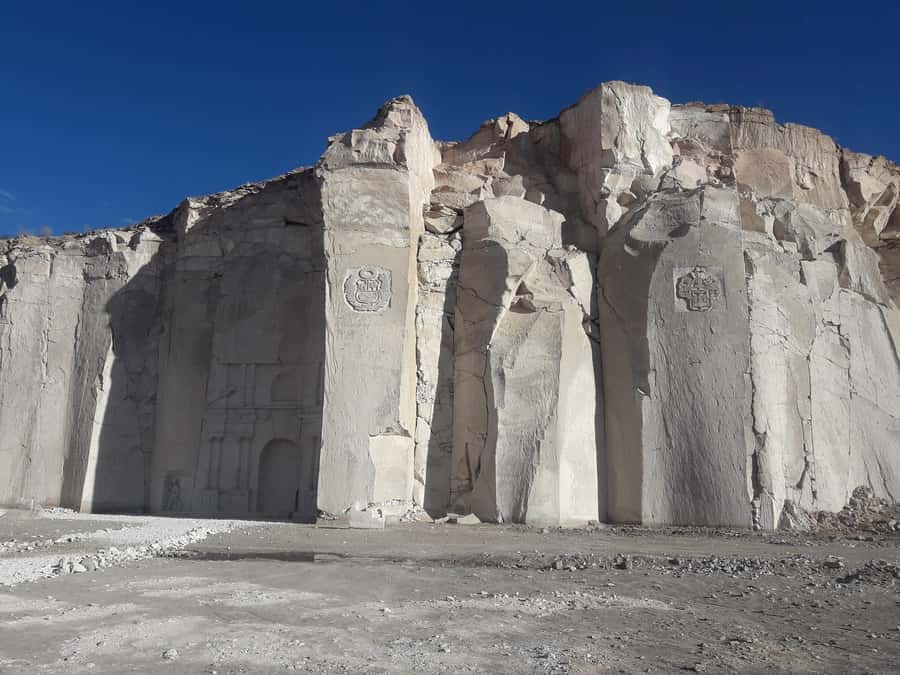
- Working Añashuayco Quarry with igneous canyon walls left from ashlar extraction
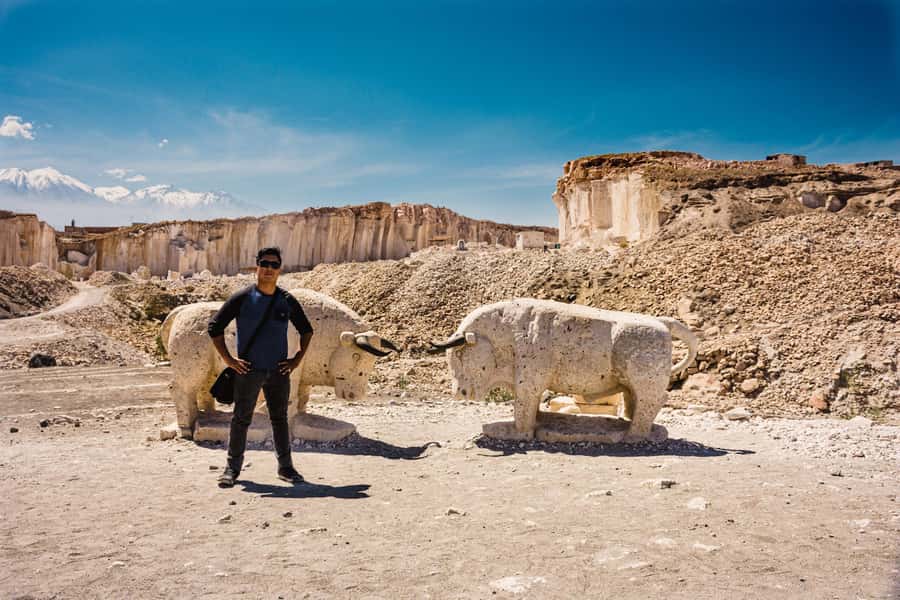
- Megacarving of the Church of the Company of Jesus created by local stonemasons
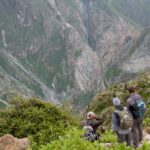
- Culebrillas canyon walk through a smaller water-carved gorge
- Volcanoes and Chilina Valley viewpoints before you get down to the stone
- A hands-on stone-cutting experiment during the quarry visit
The Sillar Route: Why This White Stone Story Hits Hard in Arequipa
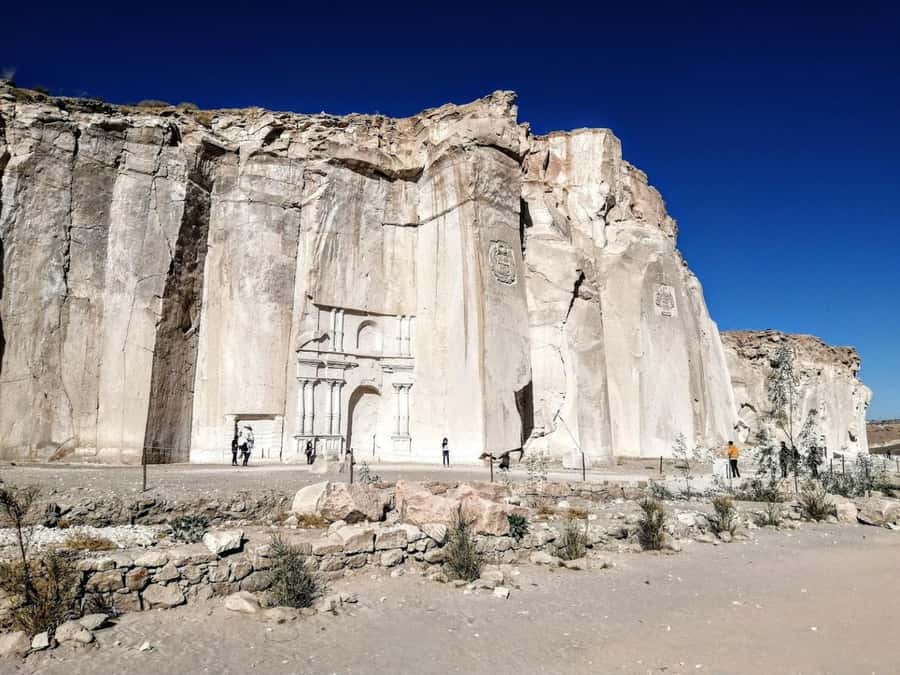
Sillar is the pale stone that helped shape much of Arequipa’s look. On this trek, you don’t just hear the story in a classroom voice—you see where the stone comes from and how extraction leaves behind huge cliffs and carved voids. That’s what makes the Sillar Route feel more real than the usual sightseeing loop.
You’ll also pick up an idea that’s easy to miss in town: this isn’t only a pretty material. It’s a working craft shaped by timing, weather, and the daily rhythm of stonemasons. When you watch quarry work happening early, the whole city building story suddenly becomes practical and human.
You can also read our reviews of more tours and experiences in Arequipa.
Meeting Point at C. Álvarez Thomas: Start Smart, Not Stressed
You’ll meet at the main office on the corner at C. Álvarez Thomas 115. The tour begins around 09:15, and you’ll ride in a van between viewpoints and the quarry areas. Because the route crosses parts of the Arequipa region, leaving on time matters.
If you’re sensitive to delays, keep one buffer in your day. One negative experience I picked up the hard way (from scheduling reality, not theory) is that traffic can slow things down and reduce how long you actually get at the quarry.
First Views Over Volcanoes and the Chilina Valley
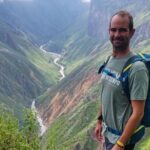
Before you reach the real stone action, you’ll hit a strategic viewpoint area with a brief stop. This is where you get volcanoes and the Chilina Valley in view—exactly the kind of perspective that makes the geology around Arequipa click in your head.
Depending on the season, the timing and which viewpoint you get can shift, including a possible alternate traditional viewing spot where the volcanoes are especially clear. Either way, the goal is the same: get your bearings fast, then head toward the quarry zone.
Tip: bring a light layer. Even when Arequipa is warm, highland air can cool quickly at viewpoints, and you’ll be pausing for photos.
Añashuayco Quarry: Living Work, Big Canyon Walls, and Stone-Carving Scale
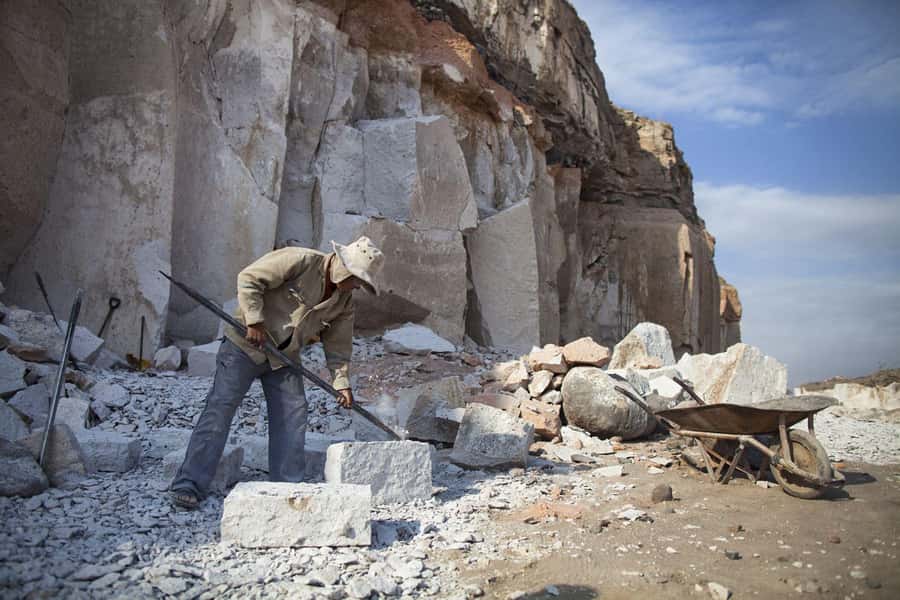
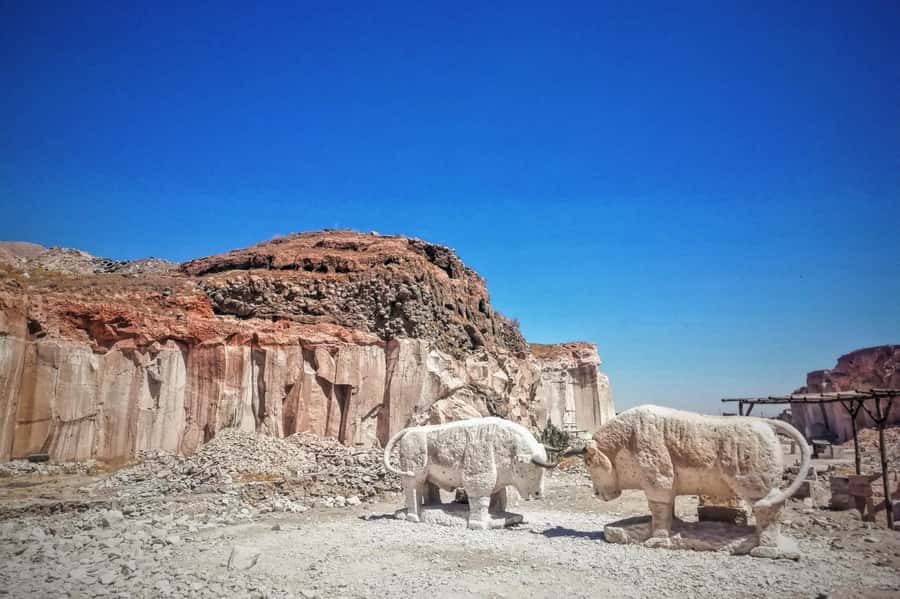
This is the heart of the experience, and you’ll spend about 1 hour here. The van ride is roughly 30 minutes from the prior stop, then you’ll enter Añashuayco Quarry, which is still in operation. That means you’re not only seeing what’s left behind—you’re watching the production process while it happens.
What you’ll see inside the quarry
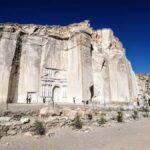
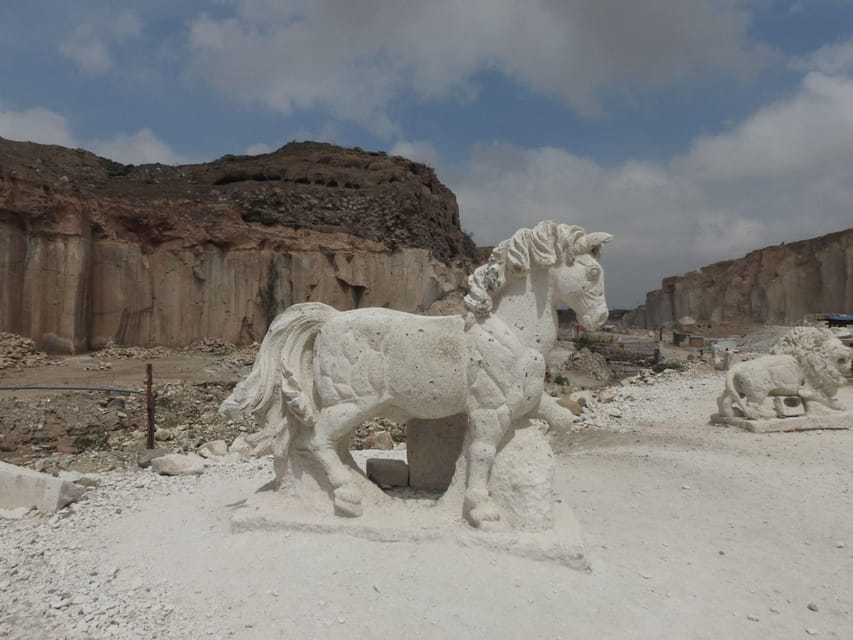
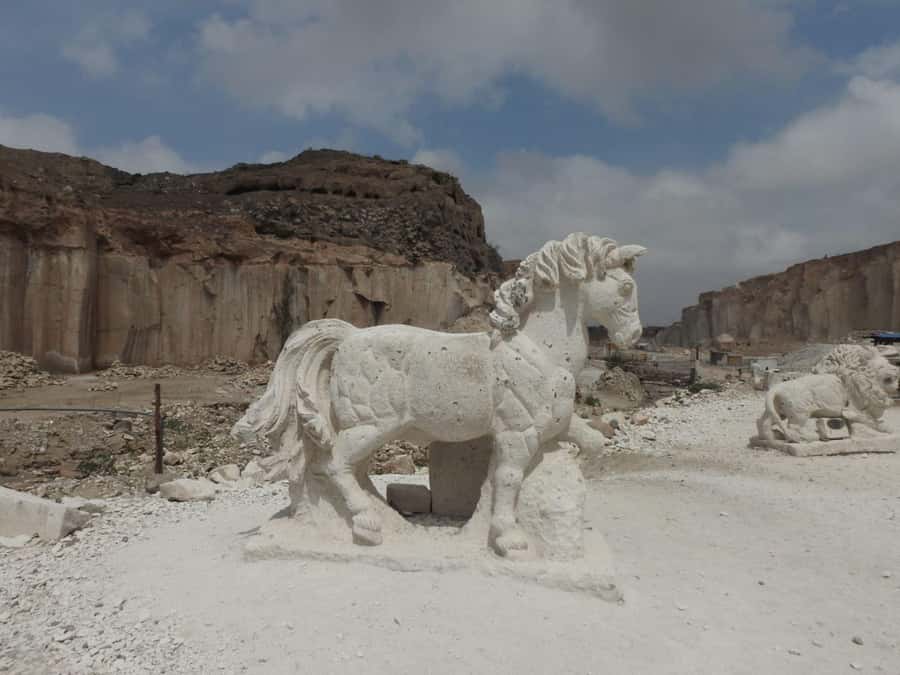
The standout feature is the massive canyon of ignimbrite walls—tall cliff faces formed by extraction used to produce ashlar. You’ll get guided context on how ashlar was produced and how it’s been used, and you’ll understand why the quarry looks the way it does: the rock isn’t just scenery; it’s a result of how the stone was taken.
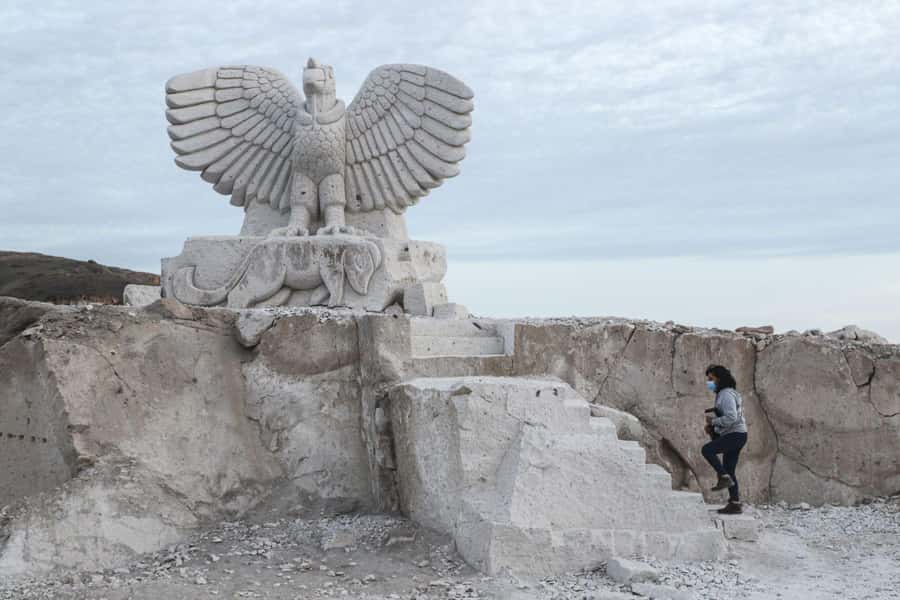
One of the most memorable sights is the megacarving of the Church of the Company of Jesus. It’s created by stonemasons themselves, so it feels less like a tourist decoration and more like a skill statement carved directly into the working landscape.
The stonemason moment (and the hands-on part)
You can also visit a stonemason working area so they can explain what daily work looks like. Even better, you get an experiment—cutting a stone block yourself (with guidance).
That hands-on piece matters because it turns the story from observation into understanding. You start to see that quarry work isn’t only brute strength; it’s technique, timing, and respect for how stone behaves.
Practical drawback to note
The quarry visit is good, but the schedule can make it feel brisk. If you love slow photography or want time to ask every question, go in with curiosity and keep your energy ready for the next stop.
Quebrada de Culebrillas: A Water-Made Canyon Walk for Photos and Quiet
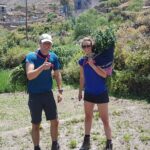
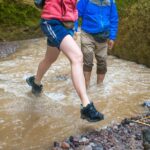
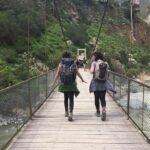
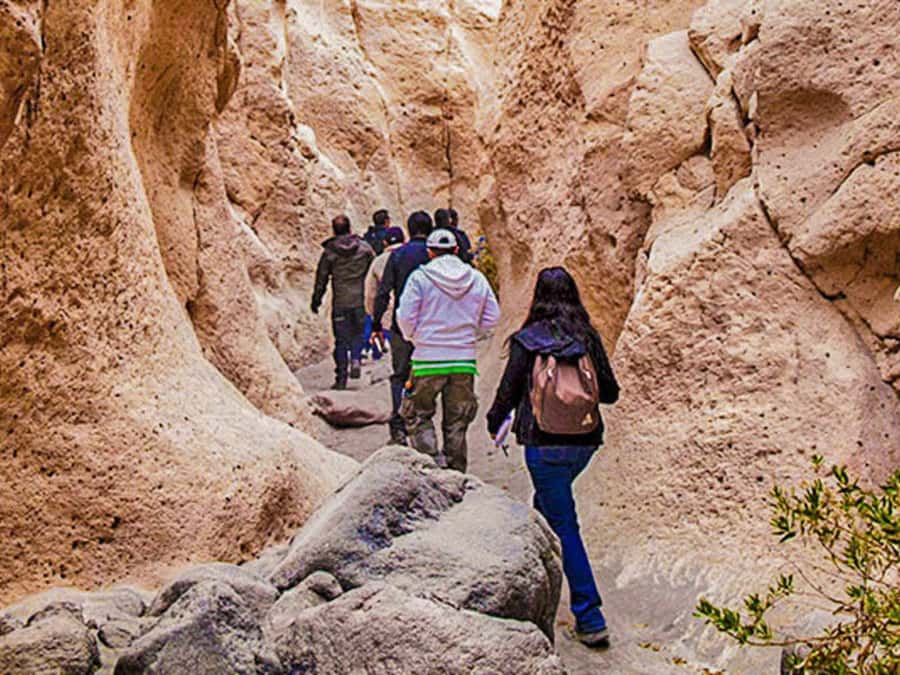
Next you’ll head to Quebrada de Culebrillas, about 30 minutes away. Here you’ll take a walk of around 20 minutes inside a small canyon shaped by the passage of water. The full stop can last about 30 minutes, with breaks for photos and guided pointers.
This part shifts the vibe. Instead of industrial-scale stone extraction, you get a narrower, more winding space where nature did the carving over time. The walls feel more intimate, and the walk is a chance to slow down, breathe, and look closely at the canyon walls and textures.
Bring shoes with grip. Even when the route sounds short, you’re walking in a canyon environment where footing matters.
The Overall Pace: 270 Minutes Total, Two Hikes, and a Van Between
The whole experience runs about 270 minutes (around 4.5 hours). You’ll ride by van, pause for viewpoints, hike in two separate areas, and end back in central Arequipa.
In rough terms:
- One hiking block at Añashuayco Quarry (about 1 hour with guiding and movement)
- A shorter walk at Quebrada de Culebrillas (about 30 minutes, including breaks and the canyon walk)
Then you finish back at Av La Marina, Arequipa after around 45 minutes of van time.
If you like structured tours and don’t mind transitions, this pace works. If you’re the type who likes long unbroken time in one location, you might feel the tour compresses moments—especially if traffic adds delays.
After Your Trek: Pairing It With Chivay Hot Springs
The tour highlights a relaxing soak in the hot springs of Chivay after your trek. While this isn’t laid out with exact timing here, the pairing makes sense: you finish hikes and canyon walking, then switch gears to a long, warm reset.
If you’re planning that continuation, keep an eye on how your trek timing plays out that day. With road conditions and the quarry schedule, it’s smart to treat the hot springs plan as flexible rather than clockwork.
Price and Value: What $13 Actually Buys You
At $13 per person, this tour can be good value if you want both transportation and a real guide-led quarry experience. What’s included is:
- Touristic transport (van)
- Professional guide
What’s not included is:
- Ticket entrance to the places: 10 soles
So you should budget extra for entry fees (the tour is still likely inexpensive overall, but don’t assume it’s truly all-in). The value equation gets strongest if you care about the quarry craft side—watching stonemasons work, seeing the megacarving, and doing that short hands-on cutting experiment.
If your main goal is only scenery photos, you might compare alternatives. But if you want the “how this stone became Arequipa” story with movement in the field, this price is hard to argue with.
Tour Guide Energy: Why It Can Change Your Day
A good guide can make a quarry and canyon feel like a story instead of a route. Your guide is live and available in English and Spanish, so you can follow the explanations either way.
Still, guide quality can affect pacing and how much you get out of the stops. If the briefing feels unclear or the group is being rushed without explanation, ask questions early. The best tours feel like they adjust to the group and keep the story moving, not just the clock.
Who Should Book This Trek (And Who Might Want Something Else)
This experience fits best if you:
- Love geology, craft, and place-based explanations
- Want to see working quarries rather than only viewpoints
- Like short hikes with guided interpretation
- Want a clean, half-day structure without spending hours figuring logistics
You might consider another option if you:
- Need lots of free time at each location for slow photography
- Dislike tours where multiple short segments replace one long deep stay
- Have a very strict schedule and no buffer for road delays
Should You Book It?
Yes, I think you should book if you’re excited by the idea of seeing sillar production in action and walking through Culebrillas canyon after getting big quarry views. The mix of working craft (including stonemason explanation and stone-cutting practice) plus a nature-shaped canyon makes it more than a drive-by.
Skip or switch plans if you absolutely need slow pacing or you can’t risk traffic affecting your arrival time. With that one caveat, this is a strong, practical Arequipa-region trek that gives you real context for why the city looks the way it does.
FAQ
How long is the Sillar Route and Culebrillas trek?
The tour lasts about 270 minutes (roughly 4.5 hours).
What’s the price, and what extra costs should I expect?
It costs $13 per person. Ticket entrance to the places costs an additional 10 soles.
Where do we meet for the tour?
You meet at C. Álvarez Thomas 115, at the main office on the same corner.
What languages are the guides?
The live guide offers English and Spanish.
How much hiking is included?
You’ll have about 1 hour of guided hiking/visit at the quarry area, plus about 30 minutes at Quebrada de Culebrillas (including a canyon walk).
Can I cancel last minute?
Free cancellation is available up to 24 hours in advance for a full refund. You can also reserve now and pay later.