REVIEW · AREQUIPA
Arequipa: Colca Canyon Trekking 2 days and 1 night + food
Book on GetYourGuide →Operated by Destinos y Rumbos · Bookable on GetYourGuide
Colca stars feel like a reward. This 2-day trek from Arequipa puts you right into the Colca Canyon with an early Cruz del Condor stop to watch condors glide overhead. I love how the route mixes big moments (condors, canyon views) with real village life as you pass Cabanaconde and other small communities. I also like the night in Sangalle, where you trade signals for a darker sky and dinner by the Sangalle river area.
One thing to keep in mind: this is not a casual walk. You’re hiking at high altitude with days that can feel long and steep, including a tough ascent on day 2. If you’re prone to altitude issues or your fitness isn’t strong, this can turn into a struggle fast.
Still, the value is real. For about $150, you get round-trip transport, a bilingual guide (Spanish and English), most meals, and basic lodging in the canyon, plus the added nature stops on the return toward Arequipa.
In This Review
- Key points to know before you go
- The early start: Arequipa to the Colca Canyon before sunrise
- Cruz del Condor: where the canyon breathes and condors do their thing
- Day 1: Canyon walks to San Juan de Chucho, then down to Sangalle
- The lunch stop at San Juan de Chucho
- Continuing to Sangalle (plus small village culture stops)
- Dinner and the lodge at Sangalle: rustic by design
- Day 2: The tough ascent back to Cabanaconde and the thermal baths
- Breakfast in Cabanaconde and time to reset
- Thermal baths at 11:30am
- The return drive to Arequipa: volcano viewpoint, Tocra wetlands, and Pampa Cañahuas
- Price and value: what you actually get for about $150
- Who this trek suits (and who should think twice)
- Lodging expectations: Sangalle’s shared rooms and “rustic” reality
- The guide factor: support can make or break day 2
- Should you book this Colca Canyon trek?
- FAQ
- How long is the Colca Canyon trekking experience?
- Where do you get picked up in Arequipa?
- What time does the day 1 pickup start?
- What meals are included?
- Is the thermal baths experience included?
- Do you have electricity or internet at the Sangalle lodge?
- Is the tour only for experienced hikers?
- What should I bring for the hike?
- Are alcohol or drugs allowed?
- What languages do the guides speak?
Key points to know before you go
- Cruz del Condor early pickup: you’re on the road before sunrise so you can reach viewpoints in time.
- Sangalle disconnect: shared rooms at a lodge with no normal electricity and limited phone charging.
- A serious physical day 2: the hike back up toward Cabanaconde is the hardest part.
- Small villages + simple museum stop: you’ll pass through communities and even visit a small museum area.
- Thermal baths are planned: you go to hot springs in the schedule, but the cash entry fee is extra.
- Wildlife and vicuñas on the way back: you’ll stop in Tocra wetlands and the Pampa Cañahuas reserve area.
The early start: Arequipa to the Colca Canyon before sunrise
This trek begins the way Colca adventures often do: in the dark. You’ll be picked up from near Arequipa’s main square around 3:00–3:30am, then ride to Chivay in roughly 3 hours. After that, you get breakfast at about 6:00am in a tourist restaurant before continuing.
Why the early start matters: condor viewing at Cruz del Condor depends on timing. The viewpoint visit happens after another hour of travel, so you’re not just “passing through.” You’re arriving with enough daylight to actually see what you came for—those broad-winged birds riding air currents across the canyon.
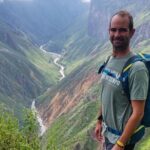
You’ll also get your first taste of scale. The canyon isn’t a single view. It changes as the road climbs, villages appear along the edges, and the terrain drops away toward the river system.
You can also read our reviews of more tours and experiences in Arequipa.
Cruz del Condor: where the canyon breathes and condors do their thing
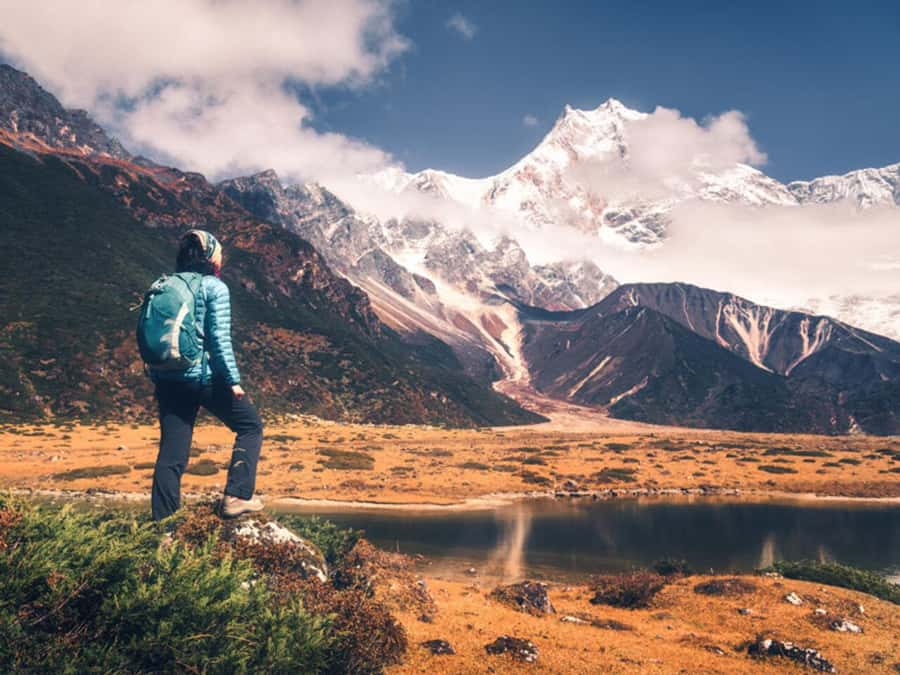
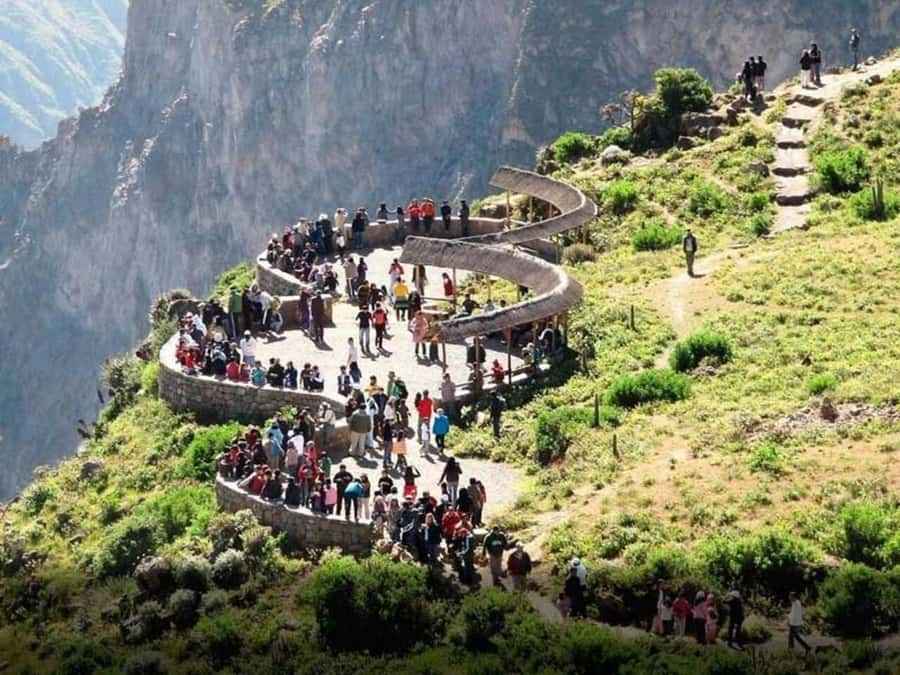
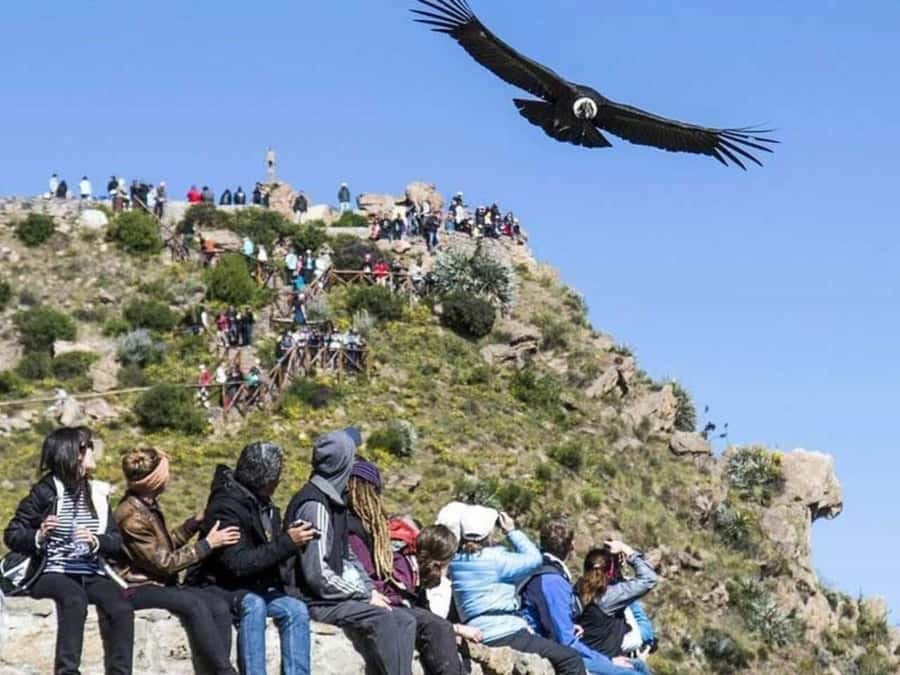
At Cruz del Condor, you’ll pause to appreciate how the canyon opens up and where the condors fly. This is one of the most memorable stops in the itinerary because it’s both visual and atmospheric—you see the canyon’s shape and you get the birds in motion, not just as a photo opportunity.
It also helps that you’ll have a bilingual high mountain tour guide. In past groups, a guide named Alix stood out for giving clear explanations and staying practical when people struggled to finish. That kind of calm, supportive energy matters on a long trek where conditions and bodies vary.
Tip: bring sunglasses and keep your hat handy. At these elevations, sun can hit hard even if the morning feels cold.
Day 1: Canyon walks to San Juan de Chucho, then down to Sangalle
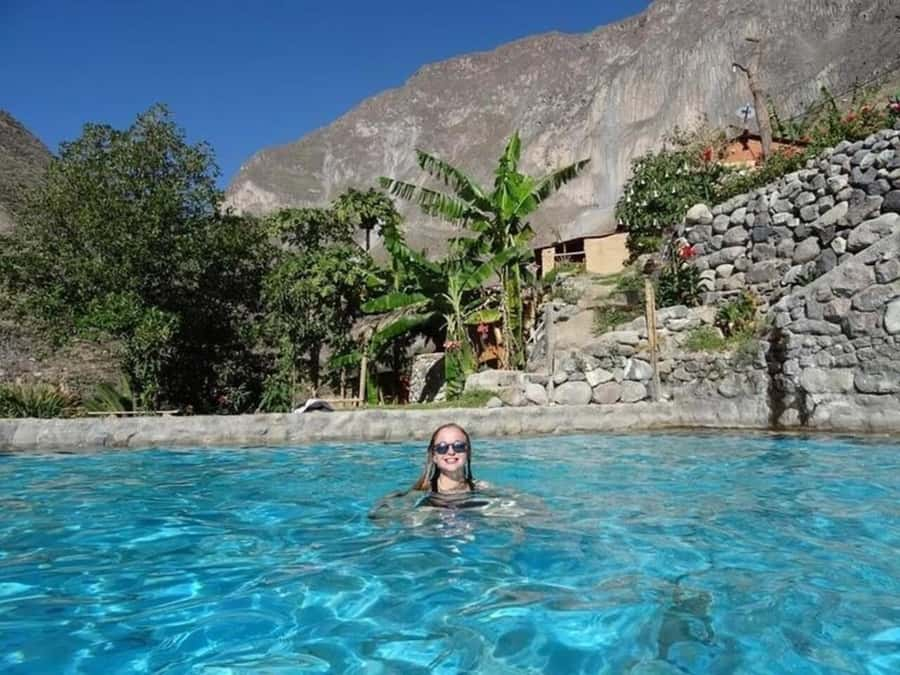
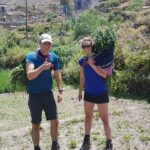
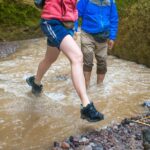
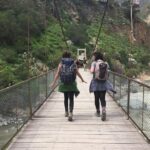
After the viewpoint, the drive continues past Cabanaconde and La Pampa de San Miguel. Then the real trekking starts, with a hike that takes you into the canyon and toward villages you’ll pass or see from the trail.
The lunch stop at San Juan de Chucho
You’ll hike for about 4 hours (approx.) before lunch in San Juan de Chucho. This segment is where you feel the canyon’s “inside” rather than just looking at it from above. If you pace yourself, it’s also where your footing skills start to click: you learn how to place steps confidently, keep your breath steady, and manage altitude fatigue.
Continuing to Sangalle (plus small village culture stops)
After lunch, you’ll continue for about 3 hours to Sangalle. On the way, you’ll also pass through Cosñirhua and Malata, where there’s a small museum stop.
Then you reach Sangalle, described as sitting right in the canyon on the side of the Colca River. In the valley, you’ll have time to enjoy the pools there, which is a nice reward after a hiking day. It’s also one of the moments when you can tell the difference between “tired” and “finished.”
Dinner and the lodge at Sangalle: rustic by design
Day 1 ends with dinner and your first night in a rustic refuge/lodge. The accommodation is shared rooms. Expect limited comfort and limited connectivity. In this area there’s no electricity or internet in the usual sense; there’s solar power, and at night the lights come on only for a couple of hours. Cell phones cannot be charged.
This is not a failure; it’s part of what the canyon experience is trying to be. You’ll likely sleep better if you plan for the reality: bring a charged phone, a little patience, and accept that this is a night to disconnect.
Food included on day 1:
- Breakfast (day 1)
- Lunch (day 1)
- Dinner (day 1)
Day 2: The tough ascent back to Cabanaconde and the thermal baths
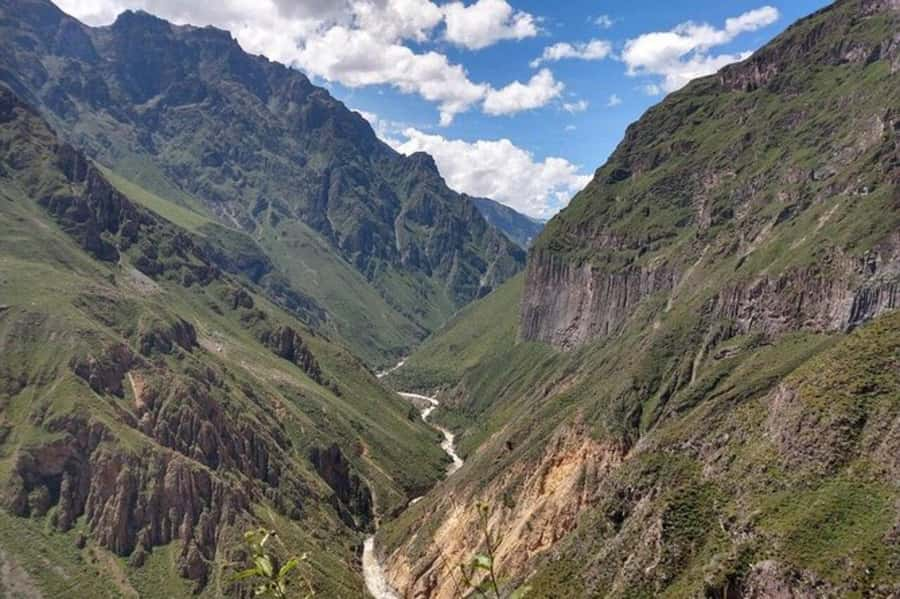
You start early again. Around 5:00am, you hike up toward Cabanaconde, with the ascent taking about 3 hours (approx.). This is the part you should respect. Reviews and the itinerary itself both make it clear: day 2 demands more than most casual walkers expect.
When altitude meets uphill effort, you don’t have to “power through.” You need steady pacing. If you’ve been pushing too hard on day 1, this is where it can catch up.
Breakfast in Cabanaconde and time to reset
Once you arrive, you enjoy breakfast, then wait for transport. You’ll also have stops along the way back for photos and viewpoint moments, which helps break up the ride so you’re not bouncing straight from hike to road fatigue.
Thermal baths at 11:30am
At around 11:30am, the tour goes to the thermal baths. The schedule includes the time at the hot springs area, but the hot springs entry fee is not included and needs cash (listed as S/. 15).
This is a great practical moment: warm water can make day-2 muscles feel more normal. Just plan your time so you don’t rush changing and sun protection afterward.
Food note: lunch in Chivay is around 12:30pm, but it’s at your expense. So if you dislike waiting when you’re hungry, keep some small snack strategy in mind.
The return drive to Arequipa: volcano viewpoint, Tocra wetlands, and Pampa Cañahuas
After lunch (on your dime), you start the return to Arequipa about 1:30pm (approx.). The itinerary then layers in more nature and animal spotting.
Here’s what to look for:
- A viewpoint of the volcanoes at the highest point around 4,910 masl
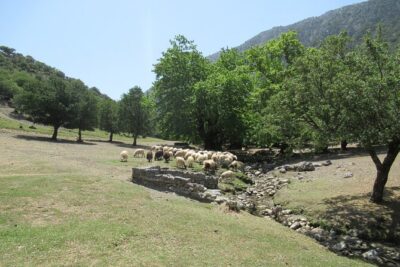
- Tocra wetlands, where you can see wild birds and herds of alpacas and llamas
- Pampa Cañahuas in/near the reserve area, where you may observe herds of vicuñas
The stop for vicuñas is one of those “small but special” additions that makes the day feel more than just a return shuttle after hiking. Watching wild camelids in open highland terrain is memorable even if you’re not a serious wildlife person.
You’ll arrive back in Arequipa around 17:30pm (approx.).
Price and value: what you actually get for about $150
For roughly $150 per person, you get a lot that would otherwise cost you separately in Arequipa:
- Round-trip transportation between Arequipa, Chivay, and the canyon areas
- A bilingual high mountain guide
- Meals: 2 breakfasts, 1 lunch, and 1 dinner (day 1)
- Lodge accommodation at Sangalle (shared rooms)
What’s not included also matters:
- Tourist ticket fees (amount varies by category; cash required)
- Hot springs entry fee (cash)
- Lunch on day 2 (on your expense)
- Any extra services not described
So the value is strongest if you want guided logistics and you’re comfortable with the basic canyon lodging. If you already planned transport and guides separately, this package can feel like a straightforward deal. If you need lots of comfort and private rooms, the “shared, rustic” side may make the price feel less satisfying.
Who this trek suits (and who should think twice)
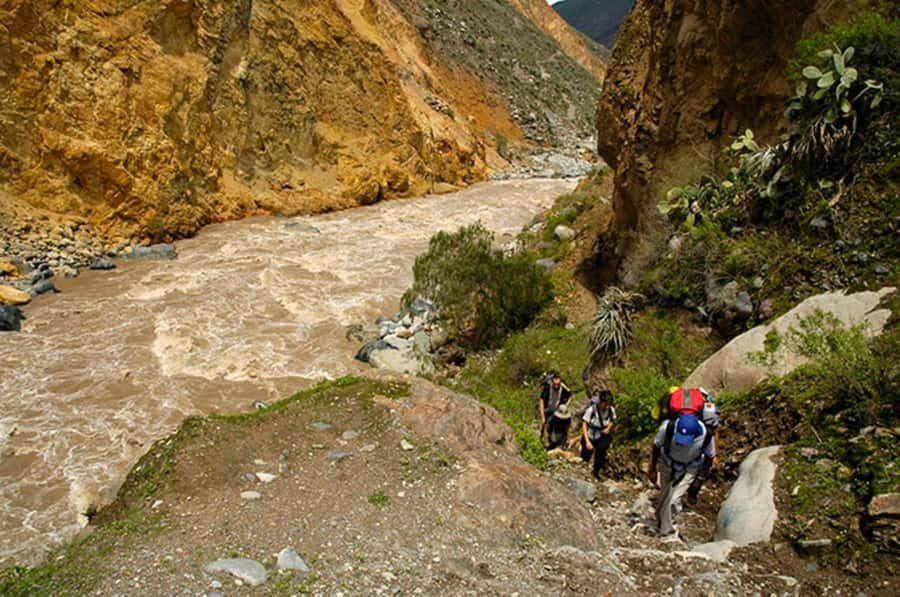
This experience is for people who are ready for high-altitude hiking and long days. The guidance is clear: you’re looking at hikes up to 6 hours per day at elevations above 3,000 meters. Good physical condition is important.
Not a great match if you have:
- back problems
- mobility impairments
- altitude sickness issues
- low fitness level
- age over 70
A quick decision test for you: can you comfortably do an uphill hike for 1.5–3 hours without stopping constantly? If the answer is no, you may want to choose a gentler option.
Lodging expectations: Sangalle’s shared rooms and “rustic” reality
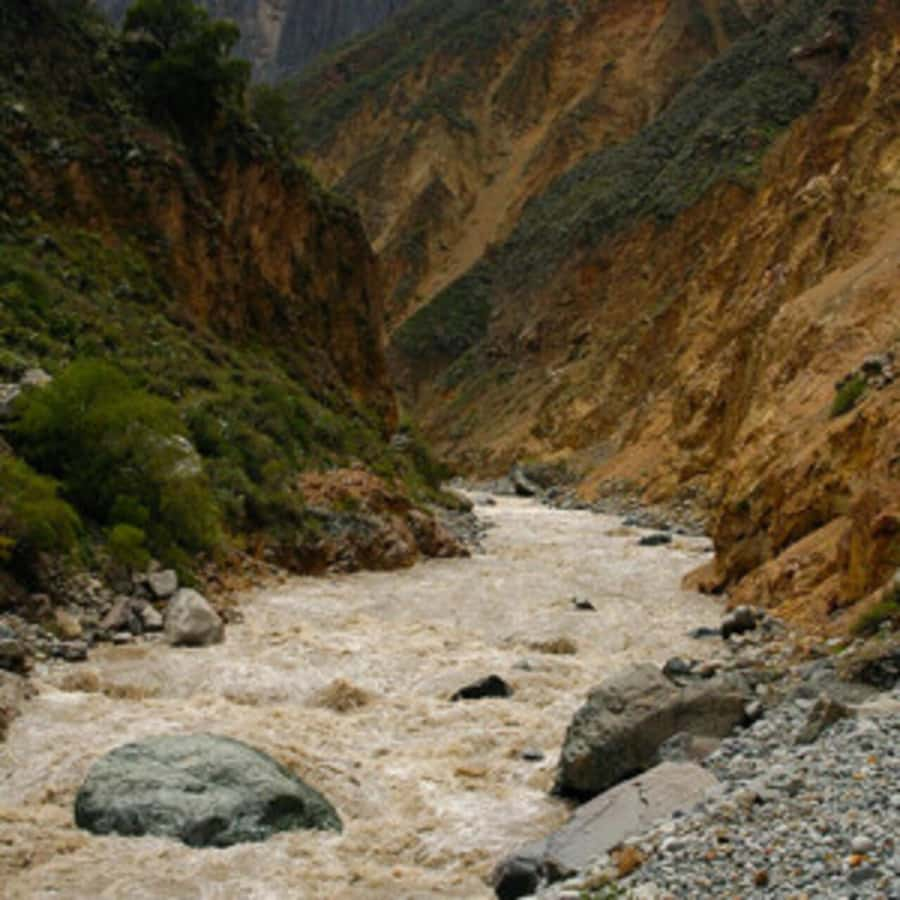
Sangalle’s lodge is eco-friendly with solar electricity. When it gets dark, lights are turned on only for a couple of hours, and you can’t expect to charge phones. Rooms are shared.
In one experience, the accommodation felt less than expected: there was mention of mold in the room and a toilet that worked only sometimes. That doesn’t mean your room will be the same, but it’s a fair warning that “rustic” can include real-world issues.
What I’d do if you go:
- Bring a small towel and expect basic wash conditions.
- If you arrive and something feels off, ask to switch rooms right away while you still can.
- Keep your expectations aligned: this isn’t a hotel stay; it’s a functional canyon refuge.
The guide factor: support can make or break day 2
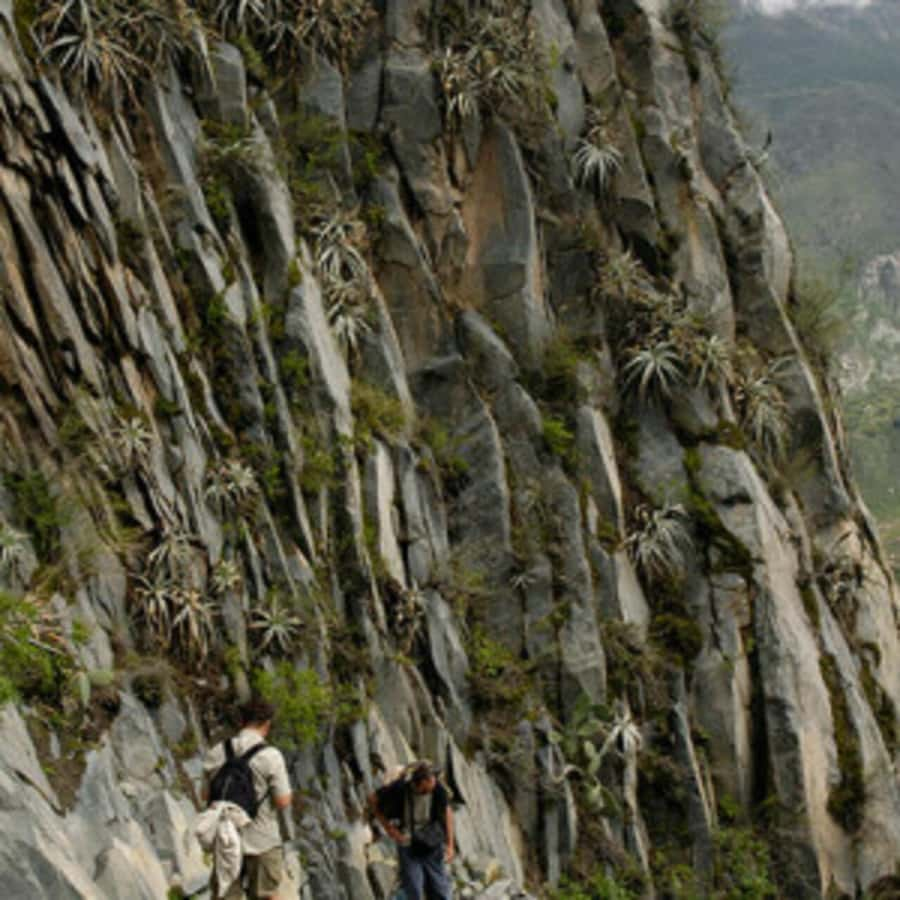
On this kind of trek, the guide isn’t just “someone holding the group together.” In real Colca conditions, you need someone who can explain, adjust pacing, and handle the human side of altitude and exhaustion.
A guide Alix impressed for giving enriching explanations and finding quick solutions when some people had trouble finishing. Another set of guides—Carlos and Alex—also stood out for being supportive. In one case, Alex arranged a Colca Canyon taxi using mules when a participant couldn’t complete the second day.
That’s the kind of detail that matters to you: when things go wrong physically, having a guide who can respond makes the experience safer and less stressful.
Should you book this Colca Canyon trek?
Book it if you want:
- the classic Colca Canyon experience with Cruz del Condor and a real canyon night at Sangalle
- a guided trek where someone handles route logistics and you get meals included
- the chance to see camelids in Tocra and Pampa Cañahuas on the return
Pass or choose a gentler option if:
- you’re not confident about uphill hiking at altitude
- you know you get altitude symptoms easily
- you need private, reliable lodging and modern comfort
If you do book, pack smart and move steady. Bring comfortable hiking shoes, sunscreen, a hat, swimwear for the pools, and a charged smartphone—then accept that the starry night in Sangalle comes with limited electricity and internet.
FAQ
How long is the Colca Canyon trekking experience?
The tour is 2 days, including 1 night in the Sangalle lodge.
Where do you get picked up in Arequipa?
Pickup is from near the main square of Arequipa.
What time does the day 1 pickup start?
You’re picked up between 3:00 and 3:30am.
What meals are included?
Included meals are 2 breakfasts, 1 lunch on day 1, and 1 dinner on day 1. Lunch on day 2 is not included.
Is the thermal baths experience included?
The schedule includes a stop for the thermal baths, but the hot springs fee is not included and is listed as cash (S/. 15).
Do you have electricity or internet at the Sangalle lodge?
There’s no electricity or internet in the usual way. The lodge uses solar panels and lights run for a couple of hours at night. Cell phones cannot be charged.
Is the tour only for experienced hikers?
No, but you do need good physical condition. The trek includes hikes of up to 6 hours per day at altitudes above 3,000 meters.
What should I bring for the hike?
You should bring comfortable shoes, sunglasses, a hat, sunscreen, comfortable clothes, cash, a charged smartphone, and also swimwear, a towel, and change of clothes.
Are alcohol or drugs allowed?
No. Alcohol and drugs are not allowed.
What languages do the guides speak?
The guide provides interpretation in Spanish and English.