REVIEW · KATHMANDU
Luxury Everest Base Camp Trek – 11 Days
Book on Viator →Operated by Himalayan Trekking · Bookable on Viator
Luxury on Everest sounds like a contradiction, but it works. This 11-day Everest Base Camp trek pairs high-altitude trekking with helicopter transfers and luxury accommodation during the trek, so you spend more energy on the trail and less on logistics. You’ll move through the Everest region highlights like Namche Bazaar, Tengboche, Dingboche, and finally Everest Base Camp, with a clear, organized rhythm that keeps the day-to-day stress low.
I also like the way the team is built around real people with real roles. In multiple trip reports, named organizers and guides like Surya and guides such as Prakash, Keshab, Babu, and Ram show up as key parts of the experience, along with porters including Govinda, Kumar, and Partap. And with a maximum group size of 15, you’re not swallowed by a big crowd when conditions get challenging.
The main consideration is simple: you’re still trekking at altitude. The tour lists moderate fitness as a requirement and flags asthma as a concern, so you’ll want to be honest with yourself and your doctor before you go. At this price level, you also want to be sure you’re comfortable with what’s included and what’s not, especially extra nights and travel insurance.
In This Review
- Key things that make this trek feel different
- What Luxury Means on an Everest Base Camp Trek (and what it doesn’t)
- Day 1 in Kathmandu: Thamel pickup and a calm start
- Day 2: Kathmandu to Lukla by helicopter, then Phakding on foot
- Day 3: Monjo and the climb toward Namche Bazaar
- Day 4: Everest View Point plus an acclimatization day in Namche
- Day 5: Trek to Tengboche and monasteries in the mountains
- Day 6: Dingboche at 4,410 meters and the body’s reality check
- Day 7: Chukhung for acclimatization and better air habits
- Day 8: Toward Lobuche, past the Khumbu Glacier moraine zone
- Day 9: Everest Base Camp day and the big emotional payoff
- Day 10: Gorak Shep, then the Kala Patthar early push
- Day 11: Helicopter out of the Everest region and back to Kathmandu life
- Price and Logistics: Is $4,070 per person actually good value?
- The guides and the crew: where this trip earns trust
- Who should choose this trek, and who should pause
- Should you book this Luxury Everest Base Camp trek?
- FAQ
- How long is the Luxury Everest Base Camp Trek?
- What is the starting time for the experience?
- Do I get helicopter flights during the trek?
- Where do you stay in Kathmandu?
- How many travelers are in the group?
- What is included for accommodation and the trekking crew?
- What happens if weather cancels the trek?
Key things that make this trek feel different
- Helicopter saves the toughest travel day: you fly Kathmandu to Lukla, and you fly back from the Everest region area after trekking.
- Luxury stays on the trek route: you get upgraded comfort where many EBC trips are basic.
- A structured itinerary with acclimatization built in: Namche and Dingboche both get attention for altitude adjustment.
- Kala Patthar timing matters: you start early for the south ridge views so you’re not trekking blindly into the morning.
- A crew model that reduces your workload: guides and porters handle a big chunk of daily logistics (wages, insurance, and meals are included for them).
- Small group approach: up to 15 travelers helps keep the pace and experience more personal.
What Luxury Means on an Everest Base Camp Trek (and what it doesn’t)
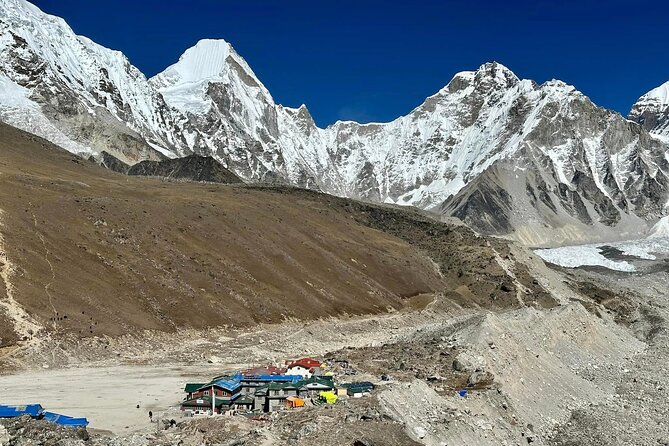
On paper, “luxury Everest Base Camp trek” can sound like a hotel package with a scenic hike. In practice, it means your comfort is upgraded while the mountains still do mountain things.
Here’s what luxury likely translates to for you on this route:
- Comfort during the trekking days: the tour includes luxury accommodation while you’re on the trail, plus a guide and porters who are covered with their daily wage, insurance, and meals. That matters because it reduces the friction you’d normally manage yourself.
- Less time trapped in travel uncertainty: the big travel saving is the helicopter between Kathmandu and Lukla. That gets you into the Khumbu faster and helps avoid the kind of day-long rerouting that can happen on small-plane schedules.
- Meal coverage on the route: you’re not left hunting for food every day. The trek includes 9 breakfasts, 8 lunches, and 8 dinners. Kathmandu meals are more limited (breakfast and a farewell dinner are covered), and personal expenses are on you.
What luxury does not change: altitude strain, weather risk, and the fact that you’ll still hike high in thinning air. Even with the helicopter parts, this still counts as a serious trekking experience, not a stroll.
You can also read our reviews of more tours and experiences in Kathmandu.
Day 1 in Kathmandu: Thamel pickup and a calm start
Day 1 is about getting your bearings fast. Your guide meets you at the airport, then transfers you to your booked hotel in Thamel. That location choice is practical: it’s one of Kathmandu’s best bases for having services, food, and transport options nearby the moment you arrive.
Why this matters for you: EBC treks are easier when Day 1 is simple. After you land, you don’t want a complicated handoff. This setup aims for exactly that.
One small note: the tour doesn’t include extra hotel nights in Kathmandu. If you need an additional buffer day, you’ll have to plan that yourself.
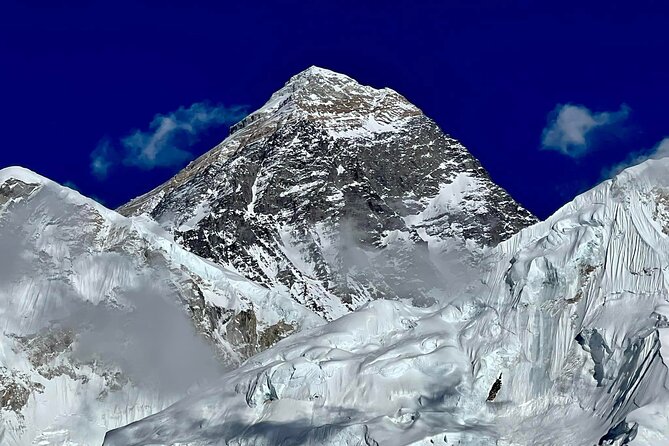
Day 2: Kathmandu to Lukla by helicopter, then Phakding on foot
This is the day that usually makes or breaks the mood of an Everest trip. Instead of spending hours chasing schedules, you take a helicopter from Kathmandu to Lukla, meeting your trekking crew on arrival.
After Lukla, you trek to Phakding, which takes about 4 hours. Expect a gradual start that lets your body settle after travel. It’s also a great first look at the rhythm of the Khumbu: tea houses, trail traffic, and the sense that you’re now in the real trekking world.
A practical tip: even on an easier first hike day, keep your breathing steady. You’re not trying to win a race. You’re trying to arrive at camp thinking clearly.
Day 3: Monjo and the climb toward Namche Bazaar
Day 3 heads toward Namche Bazaar, passing through Monjo and a trail lined with pine forests. The wording around this day is clear: it’s challenging but rewarding, with a gentle ascent that builds as you go.
Why Namche matters: it’s the main hub of the Everest region. You’ll feel it in the markets, guesthouses, and the way the whole town is set up for trekkers and their gear.
The drawback to be aware of: because this day is a step up, you might feel it in your legs. If you start fast, the altitude will remind you. A slower pace here pays off later.
Day 4: Everest View Point plus an acclimatization day in Namche
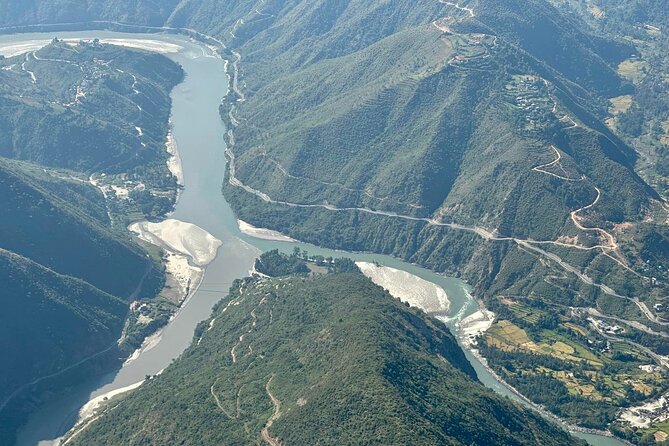
Day 4 is designed around a smart truth: altitude doesn’t care about your schedule. After the walk through the Everest View Point area, you get a breather day in Namche.
This is the kind of day you’ll appreciate more than you think. Instead of pushing uphill every hour, you can wander, observe daily Sherpa life, and let your body adjust.
What you can do with the time:
- explore Namche at a relaxed pace
- take short walks to feel the altitude without draining yourself
- hydrate and focus on sleep quality
This is also where the “luxury” part can help indirectly. When you’re not exhausted from a long climb, you’re more likely to rest well and eat properly.
Day 5: Trek to Tengboche and monasteries in the mountains
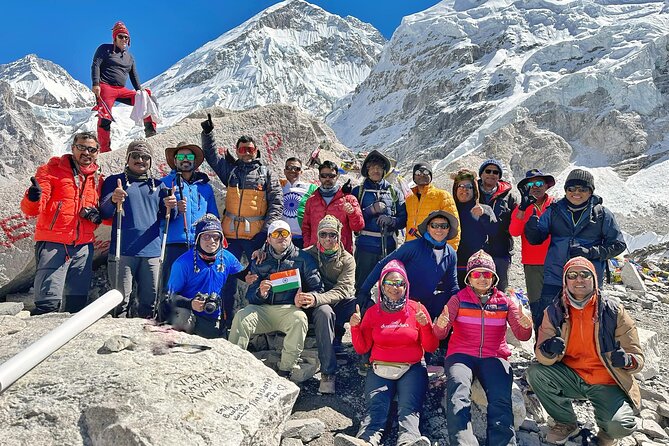
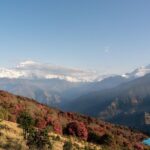
Day 5 is the shift from big town energy to spiritual and scenic trekking. You head toward Tengboche, with the trail described as running through dense rhododendron forests.
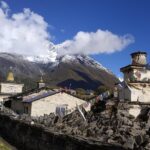
Tengboche is especially known for its monastery presence in the Everest region. Even if you’re not a “church and culture” person, this stop changes the tone of your trek. The soundscape and the pace are different. It’s quieter. More reflective.
One consideration: this day still requires trekking effort. The forest section can make time feel slower, but the altitude still stacks up.
Day 6: Dingboche at 4,410 meters and the body’s reality check
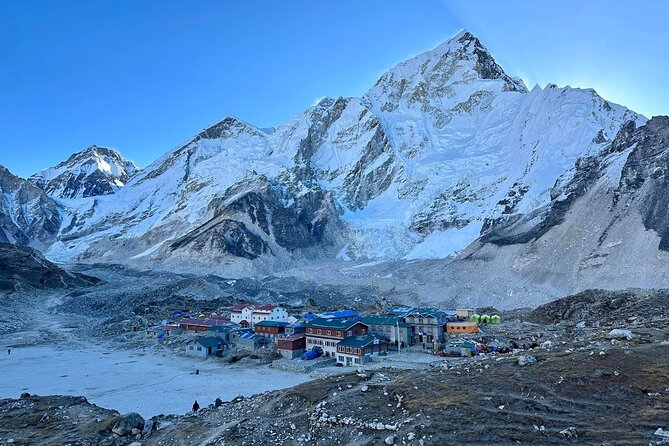
Day 6 lands at Dingboche (altitude listed around 4,410 meters), after a trek that typically takes 5 to 6 hours from Tengboche. Dingboche sits in the Imja Valley, which is exactly the kind of setting that makes altitude feel both dramatic and practical.
Why Dingboche is a key stop: it’s built for acclimatization. The higher you go, the more you need your body to adapt before you push toward the final Everest Base Camp area.
If you want one rule for this trek: don’t treat Dingboche like a vacation checkpoint. Treat it like a health checkpoint.
Day 7: Chukhung for acclimatization and better air habits
Day 7 brings you to Chukhung, with the trek framed as an acclimatization day. The plan uses Dingboche as a starting point to manage the increasing altitude, which is exactly what you want at this stage.
What’s good about a day like this:
- you gain altitude exposure without going all the way to the highest points too quickly
- you learn your body’s pace on thin air
- you reduce the odds of getting wrecked before the Everest Base Camp day
This is also where trekking with a guide pays off. They manage pacing and, based on the route plan, they help you interpret how your body is responding.
Day 8: Toward Lobuche, past the Khumbu Glacier moraine zone
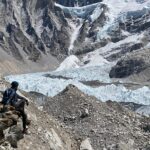
After Chukhung, the itinerary moves toward Lobuche and the route takes you through the terminal moraine of the Khumbu Glacier. As you ascend, the air gets crisp—and your breathing gets louder.
This is the kind of day where the terrain starts to feel more “final” than “middle of the trek.” Moraines are rough by nature, and this section gives you a clearer sense of where the glacier meets the trail life.
Practical note: keep an eye on your energy management. When the trail gets more rugged, it’s easy to spend too much effort and then feel flat later.
Day 9: Everest Base Camp day and the big emotional payoff
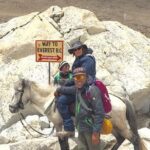
Day 9 is the dedicated Everest Base Camp stop. This is the point you’ve been working toward. The route is designed so you don’t reach it unexpectedly or on a half day—this is framed as a full day goal.
What makes Base Camp special isn’t just the headline. It’s the whole setting: the glacier-adjacent terrain, the cold air, and that feeling that you’re walking in a place defined by altitude and effort, not comfort alone.
Downside to plan for: Base Camp is high. Even if the walking doesn’t feel brutal, the air pressure can make everything feel harder. You’ll likely want to move slowly, pause often, and protect your warmth.
Day 10: Gorak Shep, then the Kala Patthar early push
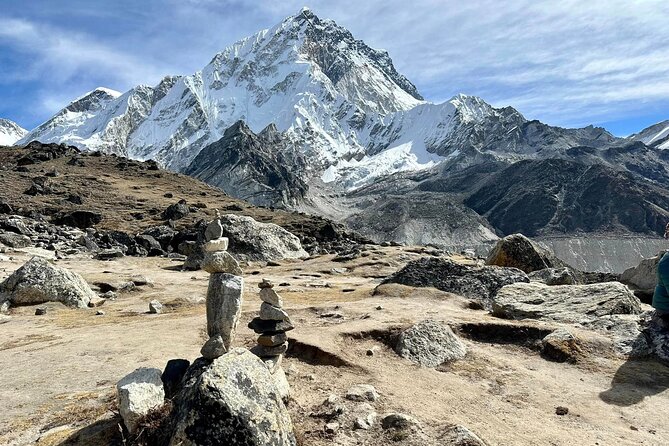
Day 10 is where the trek tightens up around your summit views. You reach Gorak Shep (altitude listed around 5,164 meters) as the last trekking stop.
Then there’s the early-morning Kala Patthar push. The plan calls for an early start, aimed at dawn light, reaching Kala Patthar on the south ridge of Pumori above Gorak Shep.
This is a very “do it right or don’t bother” moment. If you go too late, you miss the best view conditions. If you rush, you pay for it at altitude.
A practical way to get through it:
- keep the pace slow and steady
- focus on breathing and foot placement
- stay warm even before you start climbing; dawn is cold here
Day 11: Helicopter out of the Everest region and back to Kathmandu life
Your final day is travel-out. The itinerary notes a transfer to the airport and flying back home.
The included logistics also specify Gorakshep to Kathmandu by helicopter, which is the kind of comfort upgrade you’ll feel immediately. After days of walking, the helicopter makes the finish feel clean instead of dragged out.
Is it perfect? No. Weather still matters in the mountains. But compared to walking out or relying entirely on land transport, it’s a major reduction in fatigue.
Price and Logistics: Is $4,070 per person actually good value?
At $4,070 per person, this is not an entry-level Everest trip. You’re paying for three major value drivers:
1) Helicopter transport
Kathmandu to Lukla by helicopter, plus return by helicopter from the Gorak Shep area. Helicopters are expensive, and they also reduce schedule chaos.
2) Luxury accommodation on the trek route
Many EBC itineraries promise comfort but deliver basic rooms. Here, “luxury accommodation during the trek” is part of the deal. Even if “luxury” varies by what’s available at high elevation, the intent is clear: you shouldn’t be sacrificing basic comfort for the sake of a cheaper price.
3) Crew costs covered
The package includes guide and porters, including their daily wage, insurance, and meals. That’s one of those line items that often gets hidden in cheaper tours. Covering crew welfare isn’t just nice. It supports better day-to-day operations.
What you still need to budget for:
- extra nights in Kathmandu
- travel insurance
- meals in Kathmandu besides breakfast and a farewell dinner
- personal expenses, laundry, internet/phone costs, shopping, cold drinks, and drinking water
- tips to the crew
So the value question becomes: if you want the helicopter + higher-comfort lodging experience, this price can feel reasonable. If you’re cost-first and flexible on transport and lodging, you might find cheaper alternatives elsewhere.
The guides and the crew: where this trip earns trust
Good Everest treks are often judged by how smoothly they handle the messy parts: timing, weather changes, and keeping you calm when altitude is doing its thing.
Your best signal here is the repeated praise for specific staff members. Guides and organizers such as Surya (coordination), Prakash (guidance), Keshab, Babu, and Ram show up in different trip experiences. Porters like Govinda, Kumar, and Partap are also named.
I like that this kind of recognition doesn’t focus only on views. It’s about how people make the trip manageable.
One more detail I’d take seriously: some trips note that the company navigated weather and even flight cancellations efficiently. That’s exactly when good local planning matters.
Who should choose this trek, and who should pause
This Luxury Everest Base Camp trek is best for you if:
- you want a more comfortable trekking experience without giving up the Everest goal
- you prefer an organized plan with a max group size of 15
- you like having a guide and porters handling the daily logistics
- you want helicopter savings instead of spending your energy on travel stress
You should pause if:
- you have asthma or any condition where altitude might be unsafe. The tour specifically flags asthma as a concern, so you should consult a clinician and disclose your needs early.
- you’re not comfortable with moderate physical fitness. “Moderate” is not “easy,” especially at high altitude.
- you’d rather spend money on things you control yourself. This package defines what you get, and extras come with extra costs.
Should you book this Luxury Everest Base Camp trek?
If your dream is seeing Everest from close range without turning the trip into a daily endurance survival test, this one is a strong match. The helicopter transfers, the luxury accommodation on the route, and the structured acclimatization days all point to a smoother experience than many budget EBC plans.
I’d book if you’re looking for a balanced mix: serious hiking plus comfort where it counts, with a team that has real named support behind it.
I’d think twice if you’re trying to minimize cost or you’re unsure about your altitude safety. In that case, talk to the provider, plan for contingencies, and be honest about your health.
FAQ
How long is the Luxury Everest Base Camp Trek?
The trek runs for about 11 days.
What is the starting time for the experience?
The meeting point start time is listed as 5:15 am.
Do I get helicopter flights during the trek?
Yes. The package includes Kathmandu to Lukla by helicopter and Gorakshep to Kathmandu by helicopter.
Where do you stay in Kathmandu?
You are transferred to your booked hotel in Thamel on Day 1.
How many travelers are in the group?
The tour has a maximum group size of 15 travelers.
What is included for accommodation and the trekking crew?
You get luxury accommodation during the trek, plus a guide and porters. Their daily wage, insurance, and meals are included.
What happens if weather cancels the trek?
This experience requires good weather. If it’s canceled due to poor weather, you’ll be offered a different date or a full refund. Cancellation is free up to 24 hours in advance for a full refund.