REVIEW · MARRAKECH
2-Day Jebel Toubkal Trek From Marrakech
Book on Viator →Operated by Magical Toubkal Trek · Bookable on Viator
Jebel Toubkal handles the hard parts for you. This 2-day climb from Marrakech comes with driver and guide coordination built in, so you can spend your energy on the trail and the Atlas views instead of logistics. You hike with a local guide aimed at helping you stay steady and safe as altitude climbs.
I especially like the way the day is paced around the real highlights: Mizane Valley, the village of Aremd, and the Shrine of Chamarouch before the trail steepens. And once you reach the higher zone, the plan keeps things simple with pre-included meals and an overnight in the refuge, plus coffee and/or tea to warm you back up.
The main thing to consider is effort level. This trek asks for strong physical fitness, and you’ll be hiking at high elevations—up to about 4,167 m—so if you’re even slightly unsure, it’s worth thinking twice before you commit.
In This Review
- Key things I’d bookmark before you go
- Why this 2-Day Toubkal Trek beats DIY planning
- Marrakech to Imlil: the ride that sets your pace
- Mizane Valley, Aremd, and the Chamarouch Shrine stops
- Trail to the Toubkal refuge: where the work starts to feel real
- Overnight at the refuge: rest is part of the climb
- Summit day to about 4,167 m: views, then the return to Imlil
- Price and value: what $231.13 buys you here
- Who the guide makes or breaks
- Who should choose this trek—and who should skip it
- Should you book this 2-Day Jebel Toubkal Trek from Marrakech?
- FAQ
- What time does the trek start?
- Where do you begin the hike?
- How long is the walking on each day?
- What sights are included besides reaching the summit?
- Do you stay overnight during the trek?
- What meals are included in the price?
- Is cancellation free, and how far in advance do I need to cancel?
Key things I’d bookmark before you go
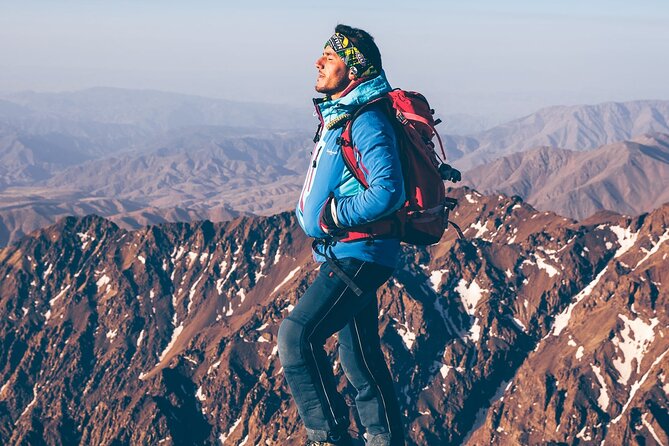
- Summit support with a guide focused on safe pacing, not just bragging rights
- Mizane Valley + Aremd + Chamarouch for culture in between the uphill work
- Refuge overnight so you’re not scrambling for lodging after the first day
- Meals included (breakfasts, lunches, dinner) that reduce decision fatigue
- Small group size with a max of 15 people for a more controlled experience
Why this 2-Day Toubkal Trek beats DIY planning
Toubkal is popular, which is great—until you’re the one trying to stitch together transport, a qualified guide, lodging at the right spot, and a sensible plan for timing. This trek smooths out those moving pieces from Marrakech, starting with pickup offered and a mobile ticket option. The schedule also builds in both driving time and hiking time, so you’re not constantly guessing what comes next.
I also like that you’re not “navigating by personality.” The guide is there so your attention stays on where you’re going and how you’re feeling, especially once the trail gets steeper near the refuge. On a mountain day, that matters more than map apps.
You can also read our reviews of more tours and experiences in Marrakech.
Marrakech to Imlil: the ride that sets your pace
You meet your guide in Marrakech and then drive to Imlil, the base village around 1,450 m. From there, the hike begins for real as you head into the Mizane Valley area. This is a smart setup because you transition from city to trail gradually, instead of trying to jump straight into altitude stress.
Expect about 2 hours of driving and roughly 4–5 hours of walking on the first day. Even though the walking time sounds manageable on paper, it’s at elevation (the trek day reaches around 3,200 m), so you’ll want to treat the pace like a long warm-up rather than a sprint.
Mizane Valley, Aremd, and the Chamarouch Shrine stops
This is not just a “walk until summit” situation. The route includes a sequence of places that add meaning to the effort.
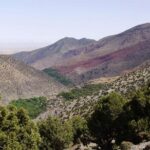
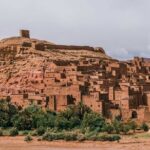
First, you move through the Mizane Valley, where the valley route helps break the hike into chunks you can actually feel. Then you pass the village of Aremd, which gives you a peek at rural life at the mountain’s foot.
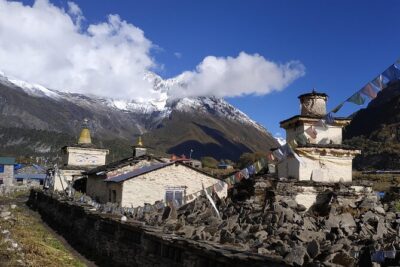
Finally, you reach the Shrine of Chamarouch. Even if you’re not tracking every religious detail, these shrines are often how mountain communities mark space and history. The practical takeaway: you get a moment to slow down, take in the surroundings, and reset your breath before the steeper section.
One small drawback: these stops mean the day isn’t just one long, continuous climb. If you hate any kind of pause—no matter how brief—you might find yourself mentally waiting for the trail to fully “get going.”
Trail to the Toubkal refuge: where the work starts to feel real
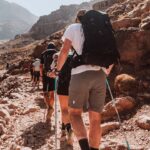
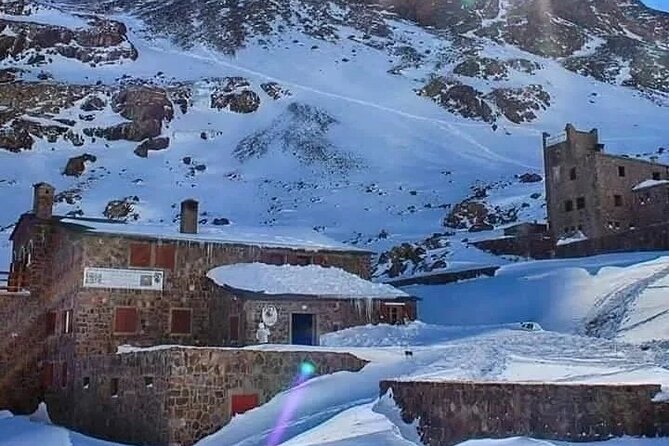
As the day progresses, the trail becomes steeper as you move toward the refuge. The plan takes you to the Toubkal Refuge for your overnight, typically after about 4–5 hours walking.
I like this structure because the refuge stop is a natural “checkpoint.” You’re not carrying the whole mountain in your head from the beginning. Instead, you work toward a clear goal for Day 1: arrive, eat, and get your body ready for the summit push.
You’ll also have coffee and/or tea during the meal flow, which is a nice comfort when the air cools at higher elevation. Included dinner and the refuge overnight also mean you don’t have to figure out lodging after a first-day climb.
Overnight at the refuge: rest is part of the climb
The overnight is included, so you’ll sleep at the refuge area rather than hunting for beds elsewhere. This matters because Toubkal is timed for the next day’s summit attempt. If you stay too far from the route, you lose time and increase stress.
What you can expect from a planning point of view: the trip is designed so food and shelter support the climb. Breakfasts and lunches are included (two of each across the two days), plus dinner on Day 1. That reduces the usual travel problem on mountains—spending energy on where to eat instead of how to recover.
Altitude is the other reality check. Even if the walking hours are similar, going higher changes how your body feels. So treat the refuge night like training: hydrate, eat what’s provided, and try to settle in early enough to avoid turning the summit day into a sleep-debt problem.
Summit day to about 4,167 m: views, then the return to Imlil
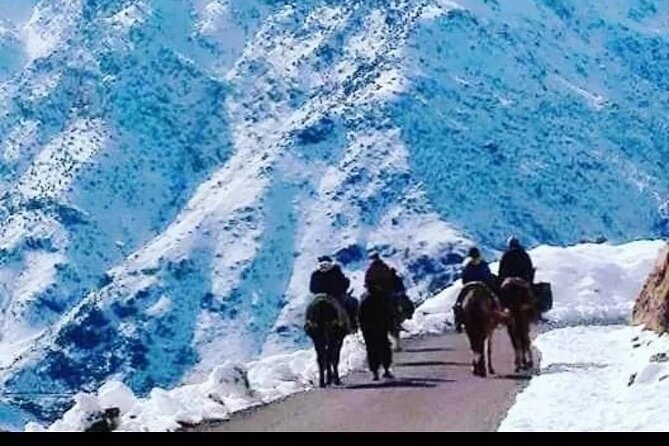
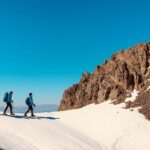
Day 2 is the main event. You trek up toward the summit and then descend back down the same path to Imlil. The summit day is listed as about 4–5 hours walking, with around 2 hours of driving included for the overall flow back to Marrakech.
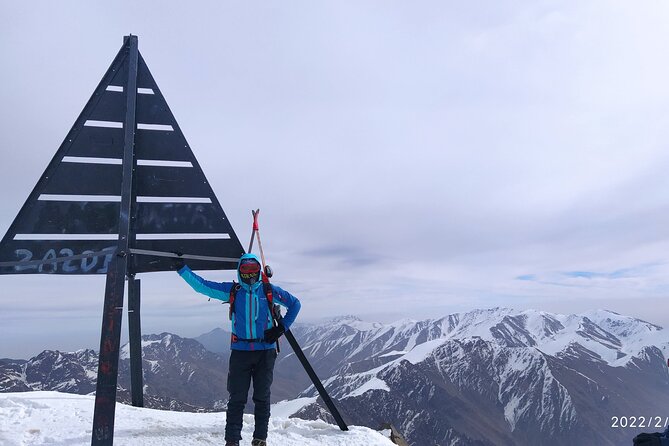
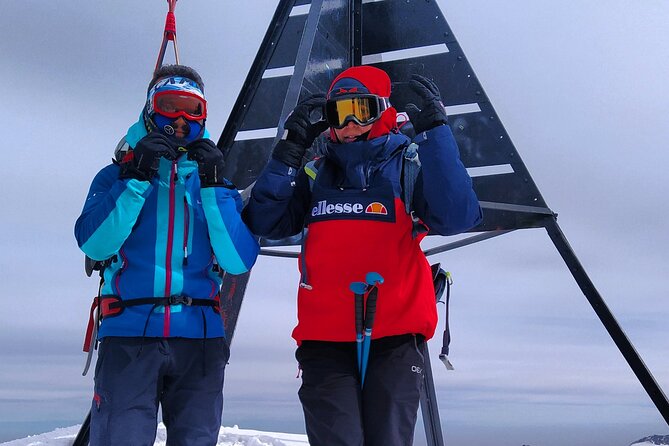
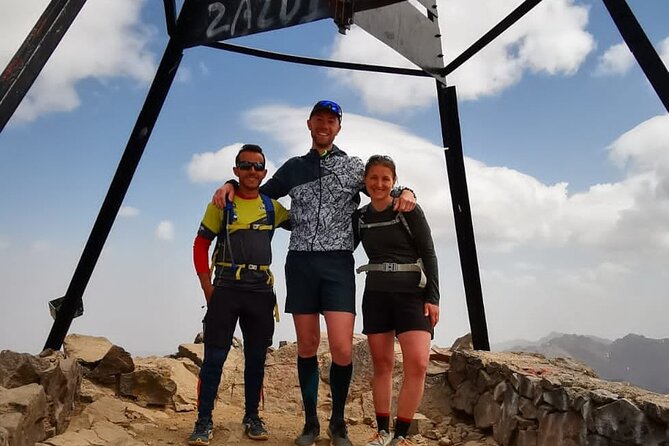
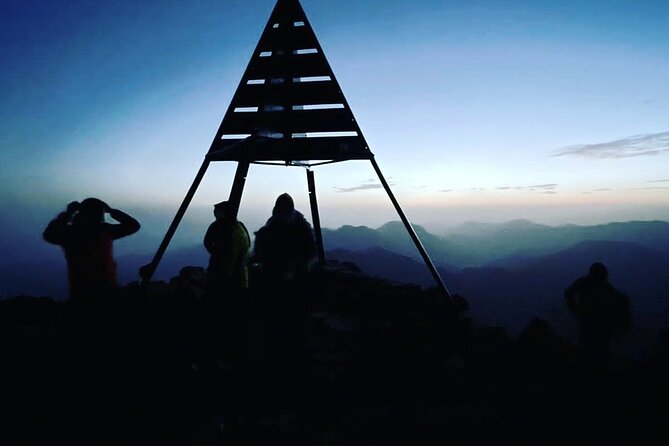
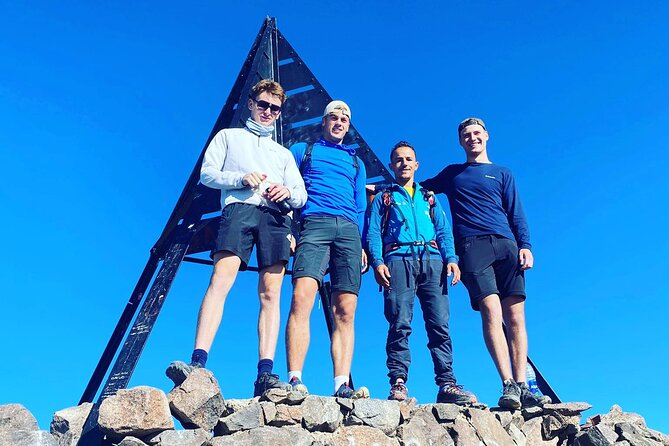
At the highest point you’re reaching about 4,167 m, so you’ll want to keep your effort smooth and conservative. This is exactly where having a guide earns its keep. The goal isn’t to “win” the mountain; it’s to reach the top safely and come down feeling like you still have control.
And then there are the views. The experience is set up so the time on the mountain is about seeing the Atlas from above, not about checking a box and immediately moving on. Once you start descending, the mountain shifts from achievement mode to stamina mode—same route, less dramatic effort, but still real.
After the descent, the drive takes you back to Marrakech, so you end with a straightforward close instead of an extra day of uncertainty.
Price and value: what $231.13 buys you here
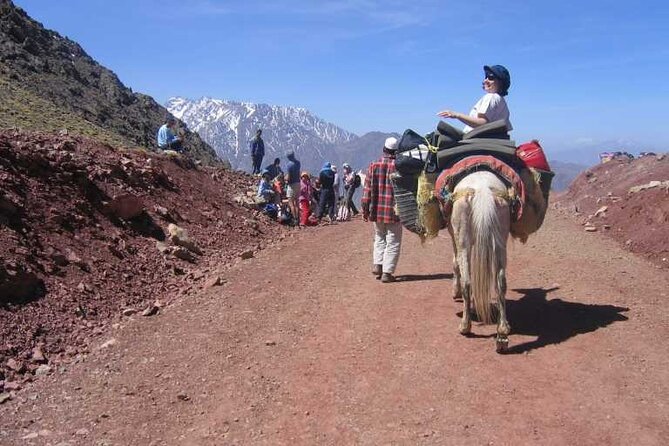
At $231.13 per person for a 2-day guided trek, the value isn’t just “you pay for a guide.” You’re also paying for the chain of logistics that lets you climb without constant decisions: transport from Marrakech to Imlil and back, a local guide, a refuge overnight, plus dinner and meal breaks (two breakfasts, two lunches, and coffee/tea).
That’s the key point for value: the cost covers the parts that normally derail DIY plans. On Toubkal, the expensive part isn’t only time—it’s the risk of doing things out of order. With this kind of package, you remove several points where mistakes are easy and consequences are annoying.
There’s also a practical note that admission tickets are listed as free, which helps keep the trip’s budget predictable. Group size is kept small (max 15 people), which you’ll feel in how the guide manages pacing and turns in the trail.
Who the guide makes or breaks
A lot of mountain tours advertise “a guide,” but the real difference is how they handle people who need guidance, not just instruction. In one instance tied to this trek, the booking mentioned Mohammad on the info side, but on the ground the guide was Ibrahim—and the experience was described as caring and supportive.
Even without focusing on any single name, the pattern matters: good Toubkal guides aren’t just experts on the route. They’re experts on pacing, staying calm, and helping you move at the right speed for your body. If you want a summit that feels earned instead of rushed, prioritize guide quality when you choose.
Who should choose this trek—and who should skip it
This trek fits best if you:
- want a guided climb to the highest peak in North Africa
- like having meals and lodging handled so you can focus on hiking
- can manage steady uphill days with a strong fitness base
It’s not the best choice if you:
- struggle with high-elevation hikes or have a history of getting wiped out quickly
- prefer fully independent travel where you control every element
Also note that the plan keeps walking to about 4–5 hours per day, but the elevation is what makes it serious. So if your fitness is solid but your altitude tolerance is unknown, consider taking that seriously before booking.
Should you book this 2-Day Jebel Toubkal Trek from Marrakech?
I’d book it if you want the classic Toubkal experience but don’t want to spend your vacation time solving logistics. The strongest reasons are simple: summit guidance, an overnight refuge plan, and meals included so you can recover properly between days.
I’d think twice if you’re not confident in high-altitude hiking. This trek asks for strong physical fitness, and Day 2 reaches about 4,167 m. If you’re on the edge, you’ll feel it more here than on lower mountains.
One more reality check: with a max group size of 15, it’s not a huge crowd, which helps the experience stay manageable. If you like clear structure and human support on a serious trek, this is a good match.
FAQ
What time does the trek start?
The start time is 9:00 am.
Where do you begin the hike?
You meet your guide in Marrakech and drive to Imlil, where the trek starts. Imlil sits at about 1,450 m near the base of Toubkal.
How long is the walking on each day?
Each day includes about 4–5 hours of walking, plus driving time (about 2 hours each day).
What sights are included besides reaching the summit?
You pass through the Mizane Valley, visit the village of Aremd, and go to the Shrine of Chamarouch.
Do you stay overnight during the trek?
Yes. Nights in the refuge are included.
What meals are included in the price?
Dinner is included, along with lunch (2) and breakfast (2). Coffee and/or tea are also included.
Is cancellation free, and how far in advance do I need to cancel?
Yes, cancellation is free up to 24 hours in advance for a full refund. If you cancel less than 24 hours before the start time, you won’t get a refund.