REVIEW · KATHMANDU
Langtang Valley Trekking
Book on Viator →Operated by Everest Trekking Routes Pvt. Ltd. · Bookable on Viator
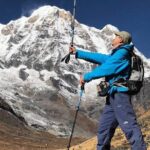
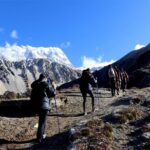
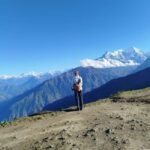
Langtang’s big views start early on the drive. I like the tight 10-day plan that still gives you breathing room at Kyanjin Gompa, and I also value how smoothly the whole trek runs with an English-speaking guide and porter support. One thing to take seriously: altitude and weather can’t be wished away, so plan on a steady pace and don’t treat this as a casual stroll.
If you want Nepal mountains without burning your whole trip, this is a smart way to do it. You get pickup and drop-off from Kathmandu, permits included, and lodge/tea-house style lodging along the route, plus meals during the trek (8 breakfasts, 8 lunches, 7 dinners) with tea or coffee. It’s well set up for people with moderate fitness, but you’ll still earn your views.
In This Review
- Key Things That Make This Trek Worth Your Time
- Kathmandu Warm-Up: Pashupatinath, Then Up North
- Drive to Dhunche and Syapru Besi: Getting Oriented in the Langtang Region
- Syapru Besi to Lama Hotel: Bhote Koshi Crossing and Langtang River Walking
- Rhododendrons, Pine Trails, and Ghoda Tabela to Mundu
- The Crucial Push: Langtang Village to Yamphu and Kyanjin Gompa
- Kyanjin Gompa Rest Day: Monastery, Cheese Factory, and Chorkari Ri Views
- Head Back to Lama Hotel: Turning a Big Day Into a Controlled Descent
- Down to Syapru Besi: Six Hours of Relief and Rhythm
- Back to Kathmandu by Express Bus: A Long Ride, Then Real Rest
- Price and Logistics: What $750 Covers and What Might Cost Extra
- Gear, Altitude, and Weather Reality Check
- Who Should Choose This Trek, and Who Might Rethink It
- Should You Book Langtang Valley Trekking?
- FAQ
- How long is the Langtang Valley trek, and when does it end?
- Where are the meeting point and start time?
- What’s included in the trek besides lodging?
- How do you travel between Kathmandu and Syabrubesi?
- What’s the highest point you’ll reach on the trek?
- Is cancellation free, and how does weather affect it?
Key Things That Make This Trek Worth Your Time
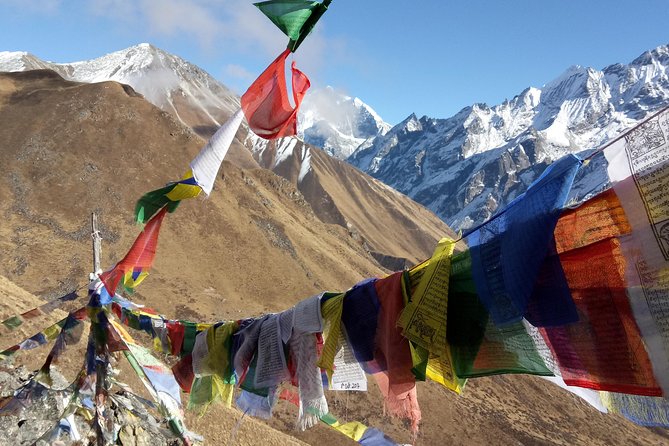
- Kyanjin Gompa icefall viewpoints: The day you reach the viewpoint, you’ll be looking at icefalls and big glacier drama from the Langtang Lirung area.
- A real rest day at Kyanjin Gompa: You don’t just pass through—you explore the monastery and even a cheese factory.
- Chorkari Ri day hike option: You’ll climb up to about 5,050m for long-range mountain views.
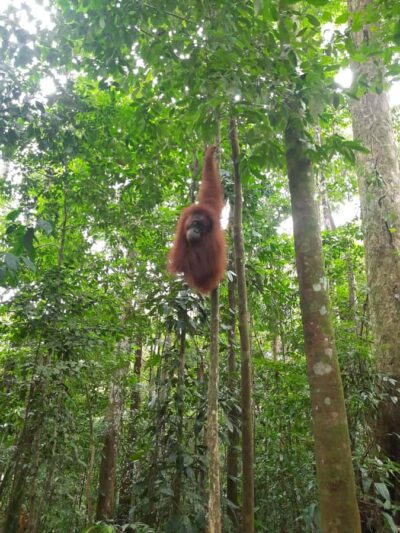
- Wildlife and forest walking: There’s a chance of spotting animals like wild monkeys and red pandas in the forest sections.
- Permits handled for you: TIMS plus the Langtang National Park permit are included, so less admin for you.
Kathmandu Warm-Up: Pashupatinath, Then Up North
Your trip starts in Kathmandu, with a short valley drive after arrival. You’ll pass Pashupatinath Temple along the way—one of those landmark moments that helps you understand what Nepal is like beyond the airport.
This matters because trekking days start earlier than you think. A smooth Day 1 lets you settle, orient yourself, and handle any last-minute gear issues before you head toward Langtang.
Practical note: you’re traveling by road and bus later, so keep hydration and snacks simple. Kathmandu is busy; your first hours should be calm.
You can also read our reviews of more tours and experiences in Kathmandu.
Drive to Dhunche and Syapru Besi: Getting Oriented in the Langtang Region
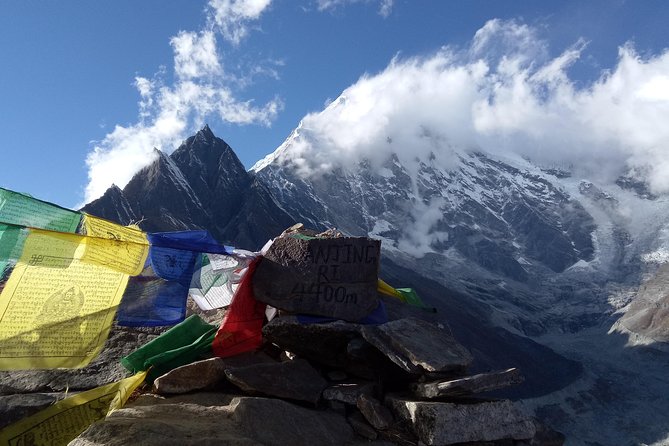
On Day 2, you’ll leave Kathmandu and head north-west through hills with Himalayan views along the way. You also catch brief glimpses of daily life in rural settlements, plus you pass Trishuli Bazaar before reaching Dhunche.
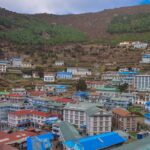
Then it’s onward to Syapru Besi, where you’ll sleep in a guesthouse.
Why this day is useful: it’s not just “getting there.” You’re gradually moving from city altitude and rhythm into mountain rhythm. You’ll notice the air changing and the scenery turning into river valleys and hillside villages.
What to expect:
- Road time plus short view moments.
- A first taste of local settlement patterns along the route.
- An easier day emotionally, before the walking ramps up.
Syapru Besi to Lama Hotel: Bhote Koshi Crossing and Langtang River Walking
Day 3 starts with a walk out of Syapru Besi, including a crossing of the Bhote Koshi River. After that, you follow the Langtang River for long stretches, which keeps the route feeling connected and navigable.
The walk is paced so you can reach Lama Hotel after about 5 hours, but you also climb gradually—through Bamboo—and move onward to Ramche at around 2,400m before finishing at Lama Hotel.
This is also one of the places where you might see wildlife in the forests, including habituated monkeys and red pandas.
What I like about this section for most hikers: the scenery and the river corridor give you something to focus on, so the effort feels less abstract. Still, treat the climb as real. Even on a “moderate” trek, altitude shows up in how your lungs feel.
Rhododendrons, Pine Trails, and Ghoda Tabela to Mundu
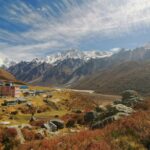
Day 4 is a lighter, scenic day compared with the push toward Kyanjin Gompa. You’ll walk through wooded areas with rhododendrons and pine trees, and you’ll pass Ghoda Tabela.
Ghoda Tabela is known in this route for thick plant growth—plus you may see foxgloves and red poppies. Then you continue onward past Langtang Village (around 3,455m) and head toward Mundu.
Why this day matters: it’s where you start to understand the valley’s “feel.” It’s not only about peak views. It’s the mix of forest, footpaths, and village life that makes the Langtang Valley trekking experience feel authentic and human-scale.
One consideration: since this is forested, weather can change fast. Pack for shade-to-sun shifts and bring something warm even if the morning feels mild.
The Crucial Push: Langtang Village to Yamphu and Kyanjin Gompa
Day 5 is a key day, and it earns that reputation. You begin at Langtang Village, trek toward Sindum, and continue onward to Yamphu (around 3,640m).
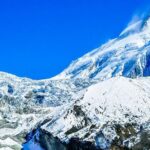
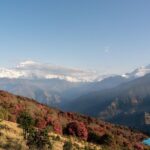
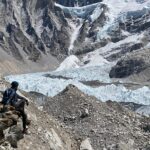
Along the way, you traverse the Laja River and ascend to a viewpoint where you can see icefalls pouring down from the Langtang Lirung area. You’ll also get your first big looks toward Kyanjin Gompa.
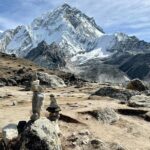
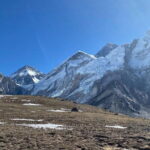
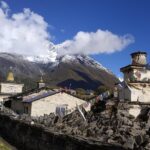
At Kyanjin Gompa, you’re treated to wide mountain views—Mt. Gangchempo and Mt. Langtang Lirung are specifically highlighted from here.
This is the day where pacing matters most. Don’t “charge” because you see something cool. Go steady so you don’t turn the last hour into a breathing test. If you’ve ever had mild altitude symptoms on earlier treks, keep your ego in check—people can start feeling it around the climbs between Bamboo and Lama Hotel on this route, and it’s better to handle that early than ignore it.
Kyanjin Gompa Rest Day: Monastery, Cheese Factory, and Chorkari Ri Views
Day 6 is a true breather. You’ll rest at Kyanjin Gompa and explore the area, including visiting a monastery and a cheese factory.
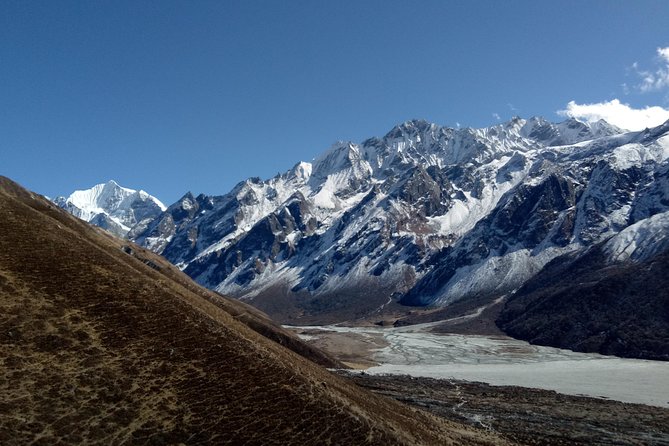
Then, for the stronger legs, there’s a climb to Chorkari Ri (about 5,050m) behind the Langtang Valley sights. From that height, you’re looking at long-range views that include peaks around:
- Langshisa Ri (6,810m)
- Langtang Lirung (7,244m)
- Ganjala peak
- Gyangchempo (6,888m)
This is a day you’ll appreciate even if you don’t chase every viewpoint. The monastery and cheese factory option gives you culture and local economy, not just “more stairs.”
A practical tip: treat Chorkari Ri as a workout, not a victory lap. Move efficiently, keep your stops short, and turn around while you still feel good.
Head Back to Lama Hotel: Turning a Big Day Into a Controlled Descent
Day 7 brings you back to Lama Hotel with about a 6-hour walk. This direction can feel easier on paper, but your body might still feel altitude fatigue from the previous day.
So here’s the deal: keep your steps careful. Long descents can stress knees and ankles, especially if you’re tired.
The good news is you’re already living in the mountains’ rhythm by now. You know how the lodge mornings work, you know what to expect from weather, and you can enjoy the valley views without the pressure of a “first-time” pace.
Down to Syapru Besi: Six Hours of Relief and Rhythm
Day 8 is another descent day—about 6 hours—from Lama Hotel down to Syapru Besi.
This is where the trek becomes about recovery. You’ll probably want to linger in views, take more photos, and slow down for breaks. You don’t need to “win” the last stretch. You’re finishing well.
If you felt altitude at any point, this day is often when your breathing starts to normalize. Still, don’t stop hydrating.
Back to Kathmandu by Express Bus: A Long Ride, Then Real Rest
Day 9 is a drive back to Kathmandu from Syapru Besi, about 7 hours. Then you rest in Kathmandu with one hotel overnight (breakfast included).
This matters because the trek isn’t only physical—it’s also mentally tiring. A proper return day gives you time to eat a normal meal, rinse off layers, and decompress before the end of the trip.
Day 10 ends with an airport escort and departure.
If you’re the type who likes a last souvenir lap, do it after dinner on Day 9—not before. Your brain will be too tired on Day 10 morning.
Price and Logistics: What $750 Covers and What Might Cost Extra
At $750 per person, the best value here is that you’re not paying separately for the whole ecosystem of trekking support.
Included highlights from the package:
- Permits included: TIMS plus Langtang National Park permit
- Guide and porter support (porter for 2 people)
- Lodge/tea-house lodging during the trek
- Meals during the trek (8 breakfasts, 8 lunches, 7 dinners) with tea/coffee
- Kathmandu hotel for 2 nights (3-star, breakfast-included plan)
- Pickup and drop-off from the airport in Kathmandu
- Kathmandu to Syabrubesi and Syabrubesi to Kathmandu by express bus
- Government taxes and service charges
Not included (things you may need to budget):
- Extra night hotel in Kathmandu if you arrive late or extend your trip
- Private jeep option: USD 150 per way (if you choose to avoid the bus/road time)
- Personal expenses like bar bills, water, and hot water
- Tips for guide, porters, and driver
My practical take on value: for a 10-day route that includes permits, guide/porter staffing, and day-to-day lodging and meals, $750 is fairly reasonable—especially if you’re doing this for the first time and you want a plan that’s already stitched together.
Gear, Altitude, and Weather Reality Check
Even though this is described as moderate, it’s still a Himalayan trek. The route climbs to areas like:
- Ramche around 2,400m
- Langtang Village around 3,455m
- Yamphu around 3,640m
- Chorkari Ri around 5,050m
Altitude doesn’t care how excited you are.
In the real world, mild symptoms can show up around the climb between Bamboo and Lama Hotel on this route. So give yourself permission to move slower if needed. A guide and porter can help with pacing and carrying the load, but they can’t make your body acclimatize faster than physics.
Weather matters too. The trek is described as requiring good weather, and if weather cancels the experience, you should expect a different date or a full refund.
Gear essentials you should not skip:
- Warm layer for chilly mornings and evenings
- Rain protection (even if the forecast looks friendly)
- Solid hiking shoes with grip
- Water plan (and know that bottled water may cost extra)
Who Should Choose This Trek, and Who Might Rethink It
This trek fits best if you:
- Want a classic Himalayan valley experience without a long, multi-week commitment
- Like a mix of scenery + culture (monastery, village passes, cheese factory)
- Have moderate fitness and can handle day walks with some elevation
It may be less ideal if:
- You struggle with altitude and have no flexibility to slow down
- You want a completely sedentary vacation style—this is still a trek
- You’re expecting easy, flat walking every day
There’s also a private-tour component: it’s described as private, with only your group participating. That’s a good match if you want your schedule and pace to feel more personal.
Should You Book Langtang Valley Trekking?
I’d book this if you want strong mountain payoff in a reasonable timeframe, and you like the idea of a rest day at Kyanjin Gompa instead of sprinting toward the next milestone. The combination of icefall viewpoints, monastery/culture stops, and the Chorkari Ri climb makes the route feel complete.
I’d hesitate if you know you’re very sensitive to altitude or you’re traveling with a strict schedule where weather delays would cause serious problems. If that’s you, plan a little buffer in Kathmandu and pack light-but-warm.
If you do book it, your best move is simple: pace yourself from Day 3 onward, hydrate early, and don’t treat every view as a reason to rush.
FAQ
How long is the Langtang Valley trek, and when does it end?
The trekking trip is listed as 10 days (approx.). It starts back at the meeting point area in Kathmandu and ends with an airport escort and departure on Day 10.
Where are the meeting point and start time?
The meeting point is at Everest Trekking Routes Pvt. Ltd., Timila Marg, Kathmandu 44600, Nepal. Start time is 7:45 am.
What’s included in the trek besides lodging?
The package includes trekking guide and a porter (porter for 2 people), lodge/tea-house accommodation during the trek, and meals during the trekking days (8 breakfasts, 8 lunches, and 7 dinners with tea or coffee). It also includes trekking permits (Langtang National Permit and TIMS).
How do you travel between Kathmandu and Syabrubesi?
Kathmandu to Syabrubesi and Syabrubesi to Kathmandu are included by express bus. A private jeep is offered as an extra option at USD 150 per way.
What’s the highest point you’ll reach on the trek?
The route includes a climb to Chorkari Ri at about 5,050m. You’ll also reach higher viewpoints and areas like Yamphu at around 3,640m.
Is cancellation free, and how does weather affect it?
Cancellation is free. You can cancel up to 24 hours in advance for a full refund. The experience requires good weather, and if it’s canceled due to poor weather, you’ll be offered a different date or a full refund.