REVIEW · POKHARA
Pokhara: 7-Day Annapurna Base Camp Trek & Natural Hot Spring
Book on GetYourGuide →Operated by Snow Peak Tours and Travels pvt. ltd. · Bookable on GetYourGuide
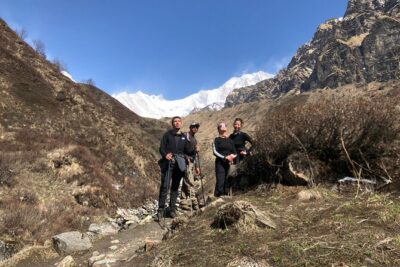
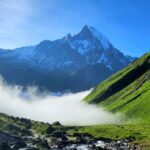
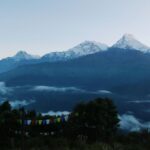
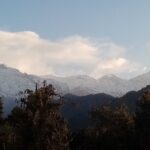
Annapurna Base Camp feels close, then suddenly real. I love the chance to walk into the Annapurna Sanctuary and the clear payoff of natural hot springs at Jhinu Danda. It’s a classic Himalayan route through Gurung village life, forests, and mountain valleys, with Annapurna I and Machhapuchhre keeping watch.
A big strength here is the way the trek is run: you’ll be with a professional, English-speaking guide (plus English, Hindi, or Nepali) who’s certified by the Nepal Government, along with a first aid kit. The only real consideration is altitude stress, since you reach Annapurna Base Camp at 4,130 m, so you need a reasonable fitness level and travel insurance.
Because this is a 7-day plan, the days stack up: you’ll hike most days for roughly 4–7 hours, with the biggest effort aimed at getting to base camp and then stepping down carefully. If you pace well and dress smart for cold, it becomes a very satisfying adventure instead of a grind.
In This Review
- Key highlights you’ll actually feel on the trail
- Pokhara to Ghandruk: your first day in the Modi Khola corridor
- Ghandruk and Chomrong: stone steps, village culture, and wide mountain angles
- From Chomrong to Himalaya (2,920 m): bamboo and rhododendron, plus altitude you can feel
- Machhapuchhre Base Camp to Annapurna Base Camp: the alpine amphitheater moment
- Descending to Bamboo: why the downhill is harder than it looks
- Jhinu Danda natural hot springs: sore legs, warm water, instant happiness
- Back to Pokhara via Nayapool: how to keep Day 7 from feeling rushed
- Price and value: what you’re really getting for around $181
- Difficulty level: reaching 4,130 m in 7 days (and doing it safely)
- When to go: quieter trails in January, and weather that changes everything
- Who should book this trek, and who should think twice
- Should you book this 7-day ABC hike with Snow Peak Tours and Travels?
- FAQ
- How high do you reach on this trek?
- What are the walking hours like each day?
- Are trekking permits and TIMS fees included?
- Are meals included during the trek?
- Is a guide included, and what languages do you speak?
- Do I need to submit my passport before the trek?
- Is the natural hot spring bath at Jhinu Danda part of the itinerary?
- Is travel insurance included?
Key highlights you’ll actually feel on the trail
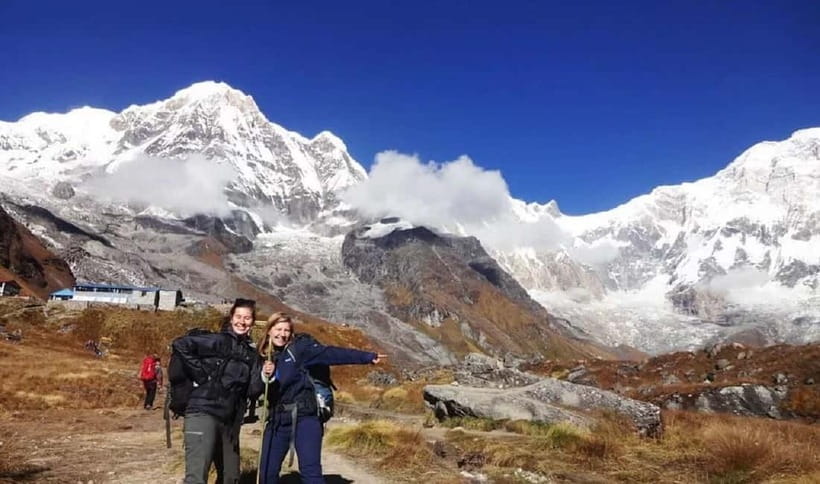
- 7 days to Annapurna Base Camp (4,130 m) with that amphitheater-style alpine setting
- Gurung villages and stone paths plus long mountain views around Ghandruk and Chomrong
- Rhododendron and bamboo sections that make the walking feel varied, not repetitive
- Machhapuchhre Base Camp stop before you continue into Annapurna Base Camp
- Sunrise and sunset potential with giants like Annapurna I and Machhapuchhre surrounding you
- Jhinu Danda natural hot springs right after your big-day trekking effort
Pokhara to Ghandruk: your first day in the Modi Khola corridor
You start from Pokhara and make a short drive to Nayapool, then head out on foot for about 5–6 hours, ending around Ghandruk at 1,940 m. The route follows the Modi Khola corridor, which matters more than it sounds: it gives you an easy-to-get-into rhythm on Day 1, moving from busy lowland energy to real trekking pace.
What you’ll notice first is the mix of village and forest. Early on, you’re walking past homes and farmland before the trail gains more mountain feel. That transition is useful for you because it helps your body adjust before the bigger climbs later. It also means you’re not stuck with only one kind of scenery for the whole day.
Practical tip: bring sunglasses and sun protection even on early days. At these altitudes, light can be intense, and the trail has plenty of open stretches. If you’re prone to dust irritation, it’s also worth having a light scarf or buff, because the region can get dusty around road segments before and after trekking.
You can also read our reviews of more tours and experiences in Pokhara.
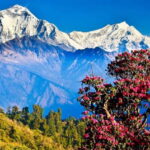
Ghandruk and Chomrong: stone steps, village culture, and wide mountain angles
Day 2 takes about 5–6 hours from Ghandruk to Chomrong, rising to 2,170 m. This is a day where you’ll feel the shape of the terrain: there are stone steps and forest walking, but the payback is the way views open up—often toward Annapurna and Machhapuchhre.
Ghandruk is known for being a rewarding village stop because it’s not just a dot on a map; it’s a place where you’ll likely see everyday life while you slow down for breaks. Chomrong then becomes your next anchor point, and it’s a logical choice for hikers because it sets you up for the higher, more alpine-feeling trail ahead.
If you’re aiming to keep your breathing under control, this is where your hiking style matters. Use a steady, not heroic pace. Take shorter rests rather than long ones. The goal isn’t to finish fast—it’s to arrive feeling strong enough for Day 3.
From Chomrong to Himalaya (2,920 m): bamboo and rhododendron, plus altitude you can feel
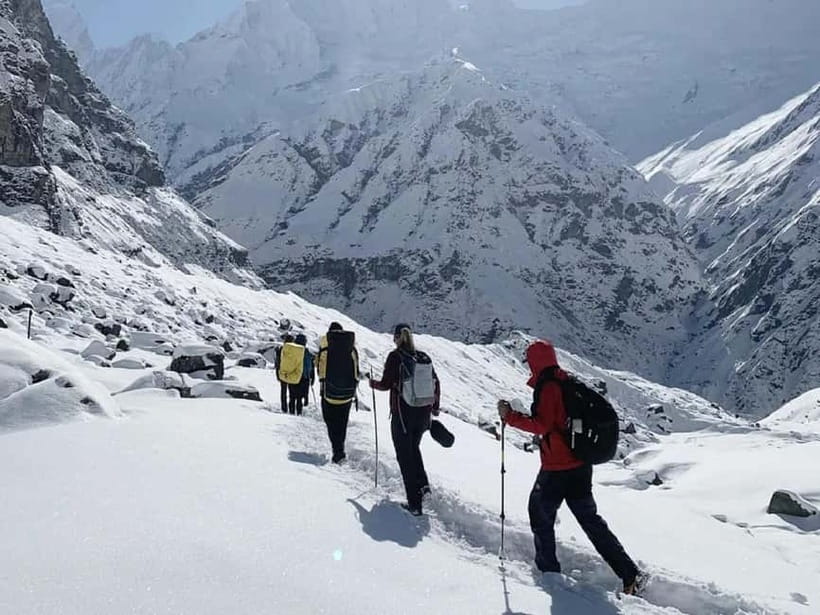
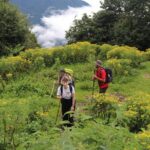
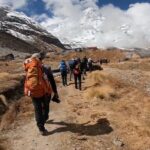
On Day 3, you trek roughly 6–7 hours from Chomrong toward Himalaya, overnighting around 2,920 m. The trail pattern changes: you descend toward the river, then climb again through bamboo and rhododendron forest.
This day can feel like a two-part workout. The downhill section helps you loosen up, but then the uphill portion asks your legs to work again, and the air gets thinner. You don’t need a science degree to understand what to do next: drink more water than you think you need, and avoid sprinting up switchbacks. When the air gets lighter, your body will remind you quickly.
Tea house stops along this section are also part of the value. They give you predictable places to refuel and warm up. And even though the lodges are simple, they’re usually the kind of base where you can charge your phone carefully (using your power bank if needed) and get ready for the alpine push later.
Machhapuchhre Base Camp to Annapurna Base Camp: the alpine amphitheater moment
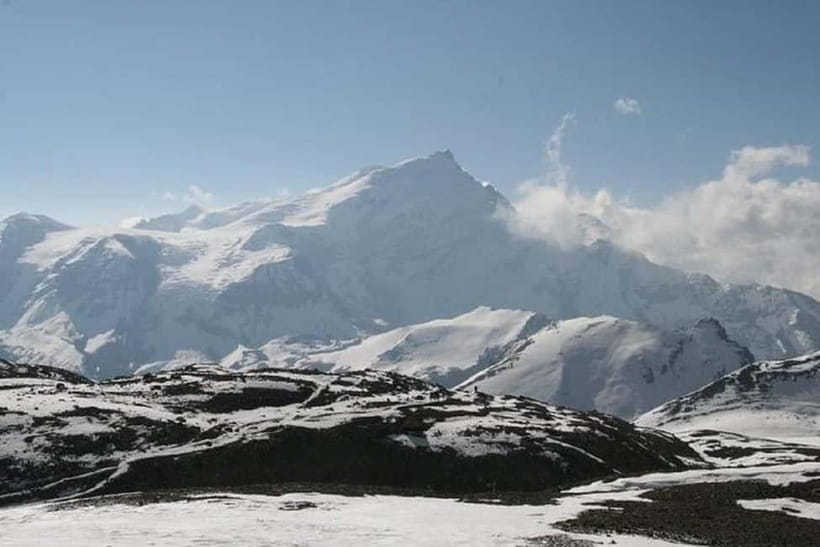
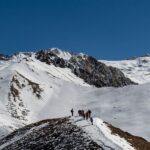
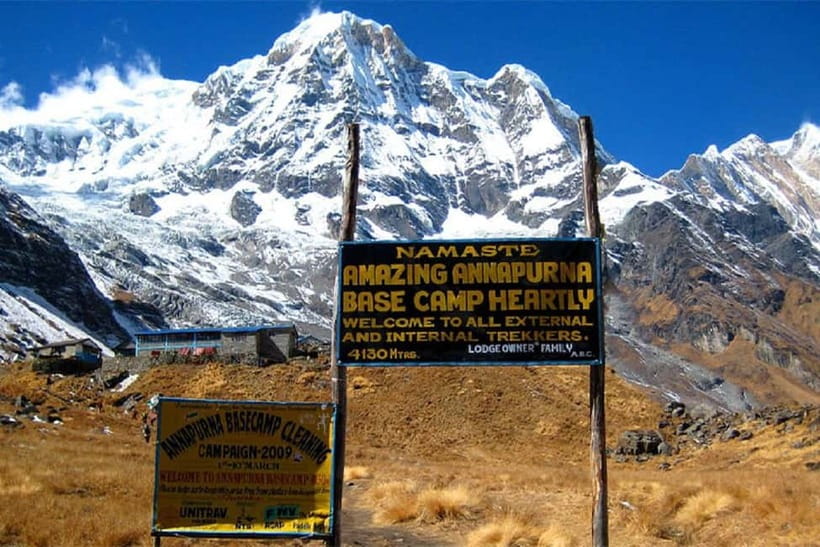
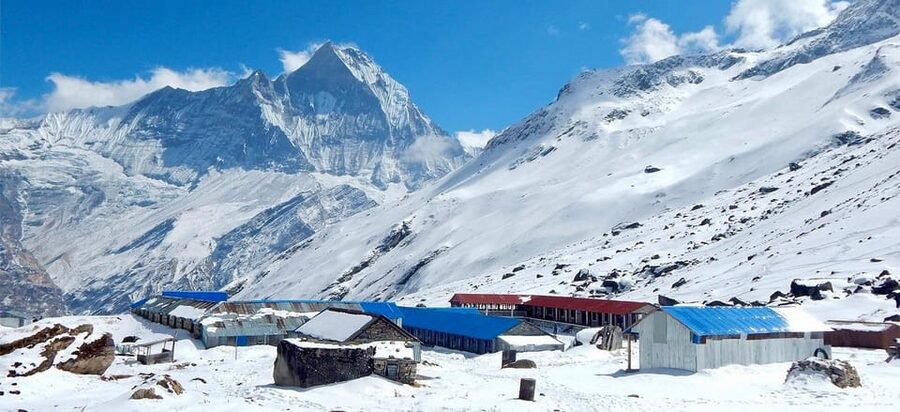
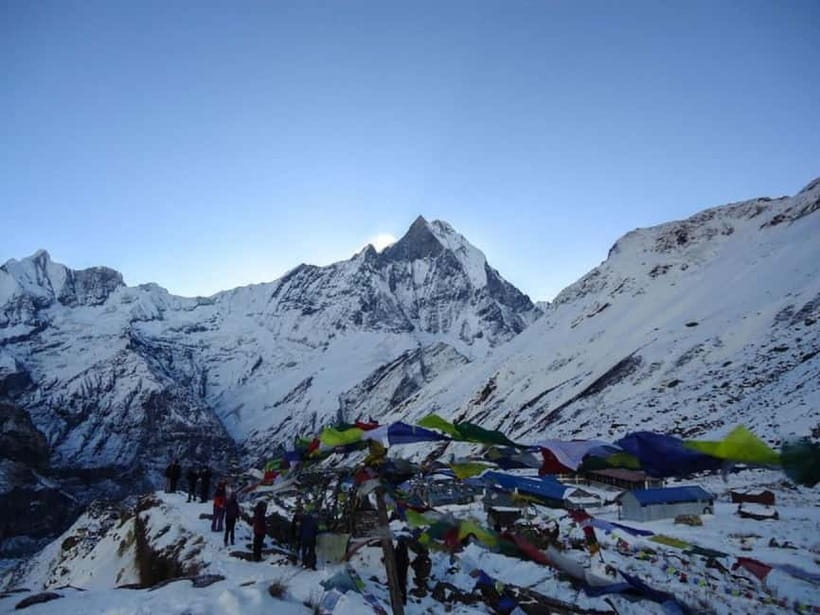
Day 4 is the big one: about 6–7 hours from Himalaya to Machhapuchhre Base Camp, then onward to Annapurna Base Camp, where you overnight at 4,130 m. This is the day you walk into a glacier valley setting and reach the Annapurna Base Camp amphitheater.
Here’s what makes it special for you: the route doesn’t just take you higher—it changes the whole feel of the landscape. Snowy peaks and open alpine space start to dominate your view, and the trail becomes more dramatic. Even if you’ve seen plenty of trekking photos, the actual scale tends to hit differently once you’re standing where the valley opens.
This is also where your packing choices pay off. You’ll want warm layers, gloves, and a real rain plan, because weather can shift quickly at elevation. The goal is to stay comfortable enough to keep moving and to enjoy the stop, not just survive it.
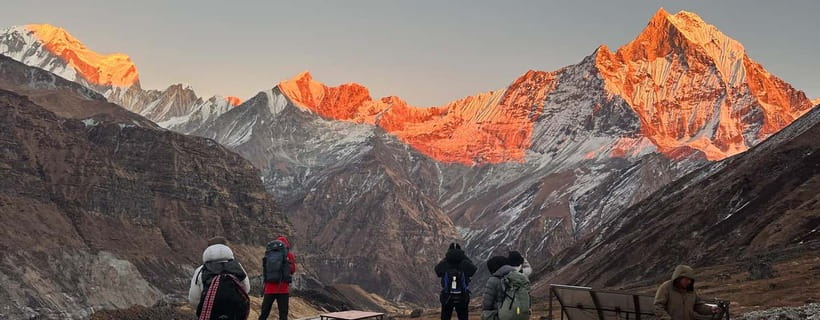
If your timing works with the sky, sunrise and sunset around Annapurna I and Machhapuchhre can be jaw-dropping. Even without perfect weather, getting to base camp is its own reward: you’re inside the Annapurna Sanctuary, surrounded by giant peaks and mountain air that feels clean and sharp.
Descending to Bamboo: why the downhill is harder than it looks
Day 5 drops you from Annapurna Base Camp down to Bamboo over about 6–7 hours, with an overnight around 2,335 m. This descent comes with incredible backward views, plus waterfalls in the mix, so it’s not a dull day. But your body will still treat it like work.
A key point for you: downhill can be tougher on knees and ankles than the uphill. Use trekking poles if you’ve got them, shorten your stride, and keep your steps deliberate. Hydrate and keep eating—when you feel better at a lower altitude, it’s easy to forget your energy needs.
Also, the “backward view” part is something you can plan for. Pause at safe spots to look and take photos, but don’t stop in the middle of the trail for long. Balance enjoyment with safe footing, especially if conditions are icy or wet.
Jhinu Danda natural hot springs: sore legs, warm water, instant happiness
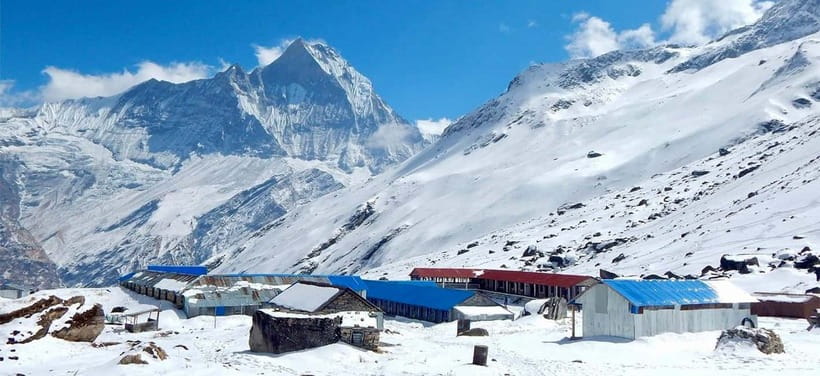
Day 6 is about 5–6 hours trekking from Bamboo down to Jhinu Danda, reaching around 1,610 m overnight. The best part is the finish: you trek down to the riverside and enjoy a soak in natural hot springs.
This day feels like the emotional reset after a high-altitude push. Even if you think your legs are fine, the first minutes in warm water tend to tell the truth. It’s also a smart way to recover without needing extra gear or complicated routines.
Practical tip: bring a towel and a change of clothes. Your hot-spring time is part of the itinerary, so plan to actually enjoy it, not just splash and rush back.
Back to Pokhara via Nayapool: how to keep Day 7 from feeling rushed
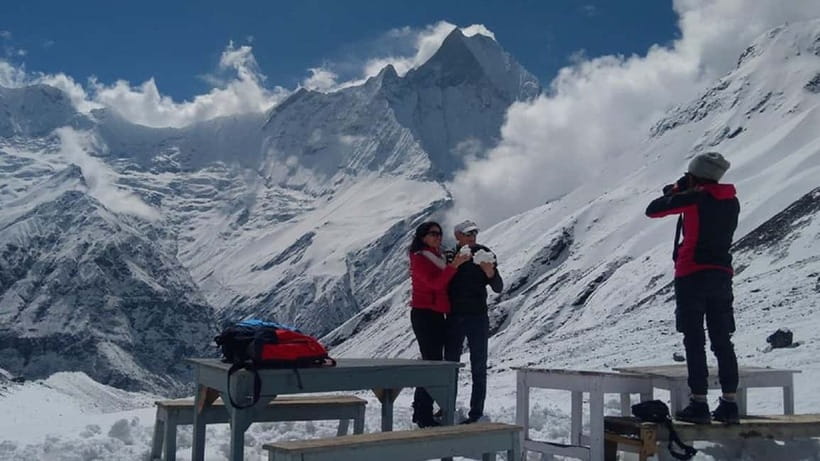
Day 7 is your way back: about 4–5 hours trekking from Jhinu Danda to Nayapool, then roughly a 1-hour drive back to Pokhara. You’ll be lower in altitude and your body should feel less stressed, but it’s still a day where you want to keep your pace steady.
This is also where you can think about comfort. One useful consideration that comes up for hikers is road dust on the transition days. If you’re dust-sensitive, keep sunscreen and a light face covering handy, and consider asking whether the schedule can favor more vehicle time where possible on Day 1 and Day 7 to reduce exposure.
When you arrive back in Pokhara, you’ll feel that mix of relief and letdown—because your hiking “day plan” disappears overnight. I find it helps to plan an easy dinner that night, something warm and simple, so you can celebrate without turning the trip into a food marathon.
Price and value: what you’re really getting for around $181
At $181 per person for a 7-day guided trek, the value is mainly in the support. You’re not just buying trail access—you’re paying for the pieces that make the trek smoother:
- Round-trip transportation between your hotel/airport area and the trek starting point
- Permits and paperwork, including trekking permits and TIMS fees
- Simple tea house/lodge accommodation along the route
- Meals throughout the trek, though this depends on the option you choose
- A professional, English-speaking guide (certified by Nepal Government), plus guide insurance and expenses
- Luggage storage in Pokhara, so you don’t need to haul everything
- First aid kit, plus trekking gear like a trekking stick or sleeping bag as needed
- Government and local taxes included
What’s not included is important, because it affects your real trip cost. You’ll need travel insurance (mandatory for your safety), and you should budget for personal snacks and drinks. Emergency rescue services are also not included, and if you want a porter, it’s listed as $20 per day.
If you’re comparing options, the smartest way to judge value is this: does the package handle the admin and guide support that you don’t want to manage alone? For many hikers, that’s exactly why this trek feels like money well spent.
Difficulty level: reaching 4,130 m in 7 days (and doing it safely)
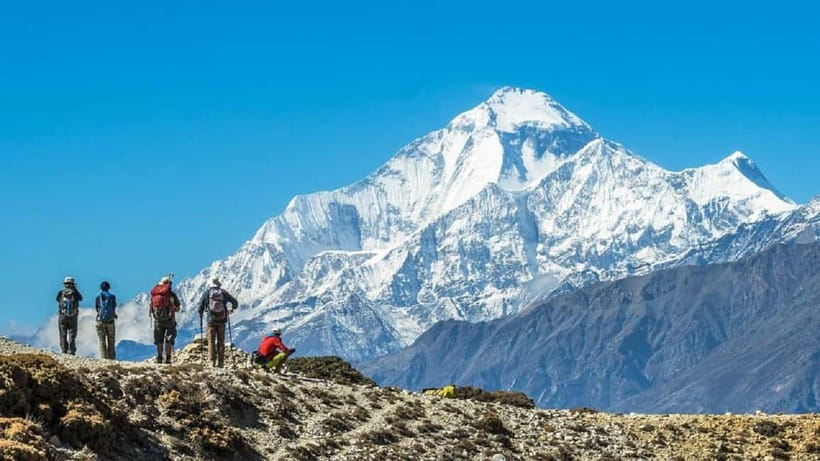
This trek can be challenging, and the altitude profile is the reason. You start around 1,940 m, climb to 2,170 m, then to 2,920 m, and you reach base camp at 4,130 m. After that, you descend to 2,335 m and then to 1,610 m for the hot-spring finish.
That drop from base camp is a big deal for recovery, but the climb up is still real. You’ll want to take altitude seriously even if you feel strong at lower elevations. The plan does include gradual climbing and multiple overnights, which helps, but you should still follow a slow pace and avoid overexertion.
Here’s what I’d do if you want this to feel rewarding instead of painful:
- Dress in layers, because cold at higher altitude can creep in fast
- Use gloves and a warm jacket, not just a thin hoodie
- Bring rain gear, because mountain weather doesn’t ask permission
- Carry a power bank for your phone and use careful charging
- Drink consistently, even when you don’t feel thirsty
Also note the permit timing. You’ll need to submit a copy of your passport at least one day prior to the trek so the required permits can be obtained.
When to go: quieter trails in January, and weather that changes everything
Timing can shape the whole experience. One January trek review highlighted clear skies and much quieter trails and tea houses, which meant a more peaceful feel. That’s a practical reason to consider January if you want less crowding while chasing visibility.
Other months in the provided booking history also show that the trek is happening year-round, so you can still find good conditions. Just remember: in higher terrain, weather can make a major difference in what you can see and how cold you’ll feel at night. Plan your layers like you’re always one cloud shift away from needing them.
If you’re someone who loves photos, aim to be ready early when you’re near higher camp areas. Sunrise and sunset views are part of the promise here, and they’re the times when the mountains tend to look their most dramatic.
Who should book this trek, and who should think twice
This is a great fit if you:
- Want a classic Annapurna Base Camp route in a tight 7-day format
- Like guided support with a certified guide and the admin handled (permits, paperwork, taxes)
- Appreciate tea house comfort rather than camping
- Want the emotional and physical payoff of Jhinu Danda hot springs at the end
You might think twice if you:
- Hate altitude changes and want a slower acclimatization schedule (this plan is structured, but it’s still compressed)
- Have very limited trekking fitness and are unsure how you’ll handle repeated days of multi-hour hiking
- Don’t want to bring warm gear and plan for cold, since higher sections can be uncomfortable without layers
Also, if you’re dust-sensitive, keep an eye on how much time you spend on any road segments before/after the trek. A bit of prep can make Day 1 and Day 7 feel much smoother.
Should you book this 7-day ABC hike with Snow Peak Tours and Travels?
I’d recommend booking this trek if you want the standard Annapurna Base Camp experience, with guided logistics, tea house stays, and the clean finish of natural hot springs. The pricing makes sense when you factor in transportation, permits, guide support, taxes, and the basic gear help you get along the way.
I’d hesitate only if altitude stress scares you enough that you’re not ready to commit to a slow pace and proper packing. In that case, you might want a longer acclimatization plan before you set your sights on base camp.
If you book, do your part: train a bit beforehand, submit your passport copy on time for permits, bring warm layers, and don’t skip travel insurance.
FAQ
How high do you reach on this trek?
You overnight at Annapurna Base Camp at 4,130 m. The route also includes other major overnight points such as Ghandruk (1,940 m), Chomrong (2,170 m), Himalaya (2,920 m), Bamboo (2,335 m), and Jhinu Danda (1,610 m).
What are the walking hours like each day?
Walking time varies by day, roughly ranging from about 4–7 hours. The longer, more demanding days are typically the segments leading to base camp and the day you descend afterward.
Are trekking permits and TIMS fees included?
Yes. Required trekking permits, necessary paperwork, and TIMS fees are included.
Are meals included during the trek?
Meals are included depending on the option you select. Tea house or lodge accommodations are also included along the trekking route.
Is a guide included, and what languages do you speak?
Yes. You’ll have a professional, friendly guide who is English-speaking, and the live tour guide is listed in English, Hindi, and Nepali. This is also a private group.
Do I need to submit my passport before the trek?
Yes. You’re asked to submit a copy of your passport at least one day prior to the trek so the permits can be obtained.
Is the natural hot spring bath at Jhinu Danda part of the itinerary?
Yes. Day 6 includes trekking to Jhinu Danda for a soak in the natural hot springs.
Is travel insurance included?
No. Travel insurance is not included, and it’s listed as mandatory for safety and peace of mind.