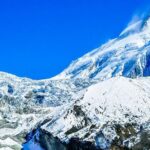
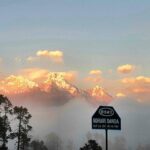
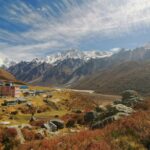
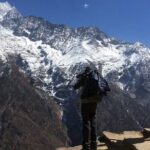
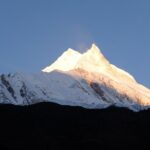
This trek starts with real Himalayan drama, then keeps rewarding you day after day. I love the Ghandruk village atmosphere and the big, cinematic views over the Annapurnas, and I also love how the program is built around early mornings, including sunrise views that make the climb feel worth it. My only caution: this is a walking trek with steep days and a lot of stairs, so the slower, careful pace matters more than speed.
You’ll be supported by a friendly English-speaking guide and porters, plus a solid base of included meals, permits, and key gear. The route mixes culture, forests, and mountain scenery, which is exactly why Annapurna Base Camp remains one of Nepal’s classic treks.
In This Review
- Key things I’d zero in on before you go
- Annapurna Base Camp, aka the Annapurna Sanctuary trek
- Kathmandu arrival: warm welcome, then you’re off
- Kathmandu to Pokhara: fast flight, real altitude change later
- Ghandruk Village: culture plus a front-row mountain view
- Chhomrong to Sinuwa: the stairs day, oak and bamboo included
- Higher altitude day: go slow, drink warm water, keep warm
- Lodge rhythm: enjoying Annapurna range views and that sunset moment
- Sunrise and the base camp payoff
- Forest trail + possible hot springs near the river
- Suspension bridge and Pokhara reset
- The return to Kathmandu and the farewell dinner
- Price and what you truly get for $1,250
- The team matters: guides, porters, and day-to-day care
- Pace, altitude sickness reality, and safety coverage gaps
- What to pack: the items this route actually calls for
- Who this trek is for
- Should you book this Annapurna Base Camp trek?
- FAQ
- FAQ
- What is the meeting time and where do we start?
- How long is the Annapurna Base Camp trek on this itinerary?
- What’s included in the trek price?
- What’s not included?
- Are the permits included?
- What kind of accommodations will I have during the trek?
- How big is the group?
- Is there a cancellation change policy?
Key things I’d zero in on before you go
- Ghandruk views: You start with famous panorama angles facing Mt. Fishtail and Annapurna South, plus Gurung village life.
- The stepped climbs: Expect days with more than 3,000 steps and steep uphills, especially around Chhomrong.
- Forest variety: You’ll walk through oak, bamboo, and rhododendron forests, not just rock and snow.
- Sunrise planning: Early starts are part of the deal, so you’ll want good sleep habits and warm layers.
- Lodge meals included: Breakfast, lunch, dinner, tea, and coffee along the trek help you focus on hiking instead of logistics.
- Small group size: The trek runs with a maximum of 15 travelers, which usually keeps things manageable.
Annapurna Base Camp, aka the Annapurna Sanctuary trek
This is the sort of trek that feels “classic” for a reason. The Annapurna Base Camp route is designed for people who care about more than just summits, including flora, fauna, and wide Himalayan views as you move between sub-tropical valleys and higher mountain terrain.
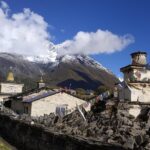
You’ll also see the human side of the Himalaya. Gurung settlements with slate-roofed houses show up along the way, and that matters because it breaks the hike into real chapters, not one long blur of trail.
You can also read our reviews of more tours and experiences in Kathmandu.
Kathmandu arrival: warm welcome, then you’re off
Day 1 is all about getting grounded in Kathmandu. You arrive at Tribhuvan International Airport, meet your team, get a warm welcome at the hotel, and get a briefing for your Annapurna Base Camp trek. After that, you’re free and easy, which is smart because your first job on Day 2 is being fresh for the flight out.
Practical tip: if you’re sensitive to jet lag, treat your Kathmandu evening like a prep run. Get an early dinner, take it slow, and sleep with warm layers accessible, because mornings and higher altitude days can feel much colder than you expect.
Kathmandu to Pokhara: fast flight, real altitude change later
On Day 2, you fly from Kathmandu to Pokhara (about 25 minutes), then drive to Ghandruk Village (with time to explore). That quick hop is one of the reasons this itinerary is approachable compared with treks that start with long overland journeys.
You also get two hotel nights with breakfast in Kathmandu, plus one night with breakfast in Pokhara. That “soft landing” is useful if you like structure, and it can also help if the first trekking days are rainy or uncomfortable.
Ghandruk Village: culture plus a front-row mountain view
Ghandruk is where the trek starts feeling like a story. You explore Gurung culture and see why this village gets attention as one of the best-known Gurung settlements in Nepal. The views from here are a highlight: you’ll be looking toward Mt. Fishtail, Annapurna South, and Himchuli.
The walking day from Ghandruk leads you into the route’s first rhythm: gradual climbing, then descending toward Gurjung Khola, then pushing back up to Chhomrong Village. You’re on trail long enough to feel the effort, but not so early that you’re fully cooked.
What I like about starting here: you get mountain views and culture before the trek turns into a grind. It helps you connect the landscape to people, and it keeps motivation high once stairs start stacking up.
Chhomrong to Sinuwa: the stairs day, oak and bamboo included
Day 3 is about getting into the big trekking zone. You reach Chhomrong Village after a mix of up and down walking, and it sets you up for the more intense day that follows.
Day 4 is where you should mentally switch to “steady and efficient.” You’ll walk down with more than 3,000 steps to Chhomrong Khola, then you face a steep climb up toward upper Sinuwa. The trail also turns into a forest walk with oak and bamboo segments, plus river crossings. This is a good day for trekking poles and for pacing your breathing, because the slope plus steps can be harder than it looks.
If you get rain, don’t panic. Wet stone and clay can slow you down, but the forest cover often means you’re not battling wind the whole time. Still, keep your feet and socks strategy on point.
Higher altitude day: go slow, drink warm water, keep warm
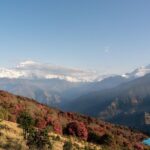
Day 5 is described as a longer climb at higher altitude. The advice built into this program is practical: walk slowly, drink warm water, and keep your body warm. You’ll pass through forests and river-view sections, with opportunities to see Mount Fishtail and other peaks from the trail.
This is also one of the days where your packing choices show up fast. If you under-layer for cold mornings or you sweat too much early, you’ll feel it later. Bring layers you can add or remove without turning your stop into a wrestling match.
Lodge rhythm: enjoying Annapurna range views and that sunset moment
Day 6 keeps things more relaxed at around 3 hours of trekking, which is a welcome tempo shift after the heavier walking. The goal here is nature time and mountain viewing. If weather is clear, you may get an amazing sunset from your lodge.
This kind of day is more valuable than it sounds. It gives your legs a chance to recover while still keeping the overall momentum of the trek. In a route like this, recovery days matter because Day 7 is an early start.
Sunrise and the base camp payoff
Day 7 is built around catching sunrise over the Annapurna range. You’ll do an early morning start, enjoy the Himalayas, have breakfast, and then trek back toward Dovan or bamboo depending on the day’s plan.
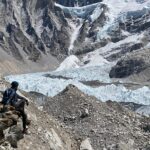
Multiple pieces of feedback emphasize one key idea: the time at Annapurna Base Camp is worth it because the mountain views can hit hard the moment you’re there, especially with early light. Even if the first days are wet or tiring, the “arrival feeling” is real once you’re up at the base camp area.
If you’re going for photos, remember the basics: keep batteries warm, protect gear from moisture, and plan for cold fingers during that pre-dawn window.
Forest trail + possible hot springs near the river
Day 8 goes back into the forests and local life. You climb again (the program mentions another 3,000-step climb), then you descend. There’s also an optional hot spring water stop on this day—about a 20-minute walk down from your lodge, if you’re interested.
This is a nice emotional reset. After steep hiking, soaking muscles (if conditions and access allow) can make the next travel day feel way easier.
Suspension bridge and Pokhara reset
Day 9 is part hiking, part travel. After breakfast, you’ll cross a very long and very high suspension bridge, then head by road to Pokhara (about 3 hours). You check into a hotel, eat lunch, and get time to explore Pokhara valley.
This day is useful for two reasons. First, it breaks up the trekking stress with a real destination vibe. Second, it gives you a safer, more comfortable place to recover before the flight back to Kathmandu.
The return to Kathmandu and the farewell dinner
Day 10 brings the end of the trekking portion. You’ll fly from Pokhara to Kathmandu (about 25 minutes), then transfer to the hotel. There’s also a farewell Nepali culture dinner, which is a great way to close the loop with the people who carried your days on the trail—guide and porters included.
Day 11 is last-minute shopping and time with family or friends before you go to the airport. It’s also a good day to do a quick gear check: what’s clean, what needs drying, and what you want to keep in one place for the next trip.
Price and what you truly get for $1,250
At $1,250 per person, the value here comes from what’s handled for you. You get:
- Two hotel nights in Kathmandu (breakfast included)
- One hotel night in Pokhara (breakfast included)
- All comfortable lodges during the trek with breakfast, lunch, dinner, plus tea/coffee
- Guide and porter support, including English speaking support
- Permits: trekking permit and TIMS cards
- Medical kit bag during the trek
- Key gear included for the hike: warm down jacket and sleeping bag, plus walking pole after the trek return
What you should budget separately: cold drinks, bottled mineral water, hot shower, battery charging, phone calls, laundry, and bar bills along the trek. In other words, you’ll be paying for comfort add-ons once you reach the trail system.
For me, the best “value” is mental. You’re not trying to piece together permits, lodge meals, and daily logistics while also managing altitude stress and sore legs.
The team matters: guides, porters, and day-to-day care
A lot of the strongest praise centers on the team experience—being friendly, attentive, and informative. Feedback also points to guides who were encouraging and who gave useful advice on changing weather and daily attire.
One name that comes up often in feedback is Mr. Urja, along with porter Assish mentioned in the context of support and care. Another set of comments credited a caring guide named Deepen for planning and team performance, which matches the broader theme: good communication and real care can change how tough days feel.
Here’s what you should watch for in practice: a guide who talks you through clothing layers, meal timing, and pacing habits before problems start. That kind of guidance is what helps you keep moving when conditions aren’t perfect.
Pace, altitude sickness reality, and safety coverage gaps
This trek asks you to walk steadily, and the itinerary explicitly nudges you to go slow on higher altitude days. It also notes that you should keep warm, drink warm water, and manage steps carefully—so the program is thinking about comfort and pacing, not just distance.
Safety-wise, you get an insurance coverage for the guide and porter during the trek. But the program also clearly states that altitude sickness insurance is not included. If that part matters to you, plan for it before you go.
Practical advice: bring your own common sense and stop rules. If you feel worse instead of better—headache, nausea, or unusual fatigue—don’t push through because you’re “supposed” to keep going.
What to pack: the items this route actually calls for
The trek info gives you a solid baseline for gear and clothing. I’d follow it closely:
- Windproof outer jacket plus a warm down-filled jacket (you’ll have this provided for the trek, then return it after)
- Comfortable day clothes: trousers for men, loose skirts for women
- Gloves, hat or cap, sunglasses, sunscreen, lip balm (sun can feel intense at altitude)
- Lightweight trekking shoes and warm wool or thermal socks
- Thermal undergarments for nights if you get cold (or at least something warm enough for evening)
- Flashlight and spare batteries
Also: you’ll receive a waterproof trekking duffel bag and a T-shirt. That helps keep your important gear organized, which matters when weather flips quickly.
Who this trek is for
This Annapurna Base Camp trek fits best if you want a classic Nepal route that mixes views, forests, and village culture and you’re okay with a walking pace that includes steep stairs.
You’ll likely enjoy it most if you:
- Have a moderate physical fitness level
- Like early mornings and sunrise viewing
- Appreciate lodge-based trekking with meals handled
- Want a guided, structured experience with small group size (max 15)
If you hate hills, dislike cold mornings, or struggle with steep step-down/step-up days, you might find this route physically demanding.
Should you book this Annapurna Base Camp trek?
If you want a guided Annapurna Base Camp experience where most logistics are taken care of—lodges, meals, permits, and key trekking gear—this is a strong option. The itinerary is built for good mountain timing (especially the sunrise portion) and for variety (village culture, forest walks, and suspension bridge drama).
I’d book it if you can commit to pacing yourself on the step-heavy days and you’re comfortable managing cold and sun with proper layers. I’d think twice if you’re relying on altitude sickness coverage that isn’t included, or if you’re expecting an easy walk with minimal climbs.
FAQ
FAQ
What is the meeting time and where do we start?
The tour meeting point is in Kathmandu Valley, and the start time is listed as 7:00 am.
How long is the Annapurna Base Camp trek on this itinerary?
The duration is listed as 11 days, approximately.
What’s included in the trek price?
Your price includes transportation from arrival to departure, 2 nights in Kathmandu with breakfast, 1 night in Pokhara with breakfast, welcome and farewell cultural dinners, and meals (lodging, breakfast, lunch, dinner, tea, and coffee) along the trekking. It also includes permits (TIMS cards and trekking permit), a medical kit bag, insurance for guide and porter, and provided trekking gear such as a warm down jacket, sleeping bag, and walking pole (returned after the trek).
What’s not included?
Cold drinks, mineral water, hot shower, battery charging, phone calls, laundry, and bar bills along the trek are not included. Tips for guide and potters are also not included. Kathmandu and Pokhara lunch and dinner, international flight ticket, and Nepal entry visa fee are not included, and altitude sickness insurance is not included.
Are the permits included?
Yes. The trekking permit and TIMS cards are included.
What kind of accommodations will I have during the trek?
You’ll use comfortable lodges during the trek, with breakfast, lunch, dinner, and tea/coffee included.
How big is the group?
The maximum group size is listed as 15 travelers.
Is there a cancellation change policy?
This experience is non-refundable and cannot be changed for any reason. If you cancel or request an amendment, the amount paid will not be refunded.