REVIEW · KATHMANDU
Annapurna Base Camp Trek
Book on Viator →Operated by Overland Trek Nepal · Bookable on Viator
One big reason to pick the Annapurna Base Camp trek here: it follows a classic, scenic rhythm. You start with city setup in Kathmandu, then head out to Pokhara, and step-by-step climb toward Annapurna Base Camp. By the end, you get the high-altitude payoff and the chance to soak at Jhinu Danda.
Two things I really like about this trip are the structure and the included support. You get a guide (English speaking), a porter arrangement (1 porter between 2 people on the basic level), and a medical kit, plus the Annapurna conservation permits and TIMS card are handled. Meals are planned out too, including tea house days on the trek and extra comfort snacks like Snickers while you’re walking.
One possible drawback: the itinerary pushes to over 4,000m at ABC (4130m). If you’re not used to altitude or you hate slow acclimatization, you’ll need to stay disciplined about pace, rest stops, and hydration.
In This Review
- Key points before you commit
- Annapurna Base Camp: what kind of trek is this
- Price and value: what $1,099 really buys
- Day-by-day itinerary, explained like a hiking buddy
- Day 1: Kathmandu arrival and trek setup
- Day 2: Kathmandu to Pokhara by tourist bus
- Day 3: Pokhara to Nayapul, then to Ghandruk
- Day 4: Ghandruk to Chomrong or Sinuwa
- Day 5: Sinuwa to Deurali (3230m)
- Day 6: Deurali to ABC (4130m)
- Day 7: ABC to Bamboo
- Day 8: Bamboo to Jhinu Danda and hot springs
- Day 9: Jhinu Danda to Nayapul, then Pokhara
- Day 10: Pokhara to Kathmandu
- Day 11: Departure or extra Kathmandu days
- The guide and porter setup: how it affects your day
- Transportation and city time: where tours often waste your energy
- What to expect at the camps: tea house days with planned food
- Altitude reality check: the part you should respect
- Booking fit: who this trek suits best
- Should you book this Annapurna Base Camp trek?
- FAQ
- What time does the trek start?
- Where is the meeting point in Kathmandu?
- What’s included in the price for the Annapurna Base Camp trek?
- What is not included?
- Is this trek private?
- What happens if weather is poor?
Key points before you commit
- Permits and TIMS card are included, so you’re not juggling paperwork mid-trip.
- Tea house accommodation is built in for the trekking days, which keeps things simple day-to-day.
- Snacks and fruit desserts are included, not just bread-and-tea trekking basics.
- Hot spring time at Jhinu Danda breaks up the climb and gives tired legs a reward.
- Two nights in Kathmandu and two in Pokhara with breakfast take the stress out of the travel days.
- Private group style, so your schedule is less “everyone go at once.”
Annapurna Base Camp: what kind of trek is this
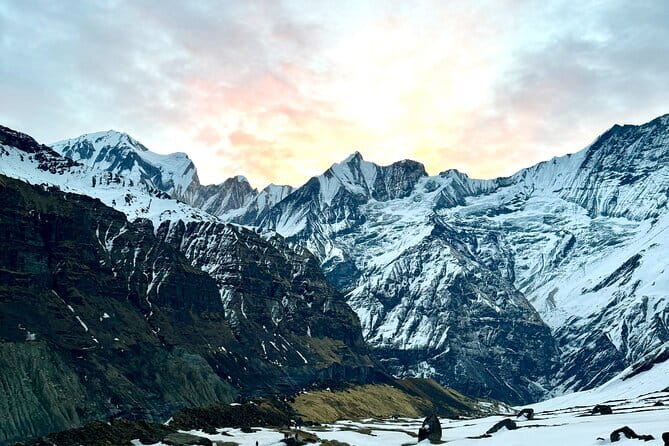
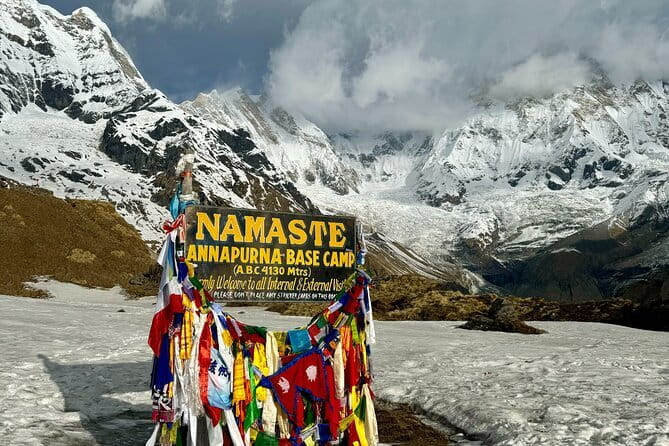
The Annapurna Base Camp trek is all about a steady climb, changing scenery, and a big moment at the top. This route is a classic approach from Ghandruk through Chomrong/Sinuwa, up to Deurali, and then onward to ABC at 4130m. After that, you descend through Bamboo and down to Jhinu Danda for the hot springs before returning via Nayapul and Pokhara.
The most practical value here is how much is organized for you. You’re not just getting a route map—you’re getting transport between major waypoints, permits lined up, and a guide who can keep the day on track. In the trekking world, organization is the difference between a smooth journey and one full of waiting around.
Another plus is that the company provides small comforts that matter when you’re tired. You get tea house accommodation across the trek, meals are counted out (breakfast, lunch, dinner), and there are trekking snacks planned. Even little extras like one Snickers per person during the trek can feel like a morale boost on harder walking days.
You can also read our reviews of more tours and experiences in Kathmandu.



Price and value: what $1,099 really buys
At $1,099 for about 11 days, you’re paying for more than walking days. This price includes:
- Airport pickup and drop plus ground transportation
- Annapurna Conservation Area entry permits
- TIMS card
- English speaking guide
- Tea house accommodation during the trek
- Planned meals (with breakfast counted as 10, lunch 8, dinner 7)
- Porter service (1 porter between 2 people on the basic level)
- Medical kit and staff insurance/medicine coverage
- Two nights in Kathmandu with breakfast and two nights in Pokhara with breakfast
- Company duffel bag and a t-shirt
Not included is where you should watch your budget: lunch and dinner in Kathmandu and Pokhara, your visa fee for Nepal, international airfare, travel insurance, and emergency evacuation costs. You’ll also want to plan for tips since they’re expected for guide and porter.
So the real question isn’t only whether $1,099 is “cheap.” It’s whether you’re saving time and stress. If you’d rather avoid coordinating transport, permits, and logistics yourself, this price makes sense. If you’re comfortable handling logistics and already own trek-ready gear, you might find a cheaper option—but you’ll likely trade away convenience and planning.
Day-by-day itinerary, explained like a hiking buddy
Below is the itinerary flow and what each part means for your energy, pacing, and overall experience.
Day 1: Kathmandu arrival and trek setup
You arrive in Kathmandu and get transferred to a hotel for preparation. Two key things happen on day one: you get your bearings and you sort the small trek details before the walking starts. This matters because ABC trekking days begin early and you don’t want to be figuring out essentials the morning you need to move.
You get a free admission ticket noted in the plan, and the big win is that you get an overnight in Kathmandu before the climb begins.
Day 2: Kathmandu to Pokhara by tourist bus
You’ll take a tourist bus from Kathmandu to Pokhara and sleep in Pokhara (820m). This day is mostly about travel and reset time. Pokhara is where many ABC treks start to feel real because the mountains get closer and you start thinking in terms of altitude, not just distance.
If you’re sensitive to long rides, I’d treat this day as a gentle warm-up day. Hydrate. Don’t overplan activities.




Day 3: Pokhara to Nayapul, then to Ghandruk
First: private transport from Pokhara to Nayapul (about 1:30). Then you trek to Ghandruk at 1940m. This is a strong first trekking day because you’ll start transitioning from road life to foot travel.
Ghandruk is a common stepping stone because it sits high enough to feel mountainous, but not so high you’re gasping. It’s a good place to start practicing your pacing.
Day 4: Ghandruk to Chomrong or Sinuwa
You trek from Ghandruk to Chomrong (2230m) or Sinuwa. This day is one of the route-shaping segments. You’re gaining altitude again and positioning yourself for the higher camp areas.
The plan includes either destination, which hints at the reality of trekking: conditions and pacing can change. Either way, you’ll feel closer to the core Annapurna view zone.
Day 5: Sinuwa to Deurali (3230m)
Today you trek to Deurali at 3230m. This is a big jump from the earlier stops. By this point, altitude starts making itself known, even if you’re hiking well.
Deurali is also where your trekking rhythm matters: short breaks, consistent pace, and staying warm at higher elevations. If you rush, the climb will punish you later.
Day 6: Deurali to ABC (4130m)
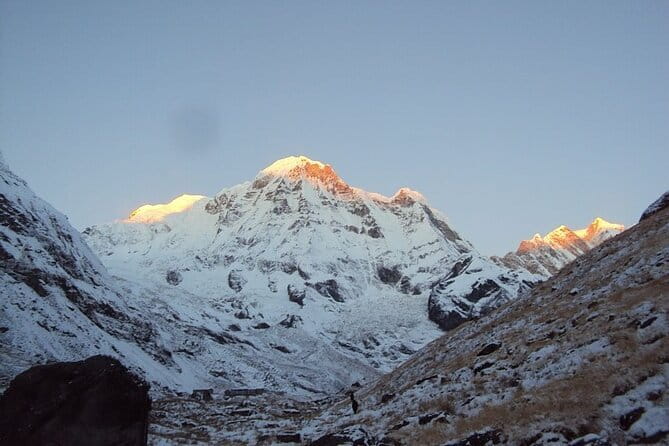
Now comes the headline day: Deurali to Annapurna Base Camp at 4130m. This is the moment most people book for. The plan positions ABC as the peak target before you start dropping back down.
Practical reality: ABC at 4130m is high enough that you’ll want to avoid hero pacing. Let the guide set the tempo and keep stops frequent enough to stay comfortable.
Day 7: ABC to Bamboo
You trek from ABC to Bamboo (2310m). This is a descent day, but it’s not “easy.” Going down can be rough on knees and thighs, especially if you’ve been hiking since morning and the altitude is still in your legs.
Bamboo at 2310m is a useful place to reset. It brings you closer to lower-elevation walking comfort while still keeping you in the trek zone.
Day 8: Bamboo to Jhinu Danda and hot springs
You trek to Jhinu Danda (1780m). The plan includes hot spring time—a rare luxury on an itinerary like this. After several days of walking, this is the kind of reward that makes the whole effort feel worth it.
At this stage, I’d treat your legs like your most important equipment.
Day 9: Jhinu Danda to Nayapul, then Pokhara
You trek from Jhinu Danda to Nayapul, then travel by transport to Pokhara and overnight there (820m). This day transitions you out of the trekking routine. It’s also where you’ll likely feel the difference between hiking muscles and travel muscles.
If you want to stay active, do it lightly. Your body has earned rest.
Day 10: Pokhara to Kathmandu
You travel back to Kathmandu (1336m). This is a straight move day. Think of it as time to recover, shower, and get a normal meal.
If you’re planning sightseeing, keep it low-key so altitude fatigue doesn’t ruin the fun.
Day 11: Departure or extra Kathmandu days
Departure to the international airport, or you can add days in Kathmandu for shopping and sightseeing. If you’re the type who likes a “finish strong” travel plan, these extra hours in Kathmandu can be a good payoff after the trek.
The guide and porter setup: how it affects your day
This is an organized trekking group: English speaking guide, porter support (1 porter between 2 people on the basic level), and a medical kit. That last part is not glamorous, but it’s one of the best signs of a serious operator.
One name that came through in feedback was Nick, praised for professional coordination and organization, including the way guides and porters worked together. That kind of teamwork matters on ABC treks where weather and pacing can change quickly.
A quick practical note: your pack weight will still be your job to manage. Porter service helps, but it doesn’t mean you should bring a suitcase. Bring what you truly need and plan layers for cold mornings and evenings.
Transportation and city time: where tours often waste your energy
I like that this itinerary gives you real time in Kathmandu and Pokhara before and after the trek. Two nights in Kathmandu with breakfast help you handle jet lag and setup. Two nights in Pokhara with breakfast help you transition between road travel and hiking.
Then transportation is built into the plan:
- Kathmandu to Pokhara by tourist bus
- Pokhara to Nayapul by private transport (about 1:30)
- Jhinu Danda to Nayapul and back to Pokhara
- Pokhara back to Kathmandu by tourist transport
Why this matters: ABC treks often fail at the edges—missed bus connections, unclear pickup points, last-minute permit headaches. Having those pieces handled keeps your energy on the trail.
What to expect at the camps: tea house days with planned food
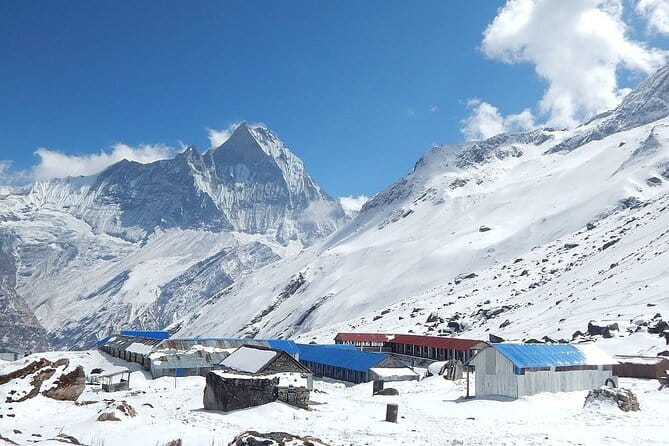
The trek uses tea house accommodation. That usually means you’re not carrying a tent or cooking gear. It’s a big quality-of-life win and it keeps the trek realistic for a moderate fitness level.
Meals are planned on the trek with:
- Breakfast (10)
- Lunch (8)
- Dinner (7)
Plus trekking snacks like biscuit/oreo cookie/peanut, and a noted dessert of fruits such as apple or pomegranate. There’s also the Snickers chocolate included during the trek.
That kind of food planning matters. When you climb higher, your appetite can shift. Knowing you’ll have predictable meals and snack timing helps you keep walking longer without bonking.
Altitude reality check: the part you should respect
This route includes Chomrong/Sinuwa around 2230m, Deurali at 3230m, and ABC at 4130m before descending. That’s a typical profile for Annapurna Base Camp, but it still asks for attention.
The best move is simple: don’t treat each day like a race. You’ll get more from the trek if you keep a steady pace, take your rests seriously, and dress for cold as you gain altitude.
Also remember: the itinerary says you’ll want moderate physical fitness. If your training is mostly flat walks, start prepping now—inclines, stairs, and longer hikes will make a difference.
Booking fit: who this trek suits best
This Annapurna Base Camp trek fits you if:
- You want a guided ABC trek with logistics handled.
- You prefer a planned meal and accommodation approach instead of guessing each day.
- You’re okay with a private group style and an 11-day rhythm that includes Kathmandu and Pokhara nights.
- You value practical support like a guide, porter arrangement, and a medical kit.
It might not be the best match if:
- You want full independence with no guidance or permits.
- You strongly dislike high-altitude trekking (ABC is the top target at 4130m).
- You don’t want to budget for tips, travel insurance, and personal gear.
Should you book this Annapurna Base Camp trek?
I’d book it if you want clarity: permits, transport, tea house stays, meals, and porter support are part of the plan. The included extras—like the Snickers snack and fruit dessert—are small, but they help the days feel more human.
Before you say yes, do two things:
1) Check your altitude comfort. If 4130m is intimidating, plan your training and pace accordingly.
2) Budget the items not included: Nepal visa, travel insurance, emergency evacuation coverage, and tips.
If that all fits your style, this is a strong value way to get to Annapurna Base Camp without turning your trip into logistics work.
FAQ
What time does the trek start?
The meeting start time is listed as 6:45 am.
Where is the meeting point in Kathmandu?
The ticket redemption point is Serene Himalaya Treks & Expedition, P896+27M, Chaksibari Marg, Kathmandu 44600, Nepal.
What’s included in the price for the Annapurna Base Camp trek?
The package includes airport pickup and drop, TIMS card, Annapurna conservation area trekking permits, English speaking guide, tea house accommodation, porter service, medical kit, two nights in Kathmandu and two nights in Pokhara with breakfast, plus ground transportation and planned trek meals (with breakfast/lunch/dinner counts).
What is not included?
Not included are lunch and dinner in Kathmandu and Pokhara, travel insurance and emergency evacuation costs, Nepal entry visa fee, international air fare, personal equipment (and water bottle/cold drinks), tips for guide and porter, and charges like hot water battery charge and any donations.
Is this trek private?
Yes. It’s listed as a private tour/activity, so only your group participates.
What happens if weather is poor?
The experience requires good weather. If it’s canceled due to poor weather, you’ll be offered a different date or a full refund.