REVIEW · KATHMANDU
Ghorepani – Poon Hill yoga Trek – 10 Days
Book on Viator →Operated by Welcome Nepal Treks P.ltd · Bookable on Viator
A good sunrise matters. This Ghorepani Poon Hill yoga trek pairs Poon Hill sunrise views with daily yoga and meditation led by an English-speaking guide who also acts as your tourist guide. I like the way the route mixes big mountain moments with calmer village stretches and breath-friendly pauses built into the day. One thing to consider: mornings are early, and the walking days still add up, even on the “easier” trek segments.
You also get a smooth start-to-finish plan instead of piecing things together yourself. The package includes Kathmandu and Pokhara stays, permits paperwork, and lodge/tea house nights on the trail—so you can focus on the experience, not logistics. If you want lots of free time in cities to eat whatever you feel like, note that meals in Kathmandu and Pokhara aren’t included, so you’ll be paying out of pocket for those.
In This Review
- Key Things I’d Highlight Before You Book
- A Yoga-First Take on the Annapurna View Classic
- Price and Value: What $1,000 Covers (and What You’ll Pay Extra)
- Kathmandu Arrival (Day 1): Thamel, Check-In, and a Real First Night
- Pokhara Transfer and Lakeside Break (Day 2, plus Two Nights Total)
- The Trek Gets Real: Nayapul to Tikhedhunga (Day 3)
- Ulleri to Ghorepani: Rhododendron Country and Big Peak Views (Day 4)
- Poon Hill Sunrise and Tadapani Forest Trek (Day 5)
- Ghandruk: The Easiest Trek Day with the Best Village Payoff (Day 6)
- Downhill to Nayapul and Back to Pokhara (Day 7)
- Pokhara Sightseeing Day (Day 8): Davis Falls, Caves, World Peace Pagoda, or Rest
- Return to Kathmandu (Day 9) and Final Day in Thamel (Day 10)
- Yoga and Meditation on a Trek: Why It Works Here
- Where Each Day Leaves You: Pace, Altitude, and Real Expectations
- Who Should Book This Trek (and Who Might Think Twice)
- Should You Book the Ghorepani Poon Hill Yoga Trek?
- FAQ
- Where is the start point and when does the tour begin?
- Is airport pickup and drop-off included?
- How long is the experience and what days do you trek?
- Do you get yoga and meditation sessions during the trek?
- Are yoga mats provided?
- What kind of lodging is included each night?
- Are meals and travel insurance included?
Key Things I’d Highlight Before You Book
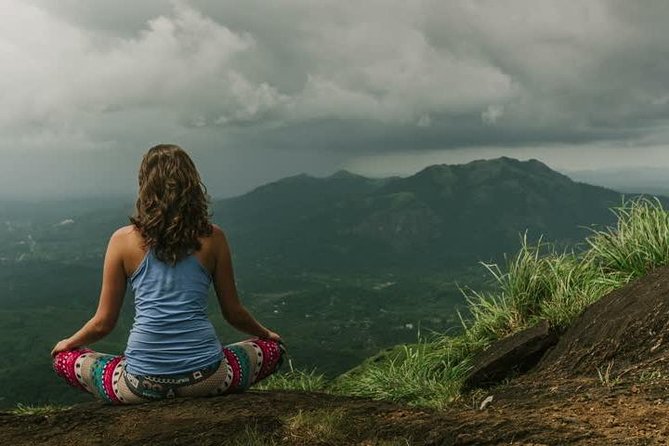
- Daily yoga and meditation built into the trek rhythm, not just a one-time class
- English-speaking yoga expert + tourist guide working together throughout the journey
- Tea house trekking in Annapurna with practical lodge stays along the route
- World Heritage Gurung village Ghandruk plus a culture program on demand
- Poon Hill sunrise and breakfast logistics planned as part of the hike
- Small group size (max 15 travelers) for a more manageable trekking pace
A Yoga-First Take on the Annapurna View Classic
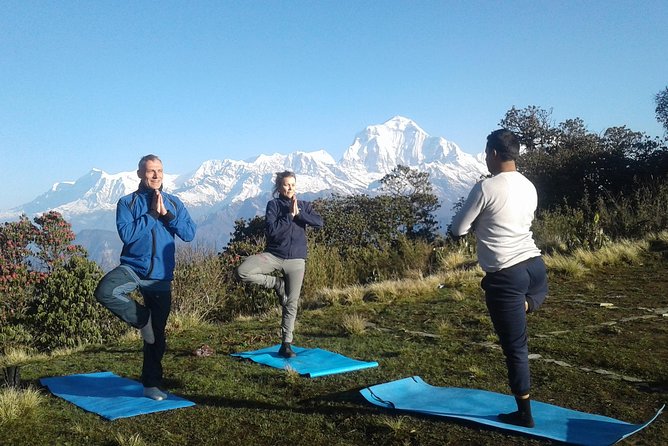
If your idea of trekking is mountains plus a way to steady your mind, this tour fits the bill. The Ghorepani Poon Hill route is famous for panoramic views, and the added yoga angle gives you a structure for mornings and evenings—stretch, breathe, refocus, then walk again.
What I like most is that the yoga isn’t separate from the trekking. The tour is designed around energy boosting yoga and meditation sessions, and it even includes time for you to learn about the benefits of yoga and how to apply it to staying healthy while you’re traveling.
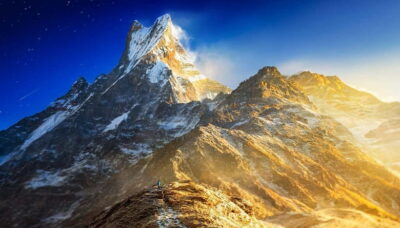
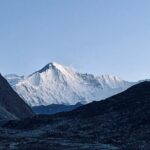
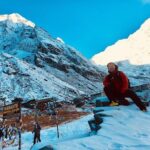
The Annapurna region part is still the main event. You’re moving through classic foothill villages and rhododendron forest into higher terrain around Ghorepani and the Poon Hill area. You’ll get the reward most people come for: that long look out over snow peaks in the early light.
You can also read our reviews of more tours and experiences in Kathmandu.
Price and Value: What $1,000 Covers (and What You’ll Pay Extra)
At $1,000 per person for about 10 days, this isn’t a bargain deal, but it also isn’t trying to sell you a “cheap trek” fantasy. You’re paying for a guided, organized package that includes key hard-to-handle items like permits paperwork, trekking logistics, and support staff.
Here’s where the value shows up:
- Airport transfers and ground transport (private pickup/drop in Kathmandu, plus tourist bus Kathmandu–Pokhara–Kathmandu)
- Accommodation support: a 3-star Kathmandu hotel with free breakfast, two nights in Pokhara, and lodge/tea house stays on trek
- Permits paperwork including TIMS and conservation entry permits
- English-speaking yoga expert tourist guide throughout the trek
- Included meals on trekking days (breakfast 8 times, lunch 5 times, dinner 5 times)
- Yoga mats provided (returned after the trek)
- Farewell dinner in a typical Nepali restaurant with a cultural dance show
What’s not included matters for your budgeting. Food in Kathmandu and Pokhara is not included, and that can surprise people because Nepal is affordable—until you’re suddenly paying every meal on top of the package price. Drinks are also not included, and the tour doesn’t cover travel insurance.
If you’re the type who likes to plan less and eat mostly on your own, this is still workable. Just assume you’ll spend extra in cities.
Kathmandu Arrival (Day 1): Thamel, Check-In, and a Real First Night
Day 1 is about getting oriented, not pushing into the mountains immediately. You’ll get pickup from Tribhuvan Airport, check in to your hotel, and have time to hang around Thamel—the main tourist area in Kathmandu.
You stay at a 3-star property (listed options include Thamel Eco Resort or Skyline Hotel) with free breakfast. This matters because it keeps your first night comfortable and lets you rest before the travel day into Pokhara.
One practical tip: treat this day as your gear-check day. Even if you’re not given a detailed checklist, you’ll be grateful to confirm you have what you need for layering, water, and early mornings.
Pokhara Transfer and Lakeside Break (Day 2, plus Two Nights Total)
On Day 2 you drive from Kathmandu to Pokhara, with a chance to watch the countryside change as you drop and move through green hills, valleys, and mountain views. Pokhara is often described as tourists’ paradise for a reason: it’s easier on the senses than Kathmandu and feels built for relaxing after travel.
You’ll get views around Phewa Taal and even see parts of the Annapurna and Dhaulagiri ranges depending on conditions. The tour also frames Pokhara as a cultural base, with lakes, caves, temples, and other sights to consider.
You then have two nights in Pokhara total included in the overall package. That’s a useful buffer. It lowers stress because you aren’t trying to trek immediately after arriving, and it gives you a chance to reset on food and sleep before the trail.
The Trek Gets Real: Nayapul to Tikhedhunga (Day 3)
The trek proper starts from Nayapul (around 1,050m) after a drive up from Pokhara. From there, you trek to Tikhedhunga via Birethanti, with a total walking day clocked at about 6 hours.
This stage is a “get your legs under you” day. It’s not the highest altitude day on the route, and it helps you adjust from vehicle time into hiking time. You’ll also see the trail gradually become more village-based and trekking-focused.
A consideration here is pace. With tours like this, it’s tempting to walk fast to get it over with. But you’ll enjoy the experience more if you keep your effort steady—especially because later days rise quickly.
Ulleri to Ghorepani: Rhododendron Country and Big Peak Views (Day 4)
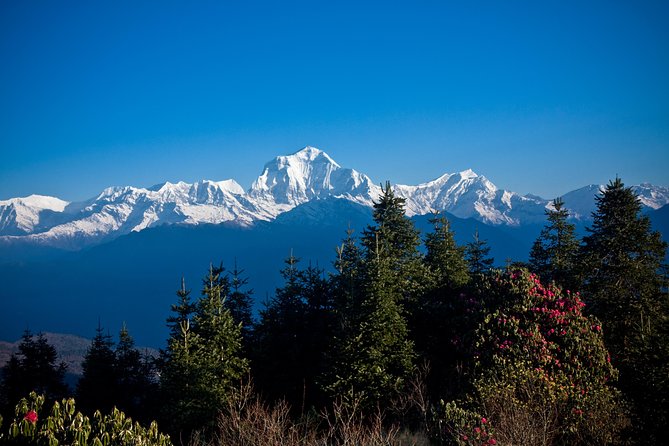
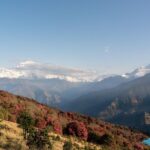
Day 4 is where the scenery starts feeling grand in a more constant way. You trek from Tikhedhunga up to Ghorepani (about 2,675m), passing through Ulleri and Banthanti, plus Magar villages.
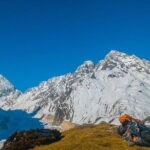
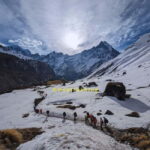
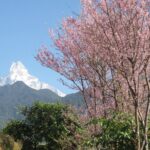
The description highlights views of Machhapuchhre, Huinchuli, and Annapurna South. This is a common pattern in the Annapurna region: once you gain altitude, your angles change and the peaks look closer, sharper, and more dramatic.
This day is about working uphill while still being able to appreciate the view when the trail opens. It’s also a key acclimatization step—Ghorepani sits high enough to set you up for the next day’s early-morning climb toward Poon Hill.
If you’re thinking about how to prepare physically, this is the day you should mentally model. You don’t need to be a marathon hiker, but you do need steady stamina.
Poon Hill Sunrise and Tadapani Forest Trek (Day 5)
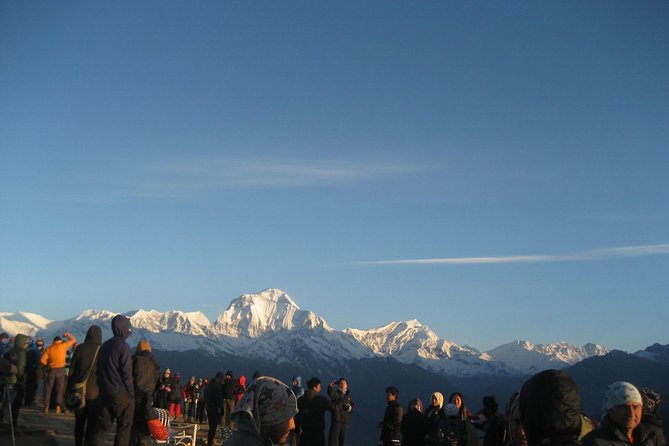
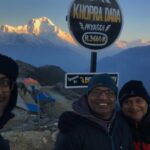
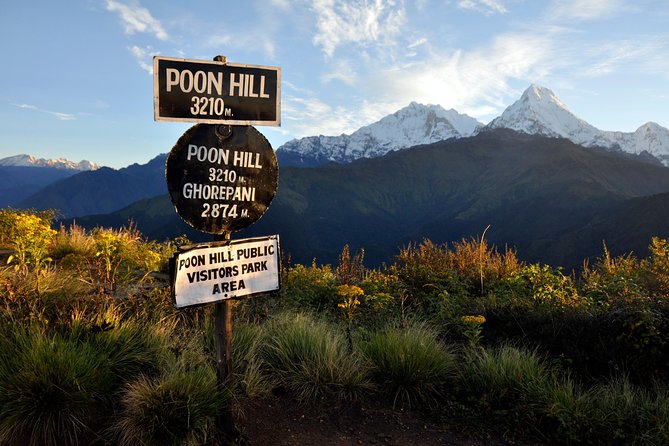
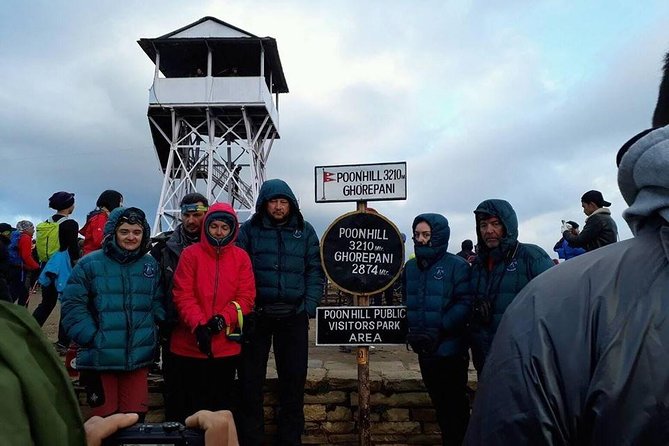
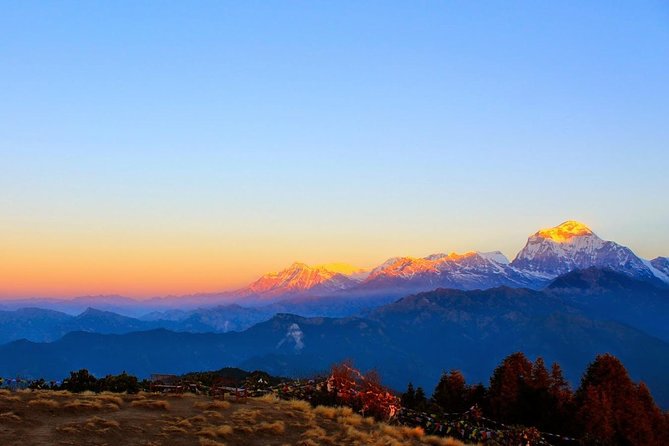
Day 5 is the centerpiece for many people. It starts with early morning travel to Poon Hill (3,180m) for sunrise, followed by breakfast at Ghorepani and then onward to Tadapani (around 2,675m).
The tour’s sunrise description is packed with peak names you might spot or at least learn to recognize:
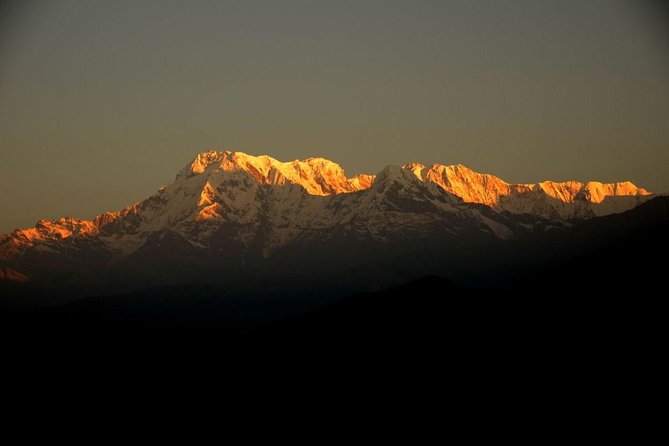
Dhaulagiri, Tukuche Peak, Nilgiri, Varaha Shikhar, Annapurna I and II and III and IV, Annapurna South, Machhapuchhre, Lamjung Himal, and many other snow-capped summits. Even if the names don’t click right away, the act of learning them is part of the fun—your guide’s job is to help you make sense of what you’re looking at.
After breakfast, the trek to Tadapani runs through deep forests of rhododendrons, bamboos, and oaks. This contrast—sunrise ridgeline views, then lush forest walking—keeps the day from feeling one-note.
If you’re sensitive to early wake-ups, consider how you’ll handle it. Sunrise trekking usually means you’ll start before you feel fully human. Bring layers you can manage quickly, and use the yoga sessions in the evening to help your body recover.
Ghandruk: The Easiest Trek Day with the Best Village Payoff (Day 6)
Day 6 moves from Tadapani to Ghandruk (around 1,950m). It’s described as comparatively the easiest trek day of the route, with a walking time of about 6 hours.
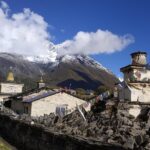
The route goes through rhododendron and oak forests and offers bird-life along the way, making it a pleasant day for people who like softer walking compared to steep climbs. It also adds a cultural layer: Ghandruk is a big Gurung village with a handicraft center and a Gurung museum.
Even better, the village is listed in a World Heritage Site. That matters because it signals the area is preserved and meaningful, not just a tourist stop with a few viewpoints.
In the evening, a typical Gurung cultural program may be organized on demand. This is one of those “small but memorable” inclusions. It doesn’t have to be your thing, but if you enjoy local performance and storytelling, you’ll likely appreciate it.
Downhill to Nayapul and Back to Pokhara (Day 7)
Day 7 is a major shift: you trek from Ghandruk to Nayapul (about 1,990m), with the trail descending gently through Pothana village. Then you drive back to Pokhara.
Descending can feel easier than uphill, but it can also stress your knees. If you choose your trekking rhythm well—short steps, good foot placement, and steady breaks—you’ll enjoy this day more than if you rush it.
The tour keeps this day structured so you get to Pokhara by afternoon or evening, depending on pace and conditions. That’s a good thing because it sets up a relaxed Day 8.
Pokhara Sightseeing Day (Day 8): Davis Falls, Caves, World Peace Pagoda, or Rest
Day 8 is your choose-your-own-feeling day. The planned sightseeing options include Davis Falls, a cave, and the World Peace Pagoda. If you’d rather recharge, the tour also allows for rest in Pokhara.
This flexibility is smart. After days of trekking and early mornings, you don’t always want more movement. Pokhara gives you a decent mix: enough sights to feel like you did something, plus downtime that keeps you from burning out.
Return to Kathmandu (Day 9) and Final Day in Thamel (Day 10)
Day 9 is a tourist bus drive from Pokhara to Kathmandu (about 7 hours). Day 10 keeps things easy: breakfast, then free time for last shopping or rest, followed by drop-off at the airport by private vehicle.
Those two days matter because they close the loop. You’ll have a buffer for packing, buying small Nepali souvenirs, and handling anything you need before departure. Thamel is convenient for this, and it’s part of why the tour anchors you there at the start and end.
Yoga and Meditation on a Trek: Why It Works Here
Yoga on a mountain trek isn’t just a nice add-on. It’s a practical way to help you manage discomfort, stiff legs, and the mental churn that can happen when you’re tired.
This tour runs energy boosting yoga and meditation sessions, with an English-speaking yoga expert tourist guide throughout the trek. The guide’s role isn’t limited to leading poses. The plan also includes teaching you about the benefits of yoga and helping you understand how to make yourself healthier.
Even if you’re not a long-time yoga student, the value is in the routine. You get a consistent outlet for breathwork and gentle stretching that can help you feel less “stuck” after walking.
And because the yoga teacher is also a guide, you’re less likely to feel lost. You don’t have to coordinate timing between a trek guide and a separate yoga instructor. The plan is coordinated around your movement schedule.
Where Each Day Leaves You: Pace, Altitude, and Real Expectations
To judge if this trek matches your comfort level, look at the rhythm:
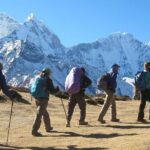
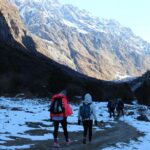
- Most trekking days sit around 6 hours, which is active but not extreme for a guided route.
- You’re climbing to Ghorepani and then pushing higher for Poon Hill sunrise.
- Day 6 is framed as comparatively easier, giving you a softer landing in Ghandruk.
- Pokhara and Kathmandu days are mostly transportation and sightseeing, with some flexibility for rest.
Altitude is the main thing to respect. You’re moving from roughly 1,050m at Nayapul up to 2,675m at Ghorepani and Tadapani, and then up to about 3,180m for Poon Hill. Even if the hike itself isn’t technically hard, breath and fatigue can hit differently at higher elevations.
If you’re used to exercising regularly, this still won’t be a “walk in the park.” But it also isn’t the kind of expedition where you need mountaineering experience. It’s a trekking experience with yoga support.
Who Should Book This Trek (and Who Might Think Twice)
This tour is a strong match if you:
- want a classic Annapurna trek with a structured yoga + meditation focus
- like the idea of learning peak names and mountain viewpoints from an English-speaking guide
- prefer guided logistics: permits, transports, and lodge stays arranged for you
- enjoy cultural stops like Ghandruk’s Gurung museum and handicraft center
You might think twice if you:
- hate early mornings. Poon Hill sunrise requires an early start, and you’ll do better if you accept that up front.
- want fully free meal planning in Kathmandu and Pokhara. Those meals aren’t included, and drinks aren’t included either.
- need a fully private trek experience. It’s capped at 15 travelers, so you’re traveling as part of a small group.
Should You Book the Ghorepani Poon Hill Yoga Trek?
My honest take: if you want the Annapurna views and you care about how your body feels while you hike, this tour makes sense. The biggest strengths are the guided yoga component, the coordinated pacing across 10 days, and the way the route connects viewpoints (especially Poon Hill) to village life in places like Ghandruk.
Book it if you’re excited by the sunrise moment and you’ll appreciate a guide who can explain what you’re seeing. Skip it or choose a different style if you’re hoping for a lazy itinerary, because even the “easier” trek day still involves real walking and altitude changes.
If your goal is a memorable mix of mountains, mindful movement, and clear logistics, this one is worth serious consideration. Just plan your early mornings, pack for changing weather, and budget a little extra for meals and drinks in Kathmandu and Pokhara.
FAQ
Where is the start point and when does the tour begin?
The start point is Tribhuvan Airport in Kathmandu, Nepal, with a listed start time of 7:15 am.
Is airport pickup and drop-off included?
Yes. The tour includes airport pickup and drop-off by private vehicle/land transport.
How long is the experience and what days do you trek?
It runs for approximately 10 days, with trekking days that include routes from Nayapul to Tikhedhunga, to Ghorepani, onward to Poon Hill and Tadapani, then to Ghandruk, and finally back down to Nayapul.
Do you get yoga and meditation sessions during the trek?
Yes. The tour includes an English-speaking yoga expert tourist guide throughout the trek, with energy boosting yoga and meditation sessions.
Are yoga mats provided?
Yes. Yoga mats are provided with the note that they’re returned after the trek.
What kind of lodging is included each night?
In Kathmandu you stay at a 3-star hotel (listed options include Thamel Eco Resort or Skyline Hotel) with free breakfast. In Pokhara, two nights of standard accommodation are included. During the trek, you stay in lodges/tea houses.
Are meals and travel insurance included?
Breakfast, lunch, and dinner are included on trekking days as listed (breakfast 8, lunch 5, dinner 5). Food in Kathmandu and Pokhara is not included, and travel insurance is also not included.