REVIEW · SICILY
Trekking 3000 from Etna Sud with Alpine Guide
Book on Viator →Operated by Gruppo Guide Etna Nord · Bookable on Viator
Etna at the right altitude is pure wow. This trek from Etna Sud is a guide-led walk through recent volcanic terrain, starting with a cable car ride and ending back at Sapienza. I love the small-group feel (up to 12) and the alpine-volcanology guidance that helps you read what you’re standing on instead of just taking photos. One thing to consider: the price covers the guide service only, and you’ll pay for the cable car ticket on site.
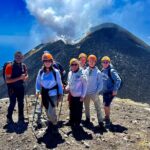
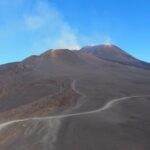
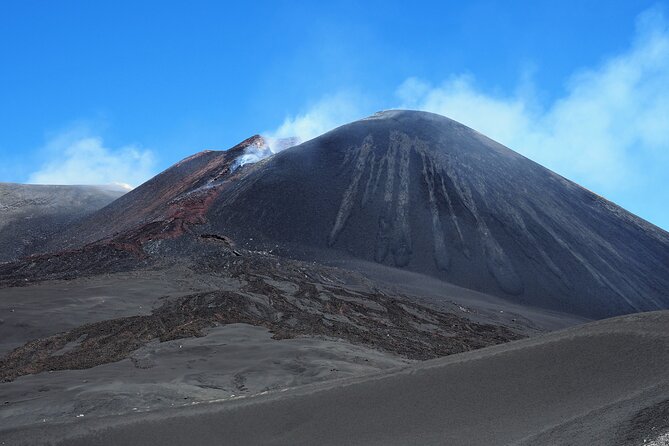
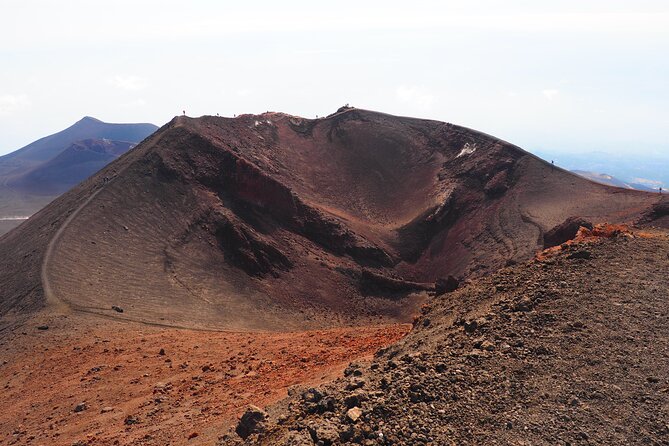
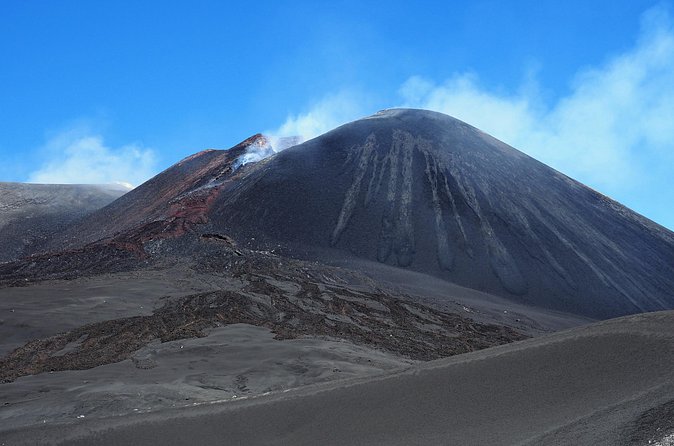
You start at the G. Sapienza–Etna Sud Refuge area at 1900 m, then climb by cable car to about 2500 m before the hiking begins. From there, you’ll work your way through eruptive cones from the 2001/2002 period, skirt the wall of the Valle del Bove, and reach Torre del Filosofo (Barbagallo Craters) for big views of the summit craters and the recent 2021 activity. The whole excursion runs about 5 hours and returns by cable car.
Since you’re on volcanic rock at altitude, bring more than just good shoes. Even in warmer months, conditions can feel cold and sharp—some hikers note hail, snow, and fog—so plan for warm layers and a steady pace.
In This Review
- Key Highlights You’ll Care About
- Etna Sud Trek, 2500 m Start: What 5 Hours Feels Like
- Getting There: Sapienza Refuge to Eruptive Cones
- Valle del Bove Wall: Where the Volcanology Gets Real
- Lava Flow Channel Stop: The Science You Can Step On
- Torre del Filosofo and Barbagallo Craters: Views of 2021
- Price and Logistics: Is It Worth $60.15?
- Gear You Actually Need (Plus What’s Included)
- When You’ll Notice the Guides Matter Most
- Who Should Book This Etna Sud Trek (and Who Should Skip It)
- Should You Book This Trek?
- FAQ
- How long is the Mount Etna trek from Etna Sud?
- What’s included in the tour price?
- Are food and drinks included?
- How much are the cable car tickets and when do I pay?
- What fitness level do I need?
- What weather requirements should I plan for?
Key Highlights You’ll Care About
- Cable car sets you up at 2500 m, so your hike focuses on the volcanic terrain, not just altitude grinding.
- Eruptive cones from 2001/2002 plus a walk near the Valle del Bove wall gives you real structure to the story of Etna.
- A lava flow channel stop helps you understand how eruptions shape the ground you’re stepping on.
- Torre del Filosofo viewpoint is built for seeing the active summit craters and the 2021 eruption area.
- Helmet and trekking poles included, which is a practical boost on rocky, uneven footing.
- Guides get praise for adapting, including managing different paces and staying calm when conditions change.
Etna Sud Trek, 2500 m Start: What 5 Hours Feels Like
This is not a casual stroll, but it’s also not a technical climbing day. You’ll be hiking on uneven volcanic surfaces where traction matters and where your step-by-step rhythm counts. The good news: because you begin with a cable car jump to around 2500 m, the day is designed so you get a satisfying time on the ground without spending all day just getting higher.
Expect a steady “follow the guide, watch your footing, listen for the science” rhythm. The guide’s job isn’t only safety—it’s also helping you connect what you see (cones, channels, crater areas) to why it happened. That makes the trek more rewarding than just moving from view to view.
The pacing is meant to stay reasonable for a moderate fitness level. This is why the tour is feasible from age 7 upward, but still requires you to be comfortable walking for hours on rocky terrain. If you’re the type who likes predictable effort, this will likely work for you.
You can also read our reviews of more tours and experiences in Sicily.
Getting There: Sapienza Refuge to Eruptive Cones
You meet at Piazzale Rifugio Sapienza in Nicolosi (start time is 8:30 am). The meeting spot sits at about 1900 m altitude, which already places you in Etna’s “in-between weather” zone—cooler than the coast, and often changing.
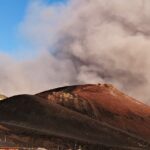
After you complete booking acceptance and verification, your guide leads you to the Etna cable car. Once you reach about 2500 m, the walking begins through eruptive cones from 2001/2002. These cones aren’t just scenery; they’re a big part of Etna’s layered history, and the guide’s volcanology focus helps you understand how different eruption phases leave different shapes behind.
A practical tip: at this altitude, you’ll feel changes faster than you expect. Keep your layers easy to manage. You’re hiking, so you may warm up, then cool down again when the group pauses for explanations or photo stops.
Valle del Bove Wall: Where the Volcanology Gets Real
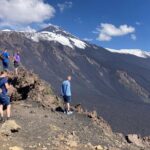
One of the most interesting parts of this trek is how it approaches the Valle del Bove. You’ll skirt the wall of the valley, which means your hike takes you along terrain where the volcanic structure is visible in a big, readable way.
This is where the tour becomes more than a walk. You’re seeing the scale of Etna’s behavior—how collapse, flow paths, and eruption remnants create a landscape of forms rather than one flat, uniform surface. If you like understanding the “why” behind what you’re looking at, the guide’s explanations matter here.
Also, because you’re traveling along uneven volcanic ground near a steep drop, balance and careful foot placement are key. Trekking poles (included) help with stability, especially when the surface is rough or slanted. You don’t need fear—just focus.
Lava Flow Channel Stop: The Science You Can Step On
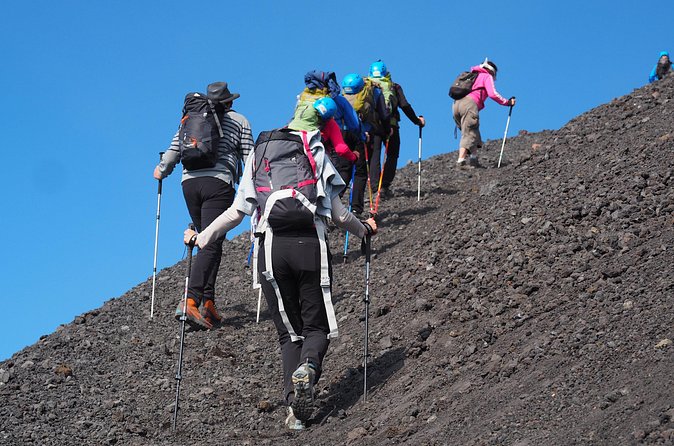
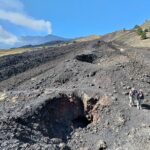
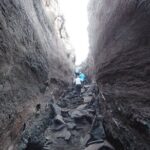
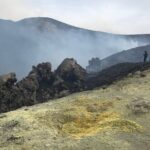
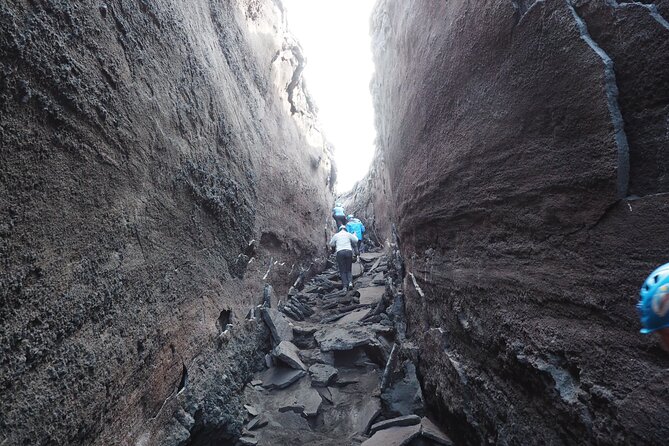
At some point during the trek, you’ll visit a lava flow channel. This is the kind of stop that makes people suddenly see Etna differently. Lava channels show how flows moved, where they slowed, and how they carved paths across previous ground.
It’s also a good moment for the guide to translate the visuals into simple terms you can remember later. Think of it as geology you can touch—textures, shapes, and the directionality of features.
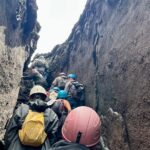
From a comfort standpoint, lava rock can range from firm and walkable to looser, more unstable sections. The included helmet is a reminder that you’re in an active, rockfall-prone environment—so keep your head up when you move and stay aware of where others are stepping. Your job is to follow the guide and keep a safe, steady distance.
Torre del Filosofo and Barbagallo Craters: Views of 2021
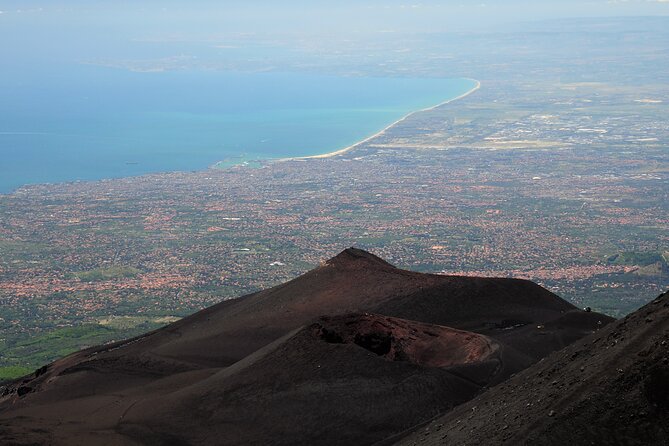
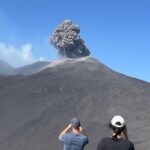
The hike ends with a reach to the Torre del Filosofo area, in the Barbagallo Craters zone. This is the payoff point where you shift from “walking through features” to “looking at the active system” and the wider summit craters.
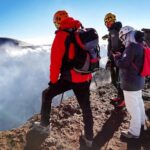
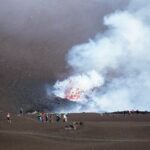
From here, you can admire the recent eruptions of 2021 and take in the breathtaking view over the Summit Craters. It’s the kind of viewpoint that turns into a memory because it’s both dramatic and grounded in explanation. The guide helps you connect what you’re seeing now with what Etna has done recently.
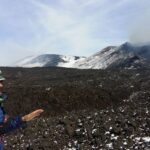
Weather can play tricks at the top. Even when June feels warm at sea level, some hikers report cold surprises like hail, snow, and fog. So bring warm layers even if you start the morning feeling optimistic. A hat or gloves can make a big difference on windy, high-altitude breaks.
Finally, the return is scheduled by cable car, so you don’t need to plan a long descent on foot. Your legs will thank you.
Price and Logistics: Is It Worth $60.15?
The headline price is about $60.15 per person, and that fee covers the guide service only. The cable car tickets are not included, and you pay for them on site (listed as €50). That split is important for judging value.
Here’s how I think about it: you’re paying for expertise and for the on-the-ground safety system of a proper alpine/volcanological guide. You also get trekking poles and a helmet, which are real cost-savers if you don’t already own them. The cable car is a separate experience layer—but it’s also what makes the hike efficient, since it places you at about 2500 m before trekking.
So yes, it’s good value if you want a structured, meaningful Etna day and not just a self-guided walk. If you plan to bring your own gear and want maximum flexibility, you might compare options—but this one is set up for people who want the science and safety packaged together.
The group limit of 12 also helps value. Smaller groups generally mean less waiting and more time getting answers.
Gear You Actually Need (Plus What’s Included)
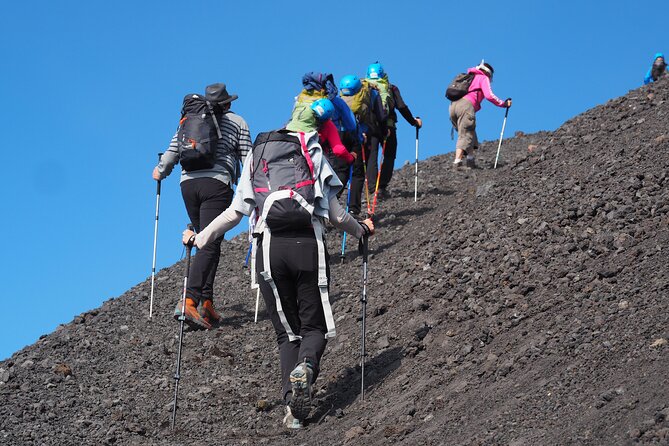
You’ll receive trekking poles and a helmet as part of the experience. That’s a practical win because volcanic routes are uneven, and poles reduce strain on knees and ankles.
What you must bring yourself:
- trekking shoes and clothing suitable for hiking (not included)
- food and beverages (not included)
- warm layers (not guaranteed by the tour, but conditions can be cold)
My rule for Etna hikes is simple: dress for wind and temperature swings, not for the sunny forecast you see before leaving your hotel. Even short hikes can feel sharp at altitude, especially when the group pauses for photos and explanations.
Also, wear footwear with good grip. Volcanic rock doesn’t always behave like trail gravel. And if you run cold easily, plan on gloves and something warm for your upper body.
When You’ll Notice the Guides Matter Most
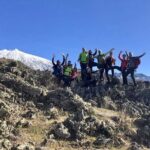
Guides are the difference between seeing Etna and understanding it. In this tour style, you’ll likely feel that right away because the guide keeps the group moving safely while also explaining what you’re passing.
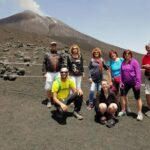
You might meet guides like Michele, Biagio, Peppe, or Fabrizio. Names pop up in accounts of how well they manage mixed groups, set pace, and keep people feeling confident. One theme: guides don’t just talk facts. They adjust the rhythm when someone needs it. That can matter a lot if your group includes kids, teens, or anyone who gets anxious on uneven footing.
If you’re traveling with family, you’ll also appreciate the way guides keep things organized and clear. Some accounts specifically mention families and how the guide handled pacing for different comfort levels, including careful support on tricky sections.
And yes, the guide’s explanations can be funny and human, not just textbook. That makes the technical parts of volcanology feel usable, not intimidating.
Who Should Book This Etna Sud Trek (and Who Should Skip It)
This trek is a great fit if you:
- want a guide-led Etna day focused on volcanic features, not just a viewpoint
- enjoy structured hikes with frequent stops for explanation
- have moderate hiking ability and are comfortable on rocky terrain
- prefer small groups (maximum 12)
It may be less ideal if you:
- can’t handle uneven ground for several hours
- get nervous with heights or steep drop-offs (since the route skirts the Valle del Bove wall)
- don’t want to layer up for cold, windy conditions at altitude
It’s suitable from age 7, which suggests the route is designed to be realistic for families—but it’s still a hiking day. For kids, plan for patience and comfort with walking over volcanic rock.
Should You Book This Trek?
If your goal is to understand Etna without turning the day into a logistics headache, I think this is a strong pick. The itinerary is built around identifiable volcanic landmarks—eruptive cones, a lava flow channel, and the Torre del Filosofo viewpoint—so your hike feels purposeful. Add in helmet and poles, plus a volcanology-focused guide, and you get an experience that’s more than just moving through scenery.
Book it if you’re comfortable hiking on rough ground and you’ll pack warm layers. Skip it if you’re looking for an easy, flat walk or you dislike cold-weather surprises at altitude.
If you do book, arrive ready to start on time at Piazzale Rifugio Sapienza, bring your own snacks and drinks, and treat the cable car ticket as part of the total plan. Then you’ll be set for one of Etna’s most informative ways to spend a morning.
FAQ
How long is the Mount Etna trek from Etna Sud?
The excursion lasts about 5 hours, and the return is scheduled by cable car.
What’s included in the tour price?
The price covers the alpine/volcanological guide service. Trekking poles and a helmet are included.
Are food and drinks included?
No. Food and beverages are not included, so you’ll want to bring what you need for the hike.
How much are the cable car tickets and when do I pay?
Cable car tickets are not included in the tour price. You pay on site (listed as €50.00) before departure.
What fitness level do I need?
The excursion is for travelers with a moderate physical fitness level.
What weather requirements should I plan for?
This experience requires good weather. If it’s canceled due to poor weather, you’ll be offered a different date or a full refund.