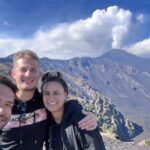
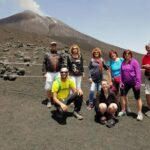
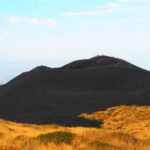
Etna turns hiking into a science lesson. On this small-group trek up the south side, you’re guided by a volcanological expert while the terrain changes from foothills to crater country. You’ll get close to active volcanic features and learn what you’re seeing as you go.
I love the way the route mixes panoramas with real geology talk—craters, viewpoints, and lava formations all connected in one flow. The other big win is the guide quality: you may meet volcanological guides like Claudio and Arturo, known for clear, friendly explanations that keep the pace feeling manageable.
One thing to plan for: the cable car (Funivia dell’Etna) is not included, and the whole experience depends on good weather.
In This Review
- Key Things to Know Before You Go
- South-Side Etna: What You’re Really Signing Up For
- Starting at La Terrazza Dell’Etna: The First Walk to the Craters
- Funivia Dell’Etna to 2,500 Meters: Why the Cable Car Is Part of the Fun
- Craters Silvestri of Mount Etna: Small Steps, Big Volcanic Energy
- Crateri Barbagallo: The Panoramic Stop That Makes the Summit Feel Close
- Lava Flow Tunnel and the Science of How These Caverns Form
- Valle del Bove: Learning the Volcano’s Evolution From One View
- Funivia Back Down: Finishing the Day with a Clean Exit
- Price and Value: Is $59.15 a Good Deal?
- Timing, Weather, and the Small-Group Reality
- Who Should Book This Etna Trek (and Who Might Skip It)?
- Should You Book This Etna High-Altitude Trek?
- FAQ
- How long is the Etna trekking tour?
- Where does the tour start and end?
- What’s included in the price?
- What is not included?
- How high do we go by cable car?
- What language is the tour offered in?
- What’s the group size?
- Is there a minimum age?
- What fitness level do I need?
- What happens if weather is bad?
Key Things to Know Before You Go
- South-side focus, high-altitude views: you climb up to about 2,500 meters by cable car.
- Craters + guided explanation: you don’t just look at volcanic features—you learn how they form.
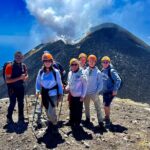
- Helmet included: you’ll hike with protective headgear provided for the trek portion.
- Funivia ticket is extra: you’ll pay for the cable car separately at some point.
- Small group, max 15: easier to hear the guide and stay together on uneven terrain.
- Moderate fitness needed: the hike is doable, but it’s still an altitude day on Etna.
South-Side Etna: What You’re Really Signing Up For
This is a practical, no-nonsense Etna trek built for people who want more than a quick lookout. You’re going after the kind of volcano experience that feels physical—walking toward craters, standing in the middle of volcanic terrain, then looking out from high points while your guide connects the dots.
You start in Nicolosi (meeting at La Terrazza Dell’EtnaEtna Sud, Piazza Vittorio Emanuele) and stay mostly on Etna’s south side. That matters. The south side route gives you big visibility over the Gulf of Catania and a strong sense of the volcano’s structure, without making the day feel like a marathon.
The small-group size (up to 15) is more than a comfort perk. In crater areas and along viewpoints, you want to be able to keep your eyes on the guide as much as on the ground. With fewer people, questions get answered, and you’re less likely to get lost when the terrain turns “out of this world.”
You can also read our reviews of more tours and experiences in Sicily.
Starting at La Terrazza Dell’Etna: The First Walk to the Craters
The tour begins at La Terrazza Dell’EtnaEtna Sud in Piazza Vittorio Emanuele (Nicolosi). From there, the group moves on foot toward the cable car departure area. Expect a short, easy start—about 15 minutes of walking—then you shift into the main altitude push.
This opening section helps you get oriented fast: you’ll see how the day’s pacing works and get the rhythm of staying together on volcanic paths. If you’re the type who hates feeling rushed, this is a nice setup. You’re not immediately dropped into steep terrain.
Also, you’ll want to be ready for the feeling of altitude even before you reach the top. Etna can feel deceptively changeable in temperature as you go higher, so I recommend layering from the start rather than waiting until you’re already up there.
Funivia Dell’Etna to 2,500 Meters: Why the Cable Car Is Part of the Fun
Next comes the big jump: you take the Funivia dell’Etna to climb to about 2,500 meters. You’ll have around 30 minutes to settle in at altitude and soak up the views—especially over the Gulf of Catania and the broader southern side of Etna.
Two practical notes here:
- The Funivia ticket is not included, so budget extra for the cable car on top of the tour price.
- Since you’re going up by cable car, your hiking portion starts with a higher baseline altitude. That can make even short segments feel harder.
The payoff is worth it. You’re not just climbing for climbing’s sake—you’re reaching a viewpoint zone where the volcano’s shapes start to make sense. When you later stand near crater areas, the geography feels readable instead of random.
Craters Silvestri of Mount Etna: Small Steps, Big Volcanic Energy
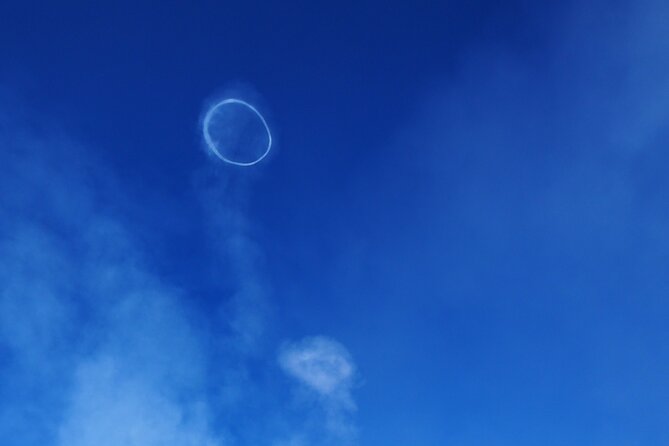
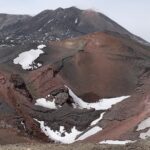
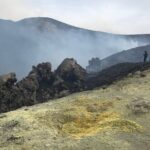
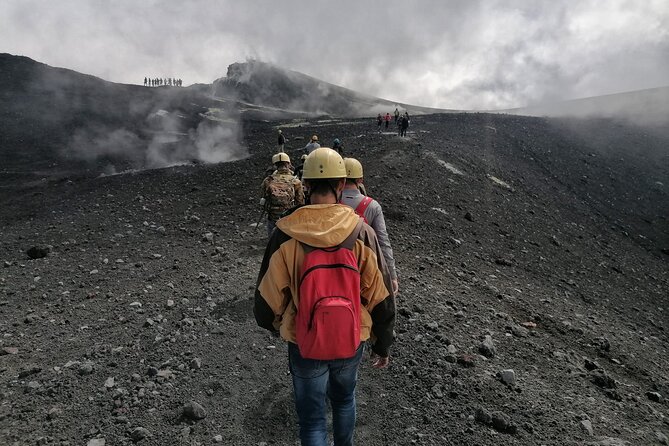
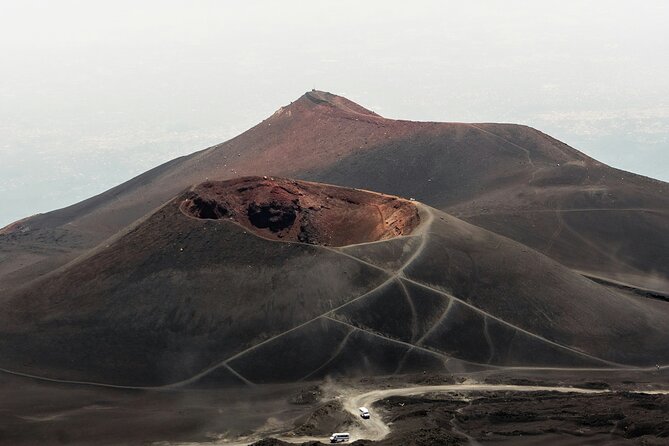
After reaching the departure point, you transition toward the crater areas—starting with Craters Silvestri of Mount Etna. Even the first crater stop is short, but it sets the tone: the terrain looks almost lunar, and the guide’s job is to translate that visual chaos into something you can understand.
Here’s what I like about starting with Silvestri: it acts like a warm-up for the later crater time. You’ll notice details like volcanic textures and changes in the ground that you might otherwise miss if your first crater stop was the biggest one on the route.
This is also where you’ll get a real sense of why helmets are included. Volcanic terrain can involve rocky steps and uneven ground. The helmet isn’t there to scare you—it’s there because safety matters when you’re walking close to volcanic features.
Crateri Barbagallo: The Panoramic Stop That Makes the Summit Feel Close
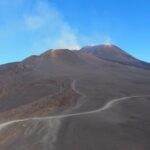
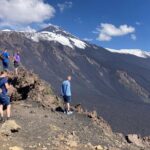
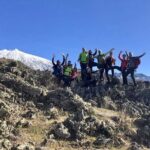
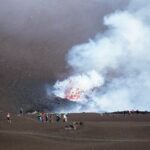
The longest stop comes next: Crateri Barbagallo, around 2 hours. This is your main crater-and-history block. The guide brings you to a panoramic point where you can watch for details in the summit craters and understand volcanic activity and recent lava flows.
Two reasons this is a standout part of the tour:
- You get time to really look. Two hours at a crater viewpoint is enough to switch from basic wonder to true observation—spotting how features connect and how different volcanic deposits behave.
- The guide’s explanations give structure. Without that, crater country can feel like a pile of dramatic rocks. With guidance, it starts to feel like a system with cause-and-effect.
There’s also something mentally satisfying about this stop. It’s one of those “I get it now” moments, when you realize the volcano isn’t just erupting here and there. It’s building and reshaping a place over time.
Possible drawback: this stop is longer, which means you’ll want to be comfortable standing around at altitude. If you’re sensitive to heights or you tire quickly, pace yourself, take short breaks, and drink water steadily.
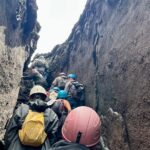
Lava Flow Tunnel and the Science of How These Caverns Form
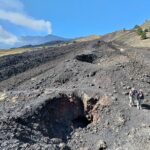
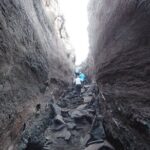
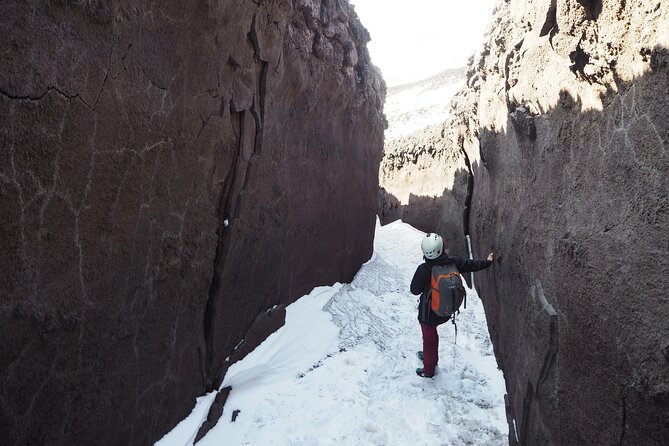
Then you move to Mount Etna with a visit to a lava flow tunnel, plus an explanation of the processes that create these tunnels. This is the stop that turns the day from sightseeing into “how does nature build rooms?” mode.
The value here is that you learn the logic behind what you’re seeing. Lava tunnels form when lava flows and then cools or drains in a way that leaves a hollow path. Your guide walks you through the steps of that process so the tunnel stops being just a dramatic hole in the rock and becomes evidence of how Etna changes over time.
If you like science, this is where the tour feels especially rewarding. If you don’t, it’s still a memorable change of pace—something physical and tactile compared to the open crater viewpoints.
Practical tip: tunnels often feel cooler and can be dimmer than outside. Wear the layers you can adjust quickly, and keep your energy for the walking parts inside and around the tunnel area.
Valle del Bove: Learning the Volcano’s Evolution From One View
After the lava tunnel, you head to Valle del Bove for about 1 hour. This stop is less about close-up crater action and more about reading the volcano’s bigger story from above.
The guide helps you appreciate the view and learn about the evolutionary history of the volcano. That phrasing matters because it changes how you look. Instead of only hunting for the most dramatic “wow” feature, you learn to connect valleys, formations, and volcanic growth patterns into one evolving landscape (literal ground, not just scenery).
I like this kind of stop because it softens the intensity of the crater zones. You’ve been walking among sharp, dramatic volcanic shapes; now you get a wider lens. Even if you only catch part of the explanation, the view usually makes the lesson stick.
Funivia Back Down: Finishing the Day with a Clean Exit
You return by cable car, taking about 30 minutes, ending back at the meeting point. This makes the finish easier than if you had to hike down all the way. It’s a smart way to keep the day from turning into an “all legs, no learning” experience.
If you’re planning the rest of your day, this helps. You can usually handle an early dinner afterward without needing a long recovery.
Price and Value: Is $59.15 a Good Deal?
At $59.15 per person, this trek can be good value—if you price it against what you get in the day’s structure. You’re paying for a volcanological guide, helmets, and insurance included in the tour package.
What can raise the real cost:
- Public transportation is not included (listed at €52.00 per person).
- Funivia Dell’Etna tickets are not included (you’ll need to pay for the cable car).
So my take is this: it’s a solid deal for the guided, high-altitude portion, especially because you’re not dealing with a huge crowd. But if you already have easy access to Nicolosi (and you’re good at arranging local transport), the tour cost stays simple. If you rely on paid transport and also need the cable car, your total day budget will be higher than the headline price.
Also, with tour length around 5 to 6 hours, you’re buying a full, focused block on Etna. That’s often where the value is: you’re not commuting for hours just to get a quick look.
Timing, Weather, and the Small-Group Reality
This activity runs during a seasonal window listed from 04/06/2026 to 10/10/2026, and daily hours shown as 10:00 AM to 3:30 PM. You’ll get confirmation at booking time, which is helpful because the exact plan can shift with weather.
Weather is not a small detail here. The tour requires good weather, so if conditions aren’t right, it may be moved or refunded. That’s normal on Etna, where visibility and safety matter.
Because the group is capped at 15, you’ll generally get a smoother experience than on big buses. But you still need to follow guide instructions closely—volcanic ground is uneven, and the day’s flow depends on everyone staying together.
Who Should Book This Etna Trek (and Who Might Skip It)?
This tour fits best if you:
- Want a guided, volcanology-focused Etna experience, not just a view
- Like walking but still prefer a structured day (you’re not responsible for building the route)
- Are comfortable with moderate physical fitness needs and altitude conditions
- Travel with a group size that benefits from being small (max 15)
It may not fit as well if you:
- Struggle with standing or walking on uneven ground
- Prefer a fully low-effort experience
- Need a super flexible day with zero chance of weather-based changes
Minimum age is 10 years, so families can consider it if the kids can handle the pace and altitude.
Should You Book This Etna High-Altitude Trek?
If you’re choosing between a quick Etna stop and a real guided day, I’d lean toward booking this. The combination is hard to beat: cable car to 2,500 meters, a serious crater viewpoint, a lava tunnel visit, and Valle del Bove in one organized flow—plus helmets and a volcanological guide who helps you understand what you’re seeing.
The main reasons to hesitate are budget and timing: the Funivia ticket is extra, and the schedule depends on weather. If you’re traveling in peak season and want a guaranteed window, pick your day carefully.
FAQ
How long is the Etna trekking tour?
It runs about 5 to 6 hours.
Where does the tour start and end?
It starts at La Terrazza Dell’EtnaEtna Sud, Piazza Vittorio Emanuele, 95030 Nicolosi CT, Italy, and ends back at the same meeting point.
What’s included in the price?
The tour includes a volcanological guide, helmets, and insurance.
What is not included?
Public transportation is not included (listed at €52.00 per person), and the Funivia Dell’Etna cable car tickets are not included.
How high do we go by cable car?
You climb to about 2,500 meters by Funivia dell’Etna.
What language is the tour offered in?
The tour is offered in English.
What’s the group size?
The tour is for a maximum of 15 travelers.
Is there a minimum age?
Yes, the minimum age is 10 years.
What fitness level do I need?
You should have a moderate physical fitness level.
What happens if weather is bad?
The experience requires good weather. If it’s canceled due to poor weather, you’ll be offered a different date or a full refund. You can cancel for a full refund up to 24 hours before the experience starts.