REVIEW · PISANG
Annapurna Circuit Trek With Tilicho Lake :Best Trek in Nepal
Book on GetYourGuide →Operated by Trek and Adventure Nepal Pvt. Ltd · Bookable on GetYourGuide
If you want big Himalayan views and real mountain culture, this trek hits the sweet spot. You’ll work your way through changing terrain, from river valleys and terraced villages to high, cold country, with Tilicho Lake (about 4,910m) and the Thorong La Pass (5,416m) as the headline moments.
What I like most is the way the route gives you a gradual build to altitude (with acclimatization built in), then rewards you with serious scenery. I also like that you get cultural touchpoints like Manang’s Tibetan-influenced life and the pilgrimage atmosphere of Muktinath, not just endless walking.
One consideration: this is not an easy stroll. Even with acclimatization, it’s a moderate to high fitness trek, and weather can shift fast—so you need to plan for cold wind, possible snow, and a slower pace when your body asks for it.
In This Review
- Key things that make this trek worth planning for
- Annapurna Circuit + Tilicho Lake: why this route draws serious hikers
- Fitness reality check (and who this trek suits)
- Getting started in Nepal: Thamel to Besisahar to Dharapani
- Village days along the Marsyangdi River: easing into altitude and culture
- Tilicho Base Camp and the climb to the lake
- Ledar to Thorong High Camp: positioning for the big crossing
- Thorong La Pass and Muktinath: from high drama to holy calm
- Tatopani and the road back: a hot-springs breather
- Value and price: what $604 covers and what you still manage
- Packing and planning: what prevents suffering on Annapurna
- Guides can make or break the experience
- Should you book the Annapurna Circuit with Tilicho Lake?
- FAQ
- How long is the trek?
- Where does the trip start and end?
- What permits and cards are included?
- Are meals included during the trek?
- What is the maximum group size?
- Is travel insurance included?
Key things that make this trek worth planning for
- Tilicho Lake at extreme elevation: a world-high lake that you reach by a challenging, often snow-affected route.
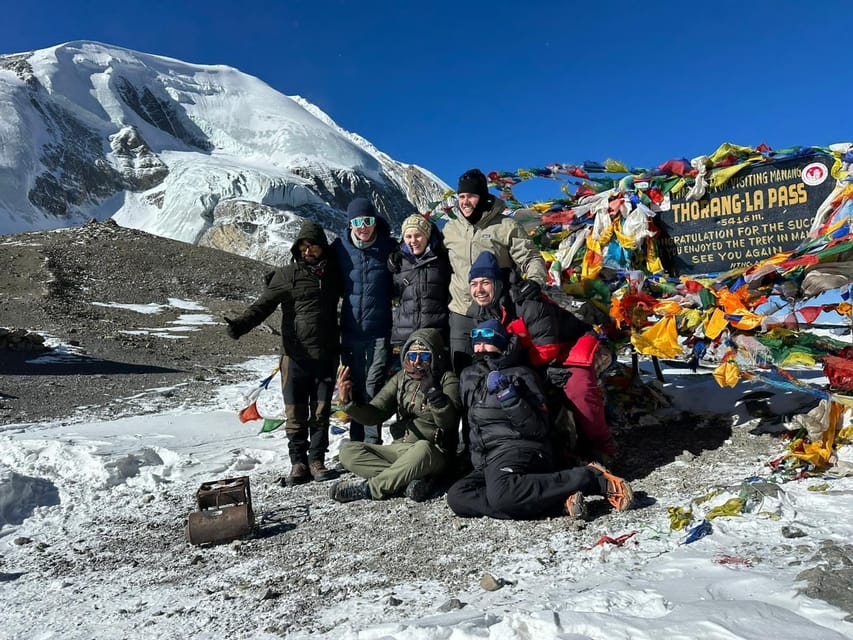
- Thorong La Pass at 5,416m: the highest point on the Annapurna Circuit route.
- A small-group pace (up to 6 people): easier communication and a smoother experience with your guide.
- Cultural immersion in Manang and Muktinath: Tibetan-influenced village life plus a major Hindu-Buddhist pilgrimage site.
- Built-in acclimatization: the schedule includes recovery time to reduce altitude-sickness risk.
- Tea-house nights on the trail: practical lodging while you trek, plus lunch options you’ll manage in remote spots.
Annapurna Circuit + Tilicho Lake: why this route draws serious hikers
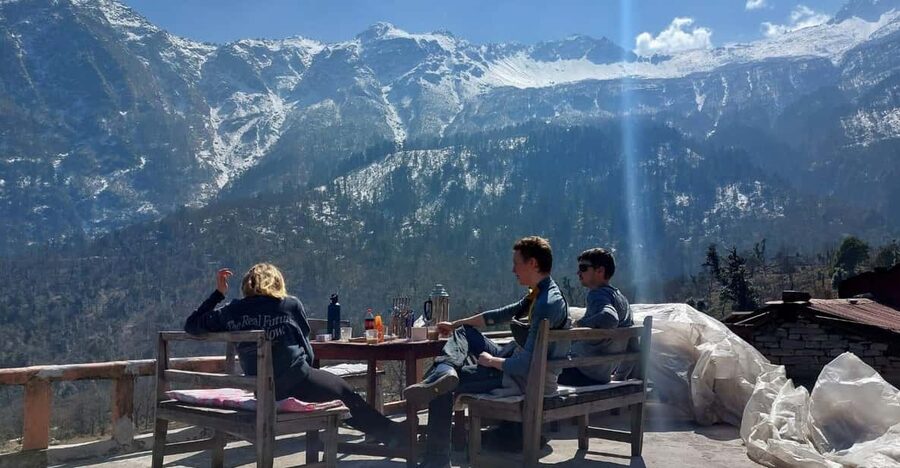
The Annapurna Circuit has a reputation because it actually delivers variety. In one trip, you can see subtle changes in vegetation, farming, and settlement patterns as you climb and descend. This version adds a major twist: the Tilicho Lake side trek, which puts a high-altitude, turquoise-water landmark into the mix.
The other big reason this trip stays on people’s radar is the combination of two altitude goals. Tilicho Lake gives you that “how is there water up here?” feeling. Then Thorong La Pass delivers the classic Circuit challenge: steep effort, cold air, and long, open views when conditions cooperate.
The practical takeaway for you: this is a single route that checks both boxes—challenge plus rewards—without making you spend extra weeks getting to separate regions.
Fitness reality check (and who this trek suits)
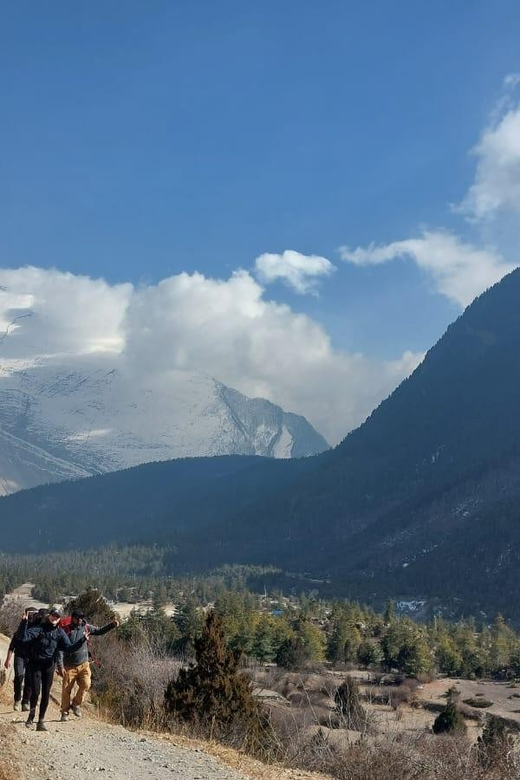
This trek is described as moderate to high in fitness level, which matches what the route implies: you’ll climb from village days up toward high camps and then push over the pass at 5,416m. Even if you’re a strong walker, altitude changes how your breathing and legs feel. Some days will feel like more work than you expect, mostly because the air gets thinner.
It’s also specifically noted as not suitable for:
- people with altitude sickness
- wheelchair users
- babies under 1 year
- people over 70 years
If you’ve had issues with altitude before, treat this as a hard stop. And if you’re unsure, you’ll want to check with a medical professional before committing.
Getting started in Nepal: Thamel to Besisahar to Dharapani
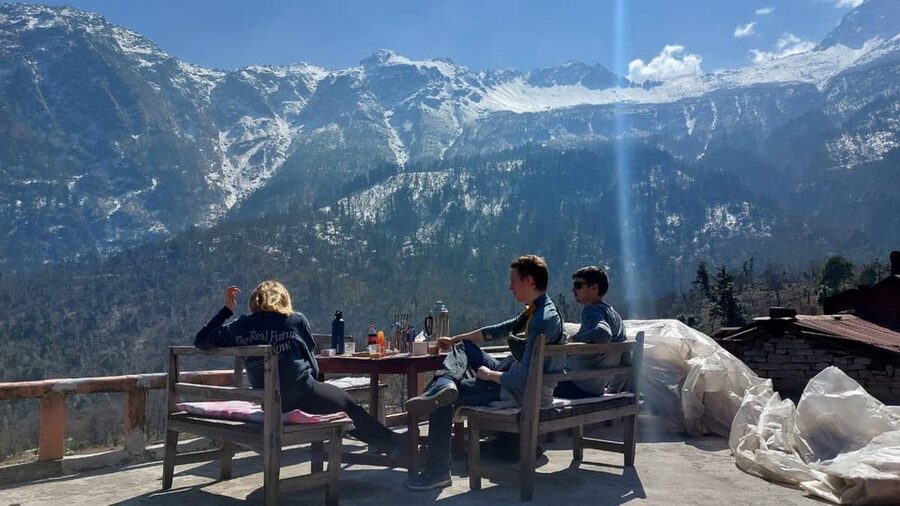
The trip begins with pickup from Thamel in Kathmandu. You then take a 7-hour bus ride to reach Besisahar, with a short sightseeing and walk time plus an overnight stay in the area.
Next comes the move into the trekking zone: a jeep/SUV transfer toward Dharapani, with another stop for scenic time along the way and an overnight in Dharapani. For many hikers, this first day-to-day rhythm matters more than they expect. You’re not just “starting the trek,” you’re also shifting from city logistics into mountain timing.
Practical tip: even though the transfers are scheduled, you’ll still want to pack like you’re trekking the whole day. Bring warm layers for the vehicle ride. Mountain weather does not wait for you to get ready.
Village days along the Marsyangdi River: easing into altitude and culture
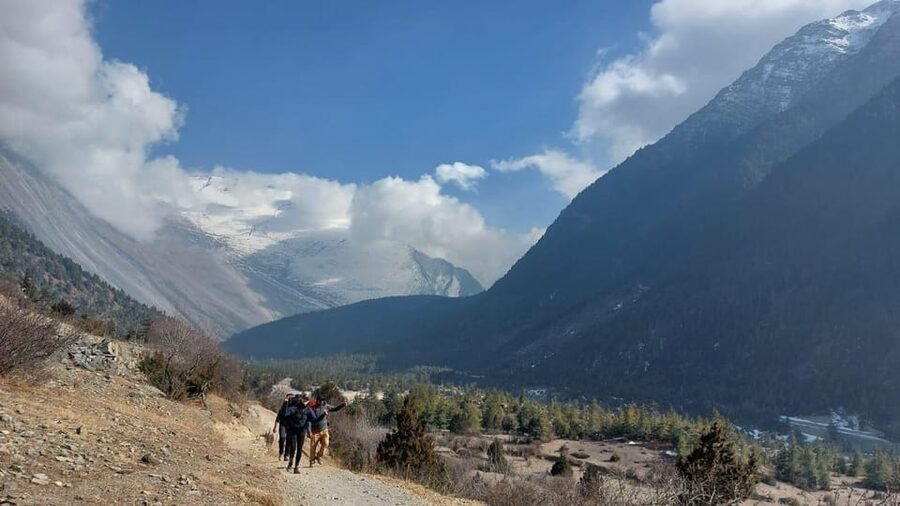
From Besisahar, the route threads through the Marsyangdi River valley. That’s a smart design choice. Valleys are where you get steady walking, frequent village stops, and views that gradually widen as you gain elevation.
Here’s what you should expect as you move from settlement to settlement:
- Chame: a classic trekking stop where you start feeling the transition from warmer lower trails to cooler, higher mornings.
- Pisang: another village day that keeps the pace build steady.
- Manang: the cultural turning point. Manang is where the atmosphere feels more Tibetan-influenced, with a different feel in buildings, lifestyle, and prayer practices compared with lower villages.
One of your best days for acclimatization is the Manang rest day, with time to explore Gangapurna Lake. Even if you don’t go full-fast, that day helps your body catch up and makes the next stages feel less punishing.
Possible drawback to plan for: these early days can tempt you to push too quickly because you feel fine. Try not to. The goal is to arrive at higher points feeling like you still have energy left.
Tilicho Base Camp and the climb to the lake
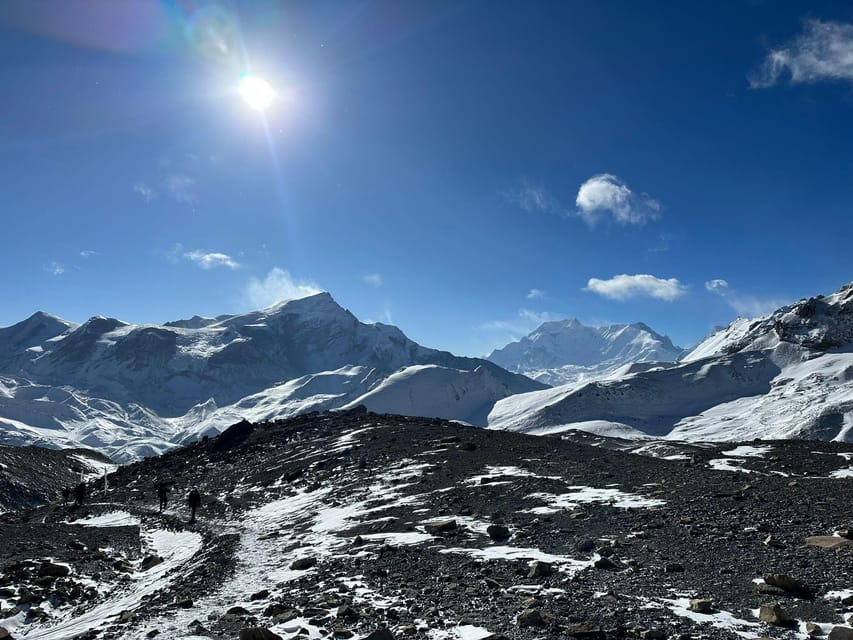
Tilicho is the trek’s signature bonus, and the route doesn’t pretend it’s easy. After reaching the Tilicho Base Camp area, you spend time hiking toward the lake and then returning to stay around the base camp zone.
The key detail for your planning: the approach can involve rugged terrain and often snow-covered paths. That means:
- your footing matters more than speed
- temperatures can drop fast, especially if clouds roll in
- you’ll feel it in calves and thighs in a way that’s different from lower trails
When you reach Tilicho Lake (about 4,910m / 4,919m is also cited), the reward is the altitude itself: that turquoise water surrounded by towering peaks. Even if your day is slow, the sight tends to reset your brain.
Practical advice: on Tilicho days, give yourself permission to go steady. If you’re the type who likes to “outwalk” the mountain, this is where the mountain corrects that habit.
Ledar to Thorong High Camp: positioning for the big crossing
After Tilicho, the route continues toward Ledar and then up to Thorong High Camp. This is where your trek stops being a string of villages and turns into a high-altitude mission.
Why these stops matter:
- Ledar acts like a stepping stone to higher camps.
- Thorong High Camp is where the physical challenge peaks because you’re closer to the pass, and cold becomes more than just a weather word.
Your energy management here is crucial. If you arrive at high camp drained, the next morning can feel brutal. If you arrive calm, the pass day feels like a hard task you can handle.
Also, don’t underestimate “just a hike” on high ground. At altitude, a short distance can feel like extra work simply because every breath costs something.
Thorong La Pass and Muktinath: from high drama to holy calm
Crossing Thorong La Pass (5,416m) is the headline moment. The route to the pass involves hiking to the pass itself with panoramic views of major peaks, and then you descend toward Muktinath.
The Muktinath arrival changes the mood quickly. This is a significant pilgrimage site for both Hindus and Buddhists, so your experience becomes less about altitude endurance and more about atmosphere—prayer practices, sacred sites, and the feeling of place in a town built around devotion.
A useful way to think about this day: you’re doing two transitions in one. You’re moving from extreme elevation to lower terrain, and from mountain exertion into cultural observation. If you plan your pace accordingly, you’ll enjoy both.
Tatopani and the road back: a hot-springs breather
After the pass and descent, the trek continues to Muktinath and then you shift from walking to transport. You drive toward Tatopani, known for hot springs, and stay overnight there.
That hot-springs stop is not just a nice add-on. After high altitude effort, a soak helps with recovery—especially if your legs are the main story. You get one more chance to reset before the final travel day.
Then you take the bus ride back toward Pokhara and finish with a return toward Kathmandu.
The “soft landing” is the point here. You don’t want your trip to end with another day of stress. This route aims to close strong without leaving you stranded in fatigue.
Value and price: what $604 covers and what you still manage
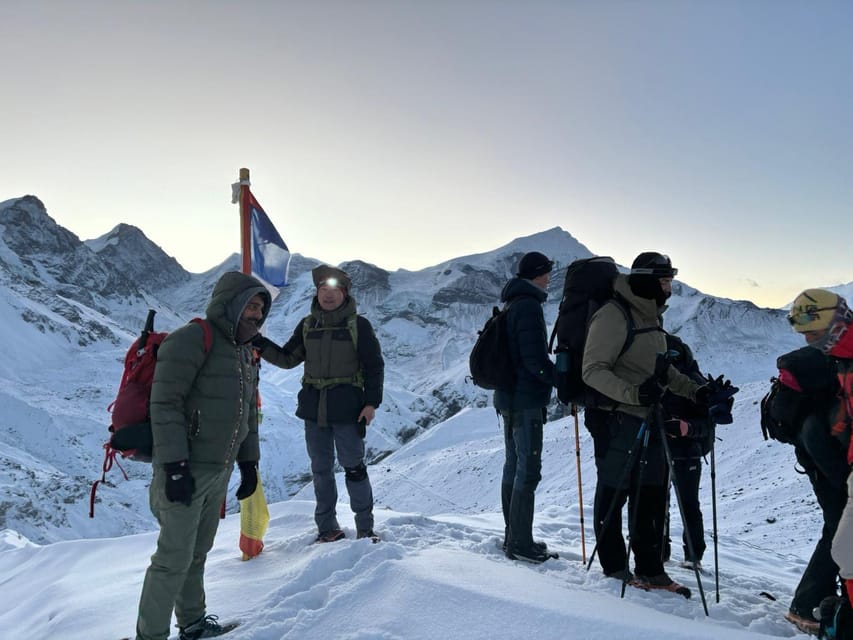
The listed price is $604 per person for a 12-day trek, which is often the real question: does that number buy you something meaningful?
Based on what’s included, you’re paying for the stuff that usually costs time and planning:
- Transportation before and after the trek (Kathmandu to Besisahar, and Muktinath to Pokhara)
- Jeep to Dharapani
- TIMS card/permits (ACAP)
- A government-licensed trekking guide (with their food, salary, accommodation, and insurance covered)
- Tea house accommodation during trekking days
- A first aid box
- Tax/VAT
What you’ll still handle:
- Trekking gear (you bring it)
- Food & beverages while trekking beyond included meals. Tea houses cover dinner and breakfast, while lunch is typically in cafes along the way with costs noted around $5–$7 per meal
- Travel insurance
- Any personal expenses
So here’s the value logic for you: if you’d otherwise have to arrange permits, guide service, and most logistics yourself, the package format saves effort and reduces risk. If you already own quality gear, are comfortable budgeting for lunches, and have travel insurance sorted, this price can feel fair for a serious high-altitude trek.
Packing and planning: what prevents suffering on Annapurna
The weather in the mountains can change rapidly, so pack for layers, not one perfect outfit. You’re advised to bring:
- Warm clothing
- Sun hat and sunglasses
- Hiking shoes (and waterproof shoes)
- Jacket, gloves
- Sleeping bag
- Toiletries and hiking pants
- Reusable water bottle and a waterproof bag
- Sunscreen
- A waterproof-ready approach for wet conditions
Two practical pointers that matter on this kind of route:
- Water and cold: even when you feel like you don’t need it, dehydration and cold both catch you. Keep water routine steady and protect it from freezing when temperatures drop.
- Cash in remote areas: the guidance is clear—cash is preferred in remote sections. Bring enough Nepalese rupees so you’re not hunting for an ATM on a day that’s already hard.
You can also buy local SIM cards with data in Kathmandu, which helps you stay in touch and coordinate smoothly before you disappear into the trail.
Guides can make or break the experience
The biggest consistent theme is that the trek is run with attention to safety, pacing, and communication. The tour is led by an English-speaking, government-licensed guide, and small group size (up to 6) makes it easier for your guide to check on how you’re doing.
Some of the names you may see connected with strong experiences include Ganesh Devkota, Kumar, Jeewan, and Prakash. The common thread in the reported successes: they keep you safe and informed, adjust pace for how people feel, and add cultural context instead of treating the hike like a checklist.
What this means for you: if altitude hits, you want a guide who reacts early, not late. And if you care about more than photos, you’ll appreciate the stops that turn villages into stories.
Should you book the Annapurna Circuit with Tilicho Lake?
Book this trek if you want:
- the classic Annapurna Circuit experience plus a serious extra goal (Tilicho Lake)
- a route that combines scenery with culture, including Manang and Muktinath
- a small group and a licensed English guide
- an itinerary that includes acclimatization days so you’re not guessing how to manage altitude
Consider another option if you:
- know you struggle with altitude sickness
- are looking for a purely easy walk
- want more luxury or minimal cold-weather exposure
My decision rule: if you’re physically ready for high passes and you can handle snow-chance terrain at elevation, this is one of the more complete high-mountain experiences in Nepal—because it stacks the highlights into a single, coherent 12-day journey.
FAQ
How long is the trek?
This trek runs for 12 days.
Where does the trip start and end?
The trip starts with pickup from Thamel in Kathmandu, with travel to Besisahar for the trek. It ends with travel back to Pokhara by bus after finishing near Muktinath.
What permits and cards are included?
You get TIMS card/permits (ACAP) included in the package.
Are meals included during the trek?
Tea house dinner and breakfast are included during the trekking days, while lunch is typically paid separately along the route (about $5–$7 per meal as guidance provided).
What is the maximum group size?
The group is kept small, limited to 6 participants.
Is travel insurance included?
No. Travel insurance for guests is not included.