REVIEW · CATANIA
Mt Etna: Winter Trekking Tour with Optional Catania Transfer
Book on GetYourGuide →Operated by Sicilying S.R.L. · Bookable on GetYourGuide
Cold air, big volcano views.
This 3-hour winter trek on Mt Etna takes you from Rifugio Sapienza through a black larch pine forest, then out to panoramic angles over the Gulf of Catania to the Ionian Sea. I especially like how the route mixes scenery with real volcano context, and how guides such as Alfredo are praised for making you feel safe while keeping the explanations clear and interesting. One possible drawback: winter conditions can mean cold hands, slick ground, and a route that’s not a fit for everyone medically.
If you’re not used to walking on sandy slopes or snow, this won’t feel like a casual stroll. It’s not suitable for pregnant women, people with heart problems, or anyone with high blood pressure, and wheelchair access isn’t available.
In This Review
- Key Points Before You Go
- Mt Etna in Winter: A Short Tour With Real Volcano Payoff
- Starting at Rifugio Sapienza (1850m): Forest Walking Before the Big Views
- The Panorama Phase: Gulf of Catania to the Ionian Sea
- Southeast Crater Area: Strombolian Activity and How Craters Change
- Valle del Bove: Walking the South Wall of a Lava Basin
- The 2001 Eruptive Fracture at 2100m
- Gear, Pace, and Winter Comfort (The Stuff That Makes or Breaks the Hike)
- Optional Catania Transfer and How to Time Your Day
- Price and Value: Why $58 Can Make Sense Here
- Who Should Book This Winter Etna Trek
- Should You Book This Tour?
- FAQ
- How long is the Mt Etna winter trekking tour?
- Is hotel pickup in Catania included?
- What is included in the tour price?
- What should I bring?
- Is the tour offered in English?
- Does the tour include food or drinks?
- Who is the tour not suitable for?
Key Points Before You Go
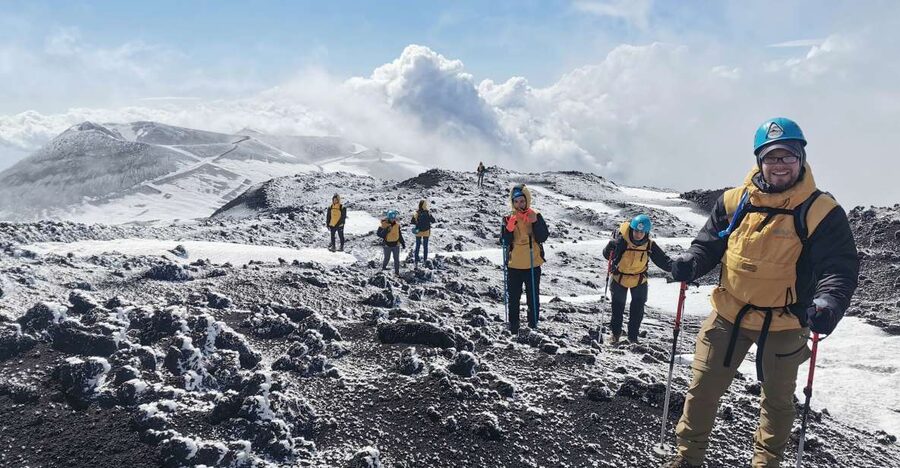
- Snowshoes and poles are included, so you can show up without specialized gear
- Panoramas span sea-to-volcano views, from the Gulf of Catania toward the Ionian Sea
- Bove Valley is the star long basin, a natural “lava channel” you’ll walk along
- You’ll see the southeast crater area, with explanations tied to Strombolian activity and lava changes
- A short tour with a focused route, built for winter timing rather than an all-day grind
Mt Etna in Winter: A Short Tour With Real Volcano Payoff
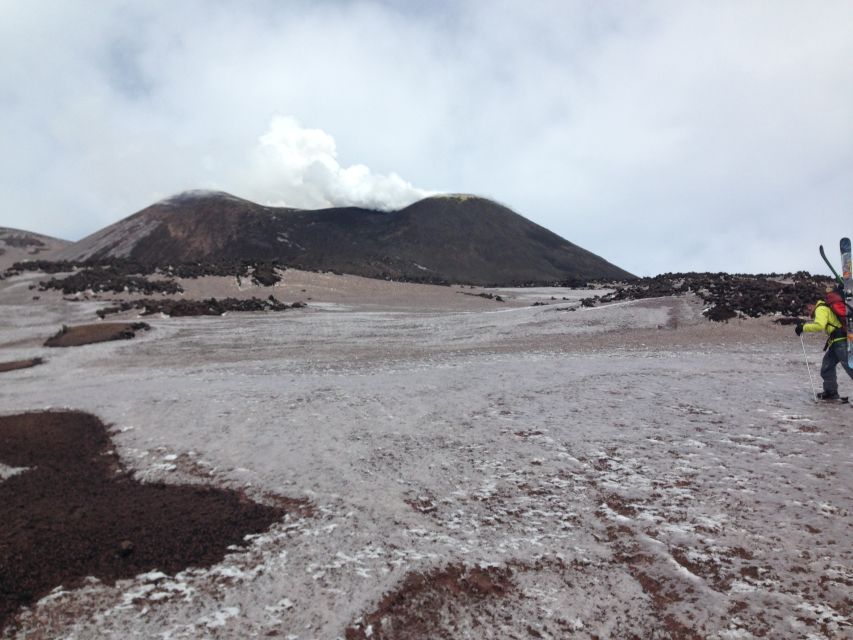
I like that this Etna tour is built for people who want meaningful volcano contact without committing to a full-day expedition. In winter, Mt Etna can feel quiet and sharp-edged: colder air, clearer visibility on good days, and the feeling that you’re walking right on the edges of something active.
This isn’t just “pretty views, photos, done.” The hike is structured around three big ideas: how the mountain looks in winter, how eruptions reshape the terrain, and how the lava basin works. If you’re the type who reads labels at museums, you’ll enjoy how the guide connects what you’re seeing—craters, fractures, and valleys—to what eruptions actually do to the landscape around you.
The other plus is practical: you get the winter gear (wind jacket, snowshoes, hiking poles) so you can travel light. And since it runs about 3 hours, you don’t waste an entire day fighting with schedules—especially helpful if you’re basing yourself around Catania.
You can also read our reviews of more tours and experiences in Catania.
Starting at Rifugio Sapienza (1850m): Forest Walking Before the Big Views
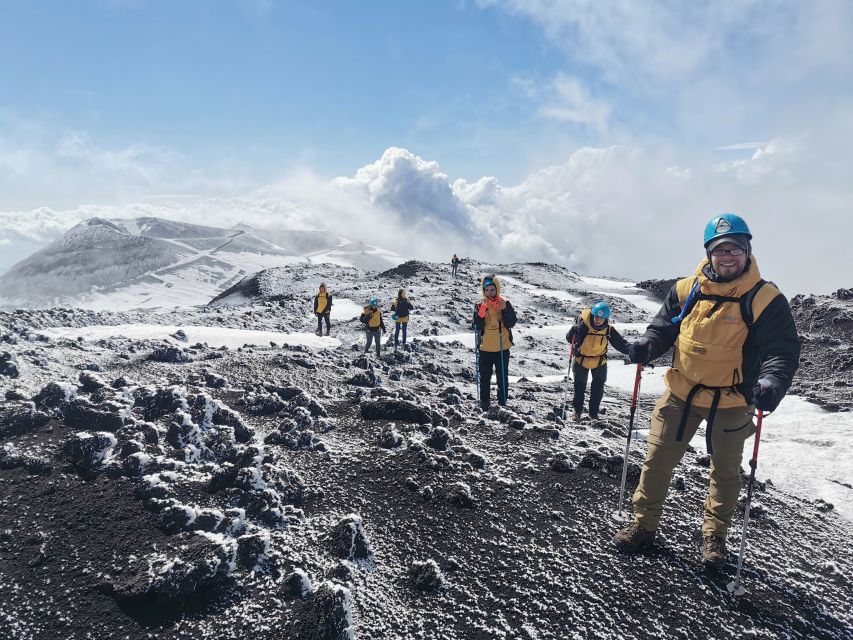
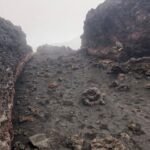
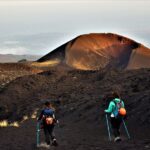
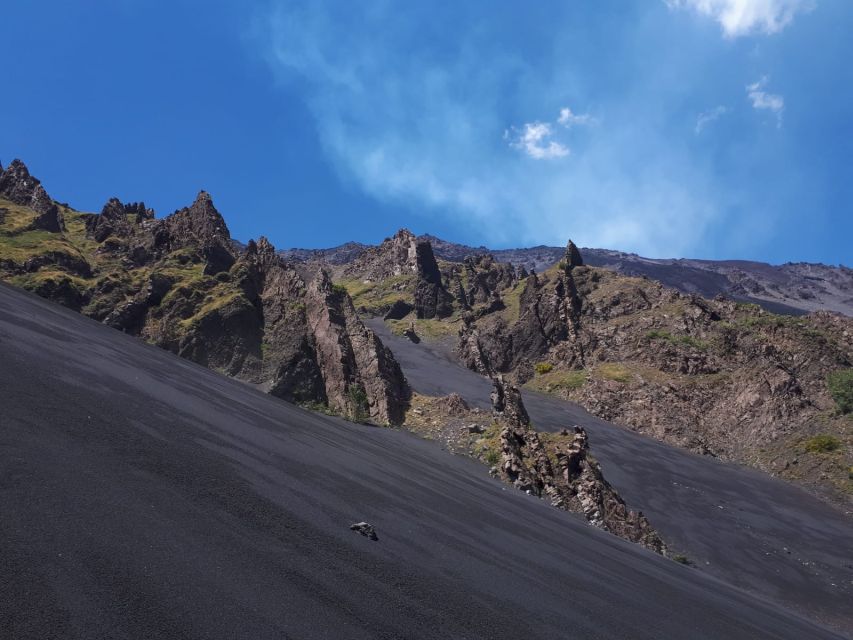
You begin at 1850 meters near Rifugio Sapienza. The first part of the hike is a warm-up, but not a free pass. You’ll walk along a slope and sandy ground before you settle into the wooded stretch.
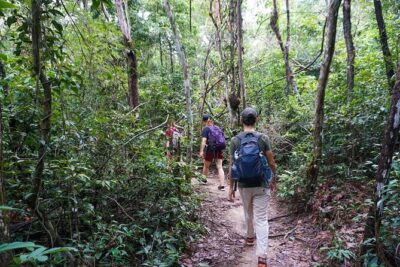
The forest segment is one of the tour’s underrated strengths. You pass through a black larch pine forest area with endemic vegetation like soapwort, low shrubs, and Etna violets. In winter, that kind of detail can be easy to miss on your own. With a guide, you get the small “why this matters” moments: what grows here and what that says about how Etna’s conditions shape life.
My tip for you: treat the first 30–45 minutes like a “get steady” phase. Even with snowshoes available, your feet will appreciate a calm pace. If you rush early, you’ll feel it later when the terrain opens up.
The Panorama Phase: Gulf of Catania to the Ionian Sea
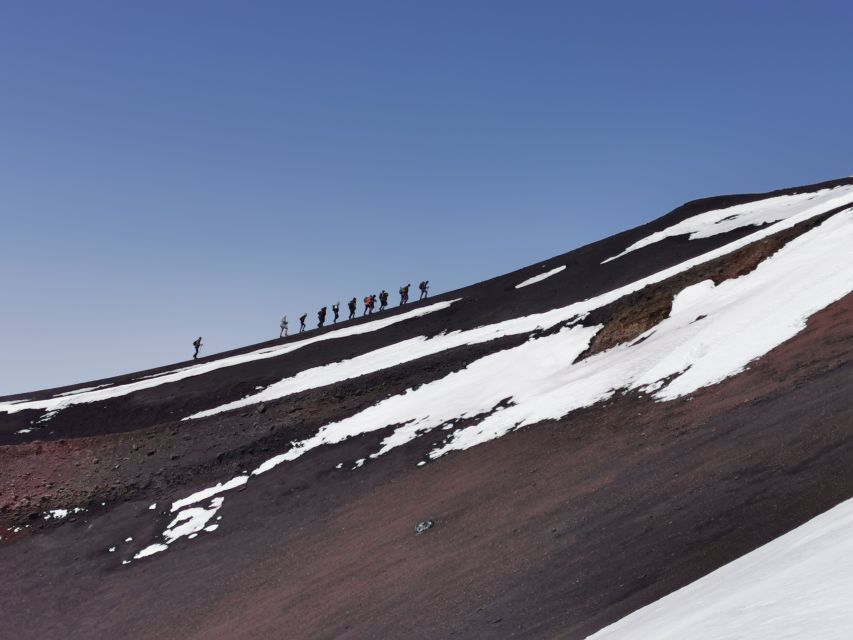
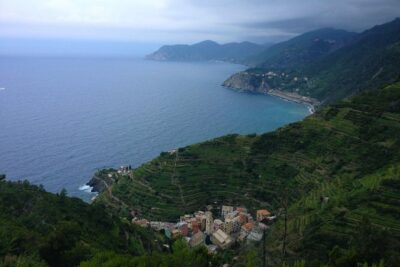
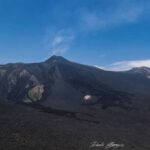
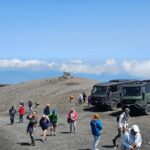
Then the route gives you what you came for: a panorama that stretches from the Gulf of Catania toward the Ionian Sea. This is where winter can be especially good. Clear cold air often makes distances easier to read, so you can get those wide angles that make Etna feel like a world inside a world.
You’ll feel the shift from “forest path” to “volcanic viewpoint.” The guide’s explanations matter here too, because you’re not just looking at a pretty background—you’re seeing how the mountain sits in relation to the sea and surrounding volcanic terrain.
Possible drawback to plan for: panoramic stops can be windy at altitude. The included wind jacket helps, but it’s still smart to layer well so you don’t end up spending the best view time fighting numb hands. Warm clothing is specifically recommended.
Southeast Crater Area: Strombolian Activity and How Craters Change
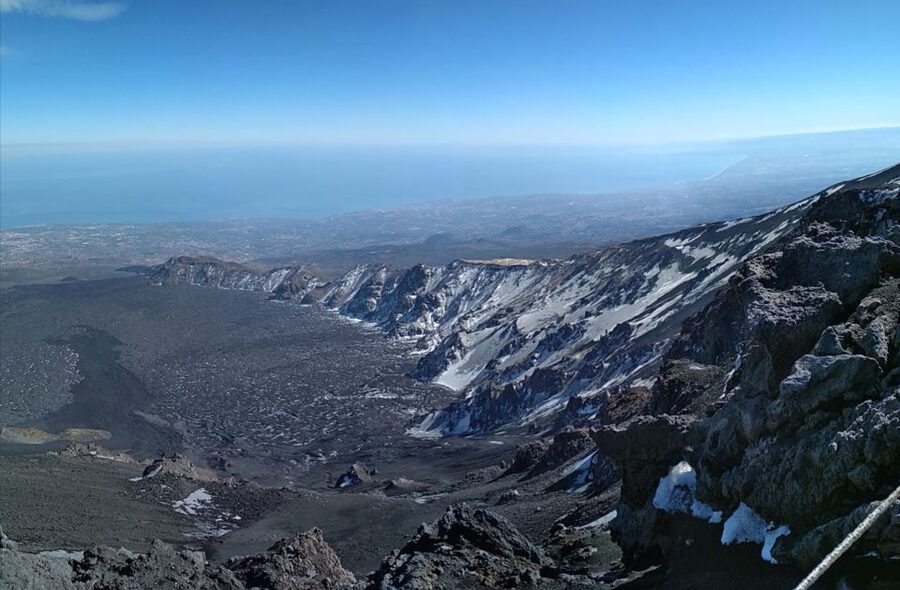
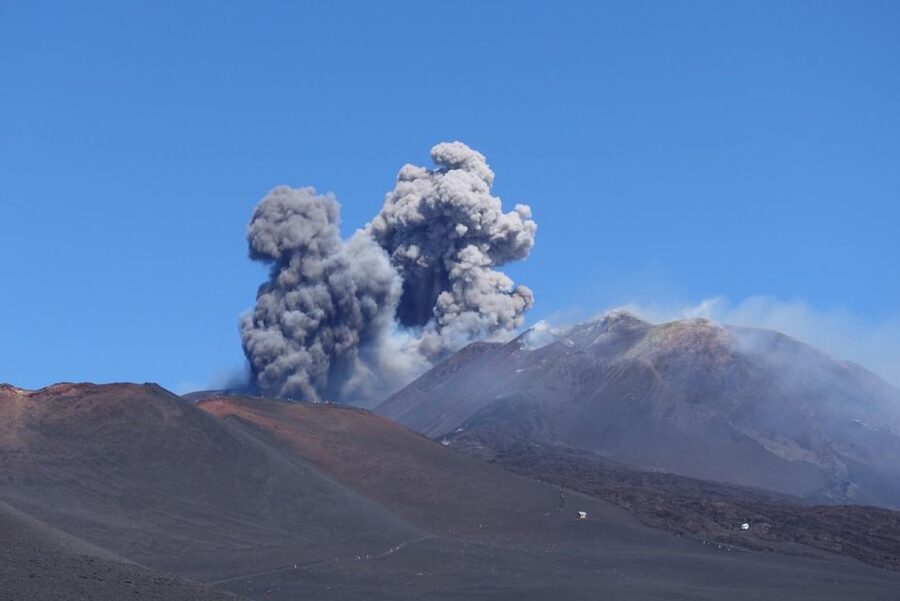
After the viewpoint, the tour heads toward the active summit crater zone. Here, the route centers on the southeast crater, which is described as being in the foreground during several eruptive episodes, including intense events in 2021 and the first months of 2022. The important detail for you is not the date—it’s the idea that the summit area isn’t static.
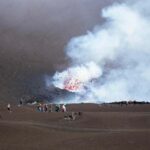
You’ll see the kind of Strombolian activity that can produce lava flows and alter the crater’s shape and feel. Even from a trekking distance, it helps to have someone who can translate what you’re seeing into plain language—what that activity means and how it changes the surrounding surfaces.
This section is also where the tour becomes more than sightseeing. It turns the hike into a living science lesson. If you enjoy understanding “why this looks like this,” this is the part that usually clicks.
Small realism check: you can’t assume every day will produce dramatic visible activity. The value is that the guide frames what’s happening and what has been happening, so your observations make sense in context.
Valle del Bove: Walking the South Wall of a Lava Basin
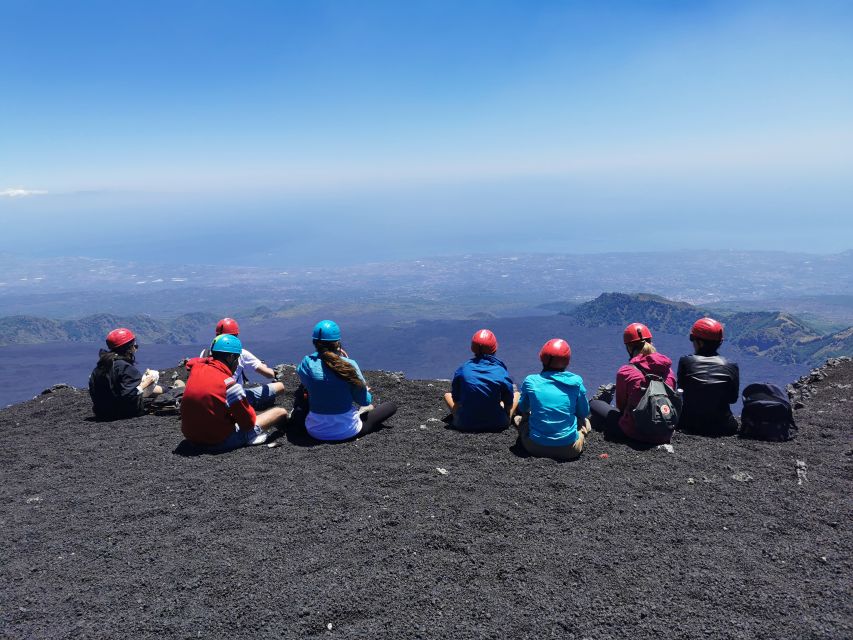
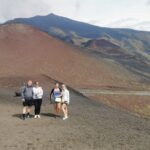
Next comes one of the tour’s core experiences: Valle del Bove. You walk on the south wall of this massive volcanic basin, described as about 10 km long and 5 km wide. That scale matters, because it’s not a small valley you casually cross—it’s a huge area built from the results of important and recent eruptions.
The guide also connects this basin to eruption behavior. Valle del Bove functions like a barrier and a channel: during eruptions, it helps direct lava away from populated areas. That’s the kind of practical volcano concept that makes Etna feel “real” rather than just dramatic.
There’s a break time / photo stop / visit / guided tour window here (plus about 1 hour of free time in the schedule). This is a good moment to slow down, check your footing, and take photos without feeling like you’re constantly being pulled along.
My advice for you: bring your attention back to details—edges of the slopes, the way the basin curves, and the sense of scale. Even if you think you’ll mainly take photos, Valle del Bove is the section where thoughtful looking pays off.
The 2001 Eruptive Fracture at 2100m
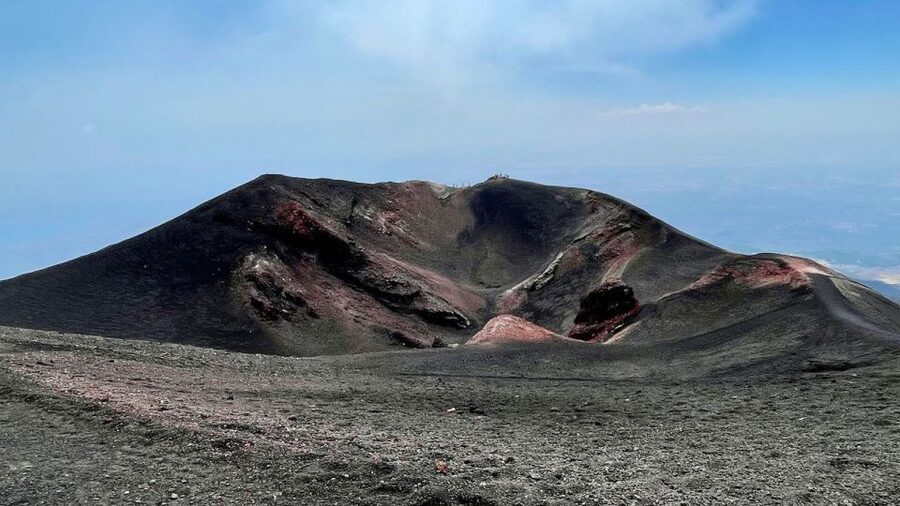
After the Valle del Bove portion, you head west toward the 2001 eruptive fracture at 2100 meters. This stop changes the tone of the hike again. You’re still moving through volcanic terrain, but now the story shifts from “big basin” to “specific event marks on the mountain.”
Fractures are part of how Etna releases material, and walking toward one gives you a clearer sense of how eruptions can create distinct features that remain visible long after the fireworks. It’s a reminder that the mountain is constantly writing new pages.
Then you continue toward the upper Silvestri craters before returning toward the starting area.
Gear, Pace, and Winter Comfort (The Stuff That Makes or Breaks the Hike)
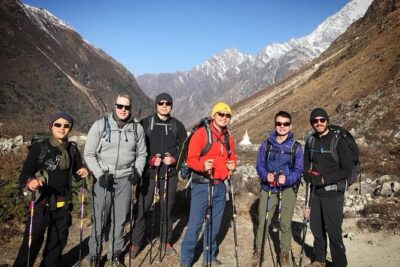
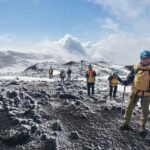
This tour includes key winter gear: a wind jacket, hiking poles, and snowshoes. That’s a big value point. You can show up without hunting for gear on short notice, and you don’t have to worry about whether you chose the right shoes for Etna’s mixed surfaces.
The route involves walking on slope and sandy ground, plus winter terrain where snowshoes can help. Even if the hike is only 3 hours, you should plan for steady effort. It’s not a sprint, but it’s also not a flat walk.
What to bring (simple but important):
- Warm clothing
- Water
And if you’re the type who runs hot, you might still want extra layers for wind exposure at viewpoints. Cold can hit fast once you stop.
Optional Catania Transfer and How to Time Your Day
You have the choice of pickup from Catania, with hotel pickup and drop-off included if you select that option. The schedule also lists two drop-off locations: Catania and Monte Gebel.
One detail to respect: pickup is optional, and drivers will wait no longer than 5 minutes after the scheduled pickup time. In practice, that means you should aim to be ready slightly early. A five-minute window sounds generous until winter morning traffic, coats, and bathrooms get involved.
If you’re staying outside Catania, you’ll likely find the transfer options helpful because the tour is short. Short tours punish late starts.
Price and Value: Why $58 Can Make Sense Here
At $58 per person for a guided winter trek lasting about 3 hours, this can be good value—especially because the tour includes winter essentials like snowshoes and hiking poles. Tours that only “provide a guide” often end up costing more once you factor in rentals or buying gear.
You also get a multilingual guide (English and Italian). That matters on Etna, where the terrain can be dramatic and confusing if you don’t have someone translating what you’re seeing.
Is it the cheapest way to see Etna? Probably not. But it’s a smart middle ground: you get meaningful volcanic stops and explanations without a full-day commitment.
Who Should Book This Winter Etna Trek
This fits you best if:
- you want a short, guided Etna experience rather than an all-day marathon
- you like walking with explanations (craters, fractures, and why Valle del Bove matters)
- you’re visiting in winter and want the trek to be adapted to that season, with snowshoes included
It’s not the right fit if you:
- have heart problems or high blood pressure
- are pregnant
- need wheelchair access
If you’re unsure about winter walking comfort, pay extra attention to the included gear and the uneven ground.
Should You Book This Tour?
Yes, if you want Etna in winter with a structure that makes the volcano easier to understand. The combination of sea-to-volcano panoramas, the Valle del Bove walk, and visits tied to features like the southeast crater and the 2001 fracture turns a short hike into something you’ll remember for the explanations as much as the views.
Book it especially if you’ll benefit from included winter gear and want optional Catania pickup to keep your day simple. Skip it if you’re dealing with medical limitations listed by the operator or if winter walking on uneven ground would be a problem.
FAQ
How long is the Mt Etna winter trekking tour?
The duration is 3 hours.
Is hotel pickup in Catania included?
Yes—hotel pickup and drop-off in Catania is included if you choose the transfer option.
What is included in the tour price?
Included items are a multilingual guide, wind jacket, hiking poles, and snowshoes. Pickup/drop-off is included when you select the Catania option.
What should I bring?
Bring warm clothing and water.
Is the tour offered in English?
Yes. The live guide is available in English and Italian.
Does the tour include food or drinks?
No. Food and drinks are not included.
Who is the tour not suitable for?
It’s not suitable for pregnant women, people with heart problems, wheelchair users, or people with high blood pressure.