REVIEW · CATANIA
Trekking at 3000 meters on Etna
Book on GetYourGuide →Operated by ETNA QUAD E TREKKING · Bookable on GetYourGuide
Etna at 3000 meters feels real fast. You ride the cable car, then hike across 2002 lava flows toward volcanic craters, with qualified volcanological guides focused on safety and what you’re seeing. I like how the route turns geology into something you can actually walk on, but the altitude and often-windy conditions mean you’ll need steady stamina.
The other big win is the access to close-up volcanic terrain. You’ll reach the edge of the 2002 explosive craters and get views toward the Belvedere della Valle del Bove area, plus a look at the summit craters and the latest lava flows. If guides like Giuseppe pace the group well (a detail that matters a lot up high) and explain as Antonio did in past groups, you’ll come away with real understanding, not just photos.
In This Review
- Key things to know before you go
- Trekking at 3000m on Etna: why this feels different
- The cable car lift that sets your whole day up right
- Walking the 2002 lava flows in a north-west direction
- Inside the effusive crater of 2002: the lava-channel moment
- Summit craters on the southern slope: edge-walking and close views
- Belvedere della Valle del Bove and the Laghetto cone finale
- Guides, safety gear, and why the kit is more than a checklist
- Price and value: $59 plus the cable car you must plan for
- Clothing, fitness, and wind: the details that decide how good the day feels
- Should you book Etna Craters Excursion 3000m?
- FAQ
- How do I get to the meeting point?
- What altitude will I trek on Etna?
- Is the cable car ticket included?
- What trekking gear is included in the price?
- What languages will the guide speak?
- Who shouldn’t join this excursion?
- Can I cancel for a full refund?
- Final call
Key things to know before you go
- Cable car altitude boost: You start the day high, from 1900m to 2500m, before the trek begins.
- Lava from the 2002 eruption: Much of the walk follows more recent ground you can read like a textbook.
- Effusive crater experience: You enter a lava flow channel connected to the 2002 effusive crater zone.
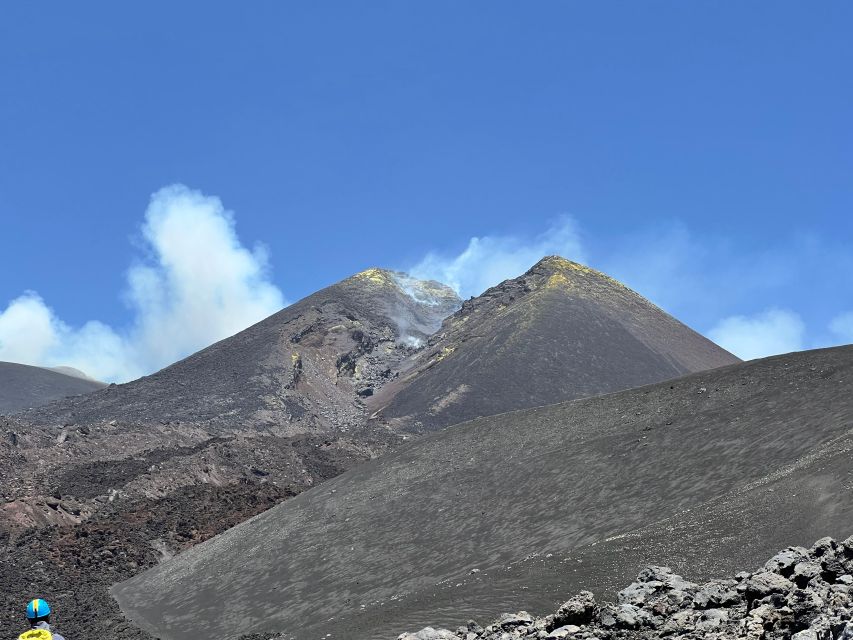
- Summit craters up close: You’ll stand near the edge of explosive craters from the 2002 activity.
- Belvedere and Valle del Bove views: Expect wide overlooks tied to older eruptive centers.
- Wind + clothing matter: Strong wind is common up high, so your layers are not optional.
Trekking at 3000m on Etna: why this feels different
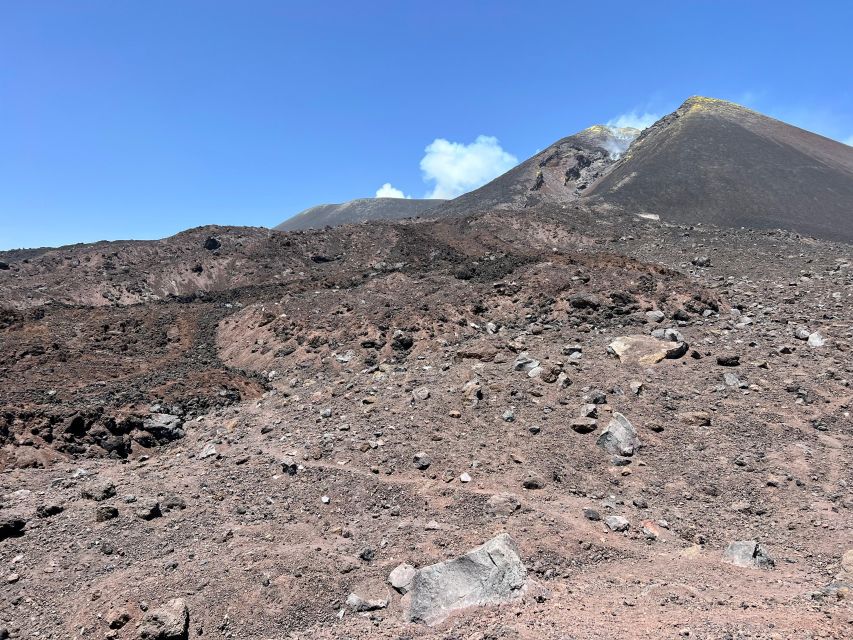
This excursion is built around one simple idea: if you want to understand a volcano, you have to walk on its results. Etna is active and layered with different eruption styles, and this route follows those changes in a way that’s hard to replicate from far away.
I also like the pace and structure. You don’t just “go uphill and hope.” There’s a planned climb, breaks, and viewpoints tied to specific crater areas. You’re guided through what you’re seeing—lava texture, crater types, and the way different eruptions shape the terrain.
The trade-off is straightforward: you’re hiking at summit altitudes. Even when the walk is described as moderate, altitude plus wind can make it feel tougher than expected. If you’re prone to breathlessness or hate exposure, you’ll want to think twice.
You can also read our reviews of more tours and experiences in Catania.
The cable car lift that sets your whole day up right
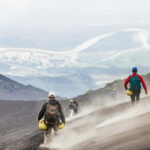
A huge part of the value here is that you start already high. The day begins with the Etna cable car, taking you from 1900 meters up to 2500 meters. That means less time spent simply gaining elevation and more time for the craters themselves.
Why that matters for you: at high altitude, every step counts. Reducing the “just get up there” part helps you arrive ready for the more interesting sections—the lava-flow walking and crater-edge viewing.
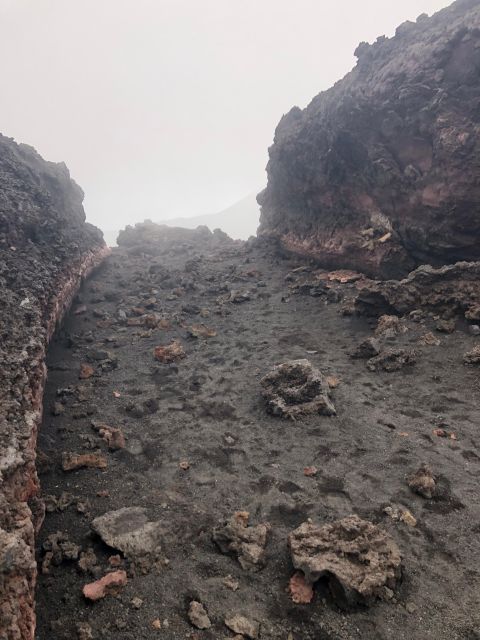
Once you’re at 2500m, the trek begins in a north-west direction, moving onto volcanic ground from the 2002 eruption. The moment you leave the cable car area, the terrain gets strange in the best way: dark rock, sharp textures, and that unmistakable feeling that the mountain is not a static backdrop.
Walking the 2002 lava flows in a north-west direction
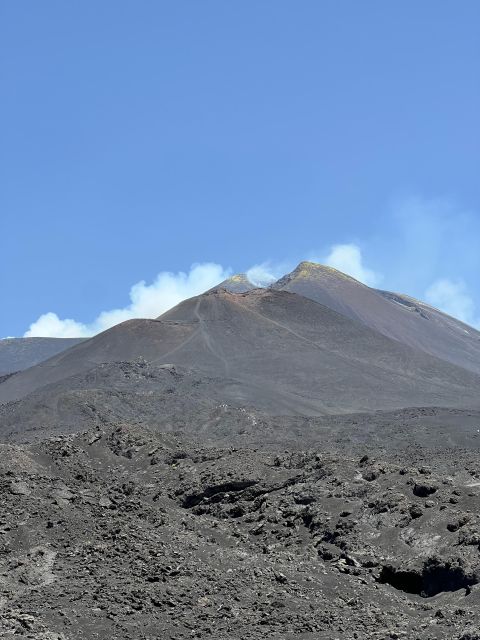
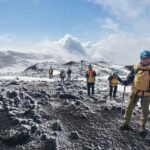
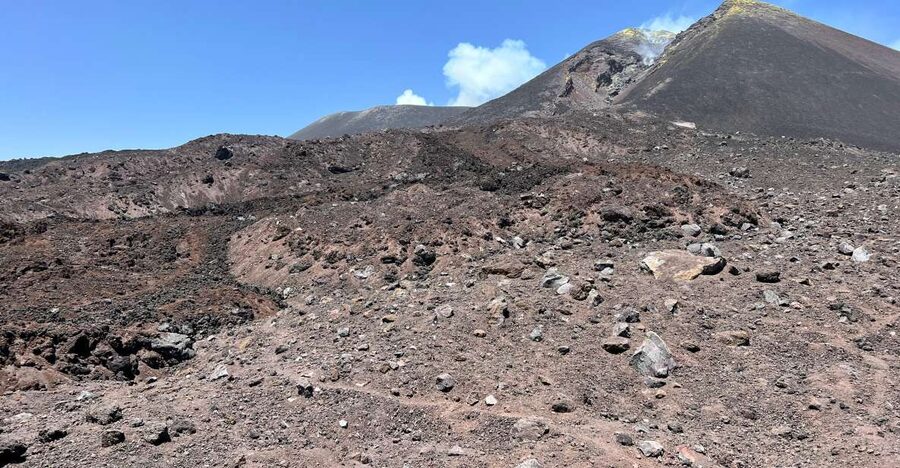
After reaching 2500m, you start walking across recent lava erupted in 2002. This is one of the most “hands-on” parts of Etna you can do in a day, because you’re not just looking at the aftermath—you’re crossing it.
You’ll feel two things right away:
- The ground is uneven and sometimes gritty, so good footing matters.
- The view keeps expanding as you gain altitude, and you begin to connect crater shapes to the terrain below.
This portion is especially good if you want volcanology explained in plain language. A strong guide can point out how lava behaves during an eruption and why different areas look different. In past outings, guides like Edo have been praised for giving interesting facts without making it feel like a lecture. You’re learning while moving.
One caution: lava ground can be slippery depending on conditions. You’ll likely move slower than you would on a normal trail, so build your energy for that.
Inside the effusive crater of 2002: the lava-channel moment
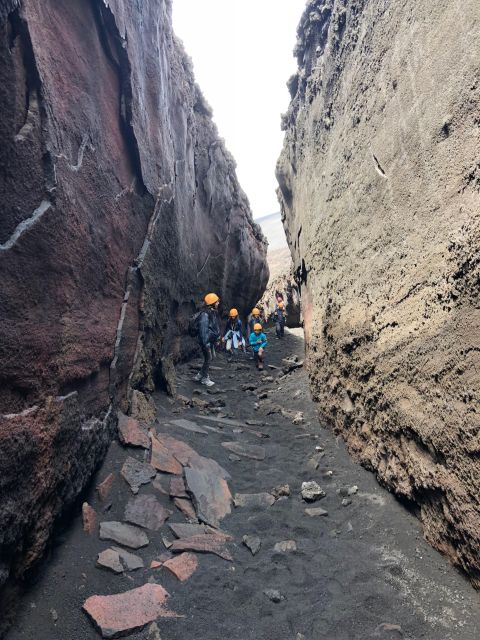
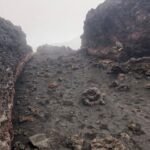
At about 2700 meters, you step into an effusive crater linked to the 2002 eruption. Here’s the cool part: you walk inside a lava flow channel created during that eruption.
This is where the tour stops feeling like a standard hike and becomes a geology experience. A lava channel isn’t just dramatic scenery—it’s evidence of how material moved. Being inside the channel helps you grasp shape and flow in a way that flat viewpoints can’t.
You’ll also notice the rhythm changes slightly. The path within a channel can feel tighter and more enclosed, and your pace may slow. There’s typically a short break afterward, which is smart because it gives your body a chance to reset before the final push toward the higher crater areas.
If you’re the kind of person who likes to understand the why behind what you’re seeing, you’ll probably love this section.
Summit craters on the southern slope: edge-walking and close views
After the effusive crater part, you continue climbing until you reach the highest point associated with the explosive craters formed in 2002 on the southern slope of Etna.
This is the money section for views. You’ll be able to:
- Walk along the edge of the craters.
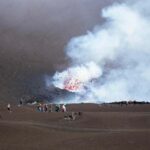
- Admire the summit craters up close, including the latest lava flows.
It’s a bit unreal to be this near volcanic features that formed in the relatively recent past. The guide’s explanations help a lot here, especially around why explosive craters and effusive craters don’t look the same. You’re not just staring; you’re comparing eruption styles through terrain.
A practical note: edges mean exposure. Wind can make your body feel like it’s working harder than it is. If you get lightheaded easily in open spaces, this is the section to take seriously.
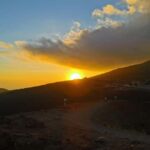
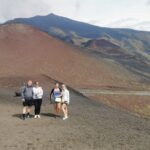
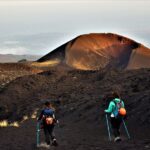
Belvedere della Valle del Bove and the Laghetto cone finale
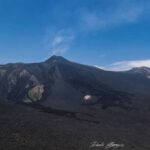
Once you finish the higher crater viewing, the route continues through what can feel like lunar terrain—wide, stark, and shaped by repeated activity. You’ll overlook the extraordinary caldera of Belvedere della Valle del Bove, tied to ancient eruptive centers.
Then you skirt the eruptive cone of the Laghetto crater, which was born with the 2001 eruption. This part is a great final lesson: Etna’s story isn’t one eruption. It’s a timeline you can see in layers and shapes.
You’ll eventually reach the cable car terminal that brings you back comfortably to the starting point. Having the return be easier is a big deal on summit days, because you get to enjoy the final views without running on fumes.
Guides, safety gear, and why the kit is more than a checklist
This excursion is led by qualified alpine and volcanological guides, and you also get protective gear. Included items are designed for the reality of crater trekking: sharp edges, cold wind, and uneven ground.
You’re provided with:
- High-collar hiking shoes
- New socks
- Windbreaker
- Trekking poles
- Protective helmet
Here’s what this does for you. Poles can save your knees on rough climbs and help on uneven lava surfaces. A helmet isn’t just symbolic—up near crater zones, you want real head protection. A windbreaker matters because temperature and wind exposure can shift fast at altitude.
Guide quality is often the difference between a tiring hike and a meaningful one. Giuseppe has been praised for adjusting pace so everyone reaches the summit areas. Mario has been praised for being professional and friendly, and for emphasizing that the experience needs solid fitness and appropriate clothing—especially with wind.
Price and value: $59 plus the cable car you must plan for
The headline price is $59 per person for the day excursion. That price covers the guide service and your core trekking gear (shoes, socks, windbreaker, poles, helmet). It also includes a 20% discount on sandwiches, snacks, and drinks at the food stop, which can soften the day’s extra costs.
But there’s one big thing to budget for: the return cable car ticket is not included. The cable car ride costs €52.00.
So the real value question is: are you getting enough “guided crater time” and gear support to justify paying extra for the cable car separately? In my view, you are, because the guided route is built around specific volcanic zones—2002 lava flows, a 2002 lava channel, and crater edges—not just a generic climb. Plus, having trekking poles and appropriate footwear supplied can reduce your need to rent or improvise.
If you already know you’ll want the cable car anyway, the pricing starts to make sense. If you’re trying to keep costs ultra-tight, the separate cable car price is the part that may sting.
Clothing, fitness, and wind: the details that decide how good the day feels
This is not a casual stroll. You should go in with realistic fitness for summit altitude hiking. The tour setup also says it’s not suitable for people with certain health issues, including heart problems, epilepsy, respiratory issues, and people with altitude sickness.
Even for healthy hikers, expect discomfort from:
- Wind: Reviews have flagged strong wind as a common factor.
- Altitude: You’ll be moving at high elevations for meaningful stretches.
- Cold exposure: Even if it looks sunny, wind and elevation can cool you down.
Bring what the excursion recommends: long pants, cap, gloves, sunglasses, protective creams, and a scarf. Those items aren’t about being fancy. They protect against wind, sun, and the dry high-altitude feel.
Also think about footwear fit and socks. You’re given high-collar shoes and new socks, but you’ll still want to arrive prepared with clothing that works with layers under the windbreaker.
If you’re someone who gets exhausted quickly on steep, uneven ground, this may feel moderately demanding. If you’re okay with a steady effort and you pack for wind, you’ll likely find it one of the most memorable hikes in Sicily.
Should you book Etna Craters Excursion 3000m?
Book it if you want a guided, structured way to experience Etna’s geology up close—especially the 2002 eruption terrain, the effusive crater channel, and the explosive crater edge views. The included gear and volcanological guidance are real value, not fluff.
Skip it (or choose another option) if altitude or exposure is a problem for you, or if you struggle with wind and uneven footing. And remember the main budget catch: the cable car ticket to account for, since the return ticket is not included.
If you’re fit enough to hike at high altitude and you dress for wind, this is the kind of day where the mountain stops being an idea and becomes a place you can understand with your own eyes.
FAQ
How do I get to the meeting point?
You meet by entering inside the bar at Bar Ristorante Crateri Silvestri.
What altitude will I trek on Etna?
The route includes cable car travel up to 2500 meters, then hiking that reaches about 2700 meters and continues toward the summit crater areas at the 3000-meter experience level.
Is the cable car ticket included?
No. The return cable car ticket is not included, and it costs €52.00.
What trekking gear is included in the price?
The excursion includes high-collar hiking shoes, new socks, a windbreaker, trekking poles, and a protective helmet.
What languages will the guide speak?
The live guide speaks English and Italian.
Who shouldn’t join this excursion?
It is not suitable for children under 6, pregnant women, people with mobility impairments, heart problems, vertigo, respiratory issues, epilepsy, visual impairments, altitude sickness, high blood pressure, low fitness level, and people over 95 years.
Can I cancel for a full refund?
Yes. You can cancel up to 24 hours in advance for a full refund.
Final call
If you want one day on Etna that feels specific, guided, and built around real crater terrain, this is a strong choice—just plan for wind, bring proper layers, and budget for the cable car you’ll pay separately.