REVIEW · MINCA
Coffee, Cocoa and Trekking Tour in Minca: Nature, Crops and Production
Book on GetYourGuide →Operated by Macondo Project Tourism · Bookable on GetYourGuide
A short hike in Minca, with coffee and cocoa at the core. I love how this tour mixes sustainable farming with a nature walk, so you taste what you learn and learn what you taste. The tastings of organic coffee and handmade cocoa hit hard, because they’re made right where the ingredients grow. The one thing to watch: it’s not a stroll—expect a hearty uphill and plan for dirty shoes and warm, humid trail time.
You’ll meet the people behind the Sierra Nevada’s coffee and cocoa, learn cultivation and transformation from traditional to more agroecological methods, and then walk through biodiverse forest toward misty views and cooler mountain air. I also like that the guide is specialized in coffee, cocoa, and biodiversity, so the explanations stay practical instead of vague. If you’re picky about pacing or you have breathing issues, this may not be your best match.
In This Review
- Coffee, Cocoa and Trekking Tour in Minca: Key Highlights You’ll Feel Immediately
- Minca’s Coffee and Cocoa Trail: What You’re Really Paying For
- From Parque de Minca to Puente de Minca: The Start That Sets the Pace
- Minca Park to the Trail System: Biodiversity Walks and Real Context
- Finca San Rafael: Sustainable Coffee and Cocoa Production, From Crop to Cup
- Sierra Nevada Trekking: Views, Rivers, and How to Read the Terrain
- Coffee and Cocoa Tasting: How to Get More From the Samples
- Practical Gear and Trail Reality in Minca
- Who This Tour Fits Best (and Who Should Skip It)
- Price and Value: Is $41 a Fair Trade?
- Should You Book This Coffee, Cocoa and Trekking Tour in Minca?
- FAQ
- How long is the Coffee, Cocoa and Trekking tour in Minca?
- Where does the tour start and end?
- What languages are the guides?
- What’s included in the tour price?
- Is food or beverages included?
- What should I bring for the hike?
- What items are not allowed during the activity?
- Is this tour suitable for kids or seniors?
- What is the cancellation policy?
Coffee, Cocoa and Trekking Tour in Minca: Key Highlights You’ll Feel Immediately
- Hands-on farm learning from farmers in the Sierra Nevada, focused on coffee and cocoa cultivation, harvesting, and processing
- Organic coffee + handmade cocoa tasting in the place where it’s produced
- Biodiverse Sierra Nevada hiking with stops for native plants and animal spotting
- Panoramic rest areas plus access to natural water sources for refreshment
- A sustainability angle that’s not just talk: community-based tourism and environmentally respectful practices
- Guides with real farm Q&A skills, with examples like Jorge and Albert showing up in past group experiences
Minca’s Coffee and Cocoa Trail: What You’re Really Paying For
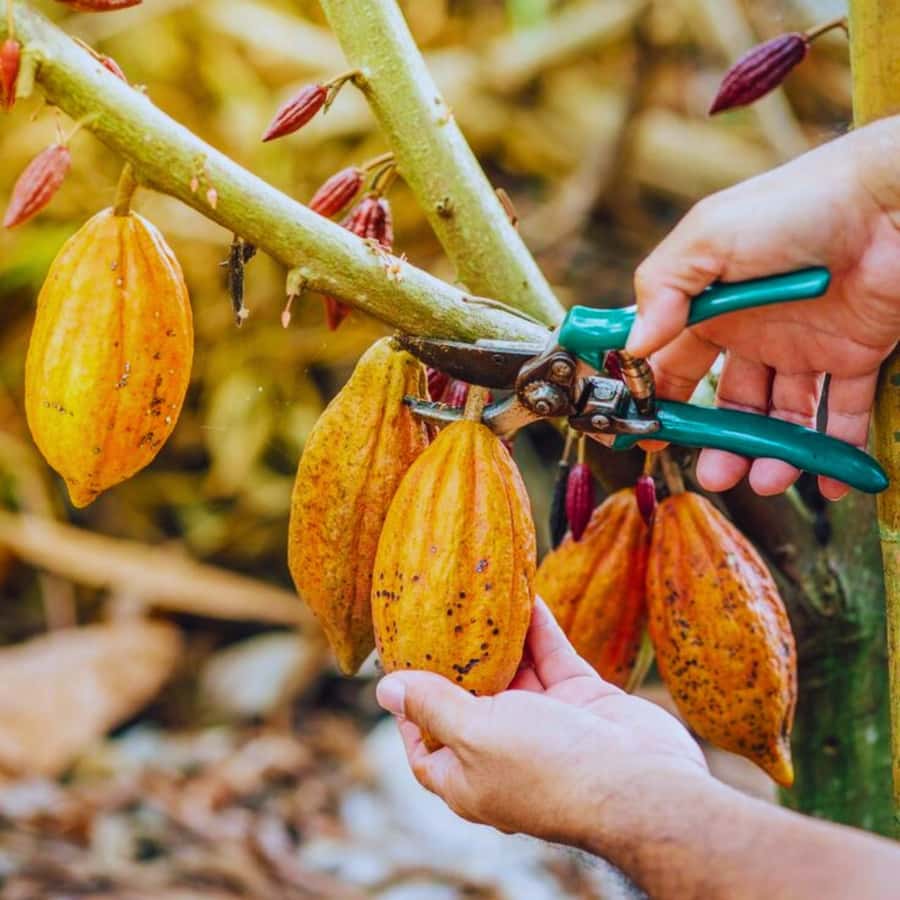
At $41 per person for about 4.5 hours, you’re not just paying for a walk and a couple tastes. You’re paying for a guide who can translate how coffee and cocoa move from crop to cup and bar, plus the hike through Sierra Nevada’s different thermal floors and living ecosystems.
The value is strongest if you like doing “sense work,” meaning you pay attention to smell, bitterness, acidity, and aroma—not just gulping a sample. You’ll also get a nature component that’s more than a backdrop: the tour connects agriculture to the forest that sustains it, and that makes the whole experience feel purposeful.
One more practical note: food and beverages aren’t included. So treat the tour like an active morning or afternoon where you’ll likely want water on board and a plan for a proper meal afterward.
You can also read our reviews of more tours and experiences in Minca.
From Parque de Minca to Puente de Minca: The Start That Sets the Pace
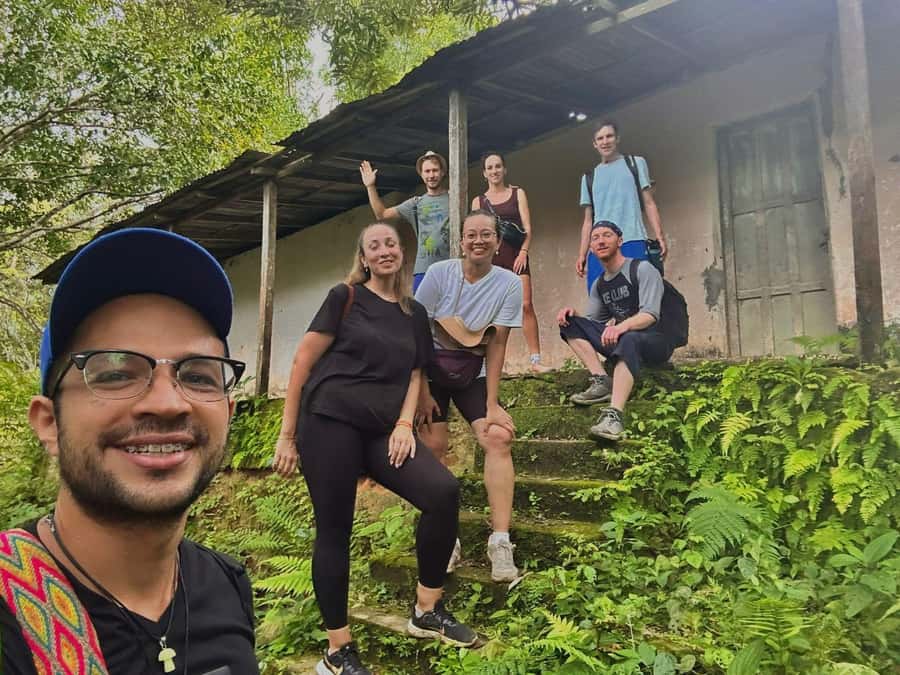
Your day begins at the Central Park of Minca, by the church or small chapel. This matters because you’ll start with a local feel—before the trail pulls you into the quieter parts of the Sierra Nevada.
From there, the route takes you to Puente de Minca for a guided segment of about an hour. Expect this early stretch to be about orientation: how to move on the trails, what you’ll see as you go, and how the surrounding area ties back to local farming life.
Why it’s worth paying attention to this first hour: it’s when your guide can calibrate your expectations. If you’re new to hiking in Colombia’s warmer foothills, that early “how it works” talk can make the rest of the walking feel easier.
Minca Park to the Trail System: Biodiversity Walks and Real Context
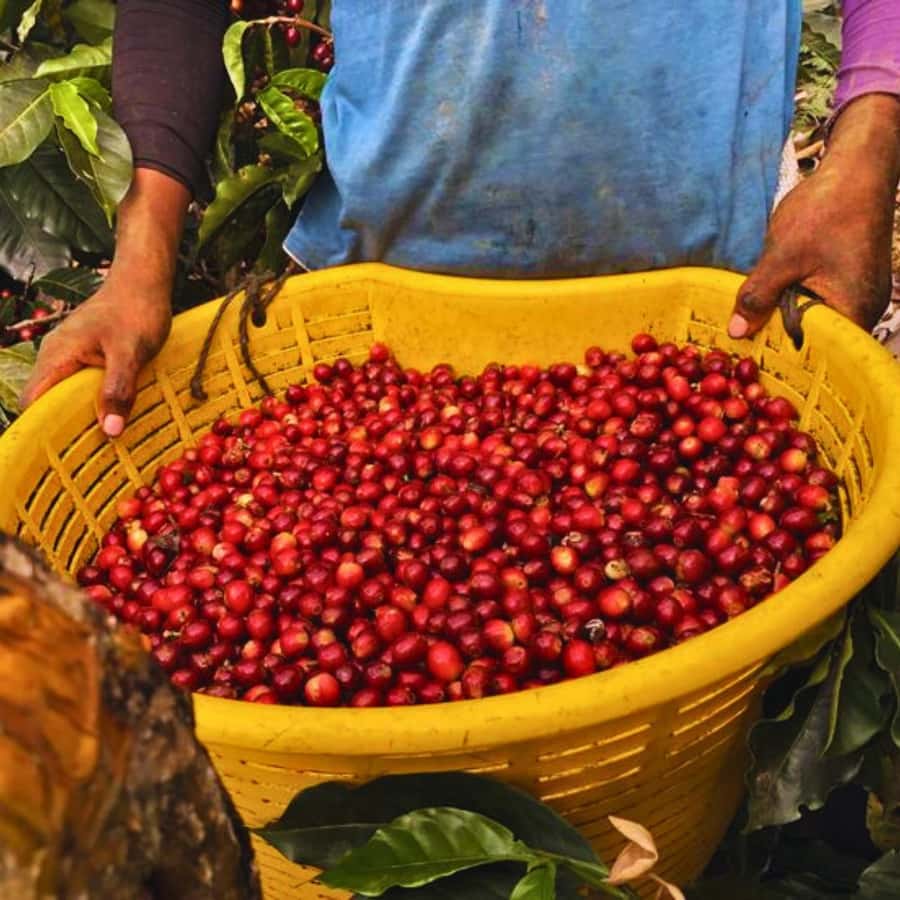
Next you spend roughly 3 hours around Minca Park with guided time. This is where the tour turns from “farm tour” into “Sierra Nevada nature and agriculture” tour.
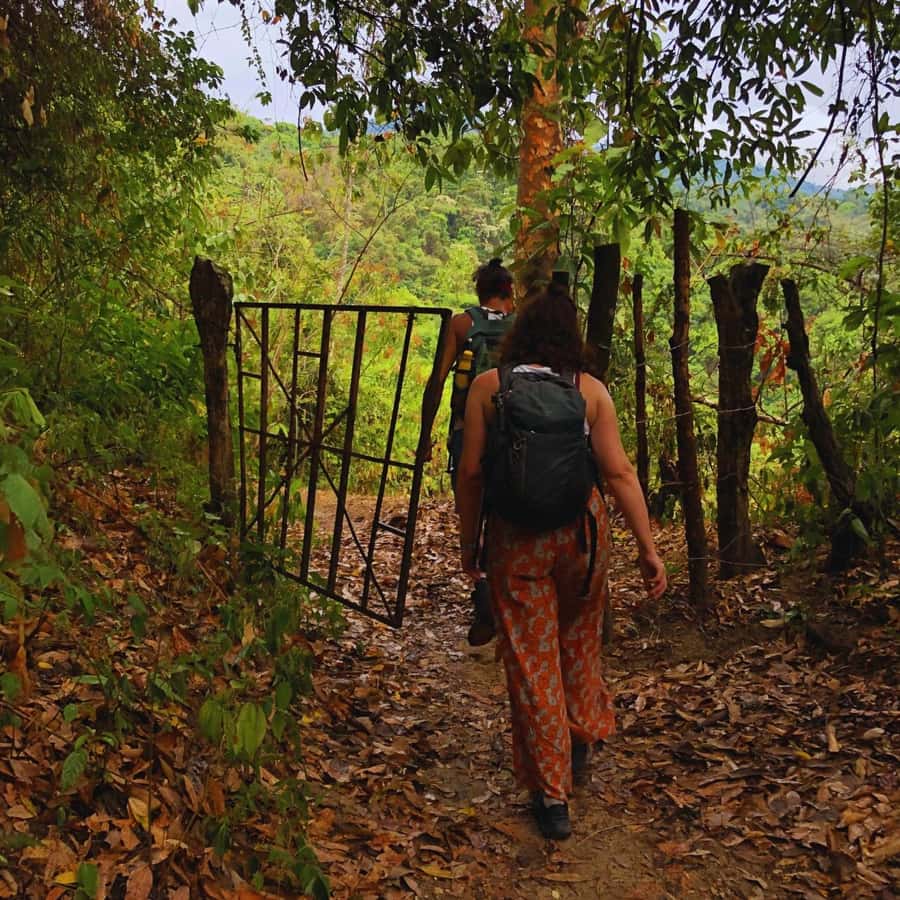
You’ll walk trails through tropical forests and get guided observation of native flora and fauna. The tour also highlights how the region’s multiple thermal floors support different types of plants—and that’s not trivia. It’s why communities developed resilient agriculture and why coffee and cocoa became important parts of local identity.
You’ll also take rest areas with panoramic views. These pauses aren’t filler. In hot, humid terrain, short stops help you slow down, cool off, and actually notice what’s around you—like the changes in vegetation and the occasional glimpses of misty mountains.
Finca San Rafael: Sustainable Coffee and Cocoa Production, From Crop to Cup
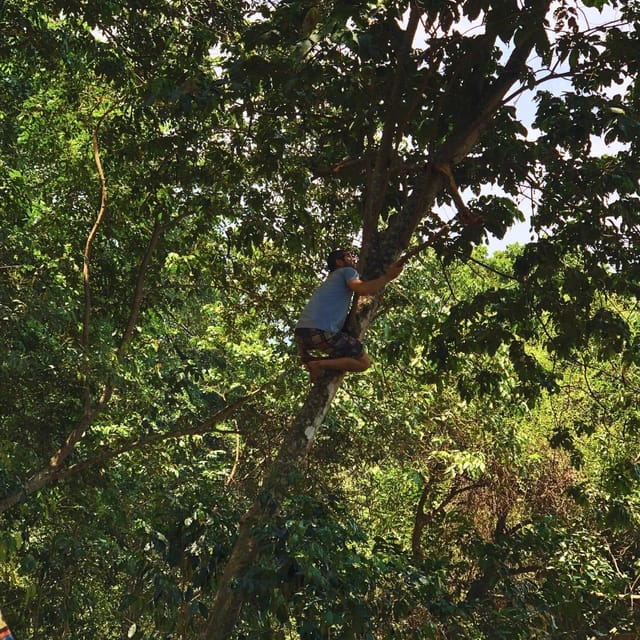
The centerpiece is the visit to a sustainable farm—Finca San Rafael. The overall tour is 4.5 hours, so even though the finca stop is listed with a weird duration figure, you should treat this as a short, focused farm visit rather than a full day.
What makes the farm visit special is the emphasis on the full chain: cultivation, harvesting, and transformation into products. You’ll learn how practices evolved from traditional methods toward more sustainable agroecological techniques. That framework matters because it connects your tasting directly to what the farmers do in the field.
In past experiences, guests have noted that the cacao production process can be shown very manually, which usually means you’ll see steps up close rather than just watching a prepared slideshow. You’ll also meet the family running the plantation and get a welcome that feels personal, not staged.
If you like asking questions, this is the part to be brave. Ask about shade, soil, harvesting timing, or how they balance yields with environmental care. A specialized guide with farm knowledge should be able to answer without dodging.
Sierra Nevada Trekking: Views, Rivers, and How to Read the Terrain
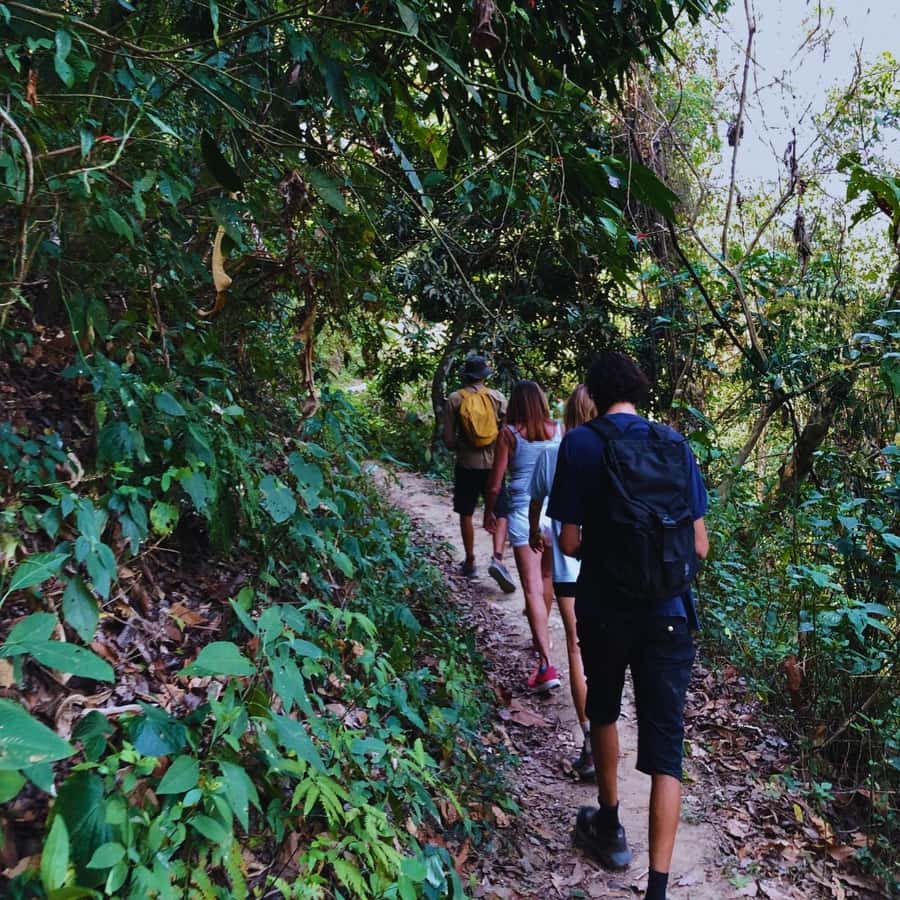
Even with a short total duration, you’re hiking in Sierra Nevada de Santa Marta territory—known for its rich biodiversity and fertile soils. The tour uses that setting in a smart way: you walk trail sections where you can sense the contrast between mist-covered mountain air, bright jungle green, and distant views toward the Caribbean Sea.
You’ll get access to natural water sources for refreshment. That’s a big deal in Minca, where heat and humidity can sneak up on you. Still, don’t assume it’s bottled-water logistics—bring your own reusable bottle and drink when your guide stops you.
One more thing: there are crystalline rivers that nourish the ecosystem. You might catch them as part of the scenery during the walk, and the guide will likely connect that to why agroecological practices matter. The point isn’t to “collect photos.” It’s to understand how the landscape supports the crops.
And yes, there can be extra moments around water if timing and conditions allow. For example, some groups have reported a brief swim stop at a small natural lake near a waterfall. Don’t count on it as guaranteed, but keep the swimsuit/towel idea in your back pocket if you’re the type who likes to plan for small surprises.
Coffee and Cocoa Tasting: How to Get More From the Samples
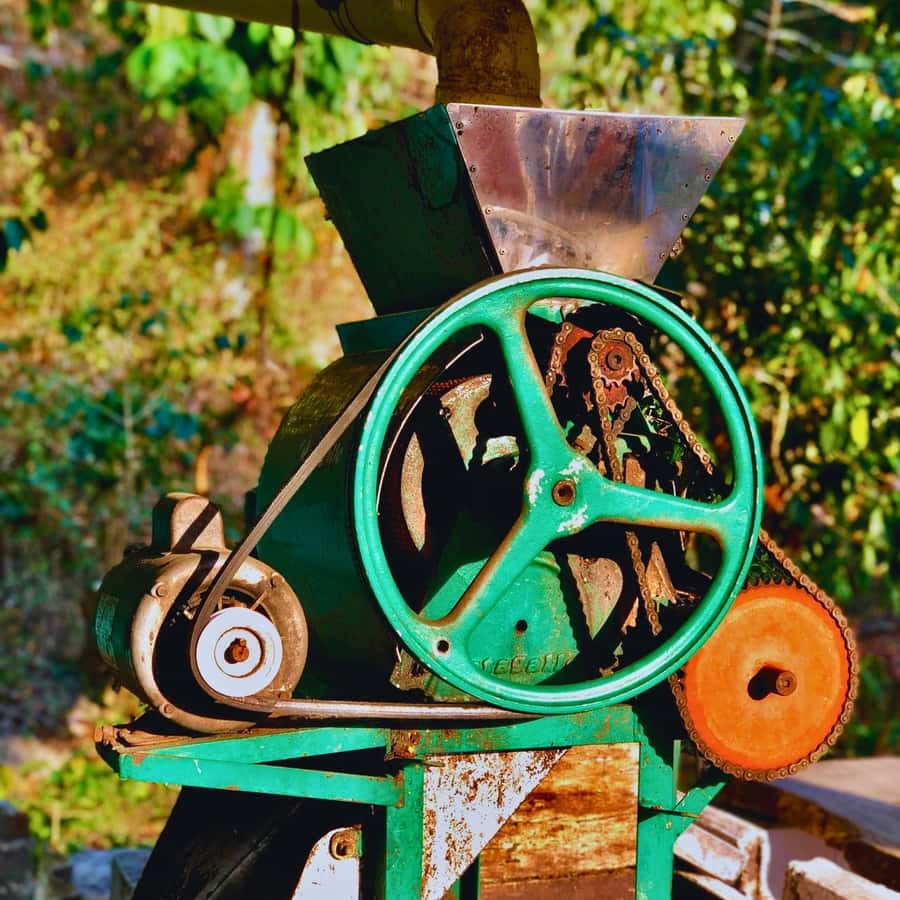
This tour is built around tasting organic coffee and handmade cocoa made in the region. The best part is that you’re not tasting blind. You get cultivation and transformation context first, so your senses start making sense fast.
Here’s how to taste like a pro without being pretentious:
- Smell first: coffee aroma can show hints of fruitiness or roast character.
- Sip slowly: pay attention to acidity and bitterness balance.
- For cocoa: notice whether it tastes more chocolate-forward or more earthy, depending on the process.
Because the tour focuses on the production journey, your guide should be able to explain why certain flavors happen. If you’re the kind of person who usually says I don’t know what I’m tasting, this is a good place to learn. You’ll leave with language for what you experience, not just a sweet memory.
Also, cocoa and coffee go beyond flavor here. They’ve shaped the local economy, culture, and identity of Minca. When your guide explains that connection, the tasting becomes more meaningful than a snack.
Practical Gear and Trail Reality in Minca
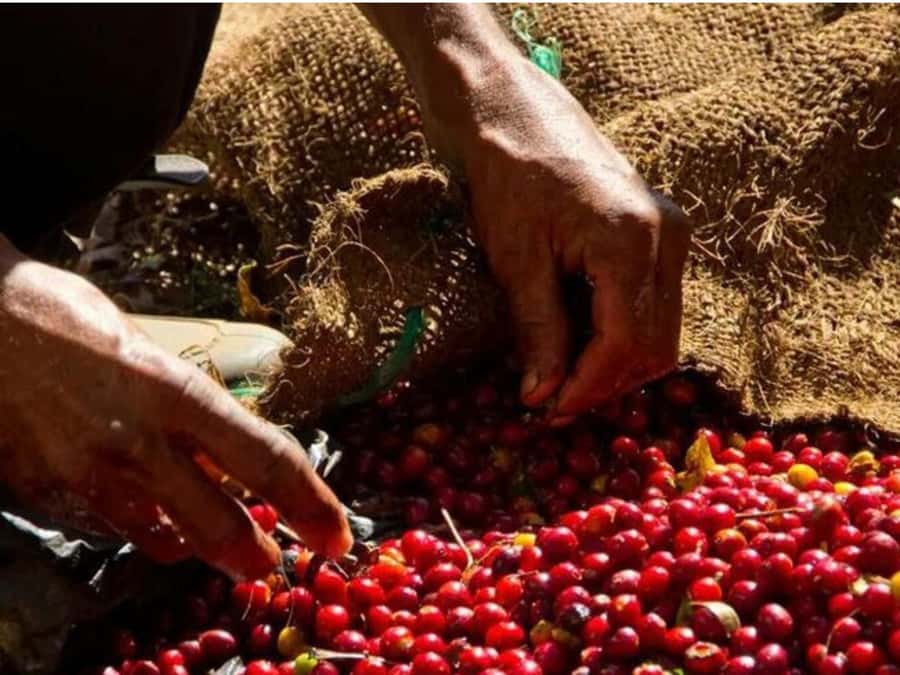
This is outdoors time in the Sierra Nevada with trails that can get muddy or dusty. The packing list is spot on for a reason: you’ll want comfort, traction, and protection.
Bring:
- Comfortable shoes or hiking shoes (whatever keeps your feet steady)
- A reusable water bottle
- Biodegradable sunscreen and hat
- Biodegradable insect repellent
- Water and comfortable clothes that can get dirty
- Trekking gear if you have it (plus hiking pants)
You may also want waterproof clothing. Even if rain doesn’t fall, mountain weather can shift quickly and a sudden mist can change how you feel on the move.
Not allowed items include weapons or sharp objects, plus baby strollers, alcohol and drugs, and nudity. That’s mostly about safety and respect, and it helps keep the farm and hiking experience comfortable for everyone.
Who This Tour Fits Best (and Who Should Skip It)
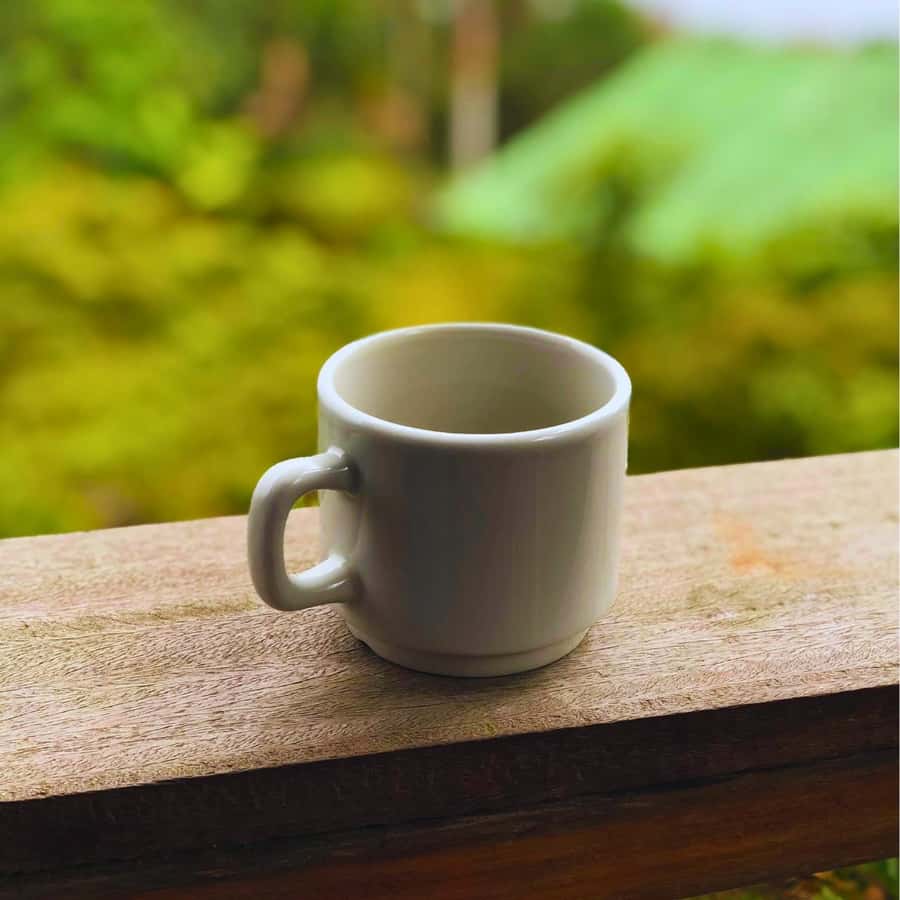
This tour is best for people who enjoy active nature time and want a real connection to how food is made. If you like sustainable agriculture themes, coffee-and-cocoa culture, and guided walks where you actually learn something, you’ll be in the right place.
It’s not suitable for:
- Children under 8 years
- Pregnant women
- Wheelchair users
- People with respiratory issues
- People over 70 years (the tour lists limits that include age restrictions)
It’s also not the best pick if you want a flat, easy stroll. Expect uphill effort and plan to move steadily rather than sprinting.
If you’re visiting Minca as a coffee-craft fan, you’ll probably love this. If you’re there just for scenery, you might still enjoy it, but you’ll get more out of it if you’re curious about how farming works.
Price and Value: Is $41 a Fair Trade?
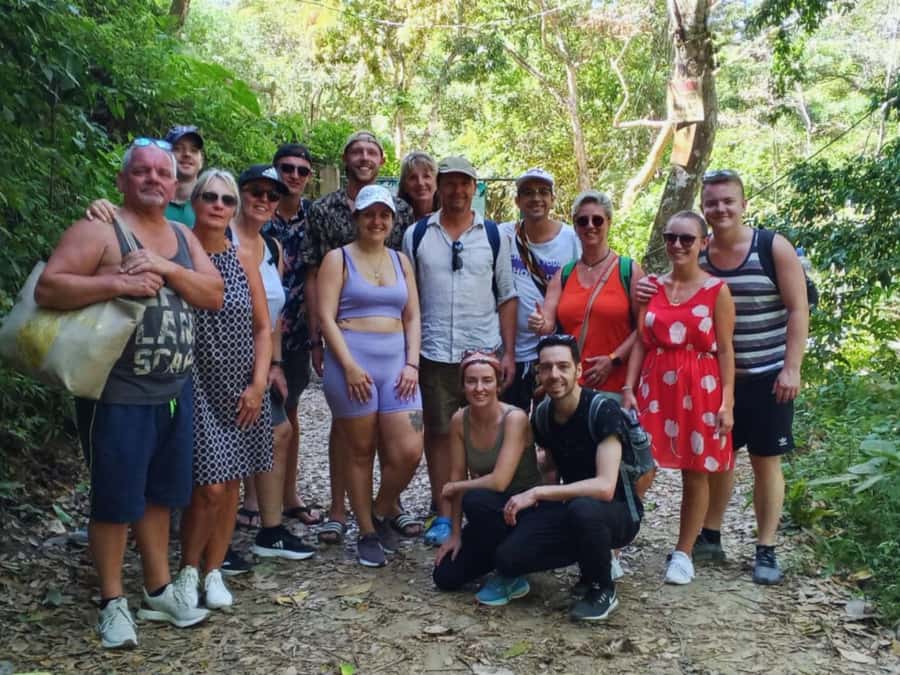
Let’s be honest: $41 isn’t a bargain-bin price, but it’s not outrageous for a specialized farm + biodiversity hike experience.
Here’s what you’re getting for your money:
- A local tour guide specialized in coffee, cocoa, and biodiversity
- A sustainable farm visit with cultivation and production explanations
- Organic coffee and handmade cocoa tastings
- A guided hike through natural trails in the Sierra Nevada
- Observation of native flora and fauna
- Rest areas with panoramic views and natural water sources
- Assistance insurance during the activity
- A direct contribution to local community and environmental conservation
What makes this feel like value is the combination. Many tours give you either a tasting or a hike. This gives you both, and it connects them through sustainability and community learning.
Should You Book This Coffee, Cocoa and Trekking Tour in Minca?
I’d book it if you want an Minca experience that smells like coffee, includes meaningful nature time, and teaches you how crops become products. You’ll get guided storytelling from people working the land, plus tastings you can actually connect to the process.
Skip it if you need a low-effort walk, have respiratory limitations, or you’re not up for uphill trail time. And if you’re expecting food included, plan your own meal before or after—food and beverages aren’t included.
If you’re balancing a tight schedule in Minca and want one tour that hits culture, flavor, and landscape ecology together, this is a strong choice.
FAQ
How long is the Coffee, Cocoa and Trekking tour in Minca?
The tour lasts about 4.5 hours. Starting times depend on availability.
Where does the tour start and end?
It starts at the Central Park of Minca, near the church or small chapel. It ends back at the same meeting point.
What languages are the guides?
The tour guide speaks Spanish and English.
What’s included in the tour price?
You get a specialized local guide, a visit to a sustainable farm with production explanations, organic coffee and handmade cocoa tastings, a guided hike with native flora and fauna observations, rest areas with panoramic views, access to natural water sources for refreshment, assistance insurance, and support for the local community and environmental conservation.
Is food or beverages included?
No. Food and beverages are not included.
What should I bring for the hike?
Bring comfortable shoes or hiking shoes, water, a reusable water bottle, biodegradable sunscreen, biodegradable insect repellent, a hat, waterproof clothing if you have it, comfortable clothes that can get dirty, and trekking gear if you use it.
What items are not allowed during the activity?
Weapons or sharp objects are not allowed, as well as baby strollers, alcohol and drugs, and nudity.
Is this tour suitable for kids or seniors?
It’s not suitable for children under 8 years. It also lists age limits that include people over 70 years.
What is the cancellation policy?
You can cancel up to 24 hours in advance for a full refund.